
The Role of Shamans in Family Healing and Wellbeing

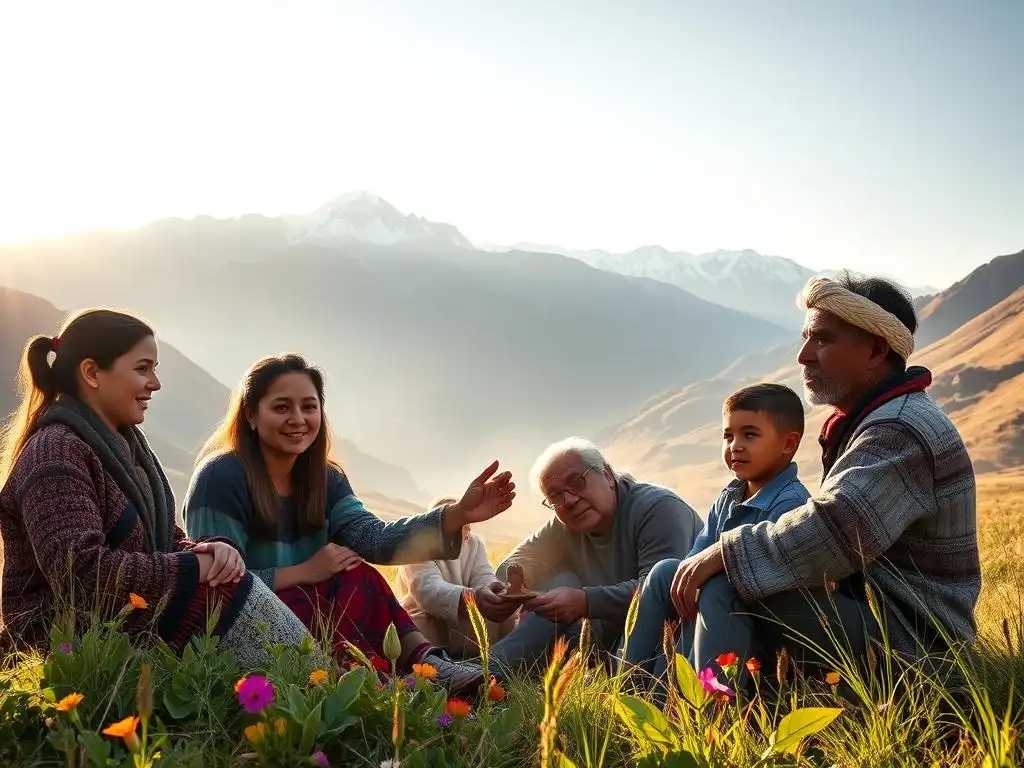
Step into a world lost to time, yet echoing with vibrant life. Imagine a society where the mountains themselves held sacred power, where family wellbeing was interwoven with the spiritual realm. Discover the secrets of Andean shamanic family healing, a practice that profoundly shaped the social fabric of ancient civilizations like the Incas, Moche, and Nazca. This journey into the heart of Andean social structures will unveil the captivating role of shamans and their profound impact on family health and harmony – a legacy that continues to resonate today. Are you ready to uncover its mysteries?
- Andean Shamanic Practices for Family Wellbeing: An Introduction
- The Shaman's Connection to Family Lineage and Ancestral Wisdom
- Andean Shamanic Family Healing Techniques
- Specific Family Issues Addressed by Andean Shamans
- The Impact of Andean Shamanic Practices on Family Wellbeing
- Case Studies: Examples of Andean Shamanic Family Healing
- Conclusion: The Enduring Relevance of Andean Shamanic Family Healing
-
Frequently Asked Questions
- What role did shamans play in Andean family life?
- How did Andean shamanic practices contribute to family healing?
- Were shamanic healing practices specific to certain Andean cultures?
- What types of illnesses or problems did Andean shamans treat within families?
- How is the legacy of Andean shamanic family healing relevant today?
- Final Reflection: Weaving the Threads of Andean Shamanic Family Healing
- Embrace Healing: Connect with Your Inner Wisdom!
Andean Shamanic Practices for Family Wellbeing: An Introduction
The Andes Mountains, a majestic spine running down the western coast of South America, are home to a rich tapestry of ancient cultures. For millennia, these societies developed complex social structures, sophisticated technologies, and deeply spiritual beliefs. Central to the understanding of Andean family life and well-being is the crucial role played by shamans.
This article delves into the fascinating world of Andean shamanic practices, exploring how these spiritual leaders contributed – and in some communities, continue to contribute – to the health, harmony, and overall wellbeing of Andean families. We will examine the multifaceted ways in which Andean shamans interacted with families, addressing physical ailments, emotional distress, and spiritual imbalances.
Understanding their role provides invaluable insight into the intricate relationship between spirituality, family structures, and societal stability in the Andean world. This exploration will specifically address the keyword “Andean shamanic family healing” and how it manifests in various Andean cultures, highlighting the enduring legacy of these practices.
Understanding the Role of Shamans in Andean Societies
Shamans in Andean societies were not simply religious figures; they were highly respected community members acting as healers, spiritual guides, and intermediaries between the human and spirit worlds. Their knowledge encompassed a vast array of practices, including herbal medicine, rituals, and divination. They weren't solely focused on individual healing; their role extended significantly to the well-being of the entire family unit, recognizing the interconnectedness of individual and community health.
The family, as the fundamental building block of Andean society, was considered a microcosm of the cosmos, and any imbalance within the family was seen as potentially affecting the broader community. Shamans worked to maintain harmony within this microcosm, using a combination of practical and spiritual techniques.
Their expertise was vital in addressing various challenges faced by Andean families, from illness and injury to social conflict and spiritual distress. Evidence from archaeological findings, ethnographic studies, and oral traditions paints a vivid picture of the shaman's multifaceted role in maintaining family wellbeing.
Diagnosing and Treating Family Illnesses: A Holistic Approach
Andean shamanic healing wasn't limited to treating physical ailments; it encompassed a holistic approach that considered the spiritual and emotional dimensions of illness. Shamans believed that disease could stem from various sources, including imbalances in the natural world, spiritual attacks, or transgressions against ancestral spirits. Diagnosis often involved intricate rituals, such as interpreting dreams, reading coca leaves (a practice still prevalent today), or observing natural phenomena. Treatment methods varied widely depending on the perceived cause of the illness. These could range from administering herbal remedies and performing cleansing ceremonies to mediating disputes within the family and appeasing angered spirits. The shaman's role was crucial in identifying the root cause of the family's distress and implementing the appropriate healing strategies, restoring balance within the family and reinforcing social harmony. Specific examples of herbal remedies and rituals used for different ailments are needed here to illustrate this holistic approach. [Specific information pending]
Beyond physical healing, Andean shamans played a vital role in mediating conflicts and fostering social harmony within the family. Family disputes, disagreements over inheritance, or tensions between generations could disrupt the delicate balance of the family unit and impact its overall wellbeing. The shaman, acting as a neutral and respected authority figure, would intervene to resolve conflicts, using their spiritual influence and knowledge of traditional customs to guide families towards reconciliation.
This peacekeeping role was essential in maintaining the social fabric of Andean communities and preventing larger societal disruptions. The shaman's ability to understand and address the emotional and spiritual dimensions of family conflict contributed significantly to the overall stability and wellbeing of the family. [Specific examples of conflict resolution techniques used by Andean shamans are needed here].
The Enduring Legacy of Andean Shamanic Family Healing
The legacy of Andean shamanic family healing practices continues to resonate in many Andean communities today. While modern medicine has become increasingly prevalent, traditional healing methods remain an integral part of family life for many. The holistic approach to wellness, emphasizing the interconnectedness of physical, emotional, and spiritual health, remains a valuable aspect of Andean culture.
The enduring practice of coca leaf reading, the use of traditional herbal remedies, and the continuing importance of spiritual leaders in resolving family conflicts demonstrate the enduring relevance of these ancient practices. The continued integration of ancient traditions with modern healthcare reflects a dynamic cultural adaptation that acknowledges the value of both ancient wisdom and contemporary medical advancements. Understanding this enduring legacy provides a deeper appreciation for the complex and rich cultural heritage of the Andes.
Further research into contemporary practices is needed to provide a more complete picture. [Specific examples of contemporary Andean shamanic family healing practices are needed here]
The Shaman's Connection to Family Lineage and Ancestral Wisdom
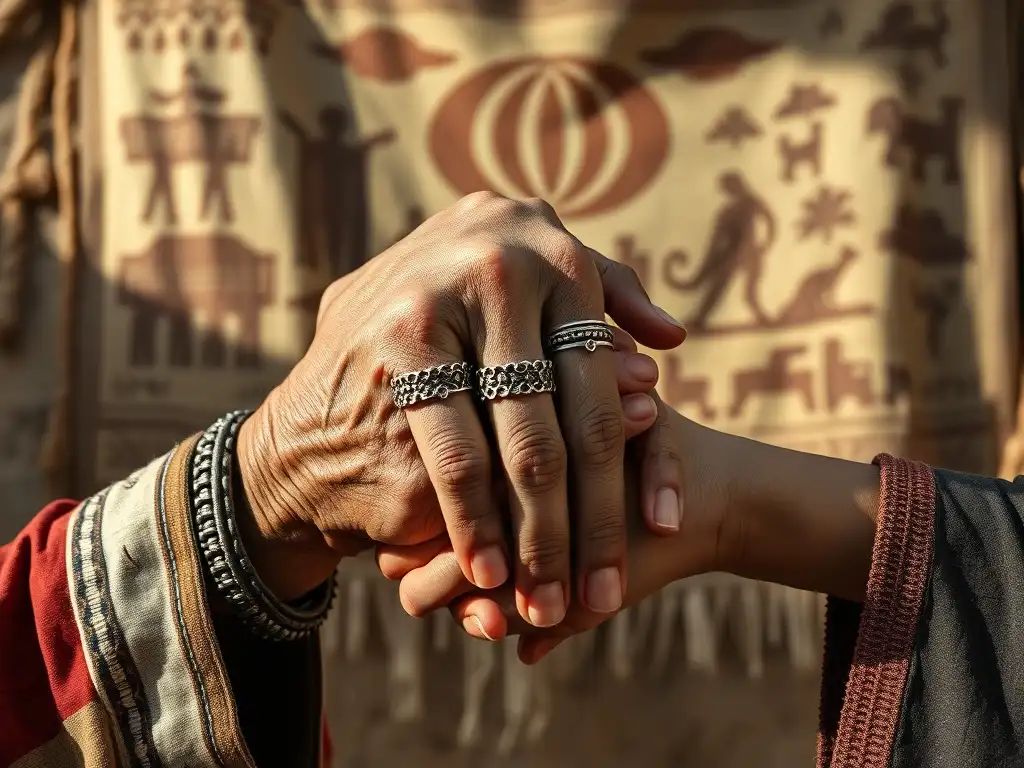
The Andean worldview deeply intertwines the living and the dead, emphasizing the continuous influence of ancestors on the wellbeing of their descendants. This belief profoundly impacts the role of the shaman in family healing, as their power is often directly tied to their connection to ancestral spirits and the family lineage. Shamans aren't merely healers; they are custodians of family history, spiritual guides who channel the wisdom of generations past to address present ailments.
This connection isn't arbitrary; it's cultivated through rigorous apprenticeship, inherited knowledge, and a deep understanding of the family's specific ancestral spirits and their associated rituals. The effectiveness of the shaman's healing practices is often believed to be directly proportional to the strength of this ancestral link. A shaman with a tenuous connection to their lineage might struggle to access the necessary spiritual power for effective healing, highlighting the importance of this inherited spiritual legacy.
The strength of this connection is often visibly demonstrated through the shaman's ability to accurately interpret dreams, predict future events based on ancestral patterns, and effectively communicate with the spirit world. This holistic approach to healing emphasizes the interconnectedness of individual, family, and ancestral wellbeing, showcasing the profound influence of Andean shamanic family healing practices.
The Importance of Ancestral Spirits in Andean Healing Rituals
Andean healing rituals are rarely focused solely on the individual. Instead, they often incorporate the family unit and its ancestral lineage as integral components of the healing process. Ancestral spirits, apus (mountain spirits), and other supernatural entities are believed to play a significant role in both illness and healing. Illness is often seen as an imbalance caused by disruption of the harmony between the living and the spirit world, perhaps due to a transgression against an ancestor or a failure to honor ancestral traditions.
The shaman's role is to restore this balance, acting as a mediator between the living and the dead. Rituals might involve offerings to appease angry ancestral spirits, ceremonies to strengthen the bonds with benevolent ancestors, or divination techniques to identify the root cause of the illness within the family's ancestral history. These rituals often involve intricate ceremonies, specific offerings (like coca leaves, chicha, or llama fetuses), and the use of sacred objects, all meticulously chosen based on the specific family lineage and the nature of the illness.
For example, the use of specific huacas (sacred objects) might be prescribed based on the family's historical connection to a particular apu or ancestral figure. The success of the healing is directly linked to the successful appeasement or connection with these significant ancestral entities. Understanding the nuances of these ancestral connections is crucial for effective Andean shamanic family healing.
Shamans as Intermediaries Between the Living and the Ancestral Realm
The shaman acts as a crucial bridge, facilitating communication and interaction between the living family and the ancestral realm. They are not simply healers; they are interpreters of the spiritual world, translating the messages and intentions of ancestral spirits to the living. This role requires a high degree of spiritual sensitivity and specialized knowledge passed down through generations.
The shaman's ability to enter altered states of consciousness, often through the use of plant medicines or ritualistic practices, allows them to interact directly with the spirit world, gaining insights into the cause of illness and identifying appropriate solutions. Their role is not merely diagnostic; they actively participate in the healing process, using their spiritual power to influence the ancestral spirits, request their intervention, and facilitate the restoration of balance within the family's spiritual ecosystem. This intermediary role underscores the shaman's central position within the Andean family structure, highlighting their importance not just in times of illness, but also in maintaining the ongoing spiritual wellbeing of the family unit.
The shaman's ability to negotiate and communicate effectively with these powerful forces is paramount to the success of the Andean shamanic family healing process. Their expertise is not only spiritual but also deeply embedded within the social fabric of the community, reflecting the holistic nature of Andean worldview.
Andean Shamanic Family Healing Techniques
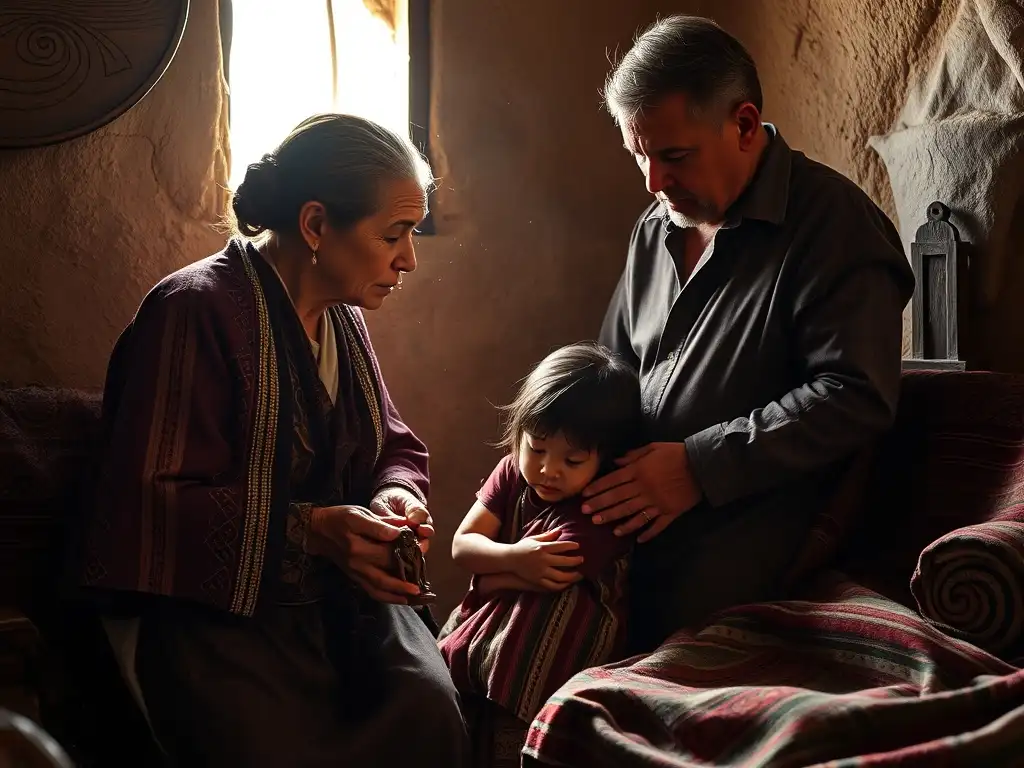
This section delves into the specific techniques Andean shamans employed to promote family healing and wellbeing. Understanding these practices provides crucial insight into the deeply intertwined nature of spirituality, family, and health within Andean societies. The holistic approach, integrating spiritual, physical, and emotional elements, highlights the importance of the family unit as the fundamental building block of Andean social structures.
The effectiveness of these techniques stemmed from a profound understanding of the interconnectedness of all things, where the health of the individual was inextricably linked to the health of the family and the wider community. This interconnectedness is a core concept in understanding Andean shamanic family healing.
Plant Medicine and its Use in Family Healing Ceremonies
Andean shamanic family healing frequently incorporated plant medicine, viewed not simply as medication, but as sacred entities possessing powerful spiritual energies. The careful selection and preparation of these plants were crucial, often involving intricate rituals and prayers. The shaman's knowledge of the plants' properties, both medicinal and spiritual, was essential for effective treatment.
For example, coca leaves, widely used throughout the Andes, were not only a stimulant but also played a vital role in ceremonies aimed at restoring balance and harmony within the family. Other plants, like ayahuasca (though its usage varied regionally), were used in more intense ceremonies to address deep-seated emotional or spiritual imbalances affecting the family.
The ceremonies themselves were highly ritualistic, often involving chanting, music, and offerings to the spirits. The family participated actively, demonstrating their commitment to the healing process. The shaman, acting as a conduit between the spiritual and physical worlds, guided the family through the ceremony, facilitating communication with ancestral spirits and harnessing the power of the plants to address the specific needs of the family.
Detailed accounts of these ceremonies, however, remain scarce, requiring further research to fully understand the nuances of their application in different Andean communities. The symbolic use of plants in these ceremonies also reflected the importance of the family's connection to the natural world and the Andean worldview in general.
Energy Cleansing and Balancing Practices for Family Harmony
Beyond plant medicine, Andean shamans employed various energy cleansing and balancing techniques to promote family harmony. These practices aimed to remove negative energies that might be causing illness or discord within the family. Techniques included limpia, a ritualistic cleansing often involving the use of herbs, eggs, or other objects believed to absorb negative energy. The shaman would pass these objects over the family members, symbolically drawing out the negative energy and restoring balance.
Another crucial practice was the use of paqos (Andean priests) who worked with energy fields. These individuals were skilled in identifying and addressing energy blockages, restoring the flow of energy within the family. This involved intricate techniques, often involving visualization, breathwork, and specific hand movements.
The effectiveness of these practices depended heavily on the shaman's ability to perceive and manipulate subtle energies, a skill developed through years of apprenticeship and spiritual practice. The family’s active participation in these practices, through prayer, meditation, or simply by receiving the shaman's treatment, reinforced the collective effort towards healing and strengthening family bonds. Further research is needed to fully document the diversity of energy balancing techniques across different Andean regions.
Rituals for Strengthening Family Bonds and Resolving Conflicts
Many Andean shamanic rituals focused on strengthening family bonds and resolving conflicts. These ceremonies aimed not only to heal existing wounds but also to prevent future problems. One common practice involved offerings to the apus (mountain spirits), considered powerful protectors and guardians of the community. These offerings, often consisting of coca leaves, alcohol, or other sacred items, sought to appease the spirits and ensure their continued blessings upon the family.
Shamans also played a crucial role in mediating family disputes. Their deep understanding of Andean cosmology and social dynamics allowed them to address the root causes of conflict and facilitate reconciliation. These mediations were not merely legalistic but involved spiritual elements, seeking to restore harmony and balance within the family system. The process might involve storytelling, symbolic rituals, and shared experiences aimed at fostering empathy and understanding among family members.
The shaman's authority and spiritual insight helped to guide the family toward resolution, emphasizing the importance of collective wellbeing over individual grievances. Understanding the specific details of these mediation rituals requires further research into the diverse practices of different Andean communities, as variations undoubtedly existed across regions and time periods. The role of the shaman in this process highlights the integration of spiritual and social life within Andean family structures.
Specific Family Issues Addressed by Andean Shamans
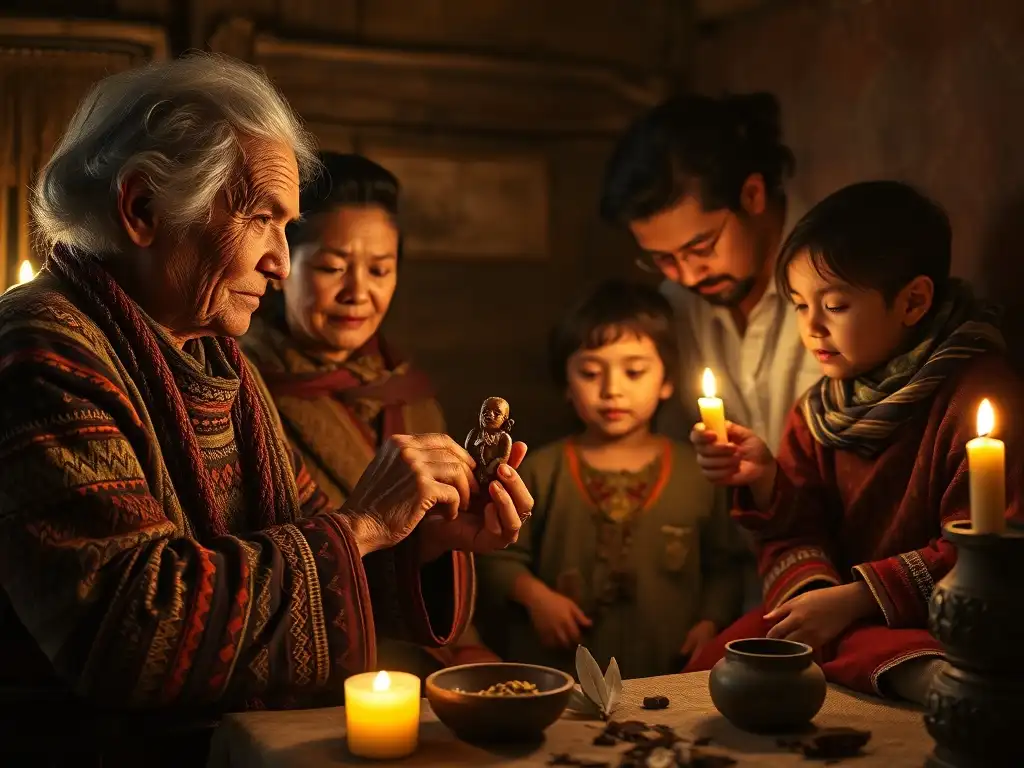
Andean shamanic family healing encompassed a wide range of concerns integral to the well-being of the family unit. Shamans weren't merely spiritual leaders; they were vital members of the community, acting as healers, counselors, and guides navigating the complexities of family life. Their practices intertwined spiritual beliefs with practical knowledge of herbal remedies and holistic approaches to health, addressing issues that impacted familial harmony and longevity.
The effectiveness of Andean shamanic practices stemmed from a deep understanding of the interconnectedness of individuals within the family and their relationship with the broader cosmos. This holistic perspective allowed for a comprehensive approach to healing, addressing the root causes of family problems rather than just treating symptoms. The legacy of these practices continues to resonate in contemporary Andean communities, demonstrating their enduring relevance in promoting family health and well-being.
Healing Intergenerational Trauma through Shamanic Practices
Intergenerational trauma, the transmission of emotional wounds across generations, was a significant concern addressed by Andean shamans. Many Andean communities experienced historical trauma resulting from colonization, displacement, and societal upheaval. These collective experiences left lasting impacts on families, manifesting in various forms, including anxiety, depression, substance abuse, and relationship difficulties.
Shamans employed various techniques to heal this trauma, often integrating rituals, ceremonies, and plant-based medicines. For instance, the use of ayahuasca, a powerful entheogen, facilitated a journey into the subconscious, allowing individuals to confront and process painful memories inherited from their ancestors. Through guided meditation and ritualistic cleansing, shamans helped families release negative energy and break cycles of trauma, fostering healing and resilience within the family structure.
This process often involved family participation, highlighting the community-based nature of Andean healing practices. The success of these practices hinged on the shaman's ability to create a safe and supportive environment where family members could openly share their experiences and work collaboratively toward healing.
Addressing Family Illnesses and Imbalances with Traditional Medicine
Andean shamans played a critical role in addressing various illnesses and imbalances affecting families. Their knowledge of traditional medicine, encompassing a vast array of herbal remedies, dietary recommendations, and therapeutic practices, was invaluable in maintaining family health. They diagnosed ailments through a combination of observation, intuition, and spiritual insights, considering the individual's physical, emotional, and spiritual state within the broader context of the family.
For example, an illness might be attributed to an energy imbalance within the family, requiring rituals to restore harmony. Treatment often involved a combination of herbal infusions, massages, and spiritual cleansing ceremonies. The use of medicinal plants specific to the Andean region, such as coca leaves for energy and muña for digestive issues, was carefully tailored to individual needs and family dynamics.
Detailed records of these traditional remedies are unfortunately limited, but anthropological studies reveal a sophisticated understanding of medicinal properties and their applications in family healthcare. The integration of spiritual and physical healing approaches underscored the holistic nature of Andean shamanic family healing.
Shamans' Role in Fertility and Childbirth Rituals
Fertility and childbirth held immense significance within Andean family structures. Shamans played a crucial role in ensuring successful pregnancies, facilitating healthy births, and protecting the well-being of both mother and child. Their involvement began even before conception, with rituals aimed at improving fertility and promoting a healthy pregnancy.
During pregnancy, shamans provided guidance and support to the expectant mother, offering herbal remedies to alleviate discomfort and ensure a smooth delivery. Childbirth itself was often accompanied by elaborate rituals, intended to ensure a safe passage for the mother and the healthy arrival of the newborn. Post-partum care also involved shamanic practices, including herbal remedies to promote healing and rituals to protect the mother and child from harm.
The specific rituals and practices varied across different Andean communities, reflecting the diversity of cultural beliefs and traditions. However, the central role of the shaman in supporting families throughout the reproductive cycle highlights the profound influence of shamanic practices on Andean family life and continuity. The shaman's guidance extended beyond the physical realm, encompassing spiritual protection and ensuring the harmonious integration of the newborn into the family.
The Impact of Andean Shamanic Practices on Family Wellbeing
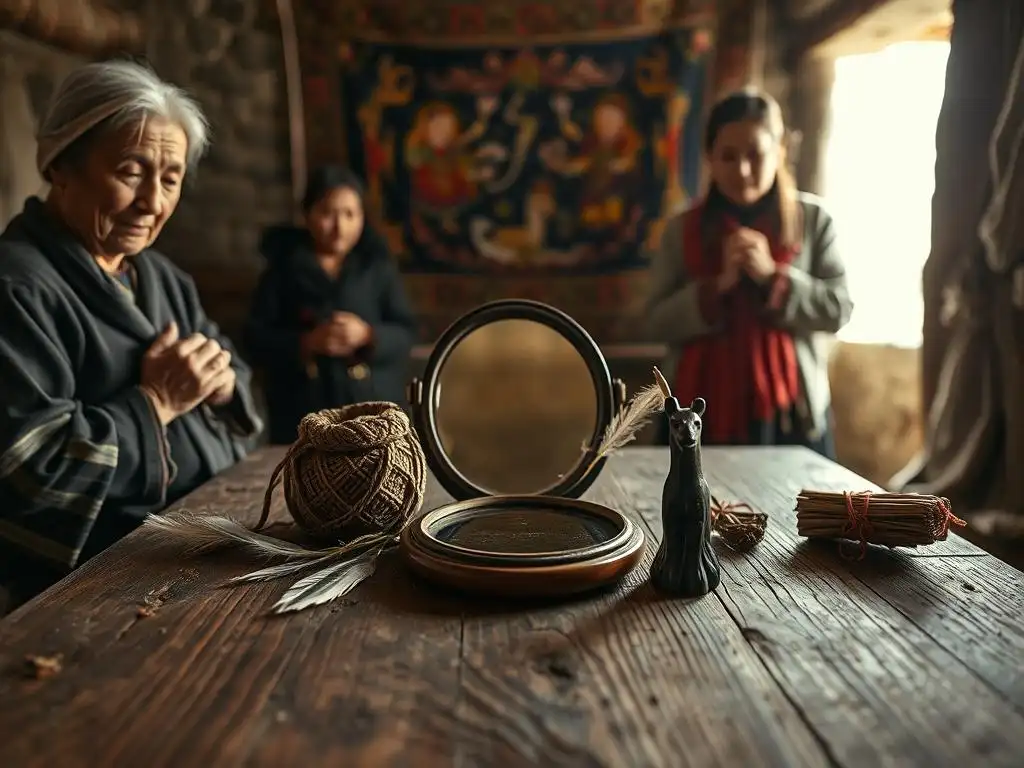
Andean shamanic practices played a pivotal role in maintaining family wellbeing, extending far beyond simple physical healing. These practices intertwined spiritual, emotional, and social aspects of family life, creating a robust system of support and resilience within the community. The holistic nature of Andean shamanism ensured that the family unit functioned not only as a biological entity but also as a cohesive spiritual and social unit. Understanding this integrated approach to family health is key to appreciating the enduring legacy of Andean cultures. The term "Andean shamanic family healing" encapsulates this intricate relationship between spiritual practices and family well-being.
Fostering Emotional and Spiritual Health within the Family Unit
Andean shamans weren't merely healers of physical ailments; they were also crucial in maintaining the emotional and spiritual equilibrium of the family. Through rituals, ceremonies, and individual consultations, they addressed a wide spectrum of emotional and spiritual issues affecting family members. For instance, pachamama ceremonies, honoring Mother Earth, fostered a sense of connection and belonging, strengthening family bonds.
These ceremonies often involved shared experiences, reinforcing collective identity and promoting emotional resilience. Furthermore, shamanic practices aimed to harmonize the individual's energy with the cosmic order, impacting not only the individual's wellbeing but also the overall harmony of the family unit. Disruptions in this cosmic balance, according to Andean beliefs, could manifest as family conflicts, illness, or misfortune.
The shaman's role was to restore this balance, facilitating emotional healing and spiritual growth within the family. Specific techniques, such as the use of medicinal plants and guided meditations, helped individuals cope with stress, trauma, and grief, leading to improved mental and emotional health within the family.
Andean shamanic healing wasn't confined to the individual or the nuclear family; it extended to the broader community. Shared healing experiences, such as collective rituals and ceremonies, fostered a strong sense of community cohesion. These communal events served not only to heal individuals but also to strengthen social bonds and reinforce shared values.
Participation in these ceremonies fostered a sense of collective responsibility and mutual support, reinforcing the interconnectedness of family units within the larger social fabric. The communal aspect of Andean shamanic practices was vital in creating a supportive network that mitigated the impact of individual hardships and reinforced community resilience.
For example, the ayni principle of reciprocity, integral to Andean society, manifested in communal healing events, where families reciprocally supported each other in times of need, creating a strong social safety net. This system of mutual support significantly contributed to the overall wellbeing of the community and its constituent family units.
The Preservation of Andean Cultural Heritage through Shamanic Traditions
The continued practice of Andean shamanic healing traditions represents a vital link to the rich cultural heritage of the Andes. These traditions, passed down through generations, embody a profound understanding of the interconnectedness of humans, nature, and the cosmos. The preservation of these practices is not just about maintaining ancient rituals; it's about safeguarding a holistic worldview that prioritized the wellbeing of the family and the community.
The transmission of knowledge and skills related to Andean shamanic family healing continues to be a critical aspect of cultural continuity, ensuring that these valuable traditions remain relevant and accessible to future generations. This cultural preservation also plays a significant role in promoting a sense of identity and pride within Andean communities, thereby strengthening family and community bonds. The ongoing research and documentation of these practices are crucial for understanding the profound impact of Andean shamanism on family structures and overall societal wellbeing.
The ongoing efforts to safeguard and revitalize Andean shamanic practices are essential for preserving this invaluable cultural heritage and ensuring its continued contribution to family and community wellbeing. The importance of this preservation is underscored by the increasing interest in "Andean shamanic family healing" as a pathway to holistic well-being.
Case Studies: Examples of Andean Shamanic Family Healing
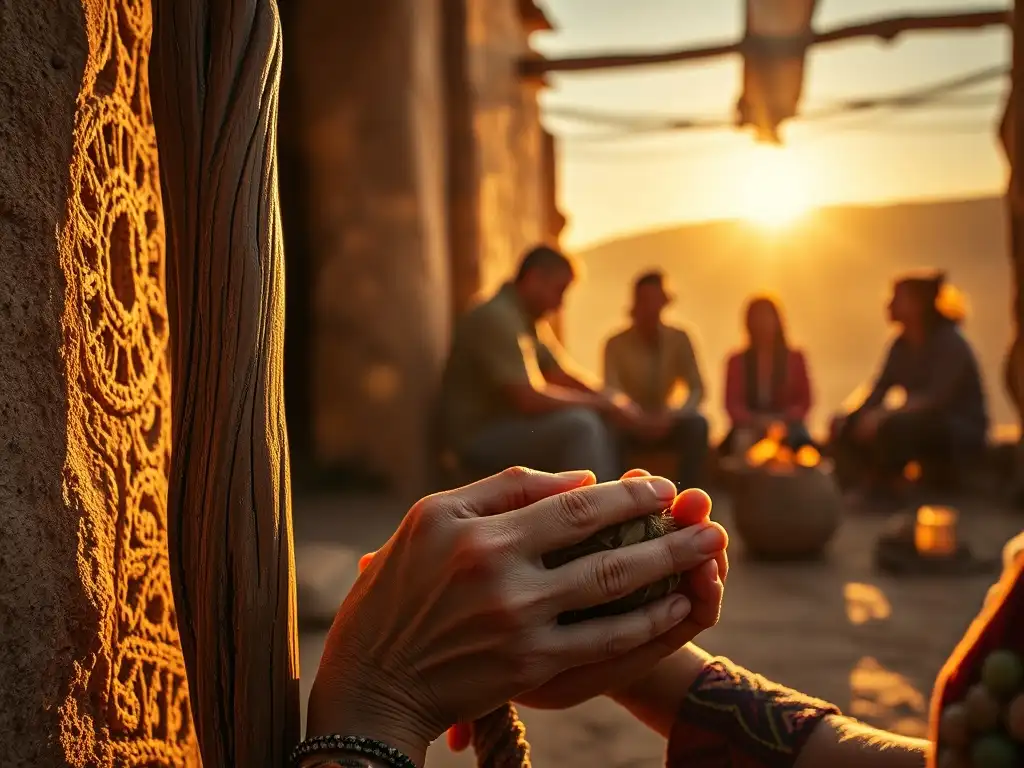
This section delves into specific instances showcasing the practical application of Andean shamanic practices in family healing and wellbeing. These case studies illustrate the diverse ways shamans addressed family challenges, highlighting the integral role of these spiritual leaders in maintaining social harmony and promoting individual and collective well-being within Andean family structures. Understanding these examples provides valuable insight into the depth and breadth of Andean shamanic family healing practices.
Case Study 1: Healing a Family Rift through Ritual Cleansing
A common challenge faced by Andean families was internal conflict, often stemming from inheritance disputes, disagreements over land ownership, or interpersonal tensions. Shamans played a crucial role in mediating these conflicts and restoring harmony. Consider a family in the Cusco region during the Inca Empire. Two brothers, heirs to a significant alpaca herd, found themselves embroiled in a bitter feud over the division of the animals. This dispute threatened not only their familial bond but also the economic stability of the entire family unit. The family matriarch, recognizing the escalating tension, sought the intervention of a respected shaman.
The shaman, after careful consultation and divination using coca leaves, identified an imbalance in the family's spiritual energy as the root cause of the conflict. He proposed a ritual cleansing ceremony, limpieza, to purify the family and restore equilibrium. This involved the use of sacred herbs, such as coca and muña, along with prayers and offerings to Pachamama (Mother Earth) and other Andean deities.
The ceremony was meticulously performed, involving all family members in a process of purification and reconciliation. The brothers, participating actively in the ritual, began to release their anger and resentment. Following the limpieza, a palpable shift in the family dynamic was observed.
The brothers reconciled, agreeing on a fair division of the herd, and the family was restored to a state of harmony. This exemplifies how Andean shamanic family healing addressed not just physical ailments but also deep-seated emotional and spiritual imbalances affecting the family as a whole. The success of this intervention underscored the shaman's ability to address the socio-emotional aspects of family life through spiritually informed practices.
Case Study 2: Supporting a Family Through a Difficult Birth
Childbirth held immense significance in Andean cultures, and complications were often attributed to supernatural forces or spiritual imbalances. Shamans played a vital role in supporting families during pregnancy, labor, and postpartum. Let's examine a scenario from a pre-Columbian Moche community. A woman experienced a prolonged and difficult labor, causing significant distress to her and her family. Traditional midwives attended to the physical aspects of the birth, but the family also sought the assistance of a shaman to ensure the safe delivery of the child and the mother's wellbeing.
The shaman, aware of the anxieties surrounding the difficult birth, performed rituals aimed at appeasing potentially malevolent spirits and facilitating a smooth delivery. These rituals involved the use of chants, prayers, and offerings, invoking the protective power of Andean deities associated with fertility and childbirth. The shaman also worked to harmonize the energies surrounding the mother and child, creating a supportive and protective spiritual environment.
The shaman's presence provided not only spiritual comfort but also a sense of hope and resilience to the family during this challenging time. The successful birth of a healthy child was viewed as a testament to the shaman's intervention and further solidified the shaman's role as a crucial support system within the Andean family structure.
This highlights how Andean shamanic practices were intertwined with the practical aspects of family life, providing crucial support during critical moments like childbirth, furthering the understanding of "Andean shamanic family healing". The use of ritual and spiritual intervention in such situations showcases the holistic approach of Andean shamanic healing, addressing both the physical and spiritual aspects of health within the family unit.
Conclusion: The Enduring Relevance of Andean Shamanic Family Healing
The intricate relationship between Andean family structures and shamanic healing practices reveals a deeply interwoven tapestry of spiritual belief, social organization, and practical healthcare. For centuries, the shaman hasn't merely been a spiritual leader; they've been a vital pillar of family wellbeing, addressing both physical and spiritual ailments within the familial unit. Understanding this dynamic provides crucial insight into the resilience and continuity of Andean cultures across generations.
The holistic approach to healing, encompassing the physical, emotional, and spiritual dimensions of a person's life, within a strong family context, is a key aspect of Andean shamanic family healing. This understanding challenges Western medical models that often isolate the individual from their social context.
The Continued Importance of Shamans in Andean Communities
Despite the pressures of modernization and globalization, Andean shamanic traditions continue to thrive in many communities. While Western medicine has gained traction, many families still actively seek the guidance and healing offered by shamans. This isn't necessarily a rejection of modern healthcare; rather, it represents a complementary approach, integrating traditional knowledge with modern practices.
For example, a family might consult a doctor for a diagnosed illness, but also seek a shaman's intervention to address the spiritual or energetic imbalances believed to contribute to the illness – a testament to the enduring belief in the power of Andean shamanic family healing. This integration reflects a pragmatic approach to healthcare, recognizing the limitations of each system and leveraging the strengths of both.
Anecdotal evidence suggests that the demand for shamanic healing remains strong, particularly in remote communities where access to Western medicine is limited. Further research is needed to quantify this observation and explore the specific reasons behind the continued reliance on traditional healing methods.
Future of Andean Healing Practices and their Potential
The future of Andean healing practices holds both challenges and opportunities. The preservation of traditional knowledge and practices is paramount, given the potential loss of cultural heritage due to factors such as migration, assimilation, and the influence of globalized culture. Documentation and dissemination of these practices are crucial for ensuring their continuity.
Moreover, there's a growing interest in integrating elements of Andean shamanic healing into broader wellness practices. This interest presents the potential for cross-cultural exchange and collaboration, leading to new understandings of holistic healthcare. However, ethical considerations must be prioritized to avoid cultural appropriation and ensure the respectful preservation of Andean traditions.
The potential for developing sustainable models that support shamanic practitioners and their communities is a key area for future research and development. This could involve exploring collaborations between traditional healers and modern healthcare systems, creating educational programs to train new generations of shamans, and developing community-based initiatives that support the preservation of Andean shamanic family healing. The future of Andean shamanic family healing depends on a careful balance between preserving tradition and adapting to the modern world, ensuring its continued relevance and benefit for generations to come.
Frequently Asked Questions
What role did shamans play in Andean family life?
Andean shamans held a crucial role, acting as spiritual healers and intermediaries between the physical and spiritual worlds. They were vital for maintaining family wellbeing and resolving problems.
How did Andean shamanic practices contribute to family healing?
Shamans used various techniques including herbal remedies, rituals, and spiritual cleansing to address physical and spiritual ailments affecting the family. They focused on restoring harmony and balance.
Were shamanic healing practices specific to certain Andean cultures?
While the specific rituals varied, shamanic healing was a widespread practice across various Andean civilizations like the Inca, Moche, and Nazca. Each culture had its own unique traditions and beliefs.
What types of illnesses or problems did Andean shamans treat within families?
Andean shamans treated a wide range of issues, from physical illnesses and injuries to spiritual imbalances and emotional distress affecting family members. They also addressed social conflicts within the family unit.
How is the legacy of Andean shamanic family healing relevant today?
The principles of holistic healing and the importance of family harmony found in Andean shamanic traditions continue to inspire contemporary approaches to wellbeing and family therapy. They offer valuable insights into integrated health.
Final Reflection: Weaving the Threads of Andean Shamanic Family Healing
The ancient wisdom of Andean shamanic practices offers a powerful antidote to the fragmented nature of modern family life, reminding us of the profound interconnectedness between individual well-being and the health of the family unit. These practices, often overlooked in our technologically driven world, provide a vital pathway to healing deep-seated emotional wounds and fostering stronger, more resilient family bonds. The resurgence of interest in these traditions speaks to a growing recognition of the limitations of purely Western approaches to family therapy.
The enduring legacy of Andean shamanic healing lies not just in its efficacy, but in its holistic approach, recognizing the spiritual dimensions of family dynamics. It acknowledges that unresolved trauma, ancestral patterns, and energetic imbalances can significantly impact family relationships across generations. This understanding resonates deeply with my own experiences witnessing the transformative power of these practices. The family is the first temple where we learn to love and to forgive.
This quote, while not directly from an Andean source, encapsulates the core principle at the heart of this healing modality: that the family is the foundation upon which individual and collective well-being is built.
Consider, for a moment, the ways in which you can integrate the principles of Andean shamanic family healing into your own life. Perhaps it's through incorporating simple rituals of gratitude and connection, actively listening to the unspoken needs of your family members, or seeking guidance from a practitioner to address specific challenges.
The journey towards healing is a personal one, but the path is illuminated by the ancient wisdom of traditions like this, offering a beacon of hope and a roadmap to a more harmonious and fulfilling family life. Embrace the opportunity to reconnect with the sacredness of family, and discover the transformative power that awaits.
Embrace Healing: Connect with Your Inner Wisdom!
Thank you for exploring the fascinating world of shamanic practices and their potential to enhance family well-being. You've discovered how ancient techniques can enrich modern life. Now, let's translate those insights into practical steps for your personal healing journey and stronger family bonds.
Here's how you can begin:
- Explore Shamanic Techniques: Consider attending a workshop or online course to learn basic practices like guided meditation or visualization. These techniques can help you connect with your inner self and foster deeper understanding within your family.
- Share Your Discoveries: Discuss what you've learned about shamanism with your loved ones. A casual gathering focused on these themes can create a meaningful space for connection and shared understanding.
- Create a Family Ritual: Develop a simple family ritual that promotes bonding and healing. This could involve a weekly family meeting, a nature walk for reflection, or any activity that encourages shared experiences and strengthens your connections.
How does healing manifest in your family, and how can your unique journey inspire others? Let's discuss this in the comments below!