
Music and Dance in Daily Life: Expression and Celebration in Andean Culture

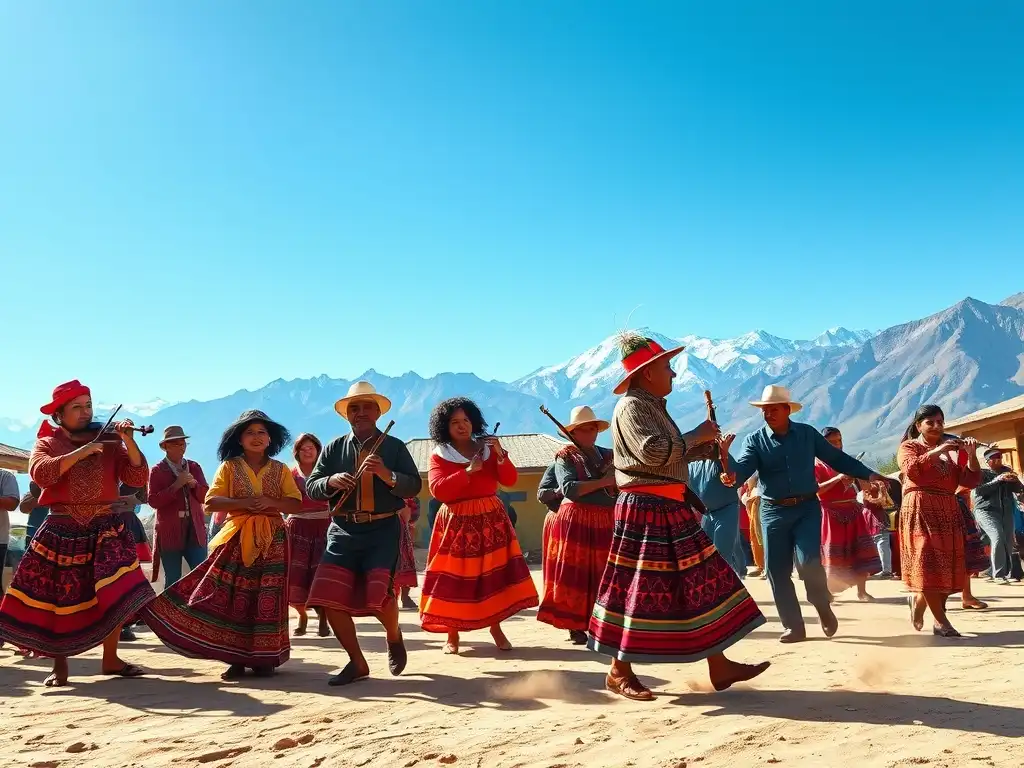
Welcome to Andean Civilizations, where the echoes of a lost world resonate with vibrant life. Prepare to journey through millennia of breathtaking artistry, ingenious engineering, and deeply spiritual traditions. But first, let us delve into the heart of Andean society: discover the captivating power of Andean music and dance traditions, a rhythmic pulse that beat at the center of daily life and ceremonial celebration. Uncover the secrets woven into their melodies and movements – a story waiting to be told. Read on to unravel the mysteries of this ancient expression.
-
Andean Music and Dance Traditions: Expression and Celebration in Daily Life
- The Significance of Music and Dance in Andean Culture
- Ritual and Ceremonial Music in Ancient Andean Societies
- Musical Instruments of the Andes: A Rich Heritage
- Dance Styles and Their Meanings in Andean Communities
- Music and Dance in Agricultural Cycles
- The Evolution of Andean Musical and Dance Forms
- Andean Music and Dance: A Living Tradition
-
Frequently Asked Questions
- What role did music and dance play in daily life for Andean civilizations?
- How did Andean music differ between different cultures (Inca, Moche, etc. )?
- What are some of the most important instruments used in Andean music?
- What were the purposes of Andean dance traditions?
- Where can I learn more about Andean music and dance traditions today?
- Final Reflection: The Enduring Rhythm of Andean Life
- Embrace the Rhythm of Andean Culture!
Andean Music and Dance Traditions: Expression and Celebration in Daily Life
The vibrant tapestry of Andean culture is interwoven with the threads of music and dance. These weren't mere forms of entertainment; they were integral aspects of daily life, deeply embedded in the social fabric, religious beliefs, and agricultural cycles of ancient Andean societies. From the soaring heights of the Andes Mountains to the fertile coastal plains, music and dance served as powerful mediums of expression, communication, and celebration, reflecting the diverse beliefs and practices of civilizations like the Inca, Moche, Nazca, and Tiahuanaco.
This exploration delves into the profound significance of music and dance in shaping the daily lives and cultural identities of these remarkable ancient Andean peoples, examining their roles in ritual, ceremony, and everyday interactions. Understanding these traditions provides invaluable insight into the complexities of Andean social structures and their enduring legacy.
We will explore how music and dance functioned as powerful tools for social cohesion, religious expression, and the transmission of cultural knowledge across generations. Prepare to be captivated by the rhythmic pulse of a lost world, where music and dance were not simply entertainment, but the very heartbeat of society.
The Significance of Music and Dance in Andean Culture
Music and dance in Andean cultures were not isolated activities; they were deeply intertwined with all facets of life. Agricultural cycles, social gatherings, and religious ceremonies all incorporated unique musical and dance forms. The instruments used, often crafted from natural materials like wood, bone, and gourds, were not only functional but also held symbolic meaning.
For example, the panpipes ( antara) were associated with specific deities and were believed to possess spiritual power. Similarly, different dance styles reflected social status, age, and gender roles within the community. The movements themselves often mimicked agricultural practices, animal behaviors, or celestial events, showcasing a profound connection between humans and the natural world.
The rhythmic patterns and melodies frequently mirrored the cyclical nature of life, death, and rebirth, reflecting the Andean worldview and their deep respect for the cosmos. This interconnectedness of music, dance, and the environment fostered a strong sense of community and cultural identity. The transmission of these traditions, passed down through generations, ensured the continuity of Andean cultural heritage.
Ritual and Ceremonial Music in Ancient Andean Societies
Music played a crucial role in the religious and ceremonial practices of various Andean civilizations. The sounds of instruments and the movements of dancers were believed to influence the spiritual realm, bridging the gap between the human and divine worlds. Different instruments were associated with specific deities and rituals, and the melodies performed held symbolic meanings related to the cycle of the seasons, agricultural fertility, and ancestor veneration. The integration of music and dance into religious ceremonies underscores their importance in maintaining social order and reinforcing the beliefs of the community.
Music in Religious Practices of the Incas
In Inca religion, music held a prominent position, serving as a vital element in rituals dedicated to the sun god Inti and other deities. Specialized musicians, often members of the royal court, performed elaborate musical pieces using instruments such as the pututu (a shell trumpet), the tarka (a panpipe), and various drums. These musical performances accompanied religious processions, sacrifices, and other important ceremonies, enhancing the spiritual atmosphere and reinforcing the authority of the Inca rulers.
The melodies themselves were believed to influence the gods and ensure a bountiful harvest and social harmony. [Specific examples of Inca musical pieces and their associated rituals pending].
Dance as a Form of Worship in Moche Culture
The Moche civilization, known for its sophisticated artistry and complex religious beliefs, incorporated elaborate dance performances into their religious ceremonies. These dances, often performed by priests and priestesses, were intended to honor their gods and ensure the continuation of life-giving cycles. [Specific details on the types of dances performed and the deities they honored pending]. The Moche's artistic representations, such as pottery and murals, vividly depict these ceremonial dances, providing valuable insights into their religious practices and beliefs.
The Role of Music and Dance in Tiahuanaco Ceremonies
The Tiahuanaco culture, with its monumental architecture and enigmatic religious practices, also utilized music and dance in their ceremonies. While precise details remain scarce, archeological evidence suggests that music played a significant role in their rituals, potentially involving instruments similar to those used by other Andean cultures. [Information regarding specific instruments and dance forms used in Tiahuanaco ceremonies pending].
The grandeur of their structures suggests that ceremonial performances were likely large-scale events involving numerous participants, reflecting the importance of music and dance in their religious and social life. The interplay of music and dance in these ceremonies likely served to unify the community and reinforce their shared beliefs and values.
Musical Instruments of the Andes: A Rich Heritage
The Andes Mountains boast a vibrant musical tradition, deeply intertwined with the region's diverse cultures and landscapes. The musical instruments used were not merely tools for creating sound; they were integral parts of daily life, religious ceremonies, and social gatherings. Their creation often involved intricate craftsmanship, reflecting the ingenuity and artistry of Andean peoples. The materials used, ranging from wood and reeds to animal hides and metals, were carefully selected, often imbued with symbolic meaning.
The sounds produced were believed to possess spiritual power, capable of influencing the natural world and connecting humans to the divine. The legacy of these instruments continues to resonate today, shaping contemporary Andean music and inspiring musicians worldwide. The diversity of instruments reflects the varied geography and cultural groups across the Andes. From the high altitude plains to the coastal valleys, each region developed its unique musical instruments and styles.
Wind Instruments: Quenas, Zampoñas, and Antaras
Among the most iconic Andean wind instruments are the quena, zampoña, and antara. The quena, a simple vertical flute typically made of cane or wood, produces a hauntingly beautiful sound, often used in solo performances or as part of larger ensembles. Its melodic capabilities have made it a favorite instrument for both traditional and contemporary Andean musicians.
The zampoña, a panpipe consisting of multiple vertically arranged pipes of varying lengths, creates a rich, layered sound. Skilled players can produce complex harmonies and melodies, reflecting the instrument's sophisticated design. The antara, a type of double panpipe, is played in pairs, creating a distinctive sound characterized by its interplay of contrasting melodies.
These instruments were often used in religious ceremonies and celebrations, their music believed to communicate with the spirits of the mountains and ancestors. The construction of these instruments often involved precise measurements and careful selection of materials to produce the desired tones.
Percussion Instruments: Wankaras, Tinya, and Chajchas
Percussion instruments play a vital role in Andean music, providing rhythmic foundations and adding layers of texture and energy to musical performances. The wankara, a type of drum, is often made from animal hide stretched over a wooden frame. Its resonant sound is powerful and can be heard across great distances, making it ideal for outdoor ceremonies and celebrations.
The tinya, a small hand drum, is more portable and versatile, frequently used in intimate settings or as an accompaniment to other instruments. The chajchas, small rattles made from dried gourds or similar materials filled with seeds or small stones, produce a high-pitched, percussive sound that adds a lively, shimmering texture to the music. These instruments were often associated with specific rituals and ceremonies, their rhythmic patterns reflecting the movements of nature and the cycles of life and death.
Stringed Instruments: Charango and Lute
While less prevalent than wind and percussion instruments, stringed instruments also hold a place in Andean musical traditions. The charango, a small, lute-like instrument with a distinctive sound, is often made from the shell of an armadillo. Its unique construction and tuning create a bright, resonant tone, perfectly suited for both solo and ensemble performances.
The Andean lute, often made from wood and featuring a distinctive pear-shaped body, offers a mellower tone, often used in more contemplative musical settings. These instruments demonstrate the resourcefulness and adaptability of Andean artisans, transforming readily available materials into beautiful and expressive musical instruments. The incorporation of these instruments into Andean music reflects the ongoing evolution and fusion of musical styles.
Dance Styles and Their Meanings in Andean Communities
Dance in Andean cultures is not simply a form of entertainment; it’s a powerful means of expressing cultural identity, conveying stories, and connecting with the spiritual world. The movements, costumes, and accompanying music are all imbued with deep symbolism, reflecting the beliefs and values of the different Andean communities. Understanding these dances requires an appreciation of their historical context and the social structures within which they were performed.
These traditions have evolved over centuries, adapting to changing circumstances while retaining their essential core elements. The preservation of these dance traditions is crucial for maintaining cultural heritage and ensuring that future generations can connect with their ancestors.
Traditional Andean Dances: Huayno, Saya, and Diablada
Several traditional Andean dances stand out for their widespread popularity and rich symbolism. The huayno, a lively and passionate dance characterized by its quick steps and intricate footwork, is a ubiquitous form of expression throughout the Andes. The saya, originating in Bolivia, is known for its vibrant costumes and energetic movements, often reflecting themes of courtship and celebration.
The diablada, a dramatic dance originating in Oruro, Bolivia, features costumed dancers representing devils and angels, enacting a symbolic battle between good and evil. These dances are often performed during religious festivals and community gatherings, bringing people together in shared celebration. The specific steps and movements within each dance hold unique meanings, passed down through generations of dancers.
The Social Function of Dance in Andean Gatherings
Dance played, and continues to play, a crucial role in strengthening social bonds within Andean communities. These gatherings provided opportunities for social interaction, courtship, and the transmission of cultural knowledge. The collaborative nature of many Andean dances, often involving large groups of dancers, fostered a sense of community and shared identity.
The dances served as a means of reinforcing social hierarchies and celebrating important events, from harvests to religious festivals. The rhythmic and synchronized movements promoted collective energy and reinforced social cohesion. The music and dance often served as a means of storytelling, transmitting historical narratives and cultural values across generations.
The Symbolism Behind Andean Dance Movements and Costumes
The symbolism embedded within Andean dance movements and costumes is rich and multifaceted. Specific gestures and steps often represent natural phenomena, mythological figures, or historical events. Costumes, frequently adorned with intricate designs and bright colors, may symbolize social status, religious beliefs, or the connection to the natural world.
The use of specific colors, materials, and adornments often holds significant symbolic meaning, conveying messages that are understood by those within the Andean community. The study of these symbols provides valuable insights into the worldview and cultural values of the Andean peoples. The preservation of these symbolic elements is essential for maintaining the authenticity and integrity of the dances themselves.
Music and Dance in Agricultural Cycles
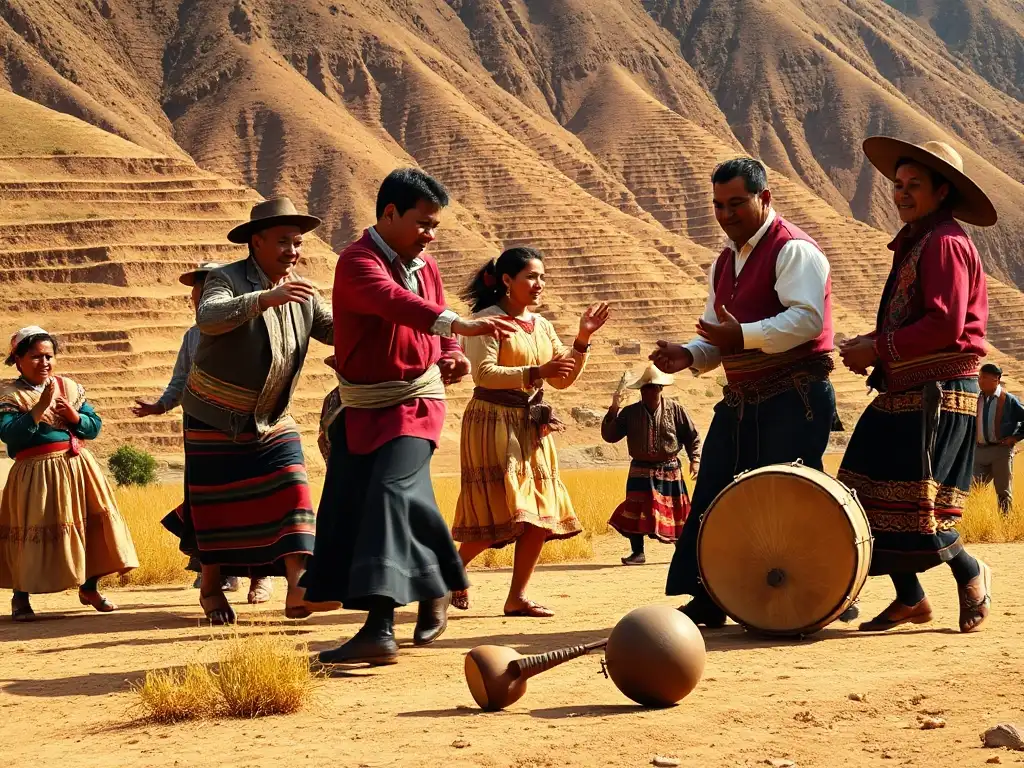
Andean music and dance traditions were deeply intertwined with the agricultural cycle, reflecting the profound connection between the people and the land. The rhythm of life was dictated by the seasons, and music and dance served as powerful expressions of hope, gratitude, and reverence for the bounty of the earth. Agricultural success was not merely a matter of hard work; it was seen as a result of harmonious interaction with the spiritual forces governing nature.
Therefore, music and dance played a crucial role in ensuring a successful harvest and appeasing the spirits. The sounds of panpipes, drums, and other instruments accompanied the arduous tasks of planting and harvesting, providing a sense of community and shared purpose. The melodies themselves often mimicked the sounds of nature, further emphasizing this connection.
Celebrations of Planting and Harvesting Through Music
The planting season was marked by vibrant celebrations incorporating music and dance. These events weren't simply festive occasions; they were rituals designed to encourage the growth of crops and ensure a plentiful harvest. Specific songs and dances were performed to invoke the blessings of the gods and spirits associated with fertility and abundance.
The music, often characterized by its upbeat tempo and repetitive rhythms, created an atmosphere of collective energy and optimism, reflecting the hope for a bountiful yield. For example, in some communities, planting was accompanied by songs praising the Pachamama (Mother Earth), asking for her blessing upon the seeds being sown.
Ritual Dances for Fertility and Abundance in Andean Agriculture
Ritual dances held immense significance in ensuring agricultural prosperity. These dances, often performed in designated sacred spaces or fields, involved intricate movements and symbolic gestures representing the growth cycle of plants. Dancers might mimic the sprouting of seeds, the blossoming of flowers, or the ripening of fruits.
The choreography and costumes were carefully designed to reflect the power and vitality of nature. These performances weren't merely entertainment; they were active attempts to influence the natural world, to collaborate with the forces of nature to achieve a successful harvest. The energy and precision of the movements were believed to channel positive energy towards the crops.
The Connection Between Music, Dance, and the Land
The connection between Andean music, dance, and the land was inseparable. The music was not just an accompaniment to the agricultural activities; it was an integral part of the process, a way to communicate with the spiritual forces that governed the land's fertility. The melodies, rhythms, and lyrics often mirrored the natural world – the sounds of wind, rain, and flowing water were frequently incorporated into the musical tapestry.
The dances, with their symbolic movements, further reinforced this connection, visually representing the growth and life cycle of crops. The land itself was considered a sacred entity, and the music and dance were expressions of respect and reverence for its generative power.
The Evolution of Andean Musical and Dance Forms
Andean music and dance traditions have evolved over centuries, influenced by a complex interplay of indigenous practices and external forces. The arrival of the Spanish conquistadors brought significant changes, with European musical instruments and styles gradually integrating into the existing indigenous forms. However, the core elements of Andean music and dance – the emphasis on community, the connection to nature, and the use of traditional instruments – have persisted, adapting and transforming over time.
This process of adaptation and fusion resulted in unique musical expressions that reflect the rich cultural heritage of the Andes. The blending of indigenous and European influences created a diverse and vibrant musical landscape, showcasing the resilience and adaptability of Andean cultures.
Influences on Contemporary Andean Music and Dance
Contemporary Andean music and dance continue to be shaped by diverse influences. Globalization has exposed Andean communities to new musical genres and styles, leading to innovative fusions and reinterpretations of traditional forms. Modern Andean musicians often incorporate elements of rock, pop, and other genres into their music, creating a unique blend of traditional and contemporary sounds.
Similarly, dance styles have evolved, adapting to modern contexts while retaining their core elements. This ongoing evolution reflects the dynamic nature of Andean culture, demonstrating its capacity to embrace change while preserving its rich heritage. The integration of modern technologies, such as recording and distribution methods, has also played a significant role in the dissemination and evolution of Andean music and dance.
Preservation of Ancient Traditions in Modern Performances
Despite the influences of globalization and modernization, efforts are underway to preserve ancient Andean music and dance traditions. Many communities actively work to maintain the authenticity of their cultural heritage, transmitting knowledge and skills to younger generations. Traditional music and dance schools play a crucial role in this process, teaching young people the intricate techniques and cultural significance of these art forms.
Furthermore, festivals and cultural events dedicated to Andean music and dance provide platforms for showcasing and celebrating these traditions, ensuring their continued relevance and appreciation in contemporary society. These efforts are essential for safeguarding the rich cultural heritage of the Andes for future generations.
The Role of Andean Music and Dance in Cultural Identity
Andean music and dance traditions are integral components of cultural identity in the Andes. They serve as powerful expressions of community, history, and spirituality. The music and dance traditions are not merely forms of entertainment; they are vital tools for maintaining cultural continuity and transmitting knowledge across generations.
They provide a sense of belonging and shared identity for Andean communities, reinforcing their connection to their ancestors and their land. Through music and dance, the stories, beliefs, and values of Andean cultures are preserved and celebrated, ensuring the continuation of a rich and vibrant heritage. The preservation of these traditions is crucial for maintaining cultural diversity and promoting a deeper understanding of Andean societies.
Andean Music and Dance: A Living Tradition
Andean music and dance traditions are not relics of the past; they are vibrant, evolving expressions of culture that continue to shape daily life in the Andes. The music and dance forms, passed down through generations, reflect the unique landscapes, beliefs, and social structures of the various Andean communities. From the haunting melodies of the panpipes to the energetic rhythms of the huayno, these art forms are integral to celebrations, rituals, and everyday interactions.
The continued practice of these traditions demonstrates their enduring power and significance in the lives of Andean people. This enduring legacy speaks to the resilience and adaptability of Andean culture, demonstrating how ancient practices can be both preserved and reinterpreted in modern contexts. The sounds and movements are not simply entertainment; they are a living testament to history, community, and identity.
Experiencing the Rhythms and Movements of Andean Culture
Immersing oneself in Andean music and dance provides a profound understanding of the culture's richness and complexity. The rhythmic complexities of the yaraví, a genre often associated with themes of love and longing, reveal a depth of emotional expression. Similarly, the vibrant and often improvisational nature of the huayno, a lively dance music, showcases the spirit of community and celebration.
Observing the intricate footwork and graceful movements of the dancers reveals the dedication and skill involved in mastering these traditional forms. The use of instruments like the charango, a small lute-like instrument, and the zampoña, a type of panpipe, adds to the unique sonic landscape.
These experiences are not merely visual or auditory; they are deeply felt, creating a connection with the history and soul of the Andean people. Participating in a traditional Andean dance, even as an observer, offers a glimpse into the deep-rooted cultural values and social bonds that are woven into the fabric of these artistic expressions.
The Importance of Passing Down Andean Musical Heritage
The transmission of Andean music and dance traditions across generations is crucial for maintaining cultural identity and continuity. This transmission happens through informal means, such as within families and communities, and through formal education and mentorship programs. Elders play a pivotal role, teaching younger generations the intricate melodies, rhythms, and dance steps. These teachings often incorporate storytelling and oral histories, weaving together the music and dance with broader cultural narratives.
The preservation of these traditions ensures not only the survival of specific musical forms but also the preservation of the associated values, beliefs, and social practices. Without this intergenerational transfer, the rich tapestry of Andean culture risks being lost, diminishing a vital part of the region's heritage. Efforts to document and preserve these traditions, both through recordings and written documentation, are vital complements to the oral transmission, ensuring a lasting legacy for future generations.
Organizations like Yuyachkani and the National Ballet of Peru
Organizations like Yuyachkani, a renowned Peruvian theater company known for its innovative and socially conscious work, and the National Ballet of Peru, play a significant role in preserving and promoting Andean music and dance traditions. Yuyachkani often incorporates traditional Andean music and dance into their theatrical productions, giving these art forms a contemporary context and reaching a wider audience.
The National Ballet of Peru, through its performances and educational programs, actively works to showcase the beauty and skill of Andean dance, fostering appreciation and understanding. These organizations not only perform and preserve these traditions but also actively work to educate and inspire, ensuring that these artistic expressions remain relevant and engaging for contemporary audiences.
Their dedication contributes significantly to the ongoing vitality of Andean music and dance in the 21st century. These examples illustrate the crucial role of formal institutions in supporting and promoting the enduring legacy of Andean cultural heritage.
Frequently Asked Questions
What role did music and dance play in daily life for Andean civilizations?
Music and dance were deeply integrated into daily life, serving both practical and spiritual purposes. They accompanied agricultural rituals, celebrations, and even everyday tasks, reflecting the strong connection between the people and their environment.
How did Andean music differ between different cultures (Inca, Moche, etc. )?
While sharing some common threads, each Andean culture developed its own distinct musical styles and instruments. Inca music often featured panpipes and drums, while other cultures, like the Moche, utilized different instruments and rhythms reflecting their unique traditions.
What are some of the most important instruments used in Andean music?
Panpipes (antara) are iconic, but Andean music also incorporates drums (e.g., tinku), flutes, and stringed instruments like the charango. The specific instruments varied across different regions and cultures.
What were the purposes of Andean dance traditions?
Andean dances served diverse functions, from religious ceremonies and agricultural rituals to celebrations of harvests and community events. Dances often told stories, reinforced social structures, and celebrated the connection between humans and the earth.
Where can I learn more about Andean music and dance traditions today?
You can explore ethnomusicology resources, visit museums with Andean collections, and attend cultural events featuring Andean music and dance. Many communities continue to practice these traditions today.
Final Reflection: The Enduring Rhythm of Andean Life
The vibrant tapestry of Andean music and dance traditions continues to resonate, a powerful testament to the enduring spirit of a culture that has woven its history, beliefs, and emotions into every beat and step. These aren't merely historical artifacts; they are living expressions, shaping identities and fostering community in the Andes today, just as they have for centuries. The music and dance remain vital threads in the fabric of daily life, a constant reminder of the rich heritage that binds the people together.
The profound impact of these traditions extends far beyond the realm of performance; they are deeply embedded in the social fabric, shaping rituals, celebrations, and even everyday interactions. The music provides a soundtrack to life's milestones, from births and marriages to harvests and festivals. The dances, often imbued with symbolic meaning, tell stories of history, mythology, and the relationship between humans and the natural world. As the renowned anthropologist, Victor Turner, once observed: Ritual is a process of making and remaking the social order.
This perfectly encapsulates the role of Andean music and dance in maintaining cultural continuity and social cohesion.
Consider the power of rhythm and movement in your own life. How do you express yourself through music or dance, or perhaps through other forms of creative expression? Let the legacy of Andean music and dance inspire you to explore your own unique rhythms, to find joy in movement, and to connect with the vibrant pulse of your own cultural heritage, however you define it. Embrace the power of expression, celebrate the beauty of diversity, and let the enduring spirit of the Andes resonate within you.
Embrace the Rhythm of Andean Culture!
Thank you for exploring the vibrant world of Andean music and dance! You've discovered how these art forms enrich daily life, weaving celebration and connection into the community. Now, let's bring that inspiration into your own life.
Here are some ways to celebrate and connect with Andean traditions:
- **Take an Andean dance class** to experience the joy of movement and rhythm firsthand. Many community centers and studios offer workshops.
- **Create a playlist** of traditional Andean music and share it with friends. This is a wonderful way to introduce others to this rich musical heritage.
- **Host an Andean-themed evening** with friends or family. Share the music and dance, and tell stories about their cultural significance. This is a great way to learn and share.
How will you integrate the vibrant expressions of Andean music and dance into your daily life?