
The Mystery of Andean Glyphs: Daily Communication Through Symbols

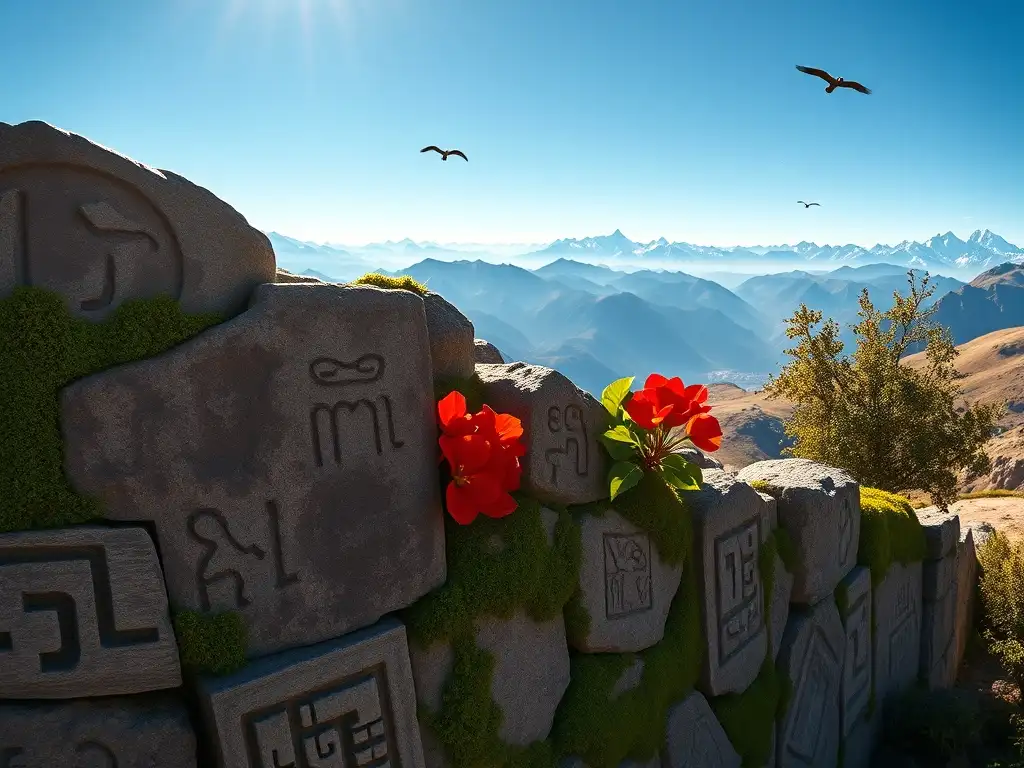
Unravel the enigma of a lost world! Dive into the fascinating realm of Andean Civilizations, where intricate artistry and advanced engineering met a vibrant social life. But what secrets do the Andean glyphs hold? Discover how these symbols formed the backbone of daily communication in ancient societies, revealing a complex system far beyond simple decoration. Explore the captivating story of their daily use and unlock the mysteries behind their enduring legacy in our exploration of Andean Social Structures. Prepare to be amazed!
- Andean Glyphs: Unveiling Daily Communication Through Symbols
- Decoding Andean Glyphs: A System of Communication
- Examples of Andean Glyphs and Their Meanings
- Andean Glyphs in Daily Life: Practical Applications
- The Legacy of Andean Glyphs and Their Modern Relevance
- Frequently Asked Questions
- Final Reflection: Deciphering the Echoes of Andean Voices
- Unlock the Secrets of Andean Glyphs Today!
Andean Glyphs: Unveiling Daily Communication Through Symbols
The Andes Mountains, a spine of towering peaks running down the western coast of South America, cradled some of the most fascinating and enigmatic civilizations of the pre-Columbian era. Beyond the grandeur of Machu Picchu and the intricate artistry of the Moche ceramics lies a less-explored, yet equally captivating aspect of Andean life: their system of glyphs.
This article delves into the world of Andean glyphs, exploring their role as a primary form of daily communication in societies like the Inca, Nazca, and Wari, amongst others. We will examine the diverse symbols used, their potential meanings, and the insights they offer into the daily lives, social structures, and beliefs of these remarkable cultures.
Understanding Andean glyphs provides a unique window into the complexities of these ancient societies, moving beyond monumental architecture and revealing the intricate tapestry of their everyday existence. This exploration will reveal how these seemingly simple symbols played a crucial role in the vibrant social fabric of Andean civilizations, impacting everything from record-keeping to religious practices and personal communication.
Introduction to Andean Glyphs and Their Significance
Andean glyphs, unlike the alphabetic writing systems of many other cultures, were primarily symbolic. They weren't used to represent individual sounds but rather conveyed complex ideas and messages through visual representations. The exact nature and meaning of many glyphs remain a subject of ongoing research and debate among archaeologists and scholars. However, considerable progress has been made in deciphering certain symbols, revealing a rich tapestry of information about Andean daily life. These glyphs were often found inscribed on various materials, including textiles, pottery, and even stone structures. Their prevalence suggests a widespread literacy and a sophisticated system of communication, far exceeding what was previously assumed. The study of these glyphs is crucial for understanding not only the historical record but also the cognitive processes and worldview of these ancient peoples.
The diversity of Andean glyphs is striking. Some represent readily identifiable objects like animals (llamas, condors) and plants (corn, potatoes), while others are more abstract, possibly representing concepts, deities, or social structures. The complexity of these symbols varied greatly depending on the culture and time period, ranging from simple geometric shapes to intricate designs combining multiple elements. For instance, the Nazca lines, while not strictly glyphs in the traditional sense, represent a monumental form of visual communication, possibly related to astronomical observations or ritual practices. The challenge in interpreting these glyphs lies in their context-dependent nature – the meaning of a particular symbol could vary based on its location, the associated imagery, and the broader cultural context. This necessitates careful analysis of multiple artifacts and archaeological findings for a holistic understanding.
The Role of Symbols in Ancient Andean Societies
The role of symbols in ancient Andean societies extended far beyond mere communication. Symbols acted as powerful tools for social control, religious expression, and the transmission of knowledge across generations.
For example, certain glyphs might have indicated social status, marking individuals as members of specific clans or lineages. Others served as identifiers for goods or property, facilitating trade and economic exchange. In religious contexts, symbols often represented deities, mythological beings, or cosmic forces, playing a crucial role in rituals and ceremonies. Furthermore, the use of symbols in record-keeping is evident in quipu, a system of knotted cords used by the Inca to record numerical data and perhaps even narrative information. While not strictly glyphs, quipu demonstrates the sophisticated communication systems employed by Andean civilizations, highlighting their ability to manage complex information through symbolic representation.
The enduring legacy of Andean glyphs lies not only in their historical significance but also in their artistic beauty. Many glyphs exhibit a remarkable aesthetic quality, demonstrating the artistic skill and creativity of Andean artisans. Their study continues to inspire contemporary artists and designers, showcasing the enduring relevance of these ancient symbols in the modern world. The ongoing research into these glyphs promises to further illuminate the intricacies of Andean culture, revealing new facets of their daily lives and rich symbolic world. The decipherment of even a fraction of these symbols offers valuable insights into the social, political, and religious structures of these remarkable civilizations. This ongoing work underscores the importance of preserving and studying these artifacts for future generations.
Decoding Andean Glyphs: A System of Communication
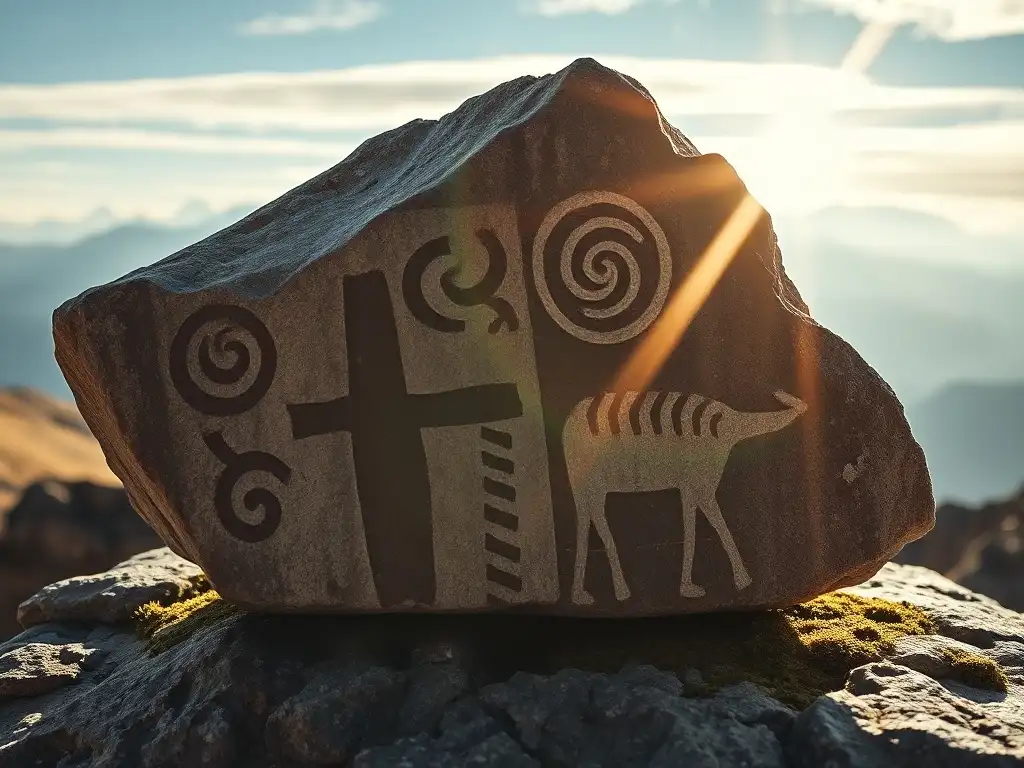
This section delves into the fascinating world of Andean glyphs, exploring how these symbols served as a vital means of daily communication within ancient Andean societies. Unlike fully developed writing systems like those of the Egyptians or Mesopotamians, Andean glyphs represent a more complex system of visual communication, incorporating symbolic representations of concepts, events, and possibly even narratives. Understanding their intricacies requires moving beyond a simple "one glyph, one word" interpretation and embracing the nuanced way these societies used imagery to convey information.
The challenge lies in deciphering the context and intended meaning behind each glyph, a task that requires careful consideration of its placement, associated symbols, and the broader cultural context of the artifact it adorns. Research into Andean glyphs is ongoing, with new discoveries and interpretations constantly refining our understanding of this unique communication system.
The quest to fully decode these symbols offers a captivating glimpse into the minds and daily lives of ancient Andean peoples. The study of these glyphs provides invaluable insights into the social structures, beliefs, and daily routines of these civilizations, enriching our understanding of their rich cultural heritage.
Understanding the Nature of Andean Symbolic Language
Andean symbolic language, as evidenced by the glyphs, wasn't a linear script. It wasn't designed for writing lengthy texts like novels or historical accounts. Instead, it was a system of visual communication that relied heavily on context and imagery. Scholars believe that the meaning of a glyph often depended on its location on an object, its relationship to other glyphs, and the broader cultural context of the artifact.
For example, a specific glyph representing a llama might signify different things depending on the artifact. On a textile, it might represent wealth or status, while on a ceramic pot, it might symbolize a specific ritual or event. This contextual nature makes decoding these glyphs a complex and challenging task, requiring careful analysis and cross-referencing with other archaeological findings.
The use of color was also significant. Different colors likely held specific meanings, adding another layer of complexity to the interpretation of these glyphs. While the exact color symbolism remains partly elusive, preliminary research suggests that variations in color might have indicated social status, religious significance, or even chronological information. Further research is needed to fully understand the role of color in this symbolic language.
The Purpose of Glyphs Beyond Simple Decoration
While some might dismiss Andean glyphs as mere decoration, a deeper analysis reveals their crucial role in daily communication. They weren't just aesthetic embellishments; they conveyed important information, acting as a visual record of events, beliefs, and social structures. Consider the glyphs found on textiles, pottery, and stone carvings. These weren't randomly placed; they were carefully arranged, often telling a story or conveying a message. These messages likely served a variety of purposes, including:
- Recording historical events: Glyphs may have recorded significant events, such as harvests, battles, or important ceremonies.
- Communicating social status: Certain glyphs might have indicated the social standing of an individual or group.
- Facilitating trade and commerce: Glyphs could have been used to identify goods or mark ownership.
- Expressing religious beliefs: Many glyphs seem to be related to religious beliefs and practices, depicting deities, rituals, or mythological figures.
- Daily record-keeping: Some researchers speculate that glyphs might have been used for simpler daily record-keeping, such as tracking harvests or livestock.
This multifaceted use highlights the importance of Andean glyphs in daily life, far surpassing their apparent decorative function. Further investigation is needed to fully understand the range of their communicative purposes. The complexity of these glyph systems suggests a sophisticated understanding of visual communication among ancient Andean societies.
Materials and Techniques Used in Creating Andean Glyphs
The creation of Andean glyphs involved a variety of materials and techniques, reflecting the ingenuity and artistic skill of the artisans. The most common materials included:
- Ceramics: Glyphs were frequently painted or incised onto pottery, often in vibrant colors.
- Textiles: Glyphs were woven into fabrics using various techniques, demonstrating a high level of skill and precision.
- Stone: Glyphs were carved or painted onto stone monuments, often large and elaborate.
- Wood: While less common due to the perishable nature of wood, glyphs were also found on wooden artifacts.
- Metal: In some cases, glyphs were also found on metal objects, showcasing the advanced metallurgical skills of these cultures.
The techniques varied according to the material. On ceramics, glyphs were often painted using pigments derived from natural sources, such as minerals and plants. The application of these pigments might have involved brushes, reeds, or even fingertips. For textiles, the glyphs were created through intricate weaving techniques, requiring significant skill and patience.
Stone carving involved specialized tools and a deep understanding of the material's properties. The diversity of materials and techniques underscores the importance of glyphs in various aspects of Andean life. The precision and artistry involved suggest a high level of cultural value placed upon these symbols and their communicative power. The detailed craftsmanship speaks volumes about the dedication and skill of the artisans who created them, preserving these vital communicative elements across generations.
Examples of Andean Glyphs and Their Meanings
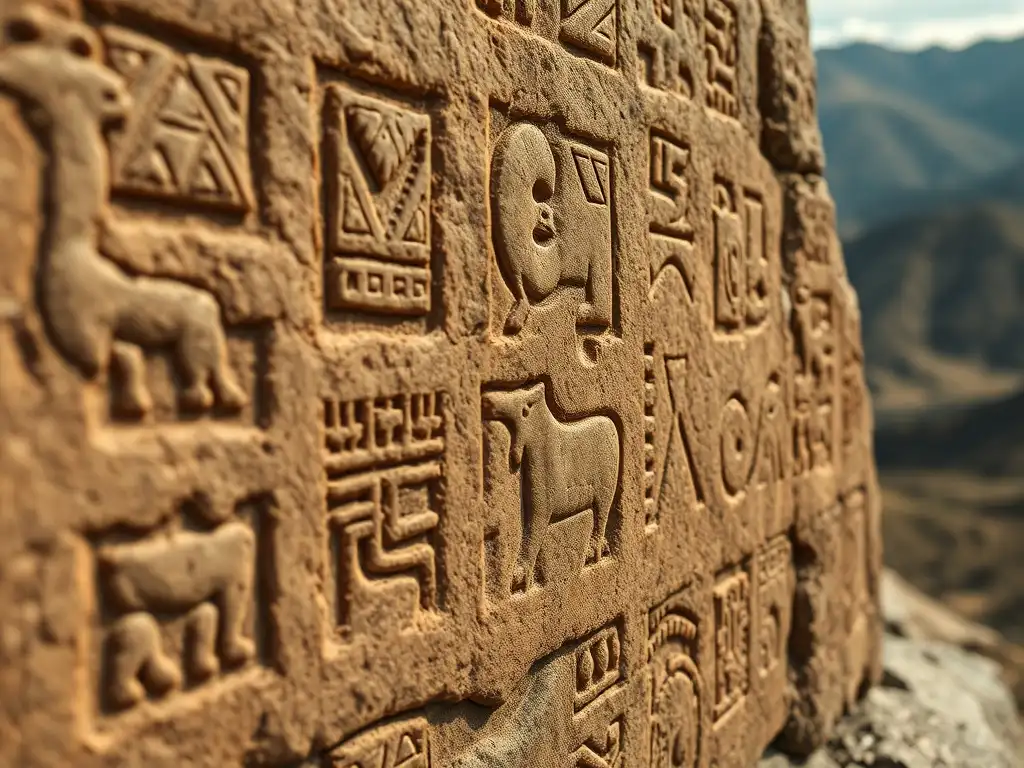
This section delves into specific examples of Andean glyphs, exploring their representations and interpretations within the context of daily communication in ancient Andean societies. Understanding these symbols provides crucial insight into the complexities of their social structures, beliefs, and daily routines. The use of glyphs wasn't limited to monumental inscriptions; they were integral to everyday life, appearing on textiles, pottery, and even tools. This pervasive use highlights their importance as a primary means of Andean glyphs daily communication.
The Chakana (Andean Cross): Its Representation and Interpretation
The Chakana, often referred to as the Andean Cross, is arguably one of the most recognizable and significant Andean glyphs. Its representation varies slightly across different cultures and time periods, but generally features a cross with stepped or tiered arms. The interpretation of the Chakana is multifaceted, encompassing cosmological, social, and spiritual dimensions.
Some scholars interpret the four arms as representing the four cardinal directions, connecting the earthly realm with the celestial. Others see it as a representation of the sacred mountains, a powerful symbol of Andean cosmology. The stepped design may symbolize the different levels of reality or the journey towards spiritual enlightenment.
Its presence on textiles suggests its use in daily life, potentially as a symbol of identity, protection, or connection to the sacred. The Chakana's enduring presence in Andean art and culture demonstrates its profound importance in Andean glyphs daily communication. Its meaning likely transcended simple communication, serving as a potent symbol that imbued objects and rituals with deeper significance.
The Puma: Unpacking its Symbolic Significance
The puma, a powerful feline native to the Andes, features prominently in Andean iconography. Its depiction as a glyph varied; sometimes rendered realistically, other times stylized into simpler forms. Its symbolic significance in Andean glyphs daily communication was deeply rooted in the Andean worldview.
The puma was revered as a powerful animal, embodying strength, agility, and ferocity. It was often associated with the underworld and shamanic practices. Its presence on pottery or textiles might indicate a connection to power, leadership, or perhaps even protection from harmful forces. The specific context in which the puma glyph appears is crucial in deciphering its meaning.
For example, a puma depicted alongside other glyphs related to agriculture might suggest its role in ensuring a successful harvest. Further research is needed to fully understand the nuanced ways in which the puma glyph functioned in Andean glyphs daily communication. [Specific examples of puma glyphs in different contexts pending]
The Serpent: Contextual Meaning in Daily Life
The serpent, another recurring motif in Andean art, holds a complex and often ambiguous symbolic meaning. Its representation ranged from realistic depictions to highly stylized forms, often intertwined or coiled. The serpent's significance in Andean glyphs daily communication likely varied depending on its context and the specific cultural group.
In some contexts, the serpent was associated with water sources, fertility, and healing, representing the life-giving power of nature. In others, it might have represented the underworld or the forces of chaos. The presence of a serpent glyph on a textile might have indicated a connection to healing practices or fertility rituals. On a ceremonial object, it might have signified a connection to the underworld or shamanic power.
The interpretation of the serpent glyph, therefore, requires a careful consideration of its surroundings and the broader cultural context. More research is needed to fully understand the multifaceted meanings of the serpent in Andean glyphs daily communication. [Detailed analysis of specific serpent glyph examples pending].
This exploration of specific Andean glyphs provides a glimpse into the rich and complex system of daily communication employed by these ancient civilizations. The meaning and usage of these symbols were deeply intertwined with their beliefs, social structures, and daily routines, demonstrating the profound importance of visual communication in shaping their world. Further research continues to uncover the secrets held within these fascinating glyphs, adding to our understanding of Andean glyphs daily communication.
Andean Glyphs in Daily Life: Practical Applications
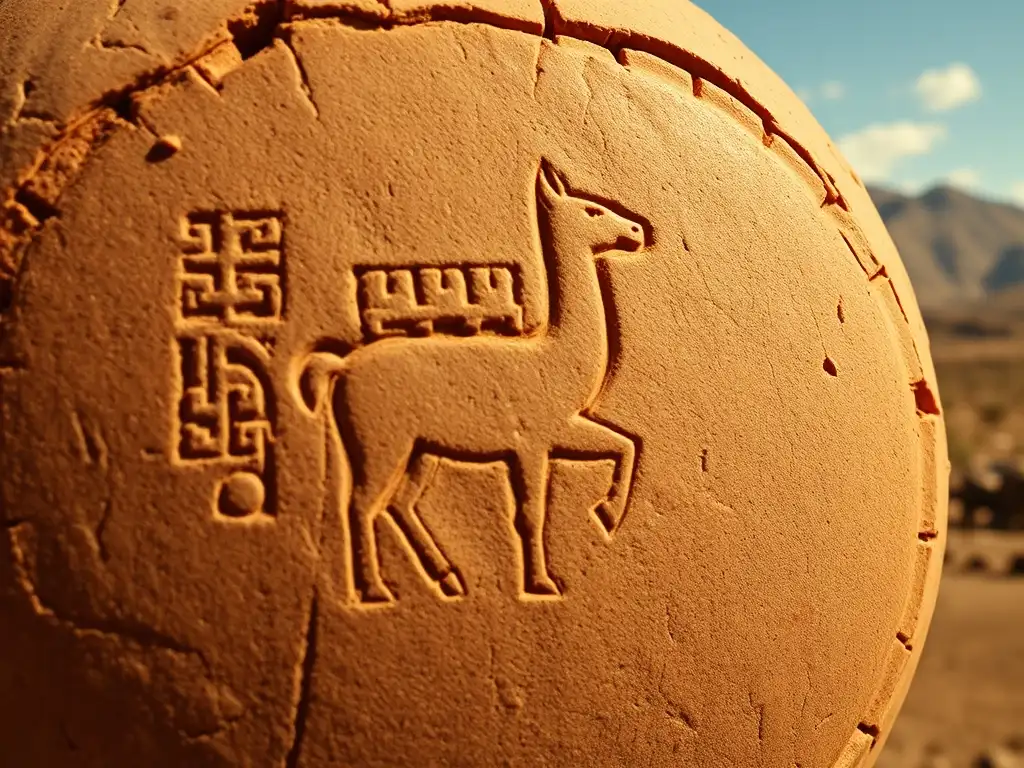
The study of Andean glyphs reveals a sophisticated system of communication far beyond mere artistic decoration. While the full extent of their meaning remains a subject of ongoing research, evidence points to their vital role in the daily lives of Andean peoples. Understanding their practical applications sheds light on the complexity of these ancient societies and their advanced systems of record-keeping, knowledge transmission, and artistic expression. The term "Andean glyphs daily communication" aptly describes their pervasive use in various aspects of daily life. These weren't just esoteric symbols; they were functional tools employed across different social strata.
Glyphs as a Tool for Record Keeping
One crucial application of Andean glyphs was in record-keeping. Unlike the alphabetic systems of other cultures, Andean glyphs functioned more like ideograms and pictographs, representing concepts and objects rather than individual sounds. Archaeological finds, such as quipu (complex knotted cords) and various inscribed artifacts, suggest their use in tracking economic transactions, census data, and agricultural yields.
For example, certain glyphs repeatedly found on quipu could represent specific goods like maize, potatoes, or llama wool. The combination of these glyphs with the knots themselves provided a detailed inventory system. The complexity of some quipu suggests the capacity to record sophisticated numerical data, possibly including details on tribute payments, population numbers, or even astronomical observations.
While deciphering the precise meaning of each glyph cluster remains a challenge, the patterns observed strongly indicate their role in practical record-keeping, crucial for the administration and organization of Andean societies. Further research into the context of their discovery — alongside other artifacts — is needed to fully unlock the secrets encoded within these ancient records.
Glyphs and the Transmission of Knowledge
Beyond record-keeping, Andean glyphs played a significant role in the transmission of knowledge across generations. They served as a visual mnemonic device, aiding in the recall and understanding of complex information. This is particularly evident in the context of religious beliefs and rituals. Many glyphs found on temple walls and ceremonial objects depict deities, mythological creatures, and cosmological concepts. Their presence acted as a visual aid to priests and shamans, helping them convey intricate religious narratives and teachings to their communities.
Moreover, the use of glyphs in educational settings is plausible. While direct evidence is limited, the complexity of the glyph system and its consistent use across various mediums suggests its incorporation into educational practices. Children might have learned to recognize and interpret glyphs as part of their socialization, inheriting the knowledge embedded within these visual symbols. The continuity of glyph styles across centuries further supports this hypothesis, indicating a consistent system of knowledge transmission through generations. The study of Andean pedagogy remains an area ripe for further investigation to illuminate this aspect of daily life.
Glyphs in Andean Textiles and Pottery
The integration of glyphs into everyday objects like textiles and pottery underscores their significance in daily Andean life. These weren't just decorative elements; they were integral components of the items themselves. Textiles often incorporated glyphs into their designs, creating visually rich tapestries that likely conveyed messages or stories. The complexity and precision of the weaving techniques suggest a high level of skill and artistry, implying that the creation of these textiles was a significant undertaking, possibly with social or ritual meaning.
Similarly, pottery frequently featured glyphs as part of their decoration. These glyphs might have identified the maker, the intended use of the vessel, or perhaps even indicated the social status of the owner. The careful placement and consistent use of specific glyphs on pottery from different regions suggests a common understanding of their meaning and a shared cultural framework.
Analyzing the distribution and context of these glyphs across different pottery styles and regions could reveal valuable insights into trade networks, social hierarchies, and the exchange of cultural information within and between Andean communities. The sheer volume of surviving examples, ranging from simple bowls to intricate ceremonial vessels, highlights the deep integration of glyphs into the fabric of Andean daily life. The meticulous attention to detail in their execution further underscores their importance as a form of visual communication.
Glyphs as a form of Personal Expression
Beyond their practical uses in record-keeping and communication, Andean glyphs also served as a powerful means of personal expression. While many glyphs held standardized meanings within a community, individuals could subtly adapt or combine them to convey personal feelings, beliefs, or even social status. Think of it like a sophisticated form of ancient emoji!
The precise ways in which this personal expression manifested varied across different Andean cultures and time periods. For instance, the Moche people, known for their intricate pottery, often incorporated glyphs into their designs, sometimes alongside other symbolic elements like stylized animals or human figures. The arrangement and selection of glyphs on a particular piece of pottery might reflect the artist's unique style or preferences, hinting at individual artistic expression within a shared cultural framework.
The Nazca lines, though famously large-scale geoglyphs, also offer potential insights into personal expression. While the overall designs might have served ritual or ceremonial purposes, subtle variations in the execution of certain glyphs within a larger design—the thickness of a line, the angle of a curve—might indicate the hand of a specific artist or artisan, revealing a level of personal artistry beyond the collective project. Unfortunately, the lack of extensive written records detailing the personal significance of these glyphs makes definitive conclusions challenging.
However, careful study of stylistic variations within existing examples hints at this possibility, suggesting that the seemingly impersonal scale of the Nazca lines might actually mask a layer of individual artistic agency. Further research, perhaps incorporating advanced image analysis techniques, could shed more light on this fascinating aspect of Andean glyph use.
The potential for uncovering individual artistic voices within these ancient works adds another layer of complexity and intrigue to the study of Andean glyphs. This subtle form of personal expression woven into the fabric of daily life highlights the nuanced ways in which these symbols went beyond mere functional communication.
The Legacy of Andean Glyphs and Their Modern Relevance
The study of Andean glyphs offers a captivating window into the daily lives and complex social structures of ancient Andean societies. While decipherment remains a significant challenge, ongoing research continually reveals new insights into their meaning and function. The enduring legacy of these symbolic systems extends far beyond mere historical curiosity; understanding Andean glyphs provides crucial context for appreciating the richness and sophistication of these civilizations and their lasting impact on contemporary Andean cultures.
The sheer volume of glyphs discovered across various Andean cultures – from the intricate textiles of the Nazca to the monumental stone carvings of the Tiahuanaco – underscores their pervasive role in daily communication. These weren't simply decorative elements; they served practical purposes, conveying information vital to the functioning of these societies. Analysis suggests a range of applications, from recording agricultural cycles and astronomical observations to communicating kinship relations and religious beliefs.
The study of Andean glyphs is, therefore, not merely an exercise in historical reconstruction but a vital tool for understanding the complexities of Andean social organization and worldviews. Further research into the specific contexts in which these glyphs appeared – the materials they were inscribed on, the accompanying artifacts, and the geographical locations of their discovery – will undoubtedly unlock further secrets about their multifaceted significance. The careful preservation of these fragile artifacts is paramount to ensuring the continuation of this crucial research.
Preserving and Studying Andean Symbolic Writing
Preserving Andean glyphs for future generations requires a multi-pronged approach encompassing careful excavation techniques, advanced conservation methods, and rigorous documentation. Many glyphs are found on fragile textiles, pottery shards, and stone carvings, requiring specialized handling to prevent further deterioration. Digital archiving is increasingly important, allowing researchers worldwide access to high-resolution images and 3D models of these artifacts. This digital preservation not only safeguards the glyphs themselves but also enables detailed analysis using advanced image processing techniques.
Furthermore, ethical considerations are paramount. Many glyphs are situated on culturally significant sites, demanding respectful collaboration with local communities and indigenous groups who hold deep ancestral ties to these locations. Their participation in research and preservation efforts is not merely a matter of courtesy; it is crucial for ensuring the accurate interpretation and responsible stewardship of this invaluable cultural heritage.
The development of standardized cataloging systems and databases is also crucial for facilitating collaborative research and knowledge sharing amongst scholars. This collaborative approach, integrating the expertise of archaeologists, anthropologists, linguists, and digital humanities specialists, is essential for unlocking the full potential of Andean glyphs as sources of historical and cultural understanding. The ongoing effort to translate and understand Andean glyphs demonstrates a commitment to preserving and interpreting a vital part of human history.
The Enduring Influence of Andean Glyphs on Contemporary Art
The visual language of Andean glyphs continues to resonate powerfully in contemporary Andean art. Modern artists frequently incorporate these ancient symbols into their work, drawing inspiration from their aesthetic qualities and symbolic meanings. This appropriation is not simply a stylistic choice; it represents a conscious engagement with ancestral heritage and a reaffirmation of cultural identity.
The use of Andean glyphs in contemporary art serves as a powerful means of cultural revitalization, connecting contemporary Andean communities to their rich past. Examples abound in textiles, ceramics, and paintings, where glyphs are reinterpreted and recontextualized to reflect contemporary concerns and experiences. This dynamic interplay between tradition and modernity demonstrates the enduring relevance of Andean glyphs and their capacity to foster dialogue across time and cultures.
The continued use of these symbols highlights not only their aesthetic appeal but also their enduring power as carriers of cultural memory and identity. This active engagement with the past ensures that the legacy of Andean glyphs remains vibrant and relevant in the 21st century. The study of this contemporary artistic expression provides valuable insights into the ongoing evolution of Andean cultural identity and the enduring impact of its ancient symbolic systems.
Understanding Andean Culture Through Glyphic Analysis
Analyzing Andean glyphs offers a unique perspective on the social, religious, and economic aspects of ancient Andean societies. By studying the frequency and distribution of specific glyphs, researchers can identify patterns and correlations that shed light on social hierarchies, religious beliefs, and economic activities. For example, the presence of certain glyphs on elite artifacts might indicate a connection to power or religious authority.
Similarly, the prevalence of specific glyphs on agricultural tools or storage vessels could suggest their role in recording harvests or managing resources. The careful examination of the contexts in which glyphs appear—whether on textiles, pottery, or stone—provides further clues about their intended meaning and function. The integration of glyphic analysis with other archaeological data, such as isotopic analysis of human remains or the study of settlement patterns, provides a more comprehensive understanding of ancient Andean societies.
This multidisciplinary approach is crucial for avoiding misinterpretations and for developing a nuanced understanding of the complex interplay of factors that shaped Andean cultures. The ongoing research on Andean glyphs promises to reveal further insights into the intricate tapestry of Andean civilization, enriching our understanding of these remarkable societies and their enduring legacy. Further research, employing advanced statistical methods and comparative analysis across different Andean cultures, will undoubtedly deepen our understanding of the cultural significance of these remarkable symbols.
Frequently Asked Questions
What were Andean glyphs used for?
Andean glyphs were used for a variety of purposes, including daily communication, record-keeping, and religious expression. They weren't just a written language in the way we understand it, but a complex system of symbols. Their meaning is still being deciphered.
Were Andean glyphs a written language?
While some scholars debate this, Andean glyphs are more accurately described as a system of symbols rather than a fully developed alphabet-based written language like ours. They conveyed information, but likely not complex narratives in the same way. Pictograms and ideograms were common.
Which Andean cultures used glyphs?
Many Andean cultures utilized glyphs, but the Inca are perhaps most famous for their quipus (knotted cords) which complemented their symbolic system. However, Moche, Nazca, and Tiahuanaco cultures also developed their own unique glyph systems. Deciphering these remains a challenge.
How did Andean glyphs differ from other writing systems?
Andean glyph systems differed significantly from alphabetic systems. They often relied on images and symbols to represent concepts or ideas rather than individual sounds. Understanding their precise meanings requires careful analysis of context and iconography. Their meaning is often debated.
What is the current state of research on Andean glyphs?
Research on Andean glyphs is ongoing. Scholars are making progress in understanding the meaning and function of these symbols. New discoveries and advanced technologies are continually contributing to our understanding of this fascinating aspect of Andean culture. Much remains to be uncovered.
Final Reflection: Deciphering the Echoes of Andean Voices
The intricate world of Andean glyphs, far from being a relic of the past, offers a powerful lens through which to understand the enduring importance of visual communication and its impact on shaping cultural identity. These symbols, etched onto pottery, textiles, and stone, whisper tales of daily life, social structures, and spiritual beliefs, reminding us of the profound ways in which humans have always sought to connect and communicate across time and space.
The enduring legacy of Andean glyphs compels us to consider the ways in which visual language continues to shape our own world. Their ability to transcend linguistic barriers and convey complex ideas with remarkable efficiency is a testament to the power of symbolic representation. The past is never dead. It's not even past.
- William Faulkner. This quote resonates deeply with the study of Andean glyphs, highlighting how their continued study allows us to connect with the rich tapestry of Andean cultures and learn from their innovative approaches to communication. Their impact on our understanding of pre-Columbian societies is undeniable, and their continued study promises further revelations.
Consider the ways in which you communicate visually in your daily life. From emojis to infographics, we are constantly employing visual shorthand to convey meaning. Take a moment to appreciate the power of visual communication, and reflect on how you can utilize it more effectively to connect with others and share your own stories. Let the mystery of the Andean glyphs inspire you to explore the rich possibilities of visual language, and to recognize the enduring power of human expression across cultures and generations.
Unlock the Secrets of Andean Glyphs Today!
Thank you for exploring the fascinating world of Andean glyphs with us! You've discovered the beauty and significance of these ancient symbols in daily Andean life. Now, let's delve deeper into their rich history and cultural importance.
Here are some ways to continue your exploration:
- **Participate in a workshop** to learn about the meanings of Andean glyphs and even create your own interpretations.
- **Share your favorite glyph** from this article on social media using the hashtag #AndeanGlyphs to spark a discussion about their significance.
- **Visit local museums** or explore online exhibitions showcasing Andean art and symbolism for a more comprehensive understanding.
Which symbol resonates most with you, and how do you think it reflects the daily lives of the Andean people? We'd love to hear your perspectives!