
The Role of the Yanakuna: Servants and Retainers in Inca Society

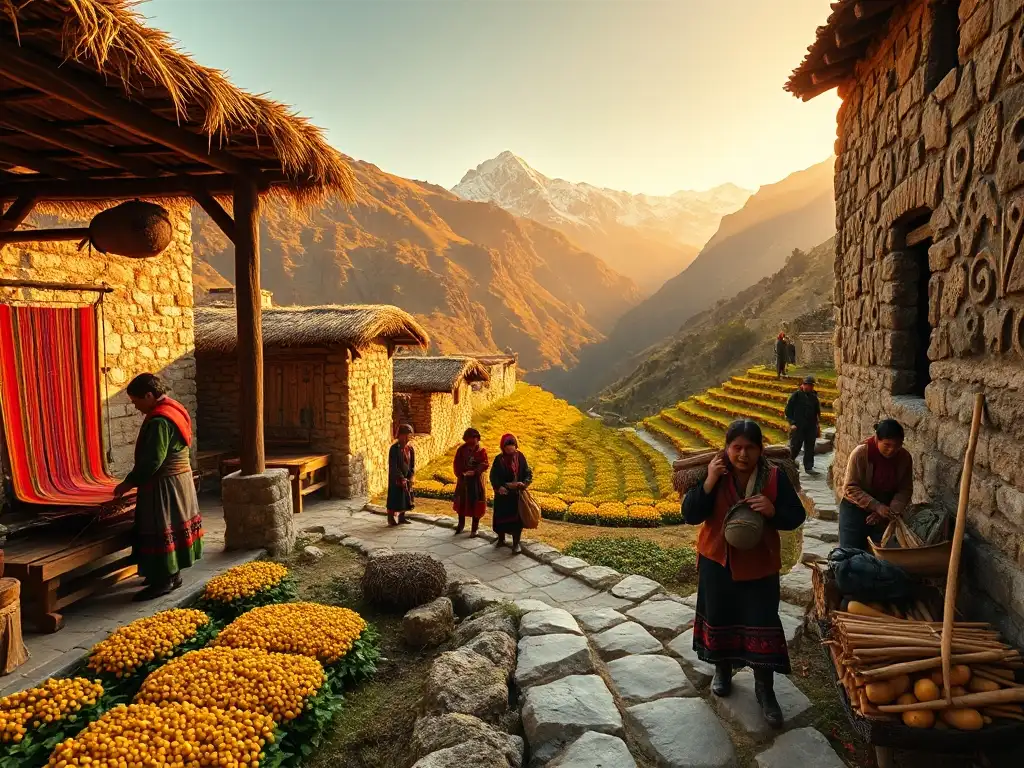
Step into a world lost to time, yet echoing with the whispers of a magnificent empire. Discover the intricate tapestry of Andean civilization, where innovation and artistry thrived alongside complex social structures. We unravel the mysteries surrounding the Inca Yanakuna, their crucial social role, and their impact on the vast Inca empire. Prepare to be captivated by their story – a tale of service, loyalty, and the unseen forces that shaped a civilization's destiny. Dive in and unlock the secrets of the Inca Yanakuna and their place within the Andean world.
The Inca Empire, a marvel of Andean engineering and political organization, was built upon a complex social hierarchy. Understanding this intricate system is crucial to grasping the empire's power and longevity. This article delves into the often-overlooked role of the yanakuna, a crucial segment of Inca society whose contributions extended far beyond simple servitude.
We will explore their status, origins, and the multifaceted impact they had on the daily functioning of the Inca state, focusing on their social role within the broader Inca societal structure. By examining the yanakuna, we gain a deeper appreciation for the nuances of Inca social organization and the intricate web of relationships that sustained this remarkable civilization. This exploration will allow us to better understand the keyword "Inca Yanakuna social role" and its significance within the context of the Inca Empire.
The Inca social structure was rigidly hierarchical, with the Sapa Inca (emperor) at its apex. Below him were the nobility, comprising various levels of aristocracy, including royal family members, high priests, and military commanders. These elites controlled land and resources, enjoying significant privileges and power. Next came the ayllu, the fundamental social and economic unit, composed of extended families who worked collectively on agricultural lands.
The ayllu system ensured mutual support and shared responsibilities. Finally, at the base of the hierarchy, existed various groups with different levels of autonomy and social standing, including the yanakuna. The yanakuna were not a homogenous group, their status varying depending on circumstances of their entry into this social strata.
Their contributions, however, were essential to the empire's functioning. The system was designed to ensure a stable and productive society, with each group playing a specific role. The system was not static, however, with social mobility being possible, albeit limited.
Who Were the Yanakuna? Defining their Status
The yanakuna were a diverse group of individuals who served as servants and retainers within the Inca Empire. They were not slaves in the traditional sense, but rather individuals who performed various tasks for the Inca elite, the temples, or the state. Their status was complex and varied depending on their origins and the specific nature of their service.
Some yanakuna might have been assigned to specific roles, such as agricultural labor, crafting, or domestic service within the palaces of the Inca elite, while others might have served as messengers or soldiers. It's important to distinguish them from other groups within Inca society: they were not mit'a workers (those who performed compulsory labor for the state), nor were they piñas (commoners). The yanakuna occupied a unique niche, their status somewhere between servitude and free peasantry.
Their lives were governed by their obligations to their masters, but they also maintained a degree of autonomy and social standing within their assigned communities. Further research is needed to fully understand the nuances of their social standing and the specific obligations associated with their role.
Origins of the Yanakuna: From Captives to Retainers
Many yanakuna originated as captives of war. During Inca military campaigns, conquered populations were often incorporated into the empire as yanakuna. This process served several purposes: it reduced the threat of rebellion, provided a readily available workforce, and integrated conquered populations into the Inca system. However, not all yanakuna were war captives.
Some were individuals who voluntarily entered into service, often due to economic hardship or seeking protection. Others might have been assigned as yanakuna as a form of punishment or tribute. Regardless of their origins, the yanakuna played a vital role in supporting the Inca state and its elite.
Their contributions to the Inca economy and social fabric were significant, demonstrating the complexity of Inca social structures and the intricate ways in which different groups interacted within the empire. Understanding their diverse origins helps to paint a more complete picture of the Inca social landscape and the strategies employed to maintain social order and economic productivity within the empire. Further investigation into specific regional variations in the yanakuna system would greatly enrich our understanding of their role.
The Yanakuna's Diverse Roles: Beyond Simple Servitude
The term "Yanakuna" often evokes images of simple servants within the Inca Empire. However, this oversimplifies their multifaceted roles within Inca society. While many Yanakuna did perform domestic tasks, such as cleaning, cooking, and caring for children within the households of the elite, their contributions extended far beyond basic servitude. Their responsibilities were highly varied and depended heavily on the needs of their masters and the specific location. Some Yanakuna served as messengers, traveling across the vast Inca road system to relay vital information between different parts of the empire.
Others acted as personal attendants to high-ranking officials, providing close-quarters support and assistance. The level of responsibility and skill required varied considerably, reflecting a hierarchy even within the Yanakuna class itself. Furthermore, the relationship between a Yanakuna and their master wasn't always purely transactional. Long-term relationships could foster loyalty and even a sense of kinship, blurring the lines of a strictly defined master-servant dynamic.
Evidence suggests that some Yanakuna received specialized training and education, gaining valuable skills that benefited both themselves and their masters. This highlights the complexity of the Yanakuna's social standing, extending beyond a simple categorization of "servants." Their contributions were integral to the smooth functioning of the Inca state and the lives of the elite. The Yanakuna were, in essence, a vital cog in the intricate machinery of Inca society.
Yanakuna in Agriculture: Labor and Production
The Inca Empire's agricultural success relied heavily on the labor of the Yanakuna. While the ayllu system provided the backbone of agricultural production through communal efforts, the Yanakuna played a crucial role in supplementing this labor force, particularly on the estates and lands belonging to the elite. They were integral to the cultivation of crops like potatoes, maize, and quinoa, performing tasks ranging from land preparation and planting to harvesting and storage.
Their work was essential in ensuring a surplus of food for the nobility and for supporting the vast infrastructure projects of the empire. The Yanakuna’s participation in agricultural production wasn’t limited to manual labor; some Yanakuna likely possessed specialized knowledge of irrigation techniques, crop rotation, and other agricultural practices. This specialized knowledge, combined with their labor, contributed significantly to the empire's agricultural output and economic stability.
The scale of Inca agricultural projects, including the extensive terrace farming systems, required a large and dedicated workforce, a demand fulfilled in part by the Yanakuna. Furthermore, their presence in agricultural settings ensured that the elite’s land holdings remained productive, contributing to their wealth and power within the Inca social structure. The Yanakuna's role in agriculture was therefore not merely one of unskilled labor but also involved a degree of specialized knowledge and skill contributing directly to the empire's prosperity.
Yanakuna in Craft Production: Skilled Artisans
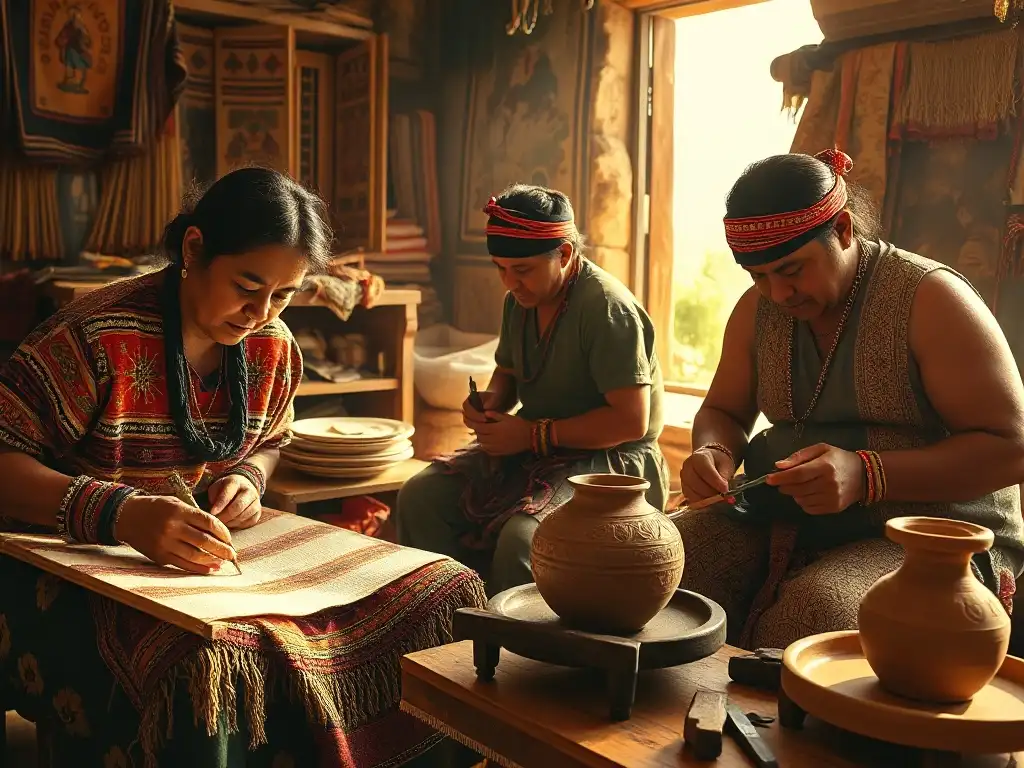
Contrary to the common perception of Yanakuna as solely involved in menial tasks, many possessed specialized skills in craft production. While some Yanakuna certainly engaged in less skilled labor, others were trained in various crafts, contributing to the production of high-quality goods for the Inca elite. This specialized training allowed them to create intricate textiles, fine pottery, and elaborate metalwork.
The Yanakuna artisans likely worked within royal workshops or in the households of wealthy individuals, producing items that served both practical and ceremonial purposes. Their involvement in craft production demonstrates that the Yanakuna's position wasn't solely defined by their status as servants; rather, their skills and expertise were valued and integrated into the broader Inca economy. The intricate designs and high-quality craftsmanship evident in many Inca artifacts suggest a level of skill and artistry that wasn't necessarily limited to the elite classes.
The involvement of Yanakuna artisans in the creation of these items highlights the diverse and often overlooked skills within this segment of Inca society. Their contributions significantly enriched the material culture of the Inca Empire, demonstrating the complex and multifaceted nature of their social role. The Yanakuna were not just servants; they were skilled artisans who contributed significantly to the artistic legacy of the Inca civilization.
Yanakuna in Military Service: Loyalty and Combat
The Inca army, a formidable force that conquered a vast empire, relied not only on conscripted soldiers but also on a dedicated corps of yanakuna warriors. These individuals, while technically servants, often held a position of significant trust and loyalty within their military units. Their service wasn't merely menial labor; they frequently participated directly in combat, demonstrating their skills and unwavering allegiance to their assigned curaca or Inca official.
The training and weaponry provided to yanakuna soldiers varied depending on their master's status and the specific military needs. While some might have been equipped with simpler weapons like slings or clubs, others, particularly those serving high-ranking officials, might have received more sophisticated training and weaponry, including spears, maces, and even specialized armor. Their loyalty, fostered through years of service and a system of reciprocal obligations, proved invaluable to the Inca military machine.
The stories of brave yanakuna warriors fighting alongside their masters are unfortunately not widely documented in surviving records, leaving a gap in our understanding of their individual experiences and contributions. Further research into regional archives and archaeological finds could potentially uncover more detailed accounts of their military roles. The integration of yanakuna within the military structure highlights a fascinating complexity within the Inca social system, where service and loyalty weren't mutually exclusive to freedom and potential advancement.
Yanakuna as Personal Attendants: Serving the Elite
Beyond their military roles, yanakuna served as crucial personal attendants to the Inca elite. They were responsible for a wide array of tasks, from managing households and estates to providing direct personal service to their masters. This service ranged from preparing food and clothing to tending to the personal needs of the curacas and their families.
The level of intimacy and trust involved in such close personal service suggests a complex relationship that went beyond simple employer-employee dynamics. Archaeological evidence suggests that yanakuna serving high-ranking officials might have lived in close proximity to their masters, sharing aspects of their daily lives. This intimate connection undoubtedly influenced the social fabric of the Inca elite and shaped the cultural landscape of the empire.
While the specifics of daily life for these attendants remain partially obscured by the limited surviving accounts, we can infer a significant degree of responsibility and influence they wielded within their respective households. The ability to manage resources, oversee personnel, and maintain the smooth functioning of an elite household demanded a level of skill and competence that should not be underestimated. This highlights the diverse and crucial roles played by yanakuna in maintaining the stability and functioning of Inca society.
The Privileges and Limitations of the Yanakuna Class
The yanakuna class occupied a complex position within Inca society. While technically servants, they weren't slaves. They enjoyed certain privileges unavailable to other subjugated populations. For instance, they often received food, clothing, and shelter from their masters, eliminating the need for constant foraging or subsistence labor. 1 This provided a degree of security and stability, albeit one dependent on their master's favor. However, their freedom was limited. They couldn't leave their service without their master's permission and were bound to their assigned role for life. Their social mobility was inherently restricted, even if their skills and loyalty could lead to increased responsibilities and a relatively comfortable life within the confines of their servitude. The lack of extensive written records from the yanakuna perspective makes it difficult to fully understand their lived experiences and perceptions of their social position. Were they resentful of their limitations, or did they find satisfaction and security within their service? Further research into oral traditions and anthropological studies could potentially shed light on this crucial aspect of their social reality. The yanakuna story ultimately serves as a powerful reminder of the nuanced and multifaceted nature of social hierarchy in the Inca Empire, defying simplistic interpretations of a strictly rigid class structure.
1 Further research is needed to quantify the specific provisions and benefits received by yanakuna across different regions and social strata.
Yanakuna and Land Ownership: Access and Restrictions
The Yanakuna, while not owning land in the same way as the nobility or even the ayllu communities, did have access to land for their sustenance. Their access, however, was entirely dependent on their assigned service. They worked the land belonging to their assigned curaca (local leader), the Inca himself, or a member of the royal family.
This land allocation wasn't a property right; it was a conditional arrangement tied to their service obligations. If a Yanakuna was reassigned to a different lord or moved to a different location, their access to that specific plot of land ceased. This system ensured the Inca's control over labor and resources, preventing the emergence of independent landowning Yanakuna and maintaining the hierarchical structure of Inca society.
There is evidence suggesting that some Yanakuna, particularly those serving in less demanding roles within the royal household, might receive small plots for personal cultivation, but this was never a guaranteed or significant land holding. The lack of independent land ownership significantly limited the Yanakuna's economic autonomy and solidified their position within the Inca social hierarchy. Their livelihoods were directly tied to the whims and needs of their superiors.
Social mobility for Yanakuna was extremely limited. While technically not slaves, their social standing was rigidly defined by their service. Moving out of the Yanakuna class was exceptionally difficult, and opportunities were scarce. There are very few documented instances of Yanakuna achieving higher social status. The rigid social structure of the Inca empire strongly discouraged upward mobility.
However, exceptional skill or loyalty might lead to a slightly improved position within the Yanakuna class itself; a more comfortable assignment, perhaps, or slightly less demanding tasks. This internal mobility, though, remained within the confines of their social standing. Marriage was also generally limited to other Yanakuna, reinforcing the class boundaries. Their lives were largely predetermined by their birth into this service-based class, making any significant change in social standing a highly improbable event. The system was designed to maintain a stable and predictable workforce for the Inca state.
Yanakuna and the Inca State: Dependence and Control
The Inca state exercised significant control over the Yanakuna population. Their lives were inextricably linked to the needs of the empire. The assignment of Yanakuna to specific tasks and locations was a key mechanism of this control.
The Inca government meticulously managed the Yanakuna workforce, allocating individuals based on their perceived skills and the demands of various projects—from agricultural work to construction and crafting to service in the royal palaces. This system ensured that the Inca had a readily available and controllable labor force for all their needs. Further, the Yanakuna's lack of land ownership and their dependence on their assigned lords for sustenance made them highly susceptible to the state's control.
They were not allowed to leave their assigned duties without permission, ensuring their continued service to the empire. This dependence, coupled with the lack of independent economic power, solidified the Yanakuna's position as a vital, yet controlled, element within the Inca social and economic structure. The state's control over resources and the Yanakuna's access to them reinforced the existing power dynamic.
The Yanakuna System and Inca Governance
The Yanakuna system was intricately woven into the fabric of Inca governance, serving as a crucial element in maintaining the empire's vast infrastructure and supporting its elite. Unlike forced labor, the Yanakuna system involved a form of service that, while demanding, often offered certain benefits and stability. These individuals were not slaves in the traditional sense; they were assigned to specific tasks and roles, contributing to the functioning of the Inca state. Their service ranged from agricultural labor in state-owned lands to working in the royal palaces or assisting in the production of textiles and other craft goods.
The system's effectiveness stemmed from its integration into the ayllu system, the traditional Andean community structure. Yanakuna often came from within these communities, maintaining ties and obligations that bound them to both their ayllu and their assigned service. This ensured a degree of social control and prevented widespread rebellion. The Inca state carefully managed the Yanakuna population, ensuring that the demands of service did not overwhelm the capacity of the ayllus to maintain their own subsistence.
This delicate balance was essential to the empire's stability and longevity. Records suggest a complex system of record-keeping and redistribution, ensuring that the Yanakuna received adequate compensation and provisions, albeit within the hierarchical structure of Inca society. The efficiency of this system is evidenced by the scale of Inca infrastructure projects, which would have been impossible without a large, organized workforce like the Yanakuna.
The Yanakuna occupied a distinct position within the complex social hierarchy of the Inca Empire, differentiating them from other groups through their specific obligations and social standing. Unlike the curacas, the local nobility who held significant power and land, the Yanakuna lacked such autonomy and wealth. They were not part of the elite class, but neither were they relegated to the lowest strata of society like prisoners of war. Their status lay somewhere in between, a category of service providers essential to the functioning of the empire.
Compared to commoners who worked their own land within the ayllu system, the Yanakuna's labor was dedicated to the state. This difference in service and obligation fundamentally shaped their social standing. While commoners contributed through mita, a rotational labor system, the Yanakuna's service was often continuous and hereditary. Furthermore, the piñas, or commoners, had more autonomy in their daily lives and economic activities than the Yanakuna.
The Yanakuna's life was largely dictated by their assigned tasks and their obligations to the Inca state. This distinction highlights the nuanced nature of Inca social organization and the careful categorization of roles within the empire. The Yanakuna's position, while not privileged, provided a degree of security and stability, contrasting sharply with the precarious circumstances faced by marginalized groups within the empire.
Yanakuna vs. Mitmaq: Distinguishing Labor Systems
While both the Yanakuna and the Mitmaq systems involved labor service within the Inca Empire, they differed significantly in their nature and purpose. The Yanakuna were essentially hereditary servants attached to specific households or institutions, providing continuous service. Their labor was not temporary or rotational. In contrast, the Mitmaq system involved the relocation of entire communities to different parts of the empire for a specific period, often to colonize new territories or to manage resources.
This relocation was a form of strategic population control and resource management, rather than a system of personal service. The Mitmaq were expected to contribute to the development of their new settlements and to integrate into the existing local populations. Unlike the Yanakuna, their service was not directly tied to individual households but to the broader needs of the Inca state. The Mitmaq system aimed to consolidate Inca power and control over distant regions, while the Yanakuna system focused on supporting the functioning of the Inca court and the maintenance of its infrastructure.
Both systems were crucial to the Inca Empire's expansion and stability, but their distinct characteristics highlight the multifaceted nature of Inca labor practices and their adaptability to diverse administrative and strategic goals. The Yanakuna provided continuous, localized support, whereas the Mitmaq facilitated the empire's expansion and control over wider territories. Understanding these differences is key to comprehending the complexities of Inca social organization and governance.
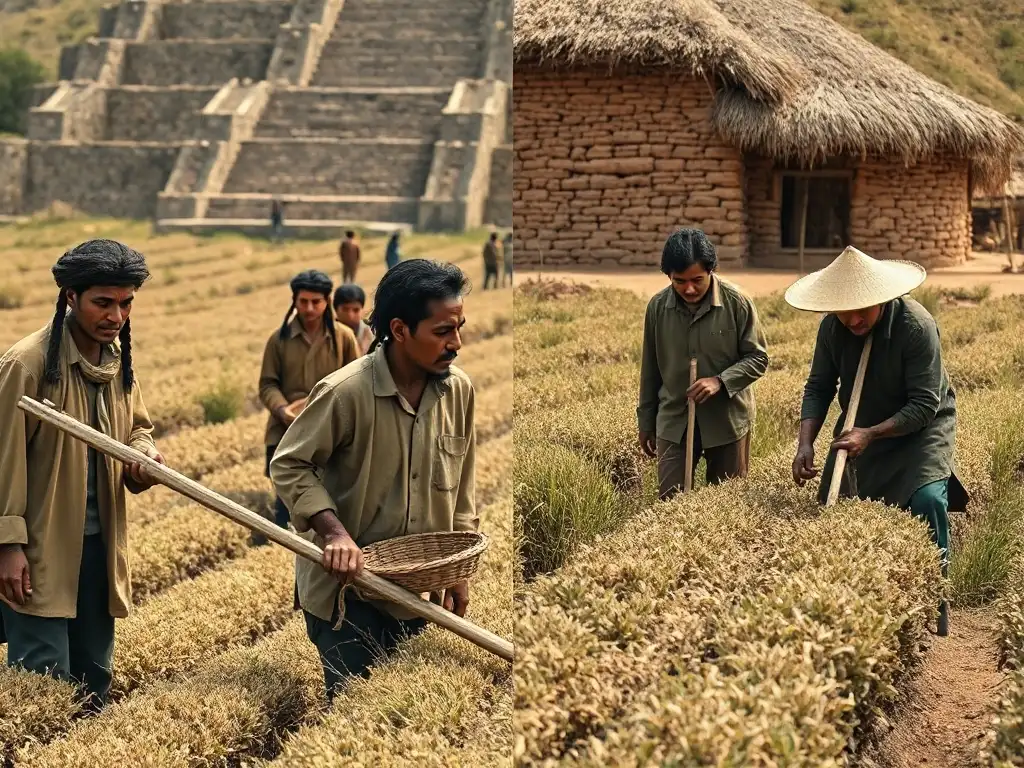
While both Yanakuna and commoners occupied positions within the Inca social hierarchy, crucial distinctions separated their roles and status. Commoners, or ayllu members, held land and participated in community labor obligations ( mita). They enjoyed a degree of autonomy and communal support. Their lives were structured around agricultural production and contributing to the collective well-being of their ayllu.
In contrast, Yanakuna lacked such independence. They were essentially state-assigned servants, bound to their assigned roles and lacking the land ownership and communal rights of commoners. Although they received food and shelter, their lives were less autonomous and dictated by the needs of their masters, be they nobles, priests, or the Inca himself.
This fundamental difference in land ownership and community participation highlights the significant gap in social standing between Yanakuna and commoners, despite both being integral parts of Inca society. The Yanakuna were more akin to a dedicated workforce, whereas commoners formed the backbone of the agricultural and societal structure. The social mobility between these two groups was extremely limited, emphasizing the rigidity of the Inca social system in this regard.
The Legacy of the Yanakuna in Andean History
The Yanakuna's role in Inca society left a lasting mark on Andean history. Their service to the elite facilitated the construction of monumental infrastructure, such as Machu Picchu and other impressive sites. Their specialized skills, passed down through generations within their families, contributed significantly to the Inca Empire’s economic and administrative success.
The system of state-sponsored service, while exploitative to some extent, also provided a level of social security for the Yanakuna, guaranteeing food and shelter. However, the historical record often overlooks their contributions, focusing more on the achievements of the Inca elite. Scholarly work is increasingly aiming to redress this imbalance, recognizing the essential role played by the Yanakuna in the empire's daily functioning and long-term sustainability.
The very existence of the Yanakuna, a dedicated class of servants, reflects the complex dynamics of power and labor within the Inca state. Their legacy is intertwined with the broader narrative of Inca societal organization and imperial ambition. Further research could illuminate the specifics of Yanakuna life beyond their functional role in the Inca state.
Impact on Post-Inca Societies
The Spanish conquest significantly disrupted the Inca social order, including the system of Yanakuna service. The arrival of the Europeans led to the disintegration of the ayllu system and the traditional social hierarchy. While the Yanakuna were no longer formally recognized as a distinct social group after the conquest, the legacy of their service and specialized skills continued to influence the social and economic landscape of the post-Inca Andean societies.
Many former Yanakuna likely transitioned into similar roles within the new colonial system, either serving Spanish elites or continuing to provide specialized services within their communities. The concept of service and labor, central to the Yanakuna’s existence, persisted in various forms under colonial rule. However, the colonial period brought significant changes, leading to new forms of social stratification and economic exploitation.
The impact on the descendants of Yanakuna remains a topic deserving further study to understand their integration into the post-conquest social structures and their experiences during the colonial period and beyond. The nature of their integration and the extent to which their identity persisted are questions that require more in-depth investigation.
The Yanakuna in Historical Accounts and Archaeology
The Inca Yanakuna, often translated as "servants" or "retainers," represent a significant yet complex segment of Inca society. Understanding their social role requires careful examination of both historical accounts and archaeological evidence. Chroniclers like Garcilaso de la Vega, a descendant of Inca royalty, provide invaluable, albeit sometimes biased, insights into the lives of the Yanakuna. His writings, while offering glimpses into their daily routines and responsibilities, often focus on the Yanakuna serving the elite, potentially obscuring the nuances of their social standing and the diversity within this group.
Other Spanish chronicles, while less detailed, corroborate the existence of a class of servants within the Inca system, highlighting their importance in supporting the administrative and economic structures of the empire. However, these accounts are inherently filtered through the lens of Spanish colonialism, and their interpretations must be approached with caution. Archaeological evidence, such as the discovery of distinct housing structures associated with elite residences, can provide further context. These structures, often smaller and less elaborate than those of the nobility, might have housed Yanakuna families, offering clues about their living conditions and proximity to their employers.
However, the identification of specific dwellings as exclusively belonging to Yanakuna remains challenging due to the limitations of archaeological interpretation. Further research, combining textual analysis of colonial accounts with advanced archaeological techniques, is needed to develop a more comprehensive understanding of the Yanakuna's place within Inca society. The lack of readily available primary source material specifically detailing the Yanakuna experience poses a significant challenge to researchers. More detailed studies focusing specifically on the Yanakuna and their material culture would significantly advance our knowledge.
Examining Evidence of Yanakuna Life
The daily lives of the Yanakuna were likely diverse and depended heavily on their specific roles and the status of their employers. While some Yanakuna might have served in royal households, performing tasks ranging from domestic chores to personal attendance on Inca nobility, others likely served in less prestigious settings, working for local curacas (local leaders) or even wealthy commoners. Archaeological investigations into Inca settlements have revealed evidence of specialized craft production, suggesting the existence of Yanakuna skilled in various trades, such as pottery, weaving, or metalworking. These individuals might have contributed significantly to the Inca economy, producing goods for both domestic consumption and elite use.
The archaeological record might also shed light on their social mobility. While the Yanakuna were generally considered a lower social stratum, the possibility of upward mobility, especially through exceptional skill or loyalty, cannot be dismissed. Further research into burial practices and grave goods associated with suspected Yanakuna remains could offer insights into their social standing and potential variations in lifestyle. However, definitively identifying Yanakuna burials based solely on grave goods remains a challenge.
The lack of clear-cut indicators in the burial record hampers the development of a conclusive picture of their lives and social trajectories. Anthropological studies of other pre-Columbian societies with similar social structures could offer valuable comparative perspectives, allowing for a richer understanding of the Yanakuna experience within the broader context of Andean social organization. The integration of interdisciplinary approaches, combining historical analysis, archaeological findings, and anthropological comparisons, is essential for constructing a more complete and nuanced picture of the lives and social roles of the Inca Yanakuna.
- Understanding the Inca Social Hierarchy
- Who Were the Yanakuna? Defining their Status
- Origins of the Yanakuna: From Captives to Retainers
- The Yanakuna's Diverse Roles: Beyond Simple Servitude
- Yanakuna in Agriculture: Labor and Production
- Yanakuna in Craft Production: Skilled Artisans
- Yanakuna in Military Service: Loyalty and Combat
- Yanakuna as Personal Attendants: Serving the Elite
- The Privileges and Limitations of the Yanakuna Class
- Yanakuna and Land Ownership: Access and Restrictions
- Social Mobility for the Yanakuna: Opportunities and Barriers
- Yanakuna and the Inca State: Dependence and Control
- The Yanakuna System and Inca Governance
- Contrasting the Yanakuna with Other Social Groups
- Yanakuna vs. Mitmaq: Distinguishing Labor Systems
- Yanakuna vs. Commoners: Differences in Social Position
- The Legacy of the Yanakuna in Andean History
- Impact on Post-Inca Societies
- The Yanakuna in Historical Accounts and Archaeology
- Examining Evidence of Yanakuna Life
Frequently Asked Questions
What were Yanakuna in Inca society?
Yanakuna were a critical part of Inca society, serving as servants and retainers to the Inca elite and the state. They were not slaves, but rather held a specific social status with defined obligations and rights.
Unlike ayllus members who worked collectively on communal lands, Yanakuna were assigned to specific individuals or institutions. They received food, clothing, and shelter in exchange for their labor, but lacked the same land-owning rights.
What types of labor did Yanakuna perform?
Yanakuna performed a wide range of tasks, from agricultural work and construction to domestic service and crafting. Their specific duties varied depending on their assignment and the needs of their masters.
While not slaves, Yanakuna were certainly lower in the social hierarchy than the Inca nobility and the Curacas. Their status was hereditary, meaning their children also served as Yanakuna.
How did the Inca system of Yanakuna contribute to the empire's success?
The Yanakuna system provided the Inca with a reliable workforce for various projects, including agriculture, infrastructure development, and military campaigns. This efficient labor system was essential to the empire's growth and expansion.
Final Reflection: Echoes of Service: Understanding the Yanakuna's Enduring Legacy
The intricate social fabric of the Inca Empire, woven with threads of power and obligation, is vividly illustrated by the role of the Yanakuna. Their story, often overlooked in broader narratives, reveals a complex system of service that continues to resonate in discussions of labor, social hierarchy, and the enduring impact of pre-Columbian societies. Understanding their position is crucial to a complete understanding of Inca societal dynamics and its lasting influence.
The Yanakuna's story is not merely a historical footnote; it's a powerful reminder of the multifaceted nature of social structures and the enduring impact of systems of power. Their lives, bound to the service of the elite, offer a poignant lens through which to examine the complexities of loyalty, obligation, and the human cost of empire. The past is never dead. It's not even past.
– William Faulkner. This quote perfectly encapsulates the ongoing relevance of studying the Yanakuna and their experiences within the Inca system, as their story continues to inform our understanding of social structures and power dynamics even today.
Consider the implications of the Yanakuna system. How do we, in our own time, grapple with issues of social inequality and economic disparity? What responsibilities do we have to ensure a more just and equitable society? I urge you to reflect on the lessons learned from the Yanakuna's experience, not just as a historical study, but as a catalyst for critical self-reflection and a commitment to building a more compassionate and just world. Let their story inspire you to examine the power structures in your own life and strive for a more equitable future.
Embrace the Legacy of the Yanakuna in Inca Society!
Thank you for exploring the fascinating world of the Yanakuna and their significant role in Inca society! We hope you've gained a deeper understanding of the complex interplay of servitude and loyalty that shaped their culture. Now, let's explore ways to connect further with this rich heritage and engage with others who share your interest.
- Discover the Stories: Research the Yanakuna and other social structures within the Inca Empire, and share your findings on social media! Use the hashtag #YanakunaLegacy to connect with fellow history enthusiasts and participate in stimulating discussions.
- Join Community Discussions: Engage with local history or archaeology groups to deepen your understanding of Inca culture. This is a great way to build new relationships and gain valuable insights.
- Visit a Museum: Explore exhibits on pre-Columbian civilizations in your area. Seeing artifacts firsthand and learning from museum experts can create a powerful connection between the past and the present.
How do you see the influence of the Yanakuna reflected in modern society? Share your thoughts in the comments!