
The Power of the Extended Family: A Support System in Ancient Societies

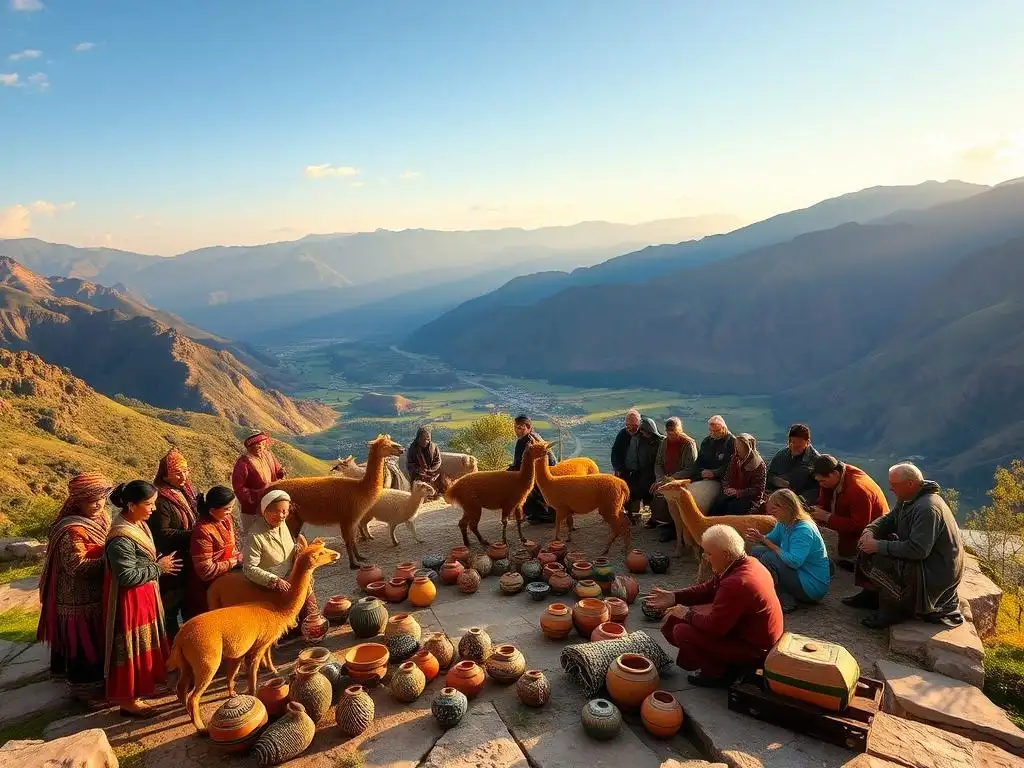
Uncover the secrets of a world lost to time, where mountains touched the heavens and civilizations flourished beyond imagination. Dive into the fascinating world of Andean Civilizations, and prepare to be amazed by the ingenuity and resilience of these ancient peoples. But what truly held their societies together? Our exploration of the Ancient Andean family support system reveals a complex and surprisingly modern social structure that will challenge your preconceived notions. Journey with us to discover the power of kinship and the enduring legacy of family in the Andes.
- The Power of the Extended Family: A Support System in Ancient Andean Societies
- Understanding the Ancient Andean Family Structure
- The Ancient Andean Family Support System: Functions and Roles
- Examples of Family Support in Different Andean Cultures
- The Significance of the Ancient Andean Family Support System
- Legacy of the Ancient Andean Family Support System
-
Frequently Asked Questions
- What role did the extended family play in Ancient Andean societies?
- How did the extended family contribute to economic stability in Ancient Andean societies?
- What was the importance of kinship ties in the Ancient Andean family structure?
- Did the Ancient Andean family system differ across different cultures within the Andes?
- How did the Andean family support system influence the overall societal structure?
- Final Reflection: The Enduring Legacy of Andean Kinship
- Unleash the Strength of Connection: Embrace Your Extended Family
The Power of the Extended Family: A Support System in Ancient Andean Societies
The intricate social fabric of ancient Andean civilizations, encompassing cultures like the Inca, Moche, Nazca, and Tiahuanaco, was profoundly shaped by robust kinship networks. This article delves into the crucial role of the extended family as a cornerstone of societal stability and individual well-being, examining how these complex family structures provided vital support systems across various aspects of life. Understanding the strength of these familial bonds is key to appreciating the resilience and longevity of these remarkable Andean societies.
We will explore how the concept of family extended far beyond the nuclear unit, encompassing a wide array of relatives and impacting everything from resource allocation and agricultural practices to social hierarchy and conflict resolution. This exploration of the "Ancient Andean family support system" will reveal a sophisticated social engineering that contributed significantly to the success of these ancient cultures.
The Structure of the Andean Extended Family
The Andean extended family was far from a simple concept. It wasn't merely parents and children; it encompassed a complex web of relations including grandparents, aunts, uncles, cousins, and even more distant relatives who lived and worked together, often in close proximity. This close-knit arrangement fostered a strong sense of community and mutual obligation. Evidence suggests that inheritance patterns and land ownership were often determined by kinship ties, solidifying the importance of family in economic stability.
The precise structure varied across different Andean cultures, with nuances in inheritance laws and social hierarchies, but the underlying principle of collective support remained consistent. For example, [specific information pending] regarding the Moche's family structures could provide a more detailed comparison. Furthermore, the influence of ayllus, or kinship groups, in Inca society, played a crucial role in their social organization and resource management.
Economic Support within the Family Unit
The extended family functioned as a vital economic safety net. In an agricultural society heavily reliant on the unpredictable whims of nature, the collective resources and labor of the extended family provided crucial resilience against crop failures or other economic hardships. Families shared land, livestock, and tools, ensuring that even in times of scarcity, members could rely on the collective to survive. This system of mutual support minimized individual risk and promoted social stability.
[Specific data on crop yields and resource sharing practices within specific Andean cultures pending]. This collaborative economic model contrasts sharply with more individualistic systems found in other ancient societies. The collaborative nature of the Andean family system promoted a sense of shared responsibility and ensured that no one was left completely vulnerable.
Beyond economic benefits, the extended family offered invaluable social and emotional support. Child-rearing, elder care, and the resolution of interpersonal conflicts were all communal responsibilities. The presence of multiple generations within the household provided a rich tapestry of experience and knowledge, shaping the upbringing of younger generations and providing comfort and guidance to older members. This continuous intergenerational support contributed to a stronger sense of identity and belonging.
The social fabric was tightly woven, with strong emotional bonds creating a supportive and nurturing environment for all members. [Specific examples of rituals or practices demonstrating social and emotional support within Andean families pending]. This support system was crucial in navigating the challenges of life in a harsh and unpredictable environment.
While the extended family provided crucial support, it also played a role in reinforcing social hierarchies within Andean societies. The position of individuals within the family often reflected their standing in the wider community. Seniority, lineage, and access to resources shaped the power dynamics within the extended family unit. This hierarchical structure wasn't necessarily oppressive; rather, it provided a framework for decision-making and resource allocation.
However, it also meant that some family members held more power and influence than others. [Specific examples of how family hierarchy intersected with broader social structures in Andean societies pending]. Understanding this interplay is vital to a complete understanding of Andean social organization.
This initial exploration highlights the significance of the extended family as a fundamental pillar of ancient Andean societies. Further research into specific cultural nuances and regional variations will undoubtedly enrich our understanding of this crucial aspect of Andean life. The resilience and success of these ancient civilizations are inextricably linked to the strength and support provided by their remarkably intricate family structures. The impact of this system extends far beyond mere survival, shaping the very fabric of Andean culture and leaving a lasting legacy on our understanding of ancient social organization. 🎉
Understanding the Ancient Andean Family Structure
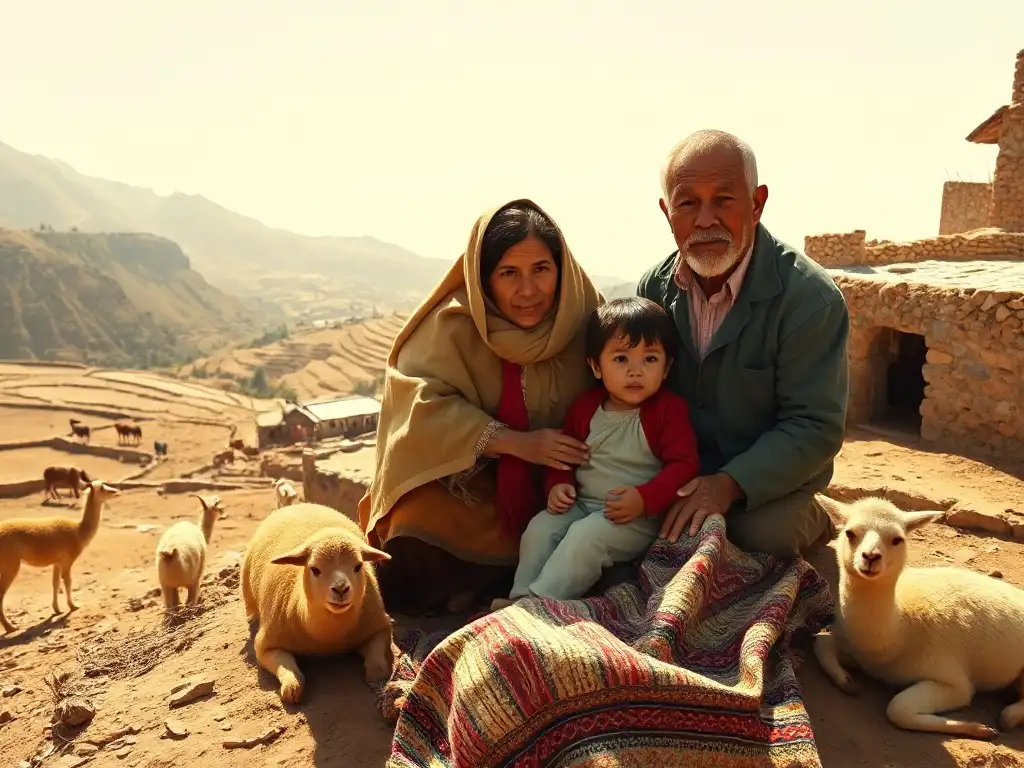
This section delves into the intricate structure of the family unit within various Ancient Andean societies, exploring how its organization contributed to the overall societal stability and success. Understanding the Andean family structure requires moving beyond a simple nuclear family model. Instead, we find a complex web of kinship ties that extended far beyond the immediate parents and children, impacting daily life, resource management, and even political structures.
The strength of these ties formed the bedrock of their social organization, a crucial element frequently overlooked in discussions of Ancient Andean civilizations. This intricate system, characterized by strong communal bonds and mutual support, provided a safety net and fostered cooperation crucial for survival in challenging Andean environments.
The nuances of this system varied across different cultures – Inca, Moche, Nazca, and Tiahuanaco – but the overarching principle of extended family support remained remarkably consistent. This section will explore these nuances and the profound impact they had on Andean life.
The Importance of Kinship in Andean Civilizations
Kinship in Ancient Andean societies wasn't merely a biological connection; it was a fundamental principle organizing social life. It dictated social roles, access to resources, and even political power. The concept of ayllu, a kinship-based community group, was central to many Andean societies, particularly the Inca.
The ayllu functioned as a crucial economic and social unit, pooling resources and labor for agricultural production, construction projects, and other communal activities. This system ensured the survival and prosperity of its members, providing a safety net against hardship and promoting cooperation. Think of it as a sophisticated form of social insurance, predating modern concepts by millennia.
The strength of these bonds is evident in archaeological findings depicting elaborate burial practices often involving multiple family members, demonstrating a profound respect for ancestors and the enduring significance of kinship ties. Furthermore, the Inca's mita system, a form of mandatory labor service, often prioritized family units, acknowledging the importance of maintaining familial cohesion even within the context of state-organized projects.
Defining the Extended Family in the Andean Context
The "extended family" in the Andean context encompassed a significantly broader network than in many contemporary societies. It often included not only parents, children, and siblings, but also grandparents, aunts, uncles, cousins, and even more distant relatives. This extended network provided a robust support system, sharing resources, responsibilities, and labor across generations.
For example, elderly family members often played crucial roles in childcare and knowledge transmission, while younger members contributed to agricultural work and household tasks. This intergenerational support system ensured the continuity of traditions and skills, contributing to the long-term sustainability of Andean communities. The concept of individual autonomy was less pronounced than in many modern societies; individual needs were often subordinated to the collective well-being of the extended family unit.
This system, while seemingly restrictive in some ways, offered a high degree of social security and stability, vital for survival in a harsh and unpredictable environment. The strength of these ties is reflected in the numerous archaeological sites revealing evidence of communal dwellings and shared resources, clearly indicating a lifestyle centered on collective family support. This collaborative approach to life was essential to the success of Ancient Andean civilizations, allowing them to thrive in challenging geographic and environmental conditions for centuries.
The Ancient Andean Family Support System: Functions and Roles
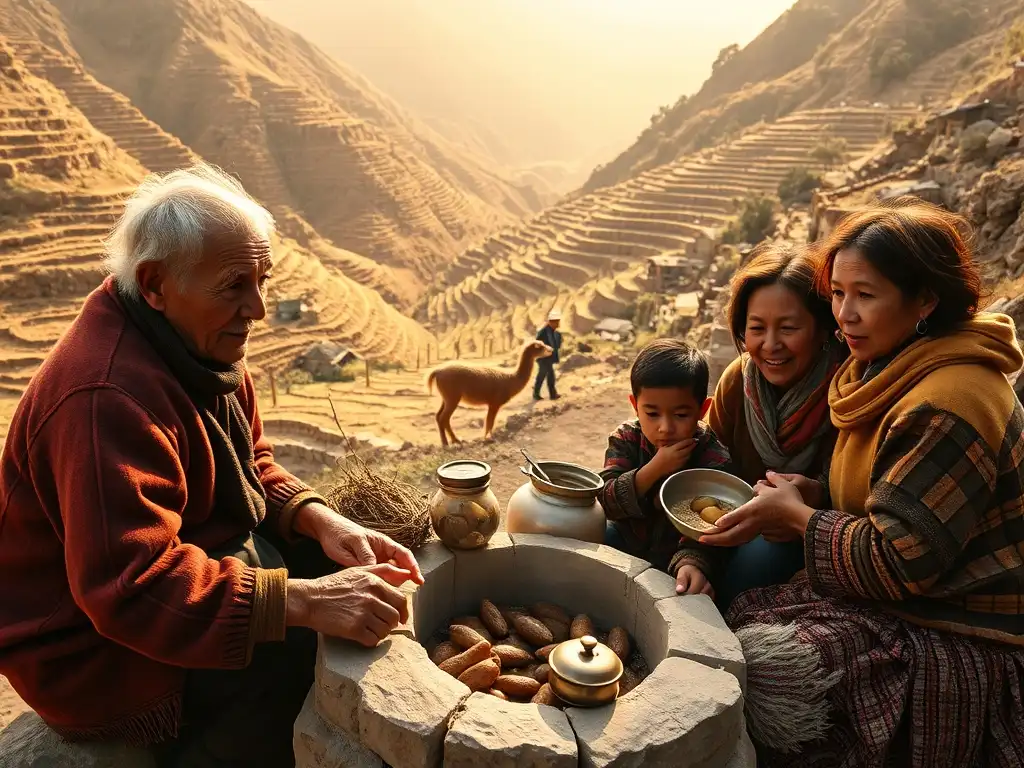
The concept of family in Ancient Andean societies transcended the nuclear unit, extending to a complex web of kinship ties that formed the bedrock of social and economic life. This extended family structure, far from being a simple familial arrangement, constituted a robust support system crucial for survival and prosperity in the challenging Andean environment. Understanding this system is key to appreciating the resilience and success of these remarkable civilizations.
The term "Ancient Andean family support system" accurately reflects the vital role kinship played in daily life, encompassing everything from agricultural production to conflict resolution. This section will delve into the intricacies of this system, exploring its functions and the roles played by its various members.
Economic Cooperation Within Andean Kin Groups
Economic cooperation within Andean kin groups was a cornerstone of their survival. The harsh realities of high-altitude agriculture demanded collective effort. Farming, a laborious task involving terracing, irrigation, and crop cultivation, was often a communal undertaking, with family members contributing their skills and labor based on age and ability.
This cooperative model ensured efficient resource utilization and risk mitigation. For example, the ayllu, a crucial social and economic unit among the Inca and other Andean groups, functioned as a collective farming enterprise. Land was allocated to family units within the ayllu, but labor was often shared for tasks like planting, harvesting, and maintaining irrigation systems.
This collaborative approach extended beyond agriculture. Animal husbandry, textile production, and craft specialization also benefited from the division of labor within the extended family. Elderly members often possessed specialized knowledge and skills passed down through generations, contributing significantly to the economic productivity of the group.
Younger members, in turn, gained valuable experience and training, ensuring the continuity of traditional practices. The system fostered interdependence and mutual support, creating a resilient economic structure capable of weathering environmental challenges and ensuring the well-being of all members. Data on specific crop yields and labor distribution within ayllus is unfortunately limited, but archaeological evidence strongly suggests the prevalence of this cooperative model.
Beyond economic cooperation, the extended Andean family provided a vital social safety net. In the absence of formal welfare systems, the family acted as the primary provider of social support, offering assistance during times of illness, injury, famine, or other hardship. The elderly, children, and the infirm were cared for by their relatives, ensuring their survival and integration within the community. This system of mutual aid reduced vulnerability and fostered social cohesion.
The concept of reciprocity was central to this social support network. Assistance provided to one family member was often reciprocated in kind at a later date, creating a dynamic equilibrium within the kinship group. This reciprocal exchange of goods, services, and emotional support strengthened social bonds and reinforced the importance of collective well-being.
Furthermore, kinship ties extended beyond the immediate family, creating broader networks of social support that could span entire villages or even regions. This wider network provided additional resources and assistance during times of crisis, enhancing the resilience of the entire community. Anthropological studies of contemporary Andean communities reveal the enduring legacy of these strong kinship ties and social support systems.
Roles of Elders in the Ancient Andean Family
Elders occupied positions of significant authority and respect within the Ancient Andean family structure. Their accumulated wisdom, knowledge, and experience were highly valued, making them indispensable to the functioning of the family and the community at large. They often served as advisors, mediators, and custodians of traditional practices and beliefs. Their role extended beyond the family, often playing important roles in community governance and religious ceremonies.
The elders' influence was particularly pronounced in matters of land allocation, resource management, and conflict resolution. Their deep understanding of customary laws and traditions helped maintain social harmony and prevent disputes from escalating. Their knowledge of medicinal plants and traditional healing practices also made them essential figures in healthcare.
The transmission of knowledge, skills, and cultural values from elders to younger generations ensured the continuity of Andean traditions and the preservation of cultural heritage. While specific power structures varied across different Andean cultures, the respected position of elders remained a consistent feature throughout the region. Their influence was a crucial element in the stability and success of the Ancient Andean family support system.
Examples of Family Support in Different Andean Cultures
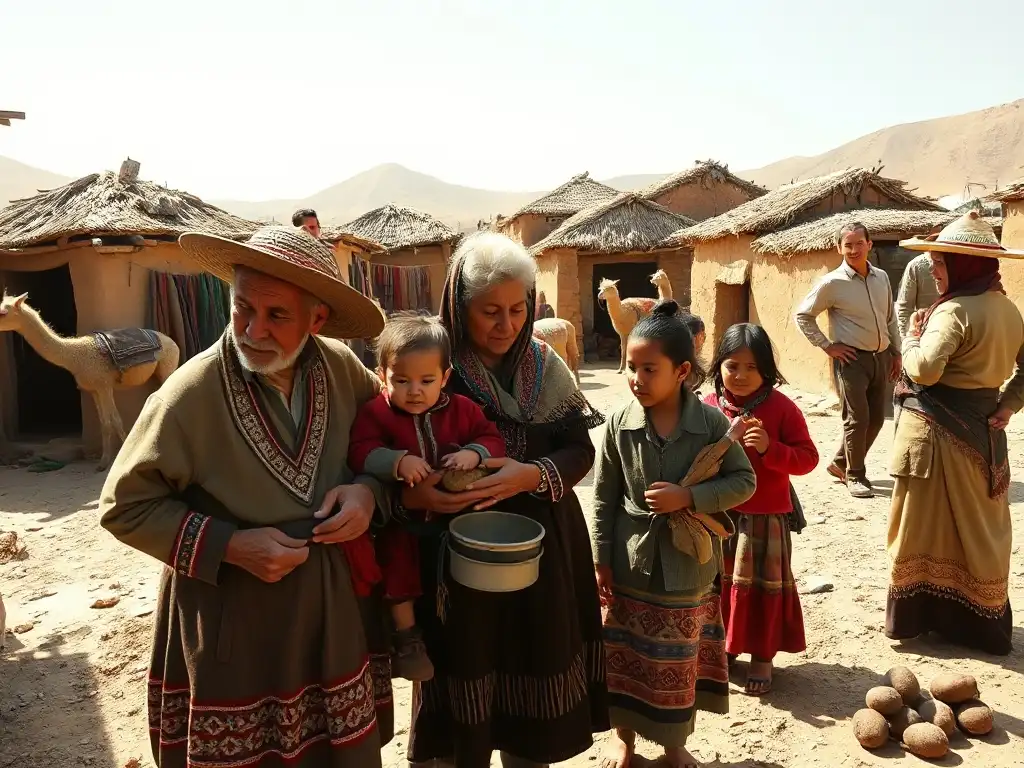
This section explores the diverse ways family structures provided crucial support networks within various Ancient Andean societies. Understanding these systems reveals the intricate social fabric that underpinned their remarkable achievements in agriculture, architecture, and governance. The concept of "Ancient Andean family support system" encompassed far more than simple kinship; it was a cornerstone of their social and economic stability. We'll examine specific examples to illustrate the nuanced variations and underlying commonalities.
Family Dynamics in Inca Society
Inca society, renowned for its sophisticated empire, prioritized the extended family as the fundamental building block of its social organization. The ayllu, a kinship-based community group, played a vital role in providing mutual support. Members shared responsibilities, including agricultural labor, resource allocation, and even religious obligations. This cooperative structure ensured survival, especially during times of hardship.
The Inca state further reinforced this family-based system through its mita system, a form of mandatory labor service. While often viewed as a form of taxation, the mita also strengthened family bonds by requiring collective participation. Families worked together, relying on their kinship networks for emotional and practical support during these periods of communal service.
This system not only benefited the state but also fostered a strong sense of community and shared responsibility within each ayllu. Evidence suggests that the distribution of resources and responsibilities within the ayllu was often influenced by age and gender, with elders often holding positions of authority and providing guidance.
The Inca's emphasis on lineage and ancestry further solidified the importance of the family unit. Genealogical records were meticulously maintained, highlighting the significance of kinship ties in determining social standing and access to resources. This intricate system of record-keeping underscores the central role the family played in the Inca worldview and its organizational structure. The strength of the Inca empire was, in no small part, a testament to the resilience and cooperative nature of its extended family structures.
Moche Family Structures and Support Systems
Unlike the Inca, the Moche civilization, flourishing on the northern coast of Peru, lacked a centralized, empire-wide system of social organization. However, evidence from their elaborate funerary practices and artistic representations suggests a strong emphasis on family support networks, albeit organized differently. Moche society appears to have been hierarchical, with elites controlling access to resources and power. Nonetheless, family units, likely extended families, provided essential support in navigating the challenges of life in their arid coastal environment.
Analysis of Moche burials reveals evidence of elaborate grave goods often placed together, suggesting the importance of family ties even in death. The inclusion of multiple individuals in some tombs implies close-knit family relationships, with the deceased possibly being members of the same extended family. Furthermore, the intricate detail in Moche pottery frequently depicts scenes of daily life, including activities that highlight familial cooperation and interdependence.
These depictions offer valuable insights into the Moche social structure and the role of the family within it. More research is needed to fully understand the specific dynamics of Moche family support systems, but the available evidence strongly suggests a significant role for family in their daily lives and social organization. [Specific data on Moche family structures pending further archaeological research].
Family Life and Kinship in the Nazca Culture
The Nazca people, known for their enigmatic geoglyphs, also relied heavily on family support systems. Their agricultural practices, particularly their sophisticated irrigation systems, required significant communal effort. This necessity fostered a strong sense of cooperation within family units, which were likely organized around extended kinship ties. The cultivation of cotton and other crops would have demanded considerable collective labor, reinforcing the importance of the family as a productive unit.
Evidence from Nazca settlements suggests a relatively egalitarian social structure compared to the Inca or Moche civilizations, although social hierarchy undoubtedly existed. However, the emphasis on communal labor in agriculture likely strengthened family bonds and facilitated mutual support. The intricate designs found in Nazca textiles often depict scenes of daily life, potentially providing further clues about their family structures and social interactions.
However, more detailed analysis of these textiles and further archaeological excavations are needed to fully understand the nuances of Nazca family dynamics and support systems. [Further research is needed to clarify the precise dynamics of kinship and family support within Nazca society]. The limited evidence suggests a significant role for family in their agricultural practices and social organization, mirroring the importance of family in other Andean cultures.
Tiahuanaco Family and Community Support Networks
The Tiahuanaco culture, flourishing in the Bolivian Altiplano between approximately 500 and 1000 CE, exemplified a sophisticated system of family and community support integral to their survival in a challenging high-altitude environment. Evidence suggests a strong emphasis on collective responsibility, extending far beyond the immediate nuclear family. This wasn't merely a matter of social cohesion; it was a crucial survival strategy. The harsh climate and the demands of agriculture in the thin, high-altitude air necessitated a highly cooperative approach to resource management and labor.
The intricate network of canals and agricultural terraces that characterized Tiahuanaco agriculture required immense coordinated effort. Families likely worked together, pooling resources and labor for construction and maintenance. Archaeological evidence, such as the remarkably organized layout of settlements and the scale of public works, points to a highly structured society where individual families played their part within a larger communal framework.
This collaborative spirit likely extended to other aspects of life, including childcare, elder care, and the distribution of resources during times of scarcity. The relatively large size of Tiahuanaco settlements also suggests a high population density, further highlighting the need for efficient resource management and social support systems.
Furthermore, the elaborate religious beliefs of the Tiahuanaco people likely played a significant role in strengthening community bonds. Shared religious practices and rituals would have reinforced social cohesion and a sense of collective identity, fostering mutual support and cooperation.
The iconic Gate of the Sun, with its intricate carvings depicting a complex cosmology, serves as a powerful symbol of this unifying cultural force, reflecting a society where individual success was inextricably linked to the well-being of the wider community. While the precise details of their social structures remain a subject of ongoing research, it's clear that family support in Tiahuanaco extended beyond the immediate family unit, forming a robust network crucial for the survival and prosperity of the entire society.
The enduring legacy of their monumental architecture and sophisticated irrigation systems stands as a testament to the power of collective action and the importance of strong family and community ties in a demanding environment. The success of Tiahuanaco, in large part, can be attributed to the resilience and cooperation fostered by their intricate social support networks.
The Significance of the Ancient Andean Family Support System
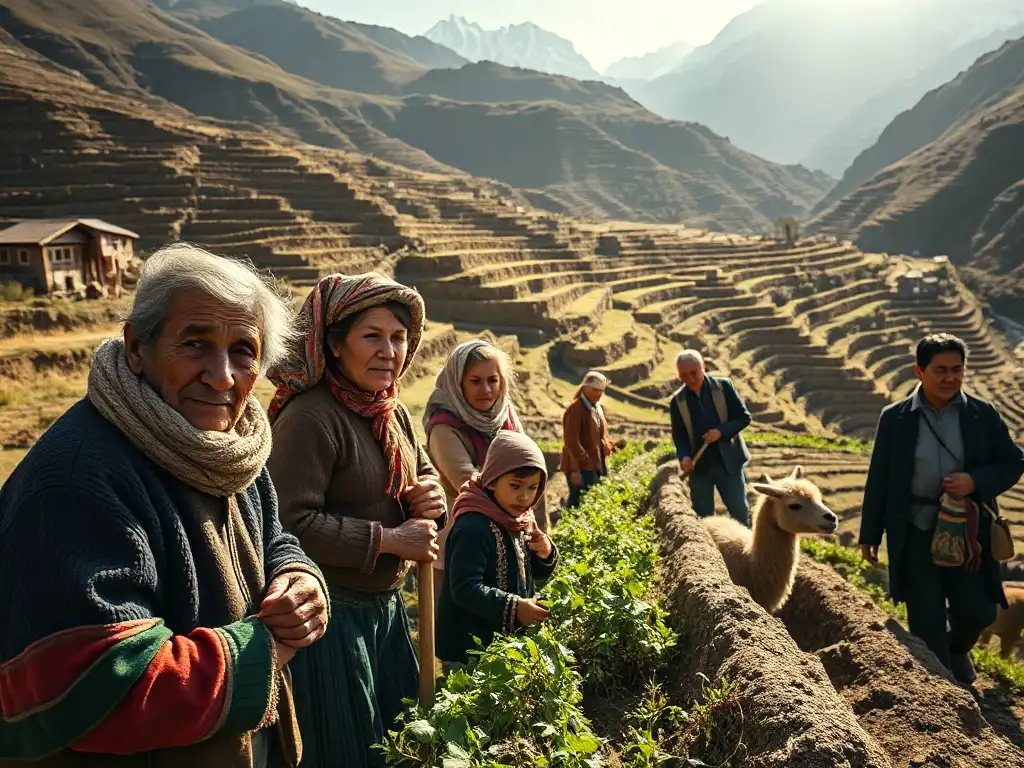
The Ancient Andean family support system wasn't merely a social construct; it was the bedrock of their thriving societies. Understanding its significance requires recognizing its multifaceted role in everything from daily survival to the perpetuation of complex cultural traditions. This system, far from being a simple nuclear family unit, encompassed extended family members, creating a robust network of mutual aid and responsibility.
This intricate web of relationships provided crucial support in times of hardship, facilitated economic stability, and ensured the transmission of vital knowledge across generations. The strength of this system is evident in the remarkable achievements of Andean civilizations, from their sophisticated agricultural techniques to their awe-inspiring architectural feats. The concept of ayni—reciprocal exchange—was central to this system, fostering a sense of collective responsibility and shared well-being.
This intricate social fabric profoundly shaped the social, economic, and cultural landscapes of the Andes. Analyzing the various aspects of this system reveals its crucial role in the overall success and resilience of these ancient civilizations.
How Family Support Contributed to Societal Stability
The extended family structure in ancient Andean societies provided a crucial safety net, bolstering societal stability in the face of various challenges. In a region characterized by unpredictable weather patterns and the potential for crop failures, the collective resources and labor of the extended family proved invaluable. For instance, during periods of drought or famine, families could rely on the support of their kin to share food and resources, preventing widespread starvation and social unrest.
This system also minimized the impact of individual misfortune. Illness or injury, which could easily cripple a nuclear family, was mitigated by the collective care and assistance provided by the extended family. Elderly members, who might otherwise have become burdens, were cared for and respected, their wisdom and experience contributing to the overall well-being of the community.
This mutual support fostered a sense of security and belonging, contributing significantly to the social cohesion and stability of Andean societies. Furthermore, the strong kinship ties helped resolve conflicts peacefully, avoiding the escalation of disputes that could threaten the stability of the community. The emphasis on collective responsibility and shared fate acted as a natural buffer against social fragmentation and unrest.
The Role of Family in Agricultural Practices and Land Management
Ancient Andean agricultural practices were heavily reliant on the collective effort of the extended family. The demanding nature of cultivating crops at high altitudes, often involving terracing, irrigation, and intricate water management systems, required significant manpower. The extended family provided the necessary labor force, ensuring that the essential tasks of planting, weeding, harvesting, and storage could be effectively carried out.
Land ownership and management often followed similar principles. While specific details vary across different Andean cultures, it's clear that land was frequently held and worked collectively by extended family groups. This communal approach fostered efficient resource utilization and reduced the risk of individual failure.
The collective knowledge and experience of multiple generations were crucial in adapting to changing environmental conditions and maintaining productivity. For example, the intricate waru waru agricultural system, with its raised fields and irrigation canals, required considerable planning and coordination, tasks best achieved through the collaborative efforts of an extended family unit. This system exemplifies the crucial role of family in sustainable agricultural practices, contributing to the food security and economic prosperity of ancient Andean societies.
Passing Down Traditions Through Generations
The ancient Andean family support system played a vital role in preserving and transmitting cultural knowledge and traditions across generations. Within the extended family structure, children were immersed in the customs, beliefs, and practices of their ancestors. This process of intergenerational knowledge transfer was not merely passive; it was actively nurtured through storytelling, rituals, and practical instruction.
Elders served as repositories of knowledge, sharing their wisdom and experience with younger generations. This system ensured the continuity of traditional crafts, such as weaving, pottery, and metalworking, as well as the preservation of religious beliefs, social norms, and historical narratives. The transmission of knowledge wasn't limited to practical skills; it also encompassed the intricate social structures and intricate systems of reciprocity that were fundamental to Andean societies.
This transmission of cultural heritage, facilitated by the extended family, ensured the continuation of Andean traditions and contributed to the rich cultural diversity of the region. The survival of these traditions demonstrates the effectiveness of this ancient family support system in preserving cultural identity and fostering a strong sense of collective history. The enduring legacy of Andean culture is a testament to the power of this intergenerational knowledge transfer.
Legacy of the Ancient Andean Family Support System
The concept of family in ancient Andean societies transcended the nuclear family unit we understand today. It encompassed a vast network of extended kin, creating a robust support system that permeated all aspects of life. This intricate web of relationships, crucial for survival in challenging Andean environments, provided crucial economic, social, and emotional support. The ayllu, a crucial social and economic unit among many Andean cultures, exemplified this extended family structure.
It wasn't merely a collection of relatives; it was a cooperative entity where resources were shared, labor was distributed, and responsibilities were collectively undertaken. This system fostered a strong sense of community and mutual interdependence, ensuring the well-being of its members. The strength of the ayllu significantly impacted social organization, resource management, and conflict resolution within these ancient societies.
Understanding this legacy is key to appreciating the complexities of Andean social structures and their enduring influence. Evidence from archaeological findings, such as the arrangement of settlements and the distribution of artifacts, strongly supports the prevalence and importance of the extended family structure in daily life. Furthermore, ethnographic studies of modern Andean communities reveal the continued importance of kinship ties, showcasing the enduring strength of this ancient legacy.
Influence on Modern Andean Family Structures
The ancient Andean family support system's legacy continues to resonate powerfully in contemporary Andean communities. While the formal structure of the ayllu may have diminished in some areas due to modernization and urbanization, the underlying principles of mutual support and collective responsibility persist. Many modern Andean families still prioritize extended family bonds, relying on a network of relatives for assistance in times of need.
This manifests in various ways, including shared childcare, collaborative farming practices, and financial assistance among family members. For example, in rural communities, it's common to see multiple generations living together, sharing resources and responsibilities. This practice isn't merely a matter of convenience; it reflects a deeply ingrained cultural value that prioritizes family unity and mutual support.
The strength of these kinship networks provides a crucial safety net, mitigating the impact of economic hardship and social vulnerability. However, the pressures of globalization and migration are testing the resilience of this traditional system, leading to evolving family structures and challenges in maintaining the close-knit bonds of the past. Further research is needed to fully understand the ongoing adaptations and transformations of Andean family structures in the face of these modern pressures.
Lessons from Ancient Andean Kinship for Today’s World
The ancient Andean family support system offers valuable lessons for contemporary societies grappling with increasing social isolation and economic inequality. The emphasis on collective responsibility and mutual support, central to the ayllu system, presents a compelling alternative to the increasingly individualistic tendencies of modern life. The resilience and adaptability of this system, demonstrated across centuries, highlight the importance of strong community bonds in navigating challenges.
The Andean model challenges us to reconsider the role of kinship in providing social support and economic security. Could a renewed focus on strengthening community ties, promoting intergenerational solidarity, and fostering a sense of shared responsibility help address some of the pressing social issues of our time? The emphasis on resource sharing and collaborative labor within the ayllu could inspire innovative approaches to tackling poverty and inequality.
By studying the successes and challenges of the ancient Andean system, we can potentially glean valuable insights for building more resilient and equitable communities today. The ancient Andean experience serves as a powerful reminder of the importance of prioritizing human connection and mutual support in the face of adversity.
Preserving the Memory of Andean Family Values
The preservation of the memory of Andean family values is crucial for maintaining cultural heritage and promoting social well-being. This involves not only documenting historical practices but also actively supporting initiatives that strengthen family bonds and community cohesion in contemporary Andean communities. Efforts to revitalize traditional practices, such as communal work projects and intergenerational storytelling, can help transmit these values to future generations.
Educational programs focusing on Andean history and cultural traditions can play a vital role in raising awareness and fostering appreciation for the rich legacy of Andean family systems. Moreover, supporting local organizations and community initiatives that promote family support and social cohesion is essential for ensuring the continued relevance of these values in a rapidly changing world. Documenting oral histories, preserving traditional art forms that reflect family life, and supporting research on contemporary Andean family structures are all vital components of this preservation effort.
The continued study and celebration of the ancient Andean family support system is not merely an academic pursuit; it is a vital step in honoring the past and building a more just and equitable future. The enduring strength of Andean family values serves as an inspiration for us all.
Frequently Asked Questions
What role did the extended family play in Ancient Andean societies?
The extended family was the cornerstone of Andean society. It provided economic support, social stability, and emotional security for its members. This system ensured survival and continuity across generations.
How did the extended family contribute to economic stability in Ancient Andean societies?
Extended families often worked together in agricultural production, sharing resources and labor. This collaborative system mitigated risk and ensured a more reliable food supply, bolstering economic stability.
What was the importance of kinship ties in the Ancient Andean family structure?
Kinship ties were paramount, defining social roles, responsibilities, and access to resources. Strong family bonds were crucial for social cohesion and the overall functioning of the community.
Did the Ancient Andean family system differ across different cultures within the Andes?
While the importance of the extended family was consistent, specific practices varied among cultures like the Inca, Moche, Nazca, and Tiahuanaco. Variations existed in land ownership, inheritance practices, and social hierarchies.
How did the Andean family support system influence the overall societal structure?
The strong emphasis on family fostered a highly structured and hierarchical society. The extended family formed the foundation of communities and influenced political organization, religious practices, and social interactions.
Final Reflection: The Enduring Legacy of Andean Kinship
The intricate web of familial support in ancient Andean societies offers a powerful counterpoint to the increasingly individualistic trends of the modern world. Understanding their systems of kinship reveals not just a historical curiosity, but a vital lesson in resilience and community building that remains profoundly relevant today. The challenges of modern life, from economic instability to social isolation, highlight the enduring need for strong, supportive networks – a need that the ancient Andeans understood and addressed with remarkable ingenuity.
The impact of the extended family structure on Andean society extended far beyond mere survival; it shaped their cultural values, their spiritual beliefs, and their very understanding of the world. The emphasis on collective responsibility and mutual aid fostered a sense of belonging and security that is often absent in contemporary society. The family is not an accident but a creation, a work of art.
This quote, though not directly from an Andean source, speaks to the deliberate and intentional nature of their kinship structures, a conscious choice that prioritized community over individual ambition. The echoes of this philosophy resonate even now, reminding us of the importance of fostering strong bonds and prioritizing collective well-being.
Consider the strength and stability that a robust support system can provide. Imagine the possibilities that open up when we actively cultivate meaningful connections with our extended families and communities. You, too, can build a network of support that mirrors the resilience and strength of the ancient Andean family system. Embrace the power of kinship, not just as a historical concept, but as a vital tool for navigating the complexities of the modern world and creating a more compassionate and interconnected future.
Unleash the Strength of Connection: Embrace Your Extended Family
Thank you for exploring the fascinating role of extended families in ancient societies. We hope you gained valuable insights into how these connections shaped communities and provided crucial support throughout history. Now, let's reflect on your own family ties and how you can strengthen or rediscover them.
Here are some actionable steps you can take:
- Reconnect with your extended family: Reach out to relatives you haven't spoken to in a while. Plan a family gathering or a virtual call to strengthen your support network by sharing stories and experiences.
- Explore your family history: Embark on a project to trace your lineage and uncover your rich ancestry. Genealogy websites can offer surprising insights into your family's past.
- Join or start a local family support group: Connect with like-minded individuals who value family connections. This creates a space for sharing resources, experiences, and advice.
What unique traditions does your extended family have, and how do they contribute to your sense of belonging? We'd love to hear your stories in the comments below!