
The Spiritual Dimensions of Kinship: Ancestor Veneration in the Andes

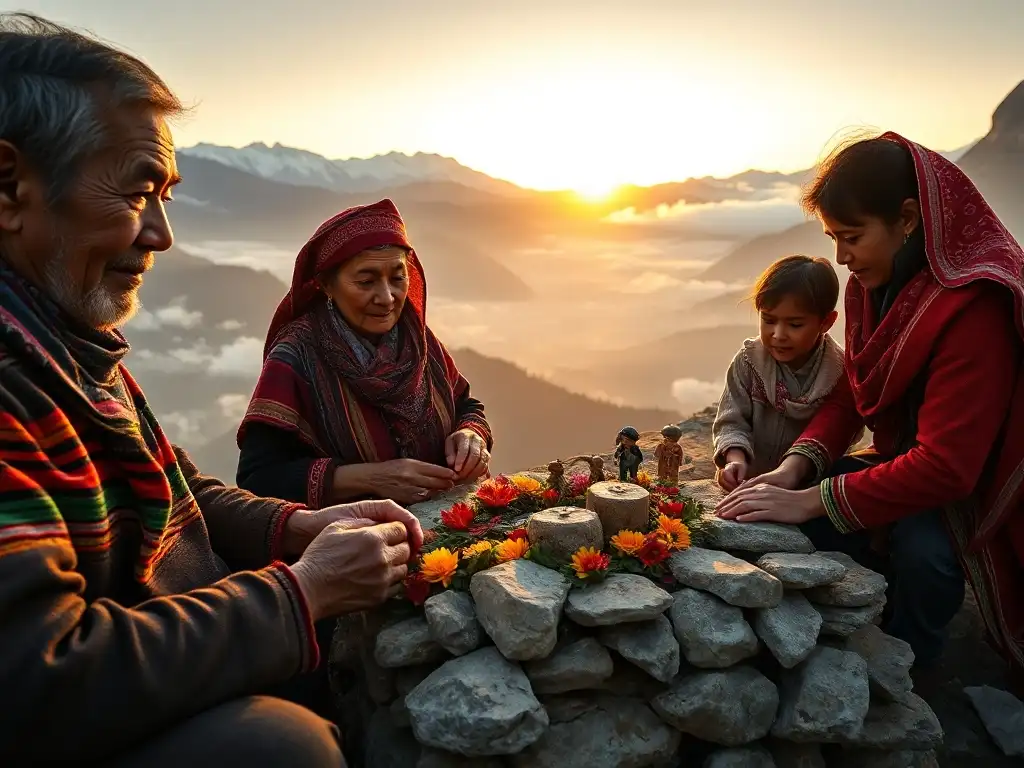
Uncover the mysteries woven into the very fabric of Andean life. For centuries, the towering peaks and fertile valleys have witnessed rituals and beliefs that continue to resonate today. Journey with us as we delve into the captivating world of Andean ancestor veneration practices, exploring the profound spiritual dimensions of kinship within these ancient societies. The intricate tapestry of their social structures, revealed through their unique practices, awaits your discovery. Prepare to be amazed.
Ancestor veneration wasn't merely a ritualistic practice in the Andes; it was the very bedrock of social structure, deeply intertwined with kinship systems and the understanding of life, death, and the cosmos. This article delves into the profound spiritual dimensions of kinship within various Andean civilizations, exploring how ancestor veneration shaped family structures, political power, and daily life. We'll examine the diverse practices, beliefs, and symbolic representations associated with this crucial aspect of Andean culture, focusing on how the reverence for ancestors solidified social bonds and influenced the development of these remarkable societies.
Understanding Andean ancestor veneration practices provides a crucial key to unlocking the complexities of their social fabric and their enduring legacy. This exploration will highlight the multifaceted nature of Andean kinship, demonstrating how the living and the dead remained inextricably linked in a vibrant and dynamic relationship.
The Significance of Ancestors in Andean Cosmology
Andean cosmologies viewed the world as a complex interplay between the living and the dead, the earthly and the spiritual realms. Ancestors weren't simply figures from the past; they were active participants in the present, influencing the lives of their descendants and maintaining a vital connection to the cosmos. This wasn't a passive belief; it manifested in daily routines, agricultural practices, and elaborate ceremonies. The continued presence and influence of ancestors were essential for ensuring prosperity, fertility, and protection.
Their spirits were believed to inhabit sacred sites, natural features, and even within the living members of the family. This intimate relationship blurred the lines between the physical and spiritual worlds, creating a holistic worldview where the past, present, and future were seamlessly interwoven. Specific examples from various Andean cultures will illustrate this pervasive influence.
Rituals and Practices of Ancestor Veneration
Ancestor veneration in the Andes involved a wide range of rituals and practices, varying across different cultures and time periods. These practices weren't static; they evolved and adapted over centuries, reflecting changing social structures and environmental conditions. Some common practices included:
- Offering ceremonies: These involved presenting food, drink, coca leaves, and other valuable items to appease and honor the ancestors. The offerings were often placed on specially designated altars or left at sacred sites associated with the ancestors.
- Mummy worship: In some cultures, mummified ancestors were kept within the family home, treated with reverence, and even consulted for advice. This practice highlights the intimate connection between the living and the dead.
- Ancestor festivals: Many Andean societies celebrated annual festivals in honor of their ancestors, involving elaborate processions, music, dance, and communal feasting. These festivals served as important social events, reinforcing kinship ties and community bonds.
- Invocation and divination: Shamans and other spiritual leaders often acted as intermediaries between the living and the dead, invoking the spirits of ancestors for guidance and protection, or consulting them through divination techniques.
The specific details of these practices varied, but the underlying principle—the need to maintain a positive relationship with the ancestors—remained consistent. Detailed descriptions of specific rituals and their significance will be further explored in subsequent sections.
Ancestor veneration was not merely a spiritual practice; it played a crucial role in shaping Andean social structures. It reinforced lineage, solidified kinship ties, and legitimized political authority. The ancestors acted as powerful symbols of continuity and stability, connecting the present generation to a long and illustrious past. Control over ancestral shrines and relics often conferred political power and prestige.
The lineage that could most effectively maintain the connection with the ancestors held greater social standing and influence. This system ensured social cohesion and maintained a sense of shared identity within the community. We will examine specific examples of how ancestor veneration influenced inheritance laws, land tenure, and political succession in different Andean societies.
Material Culture and the Representation of Ancestors
The importance of ancestors is reflected in the rich material culture of Andean civilizations. Pottery, textiles, metalwork, and other artifacts frequently depict ancestral figures or scenes related to ancestor veneration. These representations offer valuable insights into beliefs, practices, and the symbolic significance of ancestors within the culture.
The specific iconography and stylistic choices reveal the diverse ways in which different groups represented and interacted with their ancestors. Analysis of these artifacts helps us to understand the diverse forms that ancestor veneration took across the different Andean regions and cultures. We will explore examples of specific archaeological finds that illustrate this point.
Further Research Areas:
This initial exploration only scratches the surface. Future research will delve deeper into specific Andean cultures, examining their unique ancestor veneration practices in greater detail. Moreover, we plan to investigate the impact of colonialism on these traditions and explore how Andean ancestor veneration continues to shape contemporary Andean identities.
- The Significance of Ancestors in Andean Cosmology
- Rituals and Practices of Ancestor Veneration
- The Role of Ancestor Veneration in Andean Social Structures
- Material Culture and the Representation of Ancestors
- What role did ancestor veneration play in Andean societies?
- How did Andean people communicate with their ancestors?
- Were all Andean cultures' ancestor veneration practices the same?
- What evidence exists to support the importance of ancestor veneration in the Andes?
- How did ancestor veneration impact the daily lives of Andean people?
Understanding Andean Ancestor Veneration Practices
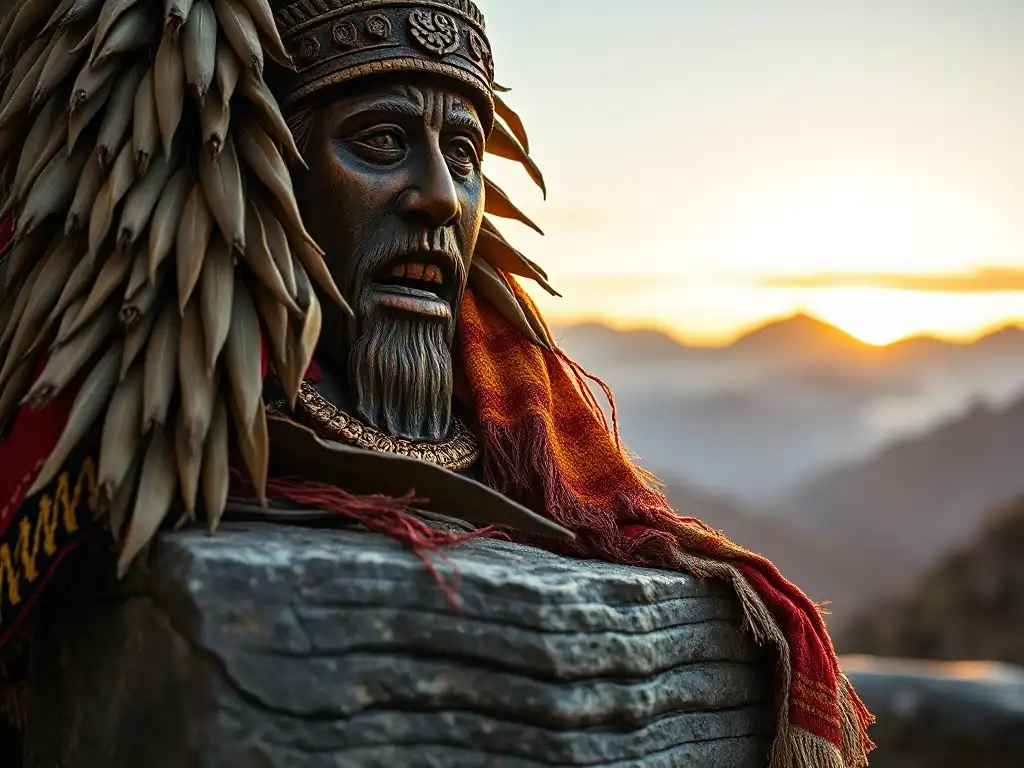
This section delves into the intricacies of Andean ancestor veneration practices, exploring their significance within the broader context of Andean cosmology and social structures. We will examine how these practices shaped family dynamics, social hierarchies, and even political power within various Andean cultures. Understanding these practices provides crucial insight into the worldview and values of these fascinating civilizations. The term "Andean ancestor veneration practices" itself encompasses a wide range of rituals and beliefs that varied across different Andean societies, yet shared underlying commonalities.
The Significance of Ancestral Spirits in Andean Cosmology
Andean cosmology viewed the world as a dynamic interplay between the living and the dead. Ancestor spirits weren't simply remembered; they were considered active participants in the lives of their descendants. Their continued presence was believed to be essential for the prosperity and well-being of the community. This belief system wasn't static; it evolved and adapted over centuries, influenced by environmental factors, social changes, and interactions between different Andean groups.
The concept of ayni, reciprocal exchange, extended beyond interpersonal relationships to encompass the relationship between the living and their ancestors. By honoring and making offerings to their ancestors, the living ensured continued support and protection from the spirit world. This reciprocal exchange wasn't a passive act; it was an active engagement with the supernatural realm, a crucial element in maintaining cosmic balance.
Failure to perform these rituals could lead to misfortune, illness, or even societal upheaval. The specific rituals varied widely depending on the specific culture and time period, ranging from simple offerings of food and drink to elaborate ceremonies involving sacrifices and elaborate funerary practices.
For example, the Moche civilization, known for its intricate pottery depicting scenes of daily life and ritual practices, often showcased rituals involving offerings to their ancestors. These offerings, meticulously crafted and deposited in tombs and burial sites, demonstrate the significant role ancestor veneration played in their society. The meticulousness of these offerings underscores the importance placed upon maintaining harmonious relations with the ancestral realm. Further research into specific Moche burial sites is needed to fully understand the diversity of their ancestor veneration practices. [Specific information pending on the diversity of Moche burial practices].
The Role of Lineage in Andean Societies
Lineage played a fundamental role in Andean social structures, inextricably linked to ancestor veneration. Ancestral lineage wasn't merely a genealogical record; it was a powerful symbol of identity, authority, and social standing. The prestige and power of a family or clan were often directly tied to the perceived strength and influence of their ancestors. This system created a complex web of social relationships, where individuals were connected not only to their immediate family but also to a vast network of ancestors extending back through generations.
The Inca Empire, for instance, utilized this concept of lineage to legitimize their rule. The Inca emperor's claim to power stemmed not only from military might but also from his direct descent from the mythical founders of the empire. This carefully constructed lineage provided a powerful ideological justification for their authority, reinforcing their position as divinely appointed rulers. The Inca implemented a sophisticated system of record-keeping, using quipus (knotted cords) to maintain detailed genealogies, highlighting the importance they placed on tracing their ancestry. This meticulous recording of lineages ensured the continuity of power and social order within the empire.
Maintaining these genealogical records was vital, not only for social standing but also for ensuring the continuation of ancestral veneration practices. Each generation inherited the responsibility of honoring their ancestors, perpetuating the rituals and traditions that connected them to their past. This responsibility extended beyond mere remembrance; it was an active participation in the ongoing relationship between the living and the dead, a vital element in maintaining social cohesion and cosmic balance. The strength of a lineage was directly reflected in the success of its ancestor veneration practices, demonstrating the deep interconnectedness between the spiritual and the social realms within Andean societies. The meticulous preservation of these lineages underscores the enduring importance of ancestor veneration in shaping the social fabric of Andean civilizations.
The legacy of Andean ancestor veneration practices continues to resonate in contemporary Andean cultures, reflecting the enduring significance of this profound belief system.
The Rituals of Andean Ancestor Veneration
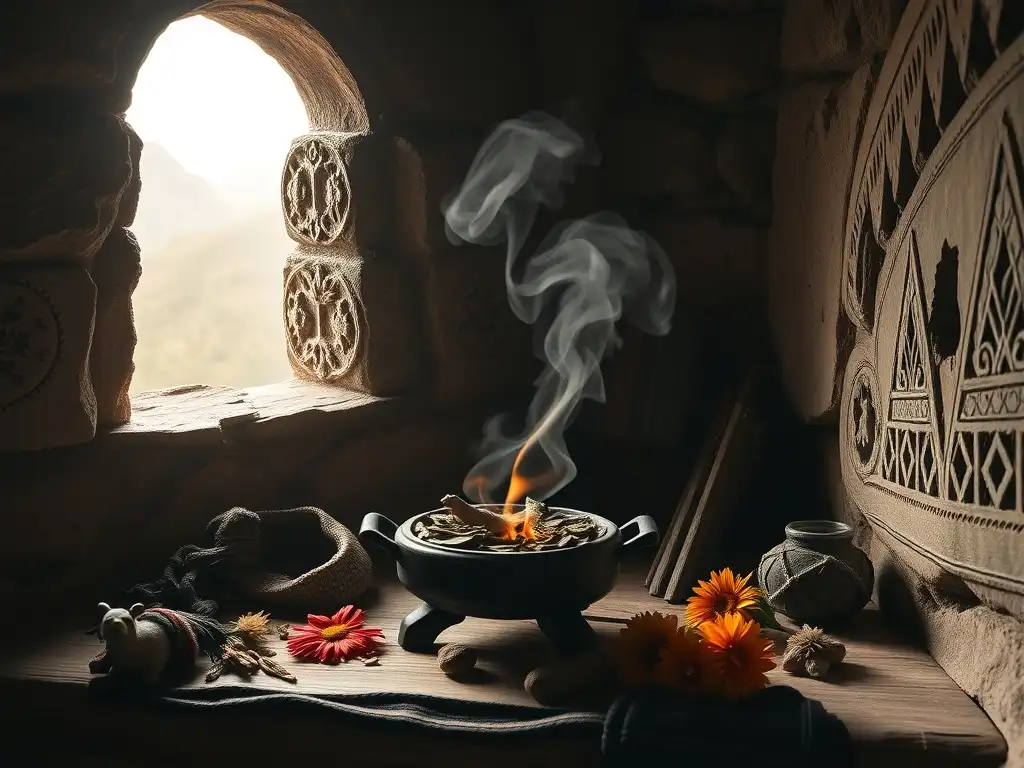
Andean ancestor veneration practices weren't simply somber remembrance; they were vibrant, ongoing dialogues with the spirit world, deeply integrated into daily life. These practices varied across different Andean cultures – Inca, Moche, Nazca, and Tiahuanaco, each with unique rituals and beliefs, but shared a common thread: the belief that the ancestors remained active participants in the lives of the living. The strength of the family unit was intrinsically linked to the strength of the connection with their ancestors.
The well-being of the community depended on maintaining this vital link. This section delves into the specifics of these rituals, highlighting the rich tapestry of belief and practice that formed the spiritual backbone of Andean societies.
Offerings and Ceremonies for the Deceased
Offerings to ancestors were a cornerstone of Andean ancestor veneration practices. These weren't merely symbolic gestures; they were believed to nourish and strengthen the ancestral spirits, ensuring their continued protection and guidance. The types of offerings varied depending on the specific culture and the occasion, but common items included:
- Food and Drink: Chicha (fermented maize beer), coca leaves, and various other foods were presented to appease and honor the deceased. The quality and quantity of the offerings often reflected the importance of the ancestor.
- Textiles and Clothing: Fine textiles, often intricately woven and adorned with symbolic designs, were frequently included as offerings. These represented the ancestor's status and continued connection to the community.
- Jewelry and Ornaments: Gold, silver, and other precious materials were offered, reflecting the wealth and prestige of the ancestor and the community.
- Figurines and Pottery: Small figurines, often representing the deceased or deities, were buried with the dead or placed in sacred sites. These served as representations of the ancestor's spirit.
Ceremonies surrounding these offerings were often elaborate, involving priests, shamans, or designated family members. These rituals frequently involved music, dance, and prayers, creating a powerful atmosphere of connection between the living and the dead. For example, the Inca performed capacocha sacrifices, a complex ritual involving the offering of selected individuals, usually children, as a supreme offering to the gods and ancestors.
This practice, while seemingly harsh from a modern perspective, demonstrates the profound importance placed on maintaining a harmonious relationship with the spiritual realm. The frequency of these ceremonies varied depending on the time of year and specific events, with significant celebrations occurring during harvest festivals and other important calendar dates. The precise details of many ceremonies remain elusive, lost to time, but archaeological evidence continues to shed light on these practices.
The Importance of Burial Practices
Burial practices were integral to Andean ancestor veneration practices, signifying not an end, but a transformation. The way the deceased were prepared and interred held deep symbolic meaning, reflecting the importance of the individual and their place within the community. Mummies, for instance, were not merely preserved bodies; they were revered as living ancestors, actively participating in the affairs of the living.
- Elaborate Tombs: Many Andean cultures constructed elaborate tombs, often filled with grave goods, reflecting the belief that the deceased would need provisions in the afterlife. The complexity of the tomb often corresponded to the status of the deceased.
- Mummification: The practice of mummification, particularly among the Inca, allowed for the continued veneration of ancestors long after their death. Mummies were often dressed in fine clothing and adorned with jewelry, and were regularly brought out for ceremonies and celebrations.
- Ancestor Shrines: Many families maintained ancestor shrines in their homes, containing offerings and mementos of their deceased relatives. These shrines served as focal points for daily veneration.
The meticulous care taken in the burial process underscores the importance placed on the continued relationship with the deceased. It wasn't simply about burying the body; it was about creating a sacred space that allowed for ongoing interaction with the ancestor's spirit. The careful preservation of mummies demonstrates a deep belief in the enduring presence of the ancestors within the community. Archaeological findings consistently reveal the significant resources invested in burial practices, further highlighting their central role in Andean society.
Maintaining the Connection: Communication with Ancestral Spirits
Andean ancestor veneration practices weren't limited to ceremonial offerings and elaborate burials. The connection with ancestral spirits was a dynamic, ongoing process, involving various methods of communication and seeking guidance. Shamans and priests often played a crucial role in facilitating this communication, acting as intermediaries between the living and the spirit world. However, communication wasn't solely the domain of religious specialists; everyday individuals believed they could connect with their ancestors through dreams, visions, and other forms of divination.
- Divination: Various methods of divination were used to seek guidance from ancestors. Interpretations of dreams, patterns in nature, and other signs were believed to convey messages from the ancestral realm.
- Dreams: Dreams were considered particularly significant avenues for communicating with ancestors. Recurring dreams or vivid visions were often interpreted as messages from the spirit world, providing guidance and warnings.
- Rituals of Remembrance: Daily routines and yearly celebrations were woven with practices honoring the ancestors. Family meals, harvests, and important life events were all opportunities to acknowledge the presence and influence of the ancestors.
The continuity of the connection between the living and the dead was vital to the Andean worldview. The ancestors weren't simply remembered; they were considered active participants in the life of the community, offering guidance, protection, and even influencing the outcomes of important events. The enduring legacy of Andean ancestor veneration practices lies in the profound understanding of kinship that extended beyond the boundaries of the physical world, forging a strong and enduring bond between the living and the generations that came before. This ongoing dialogue with the past shaped the present and informed the future of Andean societies.
The Legacy of Andean Ancestor Veneration
The enduring legacy of Andean ancestor veneration practices continues to shape the social fabric and spiritual beliefs of communities across the Andes Mountains even today. This deep-rooted tradition, far from being a relic of the past, remains a vibrant and integral part of daily life for many. Understanding its influence requires acknowledging its multifaceted nature – a complex interplay of ritual, social structure, and deeply held spiritual convictions.
The reverence for ancestors isn't merely a historical curiosity; it's a living practice that informs contemporary Andean identity and worldview. The strength of these ancestral ties is reflected in various aspects of life, from agricultural practices to family structures and political organization. This section will explore the profound ways in which this veneration continues to influence modern Andean communities.
Influence on Modern Andean Communities
Ancestor veneration in the Andes isn't confined to museums or historical texts; it's a living tradition. Many contemporary Andean communities continue to actively engage in practices that honor their ancestors. These practices often involve leaving offerings at ancestral sites, performing ritual ceremonies, and maintaining family tombs.
The significance of this practice is not simply sentimental; it's deeply intertwined with their understanding of the cosmos and their place within it. For example, in many communities, the successful harvest is attributed not only to hard work but also to the benevolent influence of ancestral spirits. This belief encourages the continuation of traditional agricultural methods and a deep respect for the land itself – a practice directly linked to their ancestors' wisdom.
The influence extends beyond agriculture. Family structures in many Andean communities are heavily influenced by the concept of ancestral lineage. Family genealogies are meticulously kept, often orally transmitted through generations, linking contemporary individuals to a long and revered ancestral line. This sense of collective identity, rooted in shared ancestry, fosters strong social bonds and a sense of community.
Moreover, decisions affecting the community, from land disputes to leadership appointments, often consider the wishes and perceived guidance of ancestral spirits. This highlights the enduring political influence of ancestral veneration in shaping contemporary Andean societies. The integration of ancestral veneration into modern life demonstrates its remarkable resilience and adaptability. Even in the face of globalization and modernization, the core beliefs and practices persist, albeit often adapted and integrated into contemporary contexts.
Variations in Ancestor Veneration Across Different Andean Cultures
While the core principle of respecting and honoring ancestors is common throughout the Andean region, the specific practices vary significantly across different cultures. The Incas, for example, employed elaborate state-sponsored rituals involving mummification and the veneration of royal ancestors. These practices were deeply intertwined with their imperial power structure, emphasizing the divine right to rule through lineage. In contrast, smaller, less centralized communities often focused on more localized ancestral veneration, centering on family lineages and specific ancestral sites holding particular significance for their community.
The Moche civilization, known for its sophisticated artistry and complex social structures, left behind evidence of elaborate funerary practices which suggest a strong belief in the afterlife and the continued importance of ancestors. Their impressive tombs and the intricate artifacts found within them provide valuable insights into their ancestor veneration rituals. Similarly, the Nazca people, famous for their enigmatic geoglyphs, also had unique ancestor veneration practices, although the specific details remain somewhat shrouded in mystery due to the limited surviving written records.
Archaeological evidence suggests a focus on both individual and collective ancestral veneration. The Tiahuanaco culture, known for its massive stone structures and sophisticated urban planning, likely also had complex ancestor veneration practices, though further research is needed to fully understand their nuances.
To illustrate the diversity:
| Culture | Key Characteristics of Ancestor Veneration |
|---|---|
| Inca | Elaborate state rituals, mummification, royal ancestor worship |
| Moche | Intricate funerary practices, elaborate tombs, offerings to ancestors |
| Nazca | Evidence suggests both individual and collective ancestor veneration |
| Tiahuanaco | [Specific information pending] |
This diversity underscores the need for a nuanced understanding of Andean ancestor veneration, avoiding generalizations and recognizing the rich tapestry of beliefs and practices that existed across different groups and time periods. The variations reflect the unique historical and cultural trajectories of each civilization.
The Enduring Power of Ancestral Ties
The continued relevance of Andean ancestor veneration practices speaks volumes about the profound impact of these traditions. It’s not simply a nostalgic attachment to the past; it's a living system of beliefs and practices that continue to shape social structures, spiritual beliefs, and even political landscapes. The strength of these ancestral ties provides a sense of continuity, grounding communities in a shared history and identity. It fosters social cohesion, reinforcing collective values and a sense of belonging. The reverence for ancestors acts as a moral compass, guiding behavior and promoting respect for elders and the wisdom of past generations.
The persistence of these practices in the face of external pressures highlights their deep-seated significance. While modernization and globalization have undoubtedly impacted Andean societies, the core principles of ancestor veneration remain remarkably resilient. This resilience suggests a fundamental human need for connection to the past, a need that transcends cultural and temporal boundaries. The study of Andean ancestor veneration, therefore, offers valuable insights not only into the specificities of Andean cultures but also into the universal human experience of grappling with mortality, legacy, and the enduring power of ancestral ties.
The continuation of these practices demonstrates the enduring power of tradition and its capacity to adapt and thrive even in a rapidly changing world. The legacy of Andean ancestor veneration practices offers a powerful testament to the enduring strength of cultural memory and the importance of honoring one's heritage. 🤝
Andean Ancestor Veneration: A Deeper Look
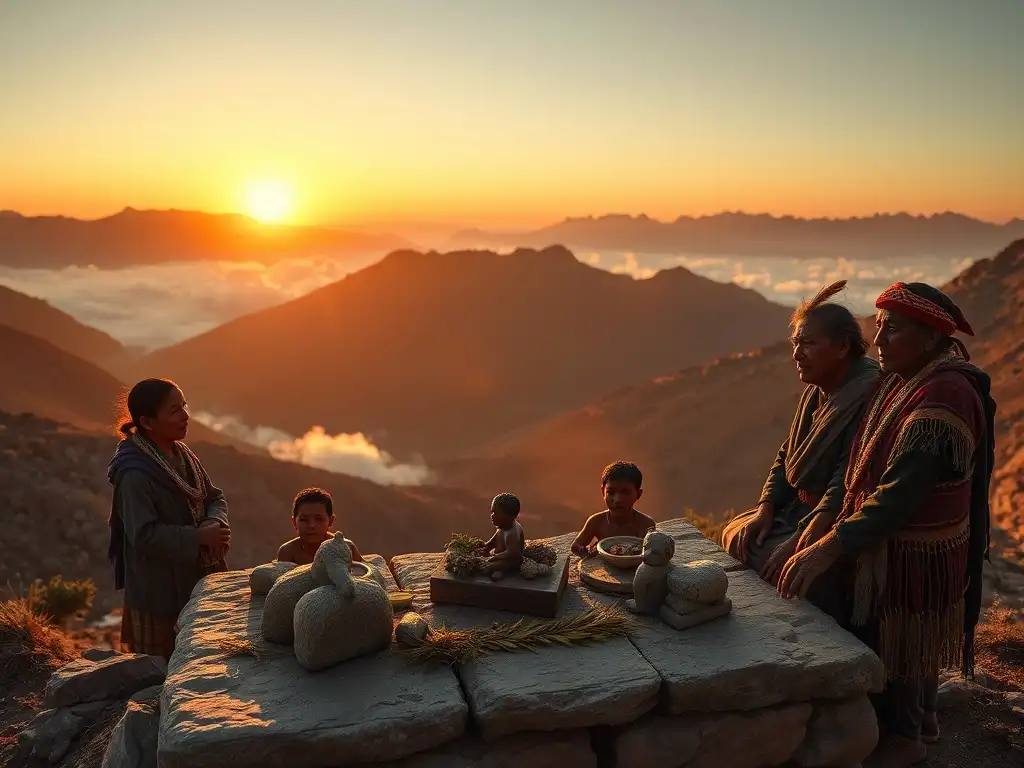
This section delves into the intricate ways Andean civilizations honored their ancestors, exploring the practices that cemented the bond between the living and the departed. Understanding these practices is crucial to comprehending the complex social structures and belief systems that shaped Andean societies. The reverence for ancestors wasn't merely a ritualistic observance; it was deeply embedded in their daily lives, influencing political structures, agricultural practices, and even artistic expression. This deep-seated respect for ancestral lineage is a key element of understanding Andean ancestor veneration practices.
The Concept of "Ayllu" and Ancestral Connection
The ayllu, a fundamental social and economic unit in many Andean societies, provides a crucial framework for understanding ancestor veneration. The ayllu wasn't simply a kinship group; it was a complex web of interconnected individuals tracing their lineage back to a common ancestor, often a mythical founder. This shared ancestry fostered a strong sense of collective identity and responsibility.
Membership in the ayllu provided individuals with access to land, resources, and social support, but it also imposed obligations, including the performance of rituals honoring their collective ancestors. The ancestors weren't merely remembered; they were considered active participants in the ayllu's well-being, their continued influence impacting everything from agricultural yields to social harmony. Failure to honor them could be seen as jeopardizing the entire community.
The strength of the ayllu system lay in its ability to bind generations together. The living felt a profound responsibility to care for the spirits of their ancestors, ensuring their continued well-being in the afterlife. This care manifested in various ways, from providing offerings of food and drink to maintaining ancestral burial sites.
The ancestor veneration practices within the ayllu weren't static; they adapted to changing circumstances, but the core principle of maintaining a vital connection between the living and the dead remained constant. This enduring connection is a testament to the power of the ayllu as a social and spiritual institution. The concept of ayllu is central to understanding Andean ancestor veneration practices.
The Role of "Mallki" in Commemoration
The mallki, often translated as "mummy," played a vital role in Andean ancestor veneration practices. However, reducing the mallki to a mere corpse is a significant oversimplification. These carefully preserved remains weren't simply objects of morbid fascination; they were considered powerful intermediaries between the living and the spirit world. They were actively incorporated into community life, participating in rituals and festivals, and their opinions (as interpreted by priests or shamans) were often sought on matters of importance.
The creation and maintenance of mallki involved elaborate rituals and specific techniques, demonstrating the immense value placed upon these ancestral remains. The process itself was a testament to the enduring respect for the deceased and their continued influence on the living. The careful preservation and adornment of the mallki highlighted their ongoing presence within the community, blurring the line between the living and the dead.
Evidence suggests that different Andean cultures had unique styles of mallki preparation and veneration, showcasing the diversity of Andean ancestor veneration practices. Some cultures might have elaborately dressed their mallki, while others focused on the preservation of the physical form. Regardless of the specific practices, the common thread was the belief in the continued power and influence of the ancestor.
The Importance of Oral Tradition in Transmitting Ancestral Knowledge
Oral tradition was the primary method for transmitting ancestral knowledge and beliefs across generations in Andean societies. This wasn't merely a way to pass down stories; it was a vital mechanism for maintaining a living connection with the ancestors. Through meticulously preserved narratives, songs, and rituals, Andean communities ensured the continuity of their cultural heritage and their relationship with their ancestors. These narratives weren't just historical accounts; they served as moral guides, providing insights into proper behavior and reinforcing social values.
The effectiveness of oral tradition depended on a sophisticated system of memorization and performance. Specialized individuals, often shamans or storytellers, played a critical role in preserving and transmitting this knowledge. Their ability to accurately recall and interpret these narratives was crucial for maintaining the integrity of the ancestral legacy. The stories themselves were often richly symbolic, incorporating elements of mythology, history, and cosmology.
Understanding these narratives provides invaluable insights into the Andean worldview and the central role played by ancestor veneration practices in shaping their society. The rich tapestry of oral tradition underscores the importance of Andean ancestor veneration practices in shaping their identity and worldview. The preservation and transmission of this knowledge were integral to their cultural survival.
Comparing Andean Ancestral Practices with Other Cultures
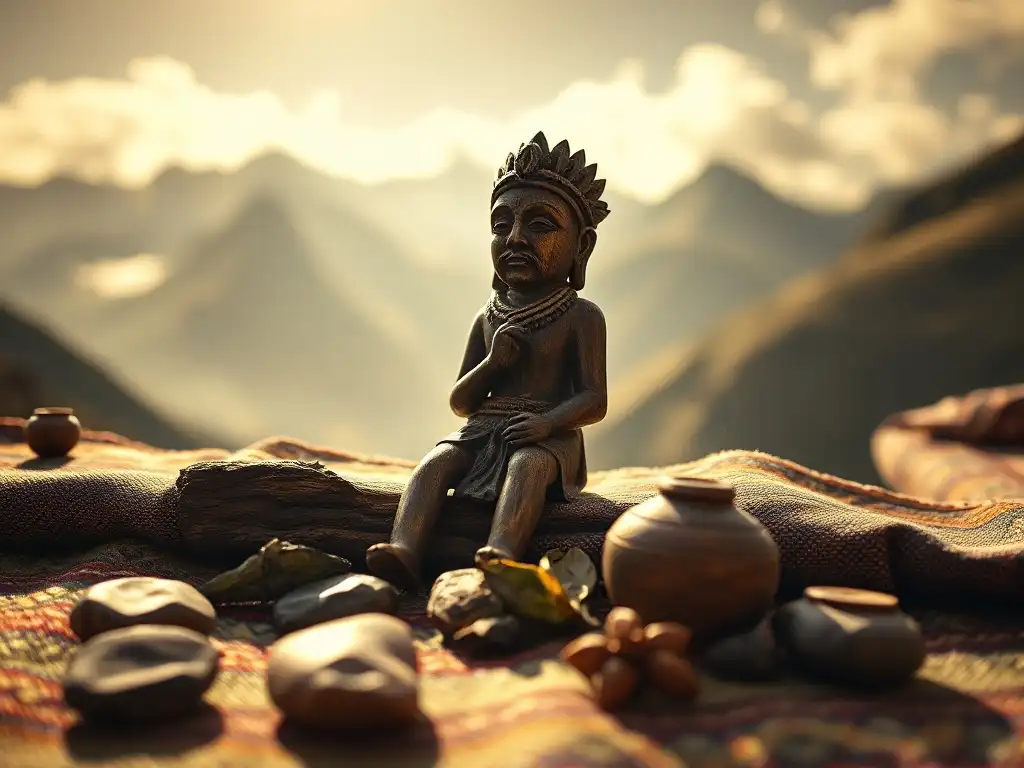
Similarities and Differences in Ancestor Veneration Around the World
Ancestor veneration, a practice deeply rooted in Andean cultures, shares striking similarities with traditions across the globe. Many cultures, from ancient Egypt to contemporary East Asian societies, demonstrate a profound respect for their ancestors, believing them to possess continued influence over the living. This shared belief often manifests in similar rituals, such as offerings of food, drink, and other symbolic items placed at ancestral graves or shrines. The concept of lineage and ancestral continuity is also a common thread, with many cultures tracing their identity and legitimacy through ancestral lines.
However, significant differences exist in how ancestor veneration is expressed. While some cultures emphasize elaborate funerary rituals and the construction of monumental tombs, others focus on simpler, more intimate practices within the domestic sphere. The Andean emphasis on ayni (reciprocity) significantly shapes their ancestor veneration practices.
Unlike some cultures that may view ancestors as potentially malevolent spirits requiring appeasement, Andean beliefs often portray ancestors as benevolent guardians who continue to provide protection and guidance. This reciprocal relationship fosters a sense of ongoing connection and responsibility toward those who came before.
For example, the Inca's mummification practices, coupled with their continued offerings to the deceased elite, showcases a distinctly Andean approach to ancestor veneration, differing significantly from the practices of, say, ancient Greek societies, who often focused on heroic myths and less on direct ancestor interaction in daily life. The offering of coca leaves, a uniquely Andean practice, highlights the specific cultural context of their spiritual relationship with ancestors.
| Culture | Key Characteristics of Ancestor Veneration | Similarities to Andean Practices | Differences from Andean Practices |
|---|---|---|---|
| Ancient Egypt | Elaborate mummification, tomb construction, offerings to the deceased | Offerings to deceased, belief in continued influence of ancestors | Scale of funerary rituals, less emphasis on ayni reciprocity |
| East Asian Cultures | Ancestor worship in temples, family altars, offerings of food and incense | Regular offerings, respect for lineage | Less emphasis on direct communication with ancestors |
| Ancient Greece | Heroic myths, ancestor cults tied to specific lineages and heroes | Belief in ancestral influence, lineage importance | Less direct interaction, focus on heroic narratives |
Unique Aspects of Andean Spiritualism
Andean ancestor veneration is not simply a matter of remembering the past; it's an integral part of the living present. It's a dynamic relationship, a continuous dialogue between the living and the dead, fundamentally shaped by the Andean worldview. Several unique aspects distinguish Andean ancestor veneration practices from those found elsewhere:
- The Pachamama: The earth mother, Pachamama, plays a crucial role, connecting the living, the dead, and the spirit world. Offerings are often made to both ancestors and Pachamama simultaneously, reflecting the interconnectedness of all aspects of life.
- Huacas: Sacred sites, both natural and man-made, serve as focal points for ancestral veneration. These huacas are believed to be imbued with spiritual power and act as intermediaries between the living and the spirit world. These can range from mountain peaks to specific rocks or springs.
- The Importance of Ayni: The principle of reciprocity extends to the relationship with ancestors. Offerings are not merely acts of appeasement but expressions of gratitude and a continued exchange of energy and support. Failing to maintain this reciprocal relationship is believed to bring misfortune.
- Ancestor Mummification and Preservation: The meticulous preservation of mummies, particularly among the Inca elite, underscores the enduring importance of ancestors. These mummies were not simply relics; they were active participants in the community's life, consulted for advice and included in important ceremonies.
The Interwoven Nature of Spirituality and Kinship in Andean Culture
Andean ancestor veneration is not an isolated practice; it's fundamentally intertwined with the fabric of kinship and social structure. The concept of family extends far beyond the immediate nuclear family, encompassing a vast network of extended relatives, ancestors, and even the spirits of the land. The social hierarchy, particularly during the Inca Empire, was heavily influenced by ancestral lineage and the legitimacy derived from it. The ayllu, a community based on kinship and shared ancestry, served as the fundamental social unit, with ancestors acting as powerful symbols of unity and identity.
The continuity of the ayllu depended on maintaining strong ties with ancestors. Rituals and ceremonies served to reinforce these bonds, reaffirming the social order and ensuring the well-being of the community. The inheritance of land, responsibilities, and spiritual authority often followed ancestral lines, creating a complex web of social and spiritual obligations.
This intricate system demonstrates how deeply embedded ancestor veneration was in the daily lives and social organization of Andean societies. The very structure of Andean society was, in a sense, a living testament to the enduring power and influence of their ancestors. Understanding this complex interplay of spiritual beliefs and social structures is key to truly grasping the significance of Andean ancestor veneration practices.
The Preservation of Andean Ancestral Traditions
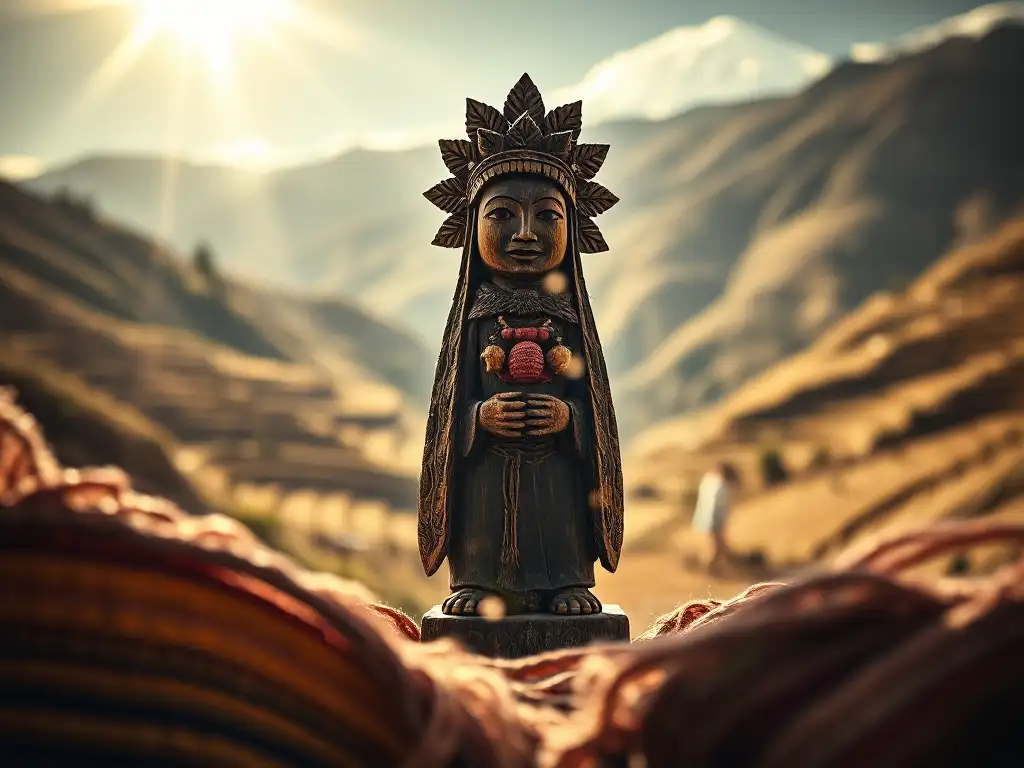
The enduring legacy of Andean ancestor veneration is a testament to the deep-rooted spiritual beliefs that shaped Andean societies. However, the transmission of these practices across generations faces significant hurdles in the modern era. Understanding the challenges and the efforts to revitalize these traditions is crucial to preserving this vital aspect of Andean cultural heritage for future generations.
This section delves into the complexities of maintaining Andean ancestor veneration practices in a rapidly changing world, exploring both the obstacles and the proactive measures being taken to ensure their survival. The continued practice of Andean ancestor veneration is a dynamic process, constantly adapting while striving to maintain its core tenets.
Challenges to Maintaining Traditional Practices
The preservation of Andean ancestor veneration practices faces numerous challenges stemming from both internal and external pressures. Globalization, for example, has introduced competing belief systems and lifestyles that often clash with traditional values. The allure of modernity, particularly among younger generations, can lead to a decline in the active participation in ancestral rituals and ceremonies.
This generational shift poses a significant threat to the continuity of these deeply ingrained traditions. Furthermore, the disruption of traditional land ownership patterns, often due to economic and political factors, can sever the physical and spiritual connection between communities and their ancestral sites – places often integral to the performance of ancestor veneration rituals. The impact of this disruption can be profound, leading to a loss of both practical knowledge and spiritual continuity.
Another significant challenge is the lack of documentation and formal education surrounding these practices. Many rituals and beliefs are passed down orally, making them vulnerable to loss or misinterpretation. This oral tradition, while rich in its own right, lacks the permanence of written records, making it susceptible to the erosion of time and the changing dynamics of community life.
Moreover, the marginalization of Indigenous languages and knowledge systems further exacerbates this problem, limiting access to the rich body of knowledge surrounding Andean ancestor veneration. The complex interplay of these factors highlights the urgent need for concerted efforts to safeguard this invaluable heritage.
Efforts to Revitalize Andean Ancestor Veneration
Despite the challenges, significant efforts are underway to revitalize and preserve Andean ancestor veneration practices. Indigenous communities are actively working to reclaim their cultural heritage, organizing workshops, festivals, and educational programs focused on traditional rituals and beliefs. These initiatives aim to foster a renewed sense of pride and ownership among younger generations, encouraging their participation in ancestral ceremonies and the transmission of traditional knowledge.
Furthermore, there's a growing emphasis on documenting and archiving oral traditions, using both traditional and modern methods to ensure their preservation. This includes recording interviews with elders, creating digital archives, and collaborating with researchers and scholars to create accessible resources for both the community and the wider public.
Additionally, some communities are working to establish protected areas around ancestral sites, recognizing the vital link between these locations and the spiritual practices associated with them. These efforts not only protect the physical integrity of these sites but also help preserve the spiritual connection that underpins ancestor veneration. Furthermore, advocacy groups and NGOs are playing a crucial role by supporting community-led initiatives, providing resources, and raising awareness about the importance of preserving Andean cultural heritage.
The collaborative nature of these efforts underscores the commitment to ensuring the continued practice of Andean ancestor veneration for generations to come. The success of these revitalization efforts relies heavily on the active participation of communities and the support of external stakeholders.
The Future of Andean Spiritual Heritage
The future of Andean ancestor veneration hinges on the continued commitment to preserving and promoting these traditions. This requires a multifaceted approach that addresses the challenges discussed earlier while building upon the existing efforts to revitalize these practices. Continued investment in community-based initiatives, including educational programs and the documentation of oral histories, is essential. Furthermore, fostering dialogue and collaboration between Indigenous communities, researchers, and policymakers is crucial to ensuring the protection of ancestral sites and the cultural landscape that supports these traditions.
The growing recognition of the importance of cultural heritage, both nationally and internationally, presents an opportunity to strengthen the protection and promotion of Andean ancestor veneration. This includes advocating for policies that support Indigenous rights, protect ancestral lands, and promote the revitalization of Indigenous languages and knowledge systems. Ultimately, the future of Andean spiritual heritage depends on the collective effort to preserve and celebrate these rich and meaningful traditions, ensuring that they continue to thrive for generations to come.
The continuation of these practices is not merely a matter of preserving the past, but of fostering a vibrant and enduring cultural identity for future generations. The careful preservation of Andean ancestor veneration practices is vital to the ongoing richness of Andean culture.
Exploring the Material Culture of Andean Ancestor Veneration
This section delves into the tangible expressions of Andean ancestor veneration, examining the artifacts and rituals that reveal the depth and complexity of these practices. Understanding the material culture surrounding ancestor worship provides crucial insights into the beliefs and social structures of these ancient societies. The careful preservation and elaborate rituals surrounding ancestral remains underscore the profound significance of kinship ties that extended beyond the realm of the living.
Analyzing these objects allows us to reconstruct a more complete picture of Andean spiritual life and its influence on daily existence. The careful study of Andean ancestor veneration practices reveals a sophisticated system of beliefs and practices that profoundly shaped social life.
Artifacts and Objects Associated with Ancestral Worship
Numerous artifacts unearthed from Andean archaeological sites offer compelling evidence of ancestor veneration practices. These objects, often found in burial contexts or associated with ritual sites, provide tangible links to the beliefs and practices of past generations. Common items include:
- Ceramic vessels: Elaborately decorated pottery, often depicting ancestral figures or scenes of ritual offerings, served as containers for food and drink presented to the ancestors. The intricate designs and the care taken in their creation highlight the importance of these offerings. Some vessels display striking similarities across different Andean cultures, suggesting shared beliefs and rituals related to ancestor veneration.
- Textiles: Fine textiles, including intricately woven cloths and garments, were frequently interred with the deceased. These items, often made from high-quality materials like alpaca or vicuña wool, represent significant investments of time and labor, reflecting the high status of the deceased and the enduring importance of their memory. The vibrant colors and complex designs often hold symbolic meaning related to the afterlife and ancestral lineage.
- Metalwork: Gold, silver, and copper objects, such as ornaments, jewelry, and ceremonial tools, were frequently included in burials. The use of precious metals underscores the value placed on the ancestors and the belief in their continued influence on the living. The craftsmanship involved in these objects points to specialized skills and a hierarchical social structure where certain individuals were responsible for creating these sacred artifacts.
- Stone sculptures: Small figurines and larger statues, often depicting ancestral figures or deities, were used in rituals and placed in tombs. The stylistic variations in these sculptures across different Andean cultures reflect regional differences in artistic expression and spiritual beliefs. However, common themes of ancestor veneration are readily apparent.
The diversity of these artifacts demonstrates the widespread nature of ancestor veneration across different Andean cultures and the variety of ways in which it was expressed materially.
The Symbolic Meaning of Ritual Items
The symbolic meaning embedded within these ritual items is crucial to understanding Andean ancestor veneration practices. Many objects were not merely utilitarian; they carried deep spiritual significance, acting as conduits between the living and the dead. For example:
- Spindles and yarn: These everyday tools, frequently found in burials, may symbolize the continuity of life and the passing down of knowledge and skills from one generation to the next. The act of spinning yarn could have been imbued with ritual significance, connecting the living to the ancestral realm.
- Food and drink offerings: The inclusion of food and drink in burials suggests a belief that the ancestors continued to consume and needed sustenance in the afterlife. The types of food and drink offered varied depending on region and social status, reflecting the importance of maintaining these connections.
- Musical instruments: The presence of flutes, panpipes, and other instruments in burial sites suggests that music played a significant role in ancestor veneration rituals. Music may have served to appease the ancestors, communicate with them, or celebrate their memory.
Understanding the symbolic meaning of these items requires careful consideration of their context, their association with other artifacts, and the broader cultural beliefs of the Andean societies in which they were created and used. Further research into specific iconography and stylistic choices is crucial for a deeper understanding.
Archaeological Evidence of Ancient Burial Practices
Archaeological excavations have revealed a wide range of burial practices that provide further evidence of Andean ancestor veneration. These practices varied across different cultures and time periods, but several common themes emerge:
- Mummy bundles: The practice of mummification and the careful preservation of ancestral remains demonstrate a deep respect for the deceased and a belief in their continued existence. The elaborate preparation of mummies, often adorned with textiles and jewelry, highlights the importance of maintaining a connection with the ancestors.
- Family tombs: The discovery of multiple individuals buried together in family tombs indicates the importance of kinship ties and the collective veneration of ancestors within a family unit. These tombs often contained a variety of grave goods, reflecting the social status and wealth of the family.
- Ritual offerings: The presence of ritual offerings in burial sites, such as food, drink, and other grave goods, indicates that ancestor veneration was not a passive practice but involved ongoing interaction and communication with the deceased. The nature and quantity of these offerings provide insights into the beliefs and social structures of the Andean societies.
The careful study of Andean burial practices offers invaluable insights into the spiritual beliefs and social structures of these ancient societies. Further research is needed to fully understand the regional variations in burial practices and their significance within the broader context of Andean ancestor veneration. The ongoing discovery of new sites and the application of advanced technologies promise to further illuminate these fascinating practices.
Frequently Asked Questions
What role did ancestor veneration play in Andean societies?
Ancestor veneration was central to Andean life, influencing social structures, political power, and daily rituals. It wasn't simply remembrance; ancestors were believed to actively participate in the lives of the living. Their continued well-being was vital.
How did Andean people communicate with their ancestors?
Communication involved offerings, including food, drink, and precious objects, left at sacred sites or family shrines. Rituals and ceremonies played a crucial role, facilitating interaction with the spirit world. Dreams and divination were also important forms of communication.
Were all Andean cultures' ancestor veneration practices the same?
While the core belief in ancestor power was widespread, specific practices varied across cultures. The Inca, Moche, Nazca, and Tiahuanaco all had unique rituals and beliefs surrounding ancestor veneration, reflecting their distinct societal structures and cosmologies.
What evidence exists to support the importance of ancestor veneration in the Andes?
Archaeological evidence abounds, including elaborate tombs, mummies adorned with precious artifacts, and depictions of ancestor worship in art and textiles. Oral traditions passed down through generations also provide valuable insight into these practices.
How did ancestor veneration impact the daily lives of Andean people?
Ancestor veneration permeated daily life, affecting decisions from farming practices to political alliances. The belief in ancestral influence guided social behavior and reinforced kinship ties, creating a strong sense of community and continuity across generations.
Final Reflection: Echoes of the Ancestors, Whispers of the Future
The enduring practice of ancestor veneration in the Andes isn't merely a historical curiosity; it's a vibrant, living testament to the power of connection across generations. This deep-rooted spiritual tradition continues to shape Andean communities, offering invaluable lessons about community, responsibility, and the cyclical nature of life itself, lessons that resonate powerfully in our increasingly fragmented world.
The profound impact of ancestor veneration on Andean identity and social structures is undeniable. It's a system that fosters a sense of belonging, shared history, and collective responsibility, weaving together the past, present, and future in a rich tapestry of meaning. The ancestors are not merely the past; they are the living presence that guides and sustains us.
This quote, though not directly from an Andean source, perfectly encapsulates the enduring power of this spiritual practice, highlighting its ongoing influence on the cultural landscape and the deep connection it fosters between the living and the deceased.
Consider the ways in which you connect with your own heritage and ancestors. What stories, traditions, or values have been passed down to you? How can you cultivate a deeper sense of connection to your past, not just as a historical record, but as a living source of strength and inspiration? Embrace the opportunity to learn from the wisdom of those who came before you, to honor their legacy, and to build a future informed by the enduring power of connection and respect for the cyclical nature of life, just as the Andean people have done for millennia.
**Embrace Your Ancestral Connection! **
Thank you for exploring the rich tapestry of kinship and ancestor veneration in the Andes. This exploration reveals the deep spiritual connections that shape both culture and identity. To further engage with this tradition, consider these suggestions:
- **Reflect on Your Own Ancestors:** Create a personal ancestral altar at home to honor your family history. Include meaningful objects that represent your heritage and share the stories of your ancestors with loved ones.
- **Join a Community Ceremony:** Seek out local events or groups that celebrate ancestral traditions. Participating in a ceremony offers a powerful experience of collective memory and spirituality.
- **Explore Further:** Expand your understanding by reading books on Andean spiritual practices or watching documentaries about indigenous Andean cultures. Increased knowledge deepens your connection to your heritage.
How will you honor your ancestors and enrich your spiritual journey?