
Inheritance and Social Standing: Passing Down Wealth and Status

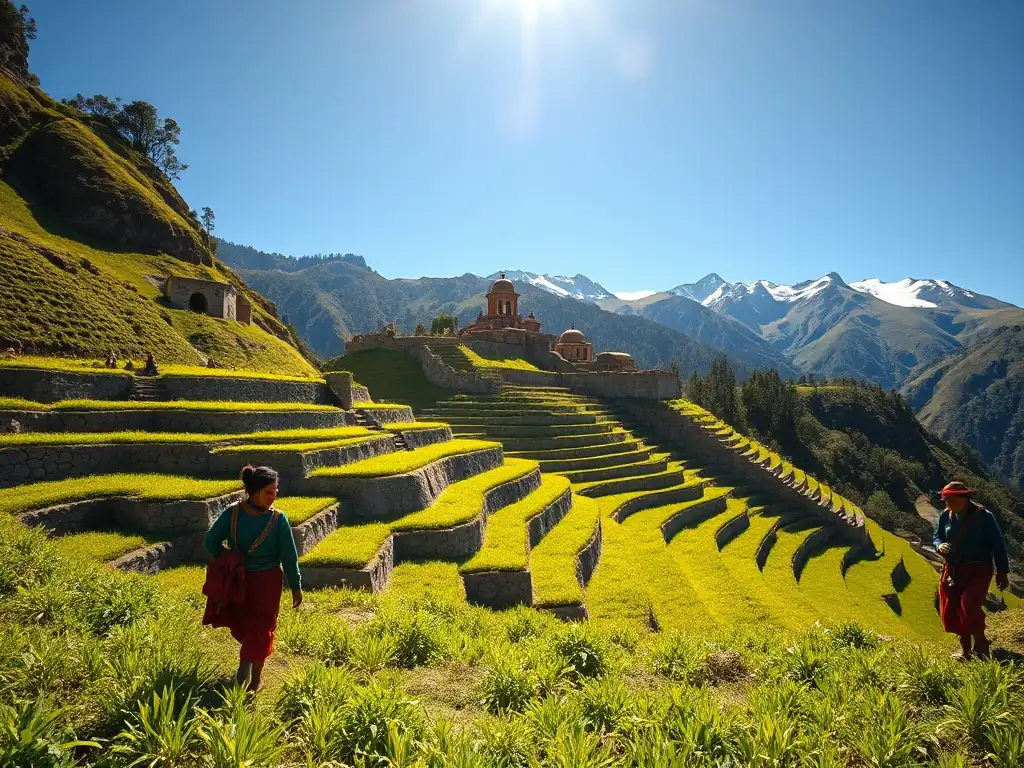
Unravel the mysteries of the Andes! Journey through millennia of captivating history, breathtaking artistry, and ingenious engineering as we delve into the vibrant tapestry of Andean civilizations. But how did power and prestige truly flow? Our exploration of Andean civilization social hierarchy reveals a complex system of inheritance and social standing, challenging preconceived notions and sparking new understandings of these remarkable societies. Prepare to be amazed by the intricate details of how wealth and status were passed down through generations – a legacy far richer than you can imagine. Dive in and discover the secrets!
- Inheritance and Social Standing: Passing Down Wealth and Status in Andean Civilizations
- Andean Social Structures and the Transmission of Power
- Forms of Inheritance in Andean Cultures
- The Correlation Between Wealth and Social Standing
- Maintaining Social Hierarchy Through Inheritance
- Challenges to the Established Social Order
- The Legacy of Andean Social Hierarchies
- Frequently Asked Questions
- Final Reflection: Echoes of Empire: Legacy and Inequality in Andean Societies
- Embrace Your Heritage and Shape Your Future!
The intricate tapestry of Andean civilizations, encompassing the Incas, Moche, Nazca, and Tiahuanaco, wasn't woven solely from threads of impressive architectural feats and sophisticated agricultural techniques. Understanding the Andean civilization social hierarchy requires delving into the complex systems of inheritance and social mobility, which profoundly shaped their societies.
This exploration will reveal how the accumulation and transmission of wealth, land, and prestigious titles determined social standing and influenced the political landscape across various Andean cultures. We will examine the mechanisms through which elite status was maintained across generations, the role of kinship and lineage, and the limited opportunities for social advancement within these stratified societies.
The nuances of inheritance practices varied between different Andean groups, yet common threads reveal a deeply ingrained connection between material possessions and social position, a crucial aspect of understanding the dynamics of power and social control in these fascinating ancient societies. This examination will help us better appreciate the multifaceted nature of Andean social structures and their enduring legacy.
Inheritance Practices Across Different Andean Cultures
The inheritance of wealth and status in Andean civilizations wasn't a uniform process. While common threads existed, significant variations characterized different cultures. For instance, among the Incas, the ayllu, or extended family unit, played a central role. Inheritance often followed patrilineal lines 1 , with land and other resources passing from father to son. However, the Inca system also incorporated a degree of redistribution, ensuring that even those without direct lineage to powerful figures could access resources necessary for survival. This contrasts with certain coastal cultures, like the Moche, where evidence suggests a stronger emphasis on individual achievement and accumulation of wealth, potentially leading to more pronounced social stratification. The Nazca, known for their intricate geoglyphs, likely had a similarly complex system, though the specifics remain under investigation due to limited textual records. Further research is needed to fully elucidate the intricacies of inheritance practices within the Tiahuanaco civilization, as current understanding is based on limited archaeological evidence and interpretations.
The Role of Kinship and Lineage in Maintaining Elite Status
Across various Andean societies, kinship and lineage were paramount in maintaining elite status. Membership in powerful families, often linked to religious authority or military prowess, granted access to resources, prestigious positions, and influence. This created a self-perpetuating cycle where power and wealth concentrated within a relatively small number of families.
The intricate web of kinship ties ensured the continuity of elite lineages and the transmission of both material wealth and social capital across generations. Marriage alliances further solidified these power structures, binding together prominent families and reinforcing their collective dominance within the social hierarchy. This system, while effective in maintaining stability within the ruling class, also limited social mobility for those outside these elite circles.
While social mobility was generally limited in Andean societies, it wasn't entirely nonexistent. Exceptional individuals could, through military prowess, religious achievements, or demonstrated skill in crafts or administration, rise in social standing. However, such instances were likely rare and often depended on patronage from existing elites.
The system wasn't entirely rigid, but opportunities for significant upward mobility were constrained by the strong emphasis placed on lineage and inherited status. The acquisition of wealth alone rarely translated into a significant elevation in social standing without the accompanying support of established power structures. Further research is needed to quantify the frequency of social mobility and understand the specific pathways through which individuals could transcend their inherited social position.
The material culture of Andean civilizations provides compelling evidence of the importance of social hierarchy. Elaborate textiles, gold ornaments, and finely crafted ceramics were often associated with elite members of society. The size and complexity of dwellings, the presence of specific artifacts, and even burial practices served as outward markers of social status.
These displays of wealth and power served both to reinforce the existing social order and to communicate the prestige and authority of those who possessed them. Analysis of these material remains provides invaluable insights into the daily lives and social structures of the Andean civilizations, revealing the tangible manifestations of their complex social hierarchy.
1 While patrilineal inheritance was common, matrilineal aspects are also evidenced in some Andean communities, indicating a more nuanced reality than a strictly patriarchal structure.
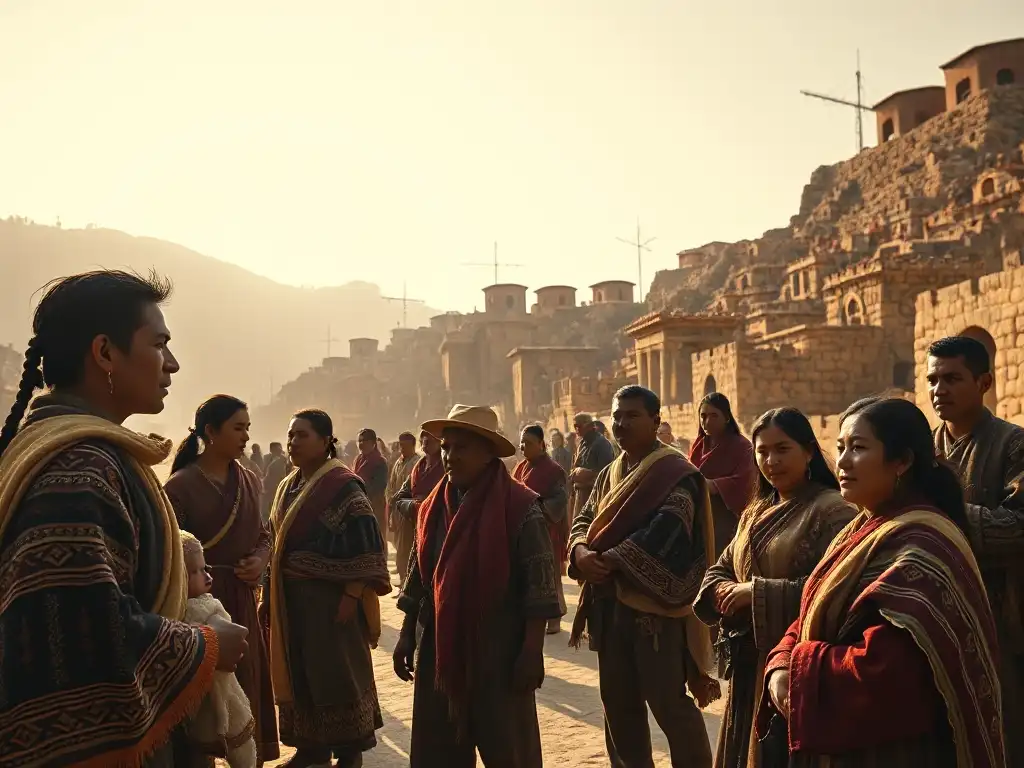
This section delves into the intricate mechanisms by which power and social standing were transferred within Andean civilizations. Understanding inheritance practices is crucial to grasping the complexities of Andean social hierarchy. The concept of inheritance wasn't simply about material possessions; it encompassed a web of rights, responsibilities, and social obligations that shaped the entire societal fabric.
The seamless transmission of power and privilege underpinned the stability and longevity of these remarkable civilizations, ensuring the continuation of established social structures across generations. Variations existed across different Andean cultures, reflecting diverse social and political organizations, but common threads reveal a sophisticated understanding of lineage and its impact on societal order.
The Role of Inheritance in Andean Society
Inheritance in Andean societies was a multifaceted process that extended beyond the simple transfer of property. It was a ritualistic and symbolic act deeply embedded in their cosmology and social structures. For example, among the Inca, the Sapa Inca (emperor) held absolute power, and his succession was carefully orchestrated to maintain the legitimacy of the ruling lineage.
This wasn't merely a matter of biological descent; it involved intricate ceremonies, prophecies, and often, political maneuvering to secure the heir's position. The Sapa Inca's inheritance included not only vast territories and riches but also the sacred authority to govern and maintain the cosmic balance. This authority was seen as divinely ordained, making the inheritance a sacred responsibility rather than a mere acquisition of wealth.
Beyond the imperial level, inheritance practices varied depending on social standing. Elite families carefully managed their estates, ensuring the continuation of their power and influence through strategic marriages and the allocation of resources to their heirs. This often involved the inheritance of land, livestock, and specialized crafts or skills, maintaining economic and social privilege within their families.
Commoners also inherited property, though on a smaller scale, typically involving agricultural plots and tools crucial for their livelihood. This inheritance system, while unequal, ensured a degree of social stability by providing a framework for the distribution of resources and responsibilities within the community. The nature of inherited property, therefore, directly reflected and reinforced social standing within the Andean civilization social hierarchy.
The Inca, for instance, had a complex system of land tenure known as the ayllu, a kinship-based community where land was collectively owned but distributed among families for cultivation. While individual plots could be inherited, the overall control and management of the ayllu remained a collective responsibility. This highlights the nuanced nature of inheritance, where individual rights were balanced against communal obligations, reflecting the importance of social harmony within the Andean worldview.
The Andean civilization social hierarchy significantly influenced inheritance practices. The rigid social stratification, characterized by distinct classes and castes, dictated the type and extent of property that could be inherited. The elite, including priests, nobles, and officials, enjoyed privileged access to resources and inherited significant estates, reinforcing their dominant position in society. Their inheritance wasn't just material; it included access to power, influence, and social prestige. This ensured the perpetuation of their privileged status across generations, solidifying the social hierarchy.
The following table illustrates the broad strokes of this hierarchical system and how inheritance might differ within each level:
| Social Class | Typical Inheritance | Power & Influence |
|---|---|---|
| Royal Family/Elite | Extensive landholdings, political offices, titles | High, inheriting direct control and authority |
| Priests/Nobility | Temple lands, religious authority, specialized skills | Significant, maintaining religious and social order |
| Craftspeople/Merchants | Tools, workshops, trade networks | Moderate, based on skill and economic success |
| Farmers/Commoners | Agricultural land (often within ayllu), tools | Limited, primarily focused on subsistence |
The inheritance system in Andean civilizations, therefore, wasn't a random process but a carefully structured mechanism designed to maintain the existing social order. It reinforced the existing power structures and ensured the continuation of established social roles and responsibilities. The transmission of wealth and status was deeply interwoven with the religious beliefs, kinship systems, and political organization of each Andean civilization, highlighting the crucial role of inheritance in shaping the social landscape of these ancient societies. This complex interplay between inheritance and social hierarchy is a key element in understanding the Andean civilization social hierarchy and its remarkable endurance.
Forms of Inheritance in Andean Cultures
Understanding the intricate social structures of Andean civilizations requires a deep dive into their inheritance practices. These weren't simply about passing down possessions; they were fundamental to maintaining social order, political power, and economic stability across generations. The specifics varied considerably across different Andean cultures and even within different social strata of the same civilization.
However, certain common threads emerge when examining the diverse ways wealth, status, and power were transmitted. The concept of inheritance significantly shaped the Andean civilization social hierarchy, influencing everything from political succession to economic control. This section will explore some key aspects of this complex system.
While the notion of primogeniture – the right of inheritance belonging to the eldest son – is often associated with European feudal systems, its influence in some Andean societies warrants examination. While not universally applied across all Andean cultures, evidence suggests that elements of primogeniture shaped the succession of power, particularly within the Inca elite. The eldest son often inherited the primary estate and held a privileged position in the family's social standing.
This wasn't solely about bloodline; it was also about perceived competence and ability to lead. The eldest son was often groomed from a young age to assume his father's responsibilities, receiving specialized training and mentorship.
However, it's crucial to avoid oversimplifying the picture. Other siblings, especially daughters, still held significant roles within the family and community, often managing resources, influencing decisions, and holding considerable social sway. Their inheritance might not have been the same as their brother’s, but it certainly wasn't insignificant. Further research is needed to fully quantify the extent to which primogeniture impacted various Andean groups and to understand the nuances of inheritance practices within different social classes. For example, [specific data on inheritance practices among commoners in the Inca Empire pending].
Inheritance Practices Among the Inca Elite
The Inca elite's inheritance practices were deeply intertwined with the complex political and religious systems of the empire. Inheritance wasn't merely a family affair; it was a matter of state. The Sapa Inca, the emperor, held ultimate authority over land and resources, and his succession was a carefully orchestrated process, far removed from the straightforward application of primogeniture. While the eldest son often held a strong claim, the final decision often rested with the ruling council and influential religious figures. Factors such as the heir's demonstrated capabilities, political alliances, and even astrological considerations played a significant role.
The inheritance of high-ranking officials and nobles followed a similar pattern, with a blend of hereditary succession and meritocratic selection. This ensured the continuation of skilled leadership and maintained the stability of the empire. The inheritance of land, livestock (llamas, alpacas), and other valuable resources was crucial in maintaining their social status and power within the Inca social hierarchy. We know that [details regarding specific examples of inheritance disputes among Inca nobility pending], which could provide further insights into the dynamics of this system.
Land ownership held immense significance in the Andean social hierarchy. Access to arable land, water sources, and grazing pastures directly correlated with social status and economic prosperity. In the Inca Empire, the emperor controlled vast tracts of land, distributing portions to various social groups based on their roles and contributions to the empire. This system, known as ayllu, involved collective ownership and redistribution of resources, ensuring a degree of social equity, although it was far from egalitarian.
In other Andean cultures, land ownership patterns varied. The Moche, for instance, likely had a more decentralized system with significant land control residing with powerful families or clans. The Nazca, known for their intricate irrigation systems, probably had a complex system of land management tied to their sophisticated agricultural practices.
[Data on specific land ownership patterns of the Nazca and Moche civilizations pending]. The impact of land ownership extended beyond mere economic benefit; it was also intrinsically linked to social prestige and political influence, solidifying social hierarchies and reinforcing power structures across different Andean civilizations. This direct relationship between land and social standing underscores the importance of understanding land ownership as a key element in analyzing Andean civilization social hierarchy.
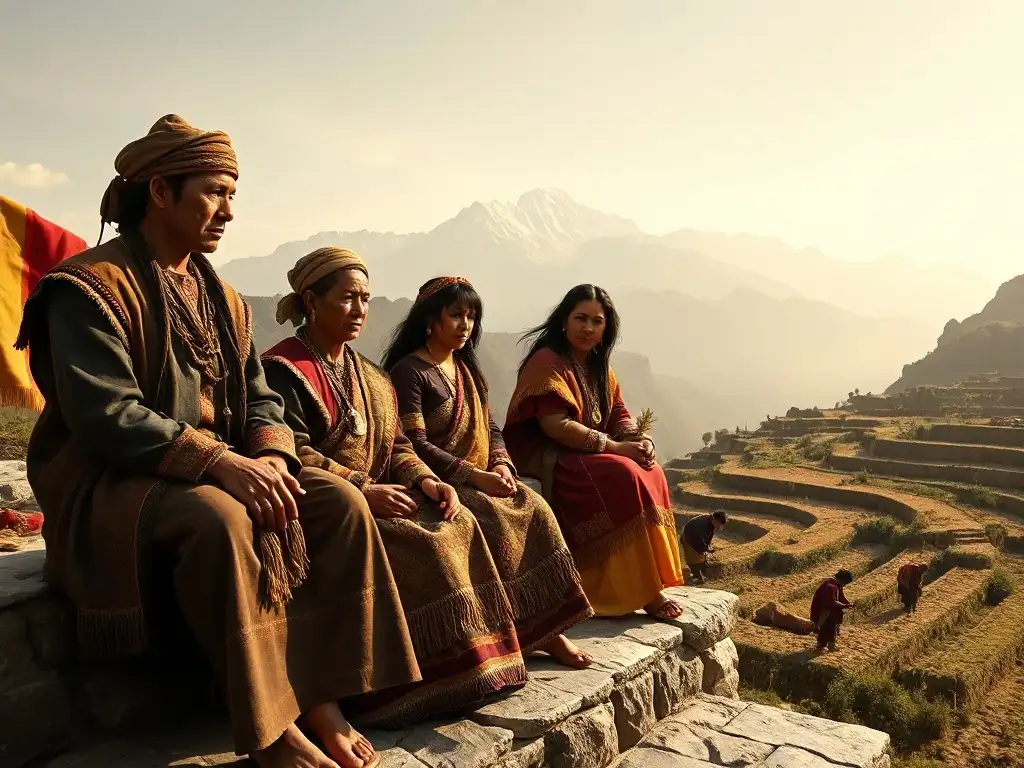
The Andean civilization social hierarchy wasn't solely based on lineage, though that played a significant role. A complex interplay existed between inherited status and accumulated wealth, creating a fluid yet stratified system. While birthright granted certain privileges, economic prosperity could elevate or diminish one's position within the social structure.
This dynamic is particularly evident in the Inca Empire, where ayllus (kinship groups) held importance, but individual achievement and control of resources significantly impacted an individual's influence and standing within their ayllu and the broader empire. The acquisition of wealth, therefore, wasn't just about material possessions; it was a powerful instrument shaping social mobility and political power across various Andean societies. Understanding this correlation is crucial to grasping the nuances of Andean social structures.
Wealth in the Andean world wasn't simply measured in gold and silver, though these metals certainly held prestige. Access to and control over essential resources, such as fertile land for agriculture, llama herds, and skilled labor, were primary determinants of social class. The elite, often comprising religious leaders, nobles, and high-ranking officials, controlled vast estates and commanded significant labor forces. This control translated to considerable wealth, manifested in luxurious textiles, elaborate jewelry, and access to specialized goods and services. Conversely, those with limited access to resources occupied lower positions in the hierarchy.
Consider the Moche civilization: Their elaborate burial sites reveal a stark contrast in grave goods. Elite burials contained ornate gold and silver artifacts, finely woven textiles, and evidence of elaborate feasts, reflecting their high social standing and accumulated wealth. In contrast, commoner burials contained far fewer and simpler grave goods, reflecting their lower social standing and limited access to resources. This disparity underscores the direct correlation between material possessions and social status in Moche society and, by extension, other Andean cultures.
The Role of Agriculture and Resources in Andean Societies
Agriculture formed the bedrock of Andean economies, directly influencing social stratification. Control over fertile land and irrigation systems was a key source of power and wealth. Elites often owned extensive agricultural lands, employing a large workforce to cultivate crops like maize, potatoes, and quinoa. The surplus generated from these agricultural endeavors fueled their wealth and reinforced their social standing. The ability to manage and control water resources, particularly in arid regions, was also crucial. Access to reliable water sources determined agricultural productivity and, consequently, economic prosperity and social standing.
The Inca's sophisticated agricultural techniques, including terracing and irrigation systems, demonstrate their mastery over resource management. These systems not only ensured food security but also contributed to the empire's economic strength and the consolidation of elite power. The efficient production and distribution of agricultural goods solidified the Inca's control and maintained the social hierarchy. Indeed, access to fertile land and efficient irrigation directly translated into greater wealth and higher social standing within the Inca empire.
The Significance of Coca and Textiles in Andean Wealth
Beyond agriculture, coca leaves and textiles played significant roles in Andean wealth and social status. Coca, a sacred plant, held immense cultural and economic value. Its cultivation and trade enriched those who controlled its production and distribution, elevating their social standing. The elite often consumed coca, showcasing their status and power. Similarly, textiles, particularly those made from fine alpaca or vicuña wool, were highly valued. The intricate designs and craftsmanship of these textiles signified skill and status, with the finest examples reserved for the elite.
The intricate weaving techniques and the use of rare dyes further enhanced the value of these textiles. The possession of finely woven textiles served as a visible marker of social status, similar to the way precious metals and stones did. The production of high-quality textiles often involved specialized labor, further enriching those who commissioned and controlled this production.
Therefore, control of coca production and the creation of high-quality textiles were pivotal in accumulating wealth and maintaining or enhancing one's position within the Andean social hierarchy. The intricacy and rarity of these items served as potent symbols of wealth and power within the Andean civilization.
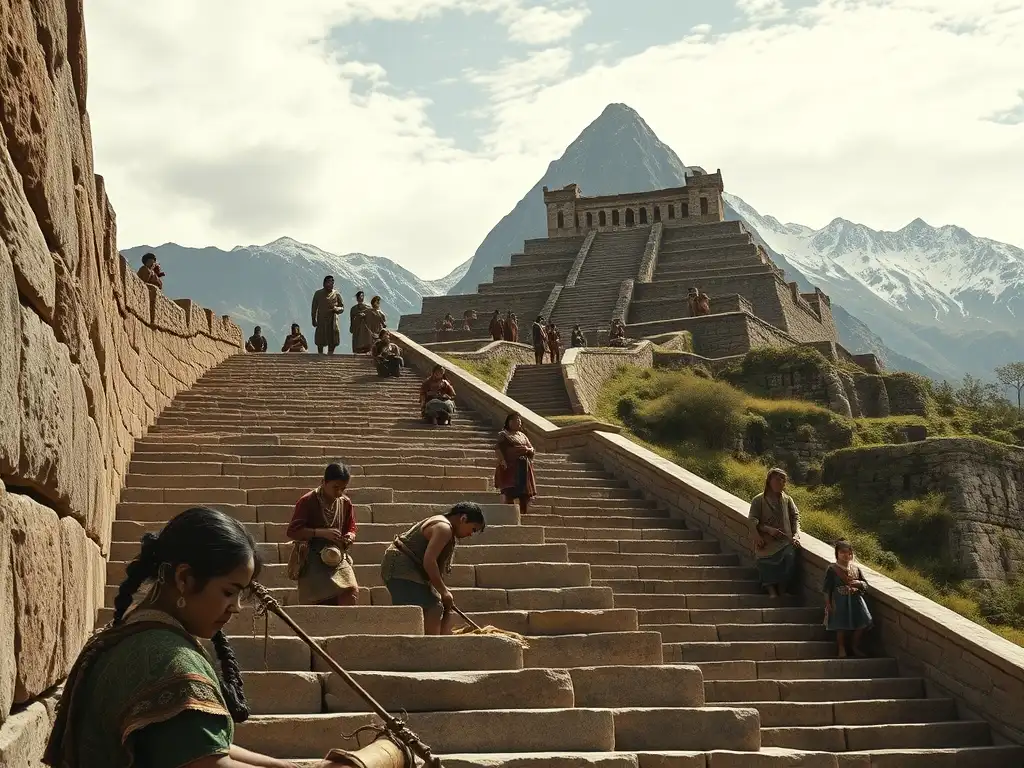
The intricate social hierarchies of Andean civilizations, such as the Inca, Moche, Nazca, and Tiahuanaco, were not static systems. While positions of power and prestige were largely hereditary, the mechanisms for maintaining this order across generations were complex and involved more than simply passing down material wealth. Understanding these strategies reveals much about the resilience and longevity of these Andean civilization social hierarchies. The transmission of authority and privilege was a multifaceted process, deeply interwoven with religious beliefs, economic control, and elaborate kinship systems. The very fabric of Andean society was stitched together by the careful management of inheritance.
Strategies for Preserving Power and Status across Generations
Several key strategies ensured the smooth transition of power and prestige within Andean families. One prominent method involved carefully orchestrated marriages. Elite families often arranged unions between their children and those of other influential lineages, strengthening alliances and consolidating power.
These marriages weren't simply about personal preference; they were strategic moves on a societal chessboard, designed to maintain the existing power structure and prevent social upheaval. For example, the Inca Empire famously used arranged marriages to control regional governors and ensure loyalty to the emperor. This practice effectively bound the provincial elite to the imperial family, reinforcing the Andean civilization social hierarchy.
Furthermore, the control of resources played a vital role in maintaining social standing. Inheritance of land, livestock, and other valuable assets was not simply a matter of individual ownership. It often came with associated responsibilities and obligations, reinforcing the social order. Access to these resources was frequently tied to specific roles and duties within the community, ensuring that those who inherited wealth also inherited the responsibilities that came with their elevated social position. The meticulous record-keeping systems employed by many Andean civilizations, such as the quipus of the Inca, likely aided in tracking these inheritances and responsibilities.
The allocation of mita obligations also played a role. The mita system, a form of mandatory labor service, was often hereditary. Families traditionally held specific mita responsibilities, which were passed down through generations. This ensured that certain families continued to provide essential services to the state or community, further solidifying their social position within the Andean civilization social hierarchy.
Ancestral veneration was deeply intertwined with the maintenance of Andean social hierarchies. Lineage was paramount; connecting oneself to powerful ancestors provided legitimacy and reinforced one's social standing. Elaborate funerary practices and the construction of monumental tombs provided tangible evidence of this connection to the past. These weren't merely burial places; they were powerful symbols of lineage and social status, constantly reminding the living of the established social order within the Andean civilization social hierarchy.
The worship of ancestors wasn't a passive act. It involved rituals, offerings, and the maintenance of ancestral shrines. These practices actively engaged the living in the perpetuation of their ancestors' legacy and the preservation of the established social hierarchy.
By honoring their ancestors, the elite not only maintained their own prestige but also reinforced the societal values and structures that supported their privileged position. The continuity of these rituals across generations helped to solidify the social order and transmit the importance of lineage as a determinant of social standing in the Andean civilization social hierarchy. This system of belief provided a powerful ideological underpinning for the hereditary nature of power and privilege.
While inheritance largely determined social position, the Andean civilization social hierarchy wasn't entirely rigid. Limited social mobility did exist, though it was often constrained by the power of inherited status. Exceptional skill, military prowess, or service to the state could sometimes lead to upward mobility, but this was less common than the maintenance of the status quo. For example, individuals from lower social strata who demonstrated exceptional abilities in crafts, agriculture, or warfare could potentially gain favor with the elite and improve their social standing.
However, even these cases of upward mobility rarely resulted in a complete shattering of the existing hierarchy. Newly elevated individuals often found their advancement constrained by the established power structures and the deeply ingrained beliefs in the importance of lineage. Their advancement might be limited to a certain level, maintaining the overall structure of the Andean civilization social hierarchy.
Thus, while opportunities for advancement existed, the system was designed to favor the preservation of established hierarchies, ensuring that inheritance remained a primary determinant of social standing. The system was not static, but the changes were generally incremental, not revolutionary, in their impact on the Andean civilization social hierarchy.
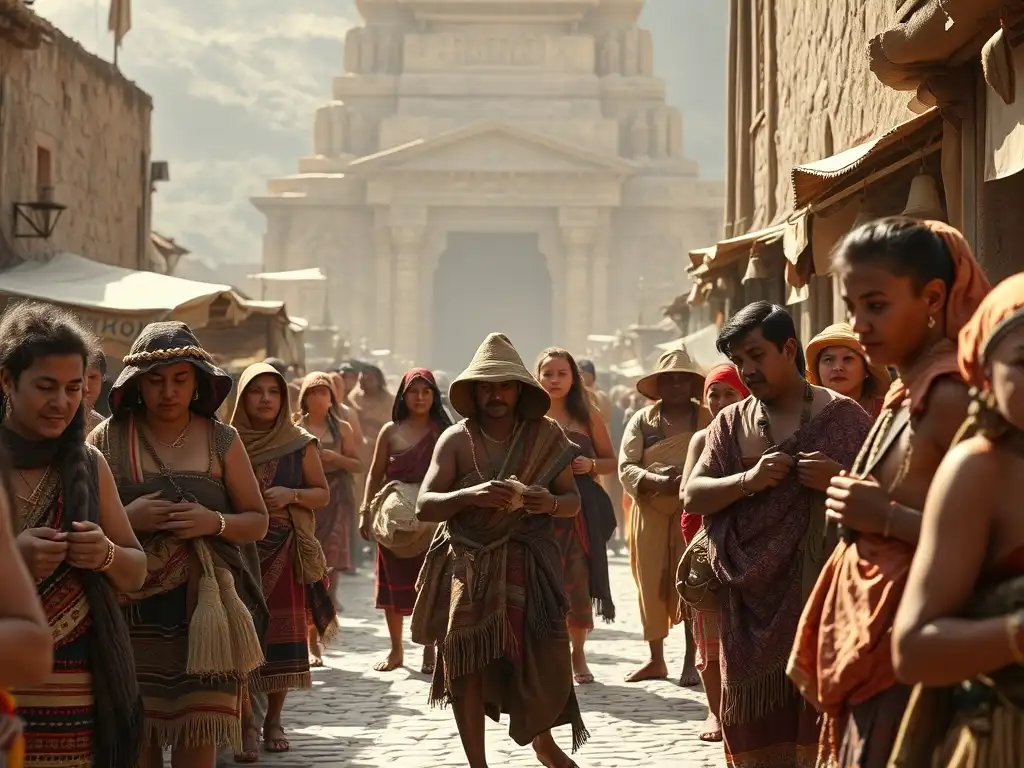
The rigid social hierarchy of Andean civilizations, while seemingly immutable, faced significant challenges throughout their history. The intricate systems of inheritance, designed to maintain the status quo, were occasionally disrupted by internal conflicts, external pressures, and unforeseen circumstances. Understanding these challenges provides a more nuanced perspective on the complexities of Andean social structures and the dynamism within seemingly static systems. The concept of "Andean civilization social hierarchy" encompasses not only the established order but also the forces that threatened to overturn it.
Inheritance disputes were a recurring source of instability within Andean societies. The precise mechanisms of inheritance varied across different cultures – the Inca, for example, had a more centralized system than the smaller regional groups – but the principle of passing down land, possessions, and social standing remained crucial. Disputes often arose when multiple claimants vied for the inheritance of a powerful leader or when ambiguities in succession laws led to power vacuums. These conflicts could escalate into full-blown rebellions, particularly when a significant portion of the population felt marginalized or unjustly treated by the ruling elite.
For instance, evidence suggests that several smaller-scale rebellions within the Inca Empire were triggered by perceived injustices in the allocation of resources and positions after the death of a local leader. These were often suppressed swiftly, but they highlight the inherent tensions within the system. The lack of detailed historical records, particularly for pre-Inca civilizations, makes it difficult to fully quantify the frequency and scale of such rebellions.
Further research into archaeological findings and ethnohistorical accounts is needed to paint a more complete picture of this aspect of Andean civilization social hierarchy. [Specific details on the frequency and scale of pre-Inca rebellions pending].
The Arrival of the Spanish and its Disruption of Andean Inheritance
The Spanish conquest dramatically altered the established Andean social hierarchy and fundamentally disrupted traditional inheritance patterns. The Spanish imposed their own system of land ownership and governance, often disregarding or actively dismantling indigenous systems. This led to widespread displacement, dispossession, and the erosion of traditional power structures.
The encomienda system, which granted Spanish conquistadors control over indigenous labor and resources, was particularly devastating. It directly challenged the existing Andean social hierarchy by replacing traditional leaders with Spanish overlords and undermining the legitimacy of traditional inheritance practices. The disruption wasn't just about land; it extended to social standing, with indigenous elites losing their privileged positions and facing systemic discrimination.
The impact was far-reaching. The introduction of new diseases, coupled with forced labor and the destruction of existing social structures, decimated the indigenous population and further destabilized the inheritance system. The Spanish Crown's attempts to control and regulate inheritance, though often ineffective, further complicated the already chaotic situation. This period marked a fundamental shift in the understanding of "Andean civilization social hierarchy," replacing a complex indigenous system with a fundamentally different European model.
The Case of the Inca Civil War: A Struggle for Succession
The Inca Civil War (ca. 1532-1533) provides a stark example of how challenges to the established social order could lead to catastrophic consequences. The death of Huayna Capac and the subsequent struggle for succession between his sons Huáscar and Atahualpa exposed deep fissures within the Inca Empire. This conflict wasn't simply a fight for power; it was a direct challenge to the established inheritance system and the legitimacy of the Sapa Inca's authority. The war weakened the empire significantly, making it vulnerable to the Spanish conquest.
The conflict highlighted the inherent fragility of the Inca succession system. While the Inca generally followed a primogeniture system, ambiguity surrounding Huayna Capac's death and the rival claims of Huáscar and Atahualpa created a power vacuum that led to widespread violence and ultimately the collapse of the empire's centralized authority. This event dramatically illustrates the vital role of inheritance in maintaining stability within the Andean civilization social hierarchy.
The consequences of the Inca Civil War extended far beyond the immediate conflict, shaping the future of the Andes and leaving a lasting impact on the understanding of Andean political and social structures. The civil war serves as a cautionary tale, demonstrating how disputes over inheritance could unravel even the most powerful empires.
The intricate social hierarchies of Andean civilizations, a hallmark of their complex societies, continue to resonate in modern-day Andean communities. Understanding these ancient structures provides crucial insights into the region's social fabric and its evolution. The concept of "Andean civilization social hierarchy" encompasses a multifaceted system that went beyond simple class divisions; it intertwined kinship, religious beliefs, and economic power in a dynamic, ever-shifting landscape.
This section explores the enduring legacy of these systems, demonstrating how past practices continue to inform present realities. The influence of these ancient social structures is not merely historical; it is a living reality, shaping social dynamics and power structures in contemporary Andean societies.
Andean inheritance practices were not simply about transferring material possessions; they were a complex ritual that reinforced social standing and maintained the existing power structure. Inheritance often followed patrilineal lines, with land and other resources primarily passing from father to son. This system, while seemingly straightforward, had significant implications. For example, the eldest son often inherited the largest portion, solidifying his position within the community and perpetuating the existing social hierarchy. This practice wasn't uniform across all Andean cultures; variations existed depending on the specific civilization and local customs. The Moche civilization, known for its elaborate burial practices, demonstrates a clear correlation between grave goods and social status, suggesting a strong emphasis on inherited wealth as a marker of prestige. 1 This emphasis on inherited wealth and status directly impacts the social structures seen today. Even though formal inheritance laws have changed, the underlying cultural values that prioritized lineage and inherited wealth continue to subtly influence social dynamics in many Andean communities. The distribution of land, for example, often reflects historical patterns of inheritance, albeit sometimes modified by land reform initiatives.
Further Considerations on Inheritance
While patrilineal inheritance was common, exceptions existed. Women, particularly within elite families, could hold significant power and influence, often through their control over resources or their roles in religious ceremonies. This illustrates the nuanced nature of Andean social structures and the need to avoid generalizations.
The role of *ayllu* (kinship groups) in land management and resource allocation further complicates the picture. While individual inheritance was important, communal ownership and collective decision-making processes played a significant role in shaping resource distribution within Andean societies.
Lessons from Ancient Andean Civilizations on Wealth and Status
The accumulation of wealth and the attainment of high social status in Andean civilizations were intricately linked to factors beyond mere economic prosperity. Religious authority, political influence, and mastery of specific skills (e.g., weaving, metalworking, or agricultural expertise) all played crucial roles. For example, in the Inca Empire, the curacas (local leaders) held considerable power and wealth, derived not only from land ownership but also from their control over labor and tribute.
Their status was further enhanced by their religious roles and their connections to the Inca emperor. This illustrates the interwoven nature of wealth, status, and power in the Andean context.
Analyzing the archaeological evidence, such as the lavish tombs of elite individuals and the intricate textiles found in various sites, provides tangible insights into the material expressions of wealth and status. The complexity of these symbols and their variation across different Andean societies highlight the diversity of approaches to defining and displaying social standing.
| Civilization | Indicators of Wealth & Status |
|---|---|
| Inca | Land ownership, political office, religious authority, finely crafted textiles and gold objects |
| Moche | Elaborate burials with grave goods, sophisticated ceramics, evidence of specialized craftsmanship |
| Nazca | Complex irrigation systems, large-scale geoglyphs, fine textiles and ceramics |
| Tiahuanaco | Monumental architecture, sophisticated stonework, evidence of centralized control over resources |
The Andean civilization social hierarchy was far from static. Social mobility, while limited, was not entirely absent. Individuals could improve their social standing through exceptional skill, military prowess, or strategic alliances.
However, the system was largely based on inherited status, making significant upward mobility challenging. The mit'a system, a form of mandatory labor service, played a complex role, both reinforcing existing social structures and offering opportunities for advancement, depending on the individual's skill and the favor of those in power. The intricate relationship between social status, economic resources, and religious authority further complicates the picture.
While archaeological evidence provides valuable insights into the material culture associated with different social strata, the full complexity of social interactions and power dynamics remains a subject of ongoing research. Further research is needed to fully understand the fluidity within the seemingly rigid structures of Andean social stratification, specifically examining the experiences of marginalized groups and the impact of social change throughout different periods of Andean history. The study of Andean social hierarchies continues to unveil new layers of complexity, enriching our understanding of these fascinating civilizations.
1 Further research is needed to specify the exact correlation and provide specific examples from Moche burial sites.
Frequently Asked Questions
Social standing in Andean civilizations was largely determined by inheritance, with elite families maintaining power and privilege across generations. Lineage and access to resources played crucial roles. This system varied between different Andean cultures.
Control of resources, such as land, labor, and precious metals, directly correlated with social status. Wealthier individuals and families held higher positions within the social structure, wielding significant influence and power. This was particularly evident within the Inca Empire.
While social mobility was limited, it wasn't entirely absent. Individuals could potentially improve their status through exceptional military service, religious leadership, or demonstrating exceptional skill in crafts or administration. However, upward mobility was challenging.
The Inca Empire had a highly structured hierarchical system, with the Sapa Inca at its apex. While other Andean cultures also possessed hierarchies, the Inca system was particularly centralized and rigidly defined, with clear distinctions between different social classes.
Religion played a significant role, with priests and religious leaders often occupying high positions within the social structure. The divine right to rule, often associated with the ruling elite, reinforced the existing power dynamics and justified social inequalities.
Final Reflection: Echoes of Empire: Legacy and Inequality in Andean Societies
The intricate social hierarchies of the Andean civilizations continue to resonate in contemporary discussions of wealth inequality and inherited privilege. Understanding the complex systems of power and prestige established by the Inca and preceding cultures offers a crucial lens through which to examine the enduring impact of social stratification on societies worldwide. The echoes of their meticulously constructed systems are far from silent.
The legacy of Andean social structures, with their emphasis on lineage and access to resources, profoundly shaped the cultural and social landscape of the region, and its influence persists even today. The disparities in wealth and opportunity that characterized these ancient societies serve as a stark reminder of the challenges inherent in creating truly equitable systems. The past is never dead. It's not even past.
– William Faulkner. This quote aptly captures the enduring relevance of studying Andean social hierarchies; their impact continues to shape the present, demanding critical examination and reflection.
Consider the implications of inherited privilege and the systemic barriers it creates. How do we, as individuals and as a society, actively work to dismantle systems that perpetuate inequality? You have the power to challenge inherited biases and advocate for a more just and equitable future. Let the lessons learned from the intricate social structures of the Andean civilizations inspire you to build a world where opportunity is not determined by birthright, but by merit and potential.
Embrace Your Heritage and Shape Your Future!
Thank you for exploring the fascinating connection between inheritance and social status in Andean civilizations! Your insights into wealth and legacy are truly valuable. Now, let's put that knowledge to work.
Here are some ways to further explore this topic:
- Dive Deeper: Visit a local museum or explore online resources to learn more about the rich history and enduring legacies of Andean cultures. A deeper understanding of the historical context will broaden your perspective.
- Share Your Insights: Discuss with friends, family, or community members how inheritance continues to shape societal structures today. Sharing your knowledge can spark insightful conversations.
- Reflect Creatively: Write a personal essay or blog post reflecting on the meaning of inheritance in your own life and how it has influenced you and your community. This creative exploration can lead to new understandings.
What thoughts and discoveries have you made about your own legacy and its impact on social dynamics? We're eager to hear your perspectives!