
Mit'a Labor: The System of Obligatory Service in the Inca Realm

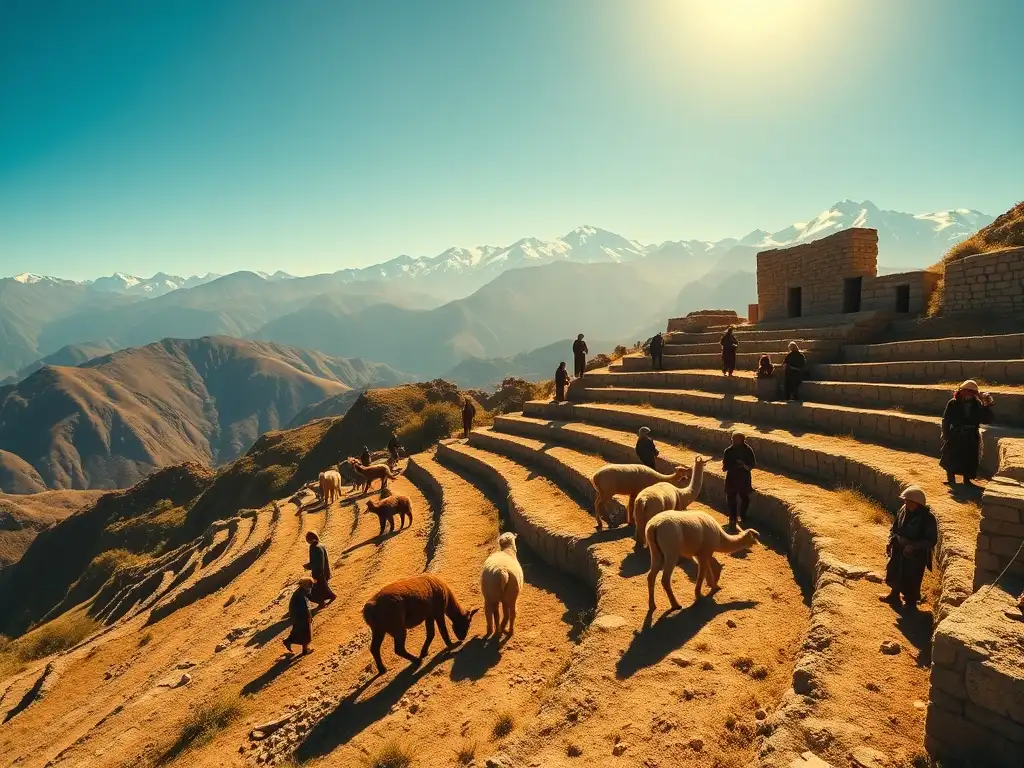
Step into the captivating world of the Andes, where empires rose and fell, leaving behind a legacy of breathtaking artistry and intricate social systems. Prepare to unravel the mysteries of these ancient societies, delving into their remarkable achievements. But first, consider this: what secrets lie hidden within the details of the Inca Mit'a system? Discover the truth behind this obligatory labor system, a cornerstone of Inca power, and unlock a deeper understanding of Andean civilization. Explore the fascinating intricacies of the Inca Mit'a system details and uncover the remarkable story of the Andean world.
- The Inca Mit'a System: Obligatory Labor in the Andean World
- How the Mit'a System Worked: A Detailed Examination
- The Social Impact of the Mit'a System in Inca Society
- Mit'a Labor and Inca Infrastructure Projects
- The Legacy of the Mit'a: Historical Perspectives
- Frequently Asked Questions
- Final Reflection: The Enduring Legacy of Mit'a
- Embrace the Legacy of the Mit'a: Take Action Today!
The Inca Mit'a System: Obligatory Labor in the Andean World
The Inca Empire, a civilization that flourished in the Andes Mountains from the 15th to the 16th centuries, was renowned for its sophisticated social organization and impressive infrastructure. This remarkable achievement was, in no small part, due to the mit'a, a system of obligatory labor that served as the backbone of the Inca economy and state.
This article delves into the intricacies of the mit'a system, exploring its origins, structure, and profound impact on Inca society. Understanding the mit'a is crucial for grasping the complexities of Inca power, its ability to mobilize vast resources, and the ways in which it shaped the lives of its subjects.
We will explore the system's details, examining its implementation and the various roles it played in Inca society, providing a comprehensive overview of this vital aspect of Inca social organization and a nuanced perspective on its function within the broader Andean world. This exploration aims to provide a clear understanding of the Inca Mit'a system details, shedding light on its significance in the context of Inca social structures and its lasting legacy.
Understanding the Mit'a: Compulsory Service in the Inca Empire
The mit'a, often translated as "turn" or "rotation," was not simply forced labor; it was a complex system of reciprocal obligations between the Inca state and its subjects. While it involved compulsory service, it was fundamentally different from slavery. The mit'a was a structured system with specific rules and regulations, designed to ensure a fair distribution of labor across the empire.
Citizens were required to contribute a certain amount of labor to public works projects, such as the construction of roads, temples, irrigation systems, and agricultural terraces. In return, the Inca state provided essential services, including food, clothing, and protection. The system was integral to the Inca's ability to build and maintain their vast empire, showcasing their remarkable organizational and administrative capabilities.
The mit'a wasn't solely focused on large-scale infrastructure; it also encompassed agricultural labor, mining, and even military service, demonstrating its pervasive influence across all facets of Inca life. This intricate system of reciprocal obligations played a vital role in maintaining social order and economic stability.
Origins and Evolution of the Mit'a Labor System
While the precise origins of the mit'a remain a subject of scholarly debate, evidence suggests that it evolved from pre-Inca traditions of communal labor. Many Andean societies before the Inca employed forms of collective work for the benefit of the community. The Inca, however, refined and expanded upon this existing framework, transforming it into a highly organized and centralized system that served the needs of the empire.
The mit'a system's evolution likely involved a gradual process of consolidation and standardization, as the Inca expanded their territory and incorporated diverse populations into their realm. This incorporation influenced the system's adaptation and refinement over time, reflecting the need to manage a growing and increasingly diverse workforce.
Archaeological and ethnographic evidence suggests continuous adjustments to the mit'a system, showcasing its adaptability and resilience over several decades. The specific details of its regional variations and adaptations require further research, but the fundamental principles of reciprocal obligation remained consistent.
The Structure of the Inca Mit'a: Organization and Implementation
The Inca mit'a system was meticulously organized and implemented through a complex bureaucratic structure. Local officials, known as kurakas, played a crucial role in overseeing the recruitment and assignment of labor. These officials were responsible for ensuring that the mit'a obligations were fulfilled fairly and efficiently. The mit'a was typically assigned for a specific period, ranging from a few weeks to several months, depending on the nature of the project.
Individuals were selected based on their age and physical capabilities, with exemptions granted to the elderly, infirm, and those with essential family responsibilities. The Inca state provided food, shelter, and tools to those performing mit'a labor, ensuring that their basic needs were met during their service. This system, while demanding, aimed for a level of fairness and prevented exploitation, although the potential for abuse certainly existed.
To ensure effective management, the Inca maintained detailed records of mit'a assignments and performance, highlighting the sophisticated administrative capabilities of the empire. The system's structure and implementation underscore the Inca's remarkable ability to organize and mobilize a vast workforce for the benefit of the empire. Further research into regional variations of the system's implementation could provide even more insights into its complexity and effectiveness.
How the Mit'a System Worked: A Detailed Examination
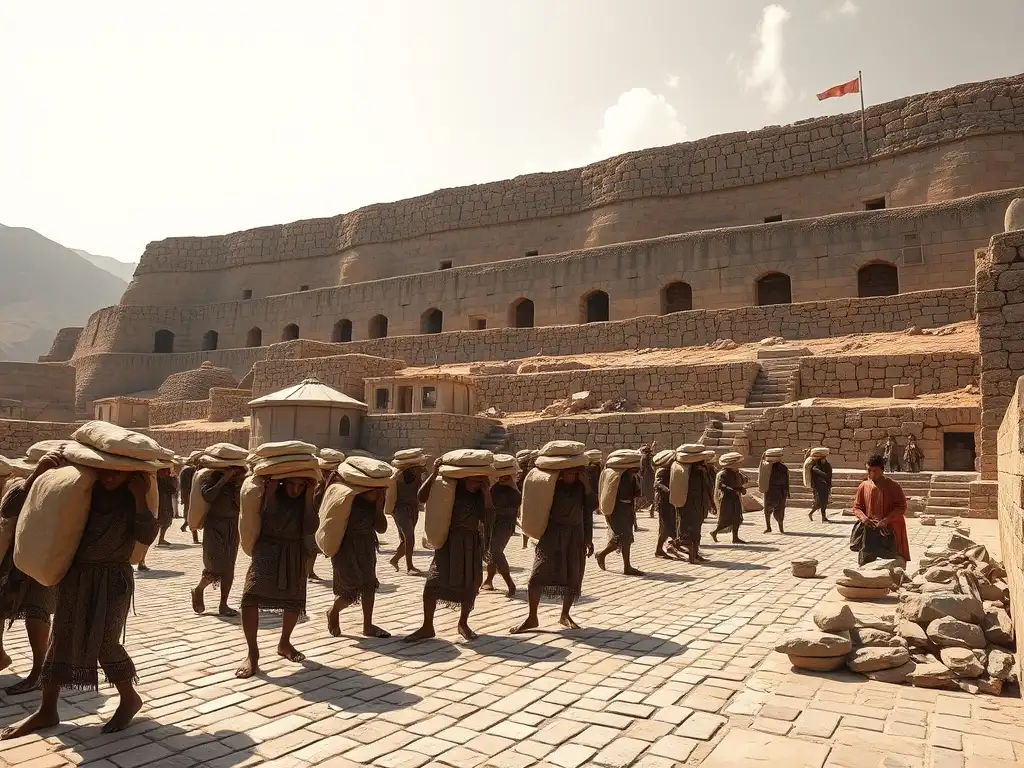
The Inca mit'a system, a cornerstone of Inca imperial administration, wasn't simply forced labor; it was a complex system of reciprocal obligation intricately woven into the fabric of Andean society. Far from being purely exploitative, it provided essential services for the empire's infrastructure and population, while simultaneously reinforcing social structures and distributing resources. Understanding the mit'a requires moving beyond simplistic notions of servitude and recognizing its multifaceted nature.
The system operated on the principle of ayni, a Quechua term signifying reciprocity and mutual support. While citizens were obligated to contribute their labor, this contribution was viewed as a duty to the community and the Inca emperor, who, in return, provided protection, social order, and access to resources.
This intricate balance, however, was not always perfectly maintained, and the system's implementation varied across different regions and time periods, leading to complexities and potential abuses. The effective functioning of the mit'a relied heavily on accurate record-keeping, efficient organization, and the active participation of local leaders.
Types of Labor Required Under the Mit'a System
The mit'a encompassed a broad spectrum of labor, reflecting the diverse needs of the Inca empire. It wasn't solely focused on large-scale construction projects, although those certainly constituted a significant portion. The types of labor demanded varied considerably depending on the region, season, and the specific skills of the individuals called upon.
- Agriculture: A substantial portion of mit'a labor involved agricultural production, particularly in state-controlled lands. This included planting, harvesting, and irrigation projects, crucial for maintaining the empire's food supply. The mit'a ensured the cultivation of crops like maize, potatoes, and quinoa, essential for sustaining the large Inca population.
- Infrastructure Projects: The Inca were renowned for their impressive infrastructure. Mit'a labor fueled the construction of roads, bridges, irrigation canals, and monumental buildings such as temples and palaces. The meticulous construction of these projects testifies to the highly organized nature of the mit'a system and the skilled labor it mobilized.
- Mining: The Inca empire also relied on mining for precious metals and other resources. Mit'a workers were involved in extracting minerals, processing ores, and transporting materials. While mining was a demanding task, it contributed significantly to the empire's wealth and power.
- Military Service: While not strictly "labor," military service was a crucial aspect of the mit'a. Able-bodied men were required to serve in the Inca army, contributing to the empire's defense and expansion. This obligation was considered a vital contribution to the broader well-being of the Inca state.
Mit'a Obligations: Timeframes and Service Duration
The duration and frequency of mit'a service varied significantly depending on several factors. While precise records are limited, archaeological evidence and historical accounts offer insights into the system's complexities. One crucial factor was the individual's social standing. While the yanaconas (servants) were exempt, the commoners bore the brunt of mit'a obligations.
- Seasonal Variation: Mit'a service often coincided with agricultural cycles. During the planting and harvesting seasons, the demand for labor in agriculture increased, leading to a higher frequency of call-ups.
- Project Duration: The length of service for a specific project varied widely. Some projects, such as agricultural tasks, might require only a few days or weeks, while large infrastructure projects could necessitate months or even years of continuous labor.
- Regional Differences: The frequency and duration of mit'a service likely varied across different regions of the Inca empire, depending on local needs and the availability of labor. Areas with significant infrastructure projects or rich mineral resources might experience more frequent and prolonged mit'a obligations. [Specific regional data pending]
The Role of the Curacas in Mit'a Labor Management
The curacas, local leaders within the Inca system, played a pivotal role in the administration and management of the mit'a. They weren't simply overseers; they were integral to the system's functioning. Their responsibilities included:
- Mobilization of Labor: The curacas were responsible for identifying and mobilizing individuals for mit'a service within their communities. They ensured that the appropriate number of workers was available for each project.
- Supervision of Workers: Curacas oversaw the work of mit'a laborers, ensuring that tasks were completed efficiently and effectively. They maintained order and discipline among the workers.
- Distribution of Resources: The curacas played a role in the distribution of food, tools, and other resources to the mit'a workers. They were responsible for ensuring that the workers had the necessary provisions to perform their tasks.
- Record Keeping: The curacas kept records of mit'a service, tracking the contributions of individuals and communities. This was essential for ensuring fairness and preventing exploitation. These records, often kept on quipus (knotted cords), provided the Inca administration with crucial data on labor mobilization and resource allocation. The accuracy and integrity of these records were paramount to the smooth operation of the mit'a system.
The mit'a system, therefore, wasn't a simple system of forced labor but a complex mechanism that integrated labor contributions, community responsibilities, and imperial administration. Its success depended on a delicate balance between obligation and reciprocity, a balance that was maintained, to varying degrees, by the intricate roles played by the curacas and the overall structure of Inca society. Further research is needed to fully illuminate the regional variations and the extent of potential abuses within this vital aspect of Inca life.
Mit'a Contributions: Beyond Agricultural Labor
The Inca mit'a system, while heavily associated with agricultural labor, encompassed a far broader range of contributions crucial to the empire's functioning. It wasn't simply about planting and harvesting crops; the system tapped into a diverse skill pool, demanding expertise in various sectors to maintain the intricate workings of the Inca state. Think of it as a highly organized, albeit obligatory, form of national service. This multifaceted nature ensured the construction of impressive infrastructure, the production of essential goods, and the smooth operation of the empire's administrative machinery.
One crucial aspect beyond agriculture was the construction and maintenance of the extensive Inca road network. Thousands of mit'ayoq (those obligated to perform mit'a) were involved in the creation and upkeep of these strategically vital pathways, spanning thousands of miles across challenging Andean terrain. This involved not only the arduous physical labor of cutting paths through mountains and building bridges, but also specialized skills like stonework and engineering, demonstrating the system's ability to mobilize skilled laborers. The precision and scale of this undertaking are a testament to the efficiency of the mit'a system in mobilizing and directing human resources.
Another significant contribution involved mining operations. The Inca empire was rich in mineral resources, and the mit'a system played a vital role in their extraction and processing. This involved the difficult and often dangerous work of mining precious metals like gold and silver, as well as less glamorous but equally essential minerals used for tools and construction.
The organization and management of these mines, requiring specialized knowledge and coordination, highlight the sophisticated nature of Inca administration and the capacity of the mit'a system to handle complex logistical challenges. Specialized skills in metallurgy were also crucial, further diversifying the labor demanded by the system.
Beyond these major sectors, the mit'a system also contributed significantly to textile production, pottery creation, and the construction of public works like temples and storage facilities. These contributions showcase the system's adaptability and its capacity to meet diverse needs. The production of textiles, for example, required specialized skills in spinning, weaving, and dyeing, while pottery involved specialized knowledge of clay types, firing techniques, and design.
The construction of public works, again, required a broad range of skills, from masonry and carpentry to engineering and logistics. The mit'a system successfully integrated these diverse skills and ensured the continuous production of essential goods and services. The quality and standardization of Inca goods, from textiles to pottery, further points to the efficiency of this system in managing and directing labor.
The mit'a system was, therefore, far more than just agricultural labor. It was a dynamic and versatile system that adapted to the diverse needs of the Inca empire, mobilizing a wide range of skills and expertise to support the empire's growth and stability. Its effectiveness in coordinating and directing human resources across various sectors is a key factor in understanding the Inca's impressive achievements. The system served as a powerful engine of Inca expansion and development, demonstrating the sophisticated organization and planning capabilities of the Inca state.
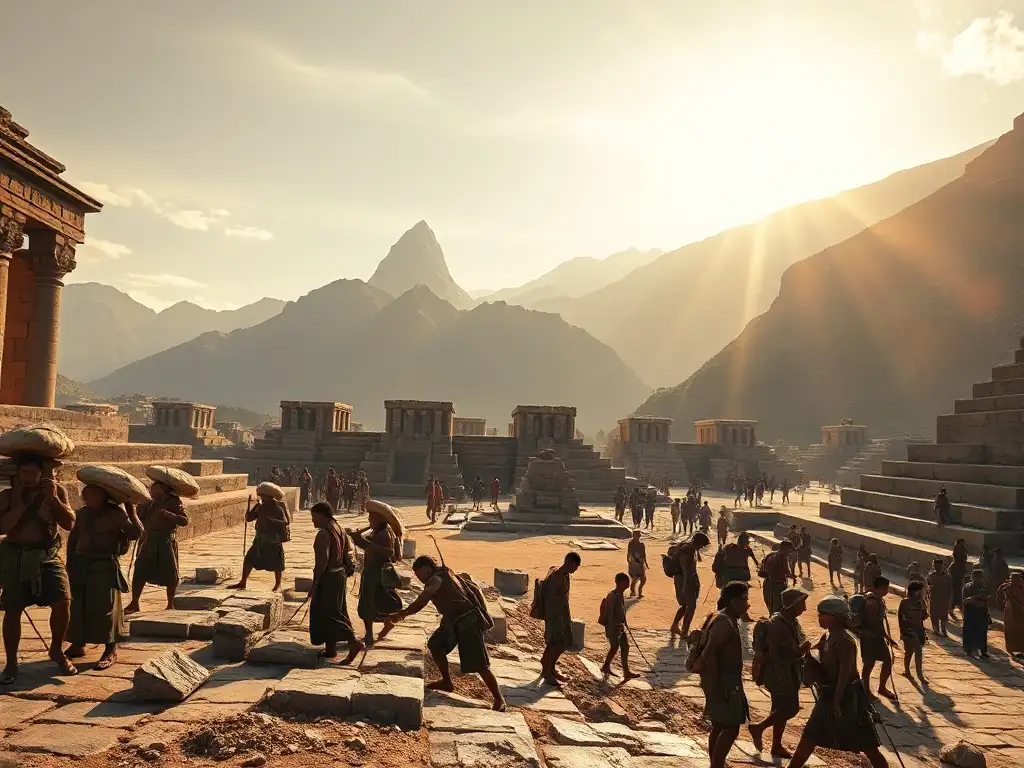
The Inca mit'a system, while crucial for infrastructure development and resource management, profoundly impacted Inca society in multifaceted ways. Understanding its social implications requires analyzing its effects on community structures, social mobility, and the relationship between the state and its subjects. The system, far from being solely an economic mechanism, served as a powerful tool for social engineering, shaping social relations and reinforcing Inca imperial power.
Detailed studies of Inca records, albeit limited, reveal a complex interplay of benefits, burdens, and social consequences associated with this obligatory service. The keyword "Inca Mit'a system details" is central to understanding this complex social phenomenon.
The Effect of Mit'a on Inca Communities and Families
The mit'a system’s impact on Inca communities and families was significant and often disruptive. While the state provided food and sometimes other necessities during service periods, the absence of able-bodied men and women from their communities for extended stretches created considerable strain. Agricultural production could suffer, potentially leading to food shortages within families and villages.
Furthermore, the separation of family members for months at a time placed stress on familial bonds and social cohesion. The emotional toll on families cannot be underestimated, though quantifiable data on this aspect remains scarce. We need further research to fully grasp the long-term social and psychological effects of this separation on Inca families and communities.
The absence of individuals for extended periods also impacted local social structures and leadership, potentially creating power vacuums or requiring adjustments in community organization. This disruption, while perhaps temporary, highlights the system's inherent potential to destabilize the social fabric at the local level. The system's effects on family dynamics and community stability are crucial aspects of understanding the "Inca Mit'a system details".
While the mit'a system was primarily based on a hierarchical structure, it also presented limited opportunities for social mobility, albeit indirectly. Exceptional performance during mit'a service, particularly in specialized roles like construction or military campaigns, could potentially lead to recognition and advancement. Skilled workers might gain favor with overseers, potentially leading to better assignments or even preferential treatment within their communities upon their return. However, these opportunities were likely limited and depended heavily on individual talent, circumstance, and the favor of superiors.
The system did not guarantee social advancement, and the vast majority of individuals likely remained within their existing social strata. Further research is needed to examine the extent to which mit'a service actually facilitated social mobility, distinguishing between anecdotal evidence and systematic patterns. Analyzing specific case studies of individuals who benefited from their mit'a service could shed light on this aspect of the “Inca Mit'a system details.”
The Relationship Between Mit'a and the Inca State
The mit'a system was intrinsically linked to the power and authority of the Inca state. It served not only as a labor force but also as a tool for social control and the consolidation of imperial power. By requiring citizens to contribute their labor to state projects, the Inca government demonstrated its authority and ensured the construction of infrastructure that benefited the empire as a whole. The system also provided opportunities for surveillance and the monitoring of potential dissidents.
Participation in mit'a could be seen as a demonstration of loyalty and submission to the Inca state. Refusal to participate, conversely, could result in severe punishment, reinforcing the state's authority. The system’s efficiency depended on a complex bureaucratic structure, which coordinated labor assignments, resource allocation, and the overall functioning of the system.
This intricate organization further strengthened the Inca state's control over its vast empire. The intricate relationship between the mit'a and the Inca state is a key element in understanding the complete picture of “Inca Mit'a system details”. The system's success in integrating diverse populations into a unified empire speaks to its effectiveness as a tool of imperial control.
Mit'a Labor and Inca Infrastructure Projects
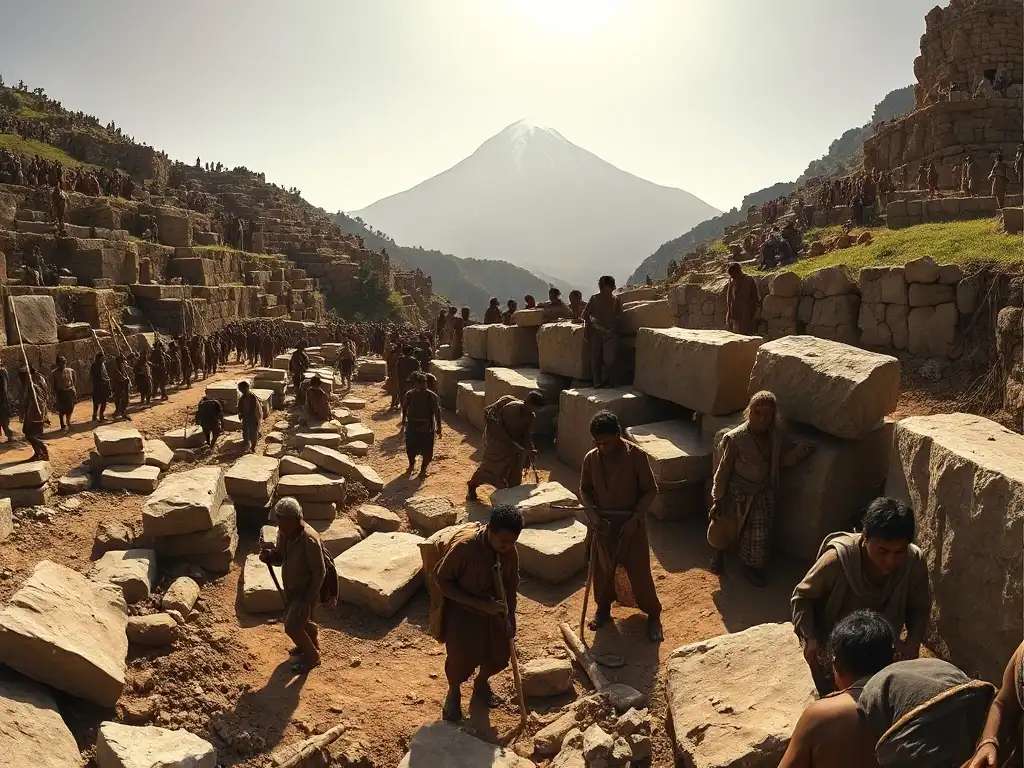
The Inca Mit'a system, a cornerstone of Inca imperial administration, wasn't merely a system of obligatory labor; it was the engine driving the construction of the empire's breathtaking infrastructure. This system, demanding a significant portion of the able-bodied population's time, fueled monumental projects that continue to amaze and inspire awe centuries later. Understanding the intricate workings of the Mit'a system is key to grasping the scale and sophistication of Inca engineering feats. The Inca Mit'a system details reveal a complex interplay of obligation, organization, and reward, crucial for the empire's success.
The Mit'a System and the Construction of Inca Roads
The famed Inca road system, a marvel of ancient engineering, stretched thousands of miles across treacherous Andean terrain. This network, vital for communication, trade, and military movement, relied heavily on Mit'a labor. Able-bodied men, selected from various ayllus (kinship-based communities), were conscripted for periods ranging from several months to a year, depending on the project's scale and complexity.
These workers, often specialized in specific tasks like stonemasonry or road building, were provided with food and basic necessities during their service. The construction involved meticulous planning, precise surveying, and the masterful use of local materials. For example, the use of qhapaq ñan (royal roads) construction techniques, including the strategic placement of drainage systems and the utilization of locally sourced stone, showcases the sophisticated understanding of Andean engineering principles.
The roads weren't just pathways; they were strategically designed to withstand the harsh elements, demonstrating the effectiveness of the Mit'a system in mobilizing manpower for large-scale projects. Detailed records, though scarce, hint at the intense organization required to manage this vast network of roads, highlighting the efficiency of the Inca administrative apparatus in utilizing Mit'a labor. The enduring legacy of these roads, many sections of which are still visible today, stands as a testament to the power and effectiveness of the Inca Mit'a system.
Mit'a Labor and Inca Agricultural Terraces
Inca agricultural practices were remarkably advanced, and the Mit'a system played a critical role in creating and maintaining the extensive terrace systems that characterized Inca agriculture. These terraces, carved into the steep Andean slopes, dramatically increased cultivable land and allowed for efficient irrigation. The construction of these terraces involved complex earthworks, including the precise cutting and fitting of stones, the creation of intricate drainage systems, and the construction of retaining walls to prevent soil erosion.
The Inca Mit'a system details regarding agricultural projects highlight the importance of specialized labor, with different groups assigned tasks based on their skills and experience. Some were tasked with stonework, others with earth moving, and still others with irrigation management. The efficiency of these agricultural terraces, which allowed for the cultivation of a variety of crops even in challenging environments, speaks volumes about the organization and effectiveness of the Mit'a system in supporting the empire's food security.
The system's success in providing food for a vast population demonstrates the long-term strategic value of this obligatory service. Archaeological evidence shows the remarkable scale of these terrace systems, further illustrating the immense contribution of Mit'a labor to Inca agricultural productivity.
The Role of Mit'a in Building Inca Cities and Temples
The impressive cities and temples of the Inca empire, such as Machu Picchu and Sacsayhuamán, are stunning examples of Inca architecture and urban planning. The Mit'a system was instrumental in the construction of these monumental structures. The intricate stonework, the precise fitting of massive blocks, and the complex engineering required to build these structures demanded skilled labor, readily provided through the Mit'a system.
The selection process for Mit'a workers for such projects likely prioritized individuals with specialized skills in stonemasonry, carpentry, and other relevant crafts. Furthermore, the transportation of building materials over significant distances also relied heavily on Mit'a labor, underscoring the system's crucial role in logistics. The Inca Mit'a system details related to urban construction projects show evidence of careful planning and efficient resource management.
The organization of workers, the provision of materials, and the overall supervision of these projects demonstrate the sophisticated administrative capabilities of the Inca empire. The enduring legacy of these magnificent structures stands as a powerful testament to the capabilities of the Inca people and the effectiveness of their Mit'a system in mobilizing human resources for large-scale construction projects. The sheer scale and precision of the Inca's urban planning and architecture provide compelling evidence of the system's efficacy and its importance in shaping the Inca empire.
The Legacy of the Mit'a: Historical Perspectives
The Inca mit'a system, a cornerstone of Inca imperial administration, left an indelible mark on Andean labor practices long after the Spanish conquest. While the Spanish abolished the mit'a in its original form, its underlying principles of obligatory labor persisted, albeit often in distorted and exploitative ways. The repartimiento system, imposed by the Spanish crown, arguably represented a brutal perversion of the mit'a, forcing indigenous populations into grueling labor in mines and on encomiendas with little to no compensation.
The repartimiento system, unlike the mit'a, lacked the reciprocal obligations and community-based structure that characterized the Inca system. This transition highlights the fundamental difference between a system designed (however imperfectly) to benefit the community and one explicitly designed to extract wealth for the benefit of a colonial power. Understanding the legacy of the mit'a requires acknowledging this complex evolution and the lasting impact of colonial exploitation on Andean labor systems.
The enduring effects of both the mit'a and its colonial successor are still felt in modern discussions of labor rights and social justice in the Andean region. The echoes of this obligatory service continue to resonate in contemporary debates surrounding equitable resource distribution and social responsibility.
The Mit'a System's Influence on Later Andean Labor Practices
The mit'a's influence extended far beyond its immediate termination. Even after the Spanish conquest, elements of the system's structure and ideology persisted, albeit often in altered and often exploitative forms. For example, the repartimiento system, while ostensibly different, shared certain characteristics with the mit'a, such as the compulsory nature of the labor and the reliance on existing community structures for recruitment and organization.
However, the crucial difference lay in the absence of reciprocal obligations and the inherent inequality of the power dynamic. The mit'a, while demanding, offered a degree of social reciprocity and community benefit; the repartimiento served primarily to enrich the colonial elite. Furthermore, certain aspects of the ayllu community organization, deeply interwoven with the mit'a, continued to shape labor practices in the post-conquest period.
The ayllu's communal responsibility and reciprocal support network, though weakened by colonial rule, remained a significant influence on how labor was organized and distributed within Andean communities. This persistence highlights the deep-rooted nature of the mit'a within Andean social structures and its lasting influence on subsequent labor systems. The legacy of the mit'a is not simply a historical footnote; it’s a vital key to understanding the evolution of Andean labor practices and the ongoing challenges of social and economic justice in the region.
Critiques and Interpretations of the Inca Mit'a System
Scholarly interpretations of the mit'a system are varied and often nuanced. While some view the mit'a as a form of exploitative labor, others emphasize its role in Inca infrastructure development and its contribution to the overall well-being of the empire. The system's effectiveness in mobilizing vast numbers of workers for large-scale projects like road construction and agricultural development is undeniable.
However, critics point to the potential for abuse and the lack of compensation beyond subsistence-level provisions. The potential for coercion and the uneven distribution of burdens across different ayllus and social groups also raise important questions about fairness and equity. Furthermore, detailed records concerning the mit'a's precise workings remain scarce, making a complete and unbiased assessment challenging.
Archaeological evidence provides some insight, but the full picture remains elusive. Further research, focusing on the lived experiences of mit'a workers and a deeper analysis of surviving administrative records, is needed to gain a more complete understanding of this complex system. The debate surrounding the mit'a is not simply an academic exercise; it directly affects how we interpret the Inca state and its relationship with its subjects.
The mit'a system was not merely a labor system; it was intrinsically linked to the broader social fabric of the Inca empire. It served as a crucial mechanism for integrating diverse populations into the imperial structure, fostering a sense of shared responsibility and contributing to social cohesion. Participation in the mit'a was a civic duty, reinforcing the hierarchical structure of Inca society. Different forms of mit'a existed, catering to various needs of the empire.
Some involved agricultural labor, while others focused on infrastructure projects, military service, or even specialized crafts. This diversity reflects the complex and multifaceted nature of the Inca economy and administration. The allocation of mit'a duties was often based on factors such as geographic location, ayllu membership, and individual skills. This intricate system ensured that the burden of labor was, ideally, distributed relatively evenly across the population, although inequities certainly existed.
The mit'a’s integration into the broader social and economic life of the Inca empire showcases its significance as a critical component of Inca social organization and its profound impact on the lives of Andean peoples. The mit'a was not simply a system of forced labor; it was a powerful mechanism that shaped social relations, economic activity, and political power within the Inca state. Understanding its intricacies is fundamental to comprehending the complexities of Inca civilization.
Frequently Asked Questions
What was the Inca Mit'a system?
The Mit'a was a system of obligatory labor in the Inca Empire. It required able-bodied citizens to contribute a certain amount of time to public works projects or other services for the state. This was crucial to Inca infrastructure development.
Who was obligated to participate in the Mit'a?
All able-bodied men between the ages of 15 and 50 were generally required to participate in the Mit'a. Exemptions existed for certain individuals, such as priests and the elderly. Women also contributed through other forms of labor.
What types of projects did the Mit'a support?
The Mit'a funded a wide range of projects, including the construction of roads, temples, irrigation systems, and other infrastructure. It also supported agriculture, mining, and military service. The system was essential to the empire's growth.
How long did individuals typically serve in the Mit'a?
The duration of service varied depending on the project and the individual's skills. Some assignments might last only a few weeks or months, while others could extend for longer periods. Fair compensation was usually provided in the form of food and shelter.
Was the Mit'a a purely exploitative system?
While the Mit'a could be demanding and potentially exploitative, it also provided essential services and infrastructure that benefited the entire Inca population. It was integrated into the Inca social and economic system, providing a form of reciprocity between the state and its citizens.
Final Reflection: The Enduring Legacy of Mit'a
The intricate system of Mit'a labor, though abolished centuries ago, continues to resonate in discussions of labor rights, social justice, and the complexities of state power. Its impact extends far beyond the Andean highlands, serving as a potent reminder of the ethical dilemmas inherent in compulsory service and the enduring need for equitable distribution of resources and responsibilities. Understanding Mit'a is not merely an academic exercise; it's a crucial lens through which to examine modern societal structures and strive for a more just future.
The legacy of Mit'a is not simply a historical footnote; it's a living narrative woven into the fabric of Andean societies and a powerful metaphor for the ongoing struggle for social equity. The system's inherent inequalities, its potential for exploitation, and its impact on individual lives continue to shape contemporary debates about fair compensation, worker protection, and the responsibilities of the state towards its citizens. As the historian John Murra eloquently stated, The Mit'a system was a complex and multifaceted institution, capable of both great productivity and immense suffering, depending on its implementation.
This complexity demands continued study and critical analysis.
Consider the implications of Mit'a in your own life. How can we learn from the successes and failures of this ancient system to build more just and equitable societies today? What responsibilities do we, as individuals and as members of a global community, have to ensure that the burdens and benefits of labor are fairly distributed? Let the story of Mit'a inspire you to engage in critical reflection on the systems that shape our world and to actively work towards a future where the dignity of labor is respected and upheld for all.
Embrace the Legacy of the Mit'a: Take Action Today!
Thank you for exploring the fascinating world of the Inca Empire and the Mit'a labor system! Your interest reveals a deep appreciation for Andean history and fosters a better understanding of community cooperation and shared responsibilities.
Now, let's put this knowledge into practice! Here are some ways to further engage with this rich history:
- Engage with your community: Volunteer for a local project that reflects the collaborative spirit of the Mit'a. Consider assisting at a food bank, participating in a neighborhood cleanup, or helping with a community garden.
- Expand your knowledge: Research other ancient civilizations that implemented similar systems of communal labor and service. Share your discoveries with friends, family, or in online discussions.
- Join the conversation: Contribute to online forums or social media groups dedicated to Andean history. Your insights and perspectives can inspire others and enrich the collective understanding.
What aspects of the Mit'a system, with its emphasis on collective effort and civic duty, do you believe could be adapted to benefit modern communities? Share your thoughts below!