
The Daily Life of a Messenger: Communication and Transportation in the Andes


Unravel the mysteries of the Andes! Imagine a world before the internet, where messages traveled across towering mountains and treacherous terrain. This is the story of the Andean messenger communication methods, a vital part of the intricate social fabric of ancient Andean civilizations. Discover how these ingenious systems shaped the lives of the Incas, Moche, and other remarkable cultures—a journey through time waiting to be explored. Dive in and uncover their secrets!
The vast and challenging Andean terrain presented unique obstacles to communication and transportation for the ancient civilizations that thrived there. This article delves into the fascinating world of Andean messengers, exploring the ingenious systems they employed to overcome geographical barriers and maintain efficient communication networks across empires like the Inca, Moche, and Nazca.
We will uncover the vital role these individuals played in the daily lives of these societies, examining their methods, training, and the societal significance of their work. Understanding their communication strategies provides crucial insight into the sophisticated organizational structures and political power of these remarkable ancient Andean cultures.
This exploration will reveal how effective communication was not merely a convenience, but a cornerstone of their success and survival, impacting everything from military campaigns to agricultural planning and religious ceremonies. The keyword "Andean messenger communication methods" will be explored in detail, revealing the ingenuity and effectiveness of their systems.
Introduction to Andean Messenger Systems
The Andes Mountains, with their towering peaks, deep valleys, and treacherous terrain, posed a significant challenge to the development of efficient communication systems. Unlike societies with navigable rivers or flat plains, the Andean civilizations had to devise innovative solutions to overcome these geographical hurdles. Their ingenuity resulted in the creation of relay systems, utilizing a network of runners who passed messages along a complex chain of strategically positioned relay stations.
These systems weren't uniform across all Andean cultures; the specifics varied depending on the civilization and the technological advancements available to them. However, common threads emerge highlighting the importance of speed, reliability, and the specialized training of the messengers themselves. Several key elements contributed to the success of these systems:
- Strategic Placement of Relay Stations: These stations, often located at intervals that optimized travel time and minimized fatigue for messengers, were crucial for maintaining a rapid flow of information. The precise locations were likely chosen based on factors such as elevation, visibility, and proximity to water sources.
- Specialized Training of Messengers: Messengers weren't just randomly chosen individuals; they underwent rigorous training to maintain physical fitness, endurance, and navigational skills. Their training likely included running techniques, knowledge of the terrain, and possibly even memorization techniques to improve message recall.
- Standardized Message Formats: The use of standardized codes or symbols likely helped to ensure efficient and accurate transmission of information. This could have included the use of quipu (knotted cords) for numerical data and potentially symbolic representations for other types of information.
The effectiveness of these systems is evidenced by the rapid dissemination of information across vast distances, enabling swift responses to emergencies, the efficient organization of resources, and the maintenance of centralized control within these expansive empires.
The Role of the Chasqui in Ancient Andean Communication
The most famous example of Andean messengers is undoubtedly the chasqui within the Inca Empire. These runners formed a highly organized and sophisticated relay system, crucial to the functioning of the Inca state. The chasquis weren't merely runners; they were highly trained professionals who held a significant position within Inca society. Their responsibilities extended beyond simply delivering messages; they often acted as informants, gathering intelligence and reporting back to the central authorities.
The Inca chasqui system was characterized by:
| Feature | Description |
|---|---|
| Relay Stations | Strategically placed along Inca roads, providing rest and message transfer. |
| Specialized Training | Rigorous physical training and endurance exercises. |
| Hierarchical Structure | Organized into groups, with different levels of responsibility. |
| Message Security | Methods for ensuring the confidentiality and integrity of messages were likely in place, though specifics are still debated among scholars. |
The chasqui system's efficiency allowed the Inca Empire to maintain control over its vast territory, facilitating rapid communication between the emperor and his governors, military commanders, and other officials. The speed and reliability of this system were essential to the empire's success in administering its diverse population and vast resources. The legacy of the chasqui continues to fascinate and inspire, representing a remarkable achievement in ancient Andean communication and transportation.
Their role highlights the importance of communication in the success of the Inca Empire and the ingenuity of their solutions to the challenges of the Andean terrain. Further research is needed to fully understand the nuances of message formats and encryption methods employed by the chasqui.
Andean Messenger Communication Methods
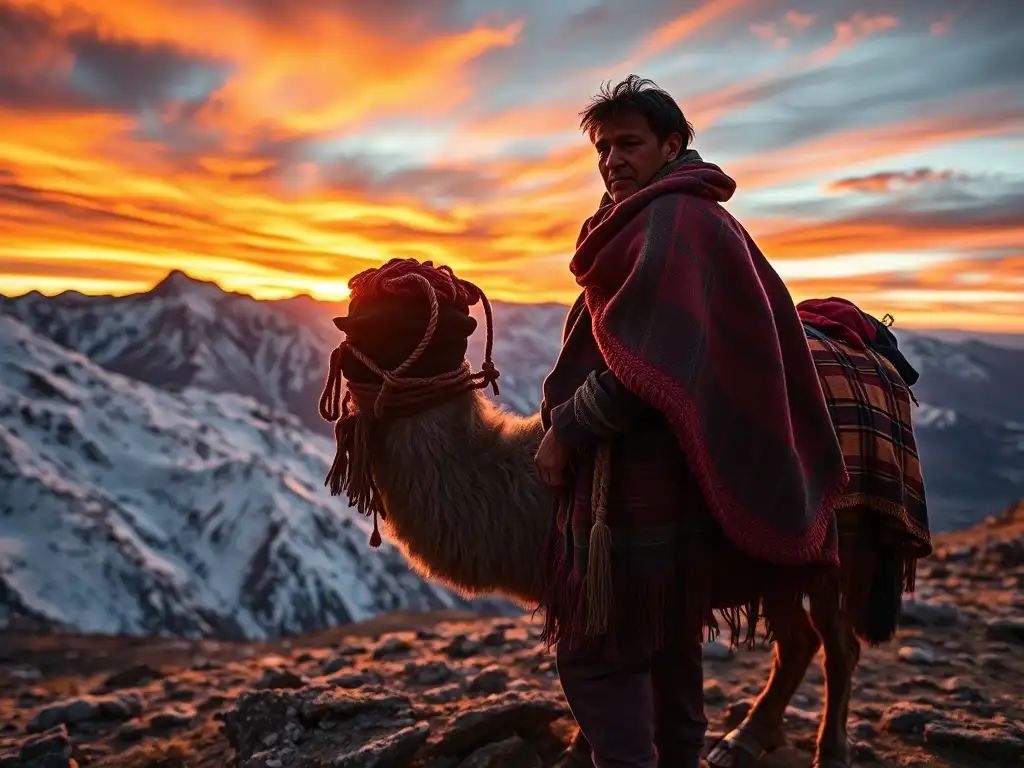
This section delves into the sophisticated communication networks employed by Andean civilizations, focusing on the methods and strategies used by their messengers. Understanding these systems provides crucial insight into the administrative capabilities and social organization of these remarkable societies. We will explore the role of the chasqui, the rigorous training involved, and the ingenious use of quipus in relaying vital information across vast distances. The effectiveness of these Andean messenger communication methods was critical to the success and longevity of empires like the Inca.
The Chasqui as a Vital Link in the Inca Empire
The Inca Empire, renowned for its vast territorial expanse, relied heavily on a highly organized relay system facilitated by chasquis, specialized runners. These messengers weren't simply individuals carrying messages; they were integral components of a complex logistical network that connected the far-flung corners of the empire. The Inca road system, a feat of engineering in itself, provided the infrastructure for this rapid communication. Strategically placed tambos, or waystations, offered rest and supplies to the chasquis, ensuring they could maintain a consistent pace and cover impressive distances.
Estimates suggest that a message could travel hundreds of kilometers in a single day thanks to this relay system. One chasqui would run a certain leg of the journey, handing the message off to another runner at a tambo, creating a continuous chain of communication. This efficiency allowed for swift dissemination of information concerning everything from military movements and tax collection to agricultural yields and royal decrees.
The chasquis weren't just runners; they were vital cogs in the machinery of the Inca state, their speed and reliability ensuring the smooth functioning of the empire. Their role transcended simple message delivery; they were active participants in maintaining social order and control across the Inca territories.
Training and Selection of Andean Messengers
Becoming a chasqui wasn't a matter of simply signing up; it demanded rigorous physical and mental preparation. The selection process was stringent, favoring individuals with exceptional stamina, speed, and endurance. Candidates underwent intense training regimens, focusing on running techniques, physical conditioning, and memorization skills. They were taught to navigate the challenging Andean terrain, recognizing landmarks and adjusting their pace to weather conditions. Furthermore, they received training in recognizing and responding to emergency situations.
Beyond physical prowess, chasquis were also trained in memory techniques and message encoding. In the absence of a written alphabet in the traditional sense, the ability to memorize and accurately relay complex messages was paramount. This involved sophisticated mnemonic devices and potentially specialized training in understanding and interpreting visual cues incorporated into the messages. The importance of accuracy and speed was paramount, as miscommunication could have serious consequences for the empire. The rigorous selection and training ensured that only the most capable individuals served as chasquis, highlighting the value placed upon this critical role within Inca society.
The Use of Quipus in Message Transmission
While the chasquis formed the backbone of the Inca communication system, the quipus provided the technological support. These intricate knotted cords, often made from different colored threads, represented a complex system of data recording and storage. Though the exact method of interpreting quipus remains a subject of ongoing scholarly debate, it's clear they served as a means of recording numerical data, such as census information, agricultural yields, and tax records. However, it is increasingly accepted that quipus also represented a form of advanced record-keeping that extended beyond simple numbers.
Evidence suggests that different knot types, colors, and cord arrangements could represent information beyond numerical values. This indicates a degree of sophistication that possibly included the transmission of complex messages, though the precise methods of encoding and decoding remain to be fully deciphered. The quipus acted as a portable database, allowing messengers to carry significant amounts of information efficiently.
By combining the speed of the chasquis with the information-carrying capacity of the quipus, the Inca Empire created a remarkably effective communication system that supported the effective governance of its vast territory. Further research on quipus deciphering is crucial to fully understanding the extent and complexity of Andean messenger communication methods.
Oral Communication and Memorization Skills of Chasquis

The chasquis, the famed runners of the Inca Empire, were not simply swift-footed messengers; they were living repositories of information, masters of oral communication and extraordinary memorization. Their effectiveness relied heavily on sophisticated techniques honed over generations. Training involved rigorous memorization exercises, often using mnemonic devices like songs, poems, and rhythmic chants to encode crucial messages. These weren't simple errands; chasquis carried vital political decrees, military orders, and agricultural reports across vast distances, sometimes traversing treacherous mountain passes and unforgiving terrain. The accuracy of their delivery was paramount, and failure could have severe consequences.
Imagine the pressure: a chasqui, perhaps barely out of his teens, entrusted with a message that could determine the fate of an entire province. He couldn't simply jot down notes; his memory was the technology. Therefore, the Inca system invested heavily in developing exceptional memorization techniques.
This involved not just rote learning but also a deep understanding of the context of the message. The chasqui needed to grasp the nuances of the information, so he could adapt his delivery if necessary, ensuring the message remained clear and effective even after days of travel. This wasn't just about repeating words; it was about conveying meaning.
We can only speculate on the exact methods, but the success of the system itself attests to the effectiveness of their training and innate abilities. The rigorous selection process ensured only the most capable and reliable individuals were chosen for this crucial role, highlighting the importance placed on communication within the Inca society. The chasquis weren't just runners; they were essential components of the intricate network that held the empire together.
The effectiveness of the oral communication system was further enhanced by the use of quipus. While not directly used by the chasquis for carrying messages during their runs, quipus – knotted cords used for record-keeping – played an important role in preparing and confirming the messages. The information might be initially recorded on a quipu before being committed to memory by the chasqui.
Upon arrival, the message would then be transcribed back onto a quipu, providing a written record for official purposes. This combination of oral transmission and written record-keeping ensured both speed and accuracy in communication. The remarkable ability of the chasquis to memorize and transmit complex information accurately highlights the sophisticated communication strategies employed by the Inca civilization.
Symbolic Communication Through Visual Signals
Beyond the spoken word, the Andean civilizations utilized a sophisticated system of visual communication, particularly in regions where the rugged terrain and sheer distances made oral communication challenging or impractical. These visual signals, often involving strategically placed landmarks, fires, and smoke signals, formed a vital part of the broader communication network. The meanings were not arbitrary; they were deeply embedded within the cultural context, often relying on shared understanding and established conventions.
For example, different types of smoke signals, varying in color and intensity, could convey different levels of urgency or specific types of information. The use of flags or banners with distinct colors and symbols added another layer of complexity to these visual messages.
The placement of signal fires, carefully chosen for visibility across valleys or mountain ranges, was itself a form of coded communication. The location of the fire could convey information, as could the timing of its ignition and extinction. This system required a deep understanding of geography and a shared knowledge of the signal system's conventions.
This is exemplified by the Inca's use of strategically placed watchtowers along major routes to enhance the efficiency of their visual communication system. These towers provided vantage points for spotting messengers and relaying signals, ensuring rapid transmission of news across vast distances. The effectiveness of visual signals in the Andes relied heavily on the observer’s ability to interpret the signals correctly, highlighting the importance of shared cultural knowledge and training within the communication networks.
This system wasn't merely a backup to oral communication; it was a crucial, complementary method tailored to the particular challenges of the Andean landscape. The careful design and implementation of these visual communication systems underscore the ingenuity and adaptability of Andean societies in overcoming geographical obstacles. The integration of visual and oral communication techniques showcases the complex and effective communication strategies employed to maintain a cohesive and functioning society across diverse and challenging terrains.
Transportation and Infrastructure Supporting Andean Messengers
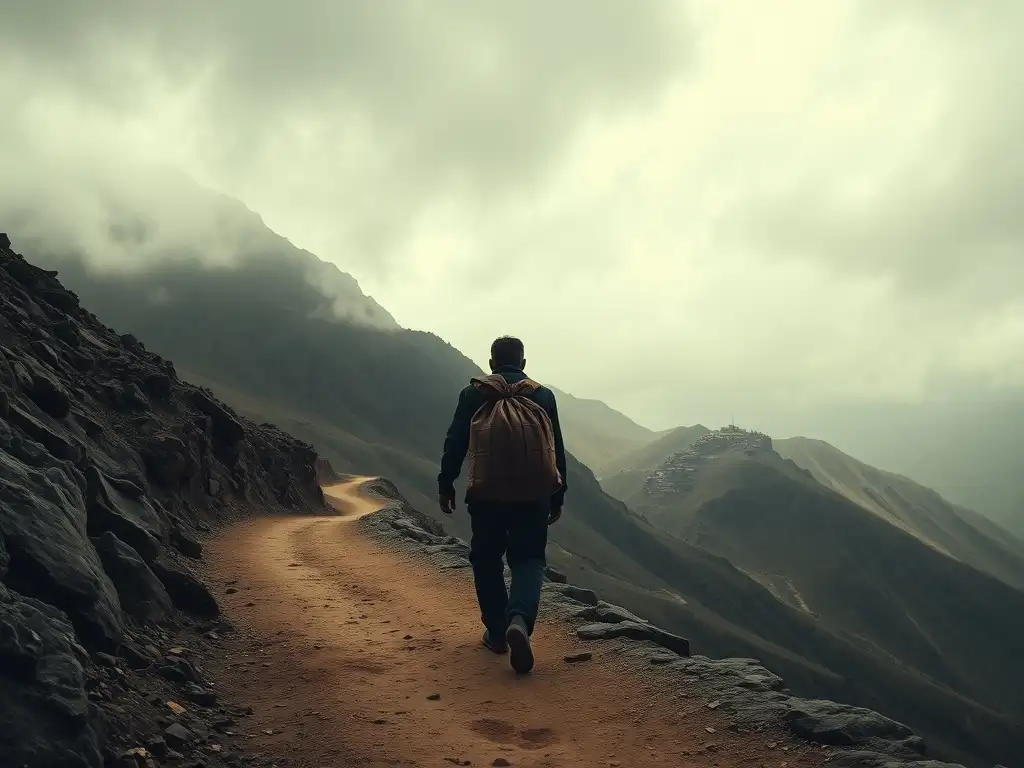
The efficiency of Andean communication systems relied heavily on a sophisticated network of transportation routes and infrastructure. Understanding how messengers moved across the vast and challenging Andean terrain is key to appreciating the ingenuity of these ancient societies. The speed and reliability of message delivery were critical for maintaining political control, coordinating economic activities, and responding effectively to emergencies. This section will delve into the infrastructure that supported the Andean messenger, examining the logistical feats required for such an expansive communication network.
The effectiveness of the system depended not only on the messengers themselves but also on the quality of the roads, the availability of relay stations, and the overall organizational capabilities of the empires. Analysis of these components reveals a complex and well-organized system designed for rapid communication across diverse and demanding landscapes. The keyword "Andean messenger communication methods" is intrinsically linked to the effectiveness of this infrastructure.
The Inca Road System: A Network for Rapid Communication
The Inca road system, Qhapaq Ñan, is arguably the most remarkable feat of Andean engineering dedicated to communication and transportation. This extensive network of roads, spanning thousands of miles across the Andes Mountains, wasn't merely a collection of paths; it was a strategically planned system designed for rapid communication and efficient movement of goods and people. The roads were meticulously constructed, utilizing sophisticated techniques to overcome the challenges of steep inclines, rugged terrain, and varying altitudes. Sections of the road were paved with stone, while others were carefully graded and maintained.
The Inca's mastery of stonework is evident in the durable and well-preserved sections of the Qhapaq Ñan that still exist today. The system was not just about the roads themselves; it incorporated a network of tambos, or relay stations, strategically placed along the routes to provide shelter, food, and rest for messengers and travelers. This spacing allowed for efficient shifts, ensuring the rapid relay of messages across vast distances.
The frequency of these tambos varied depending on the terrain and the importance of the route. For instance, more tambos were located in areas with challenging terrain, ensuring messengers could rest and replenish supplies before continuing their journey. This systematic approach to infrastructure development significantly contributed to the effectiveness of Andean messenger communication methods.
Challenges of Transportation in the Andean Terrain
The Andes present significant geographical challenges to transportation and communication. The rugged, mountainous terrain, characterized by steep inclines, deep valleys, and unpredictable weather patterns, posed significant obstacles to the movement of people and goods. High altitudes led to reduced oxygen levels, impacting the endurance of messengers. The unpredictable weather, including sudden storms and snowfalls, could easily disrupt travel and communication.
Rivers, often swollen and treacherous, required the construction of bridges and alternative routes. These challenges required innovative solutions from the Andean civilizations. The Inca, for example, employed sophisticated engineering techniques to overcome these obstacles, including the construction of suspension bridges, carefully graded roads, and strategically located tunnels.
The construction of these routes demonstrates a profound understanding of engineering principles and an impressive ability to adapt to the challenging environment. Overcoming these challenges was crucial to ensuring the reliable transmission of messages, highlighting the resilience and resourcefulness of the Andean communication system. The successful navigation of these challenges is a testament to the effectiveness of the Andean messenger communication methods.
Tools and Equipment of the Andean Messenger
Andean messengers were not simply runners; they were skilled individuals equipped with tools and techniques optimized for their arduous task. While the exact details vary across different Andean cultures, some common tools and equipment included: chumpi (a knotted string used for recording messages), lightweight clothing adapted to the varying climates, sturdy sandals or boots suited to the terrain, and possibly basic survival tools like knives and containers for water and food. The chumpi played a crucial role in Andean communication, allowing messengers to transmit information efficiently without the need for written language.
Each knot and its position on the string represented a specific symbol or idea, creating a complex system of coded messages. The weight of the messenger's equipment was a critical consideration; the need to travel long distances and often at high altitudes required minimal weight. The clothing, footwear, and other items were carefully selected to maximize comfort and efficiency.
The tools and equipment used by Andean messengers reflect their adaptability and the ingenuity they employed to overcome the logistical challenges associated with long-distance communication in a challenging environment. The efficiency of these tools is directly related to the effectiveness of Andean messenger communication methods.
Relay Systems and Efficient Message Delivery
The success of the Andean communication network hinged heavily on sophisticated relay systems. These weren't simply a matter of one person carrying a message from point A to point B. Instead, a complex network of strategically placed relay stations, often located at intervals of a day's travel, facilitated rapid message transmission across vast distances. Imagine a chain of runners, each responsible for a specific leg of the journey.
Upon reaching their designated station, a fresh runner would take over, ensuring the message continued its journey without significant delay. This system, meticulously planned and executed, allowed for incredibly fast communication considering the challenging Andean terrain. The speed of delivery was crucial for matters of state, military movements, and even coordinating agricultural activities across different regions. The system's efficiency was not only a testament to the logistical prowess of the Andean civilizations, but also a key factor in maintaining control and stability across their sprawling empires.
The placement of these stations wasn't arbitrary; they were carefully chosen to optimize travel time and minimize exposure to harsh weather conditions and potential dangers. Detailed records, likely kept using quipu (knotted string records), would have documented the locations of these stations and the routes messengers followed, ensuring the smooth functioning of this vital communication network. The effectiveness of this relay system is a striking example of how the Andean people adapted their communication methods to overcome geographical challenges.
The organization and management of these relay systems required a significant level of administrative expertise. We can infer from surviving records and archaeological evidence that specialized officials were responsible for overseeing the network, recruiting and training messengers, maintaining the relay stations, and ensuring the timely delivery of messages. These individuals likely held positions of considerable authority, reflecting the importance of communication within the Andean societal structure.
Their responsibilities extended beyond mere logistics; they also played a critical role in ensuring the security and integrity of the messages they conveyed. The system likely incorporated mechanisms to prevent unauthorized access or tampering with messages, though the exact methods remain a subject of ongoing research. However, the sheer scale and effectiveness of the relay system suggest a robust and well-organized administrative structure underpinning it.
The precision of the system speaks to the advanced level of planning and coordination present within Andean societies, highlighting their ability to manage complex logistical challenges. This level of organization is often overlooked when considering the achievements of these ancient civilizations.
The Daily Routine of an Andean Messenger
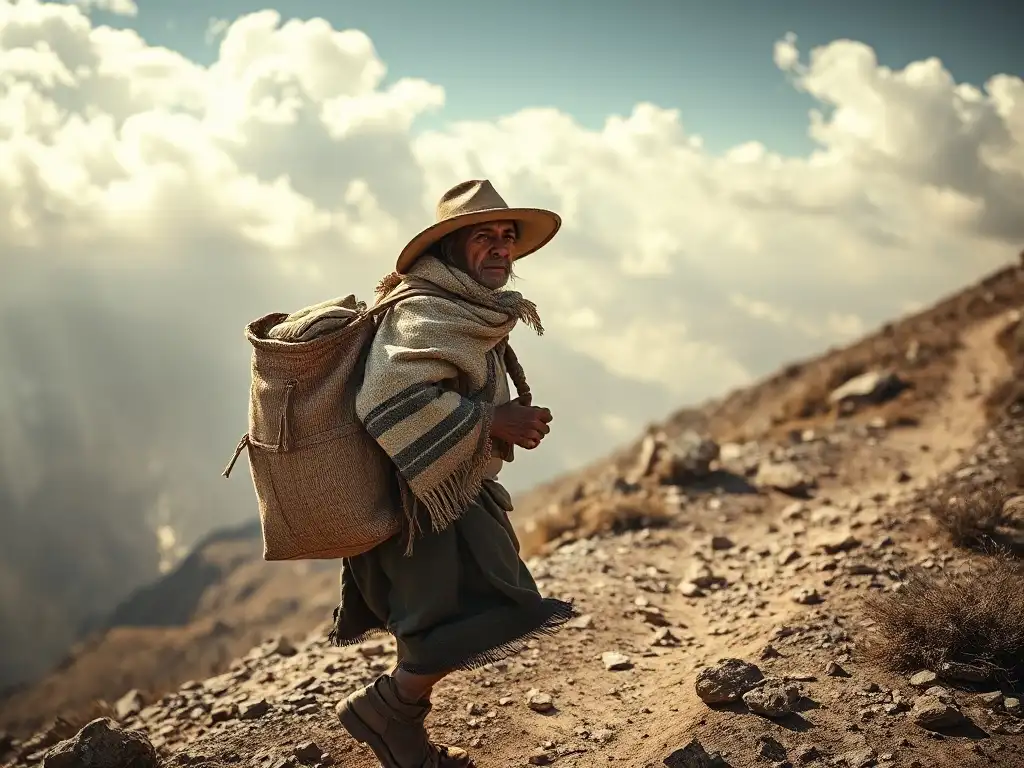
The life of an Andean messenger, a vital cog in the intricate machinery of ancient Andean societies, was far from leisurely. Their role transcended simple errand-running; they were the lifeblood of communication, carrying crucial information across vast and challenging terrains. Understanding their daily routine provides invaluable insight into the logistical prowess and societal organization of these impressive civilizations.
This section delves into the multifaceted aspects of their work, focusing on the preparation, execution, and challenges inherent in their demanding profession. The effectiveness of their communication methods, crucial for the functioning of the Andean empires, depended heavily on well-established routines and advanced logistical planning. The term "Andean messenger communication methods" itself encapsulates the sophistication of their systems.
Preparing for a Journey: Gathering Information
Before embarking on a journey, an Andean messenger's preparation was meticulous. This wasn't simply about packing supplies; it involved a thorough understanding of the message's content and the route's specifics. Messages, often encoded using quipus (complex knotted strings), needed careful interpretation and memorization. Depending on the urgency and importance of the message, the messenger might receive detailed instructions, maps (likely drawn in the sand or on readily available materials), and even a small escort for particularly dangerous routes.
Consider the responsibility: a single error could have significant consequences for the entire empire. The messengers weren't simply couriers; they were vital information conduits. Their training encompassed not only memorization and route familiarity but also basic survival skills and potentially some rudimentary first aid. Specific details regarding the initial training regimen of messengers remain elusive, requiring further research, but archaeological evidence suggests a robust and rigorous process.
Navigating the formidable Andean landscape presented a unique set of challenges. Messengers relied on a sophisticated understanding of the terrain, using natural landmarks, celestial navigation (sun, stars, moon), and possibly even rudimentary surveying techniques to guide their way. Their routes likely followed established paths, often utilizing existing Inca roads – the Qhapaq Ñan – a marvel of engineering that facilitated communication and trade across the empire. The physical demands were immense, requiring stamina, endurance, and a deep knowledge of the environment.
They needed to adapt to varying altitudes, extreme weather conditions (from scorching sun to freezing nights), and treacherous terrains. Their journeys weren't just about speed; they were about careful planning and risk mitigation. The routes themselves, often traversing mountain passes, valleys, and rivers, were carefully selected to minimize danger and maximize efficiency. The efficiency of these routes underscores the advanced understanding of logistics within Andean societies.
Overcoming Obstacles and Ensuring Safe Passage
The Andean messengers faced a myriad of obstacles: wild animals, treacherous weather, and even potential threats from rival groups or bandits. To overcome these challenges, they employed a variety of strategies. They likely traveled in groups, especially for long distances or high-risk routes, offering mutual support and protection. They carried essential supplies, including food, water, and basic tools for survival.
They also possessed a deep understanding of the local flora and fauna, knowing which plants to use for medicinal purposes or which animals to avoid. Evidence of relay systems, where messages were passed from one messenger to another at strategically located stations, further emphasizes the sophistication of the communication network. This system ensured the swift and reliable transmission of information across the vast Andean territories.
The ability to anticipate and overcome obstacles was as crucial to the success of their mission as their navigational skills. The resilience and adaptability of these messengers are a testament to the human spirit and the power of organization in the face of adversity. Understanding their methods provides a fascinating glimpse into the ingenuity and resourcefulness of ancient Andean civilizations, enhancing our appreciation for the complexities of their communication and transportation systems.
Delivering Messages and Receiving New Instructions
The life of an Andean messenger wasn't simply about carrying a message from point A to point B. It was a complex interplay of careful planning, physical endurance, and shrewd observation. Once a message was entrusted to a chasqui, their journey began, often traversing treacherous mountain passes, dense jungles, or arid deserts.
The speed and efficiency of the system depended on a well-established network of relay stations, strategically located along the Qhapaq Ñan, the vast Inca road system. These stations, often small settlements or waypoints, provided essential rest stops, allowing the chasquis to replenish their supplies of food and water, and to exchange information with other messengers.
The messages themselves weren't always simple notes. They could be quipus, intricate knotted cords used to record numerical data and potentially even narratives. These required specialized knowledge to both create and interpret. Other messages might be delivered orally, relying on the messenger's memory and ability to recount information accurately. This method, while seemingly less reliable, fostered a strong oral tradition and emphasized the importance of memorization within Andean society. The chasquis were not merely couriers; they were living repositories of information, contributing significantly to the communication network's resilience.
Upon arrival at their destination, the chasqui's duty wasn't over. They were expected to deliver the message efficiently and accurately, often to high-ranking officials or religious leaders. Following the delivery, they would await new instructions or messages for their return journey.
This waiting period could be short or extended depending on the urgency of the matter. The system was remarkably efficient, ensuring that information flowed rapidly across the vast Andean empire. The chasqui's role in this system extended beyond simple delivery; they served as vital links in a chain of communication, and their knowledge and ability to adapt to diverse environments were crucial to the empire's success.
They were essential cogs in the machine of imperial administration, responsible for everything from tax collection updates to military strategy. The speed with which information traveled along the Qhapaq Ñan thanks to these messengers significantly impacted the Incas' ability to govern and defend their empire. The system's effectiveness underscores the sophisticated organizational capacity of the Inca state.
The Impact of Andean Messenger Communication
The sophisticated communication networks of the Andes profoundly shaped the daily lives of its inhabitants, influencing everything from political stability to economic prosperity. Understanding the methods employed by Andean messengers – a crucial element of Andean messenger communication methods – is key to grasping the intricacies of these ancient societies. Their impact extended far beyond simple message delivery; it formed the very bedrock of social, political, and economic structures. The speed and reliability of these systems allowed for efficient governance across vast, challenging terrains.
Maintaining Political Control and Unity
The vast Andean empires, like the Inca, relied heavily on their messenger system to maintain political control and unity across their expansive territories. These messengers, known as chasquis, formed a highly organized relay system, strategically positioned along well-maintained roads (the Qhapaq Ñan). Their swift delivery of messages ensured that the emperor’s decrees were disseminated effectively, minimizing the risk of rebellion or internal conflict.
The system wasn’t merely about transmitting orders; it also facilitated the rapid collection of taxes, tributes, and essential resources. For example, the timely arrival of grain supplies from surplus regions to areas facing famine was paramount to societal stability, directly prevented by the efficient communication system.
This rapid response mechanism prevented localized problems from escalating into major crises, demonstrating the crucial role of Andean messenger communication methods in maintaining imperial cohesion. The chasquis weren't simply couriers; they were vital components of the imperial machine, ensuring the uninterrupted flow of information necessary for governance.
Facilitating Trade and Economic Activity
Beyond political control, Andean messenger communication methods played a vital role in stimulating trade and economic activity throughout the region. Merchants relied on messengers to establish connections with distant markets, negotiate prices, and arrange for the transportation of goods. The timely delivery of market information allowed for efficient allocation of resources and prevented imbalances in supply and demand.
This system wasn't limited to large-scale transactions; it also facilitated smaller-scale barter and exchange within local communities. Messengers provided crucial updates on crop yields, livestock availability, and other economic indicators, enabling farmers and traders to make informed decisions. The swift transmission of information ensured the smooth flow of goods and services, contributing significantly to the economic dynamism of the Andean region.
Accurate, timely information about market fluctuations helped minimize losses and maximize profits, underscoring the economic importance of these communication networks. Think of the impact of knowing a drought was affecting a distant region – the ability to adjust trading strategies accordingly was a direct result of the effective Andean messenger communication methods.
The Importance of Speed and Accuracy in Communication
The effectiveness of the Andean messenger system hinged on speed and accuracy. The chasquis were strategically placed along the Qhapaq Ñan, enabling them to relay messages with remarkable efficiency. The system’s success depended on meticulously planned relay stations, where fresh runners took over, ensuring uninterrupted transmission.
This relay system, combined with the use of standardized communication methods (potentially including coded messages or knotted strings – quipus), guaranteed that messages arrived swiftly and accurately. Consider the logistical challenge: transmitting urgent news across hundreds of miles of mountainous terrain. The fact that these messages arrived with a high degree of accuracy highlights the sophistication of the Andean communication system.
The consequences of inaccurate or delayed messages could be severe, ranging from logistical failures to political instability. The emphasis on speed and accuracy thus reflects the advanced understanding of communication's importance in the Andean world, making the efficiency of Andean messenger communication methods a fascinating case study in effective ancient communication. The system’s reliability underscores the importance placed on efficient information transfer within these complex societies.
Legacy of the Andean Messenger System
The sophisticated communication network established by the Andean civilizations, particularly the Inca, left a lasting legacy that continues to resonate even today. Their system of chasquis, runners who relayed messages across vast distances, represents a remarkable feat of logistical organization and human endurance. The efficiency of this system allowed for rapid dissemination of information crucial for governance, trade, and military operations, contributing significantly to the Inca Empire's success and longevity.
The impact wasn't solely limited to the Inca; the sophisticated communication strategies employed by earlier Andean cultures, such as the use of quipus for record-keeping and potentially coded messages, paved the way for the Inca's advanced system. The inherent adaptability of the chasqui system—capable of adjusting to diverse terrains and weather conditions—highlights the ingenuity of its design.
This adaptability ensured the resilience of communication even in challenging circumstances. We see echoes of this in modern communication networks that similarly prioritize adaptability and redundancy to guarantee reliable information flow.
The legacy of the Andean messenger system transcends its practical applications. It serves as a powerful testament to human ingenuity and organizational capacity in pre-Columbian societies. The stories of the chasquis—their dedication, speed, and endurance—have become ingrained in Andean folklore, shaping cultural narratives and inspiring artistic expression.
This enduring cultural impact is evident in contemporary artistic representations, historical accounts, and even tourism initiatives that commemorate the role of these messengers in shaping Andean history. Understanding this legacy helps us appreciate the sophisticated societal structures and organizational skills possessed by these ancient civilizations, challenging Eurocentric narratives that often underestimate the advancements of pre-Columbian societies.
Furthermore, the study of Andean communication methods offers valuable insights for modern researchers working on network optimization and information dissemination strategies in challenging environments. The principles of relay systems, strategic placement of communication hubs, and the importance of human resource management are all relevant lessons learned from the Andean experience.
The enduring impact of the Andean messenger system is also reflected in its influence on subsequent communication technologies. While the chasqui system eventually gave way to new technologies, the underlying principles of rapid information transmission and network organization remained relevant. The system's efficiency and resilience offer valuable lessons for contemporary communication strategies, especially in remote or geographically challenging areas.
Studying the Andean model allows us to explore alternative approaches to information dissemination and to appreciate the ingenuity of pre-modern communication solutions. In essence, the legacy of the Andean messenger system is not just a historical artifact but a living testament to human ingenuity and a valuable resource for contemporary researchers and engineers. The enduring legacy of the Andean messengers reminds us that efficient communication is fundamental to the success and stability of any society, regardless of its technological advancement.
Frequently Asked Questions
How did the Andean civilizations communicate over long distances?
The Andean civilizations relied on a sophisticated system of relay runners known as chasquis. These runners passed messages along a vast network of roads, enabling rapid communication across their empires.
What were the most important messages conveyed by the chasquis?
Messages varied, including governmental decrees, military orders, and news of events. They also carried census data and information about agricultural yields.
What types of technology aided Andean messenger communication?
The extensive road network itself was crucial. Relay stations (tambos) provided food, shelter, and fresh runners. Specialized knots (quipus) may have aided in recording and transmitting numerical data.
How fast could messages be transmitted across the Andes?
The speed depended on the distance, but messages could travel hundreds of miles in a single day. The relay system ensured continuous transmission with minimal delay.
What challenges did Andean messengers face?
Chasquis faced difficult terrain, harsh weather conditions, and the potential dangers of banditry or natural disasters. Their endurance and dedication were essential to the system's success.
Final Reflection: Echoes Across the Andes: A Legacy of Communication
The ancient communication networks of the Andes, once vital lifelines across treacherous terrain, continue to resonate in our hyper-connected world. Their ingenuity and resilience offer a powerful counterpoint to our instantaneous digital age, reminding us of the enduring human need to connect and share stories across vast distances. The methods employed, from chasquis to intricate knot systems, highlight the remarkable adaptability and resourcefulness of Andean cultures.
The enduring impact of these communication systems extends far beyond their historical context. They represent a profound understanding of human ingenuity and the power of community in overcoming geographical challenges. The dedication and skill of the messengers themselves, often overlooked in historical accounts, deserve our utmost respect. The mountains themselves became the pathways of communication, a testament to the human spirit's ability to overcome obstacles.
This quote, though fictional, encapsulates the spirit of perseverance and ingenuity that characterized Andean communication.
Consider, for a moment, the sheer dedication required to traverse the Andes on foot, carrying vital messages. Reflect on the intricate knowledge of the terrain, the resilience in the face of hardship, and the unwavering commitment to connecting communities. You, too, possess the power to connect with others, to bridge gaps, and to share your own unique story. Let the legacy of the Andean messengers inspire you to find creative and meaningful ways to communicate, to build bridges, and to foster understanding in your own life, no matter the distance.
Embrace the Spirit of the Andes: Take Action Today!
Thank you for exploring the fascinating world of Andean messengers! We hope you gained valuable insights into their vital role in communication and transportation throughout history. Now, it’s time to embark on your own journey, inspired by their legacy. Here are some ways you can connect with the spirit of the Andes:
- Start a conversation about the importance of communication in your community and reflect on how it has changed over time. Share your thoughts with friends, family, or online.
- Join a local hiking group and experience the breathtaking landscapes these messengers once traversed. Imagine their journeys as you explore the trails.
- Volunteer with a community organization focused on improving communication, such as a literacy program, a youth mentorship project, or a community radio station.
How can we build upon the ingenuity and dedication of Andean messengers to foster stronger communication and connection in our modern world? What new approaches can we embrace?