
Feasts and Rituals: Social Gatherings and Displays of Power

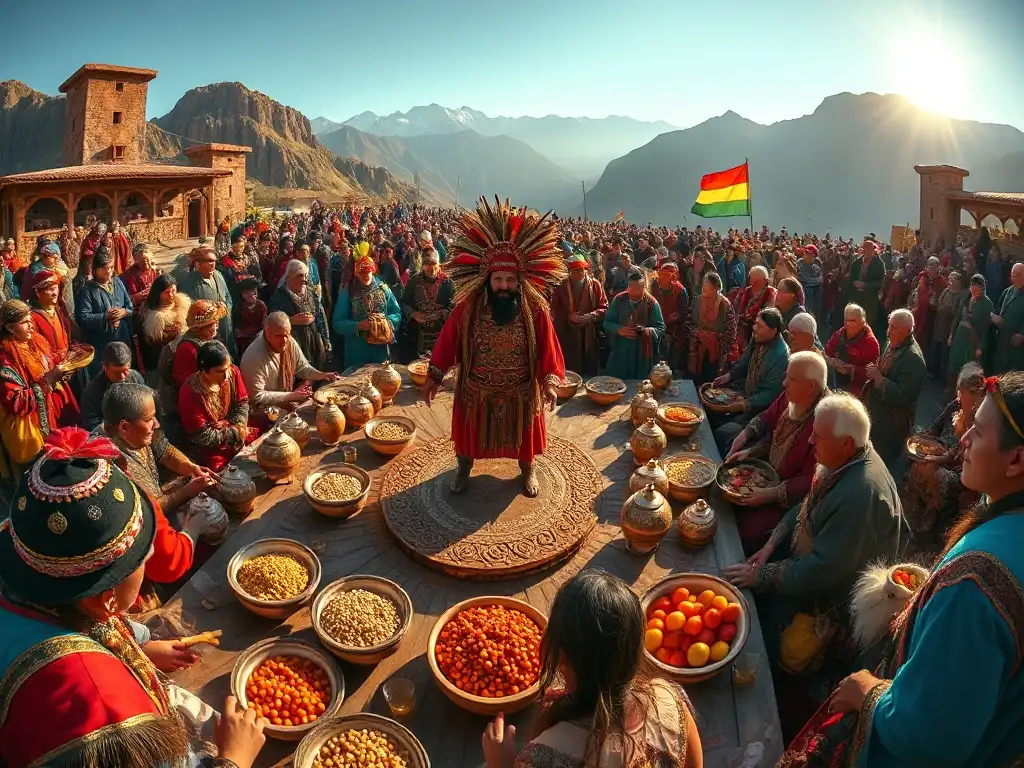
Step into a world lost to time, yet echoing with vibrant life. Imagine the breathtaking spectacle of Andean civilization feasts and rituals, where elaborate ceremonies intertwined with daily life, shaping the very fabric of society. From the towering heights of the Andes to the fertile coastal plains, uncover the secrets of these ancient gatherings—powerful displays of social structure and spiritual devotion. Dive in and discover the captivating stories behind the rituals that defined these incredible civilizations. What hidden meanings lie within their feasts? The answers await...
- Andean Civilization Feasts and Rituals: Social Gatherings and Displays of Power
-
Frequently Asked Questions
- What role did feasts play in Andean civilizations?
- How did Andean rituals differ between different cultures?
- What types of offerings were common in Andean rituals?
- How did feasts and rituals reflect the social structure of Andean societies?
- What evidence exists to support our understanding of Andean feasts and rituals?
- Final Reflection: Echoes of the Andes: Power, Community, and the Enduring Legacy of Feasting
- Unveil the Rich Tapestry of Andean Culture!
The vibrant tapestry of Andean civilizations—including the Incas, Moche, Nazca, and Tiahuanaco—was intricately woven with threads of elaborate feasts and rituals. These weren't mere social gatherings; they were powerful expressions of social hierarchy, religious beliefs, and political control. This article delves into the multifaceted role of feasts and rituals in Andean societies, exploring how these events served as both crucial social bonding experiences and impressive displays of power by the elite.
We will examine the significance of food, drink, ritual objects, and the very structure of these events in understanding the complex social dynamics of these remarkable ancient cultures. Understanding Andean feasts and rituals provides invaluable insight into their social structures, religious practices, and the ways in which power was negotiated and maintained. By exploring these aspects, we aim to illuminate the intricate relationship between social gatherings and the display of power within Andean civilization.
This exploration will uncover the rich symbolism embedded within these events, revealing much about the beliefs and values of the people who participated in them. Prepare to be transported to a world where feasting was far more than just a meal; it was a performance of identity, status, and the very fabric of Andean society.
The Significance of Feasts in Andean Societies
Ritual Celebrations and Community Bonding in the Andes
Feasts in Andean societies were far more than opportunities for communal dining; they were deeply embedded within the spiritual and social fabric of life. These events served as crucial mechanisms for strengthening community bonds, fostering social cohesion, and reinforcing shared identities. Many festivals were tied to the agricultural cycle, celebrating harvests and ensuring the continued fertility of the land. These celebrations often involved music, dance, and elaborate costumes, creating a vibrant and immersive experience that brought the community together.
The shared experience of preparing and consuming food, often involving communal efforts, further solidified these social connections. Specific examples from archaeological findings, such as the remains of communal feasting areas and the discovery of large quantities of food remains, provide strong evidence for the importance of these collective events. The vibrant energy and communal spirit surrounding these celebrations underscore their significance in maintaining social harmony and reinforcing group identity. 🎉
Feasts as Expressions of Andean Social Hierarchy
While feasts promoted community unity, they also served as powerful displays of social hierarchy. The type and quantity of food served, the location of the feast, and the participation of different social groups all reflected the existing power structures. Elite members of society often hosted lavish feasts showcasing their wealth and status. These events were carefully orchestrated to demonstrate their power and influence, reinforcing their position within the social order.
The distribution of food and drink, for example, was not equitable; the elite received the most desirable items, reflecting their privileged position. Archaeological evidence, such as the discovery of elaborate burial sites containing rich food offerings, supports this interpretation, showing that feasting was directly linked to status and prestige. The meticulous organization and symbolism inherent in these feasts reveal the intricate interplay between social hierarchy and ritual practices.
The Role of Food and Drink in Andean Ceremonies
Food and drink were not simply sustenance in Andean ceremonies; they held profound symbolic meaning. Specific foods, such as maize, potatoes, and coca leaves, were associated with particular deities and held ritual significance. The preparation and consumption of these foods were integral parts of the ceremonies, enhancing their sacred nature. The brewing of chicha, a fermented beverage made from maize, was particularly important, often forming the centerpiece of many celebrations.
Its production and consumption were imbued with ritualistic significance, often associated with fertility and abundance. The use of specific ingredients and preparation techniques highlights the deep cultural and religious significance of food and drink within Andean rituals. The careful selection and preparation of these items underscore the symbolic importance of food and drink in Andean culture.
Power Dynamics Reflected in Andean Rituals
Public Displays of Power and Authority during Andean Feasts
Andean feasts often served as public displays of power and authority. Rulers and elites used these occasions to demonstrate their control over resources and their ability to command the loyalty of their subjects. Elaborate processions, public speeches, and demonstrations of wealth were common features of these events, designed to reinforce the legitimacy of the ruling elite.
The scale and grandeur of these feasts often mirrored the power and influence of the ruler, underscoring their authority and dominance. Archaeological evidence, including the remains of large-scale ceremonial centers and the discovery of artifacts associated with royal power, supports the idea that feasts were integral to the maintenance of political control. The sheer spectacle of these events served as powerful propaganda, reinforcing the social order and consolidating political power.
The Symbolic Significance of Ritual Objects and Attire
The use of ritual objects and specific attire further reinforced the power dynamics at play during Andean feasts. Elite individuals often wore distinctive clothing and ornaments, signifying their high social standing. Ceremonial objects, such as gold and silver artifacts, were often displayed prominently, underscoring the wealth and power of those who possessed them.
These objects held deep symbolic meaning, frequently representing religious beliefs and the authority of the rulers. The careful selection and display of these items highlight the importance of visual representations in reinforcing social hierarchy and political power. The use of specific colors, materials, and designs further emphasized the symbolic significance of these objects within the broader context of Andean culture.
Control and Distribution of Resources in Andean Festive Events
The control and distribution of resources were central to the power dynamics reflected in Andean festive events. The ability to organize and manage the procurement and distribution of food, drink, and other resources was a key indicator of power and influence. Elites controlled access to these resources, using their distribution to reward loyal subjects and maintain social order.
The unequal distribution of resources during feasts served as a powerful reminder of the existing social hierarchy and the dominance of the ruling elite. Careful analysis of archaeological findings, including the identification of storage facilities and the distribution patterns of food and other goods, can provide insights into the control mechanisms used by elites to maintain their power. The management of resources during these events was a crucial aspect of social control and the maintenance of political stability.
Specific Examples of Andean Feasts and Rituals
Andean civilizations were renowned for their elaborate feasts and rituals, integral aspects of their social structures and belief systems. These events weren't merely social gatherings; they were powerful displays of power, reinforcing social hierarchies and maintaining political stability. The scale and complexity of these ceremonies varied across different cultures and time periods, reflecting the unique characteristics of each society.
From the sun-worshipping Inti Raymi of the Inca to the chilling sacrifices of the Moche, these events offer invaluable insights into the Andean worldview. The meticulous planning and execution of these rituals underscore the importance placed upon them within Andean societies. The sheer effort involved, from the mobilization of resources to the coordination of large numbers of people, demonstrates the significant social and economic investment in these practices.
Inti Raymi: The Festival of the Sun in the Inca Empire
Inti Raymi, the Inca festival of the sun, was the most important religious and social event in the Inca calendar. Held annually during the winter solstice (around June 24th), it was a grand spectacle involving thousands of participants. The festivities included processions, music, dance, and offerings to the sun god, Inti.
The Inca emperor, Sapa Inca, played a central role, performing rituals and sacrifices to ensure the sun's continued benevolence and the prosperity of the empire. The scale of the event was immense, drawing people from across the vast Inca empire. The celebration involved lavish displays of wealth and power, further solidifying the emperor's authority and reinforcing the social hierarchy.
The elaborate preparations and the participation of diverse groups from across the empire showcased the Inca's organizational skills and their ability to mobilize resources on a grand scale. The event served as a powerful symbol of Inca identity and imperial power.
Moche Sacrifice Ceremony at Huaca de la Luna
The Moche civilization, known for its sophisticated art and complex social structure, practiced human sacrifice as part of their religious rituals. Archaeological excavations at Huaca de la Luna, a massive adobe pyramid complex, have revealed evidence of elaborate sacrificial ceremonies. These ceremonies often involved the sacrifice of both men and women, sometimes adorned with elaborate jewelry and clothing, suggesting that the victims held significant social standing.
The sacrifices were likely intended to appease the gods, ensure good harvests, and maintain the cosmic order. The brutal nature of these sacrifices underscores the power and authority of the Moche elite, who controlled the rituals and wielded significant influence over the lives of their people.
The meticulous preservation of the sacrificed individuals and the artistic depictions of these events in Moche pottery reflect the significance of these rituals within their culture. The scale and detail of these findings provide valuable insights into the Moche's religious beliefs and social structure.
Nazca Line Ceremonies and Rituals
The Nazca culture, famous for the enigmatic Nazca Lines, also engaged in elaborate rituals. While the exact nature of these ceremonies remains a subject of ongoing research and debate, the lines themselves are widely believed to have served a ritualistic purpose. Some theories suggest that the lines were used for astronomical observations, while others propose that they were pathways for processions or pilgrimage routes associated with religious festivals. The scale of the lines, their precision, and the effort required to create them suggest a highly organized society capable of mobilizing significant resources for ritualistic purposes. Furthermore, evidence suggests that these ceremonies might have been connected to water management practices, reflecting the importance of water in the arid Nazca environment. While the specific details remain elusive, the Nazca Lines undoubtedly represent a significant aspect of Nazca religious and social life, showcasing their engineering skills and their deep connection to their environment.
Tiahuanaco's Gateway of the Sun Rituals
The Gateway of the Sun, a monumental stone structure at the Tiwanaku site, is believed to have been the focal point of important religious rituals. The intricate carvings on the gateway depict various deities and symbols, suggesting a complex cosmology and a sophisticated understanding of the cosmos. The Gateway likely played a central role in ceremonies related to the sun, water, and fertility.
The scale and precision of the Gateway's construction speak to the impressive engineering and organizational skills of the Tiwanaku people. Its location within the larger Tiwanaku complex suggests that it was an integral part of a larger ritual landscape, where various ceremonies were performed.
The Gateway’s symbolic significance and its role in large-scale religious gatherings provided a powerful tool for social control and the consolidation of power within the Tiwanaku civilization. The enduring legacy of the Gateway of the Sun testifies to the importance of religious rituals in the Tiwanaku culture.
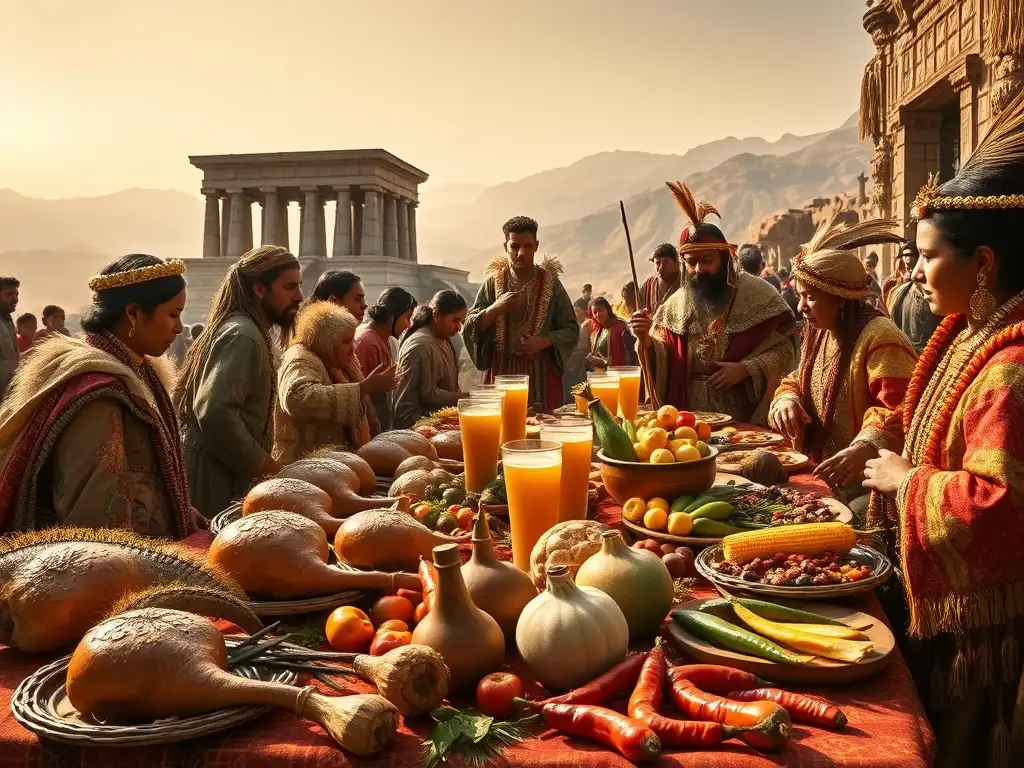
Andean feasts and rituals were not merely religious or social occasions; they served crucial functions in maintaining social order and reinforcing power structures. The elaborate nature of these events, requiring significant resources and coordination, served to reinforce the authority of the ruling elite. The participation of different social groups in these rituals reinforced social norms and obligations, contributing to the stability of Andean societies.
How Rituals Reinforced Social Norms and Obligations
Participation in Andean rituals often involved specific roles and responsibilities, reinforcing social hierarchies and expectations. For example, the Inca's Inti Raymi required the participation of various social groups, each with assigned roles and duties. This collective participation reinforced social cohesion and emphasized the interdependence of different social strata within the Inca empire. The performance of ritual duties, such as offering sacrifices or participating in processions, served to reaffirm social norms and obligations, ensuring social stability. The consequences of failing to fulfill these obligations could be severe, serving as a powerful deterrent against social disruption.
The Use of Feasts to Maintain Political Stability
Large-scale feasts were frequently used by Andean rulers to consolidate their power and maintain political stability. By distributing resources and sponsoring elaborate celebrations, rulers demonstrated their wealth and generosity, fostering loyalty and reinforcing their legitimacy. The lavish feasts served as displays of power, impressing both subjects and potential rivals. These events provided opportunities for the elites to interact with commoners, reinforcing their image as benevolent leaders and strengthening their control over the population. The strategic use of feasts and festivals ensured the rulers' continued power and maintained social harmony.
Religious Beliefs and Their Influence on Andean Ceremonial Practices
Religious beliefs were central to Andean ceremonial practices. The Andean worldview emphasized the interconnectedness of the cosmos, the importance of maintaining a balance between the human and supernatural realms, and the significance of appeasing deities. Rituals were performed to ensure good harvests, protect against disease, and maintain the cosmic order.
The elaborate nature of these ceremonies reflects the deep reverence and respect given to the gods and the importance placed on maintaining a harmonious relationship with the supernatural world. The integration of religious beliefs within the social and political spheres ensured that rituals served not only religious purposes but also played a crucial role in maintaining social order and political stability. The profound influence of religious beliefs on Andean ceremonial practices is evident in the scale, complexity, and significance of these events.
Legacy of Andean Feasts and Rituals in Modern Times
The vibrant tapestry of Andean feasts and rituals continues to weave its way through contemporary Andean life, demonstrating the enduring power of tradition. Many modern celebrations retain elements of their ancient counterparts, showcasing a remarkable continuity across centuries. From the vibrant colors of clothing to the rhythmic beats of traditional music, echoes of ancient practices resonate in the present day. The enduring legacy isn't merely symbolic; it's deeply embedded in social structures, community bonds, and spiritual beliefs.
The persistence of these traditions speaks volumes about the resilience and adaptability of Andean cultures. They are not static relics of the past, but living, breathing expressions of cultural identity, constantly evolving yet fundamentally connected to their ancestral roots. This continuity is a testament to the strength of cultural transmission across generations, a testament to the power of shared history and collective memory.
The Continuity of Andean Traditions in Contemporary Celebrations
Many contemporary Andean festivals directly link to ancient rituals. For example, the Inti Raymi, the Inca festival celebrating the winter solstice, continues to be celebrated annually, albeit with adaptations reflecting modern sensibilities. While the grand scale of the Inca empire's celebrations might be absent, the core elements—the veneration of the sun, the offerings, and the communal gatherings—persist. Similarly, many smaller-scale community celebrations incorporate elements of ancient agricultural rituals, reflecting a deep-seated connection to the land and its bounty.
These celebrations often involve traditional foods, dances, and music, all of which serve as powerful reminders of the past. The continuity isn't just about mimicking ancient practices; it's about reinterpreting and adapting them to fit within the context of modern Andean life while preserving their essence. This adaptive process ensures the traditions remain relevant and meaningful for contemporary communities.
Modern Interpretations of Ancient Andean Rituals
While the core elements of many Andean rituals remain, modern interpretations often reflect changing social and political contexts. For example, some contemporary celebrations incorporate elements of indigenous resistance and reclaiming cultural identity in the face of historical oppression. This is not a simple replication of the past but rather a conscious re-imagining of ancient practices to address modern challenges and aspirations. The incorporation of contemporary art forms, such as Andean-inspired music and visual arts, further demonstrates the dynamic interaction between tradition and modernity.
These reinterpretations are not a betrayal of the past but rather a testament to the adaptability and resilience of Andean cultures in the face of constant change. They showcase the living nature of tradition, constantly evolving while staying rooted in its origins. The vibrant dynamism of these reinterpretations enriches the cultural landscape, ensuring the continued relevance of Andean heritage in the modern world.
The Importance of Preserving Andean Cultural Heritage
Preserving Andean feasts and rituals is crucial for safeguarding a rich and multifaceted cultural heritage. These traditions are not merely historical artifacts; they are living expressions of identity, community, and spiritual connection. Their preservation is essential for maintaining cultural diversity and promoting intercultural understanding.
The loss of these traditions would represent a significant loss for humanity as a whole, diminishing the richness and complexity of our collective cultural heritage. Active efforts to document, study, and promote these traditions are therefore vital. This includes supporting community-led initiatives, fostering educational programs, and ensuring the accessibility of Andean cultural heritage to both local and international audiences.
The preservation of this heritage is not just a matter of historical preservation; it is a crucial step in ensuring the continued vitality and vibrancy of Andean cultures for generations to come. The importance of this work cannot be overstated; it is a matter of safeguarding a unique and invaluable aspect of human civilization. 🥂
Frequently Asked Questions
What role did feasts play in Andean civilizations?
Feasts were crucial for social cohesion and displaying power. They reinforced social hierarchies and celebrated important events like harvests and religious festivals. Elite members often hosted lavish feasts to demonstrate their status.
How did Andean rituals differ between different cultures?
While sharing some common threads, each Andean civilization had unique rituals. The Incas, for example, emphasized sun worship, while the Moche focused on fertility and warfare in their ceremonies. Specific deities and offerings also varied.
What types of offerings were common in Andean rituals?
Offerings varied widely, including food and drink, textiles, gold and silver, and even human sacrifices in some cases. The type of offering depended on the specific ritual and the civilization performing it. The importance of reciprocity with the gods is also key.
Feasts and rituals strongly reflected the hierarchical nature of Andean societies. Elite members controlled the resources and access to feasts, reinforcing their power. Ritual participation and offerings also varied based on social standing.
What evidence exists to support our understanding of Andean feasts and rituals?
Archaeological evidence, such as mummy bundles, ceremonial sites, and depictions on pottery and textiles, provides valuable insights. Ethnohistoric accounts from Spanish chroniclers also offer valuable, albeit sometimes biased, information.
Final Reflection: Echoes of the Andes: Power, Community, and the Enduring Legacy of Feasting
The vibrant tapestry of Andean civilization, woven with threads of intricate rituals and lavish feasts, continues to resonate in the social fabric of modern societies. The power dynamics inherent in these ancient gatherings, the carefully orchestrated displays of status and community cohesion, offer a compelling lens through which to understand not only the past but also the enduring human need for connection and the persistent struggle for social dominance.
The legacy of Andean feasts and rituals is not confined to dusty museum exhibits; it lives on in the ways we celebrate, commemorate, and consolidate power today. The elaborate preparations, the symbolic foods, the carefully choreographed performances – these elements, though adapted and transformed over millennia, still hold a powerful sway over our collective imagination and social interactions. The past is never dead. It's not even past.
– William Faulkner. This quote perfectly encapsulates the enduring influence of these ancient practices, reminding us that understanding our history is crucial to understanding our present.
Consider the ways in which you participate in communal gatherings, from holiday celebrations to corporate events. Reflect on the subtle (and not-so-subtle) displays of power and status that permeate these occasions. How do these modern rituals mirror, or diverge from, the ancient Andean traditions?
By engaging with this question, you can gain a deeper understanding of the complex interplay between social structures, cultural expression, and the enduring human need for both connection and control. Let the echoes of the Andes inspire you to examine your own participation in the ongoing narrative of feasts and rituals, and to consider the power – both positive and negative – that resides within these seemingly simple acts of gathering.
Unveil the Rich Tapestry of Andean Culture!
Thank you for exploring the fascinating world of Andean civilizations with us! We hope you've gained a deeper understanding of how feasts and rituals not only celebrate tradition but also reveal the complex power dynamics within these remarkable societies. Now, let's continue this journey of discovery.
- Delve deeper into Andean traditions by researching a specific feast or ritual that captivated you. Share your findings and insights in the comments below.
- Share your passion by posting this article on your social media and inviting others to discuss the rich cultural heritage of the Andes.
- Engage with Andean culture firsthand by attending local cultural events or visiting museums that showcase these traditions. Experience the beauty and significance of these rituals for yourself!
What aspect of Andean feasts and rituals intrigues you most, and what would you like to learn more about next?