
The Role of Ancestor Veneration in Andean Social Identity

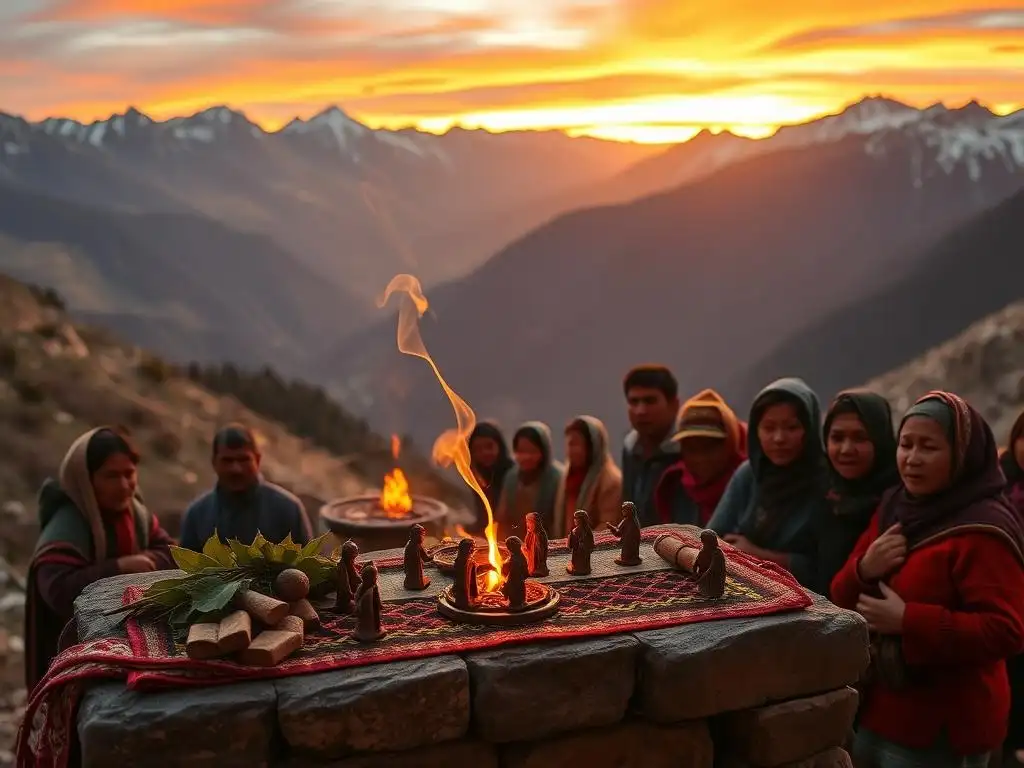
Dive into the enigmatic world of the Andes! Prepare to uncover the secrets behind the breathtaking achievements of ancient civilizations like the Incas and Moche. But what truly shaped their societies and fueled their innovations? The answer lies in the profound impact of Andean ancestor veneration, a practice far more intricate and influential than you might imagine. Journey with us to explore its crucial role in shaping Andean social identity – a story woven into the very fabric of their existence. Unravel the mysteries within...
-
The Profound Role of Andean Ancestor Veneration in Shaping Social Identity
- Understanding Andean Ancestor Worship: A Foundation of Social Order
- The Significance of Ancestral Lineage in Andean Societies
- Practices and Rituals of Andean Ancestor Veneration
- Andean Ancestor Veneration Impact on Social Hierarchy
- Ancestor Veneration in Different Andean Cultures: Variations and Commonalities
- The Spiritual and Cultural Dimensions of Andean Ancestor Reverence
- The Long-Lasting Impact of Andean Ancestor Veneration
-
Frequently Asked Questions
- What is ancestor veneration, and why was it important in Andean societies?
- How did ancestor veneration impact Andean social hierarchy?
- What rituals or practices were associated with Andean ancestor veneration?
- How did ancestor veneration influence Andean art and architecture?
- What was the impact of Spanish colonization on Andean ancestor veneration practices?
- Final Reflection: The Enduring Legacy of Andean Ancestor Veneration
- Uncover Your Ancestral Legacy Today!
Ancestor veneration wasn't merely a religious practice in Andean civilizations; it was the very bedrock of their social structures, profoundly impacting their identity, social hierarchy, and political organization. From the towering heights of the Inca Empire to the intricate artistry of the Nazca culture, reverence for ancestors permeated every aspect of Andean life, shaping kinship ties, community structures, and even political legitimacy. This article delves into the intricate relationship between Andean ancestor veneration and social identity, exploring how this powerful belief system influenced the social fabric of these remarkable societies and its lasting impact on their cultural legacy.
Understanding the impact of Andean ancestor veneration is key to comprehending the complexities of their social organization and the enduring strength of their cultural heritage. We will explore how this practice solidified social hierarchies, fostered community cohesion, and provided a powerful framework for understanding their place in the world.
The significance of this practice continues to resonate in modern Andean cultures, highlighting its enduring influence on the region's identity. This exploration will utilize real-world examples and archeological evidence to paint a vivid picture of the profound role ancestor veneration played in shaping Andean social identity, using the keyword "Andean ancestor veneration impact" to examine its multifaceted influence.
Andean ancestor worship wasn't a passive remembrance; it was an active, ongoing relationship. Ancestors were believed to exert a powerful influence on the living, impacting everything from harvests and health to political success and social standing. This belief fostered a deep sense of responsibility towards deceased relatives, expressed through elaborate rituals, offerings, and the preservation of ancestral remains.
Mummies, often adorned with fine textiles and jewelry, were not simply relics of the past but active participants in the present, consulted for guidance and protection. The mummies were often kept within the family or community, and participated in important events. This constant interaction with the ancestors reinforced social norms and maintained a connection to the past, ensuring the continuity of cultural traditions and social order.
The elaborate rituals surrounding ancestor veneration, including mummification practices, served as powerful symbols of social status and reinforced the existing social hierarchy. For example, the elaborate tombs of elite members of society reflected their elevated status and power, further solidifying the social structure. The meticulous care given to mummies highlighted the importance of lineage and ancestry in Andean societies.
The Significance of Ancestral Lineage in Andean Societies
The concept of ayllu, a kinship-based community organization common across many Andean cultures, highlights the central role of ancestry in social structure. Membership in an ayllu was determined by lineage, connecting individuals to a shared past and a collective identity. This system fostered strong social bonds and a sense of mutual obligation within the community, ensuring social cohesion and cooperation.
The ayllu system provided a framework for resource management, labor distribution, and conflict resolution, all underpinned by the shared ancestral heritage. The importance of lineage wasn't merely symbolic; it had practical implications for access to resources, social status, and political power.
Tracing Kinship and its Influence on Andean Social Structure
Tracing one's lineage was crucial in Andean societies, as it dictated access to land, resources, and social standing. Detailed genealogical records were maintained, often through oral traditions and intricate record-keeping systems like quipu (knotted cords). These records weren't just historical documents; they were living tools used to navigate social relations and resolve disputes. Knowledge of one's ancestry determined one's place within the ayllu and, by extension, within the broader social hierarchy.
This system reinforced social order by providing a clear framework for social interaction and resource allocation. The meticulous tracking of lineage ensured social stability and prevented conflicts over land ownership and other vital resources. Those with demonstrably long and prestigious lineages often held positions of authority and influence.
The Power of Ancestral Ties in Community Organization
The strong emphasis on ancestral ties extended beyond the ayllu to influence broader community organization and political structures. In the Inca Empire, for instance, the emperor's legitimacy was directly linked to his lineage, tracing back to the mythical founder of the empire. This emphasis on ancestral legitimacy reinforced the authority of the ruling class and provided a powerful justification for their power. The Inca's elaborate state ceremonies, often involving ancestor veneration, served to reinforce the emperor's authority and consolidate the empire's power. Similarly, in other Andean societies, political power and social status were frequently associated with a demonstrable connection to powerful ancestral figures or lineages. This connection provided a framework for social cohesion and political stability, strengthening community bonds and ensuring the continuity of social and political structures. The impact of Andean ancestor veneration on community organization is undeniable, demonstrating its crucial role in shaping social identity and political power.
Practices and Rituals of Andean Ancestor Veneration
Andean ancestor veneration wasn't a passive remembrance; it was an active, deeply ingrained practice woven into the fabric of daily life. The intensity and specific rituals varied across different Andean cultures—the Inca, Moche, Nazca, and Tiahuanaco, each with their unique approaches—but a common thread of profound respect and ongoing interaction with deceased ancestors united them. This wasn't simply about remembering the dead; it was about maintaining a vibrant relationship with them, believing in their continued influence on the living world.
The belief that ancestors held significant power and could intercede on behalf of their descendants profoundly shaped Andean societies. This belief system permeated every aspect of their lives, influencing decision-making, social interactions, and even agricultural practices. The living sought guidance and blessings from their ancestors, believing that their continued well-being depended on maintaining a strong connection to their lineage.
Mummification and the Preservation of Ancestral Remains
Mummification was a crucial aspect of Andean ancestor veneration, showcasing the high value placed on preserving ancestral remains. The process varied across cultures, but the goal remained consistent: to maintain the physical presence of the ancestor as a tangible link to the past. The Moche, for example, practiced elaborate mummification techniques, often interring their mummies with elaborate grave goods reflecting their status in life.
Inca mummification, while also sophisticated, often involved elaborate rituals and ceremonies surrounding the mummy's preparation and placement within family tombs or royal mausoleums. The preservation of these mummies wasn't merely a funerary practice; it was a way to ensure the ancestor's continued participation in the community's life. The mummies were often consulted, dressed in fine clothing, and even participated in festivals and celebrations.
Offerings and Ceremonies Dedicated to Deceased Ancestors
Regular offerings and ceremonies were essential to maintaining a strong relationship with deceased ancestors. These weren't just symbolic gestures; they were believed to be vital for the ancestors' well-being and the continued prosperity of the living. Offerings could range from simple food and drink to elaborate objects of gold, silver, and textiles. The specific offerings varied depending on the ancestor's status and the nature of the request.
Ceremonies, often involving priests or shamans, involved prayers, songs, and dances aimed at appeasing or seeking favors from the ancestors. These rituals were communal affairs, reinforcing social bonds and reaffirming the community's shared connection to its ancestral heritage. The regularity and importance of these practices underscored the central role ancestors played in Andean life.
The Role of Ancestral Shrines and Sacred Sites
Throughout the Andean region, ancestral shrines and sacred sites served as focal points for ancestor veneration. These locations, often imbued with religious significance, provided spaces for communal rituals and offerings. Some sites were associated with specific ancestral lineages, while others held broader importance for the entire community. The construction and maintenance of these sites were significant undertakings, reflecting the deep reverence held for the ancestors.
The sites themselves often contained mummies, artifacts, and other objects associated with deceased ancestors. These places weren't simply memorials; they were active places of worship and communication with the ancestors, reinforcing their continuing presence in the lives of the living. Their strategic placement, often on high vantage points or near water sources, suggests a conscious effort to connect the world of the living with the spiritual realm of the ancestors.
The system of ancestor veneration deeply intertwined with the social structures of Andean societies. The reverence for ancestors wasn't uniform; it varied according to the ancestor's social status and their perceived influence on the living. This directly impacted social hierarchy and the distribution of power.
Ancestral Status and its Correlation with Social Standing
An individual's social standing was significantly influenced by their ancestral lineage. Descent from powerful or revered ancestors conferred prestige and authority. The more significant the ancestor, the higher the social standing of their descendants. This system fostered a complex interplay between social status and ancestral heritage, where lineage played a crucial role in determining an individual's position within society. This wasn't simply about inherited wealth; it was about inheriting spiritual power and social influence through the lineage.
The Use of Ancestral Authority to Legitimize Power
Rulers and elites often used their ancestral lineage to legitimize their authority. By tracing their ancestry back to powerful or divine figures, they strengthened their claim to power and reinforced their legitimacy in the eyes of the people. This created a powerful feedback loop: the more powerful the ruler, the more revered their ancestors became, further solidifying their position. This system provided a powerful tool for maintaining social order and ensuring the continuation of existing power structures. The manipulation of ancestral narratives and the selective highlighting of certain ancestors were common strategies used to justify political dominance.
The Function of Ancestor Veneration in Maintaining Social Harmony
Ancestor veneration played a crucial role in maintaining social harmony within Andean communities. The shared belief in the importance of ancestral lineage fostered a sense of unity and collective identity. By honoring their ancestors together, communities reinforced their social bonds and strengthened their collective identity.
Rituals and ceremonies involving the ancestors served as important social events, bringing people together and reaffirming their shared history and cultural heritage. Disrespect towards ancestors or their remains could have serious social repercussions, highlighting the importance of this practice in maintaining social cohesion. The shared belief in the power and influence of their ancestors provided a strong foundation for social order and stability.
Ancestor Veneration in Different Andean Cultures: Variations and Commonalities
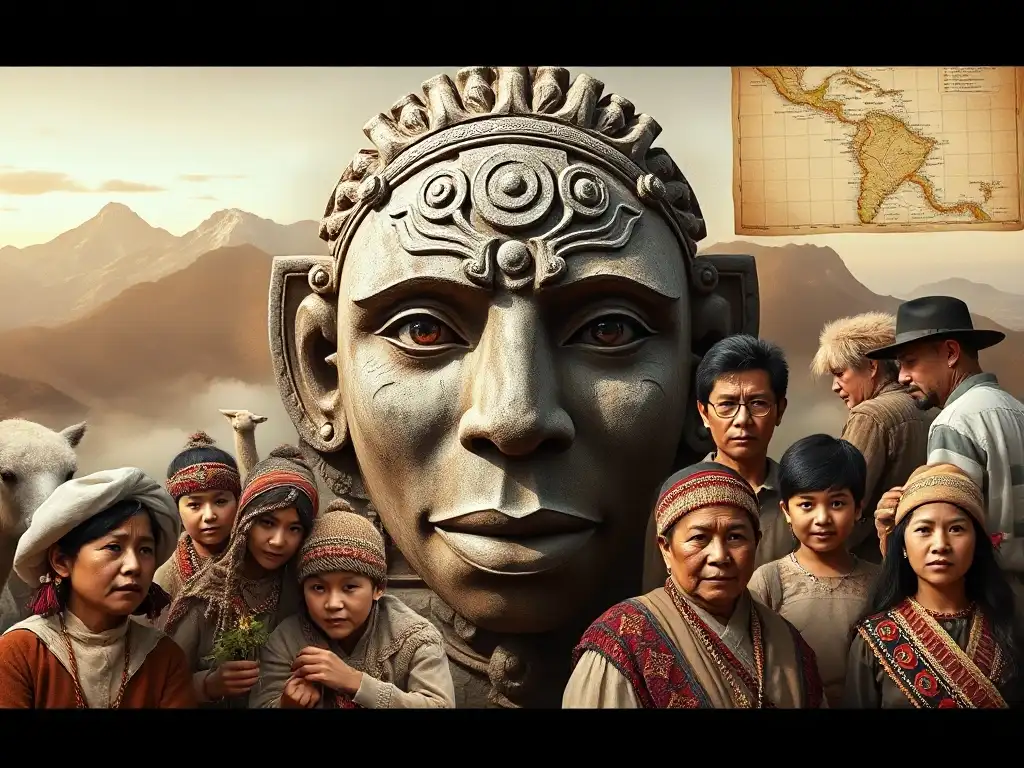
Ancestor veneration was a cornerstone of Andean social identity, but its expression varied significantly across different cultures and time periods. While common threads unite these practices, regional and temporal differences are equally striking. The Inca Empire, for instance, formalized ancestor worship into a state-sponsored religion, vastly different from the more localized and varied practices of pre-Inca societies.
Even within a single civilization, like the Moche, variations in ancestor veneration practices existed depending on social standing and geographical location. Some groups might have focused on elaborate funerary rituals, while others prioritized ancestor communication through shamanistic practices. The commonality, however, lay in the deep-seated belief that ancestors held a powerful influence on the living, impacting everything from agricultural yields to social harmony.
This belief system transcended specific rituals, unifying Andean peoples under a shared understanding of the interconnectedness of the living and the dead. The intensity and specific forms of ancestor veneration served as a powerful marker of social identity, reinforcing group cohesion and differentiating various Andean communities. Understanding these variations allows us to appreciate the rich tapestry of Andean spiritual life and its profound impact on social structures.
Ancestor Worship in the Inca Empire: State-Sponsored Practices
Inca ancestor veneration was a highly structured and formalized system, deeply intertwined with the imperial state. The Inca ruler, the Sapa Inca, was considered a direct descendant of the sun god, Inti, and his lineage was meticulously maintained and venerated. Royal ancestors were enshrined in elaborate mausoleums, such as the impressive complex at Pachacamac, where mummies were kept and offerings were regularly presented.
These practices reinforced the legitimacy of the Inca rule and solidified the hierarchical structure of the empire. The state controlled and regulated ancestor worship, using it as a tool to maintain social order and political power. Priests played a crucial role, conducting elaborate ceremonies and interpreting the will of the ancestors.
The huacas, sacred places associated with ancestors or powerful spirits, were strategically incorporated into the Inca administrative system, further highlighting the connection between religious belief and political authority. The systematic nature of Inca ancestor veneration distinguishes it from the more localized practices found in pre-Inca societies, demonstrating the empire's capacity to integrate religious practices into its administrative structure. This sophisticated system of ancestor worship played a critical role in maintaining social cohesion and the power of the Inca state.
Ancestor Veneration in Pre-Inca Societies: Regional Variations
Pre-Inca Andean cultures developed diverse and unique approaches to ancestor veneration, reflecting the varied geographical landscapes and social structures of the region. The Nazca, known for their intricate geoglyphs, likely incorporated ancestor worship into their complex ritual practices, though the precise nature of these practices remains subject to ongoing research and interpretation. The Moche civilization, renowned for its elaborate pottery depicting ritual scenes, provides evidence of ancestor veneration through elaborate funerary offerings and the construction of monumental tombs.
These tombs, often containing rich grave goods and mummies, suggest a belief in the continued existence and influence of ancestors. The Tiahuanaco culture, with its monumental architecture, may have practiced ancestor veneration in connection with their sophisticated astronomical observations and complex religious beliefs, though further research is needed to fully understand the specific forms this took. The diversity of practices across these and other pre-Inca societies underscores the localized nature of ancestor veneration and its adaptation to specific cultural contexts.
This highlights the importance of examining each culture individually to fully appreciate the nuances and complexities of their beliefs and practices. The pre-Inca period provides crucial context for understanding the later development of ancestor veneration within the Inca Empire.
The Enduring Legacy of Ancestral Beliefs in Contemporary Andean Communities
The legacy of Andean ancestor veneration continues to resonate in contemporary Andean communities. While specific practices may have evolved over time, the fundamental belief in the enduring connection between the living and the dead persists. Many indigenous communities still maintain traditions of honoring ancestors through rituals, offerings, and the preservation of ancestral sites.
The Pachamama, or Mother Earth, remains a central figure in many Andean spiritual practices, reflecting the deep connection between the living, the dead, and the natural world. The integration of ancestral beliefs with Catholicism, a result of the Spanish colonization, has created a syncretic religious landscape where traditional practices are interwoven with Christian elements. This blend of indigenous and colonial beliefs demonstrates the resilience of Andean spiritual traditions and their adaptation to changing historical contexts.
Studying contemporary Andean communities offers valuable insights into the enduring power of ancestral beliefs and their role in shaping social identity and cultural practices. The continued importance of ancestor veneration highlights its enduring significance within Andean cultures.
The Spiritual and Cultural Dimensions of Andean Ancestor Reverence
Andean ancestor reverence extended far beyond simple remembrance; it formed a profound spiritual and cultural framework shaping daily life and social structures. It was a system of beliefs that deeply intertwined the living and the dead, creating a complex web of reciprocal relationships and responsibilities. The ancestors were not simply figures from the past; they were active participants in the present, providing guidance, protection, and ensuring the continuity of the community.
This belief system influenced all aspects of Andean life, from agricultural practices to political decision-making, resulting in a society where the spiritual and the material were inextricably linked. The respect and reverence shown to ancestors served as a powerful mechanism for maintaining social cohesion and transmitting cultural values across generations.
This interconnectedness fostered a strong sense of community and a deep understanding of one's place within the larger cosmic order. The spiritual power attributed to ancestors was not merely a matter of faith; it was a tangible force that influenced the course of events and shaped the destiny of the community.
The Connection between Ancestors and the Natural World
The Andean worldview emphasized the intimate connection between ancestors, the living, and the natural world. The Pachamama, Mother Earth, was considered a powerful, life-giving entity, closely linked to the ancestors who inhabited her realm. Agricultural practices, crucial for the survival of Andean communities, were deeply intertwined with ancestor veneration.
Offerings were made to the earth and to the ancestors to ensure bountiful harvests, reflecting a belief that the ancestors played a vital role in sustaining the natural world and, by extension, the human community. Sacred sites, often located in mountainous areas or near water sources, were considered powerful places of connection between the living and the spirit world. These places were not merely geographical locations; they were portals to the ancestral realm, where communication with the ancestors could be facilitated.
This interconnectedness between the ancestors, the natural world, and human society reinforced the importance of respecting the environment and maintaining a harmonious relationship with nature. This holistic perspective is fundamental to understanding the profound role of ancestor veneration in shaping the Andean worldview.
Ancestral Guidance and its Role in Decision-Making
Decisions in Andean societies, both at the individual and community levels, were often guided by ancestral wisdom and guidance. Shamans and other spiritual leaders played a crucial role in interpreting signs and omens, seeking direction from the ancestors on matters ranging from agricultural practices to political affairs. Dreams, visions, and other forms of divination were often used to communicate with the ancestors and gain insight into the future.
This reliance on ancestral guidance underscores the profound influence of the spirit world on daily life and the importance of maintaining a close relationship with the ancestors. The concept of ancestral wisdom was not merely a matter of tradition; it was a living force that shaped the decisions and actions of Andean communities.
This practice ensured the continuity of cultural values and practices, reinforcing the social fabric and ensuring the well-being of the community. The emphasis on ancestral guidance highlights the collaborative nature of Andean decision-making processes.
The Representation of Ancestors in Andean Art and Symbolism
Andean art and symbolism offer a rich tapestry of representations of ancestors, reflecting their central role in the culture. Textiles, pottery, and other forms of art frequently depict ancestral figures, often emphasizing their power and influence. Mummies, carefully preserved and adorned with elaborate clothing and jewelry, were not simply relics of the past; they were active participants in the present, representing the enduring presence of the ancestors.
The use of specific symbols and motifs, such as the sun, the moon, and various animals, served as visual reminders of the ancestors and their connection to the natural world. These representations served both religious and social functions, reinforcing the importance of ancestor veneration and shaping social identity.
The intricate detail and artistry of these representations highlight the profound respect and reverence given to the ancestors. Through art and symbolism, Andean cultures preserved and transmitted their beliefs and practices across generations, ensuring the enduring legacy of ancestor veneration.
The Long-Lasting Impact of Andean Ancestor Veneration
The impact of ancestor veneration on Andean societies was profound and enduring, shaping not only their social structures but also their worldview and daily practices. This reverence for ancestors wasn't a mere ritual; it was deeply integrated into the fabric of Andean life, influencing everything from political organization to agricultural practices. The belief that ancestors continued to exert influence on the living world fostered a sense of continuity and connection across generations.
This connection wasn't abstract; it manifested in tangible ways, such as the construction of elaborate tombs and the performance of specific ceremonies designed to appease and honor deceased relatives. The legacy of ancestor veneration can still be observed in contemporary Andean communities, highlighting its remarkable resilience and enduring significance in shaping Andean identity. The continued presence of ancestral rituals and beliefs underscores the long-lasting impact of this practice on Andean culture and society.
The Influence of Ancestral Beliefs on Andean Identity
Andean ancestor veneration profoundly shaped individual and collective identity. The belief in a continuous connection between the living and the dead created a powerful sense of belonging and community. Individuals derived their social standing and identity, in part, from their lineage and ancestral connections. Family histories and ancestral accomplishments were carefully preserved and passed down through generations, forming the bedrock of individual and group identities.
This emphasis on ancestry fostered strong social bonds and a shared sense of purpose, uniting communities under a common heritage. The importance placed on ancestral knowledge and traditions reinforced a strong sense of cultural continuity and identity, differentiating Andean societies from other cultures in the region. The very definition of "Andean" was inextricably linked to ancestral practices and beliefs. This impact is still visible today in the strong family ties and cultural preservation efforts common in many Andean communities.
The Transmission of Ancestral Knowledge through Generations
The transmission of ancestral knowledge was crucial to maintaining the continuity of Andean societies. This knowledge, encompassing agricultural techniques, medicinal practices, religious beliefs, and social customs, wasn't simply passed down verbally; it was often embedded within rituals, ceremonies, and artistic expressions. For example, intricate textile designs often depicted ancestral stories and lineages, serving as visual aids for transmitting historical and cultural knowledge.
Similarly, oral traditions, songs, and dances played a vital role in preserving and transmitting cultural heritage across generations. This intergenerational transfer of knowledge ensured the survival and continuity of Andean traditions, reinforcing social structures and maintaining a strong sense of cultural identity. The meticulous preservation of ancestral knowledge highlights the importance placed on maintaining cultural continuity and ensuring the survival of Andean traditions.
The Continuing Relevance of Ancestor Veneration in Modern Andean Life
Despite the passage of centuries and the influence of external cultures, ancestor veneration remains a significant part of Andean life in many communities. While the forms of expression may have evolved, the underlying principles of respect for ancestors and the belief in their continued influence persist. Many contemporary Andean communities continue to perform ancestral rituals, maintain family cemeteries, and incorporate ancestral motifs into their art and daily life.
This enduring practice demonstrates the deep-rooted nature of ancestor veneration within Andean culture and its continued importance in shaping social identity and community cohesion. The resilience of these traditions, despite the challenges of modernization and globalization, showcases the enduring power of ancestral beliefs in shaping Andean societies and their ongoing relevance in modern Andean life. This continuing relevance underscores the profound and lasting impact of ancestor veneration on Andean identity and cultural heritage.
Frequently Asked Questions
What is ancestor veneration, and why was it important in Andean societies?
Ancestor veneration was the reverence and worship of deceased ancestors. It was crucial in Andean societies because it reinforced social structures, maintained lineage ties, and provided a link to the spiritual world.
Ancestor veneration often legitimized the power of ruling elites, who claimed descent from powerful ancestors. This created a hierarchical system where lineage and ancestry determined social standing and access to resources.
What rituals or practices were associated with Andean ancestor veneration?
Andean cultures practiced various rituals, including mummy bundles, offerings of food and drink, and ceremonial feasts. These practices aimed to honor the ancestors and ensure their continued protection and guidance.
How did ancestor veneration influence Andean art and architecture?
Ancestor veneration is evident in Andean art and architecture, with depictions of ancestors on textiles, pottery, and in monumental constructions. These portrayals served to immortalize ancestors and demonstrate their continuing importance.
What was the impact of Spanish colonization on Andean ancestor veneration practices?
Spanish colonization significantly disrupted Andean ancestor veneration practices, often suppressing indigenous beliefs and rituals. However, many ancestor veneration traditions persisted, albeit often in modified or hidden forms.
Final Reflection: The Enduring Legacy of Andean Ancestor Veneration
The reverence for ancestors in Andean cultures isn't a relic of the past; it's a vibrant, living force shaping social structures and individual identities in the present day. The enduring power of this tradition continues to influence everything from community cohesion to political discourse, demonstrating its profound and ongoing impact on Andean societies. This deep connection to the past provides a framework for understanding the present and navigating the challenges of the future.
The profound influence of ancestor veneration on Andean identity is undeniable. It's more than just a ritual; it's a fundamental aspect of their worldview, shaping their understanding of family, community, and the cosmos itself. This interconnectedness, this sense of belonging to a continuous lineage stretching back millennia, is powerfully expressed in the words of a Quechua elder I spoke with during my research: Our ancestors are not simply those who came before; they are the very foundation upon which we stand, their spirits guiding our steps and shaping our destiny.
This sentiment underscores the enduring relevance of this tradition and its capacity to foster a strong sense of collective identity in the face of modern challenges.
Consider the ways in which this deep connection to the past might enrich your own life. Perhaps it inspires you to explore your own family history, to understand the legacies that have shaped who you are. Or maybe it encourages you to build stronger connections with your community, recognizing the shared heritage and collective responsibility that binds us together.
Embrace the power of remembering, of honoring those who came before, and of recognizing the enduring strength found in the threads of our shared human story. Let the legacy of Andean ancestor veneration inspire you to cultivate a deeper sense of belonging and purpose in your own life.
Uncover Your Ancestral Legacy Today!
Thank you for exploring the fascinating role of ancestor veneration in Andean social identity. Understanding this vital aspect of cultural heritage provides invaluable insights into how traditions shape communities and influence individual identities. Now, let's delve deeper into your personal connection to this rich history.
Here are some practical steps you can take:
- Engage with Your Family History: Begin a conversation with your family members about your ancestors and their cultural practices. Uncover the stories that have shaped your identity and family history.
- Explore Local Andean Culture: Attend a community event or festival celebrating Andean culture. Connect with others who share your interest and learn from their experiences.
- Share Your Discoveries: Consider sharing your newfound knowledge through a blog post or social media. Inspire others to explore their own ancestry and encourage a wider discussion about these important traditions.
What unique stories or traditions from your ancestors could inspire others?