
Children of the Andes: Upbringing, Education, and Socialization Practices

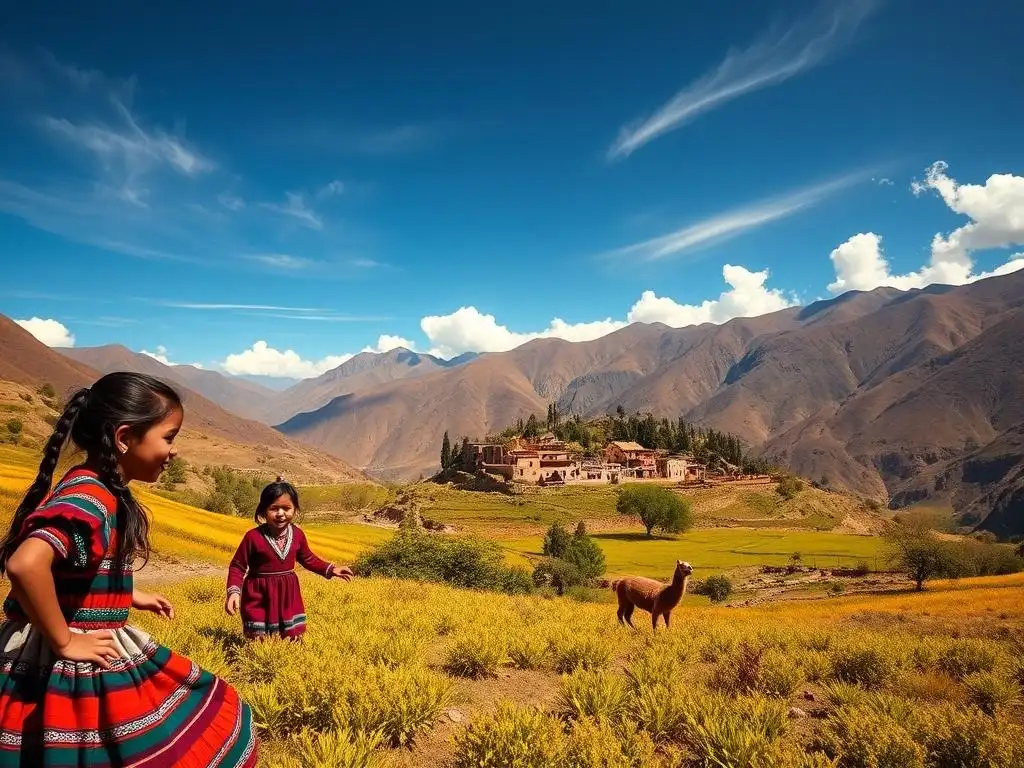
Step into a world lost to time, yet echoing with vibrant life. Imagine a society where the mountains themselves whispered wisdom, shaping the lives of children in ways unimaginable to us today. This is the captivating story of Andean civilization child upbringing, a journey into the heart of ancient Andean social structures. Discover the secrets of their unique educational practices and the profound impact they had on shaping future generations. Prepare to be amazed by what you uncover.
- Andean Civilization Child Upbringing: Exploring Family Life in the Andes
- Traditional Andean Child Rearing Practices
- Education and Socialization Within Andean Societies
- Transition to Adulthood in Andean Societies
- Challenges and Transformations in Andean Child Upbringing
- Conclusion: The Lasting Influence of Andean Child Upbringing
- Frequently Asked Questions
- Final Reflection: Echoes of the Andes: Shaping Futures Through Heritage
- Embrace the Wisdom of the Andes!
Andean Civilization Child Upbringing: Exploring Family Life in the Andes
Understanding the upbringing, education, and socialization of children within Andean civilizations offers a fascinating glimpse into the complex social structures that shaped these remarkable societies. This exploration delves into the diverse practices across different Andean cultures – including the Inca, Moche, Nazca, and Tiahuanaco – revealing how children were nurtured, educated, and integrated into their communities. We will examine the roles of family, community, and religious beliefs in shaping the lives of young Andeans, moving beyond simple narratives to uncover the nuances of their childhood experiences and the lasting impact on their societies.
This investigation is crucial for appreciating the holistic tapestry of Andean civilization and understanding the enduring legacy of their family and kinship systems. We will uncover how their unique approaches to childrearing contributed to the remarkable achievements and resilience of these ancient cultures.
Andean childhood was far from a uniform experience. The specific practices varied significantly depending on the geographical location, the particular civilization, and the social standing of the family. However, some common threads weave through the diverse tapestry of Andean childrearing.
Family structures, often extended and deeply interconnected, played a central role. Children were not simply seen as individuals but as integral parts of the larger kinship network, contributing to the family's economic well-being and social standing from a young age. Socialization was a communal effort, with parents, extended family, and the broader community all participating in shaping a child’s understanding of their role within society.
This process wasn't solely about acquiring practical skills; it deeply embedded moral and ethical values, ensuring the continuity of cultural traditions and beliefs. The integration of children into the community was seamless and began early, with children participating in daily activities alongside adults, learning through observation and imitation.
The role of religion and spirituality was also profound. Many Andean cultures believed in the interconnectedness of the human and spiritual worlds, and this belief significantly impacted how children were raised. Religious rituals and ceremonies often involved children, reinforcing their connection to the cosmos and their ancestral heritage.
These practices not only conveyed religious doctrines but also instilled a sense of belonging and instilled social values. For instance, [specific information pending] regarding the participation of children in Inca religious festivals would provide a clearer picture. This holistic approach to socialization aimed to develop well-rounded individuals who were both socially responsible and spiritually grounded.
The Role of Family and Kinship in Andean Child Upbringing
Family structures in Andean societies were generally extended, encompassing multiple generations living together. This close-knit arrangement provided a robust support system for raising children. Grandparents, aunts, uncles, and cousins all played significant roles in a child's upbringing, sharing the responsibilities of childcare, education, and socialization. This collaborative approach ensured that children received consistent care and guidance. The precise composition of these extended families varied across different Andean civilizations, reflecting the diverse cultural norms and social structures. For example, [specific data needed on family structures in the Moche civilization] would illuminate this aspect further.
This extended family structure not only facilitated childcare but also fostered a strong sense of community and belonging. Children grew up surrounded by a network of relatives, learning the values and traditions of their culture through direct interaction and participation in family life. This immersive approach to socialization ensured that cultural knowledge was effectively transmitted across generations. [Example of a specific family ritual in a particular Andean culture is needed here to illustrate this point]. The importance of kinship ties extended beyond the immediate family, influencing social interactions, economic activities, and even political alliances within the broader community.
Education and Skill Development in Andean Societies
While formal schooling in the modern sense didn't exist in all Andean societies, education was certainly not neglected. Andean children learned essential skills through practical experience and observation. Boys often assisted their fathers in agricultural activities, learning techniques of farming, animal husbandry, and craftsmanship. Girls, on the other hand, learned domestic skills from their mothers and other female relatives, mastering tasks such as weaving, cooking, and pottery. This division of labor wasn't rigid, however; children often participated in a variety of activities, acquiring a wide range of practical skills.
Beyond practical skills, Andean societies also emphasized the development of social and moral values. Children learned the importance of community cooperation, respect for elders, and adherence to social norms through storytelling, participation in community events, and observation of adult behavior. [Specific examples of traditional Andean games or activities that fostered social skills are needed here].
The transmission of cultural knowledge and values was often intertwined with religious and spiritual beliefs, reinforcing the importance of these traditions within the community. The acquisition of these skills and values prepared children for their future roles within their respective communities, contributing to the overall well-being and stability of Andean societies.
The transition to adulthood in Andean societies was a gradual process, not marked by a single event but by a series of stages and rites of passage. As children matured, they took on increasing responsibilities within the family and community. This gradual integration helped them to develop the skills and social competence needed to become fully functioning members of society. [Examples of rites of passage or ceremonies marking the transition to adulthood in different Andean cultures would enrich this section].
The process of socialization extended throughout a person's life, with elders continuing to play an important role in guiding and mentoring younger generations. This intergenerational learning ensured the continuity of cultural traditions and values, strengthening the social fabric of Andean communities. The emphasis on collective responsibility and community cooperation shaped the social identity of Andean individuals, fostering a sense of belonging and shared purpose. This understanding is vital for a complete picture of Andean civilization and its remarkable achievements.
Traditional Andean Child Rearing Practices
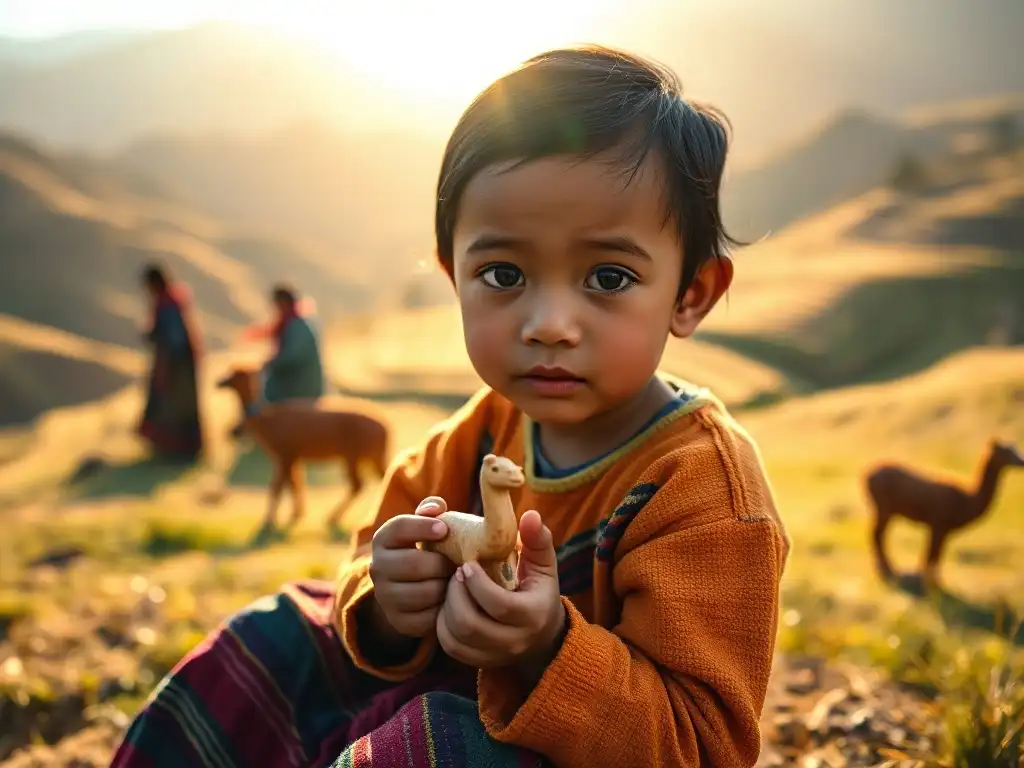
This section delves into the fascinating world of traditional Andean child-rearing practices, exploring the unique methods employed by various Andean civilizations to nurture and educate their young. Understanding these practices provides crucial insights into the social fabric and cultural values of these remarkable societies. The approach to child upbringing varied somewhat across different Andean cultures – Incas, Moche, Nazca, and Tiahuanaco – but shared common threads emphasizing community involvement and a deep connection to the natural world.
This holistic approach to raising children shaped their worldview and prepared them for their roles within their respective communities. The concept of the ayllu, the extended family unit, was central to many of these practices, providing a robust support network for families and children alike. We will explore these aspects in greater detail below.
Early Childhood Care in Andean Communities
Early childhood in Andean communities was characterized by close physical contact and constant interaction with family members. Infants were often carried in slings or wraps, allowing for continuous proximity to their caregivers and providing a sense of security and comfort. Breastfeeding was the norm, often extended well beyond the first year of life. This practice not only provided vital nourishment but also fostered a strong bond between mother and child.
The concept of pachamama (Mother Earth) deeply influenced child care practices. Children were often exposed to the natural world from a very young age, learning about plants, animals, and the rhythms of nature. This fostered a profound respect for the environment and a deep understanding of their place within the ecosystem.
For example, the Moche civilization, renowned for its sophisticated agricultural techniques, likely instilled in their children an early appreciation for farming and the importance of respecting the land's bounty. The close-knit nature of Andean communities meant that childcare was a shared responsibility, with extended family members, neighbours, and even older siblings often assisting with the care of young children. This collaborative approach ensured that children received consistent attention and support, fostering a sense of belonging and community.
The Role of Family in Andean Child Development
The family, particularly the extended family unit (the ayllu), played a pivotal role in Andean child development. Children were not solely the responsibility of their parents but were nurtured and guided by a wider network of relatives and community members. This collective approach to childrearing instilled a strong sense of community and shared responsibility. Grandparents, aunts, uncles, and cousins all contributed to the child's upbringing, sharing knowledge, skills, and cultural values.
The ayllu system provided a safety net for families, offering support during times of hardship and ensuring that children's needs were met. Within this structure, children learned the importance of cooperation, collaboration, and mutual respect. Discipline was often gentle but firm, emphasizing guidance and positive reinforcement rather than harsh punishment.
Stories, songs, and traditional games were used to teach moral lessons and cultural values, transmitting knowledge across generations. The concept of reciprocity, integral to Andean societies, was also instilled in children from a young age, teaching them the importance of contributing to the community and sharing resources. The emphasis on collective responsibility in child-rearing ensured that every child received the care and guidance necessary to thrive.
Indigenous Andean Child Education: Transmitting Cultural Knowledge
Education in Andean civilizations wasn't confined to formal institutions. Instead, it was a lifelong process deeply embedded within the community and family structure. Knowledge transmission primarily occurred through observation, imitation, and participation in daily activities. Children learned by assisting their parents and elders in tasks such as farming, weaving, pottery-making, and animal husbandry.
This hands-on approach ensured that children acquired practical skills vital for their survival and contribution to the community. Traditional stories, songs, and dances played a crucial role in transmitting cultural knowledge, values, and beliefs. These narratives not only entertained but also conveyed moral lessons, historical accounts, and cosmological understandings. For example, Inca children would learn about their history and the importance of the Sapa Inca through captivating stories passed down through generations.
The intricate designs woven into textiles, the elaborate pottery, and the monumental architecture all served as visual aids in conveying cultural knowledge. This holistic approach to education fostered a deep connection to their heritage and instilled a sense of pride in their cultural identity. The transmission of knowledge was not simply a matter of imparting facts but rather a process of embedding cultural values and ensuring the continuity of Andean traditions across generations. This emphasis on practical skills and cultural knowledge ensured that children were well-equipped to contribute meaningfully to their communities.
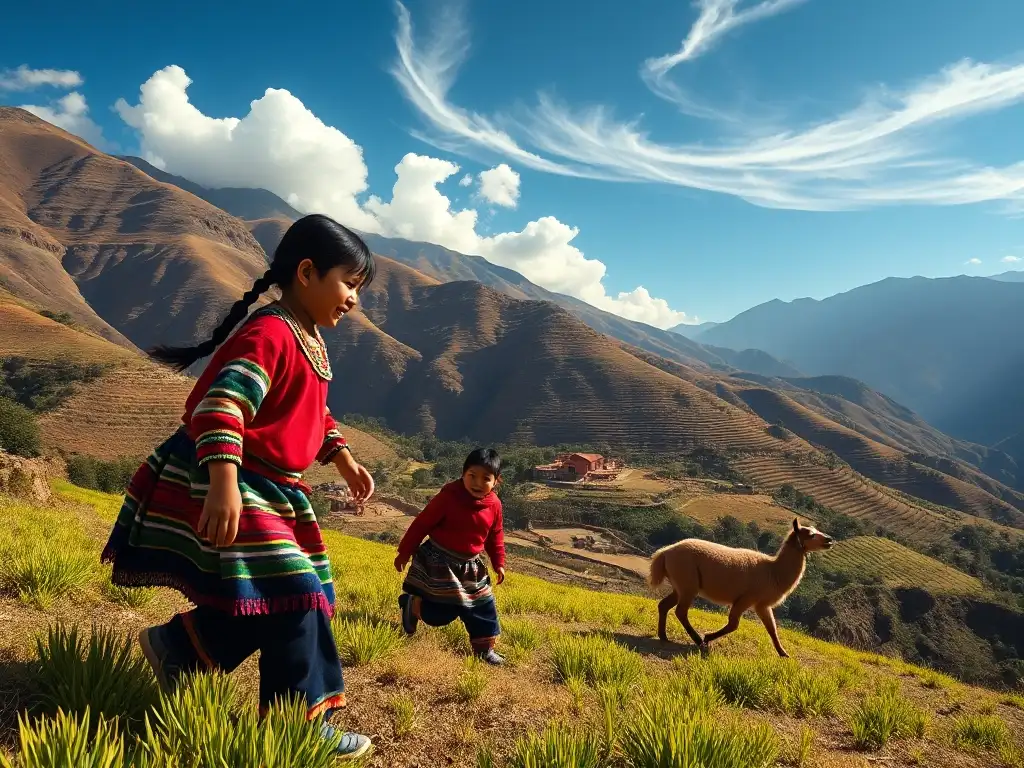
This section delves into the fascinating world of education and socialization practices within various Andean civilizations, focusing on how children were raised and integrated into their complex societies. Understanding these practices offers crucial insight into the values, beliefs, and social structures that shaped these remarkable cultures. The concept of formal schooling as we understand it today was largely absent; instead, learning was a continuous, immersive process deeply interwoven with daily life.
This holistic approach to education fostered a strong connection to the land, community, and ancestral traditions, preparing children for their roles within the intricate social fabric of Andean life. This holistic approach to “Andean civilization child upbringing” is a key aspect of understanding their societal success.
Learning Through Observation and Participation in Andean Culture
Andean children's education was predominantly experiential, emphasizing hands-on learning and direct observation. From a young age, they actively participated in daily tasks alongside adults, gradually acquiring essential skills and knowledge relevant to their community. Girls learned weaving, cooking, and childcare from their mothers and older female relatives, mastering techniques passed down through generations.
Boys, similarly, learned agricultural practices, animal husbandry, and construction techniques by working alongside their fathers and male mentors. This process was not simply about acquiring practical skills; it was about learning the cultural significance embedded within these activities. For example, the intricate designs woven into textiles weren't merely aesthetic; they carried symbolic meanings connected to mythology, cosmology, and social status.
The careful tending of crops wasn't just about sustenance; it was a ritualistic act acknowledging the reciprocal relationship between humans and the earth, a crucial aspect of Andean worldview. This immersive, participatory learning fostered a deep understanding of their environment, cultural values, and their place within the community. The development of fine motor skills, problem-solving abilities, and social competence were all integrated aspects of this hands-on approach to learning.
The level of participation varied with age and gender. Younger children often assisted with simpler tasks, gradually taking on more complex responsibilities as they matured. This gradual progression ensured a smooth transition into adulthood, with individuals progressively assuming greater roles within the social structure. The emphasis on observation and imitation allowed children to absorb the nuances of their culture organically, developing a strong sense of identity and belonging. This system of apprenticeship-style learning fostered a strong connection between generations, ensuring the continuity of cultural knowledge and practices.
Storytelling and Oral Traditions in Andean Children's Education
Oral traditions played a pivotal role in the transmission of knowledge, values, and history within Andean societies. Storytelling was a central element of children's education, serving as a powerful tool for teaching moral lessons, preserving cultural heritage, and conveying complex concepts. Myths, legends, and historical accounts were recounted through captivating narratives, often accompanied by music, dance, and dramatic gestures. These stories weren't mere entertainment; they served as a repository of cultural wisdom, shaping children's understanding of the world, their place in it, and the moral principles governing their society.
For example, stories about powerful deities and ancestral heroes instilled respect for nature, community, and spiritual beliefs. Narratives about past events taught children about their history and the struggles faced by previous generations. The use of metaphors and symbolism made complex ideas accessible to young minds, fostering creativity and critical thinking.
These stories were not just passively received; children were actively involved in the storytelling process, often participating in call-and-response chants, mimicking characters, and re-enacting scenes. This active participation reinforced learning and fostered a sense of community and shared cultural identity. The power of these oral traditions in shaping Andean civilization child upbringing cannot be overstated.
The Importance of Community in Andean Childhood
The Andean concept of community extended beyond mere geographical proximity; it was a fundamental pillar of child upbringing and socialization. Children were not raised solely by their immediate family but by the entire community. Extended family members, neighbors, and community elders all played significant roles in a child's development. This collective responsibility fostered a strong sense of social cohesion and mutual support.
Children learned the importance of cooperation, sharing, and respect for elders through their interactions with various community members. Community events, such as festivals and rituals, provided opportunities for children to participate in collective activities, strengthening their sense of belonging and social identity. This communal approach to child-rearing ensured that children received diverse perspectives and experiences, fostering their social and emotional development.
The collective nature of Andean society meant that children were constantly surrounded by adults who could provide guidance, instruction, and support. This continuous interaction instilled a strong sense of community responsibility and fostered a deep understanding of social roles and expectations, crucial elements in the successful operation of Andean civilization. The extended family structure and the community's collective responsibility were vital aspects of Andean civilization child upbringing, creating a supportive and nurturing environment where children thrived.
Transition to Adulthood in Andean Societies
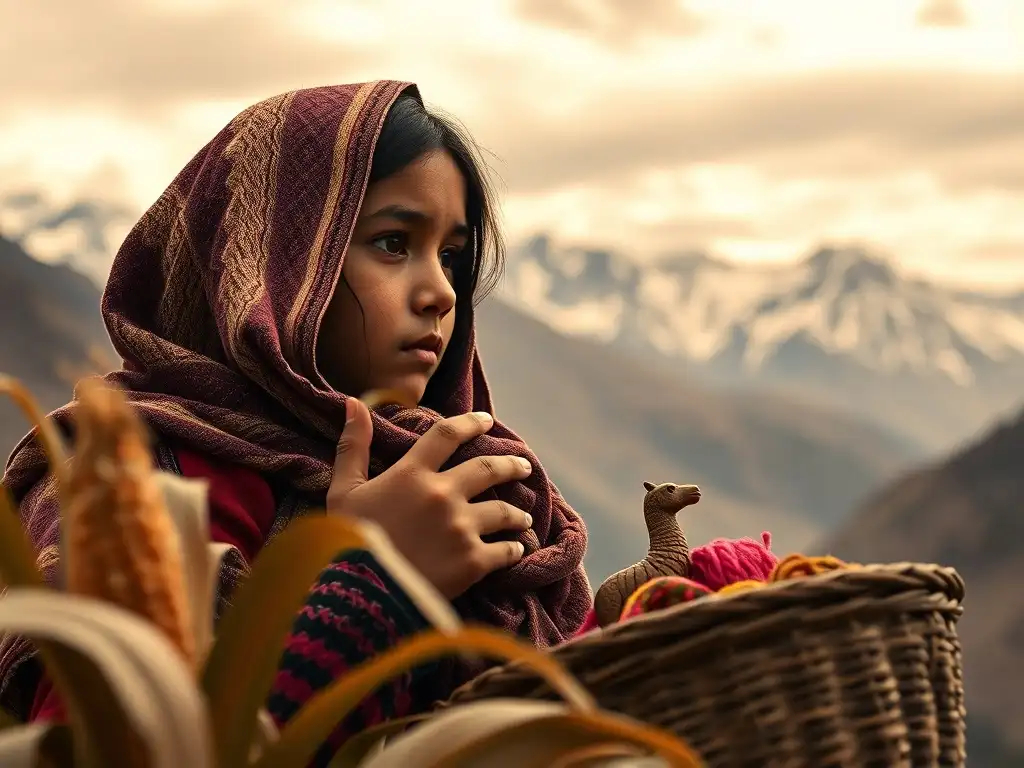
The transition to adulthood in Andean societies wasn't marked by a single, universally defined age, but rather by a gradual process intricately woven into the fabric of daily life and community participation. Unlike many Western societies with clearly defined coming-of-age ceremonies at a specific age (like 18), Andean cultures emphasized the acquisition of specific skills and responsibilities as indicators of maturity. This process varied across different Andean groups (Inca, Moche, Nazca, etc. ), reflecting the diverse environments and socio-political structures they inhabited.
However, common threads of communal involvement and practical skill development consistently emerged. The emphasis was less on chronological age and more on demonstrating competence and contributing meaningfully to the community. This perspective offers a fascinating lens through which to understand Andean civilization child upbringing.
Rites of Passage and Initiation Ceremonies for Andean Youth
Rites of passage, while not always standardized across all Andean cultures, played a significant role in formally acknowledging the transition to adulthood. These ceremonies often involved symbolic acts, such as receiving specific tools or clothing associated with adult roles. For example, young men might receive a chacana (Inca cross) or a specialized agricultural tool, symbolizing their readiness to participate in farming activities.
Similarly, young women might be given weaving implements, signifying their increasing contribution to textile production, a crucial aspect of Andean economies. These symbolic gestures weren't merely ceremonial; they represented a tangible acceptance into the adult world and its responsibilities. Archaeological evidence, including depictions in pottery and textiles, provides glimpses into these initiation rites, though detailed accounts remain scarce due to the primarily oral nature of many Andean traditions.
Further research is needed to fully understand the regional variations in these ceremonies and their significance within different Andean communities. The limited available data suggests a strong correlation between the type of ceremony and the dominant economic activities of the specific group. For instance, coastal communities might emphasize fishing-related rites, while highland communities might focus on agricultural practices.
Adolescence in Andean societies was a period of progressively assuming adult responsibilities, often intertwined with practical training and mentorship. Young people weren't simply passive recipients of knowledge; they actively participated in community life, gradually taking on roles that mirrored those of adults. This apprenticeship-style learning system provided a practical understanding of social roles and expectations.
Girls learned weaving, cooking, and childcare from older women, while boys assisted men in farming, hunting, or herding, depending on the community's primary economic activities. This integrated approach to education fostered a sense of belonging and instilled values of cooperation and mutual support. The Andean civilization child upbringing system emphasized the importance of community participation, not just for individual development, but also for the collective well-being of the group.
This is reflected in the collaborative nature of many Andean agricultural practices and the shared responsibility for childcare within extended families. The development of social roles was therefore not a solitary journey but a collective process shaped by the social fabric of the community.
Preparing Andean Children for Agricultural and Craft Skills
Agricultural and craft skills were fundamental to Andean life, and children were actively involved in their acquisition from a young age. The process wasn't solely about mastering techniques; it also embedded crucial values like respect for nature and the importance of collective effort. Children participated in planting, weeding, and harvesting alongside adults, learning through observation and practical experience.
Similarly, young girls assisted older women in spinning, weaving, and other textile production, mastering complex techniques passed down through generations. These skills weren't merely vocational; they were integral to social identity and community participation. The mastery of these techniques not only provided economic sustenance but also contributed to the social standing of the individual within the community.
This holistic approach to education, integrating practical skills with social values, shaped the worldview and character of Andean youth, ensuring their successful integration into the adult world and their continued contribution to the community's well-being. The intimate connection between children, their families, and the environment formed the cornerstone of Andean civilization child upbringing and its enduring legacy. This practical, hands-on approach is a stark contrast to many modern educational systems which often separate theoretical learning from practical application.
Challenges and Transformations in Andean Child Upbringing
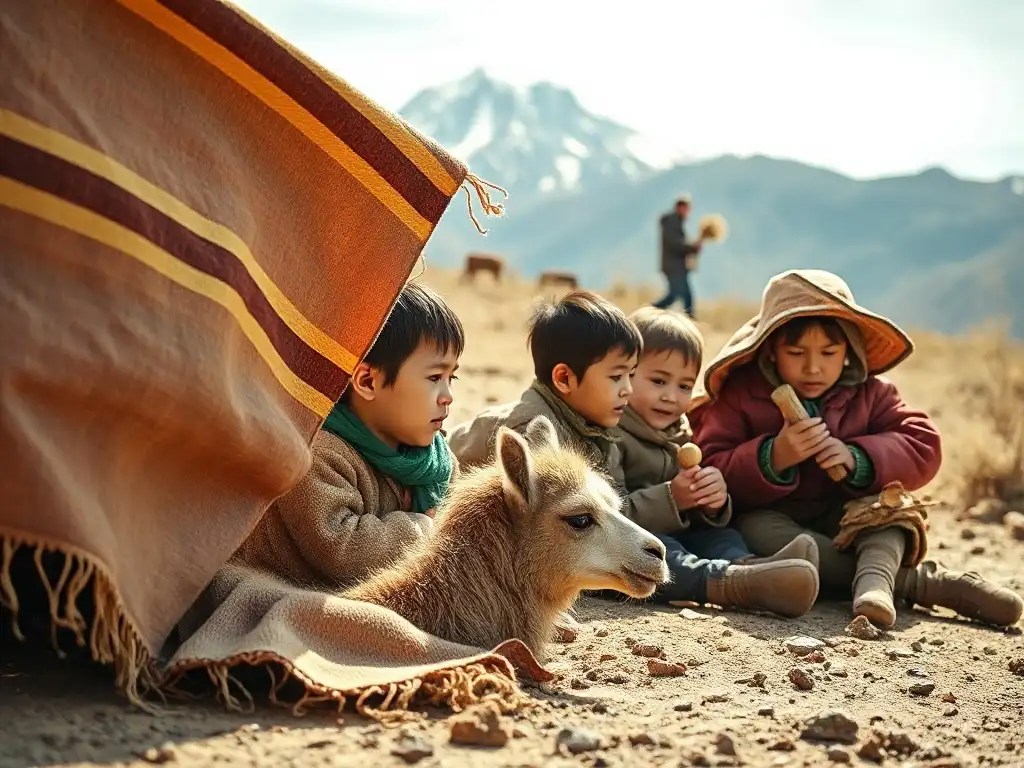
The upbringing of children in Andean civilizations, while rich in tradition, has faced significant challenges and transformations throughout history. Understanding these changes is crucial to appreciating the complexities of Andean family structures and the resilience of their cultural heritage. The keyword "Andean civilization child upbringing" encapsulates the very essence of this ongoing evolution. The process has been profoundly shaped by external influences, internal societal shifts, and the ongoing struggle to balance tradition with modernity. This section will explore some key aspects of this dynamic interplay.
The Impact of Modernization on Traditional Andean Practices
Modernization has significantly impacted traditional Andean child-rearing practices. The influx of Western ideas and technologies has led to a gradual shift away from some age-old customs. For instance, the communal nature of child-rearing, where extended family members and the community played a vital role, is now less prevalent in many Andean communities. Increased urbanization and migration to cities have disrupted traditional family structures, leading to smaller, more nuclear family units. This shift has resulted in a reduced emphasis on collective responsibility for children's upbringing and an increased reliance on individual parental care.
Furthermore, the introduction of formal schooling has altered the traditional informal learning processes that were once central to Andean child development. While formal education offers opportunities for advancement, it can also lead to a decline in the transmission of traditional knowledge, skills, and values. The use of Quechua and Aymara, the indigenous languages, is decreasing among younger generations in some regions, raising concerns about linguistic diversity and cultural preservation. This loss of intergenerational knowledge transfer represents a significant challenge to maintaining the continuity of Andean cultural heritage.
Access to Healthcare and Education for Andean Children
Access to adequate healthcare and education remains a significant challenge for many Andean children, particularly in remote and marginalized communities. Geographical barriers, poverty, and limited infrastructure hinder access to essential services. High rates of malnutrition, infectious diseases, and lack of access to prenatal care continue to impact child health and development. This disparity in access to healthcare contributes to higher rates of infant and child mortality, hindering the overall well-being of Andean communities. The lack of adequate healthcare facilities and trained medical personnel exacerbates this issue.
Similarly, access to quality education is unevenly distributed across Andean regions. Limited resources, overcrowded classrooms, and a shortage of qualified teachers affect the quality of education received by many children. The language of instruction also plays a crucial role; while some schools are incorporating indigenous languages into their curriculum, many still rely solely on Spanish, potentially hindering the learning process for children whose first language is Quechua or Aymara.
This inequality in access to education perpetuates cycles of poverty and limits opportunities for social mobility. Data on specific disparities in healthcare and education access across different Andean regions is [specific information pending].
Preserving Andean Cultural Heritage in Child Development
Preserving Andean cultural heritage within the context of modern challenges is a crucial task. This involves actively promoting the transmission of traditional knowledge, skills, and values to the younger generation. Efforts to revitalize indigenous languages through bilingual education programs are essential to maintaining linguistic diversity and cultural identity. Furthermore, integrating traditional Andean practices and stories into the educational curriculum can help children connect with their cultural roots and foster a sense of pride in their heritage.
Community-based initiatives that promote traditional arts, crafts, and agricultural practices play a vital role in preserving cultural knowledge. These initiatives can provide children with opportunities to learn from elders and participate in cultural events, strengthening their connection to their heritage. The active involvement of families and communities is critical in ensuring the continuity of cultural transmission.
Furthermore, efforts should focus on documenting and archiving traditional knowledge before it is lost, safeguarding it for future generations. The preservation of Andean child upbringing practices is not merely a nostalgic endeavor; it is a vital part of maintaining the cultural richness and identity of the Andean region. This requires a conscious and concerted effort to integrate traditional practices into a modern context.
Conclusion: The Lasting Influence of Andean Child Upbringing
This exploration of Andean civilization child upbringing reveals a complex interplay of environmental adaptation, social structures, and spiritual beliefs shaping the development of children across various Andean cultures. From the rigorous physical training of Inca youth destined for military service to the intricate textile arts learned by young girls in the Nazca culture, the process of socialization was deeply intertwined with the survival and prosperity of the community. The emphasis on community responsibility, respect for elders, and the integration of children into the economic and social fabric of their societies provided a foundation for stability and continuity across generations.
Understanding these practices offers valuable insights into the resilience and adaptability of Andean societies, highlighting their ability to thrive in challenging environments. The legacy of these upbringing methods continues to resonate in contemporary Andean communities, influencing family structures, educational approaches, and cultural values.
Further research into specific regional variations and the impact of colonialism on traditional child-rearing practices is crucial for a more complete understanding of this fascinating aspect of Andean civilization. The unique perspective offered by studying Andean child upbringing contributes significantly to a broader understanding of childhood across diverse cultural contexts.
Several key takeaways emerge from examining Andean child socialization practices. Firstly, the integration of children into the adult world was pervasive. Children were not seen as separate entities but as active participants in the social and economic life of their communities. This is evidenced by the young children participating in agricultural tasks, herding animals, and learning various crafts from a young age.
Secondly, the process of socialization was highly contextual, varying significantly depending on factors such as geographical location, social status, and gender. While Inca children might receive structured military training, children in other cultures might focus on agricultural techniques or artistic skills. Thirdly, the emphasis on community responsibility and reciprocity was central to the socialization process. Children learned from a young age the importance of contributing to the well-being of their community and respecting established social hierarchies.
Finally, the spiritual and religious beliefs of each culture profoundly influenced the socialization of children, shaping their values, beliefs, and understanding of the world. Understanding these nuances provides a more holistic appreciation for the diverse approaches to child upbringing within Andean civilizations. For example, specific rituals and ceremonies played a vital role in shaping a child's identity and their place within the community.
The Significance of Understanding Andean Childhood
Understanding Andean childhood is not merely an academic exercise; it holds significant importance for several reasons. Firstly, it challenges Eurocentric views of childhood, which often depict it as a distinct and separate stage of life. Andean societies demonstrate alternative models of integrating children fully into the social and economic fabric of their communities. Secondly, it offers valuable lessons in resilience and adaptability.
Andean child-rearing practices, shaped by challenging environmental conditions and complex social structures, demonstrate successful strategies for nurturing children in harsh circumstances. This knowledge can inform contemporary approaches to child development, particularly in marginalized communities facing similar challenges. Thirdly, it contributes to a more nuanced understanding of Andean history and culture.
By examining the lives and experiences of children, we gain richer insights into the social dynamics, economic structures, and cultural values that shaped these vibrant civilizations. Finally, it fosters a deeper appreciation for the diversity of human experience and the multitude of ways in which societies have approached the nurturing and socialization of their young. This understanding is crucial for promoting intercultural dialogue and respect.
The Resilience and Adaptability of Andean Child Rearing Practices
The resilience and adaptability of Andean child-rearing practices are striking. Faced with high-altitude environments, unpredictable weather patterns, and complex social hierarchies, Andean societies developed remarkably effective strategies for ensuring the survival and well-being of their children. These strategies included, but were not limited to, the incorporation of children into communal tasks from a young age, fostering a sense of shared responsibility and interdependence.
The development of specialized skills, tailored to the specific needs of the community, ensured that children were prepared to contribute to the collective effort. Furthermore, the emphasis on traditional knowledge and the transmission of cultural practices through storytelling, rituals, and apprenticeship systems ensured the continuity of Andean traditions and values across generations. The flexibility and adaptability of these practices, evident in the variations observed across different Andean cultures, demonstrate a remarkable capacity for adapting to changing circumstances while maintaining core values and social structures.
This adaptability is a testament to the ingenuity and resourcefulness of Andean societies and offers valuable lessons for understanding human resilience in the face of adversity. Further research should focus on specific examples of adaptation to varied ecological and social contexts within the Andean region.
Frequently Asked Questions
How did Andean civilizations approach child upbringing?
Andean child upbringing emphasized community involvement and practical skills. Children learned through observation and participation in daily life, acquiring essential skills for survival and societal contribution. Family and community members played crucial roles in their development.
What role did education play in Andean societies?
Formal education varied across different Andean cultures, but it often focused on practical skills relevant to their environment and social structure. Oral traditions and apprenticeships were common methods of transmitting knowledge and skills to younger generations. Elite children might receive specialized instruction.
Children's roles were dictated by their age and gender, with distinct expectations for boys and girls. They were expected to contribute to the household and community from a young age, participating in agricultural tasks, herding animals, or crafting. Respect for elders was paramount.
Socialization in Andean communities heavily relied on family and community interaction. Children learned social norms and values through observation, participation in rituals and ceremonies, and storytelling. This fostered a strong sense of collective identity and belonging.
What were the common beliefs about children in Andean cultures?
Andean cultures held diverse beliefs regarding children. Many viewed children as rebirths of ancestors or possessing spiritual significance. Their well-being was believed to be crucial for the community's prosperity, and their upbringing was considered a collective responsibility.
Final Reflection: Echoes of the Andes: Shaping Futures Through Heritage
The enduring legacy of Andean child-rearing practices continues to resonate in the lives of millions, shaping not only individual identities but also the very fabric of Andean communities today. These traditional methods, passed down through generations, offer valuable insights into holistic development and the importance of community in nurturing future generations. Understanding these practices is crucial for appreciating the richness of Andean culture and for fostering respectful and effective cross-cultural interactions.
The profound impact of communal responsibility and the integration of children into the social and economic life of their communities is particularly striking. The emphasis on practical skills, storytelling, and the transmission of ancestral knowledge creates a powerful sense of belonging and identity. As the renowned anthropologist, Oscar Núñez del Prado, once observed: The child in Andean society is not seen as an individual separate from the community, but as an integral part of it, contributing to its well-being from a very young age.
This holistic approach to upbringing offers a compelling alternative to many modern models that often prioritize individual achievement over communal harmony.
Consider the lessons learned from this exploration of Andean child-rearing. How can we, in our own lives and communities, better integrate the values of collaboration, respect for elders, and a deep connection to our environment? Take a moment to reflect on the ways in which your own upbringing shaped your identity and consider the potential for fostering a more nurturing and community-focused approach to raising the next generation. Let the echoes of the Andes inspire you to build a future where tradition and progress walk hand-in-hand.
Embrace the Wisdom of the Andes!
Thank you for exploring the fascinating upbringing, education, and socialization of Andean children. Your interest in this unique culture demonstrates a valuable commitment to understanding diverse perspectives on childhood development. Now, let's put that knowledge into action!
Here's how you can continue your journey:
- Engage with Andean communities: Attend cultural events or workshops celebrating Andean heritage. Immersing yourself in their traditions will foster a deeper connection and understanding.
- Share your newfound knowledge: Discuss your insights with friends, family, or online communities. Consider how contrasting approaches to child-rearing shape a child's development.
- Deepen your understanding: Explore books, documentaries, and academic articles on Andean civilization to further enrich your appreciation of their cultural practices.
What aspect of Andean childhood practices resonated most with you, and how might it inform your own views on education and parenting? We eagerly await your reflections!