
Marriage Alliances as Political Tools: Power Plays within Andean Families

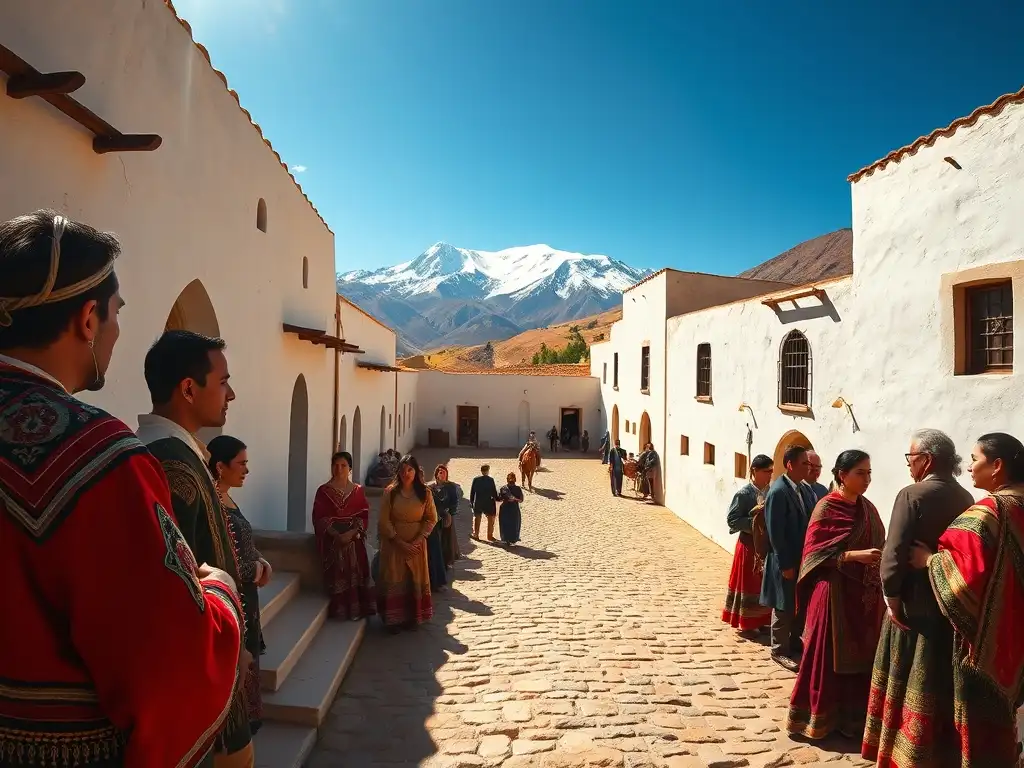
Step into a world lost to time, yet echoing with power and intrigue. For centuries, the towering peaks of the Andes witnessed not only breathtaking landscapes, but also complex webs of political maneuvering woven through the very fabric of Andean society. Discover the secrets behind Andean marriage alliances, a crucial element of power and influence in the Incan, Moche, Nazca, and Tiahuanaco empires. Unravel the intricate strategies and surprising consequences of these unions—their impact on the rise and fall of entire civilizations awaits you. Prepare to be captivated by the stories hidden within the heights.
- Andean Marriage Alliances: Political Power in Ancient Families
- Political Dimensions of Andean Marital Unions
- Case Studies of Andean Marriage Strategies
- Types of Andean Marriage Alliances
- The Role of Women in Andean Marriage Politics
- The Decline and Transformation of Andean Marriage Alliances
- Conclusion: The Enduring Importance of Andean Marriage Alliances
- Frequently Asked Questions
- Final Reflection: The Enduring Legacy of Andean Marriage Alliances
- Ignite Your Understanding of Andean Political Power!
Andean Marriage Alliances: Political Power in Ancient Families
The intricate tapestry of Andean civilizations, renowned for their sophisticated engineering, breathtaking artistry, and complex social structures, reveals a fascinating facet often overlooked: the strategic use of marriage alliances to consolidate and maintain power. This article delves into the world of Andean family dynamics, exploring how marital unions transcended personal relationships to become powerful political tools shaping the destinies of entire societies, from the Inca Empire to smaller regional groups like the Moche and Nazca.
We will examine the significance of kinship ties, the structure of Andean families, and the strategic deployment of marriage to achieve political objectives, revealing the intricate interplay between familial bonds and political power within these remarkable ancient societies. Understanding these dynamics provides crucial insight into the complexities of Andean social organization and the mechanisms by which power was acquired and maintained across generations.
The analysis will focus on how Andean marriage alliances directly impacted political landscapes, economic control, and social hierarchies, demonstrating their profound influence on the course of Andean history.
The Significance of Kinship in Andean Societies
Andean societies placed immense value on kinship, extending beyond immediate family to encompass broader networks of relatives. This emphasis on kinship wasn't merely a social convention; it was the bedrock of their political and economic systems. Lineage and ancestry were crucial determinants of social status and access to resources.
The concept of ayllu, a community based on kinship and shared ancestry, played a pivotal role in organizing social life and distributing land and labor. Maintaining strong kinship ties was essential for survival and prosperity, and marriage alliances served as a powerful mechanism for strengthening and expanding these networks. The strength of an ayllu often directly correlated with its political influence, making strategic marriages essential for both individual and collective advancement within the community.
The intricate web of kinship obligations and reciprocal responsibilities shaped daily life and profoundly influenced political decision-making. For example, [specific examples of ayllu dynamics and their political implications pending].
Understanding Andean Family Structures
The structure of Andean families varied across different cultures and time periods, but some common features emerge. While patriarchal structures were prevalent in many societies, women held significant social and economic roles, particularly within the domestic sphere. Inheritance patterns, often involving both male and female lines, influenced the distribution of land, resources, and political authority. The concept of “parallel cousins” (children of siblings of the same sex) held particular significance in some societies, often leading to preferential marriage patterns that reinforced kinship ties and consolidated power within specific lineages.
Extended family households were common, with multiple generations living together, strengthening familial bonds and facilitating the transmission of knowledge, skills, and traditions. The composition and dynamics of these extended families directly influenced their political influence and ability to negotiate within the broader social landscape. [Data on specific family structures within different Andean societies pending].
Marriage as a Strategic Tool in the Andes
Marriage in the Andes was far from a purely romantic endeavor. It served as a crucial mechanism for political maneuvering, economic consolidation, and the expansion of influence. Royal marriages, in particular, were meticulously orchestrated events designed to forge alliances between powerful groups, solidify territorial claims, and prevent conflict.
Marriages between members of different ayllus or ethnic groups could create powerful political coalitions. Dowries and bridewealth, comprising land, livestock, and other valuable resources, further cemented these alliances and strengthened the economic power of participating families. The selection of marriage partners was often a carefully calculated decision involving the political leaders and elders of the community, reflecting the importance of these unions for the collective well-being and stability of the society.
The failure to forge successful alliances through strategic marriages could have severe political consequences, leading to conflict, instability, and even the decline of entire social groups. [Specific examples of strategic marriages and their political outcomes pending].
Political Dimensions of Andean Marital Unions
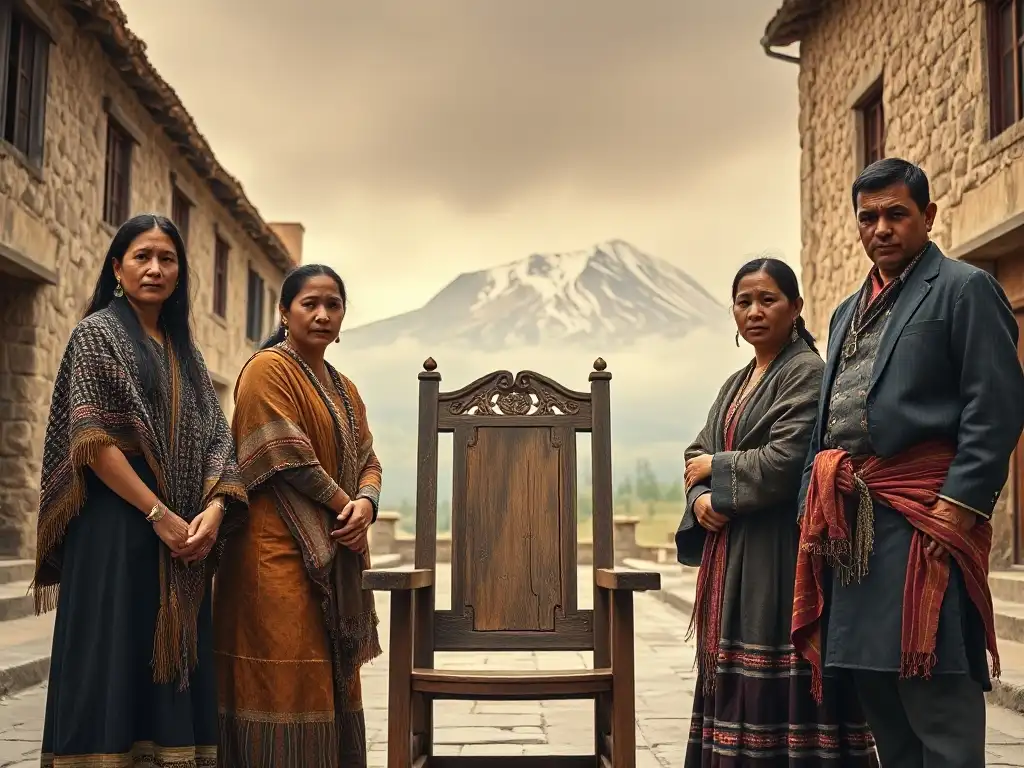
Andean marriage alliances weren't simply about finding a spouse; they were sophisticated political strategies employed by elites to consolidate power, expand influence, and maintain stability across vast territories. The intricate web of kinship ties, meticulously cultivated through strategic marriages, formed the bedrock of Andean political structures, particularly among civilizations like the Inca, Moche, and Wari. Understanding these alliances is crucial to grasping the complexities of Andean social organization and the mechanisms that sustained their empires.
The seemingly personal act of marriage served as a powerful tool for achieving broader political goals, shaping the very landscape of power in the Andes. Analyzing these unions reveals a nuanced understanding of how Andean societies functioned, highlighting the interconnectedness of family, politics, and societal stability.
Strengthening Alliances Through Marriage
The practice of strengthening existing alliances through marriage was paramount in Andean societies. Royal families, particularly within the Inca Empire, frequently arranged marriages between their children and those of allied rulers or powerful regional leaders. This created a powerful network of kinship ties that bound different groups together, fostering loyalty and mutual support.
These weren't merely symbolic gestures; they often involved the exchange of resources, territories, and even military support, solidifying the alliance's strength. The marriage itself acted as a public display of unity, reinforcing the existing political bond and deterring potential rivals. For instance, the marriage of an Inca prince to a daughter of a powerful curaca (regional leader) not only cemented the alliance but also legitimized the Inca's authority over that region.
The success of this strategy hinged upon the careful selection of marriage partners, considering their lineage, influence, and the potential benefits the alliance could provide. This meticulous selection process demonstrates the strategic importance placed on marriage within Andean political structures.
Expanding Influence via Strategic Marriages
Strategic marriages weren't limited to reinforcing existing alliances; they were also instrumental in expanding influence into new territories. By marrying into powerful families in neighboring regions, Andean rulers could effectively extend their reach and control without resorting to outright conquest. This approach was particularly effective in minimizing conflict and integrating new populations into the existing political system.
The marriage itself acted as a form of peaceful annexation, bringing the new region under the umbrella of the ruling dynasty's influence. The newly acquired kinship ties provided a powerful tool for enforcing compliance and integrating the conquered population into the existing social and economic system.
Evidence suggests that this strategy was employed by several Andean civilizations, allowing them to gradually expand their power and influence without the extensive costs and risks associated with large-scale military campaigns. The long-term benefits of such strategic marriages far outweighed the immediate costs, contributing to the sustained growth of Andean empires.
Consolidating Power through Family Ties
The consolidation of power through family ties was a central aspect of Andean political systems. The intricate network of kinship relationships created through strategic marriages provided a powerful mechanism for controlling access to resources, maintaining social order, and suppressing dissent. By concentrating power within a relatively small group of related families, Andean rulers effectively limited the challenges to their authority.
This system, while seemingly rigid, allowed for a degree of flexibility and adaptability. The careful management of these family ties, through planned marriages and strategic alliances, ensured the stability and continuity of power within the ruling dynasty. The importance of family ties in Andean societies is evident in their elaborate kinship systems and the significant role played by lineage in determining social status and political power.
This intricately woven web of familial connections underscores the deep integration of family and politics in the Andean worldview. The meticulous planning and execution of these marital unions served as a critical component of maintaining political stability and safeguarding the power of the ruling elite. 👑
Case Studies of Andean Marriage Strategies

This section delves into specific examples of how Andean civilizations strategically employed marriage alliances to consolidate power, expand territories, and maintain social order. We will explore two distinct cases: the Chimor-Inca alliance, a prime example of marriage as a tool of conquest, and the Inca royal marriages, which prioritized dynastic purity and control. Understanding these strategies reveals the intricate web of political maneuvering woven into the fabric of Andean family structures and illuminates the significance of "Andean marriage alliances" in shaping the course of history.
The Chimor-Inca Alliance: A Marriage of Conquest
The Chimor kingdom, flourishing on the northern coast of Peru from roughly 900 to 1470 CE, presented a formidable challenge to the expanding Inca Empire. The Inca, under the leadership of Topa Inca Yupanqui, employed a sophisticated strategy combining military might with shrewd political maneuvering to overcome this challenge. A key element of this strategy involved strategic marriage alliances.
The Context of the Chimor Kingdom and Inca Expansion
The Chimor, known for their sophisticated irrigation systems and impressive urban planning, controlled a vast and wealthy territory. Their powerful military and well-organized society made them a significant obstacle to Inca expansion. Topa Inca Yupanqui, however, was not merely focused on military conquest. He understood the importance of integrating conquered populations into the Inca system, and strategic marriages played a crucial role in this process. The Inca's expansionist ambitions were fueled by a desire for access to resources, manpower, and the consolidation of their power across the Andes.
The Marital Agreement Between Chimor Princess and Inca Ruler
The details of the specific marriage agreement between the Chimor and the Inca remain somewhat debated by scholars. However, the prevailing theory suggests that a Chimor princess was married to Topa Inca Yupanqui or one of his sons. This union, far from being a romantic arrangement, served as a formal acknowledgment of Inca dominance and the beginning of Chimor's incorporation into the Inca Empire.
The marriage symbolized the transfer of power and authority, legitimizing Inca rule over the Chimor territories. Evidence suggests this union was not based on love or mutual affection, but was a calculated political act aimed at securing control.
The Incorporation of Chimor into the Inca Empire
The marriage alliance between the Chimor princess and the Inca ruler was not a stand-alone event; it was part of a broader strategy. Following the marriage, the Inca gradually integrated Chimor into their administrative and economic systems. The Chimor elite were often co-opted into the Inca bureaucracy, ensuring a smoother transition of power. This strategy of integrating the conquered elite through marriage helped to prevent widespread rebellion and fostered a sense of relative stability within the newly expanded empire. The success of this integration highlights the effectiveness of using "Andean marriage alliances" as a tool for political control.
The Inca Royal Marriages: Maintaining Dynastic Purity
In contrast to the Chimor-Inca alliance, Inca royal marriages focused on maintaining dynastic purity and strengthening the emperor's power. These unions were carefully orchestrated, often involving close relatives, to consolidate power within the ruling family and prevent challenges to the emperor's authority.
The Inca Political Landscape and Succession
The Inca political system was highly centralized, with the emperor at its apex. Succession to the throne was a critical issue, potentially sparking conflict and instability if not carefully managed. Royal marriages played a vital role in ensuring a smooth and legitimate transfer of power. The system was complex, involving a balance of power between various branches of the royal family and the need to maintain control over vast territories and diverse populations.
Details of Royal Marriages Among Inca Siblings and Close Relatives
Inca royal marriages frequently involved unions between siblings or close relatives. While this practice might seem unusual from a modern perspective, it served a crucial political function within the Inca context. These marriages aimed to concentrate power and maintain the purity of the royal bloodline. The belief in the divine origin of the Inca emperor strengthened the legitimacy of this practice, ensuring that only those with the purest royal blood could claim the throne. Specific examples of such unions are documented in various chronicles, but detailed genealogical records are often fragmented and require further research. [specific information pending]
Long-Term Consequences for the Inca Dynasty and Power Structure
The practice of royal marriages among close relatives, while successful in maintaining power in the short term, may have had long-term negative consequences for the Inca dynasty. Consanguineous marriages increase the risk of genetic disorders and could have weakened the health and vigor of the royal lineage over generations. However, the immediate benefits of consolidating power and maintaining social order likely outweighed these long-term concerns in the eyes of the Inca rulers. This demonstrates the complex interplay between political expediency and potential long-term consequences in the context of "Andean marriage alliances."
Types of Andean Marriage Alliances
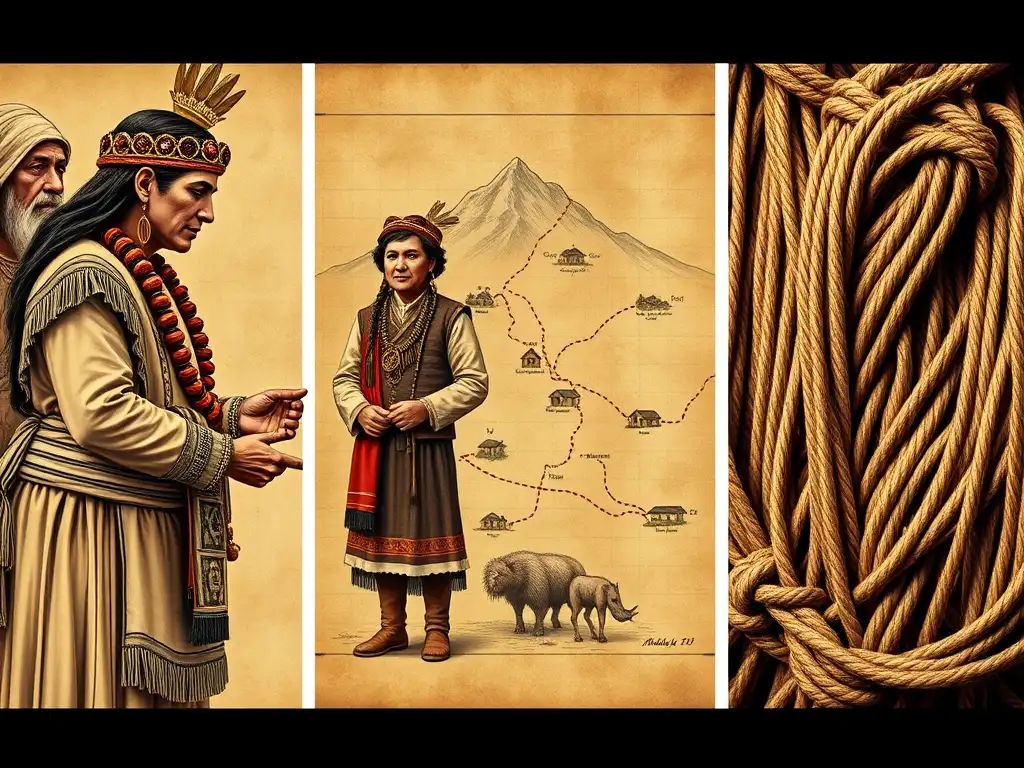
The intricate tapestry of Andean social structures was woven with threads of power, influence, and kinship, all intricately bound to marriage alliances. These weren't simply unions between individuals; they were strategic political maneuvers, carefully orchestrated to maintain existing power structures or forge new alliances, impacting everything from resource control to territorial expansion. Understanding the different types of Andean marriage alliances is key to comprehending the complex dynamics of Andean societies.
The prevalence of specific alliance types varied across different Andean cultures and time periods, reflecting the unique social and political contexts of each group. Analyzing these variations reveals fascinating insights into the diverse ways power was negotiated and consolidated throughout the Andes. This section will delve into three key types: endogamous, exogamous, and cross-cousin marriages.
Endogamous Marriages: Maintaining Power Within Groups
Endogamous marriages, unions within the same social group or lineage, were a cornerstone of maintaining power within established Andean families and elites. By marrying within their own social stratum, powerful families consolidated their wealth, land ownership, and influence. This practice ensured the concentration of resources and authority within a limited circle, strengthening the existing power hierarchy. For example, within the Inca Empire, the royal family practiced strict endogamy, ensuring the continuation of the Sapa Inca's lineage and the preservation of imperial authority. This prevented the dilution of royal bloodlines and maintained the legitimacy of the ruling dynasty.
The practice wasn't limited to royal families, though. Among the elite classes of other Andean cultures, such as the Moche and Nazca, endogamous marriages were also common. These unions served to maintain social stratification and preserve the economic and political advantages of the ruling class.
Archaeological evidence, such as the elaborate burial sites of elite individuals and the discovery of family artifacts, supports this hypothesis. Furthermore, the detailed iconography found on Moche pottery often depicts scenes of marriage ceremonies and family rituals, providing valuable insights into their social customs. The meticulous record-keeping of Inca administrators also highlights the importance placed on lineage and the careful tracking of marital unions within the elite.
Exogamous Marriages: Forging Connections with Other Communities
In contrast to endogamous unions, exogamous marriages – those between individuals from different social groups or communities – served as a powerful tool for forging alliances and expanding influence. These marriages were frequently used to establish or solidify political relationships between different groups, often leading to increased trade, cooperation, and even the peaceful resolution of conflicts. Exogamous alliances could effectively create networks of mutual support and shared resources.
The Inca, for instance, frequently used exogamous marriages to incorporate newly conquered territories into the empire. By marrying Inca royalty to members of the conquered elite, the empire effectively integrated these communities into the imperial structure. This strategy was not only politically astute but also served to solidify the empire's control and ensure the loyalty of the conquered populations.
The success of the Inca in creating a vast and relatively stable empire can be, in part, attributed to their masterful use of exogamous marriage as a tool for political integration. Similarly, other Andean cultures likely used such strategies, though the specific details may remain less documented than those of the Inca. Further research into less-studied Andean groups could reveal more nuanced understandings of exogamy's role in their political landscapes.
Cross-Cousin Marriages: Reinforcing Existing Kinship Ties
Cross-cousin marriages, unions between individuals who are cousins through a sibling of the opposite sex (e.g., a man marrying his mother's sister's daughter), played a significant role in reinforcing existing kinship ties and maintaining social cohesion within Andean societies. These marriages strengthened familial bonds and ensured the continued circulation of resources and power within established kinship networks. The practice helped to solidify alliances between different family branches and maintain a sense of unity and shared identity within a community.
While the exact prevalence and significance of cross-cousin marriage varied across different Andean cultures and time periods, anthropological studies suggest it was a relatively common practice in several regions. The precise reasons behind its widespread adoption are complex and likely intertwined with factors like inheritance patterns, resource management, and the strengthening of social bonds. Further research is needed to fully understand the role of cross-cousin marriage in specific Andean cultures and its impact on their social and political structures.
Analyzing kinship systems, inheritance laws, and marriage patterns across various Andean groups will provide a more comprehensive understanding of this marriage type's function within the broader context of Andean society. The emojis 👨👩👧👦 and 👩👩👧👦 can visually represent the family connections involved in these complex unions.
The Role of Women in Andean Marriage Politics
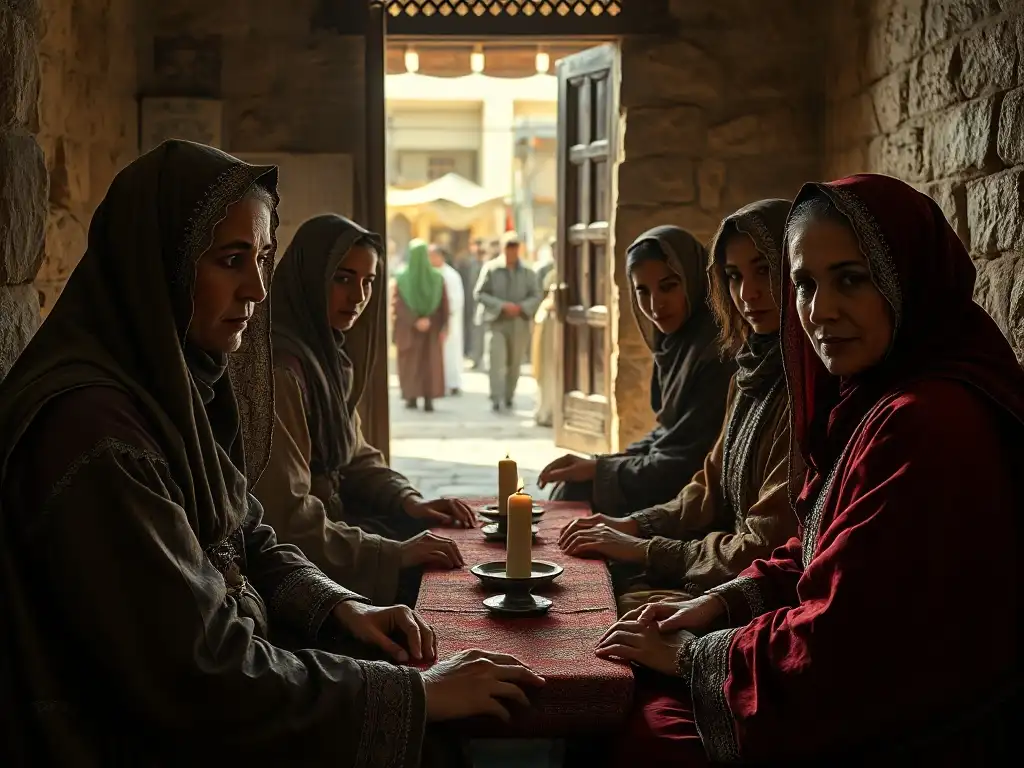
The Andean world, often perceived through a lens focused on male rulers and military achievements, reveals a more nuanced reality when examining the crucial role women played in shaping political landscapes through strategic marriage alliances. While patriarchal structures undeniably existed, women were not merely passive participants but active agents wielding considerable influence within the complex web of Andean kinship and power.
Understanding their agency requires moving beyond simplistic narratives and delving into the intricate dynamics of family politics. The concept of "Andean marriage alliances" needs to be redefined to encompass the active participation and influence of women in these carefully orchestrated unions.
Women as Key Figures in Alliance Building
Contrary to common assumptions, women were not simply prizes in power struggles between elite Andean families. They were, in many instances, the engine driving these alliances. Their roles extended beyond simply securing a marriage; they actively negotiated terms, maintained alliances through kinship networks, and even influenced the succession of power.
For example, in certain Inca lineages, the marriage of a princess to a powerful regional leader could solidify imperial control and quell potential rebellions more effectively than military conquest alone. This wasn't simply a matter of bestowing a woman upon a suitor; it was a complex political maneuver requiring careful consideration of lineage, status, and potential future alliances. The marriage itself represented a symbolic union, but also a practical consolidation of resources and power – a strategic partnership where the woman's family and lineage were significant factors in the overall success of the alliance.
[Specific examples of Inca princesses and their political marriages pending]. The impact of these carefully cultivated unions extended beyond immediate political gains, shaping long-term regional stability and the distribution of power across generations. We are only beginning to uncover the full extent of women's influence in these processes, as historical records often focus on the actions of male leaders, obscuring the vital contributions of women.
The Agency of Andean Women in Marital Decisions
While societal structures might suggest limited autonomy, evidence suggests Andean women possessed a level of agency in marital decisions far exceeding common interpretations. This agency wasn't always expressed through overt rebellion, but rather through subtle negotiations and strategic maneuvering within the confines of established social norms. For instance, women could influence the selection of their spouse through their family's networks, subtly guiding the process towards a union beneficial to their own interests and those of their family.
This could involve strategically cultivating relationships, advocating for specific partners, or even indirectly influencing the decision-making processes of their families. The very act of negotiating dowries and bridewealth provided women with a platform to assert their preferences and influence the terms of their marriage, ensuring their own security and standing within the newly formed family structure.
Furthermore, anecdotal evidence suggests that some women, particularly those of high social standing, were able to exert considerable pressure on their families’ choices, effectively vetoing undesirable suitors or advocating for those who offered greater political or economic advantages. This active participation is crucial to understanding the true dynamics of Andean marriage alliances.
The Impact of Marriage on Women's Status
The consequences of marriage alliances varied significantly depending on the woman's social standing and the specifics of the union. While some marriages elevated women's status and influence, others might have limited their autonomy or subjected them to the whims of powerful in-laws. However, even within seemingly restrictive arrangements, women found ways to navigate their new positions and exert their influence.
For example, a woman marrying into a powerful family could use her position to advocate for her natal family's interests, securing resources and protection for her relatives. Furthermore, the ability to bear children and raise heirs presented another avenue for wielding influence, as the lineage and succession of power were deeply intertwined with women's reproductive roles. The role of women in Andean society was far from monolithic; the impact of marriage on their status was highly contextual and depended on a complex interplay of factors.
Analyzing these diverse experiences offers a richer and more accurate understanding of the role of women in Andean power structures. Further research on the lives of individual women within specific Andean societies is needed to provide a more complete picture of the effects of marriage on their lives and status.
The Decline and Transformation of Andean Marriage Alliances

The intricate web of Andean marriage alliances, a cornerstone of political power and social stability for centuries, underwent significant changes following initial contact with Europeans and the subsequent colonial period. While the pre-Columbian systems were sophisticated and deeply embedded in the social fabric, the arrival of the Spanish dramatically altered the landscape, leaving a lasting impact on family structures and power dynamics. The shift wasn't a simple replacement; instead, it involved a complex process of adaptation, resistance, and ultimately, transformation.
Understanding this evolution requires examining the interplay of cultural imposition, indigenous resilience, and the enduring legacy of Andean marriage strategies. Analyzing this transformation reveals much about the tenacity of Andean cultural practices and their adaptation in the face of profound societal upheaval.
The Impact of Colonialism on Traditional Marriage Practices
The Spanish conquest fundamentally disrupted traditional Andean marriage practices. Pre-colonial alliances, often involving extensive negotiations and elaborate ceremonies, were meticulously crafted to solidify political power and economic stability. These marriages weren't merely personal unions; they were strategic moves on a larger political chessboard. For example, the Inca Empire's yanaconas system, which involved a form of tributary labor, was often reinforced through carefully arranged marriages between Inca elites and individuals from conquered communities. This created a network of loyalties and ensured the continued flow of resources.
The Spanish, however, introduced a radically different system. The imposition of Catholicism, with its emphasis on monogamous marriage sanctioned by the Church, directly challenged the existing polygamous and more fluid practices found within certain Andean societies. The Spanish crown also actively sought to dismantle indigenous power structures, including the intricate system of marriage alliances that underpinned them. This led to a significant decline in the influence of traditional Andean elites and the disruption of established family lines.
The forced conversion to Catholicism also impacted the rituals and ceremonies surrounding marriage, replacing traditional Andean practices with European customs. This cultural imposition, while seemingly complete on the surface, never fully eradicated underlying Andean social structures. Indigenous communities found ways to adapt and negotiate these changes, subtly maintaining aspects of their traditional practices within the framework of colonial rule.
Changes in Family Structure and Political Power
The colonial period witnessed significant shifts in family structure and the distribution of political power within Andean communities. The dismantling of traditional leadership structures, coupled with the introduction of Spanish laws and social hierarchies, significantly altered the role of marriage in maintaining power. The traditional system of ayllus (extended family groups) which played a vital role in social and political organization, was gradually weakened by the Spanish colonial administration. Land ownership, previously tied to family lineage and marriage alliances, was redistributed, often favoring Spanish colonizers.
Furthermore, the Spanish introduced new social hierarchies based on race and class. This created a complex power dynamic where the ability to navigate the colonial system depended on alliances with Spanish officials, or the adoption of European customs, thus diminishing the importance of traditional Andean marriage alliances. However, it is important to note that indigenous communities were not passive recipients of these changes.
They actively resisted colonial policies and adapted their marriage practices to maintain a degree of autonomy and preserve elements of their cultural heritage. The resilience of Andean societies is evident in the persistence of certain kinship structures and social norms, even under the immense pressure of colonization.
The Legacy of Andean Marriage Strategies Today
While the colonial period dramatically altered the landscape of Andean marriage alliances, their legacy continues to be felt today. Though the formal political structures of the pre-Columbian era are long gone, the underlying principles of strategic marriage remain influential in many Andean communities. The importance of kinship ties and family connections in social and economic life persists, albeit in modified forms.
For example, the emphasis on maintaining strong family networks to access resources and support remains crucial for many individuals and communities. Even though the scale and political implications have changed significantly, the fundamental Andean understanding of the significance of marriage as a tool for strengthening social bonds and navigating complex social landscapes continues to hold relevance. The enduring influence of traditional Andean values highlights the deep-rooted nature of these cultural practices and their adaptability in the face of historical and social change.
Further research into contemporary Andean family structures and marriage patterns is needed to fully understand the extent of this ongoing legacy. The complexities of these systems, however, highlight the enduring power of tradition and the resilience of Andean culture in the face of significant historical transformations.
Conclusion: The Enduring Importance of Andean Marriage Alliances
The intricate web of Andean marriage alliances reveals a sophisticated system of power dynamics, far exceeding simple familial bonds. These unions weren't merely personal choices; they were strategic maneuvers meticulously crafted to consolidate power, expand territory, and secure economic stability. Understanding the nuances of these alliances provides crucial insight into the political landscape of the Andes, illuminating the complexities of leadership succession, resource control, and inter-group relations.
The legacy of these practices continues to shape our understanding of Andean societies, offering valuable lessons about the enduring interplay between family and politics. The impact of Andean marriage alliances extended far beyond the immediate family, shaping the broader social and political structures of these remarkable civilizations. Further research into specific case studies, particularly utilizing newly discovered archaeological evidence and refined anthropological interpretations, will undoubtedly enrich our comprehension of this fascinating aspect of Andean history.
Revisiting the Political Significance of Andean Kinship
The political significance of kinship in Andean societies cannot be overstated. Marriage alliances were the cornerstone of this system, functioning as a sophisticated mechanism for maintaining and expanding power. For example, the Inca Empire’s vast network of mitmaq colonies— strategically placed throughout the empire—were often managed and controlled through carefully orchestrated marriages between Inca royalty and local elites.
This ensured loyalty and efficient administration while simultaneously diffusing potential threats. The system wasn't solely top-down; alliances between regional leaders also played a vital role in forging temporary alliances and preventing larger-scale conflicts. These alliances, often cemented through elaborate ceremonies and the exchange of valuable goods, created a complex tapestry of obligations and loyalties that shaped the political landscape.
The success of the Inca empire, in part, can be attributed to their mastery of this system. Analyzing the distribution of royal lineages and the geographic reach of specific marriage alliances provides valuable data for understanding the empire's expansion and consolidation of power. Further study into the symbolic significance of marriage rituals and the role of women in these political negotiations is needed to fully grasp the complexity of these Andean kinship systems.
The Complexity of Family Dynamics in the Andes
The Andean family unit was far from homogenous. Significant variations existed across different cultures and even within individual societies. While the importance of lineage and ancestral ties was paramount, the specific rules governing marriage and inheritance varied greatly. For instance, the practice of ayan among the Inca involved the royal family marrying into noble families, reinforcing their power and solidifying control over vast territories.
However, other Andean groups may have had different systems, with variations in inheritance patterns and the relative power of different family members. The role of women, although often obscured in historical accounts, is particularly crucial to understanding the complexities of these family dynamics. Their influence on marriage alliances and their role in maintaining social stability warrants further investigation.
We need more detailed analysis of archaeological remains, particularly those related to burial practices and household structures, to paint a more complete picture of family life in the Andes. The lack of readily available primary sources necessitates a multidisciplinary approach, combining archaeological findings with anthropological interpretations to provide a comprehensive understanding of this multifaceted aspect of Andean society. Understanding the nuances of these variations is vital for a comprehensive understanding of Andean marriage alliances as political tools.
Lessons Learned from Andean Marriage Practices
The study of Andean marriage alliances offers valuable lessons for understanding the dynamics of power and social organization in complex societies. The strategic use of marriage to consolidate power, forge alliances, and manage resources provides a compelling example of how kinship can be instrumental in shaping political landscapes. The sophisticated systems employed by Andean civilizations highlight the importance of considering the intricate interplay between family, politics, and economics.
Furthermore, the study of Andean marriage practices emphasizes the need for a nuanced approach to the study of history, acknowledging the limitations of available sources and the importance of interdisciplinary collaboration. By understanding how Andean societies used marriage as a political tool, we can gain valuable insights into the complexities of human social organization and the enduring influence of family dynamics on political power structures. This knowledge is not only relevant for understanding the past but also offers valuable perspectives for contemporary social and political analysis.
Further research into the long-term consequences of these marriage alliances and their impact on social and economic inequalities would further enrich our understanding. 🗺️
Frequently Asked Questions
What role did marriage alliances play in Andean societies?
Marriage alliances were crucial political tools in Andean societies. They secured trade routes, cemented diplomatic ties, and consolidated power between different groups. This practice was vital for maintaining stability and expanding influence.
How did the Incas use marriage alliances?
The Inca empire extensively used arranged marriages to solidify control over conquered territories and integrate conquered elites into the ruling class. These alliances ensured political loyalty and facilitated the smooth administration of the vast empire.
Were marriage alliances only used by the Inca?
No, many Andean cultures, including the Moche, Nazca, and Tiahuanaco, utilized marriage alliances as a strategic tool. While the scale varied, the underlying principle of using marriage to achieve political advantage remained consistent.
What were the consequences of failing to secure a beneficial marriage alliance?
Failure to secure beneficial alliances could lead to political instability, loss of territory, and even war. Strong alliances were essential for survival and prosperity within the competitive Andean landscape.
Marriage alliances significantly impacted social hierarchy and power dynamics. They allowed for the concentration of power within certain families and lineages, shaping social structures for generations to come.
Final Reflection: The Enduring Legacy of Andean Marriage Alliances
The strategic use of marriage alliances in Andean societies remains a potent force, shaping political landscapes even in the modern era. While the overt displays of power through arranged marriages may have lessened, the underlying principles of consolidating power and influence through familial connections continue to resonate in various forms within Andean communities and beyond. The echoes of these historical practices reverberate in contemporary social structures and political dynamics.
The intricate web of kinship and obligation forged through marriage alliances profoundly impacted the social fabric of Andean societies, and its influence continues to shape cultural identities and power structures today. The legacy of these alliances is not merely historical; it's a living testament to the enduring human desire for security and influence. Marriage is not merely a private affair; it is a public act, a social contract, and a political statement.
This quote, though not specifically about Andean societies, perfectly encapsulates the enduring relevance of marriage as a tool for social and political maneuvering.
Consider the ways in which family connections still influence career paths, access to resources, and even political candidacy. The subtle, yet powerful, influence of kinship networks persists. You, the reader, are encouraged to reflect on the ways in which familial ties and strategic relationships impact your own life and the communities around you.
How do these dynamics play out in your own context? What lessons can we learn from the historical practices of Andean societies to better understand and navigate the complexities of power and influence in our own world? Let the enduring legacy of Andean marriage alliances inspire a deeper understanding of the enduring power of human connection and its impact on shaping our societies.
Ignite Your Understanding of Andean Political Power!
Thank you for exploring the crucial role of marriage alliances in Andean societies. You've gained valuable insights into how family dynamics shaped political landscapes. Let's build on this knowledge.
Here are some ways to further explore this fascinating topic:
- Join a discussion group focused on Andean history to share your thoughts and learn from others.
- Research a specific powerful Andean family, such as the Sapa Inca's lineage, and analyze their political strategies using marriage alliances.
- Share your insights by commenting below or recommending this article to friends interested in the complex interplay of power in Andean civilizations.
How might modern political systems benefit from understanding the strategic use of alliances, as exemplified by Andean families?