
Daily Life in a Coastal Andean Community: Fishing and Maritime Culture

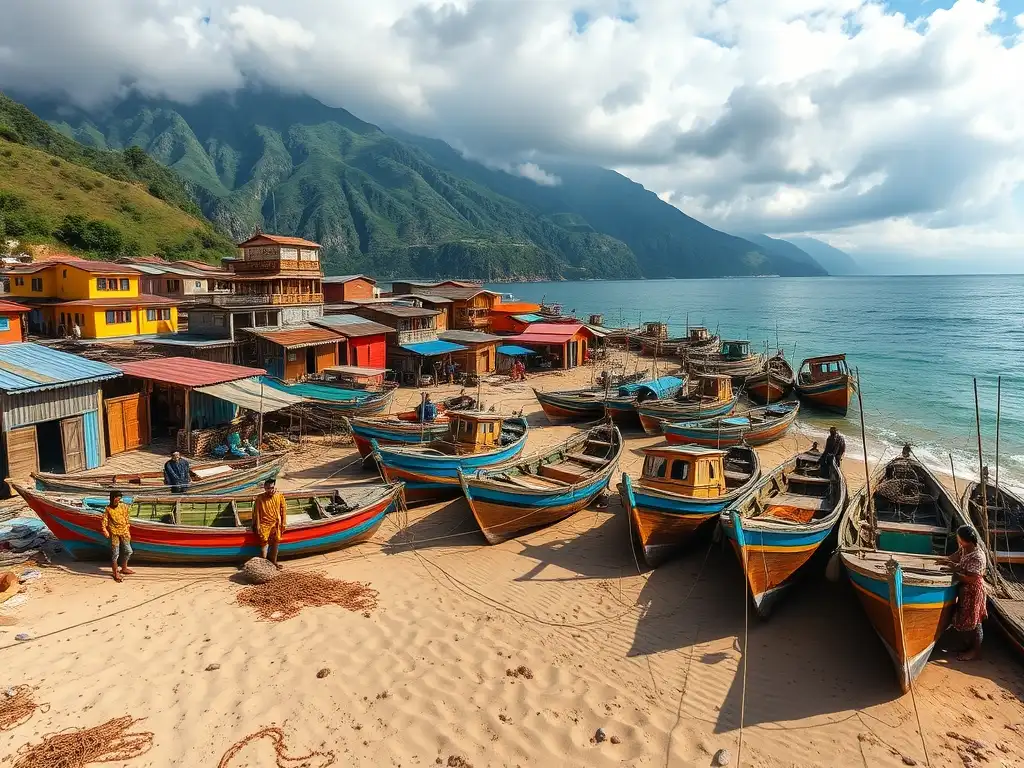
Step into a world lost to time, yet echoing with vibrant life. Imagine the bustling energy of an Andean coastal fishing village, where the rhythmic crash of waves against the shore dictated the daily rhythm of life. This is not just a story of survival; it's a tapestry woven with intricate social structures, ingenious technology, and a profound connection to the sea. Uncover the secrets of Andean coastal fishing village life and explore the fascinating maritime culture that shaped these remarkable civilizations. Dive in and discover more...
-
Andean Coastal Fishing Village Life: A Glimpse into Maritime Traditions
- Introduction to Andean Coastal Communities and Their Reliance on the Sea
- The Importance of Fishing in Ancient Andean Societies
- Daily Routines in a Coastal Andean Fishing Village
- The Cultural Significance of the Sea in Andean Beliefs
- Housing and Community Structure in Andean Coastal Villages
- Diet and Gastronomy of Coastal Andean Populations
- Challenges and Adaptations in Coastal Andean Communities
- Legacy of Andean Maritime Traditions in Modern Coastal Communities
- Conclusion: Understanding the Rich Heritage of Andean Coastal Fishing Life
-
Frequently Asked Questions
- What was the most important economic activity in Andean coastal fishing villages?
- What role did boats play in the daily lives of coastal Andean communities?
- How did the environment impact the daily lives of people in Andean coastal fishing villages?
- What kind of social structures existed within these coastal Andean communities?
- What evidence remains today to help us understand Andean coastal fishing village life?
- Final Reflection: The Enduring Spirit of Andean Coastal Communities
- Dive Deeper into Coastal Andean Culture!
Andean Coastal Fishing Village Life: A Glimpse into Maritime Traditions
The breathtaking Andean coastline, stretching along the Pacific Ocean, wasn't just a geographical feature; it was the lifeblood of numerous ancient societies. This article delves into the fascinating daily life of a coastal Andean community, focusing on the central role of fishing and the rich maritime culture that shaped their existence. We'll explore how these communities thrived by harnessing the resources of the sea, developing sophisticated fishing techniques, and creating a vibrant society deeply intertwined with the ocean's rhythms.
Understanding their relationship with the sea provides crucial insight into the broader context of Andean social structures and their remarkable adaptability to diverse environments. From the intricate details of their fishing practices to their unique social organization and artistic expressions inspired by the marine world, we'll paint a vivid picture of life in an ancient Andean coastal fishing village, enriching our understanding of "Andean coastal fishing village life."
Introduction to Andean Coastal Communities and Their Reliance on the Sea
Andean coastal communities, unlike their highland counterparts, developed a unique relationship with the sea, profoundly shaping their social structures, economic activities, and cultural expressions. Their existence was inextricably linked to the ocean's bounty, with fishing forming the cornerstone of their subsistence strategies. Unlike agricultural societies reliant on predictable cycles of planting and harvesting, coastal communities faced the dynamic challenges of the marine environment, requiring adaptability, specialized knowledge, and collaborative efforts.
The diverse geography of the coast – ranging from rocky shores to expansive beaches – influenced the specific fishing techniques employed. For example, communities inhabiting rocky coastlines might have specialized in techniques like line fishing or trapping, while those near expansive beaches may have employed net fishing on a larger scale. This diversity fostered a rich tapestry of local traditions and specialized skills, passed down through generations.
Archaeological evidence, including the discovery of intricately crafted fishing tools and the remains of fish in ancient settlements, provides compelling insights into the scale and sophistication of their fishing practices. The abundance of seafood also significantly influenced their diet, contributing to a balanced nutrition crucial for their health and well-being. Moreover, the proximity to the sea facilitated trade and interaction with other coastal communities, leading to cultural exchange and the diffusion of maritime technologies.
The Importance of Fishing in Ancient Andean Societies
Fishing wasn't merely a means of sustenance for Andean coastal communities; it was deeply embedded in their social, economic, and religious life. The success of fishing expeditions directly impacted the community's overall well-being, influencing social hierarchies and potentially leading to conflict over access to prime fishing grounds. Evidence suggests that specialized roles existed within these communities, with some individuals dedicated to fishing, others to processing and preserving the catch, and still others to crafting and maintaining fishing equipment.
The importance of fishing is also reflected in the artistic expressions of these societies. Many artifacts, including pottery and textiles, depict marine life and fishing scenes, showcasing the profound connection between the people and the sea. These artistic representations not only document their fishing techniques but also reveal their spiritual beliefs and worldview, often portraying marine deities or mythical creatures associated with the ocean.
Furthermore, the abundance of fish resources likely facilitated the development of larger, more complex settlements compared to smaller, more isolated communities in the highlands. This concentration of population in coastal areas contributed to the growth of specialized crafts, trade networks, and ultimately, the development of more sophisticated social structures. The legacy of these ancient coastal communities continues to resonate today, reminding us of the enduring human connection to the sea and the crucial role of maritime resources in shaping civilizations.
Daily Routines in a Coastal Andean Fishing Village
The daily life in an Andean coastal fishing village revolved around the rhythms of the sea. The sun's arc across the sky dictated the pace of life, from the early morning preparations for the fishing expeditions to the evening rituals of thanks and celebration. The community was tightly knit, with each individual playing a vital role in the collective success of the fishing enterprise.
Life wasn't easy; it demanded resilience, adaptability, and a deep understanding of the ocean's moods. The constant interplay between human activity and the natural environment shaped the social fabric, the religious beliefs, and even the artistic expressions of these coastal communities. The success of the day, and indeed, the survival of the village, hinged on the bounty of the sea.
A poor catch meant hardship, while a plentiful haul brought prosperity and celebration. This precarious balance instilled in the villagers a profound respect for the ocean and its power.
Early Morning Preparations: Setting Out to Sea
Before the sun crested the horizon, the village would awaken to a symphony of sounds: the creaking of boats, the chatter of families preparing for the day, and the rhythmic pounding of tools used to repair nets. Men, women, and even children would contribute to the preparations. Nets would be meticulously checked for tears, boats would be inspected and repaired, and supplies – food, water, and tools – would be carefully loaded.
The launch of the boats was a communal effort, often accompanied by prayers or incantations to ensure a safe and successful fishing trip. The early morning light cast long shadows as the fishermen, their faces etched with the wisdom of generations, pushed their vessels into the waves, their hearts filled with hope and anticipation.
The scene was a testament to the enduring human spirit and the deep connection between people and the sea. Many families would share a simple breakfast before departure, a ritual that reinforced the communal nature of the endeavor.
Traditional Fishing Techniques Employed by Andean Fishermen
Andean fishermen employed a variety of ingenious techniques honed over centuries, adapting their methods to the specific characteristics of the coastal waters and the species they sought. These techniques were often passed down through generations, becoming integral parts of the community’s cultural heritage. Techniques included the use of intricate woven nets, skillfully crafted to capture diverse fish populations. They also utilized ingenious traps and fishing lines, often employing locally sourced materials like reeds and wood.
The knowledge of currents, tides, and fish behavior was paramount, demonstrating a deep understanding of the marine ecosystem. This knowledge was not only practical but also spiritual, reflecting a holistic view of the relationship between humans and nature. Specific techniques varied by region and community, reflecting the unique ecological conditions and traditions of each area. For instance, some coastal communities may have specialized in deep-sea fishing, while others focused on nearshore techniques.
The Return and the Catch: Processing the Day's Harvest
The return of the fishing boats marked a pivotal moment in the daily rhythm of the village. The entire community would gather at the shore, eagerly awaiting the arrival of their loved ones and the bounty of the sea. The size of the catch determined the mood of the village, influencing the distribution of food and resources.
The process of sorting, cleaning, and preparing the fish was a shared responsibility, with women and children playing crucial roles. Some fish would be consumed immediately, while others would be preserved using traditional methods such as sun-drying or salting, ensuring a food supply for the coming days and weeks. The distribution of the catch often followed established patterns, reflecting the social structure and economic realities of the community.
The event was not solely about sustenance; it was a time of social interaction, storytelling, and the reaffirmation of community bonds. This communal effort helped to reinforce the social fabric of the village.
Family Roles and Responsibilities in the Fishing Economy
The Andean coastal fishing economy was deeply interwoven with family structures and responsibilities. Men typically took the lead in fishing expeditions, but women and children played equally crucial roles in the overall success of the enterprise. Women were responsible for preparing nets, mending tears, and processing the catch. Children often assisted in various tasks, learning the skills and traditions of their elders from a young age.
This division of labor ensured the smooth functioning of the fishing economy and the sustainability of the community. The economic contributions of each family member were essential to the overall well-being of the community. This collaborative approach fostered a strong sense of unity and shared responsibility among family members. The family unit was the cornerstone of the village's social and economic organization.
The Cultural Significance of the Sea in Andean Beliefs
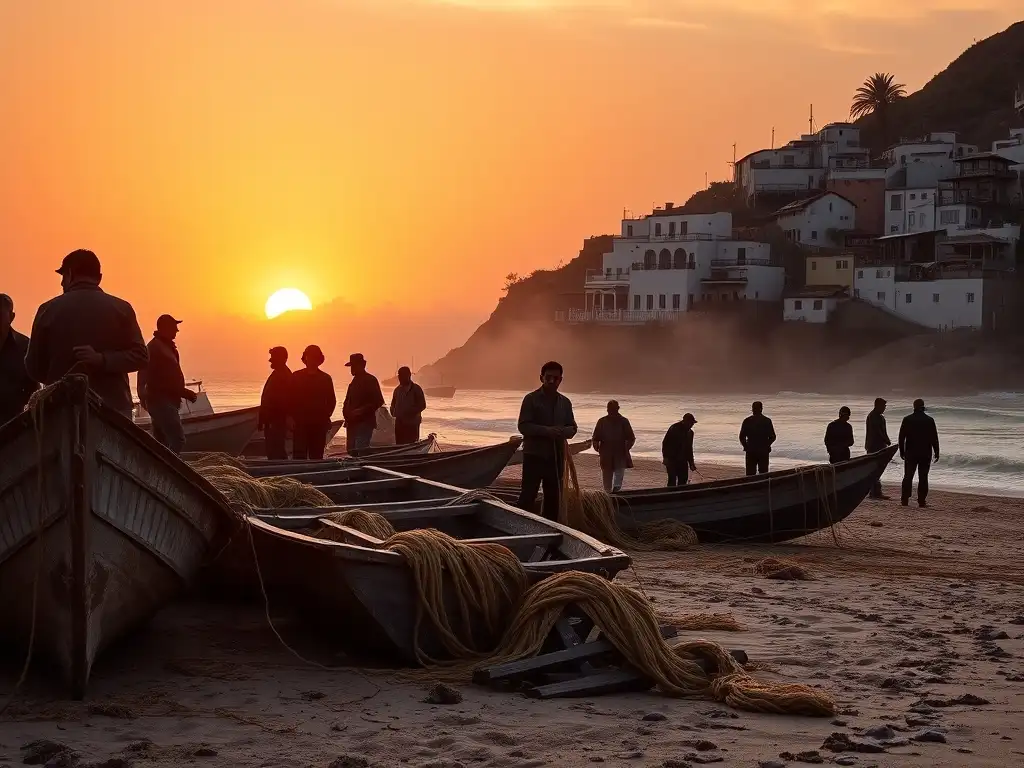
The sea held immense cultural and spiritual significance for Andean coastal communities. It was not simply a source of sustenance but a powerful force of nature, revered and feared in equal measure. The ocean's unpredictable nature and its ability to provide both life and destruction shaped the worldview of these communities.
The sea was deeply integrated into their religious beliefs, artistic expressions, and social structures, reflecting a profound relationship between humans and their environment. The ocean’s rhythms dictated many aspects of daily life, from fishing patterns to the timing of important ceremonies. The spiritual connection between the sea and the people was deeply ingrained in their culture.
Maritime Deities and Rituals in Andean Coastal Culture
Coastal Andean cultures worshipped a pantheon of deities associated with the sea, reflecting their dependence on and respect for its power. These deities often represented both the bounty and the dangers of the ocean. Rituals and ceremonies were performed to appease these deities, ensuring safe voyages, bountiful catches, and protection from the sea's wrath. Offerings, prayers, and sacrifices were common practices, demonstrating the deep reverence held for the ocean and its divine inhabitants.
These rituals were often communal affairs, reinforcing social cohesion and shared faith. The precise nature of these deities and rituals varied depending on the specific culture and region. Archaeological findings reveal evidence of elaborate ceremonies and offerings dedicated to maritime deities, providing insights into the spiritual beliefs of these communities.
Sea-Related Art and Symbolism in Ancient Andean Civilizations
The profound relationship between Andean coastal communities and the sea is vividly reflected in their art and symbolism. Numerous artifacts, from pottery and textiles to metalwork and carvings, depict marine life, fishing scenes, and sea deities. These artistic representations often served not only as aesthetic expressions but also as powerful symbols of their worldview and spiritual beliefs. The imagery found in these artifacts provides valuable insights into the daily lives, religious practices, and social structures of these communities.
The recurring motifs of fish, waves, and sea creatures highlight the central role of the ocean in their lives. The artistic representations served as a powerful means of communicating cultural values, beliefs, and traditions across generations. The artistry and symbolism are a testament to the rich cultural heritage of the Andean coastal peoples.
Housing and Community Structure in Andean Coastal Villages
Traditional Architecture and Building Materials
Andean coastal villages often featured a unique architectural style adapted to the environment. Houses were typically constructed using readily available materials, reflecting a deep understanding of sustainable building practices. Adobe, a sun-dried brick made from clay and organic matter, was a common building material, providing excellent insulation against the coastal climate's temperature fluctuations.
The use of reeds, particularly totora reeds, was also widespread, particularly for roofing and constructing less permanent structures. These reeds, abundant along the coast, offered a lightweight yet durable option, well-suited to the sometimes harsh coastal weather. Stone, where available, was incorporated into foundations and more permanent structures, demonstrating the adaptability of Andean builders to varying local resources.
The construction techniques varied between different coastal communities, reflecting regional differences in available materials and cultural preferences. For example, some communities utilized a combination of adobe and wattle and daub, creating sturdy and insulated homes. The overall design often prioritized functionality and protection from the elements, with compact structures designed to withstand strong winds and potential flooding.
Social Organization and Community Life
Social organization in Andean coastal fishing villages was often closely tied to kinship and resource management. Extended families frequently lived in close proximity, sharing resources and responsibilities. The community structure was hierarchical, with recognized leaders or elders playing important roles in decision-making processes and conflict resolution.
These leaders, often chosen based on experience, skill, or lineage, were responsible for overseeing fishing activities, resource allocation, and community maintenance. Social status was frequently linked to success in fishing and access to resources, creating a dynamic social hierarchy. Religious beliefs and practices played a significant role in shaping daily life, with ceremonies and rituals often centered around the sea and the successful provision of food.
Evidence suggests a strong sense of community cooperation, particularly in relation to large-scale fishing expeditions or community projects requiring collective effort. This collaborative spirit was essential for the survival and prosperity of these coastal communities, fostering a strong sense of shared identity and purpose. Archaeological evidence reveals communal spaces and structures, suggesting the importance of shared activities and social gatherings within the village.
Diet and Gastronomy of Coastal Andean Populations
The diet of coastal Andean populations was heavily influenced by the abundance of marine resources. The proximity to the ocean provided a consistent and reliable source of protein, forming the cornerstone of their culinary traditions. Beyond fish, various types of shellfish, crustaceans, and seaweed played a crucial role in their nutrition. In addition to marine resources, agricultural practices contributed to a more diverse diet.
Coastal communities cultivated crops such as maize, beans, and squash, providing essential carbohydrates, vitamins, and other nutrients. The combination of marine and agricultural resources resulted in a balanced diet that supported a thriving coastal population. The specific composition of the diet varied depending on the geographic location and the availability of resources, but the reliance on marine foods was a consistent feature across coastal Andean communities. The importance of marine life in their diet is reflected in their artistic expressions, religious beliefs, and social structures.
Fish and Seafood as Staples of the Andean Coastal Diet
Fish and seafood formed the backbone of the Andean coastal diet. A wide variety of species, adapted to the diverse coastal ecosystems, provided a rich source of protein and essential nutrients. Specific types of fish consumed varied depending on the season and the fishing techniques employed.
Techniques like netting, hook and line fishing, and trapping provided access to a range of species, each with its unique nutritional profile. Shellfish, including mussels, clams, and oysters, were also widely consumed, adding diversity and flavor to the diet. The consumption of seaweed and other marine algae likely contributed to the overall nutritional intake, offering additional vitamins and minerals.
The abundance and variety of marine resources allowed for a diet that was not only nutritionally complete but also provided a basis for culinary creativity and innovation. The preparation methods varied, reflecting both regional differences and the availability of resources. Drying, salting, and fermenting techniques were employed to preserve fish and seafood for later consumption, extending the availability of these essential foods.
Traditional Cooking Methods and Culinary Practices
Andean coastal communities developed sophisticated cooking methods, reflecting their intimate understanding of their environment and available resources. Simple yet effective techniques were employed to prepare the abundant marine resources. The use of open fires and earth ovens was common, allowing for cooking a wide variety of foods. Fish was often grilled, roasted, or steamed, depending on the specific type and the desired outcome.
Shellfish could be boiled, steamed, or cooked in earthenware pots. The development of specialized pottery and cooking vessels played a key role in the preparation of food. The use of readily available herbs and spices added flavor and complexity to the dishes. The integration of agricultural products, like maize and beans, enhanced the nutritional value and diversity of the meals.
Evidence suggests that the preparation of food was often a communal activity, reflecting the social importance of shared meals. These culinary practices, passed down through generations, reflect both cultural identity and the adaptability of coastal Andean populations to their environment. The specific ingredients and techniques varied across regions, reflecting the diversity of coastal ecosystems and cultural traditions.
Challenges and Adaptations in Coastal Andean Communities
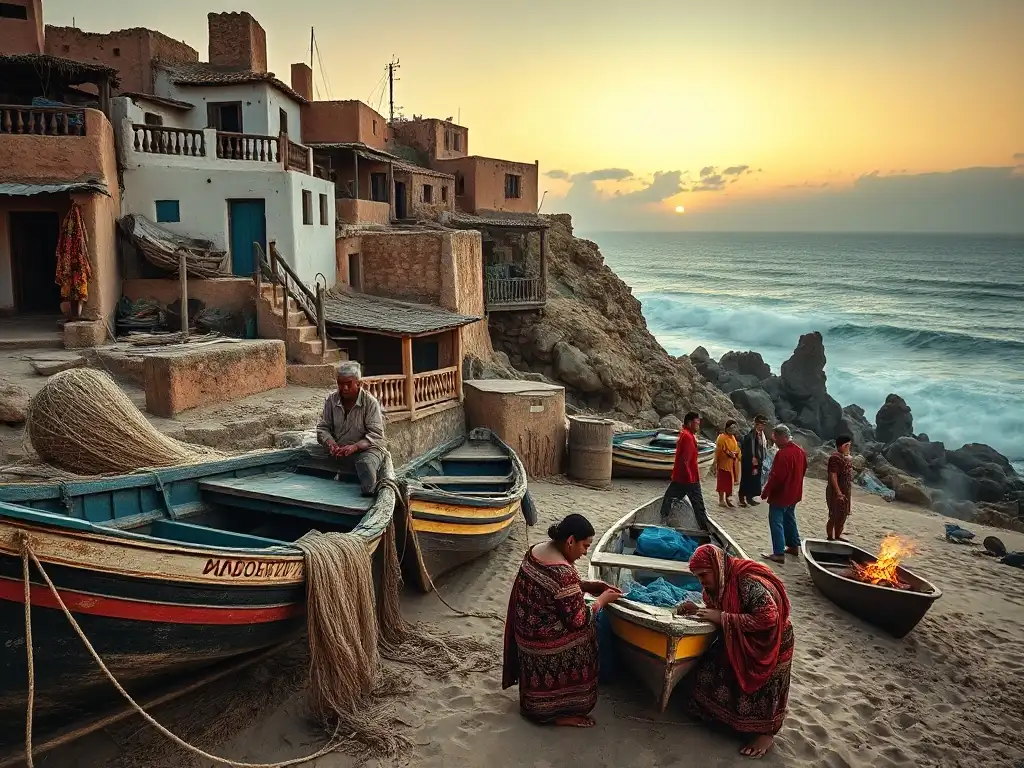
Andean coastal communities faced numerous challenges, demanding remarkable adaptations to survive and thrive. The harsh environmental conditions, including unpredictable weather patterns and the ever-present threat of El Niño events, significantly impacted their livelihoods. These communities relied heavily on the sea for sustenance, and fluctuations in fish populations due to environmental changes could lead to periods of scarcity and hardship. Furthermore, the terrain itself presented difficulties; building stable homes and infrastructure on the often-unstable coastal slopes required ingenuity and considerable effort.
Access to resources beyond the immediate coastal area was often limited, necessitating efficient resource management and intricate trade networks with inland communities. Competition for resources, both within and between communities, also played a significant role in shaping their social structures and daily lives. The constant need to adapt to these challenges fostered resilience and innovation, shaping the unique cultural identity of these coastal populations.
The Impact of Environmental Changes on Fishing Practices
Environmental changes, particularly El Niño events, profoundly affected fishing practices in Andean coastal communities. El Niño's unpredictable and intense weather patterns—including heavy rainfall, flooding, and changes in ocean currents and temperatures—caused significant disruptions to marine ecosystems. This resulted in drastic fluctuations in fish populations, making traditional fishing methods less effective. Communities adapted by diversifying their fishing techniques, employing different types of nets and boats depending on the conditions.
They also developed sophisticated knowledge of marine ecosystems, learning to predict fish migration patterns based on environmental cues, such as changes in water temperature or the presence of specific bird species. This deep understanding allowed for a degree of resilience, enabling them to adapt their strategies to mitigate the negative impacts of these environmental shifts. The knowledge passed down through generations was crucial for the survival of these communities.
Resilience and Innovation in the Face of Adversity
The ability to adapt and innovate was paramount to the survival of Andean coastal communities. Faced with the constant threat of environmental variability and resource scarcity, these communities demonstrated remarkable resilience. Their ingenuity is evident in their diverse fishing techniques, ranging from simple handlines to elaborate fishing traps and rafts. They developed advanced navigational skills, allowing them to navigate the often-treacherous coastal waters efficiently.
Their understanding of marine ecosystems and the ability to predict environmental changes were key to their success. Furthermore, they developed robust social structures, including intricate kinship systems and cooperative labor practices, to ensure community well-being during periods of hardship. This combination of technological innovation, ecological knowledge, and social organization allowed them to not only survive but also to flourish in a challenging environment. Their story is a testament to the human capacity for adaptation and ingenuity in the face of adversity.
Legacy of Andean Maritime Traditions in Modern Coastal Communities
The legacy of Andean maritime traditions continues to resonate in modern coastal communities. While many aspects of life have changed due to globalization and modernization, the deep connection to the sea and the traditional knowledge associated with fishing and maritime culture persist. Many communities still rely on fishing as a primary source of income and sustenance, though often incorporating modern technologies and techniques.
However, traditional fishing methods and boat-building techniques are often still practiced, representing a tangible link to the past. Furthermore, the cultural narratives and ceremonies associated with the sea, passed down through generations, continue to shape community identity and social cohesion. The enduring connection between the Andean people and the sea is a testament to the resilience and adaptability of these communities.
Preserving Cultural Heritage and Traditional Skills
The preservation of Andean maritime cultural heritage and traditional skills is crucial for maintaining the unique identity of coastal communities and ensuring sustainable practices. Efforts to document and protect traditional fishing techniques, boat-building methods, and related knowledge are essential. This involves working closely with local communities to ensure that their knowledge is valued and passed on to future generations.
Community-based initiatives focused on education and training can help sustain traditional skills while also incorporating modern sustainable practices. Museums and cultural centers play a vital role in preserving artifacts and showcasing the richness of Andean maritime culture. The collaborative effort between community members, researchers, and institutions is vital for the long-term preservation of this invaluable cultural heritage.
The Enduring Connection Between Andean People and the Sea
The relationship between Andean people and the sea is not merely economic; it is deeply intertwined with their cultural identity and spiritual beliefs. The sea has provided sustenance, shaped their livelihoods, and inspired their art, mythology, and social structures for millennia. Even in modern times, the sea continues to hold a significant place in the lives of coastal communities. Coastal communities often maintain strong social ties connected to their maritime traditions.
This connection is evident in their festivals, ceremonies, and artistic expressions that reflect the enduring importance of the sea in their lives. The sea is not just a source of resources but an integral part of their cultural heritage and a powerful symbol of their identity. The enduring connection between Andean people and the sea serves as a testament to the enduring power of tradition and the resilience of human spirit.
Conclusion: Understanding the Rich Heritage of Andean Coastal Fishing Life
The study of Andean coastal fishing village life reveals a complex interplay of environmental adaptation, technological innovation, and social organization. Understanding the daily routines, resource management strategies, and cultural expressions of these communities offers a profound insight into the ingenuity and resilience of ancient Andean societies. The meticulous construction of fishing tools, the sophisticated understanding of marine ecosystems, and the intricate social structures that governed resource allocation all point to a level of societal complexity often overlooked in broader narratives of Andean civilizations. Their intimate relationship with the sea wasn't just a matter of survival; it was deeply embedded in their spiritual beliefs, artistic expressions, and social identities.
The remnants of their fishing villages, the artistry found in their pottery depicting marine life, and even the archaeological evidence of their fishing techniques, all contribute to a richer, more nuanced understanding of Andean coastal cultures. Further research, particularly focused on the less-studied coastal communities, will undoubtedly reveal even more about the diversity and sophistication of their maritime traditions and the vital role fishing played in shaping their unique cultural identities. The legacy of these ancient fishermen continues to resonate, reminding us of the enduring human connection to the sea and the remarkable capacity for adaptation and innovation in the face of environmental challenges.
Preserving and interpreting these archaeological sites and artifacts is crucial for future generations to appreciate the rich heritage of Andean coastal fishing life and its enduring contribution to the tapestry of Andean history. The detailed examination of these coastal communities challenges simplistic narratives and offers a powerful counterpoint to the often land-focused perspective on Andean civilizations. It highlights the critical importance of considering the diverse environments and lifestyles that contributed to the vibrant and multifaceted tapestry of Andean culture.
Frequently Asked Questions
What was the most important economic activity in Andean coastal fishing villages?
Fishing was by far the most important activity. Villages relied heavily on marine resources for sustenance and trade, shaping their entire way of life. Fishing techniques varied depending on the location and available resources.
What role did boats play in the daily lives of coastal Andean communities?
Boats were essential for fishing, transport, and trade. Different types of boats were used, reflecting the specific needs of each community and the challenges of the coastal environment. They were crucial to the community's economic and social survival.
How did the environment impact the daily lives of people in Andean coastal fishing villages?
The coastal environment directly dictated their lifestyle. Access to resources like fish and shellfish shaped their diet and economy. Climate patterns also impacted fishing success and daily routines.
Coastal Andean communities were typically organized into small, relatively egalitarian villages. Family and kinship ties were strong, but social hierarchies did exist based on factors like fishing skills and ownership of boats and resources. Community cooperation was essential for survival.
What evidence remains today to help us understand Andean coastal fishing village life?
Archaeological sites, including fish remains, tools, and settlements, offer invaluable insight. Ancient artwork and textiles also depict scenes of fishing and daily life. Ethnographic studies of modern coastal communities provide further context and understanding.
Final Reflection: The Enduring Spirit of Andean Coastal Communities
The intricate dance between human life and the unforgiving yet bountiful sea continues to shape the Andean coastal landscape, a testament to resilience and adaptation in the face of relentless change. The challenges faced by these communities, from climate change to economic pressures, highlight the urgent need for sustainable practices and equitable support systems. Their survival is not merely a local concern; it's a microcosm of global issues impacting coastal communities worldwide.
The enduring strength of Andean coastal fishing village life, passed down through generations, is a powerful reminder of the deep connection between people and their environment. Their traditions, their intimate knowledge of the sea, and their unwavering spirit are invaluable. The sea, once it casts its spell, holds one in its net of wonder forever.
– Jacques Cousteau. This quote resonates deeply with the unwavering dedication and profound respect for the ocean demonstrated by the communities explored in this article. Their way of life offers a valuable lesson in sustainable living and harmonious coexistence with nature, a lesson we can all learn from.
Consider the stories shared within these pages. Reflect on the challenges and triumphs of these resilient communities. What can you, as an individual, do to support sustainable fishing practices and protect the delicate balance of our coastal ecosystems? Let the vibrant culture and unwavering spirit of the Andean coastal fishing villages inspire you to act, to advocate, and to contribute to a future where both humanity and nature thrive. The future of these communities, and indeed the health of our planet, depends on it.
Dive Deeper into Coastal Andean Culture!
Thank you for exploring the vibrant world of coastal Andean life! We hope this article has highlighted the rich maritime traditions and strong community bonds that define this unique culture. Now, let's turn your curiosity into action!
- Support Sustainable Fishing: Get involved in local efforts to promote responsible fishing practices. Many ocean conservation organizations offer volunteer opportunities; research groups in your area to find out how you can help.
- Savor Andean Cuisine: Experiment with traditional coastal recipes featuring locally sourced seafood. Share your culinary creations with friends and family – a delicious way to connect with the culture!
- Connect with Coastal Communities: Learn more about coastal Andean culture by engaging with local groups online or in person. Participate in online forums, attend cultural events, or seek out opportunities for meaningful interaction.
What aspect of coastal Andean life most captivates you, and how might you integrate it into your daily life?