
The Art of Weaving: Clothing and Textiles in Daily Andean Life

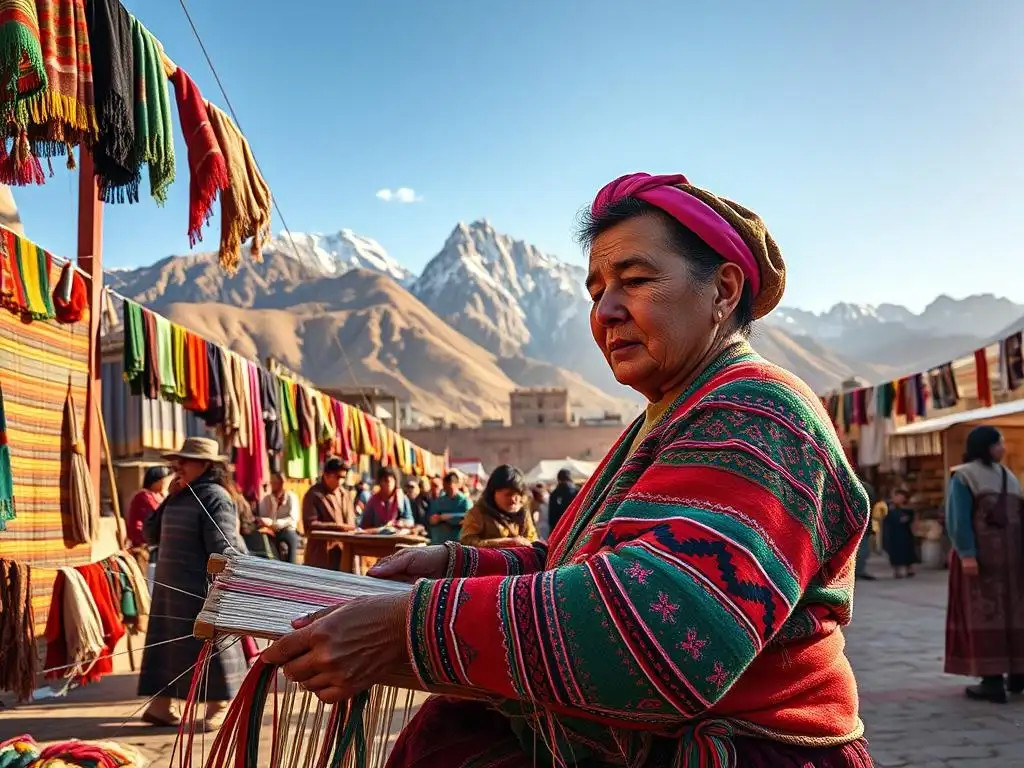
Unravel the mysteries of a lost world, where vibrant threads whispered stories across millennia. Dive into the captivating world of Andean civilizations, and discover how Andean textiles clothing history shaped not only daily life but the very fabric of Andean social structures. Prepare to be amazed by the intricate artistry and profound symbolism woven into every garment – a legacy that continues to inspire awe today. Explore the rich tapestry of their culture and uncover the secrets hidden within their threads.
- The Art of Weaving: Andean Textiles and Clothing in Daily Life
- Andean Clothing: More Than Just Fabric
- The Weaving Process: Techniques and Tools
- Andean Textiles in Daily Life
- Preservation and Legacy of Andean Textile Art
-
Frequently Asked Questions
- What role did textiles play in Andean societies?
- How did Andean textile techniques differ across different cultures?
- What materials were commonly used in Andean textile production?
- What can Andean textiles tell us about the history of the Andean people?
- Where can I learn more about Andean textiles and clothing?
- Final Reflection: Threads of Time, Echoes of Culture
- Embrace the Craft: Weave Your Own Connection to Andean Culture!
The Art of Weaving: Andean Textiles and Clothing in Daily Life
The vibrant tapestry of Andean civilization is inextricably woven—pun intended—with the art of textile production. From the intricate designs adorning the clothing of everyday people to the elaborate ceremonial garments worn by elites, textiles served as a powerful medium of communication, social status, and spiritual expression.
This article delves into the rich history of Andean textiles and clothing, exploring their significance in the daily lives of ancient Andean societies, from the Incas to the pre-Inca cultures like the Moche, Nazca, and Tiahuanaco. We will examine the techniques, materials, and symbolic meanings embedded within these remarkable creations, revealing how Andean textiles provide invaluable insights into the social structures, beliefs, and artistic achievements of these fascinating civilizations.
Understanding the role of textiles in Andean daily life unlocks a deeper appreciation for the complexity and ingenuity of these ancient cultures, offering a compelling narrative woven through time and tradition. Prepare to be amazed by the artistry and enduring legacy of Andean textiles, a true testament to human creativity and resilience.
Introduction to Andean Weaving Traditions
Andean weaving traditions represent a remarkable continuity, spanning millennia and showcasing an unparalleled mastery of textile arts. The techniques employed, passed down through generations, involved intricate processes demanding both skill and patience. The most common materials included cotton, alpaca, llama, and vicuña fibers, each prized for its unique qualities. Cotton, grown in warmer coastal regions, provided a soft and durable fabric suitable for everyday clothing. Alpaca, llama, and vicuña fibers, sourced from the high Andes, offered varying degrees of fineness and warmth, influencing the type of garments produced.
The process began with shearing the animals, followed by meticulous cleaning and carding of the fibers. Spinning, often done using a drop spindle, transformed the fibers into yarn, ready for weaving. The looms themselves varied in complexity, ranging from simple backstrap looms to more sophisticated upright looms capable of producing incredibly intricate designs.
These designs were not arbitrary; they conveyed rich symbolic meanings reflecting the wearer's social status, clan affiliation, and even their spiritual beliefs. The colors used, often derived from natural sources like plants and minerals, also held significant cultural meaning. For example, [specific information pending] regarding the symbolic significance of specific colors in different Andean cultures.
Furthermore, the techniques themselves were sophisticated. Examples include:
- Supplementary weft weaving: This technique allowed for the creation of intricate designs by adding extra weft threads over the base fabric.
- Brocade: This process involved weaving intricate patterns directly into the fabric, resulting in richly textured designs.
- Embroidery: This involved adding decorative stitching to existing fabrics, often used to enhance ceremonial garments.
The Historical Significance of Andean Textiles
Andean textiles are not merely beautiful objects; they are invaluable historical documents. Their designs, colors, and techniques provide crucial information about the social and political organization of Andean societies. For instance, the intricate patterns found on certain textiles could indicate the wearer's lineage or their position within the social hierarchy. Changes in textile production over time reflect shifts in social structures and technological advancements.
The study of Andean textiles has significantly contributed to our understanding of pre-Columbian societies. Archaeological discoveries of textiles, often found preserved in dry climates, offer tangible evidence of past artistic practices and daily life. [Specific information pending] detailing examples of archaeological discoveries and their impact on understanding Andean textile history.
The analysis of textile fragments allows researchers to trace the evolution of weaving techniques and the spread of cultural influences across different Andean regions. For example, the spread of certain motifs or techniques can indicate trade routes or cultural exchange between different communities. The detailed analysis of these artifacts provides a fascinating glimpse into the lives, beliefs, and social structures of ancient Andean peoples, enriching our understanding of this remarkable civilization.
The enduring legacy of Andean textiles continues to inspire awe and admiration, serving as a powerful reminder of the ingenuity and artistic brilliance of these ancient cultures. The intricate designs and sophisticated techniques employed remain a source of fascination for scholars and art enthusiasts alike.
Andean Clothing: More Than Just Fabric
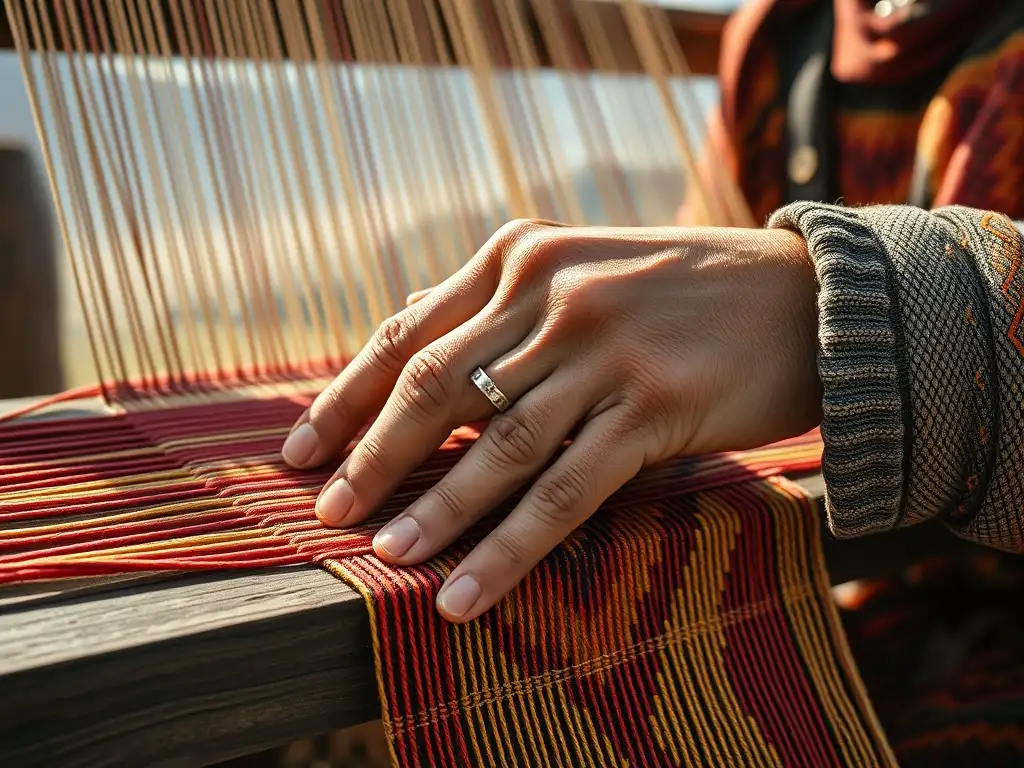
Andean textiles represent far more than just clothing; they are a tangible expression of Andean civilizations' rich history, social structures, and artistic achievements. The intricate weaving techniques, diverse materials, and vibrant colors reflect the ingenuity and cultural depth of these ancient societies. Studying Andean textiles provides invaluable insight into their daily lives, beliefs, and social hierarchies. The enduring legacy of Andean textile production continues to inspire and fascinate, underscoring the profound impact of these ancient cultures on the world. The keyword phrase "Andean textiles clothing history" is central to understanding the significance of these artifacts.
Materials Used in Andean Textile Production
The remarkable quality and artistry of Andean textiles were intrinsically linked to the materials used in their creation. The ingenuity of Andean artisans in transforming raw materials into exquisite fabrics is a testament to their mastery of textile production.
Andean Wool: From Llamas and Alpacas to Fabric
The foundation of Andean textile production was the wool derived from llamas and alpacas. These camelids provided a sustainable source of fiber, perfectly adapted to the high-altitude Andean environment. Llama wool, coarser and stronger, was often used for outer garments and utilitarian textiles. Alpaca wool, known for its softness and fineness, was reserved for finer cloths and elite garments.
The process of shearing, cleaning, spinning, and dyeing the wool involved complex techniques passed down through generations, ensuring the consistent quality of the finished product. The meticulous preparation of the wool directly impacted the final appearance and durability of the Andean textiles clothing. Variations in fiber length and quality, depending on the animal and its environment, contributed to the diverse textures found in surviving examples.
Natural Dyes: Colors of the Andean World
The vibrant colors of Andean textiles were achieved through the masterful use of natural dyes derived from plants, insects, and minerals found throughout the Andean region. Cochineal insects, for example, yielded a rich crimson, while various plants provided yellows, greens, browns, and other hues. The precise recipes and techniques for dye preparation remain partly shrouded in mystery, but archaeological evidence and ethnobotanical studies continue to shed light on these practices.
The availability of certain dyes may have also influenced regional variations in textile designs and color palettes. The longevity and vibrancy of many ancient Andean textiles are a testament to the effectiveness and durability of these natural dyes. The use of natural dyes represents an integral part of the "Andean textiles clothing history" narrative.
Andean Clothing Styles by Region and Culture
The styles and significance of clothing varied considerably across different Andean cultures and regions, reflecting unique social structures and artistic traditions. Each culture developed distinctive patterns, techniques, and symbolic meanings associated with their textiles.
Inca Clothing: Status and Symbolism in Textiles
Inca clothing was a powerful symbol of social status and identity. The type of fabric, color, and embellishments worn indicated a person's position within the hierarchical Inca society. Fine alpaca wool garments, intricately woven and adorned with elaborate designs, were reserved for the elite, while simpler cotton or llama wool garments were worn by the common people.
Specific colors and patterns were also associated with particular roles or ceremonies. Royal purple, for instance, was a color reserved for the Inca emperor and his family. The use of textiles as markers of social standing is a crucial aspect of understanding Inca society and the "Andean textiles clothing history".
Moche Clothing: Depictions in Art and Daily Life
The Moche civilization, known for its sophisticated artistic achievements, left behind detailed depictions of clothing in their pottery and metalwork. These artistic representations provide valuable insights into the styles and materials used in Moche garments. Textile fragments uncovered at Moche sites reveal intricate designs and weaving techniques, reflecting a high level of craftsmanship. The clothing depicted in Moche art often features elaborate headdresses, tunics, and mantles, indicating a strong emphasis on adornment and personal expression. Understanding Moche textiles is essential to a complete picture of "Andean textiles clothing history".
Nazca Clothing: Intricate Patterns and Designs
The Nazca culture is renowned for its extraordinary textiles, characterized by intricate geometric patterns and complex weaving techniques. The Nazca people were masters of textile production, creating garments with highly detailed and elaborate designs. Their expertise in tapestry weaving allowed them to create incredibly fine and detailed textiles. The designs often included stylized representations of animals and plants, reflecting their connection to the natural world and their sophisticated understanding of the environment. The highly developed weaving techniques and intricate patterns of Nazca textiles are an important chapter in "Andean textiles clothing history".
Tiahuanaco Clothing: Influence and Craftsmanship
The Tiahuanaco culture, located on the shores of Lake Titicaca, produced distinctive textiles characterized by their unique style and craftsmanship. Tiahuanaco textiles frequently incorporated geometric motifs and bold color combinations. The influence of Tiahuanaco textile traditions can be seen in the clothing styles of later Andean cultures, highlighting their lasting impact on regional textile traditions. The craftsmanship and design elements of Tiahuanaco textiles contribute significantly to the broader narrative of "Andean textiles clothing history".
The Weaving Process: Techniques and Tools
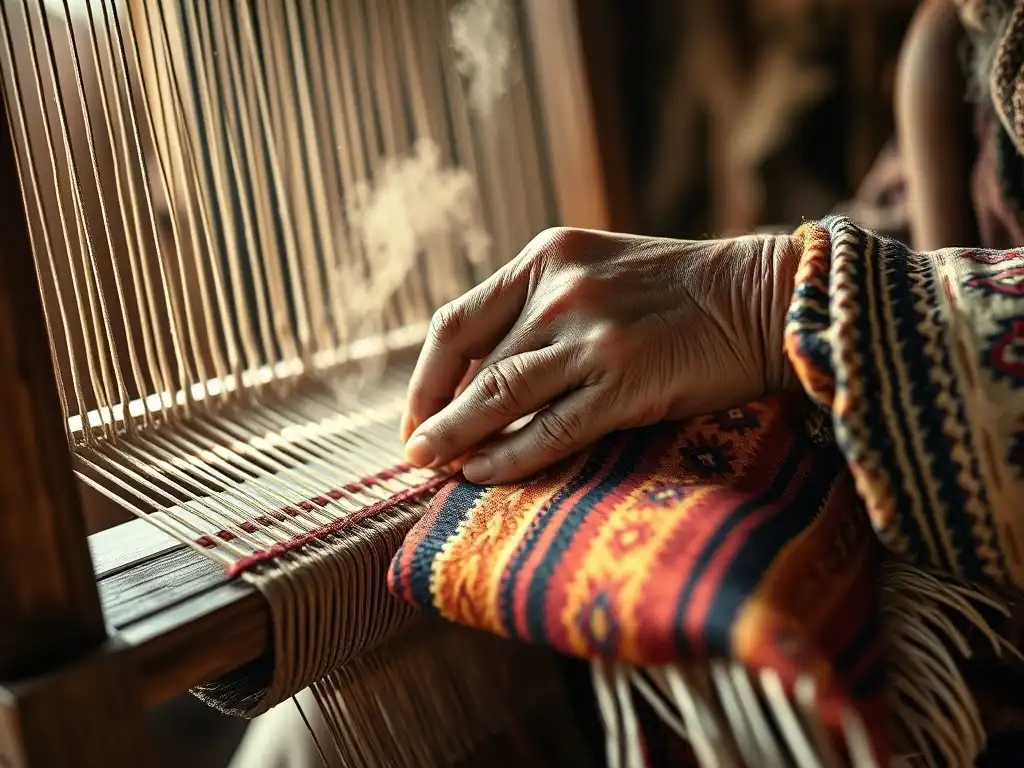
The creation of Andean textiles was a complex and highly skilled process, deeply interwoven with the daily lives and spiritual beliefs of the people. Understanding the techniques and tools employed reveals a sophisticated level of technological and artistic achievement. The production of these exquisite textiles wasn't merely a craft; it was a vital part of Andean social structure and a reflection of their worldview, deeply embedded within their "Andean textiles clothing history."
Traditional Andean Looms: Types and Function
Andean weavers utilized various types of looms, each suited to specific textile needs and styles. The most common were backstrap looms, characterized by their portability and adaptability. These looms, often made of simple wooden components and sturdy cords, allowed weavers to work virtually anywhere—in the home, the field, or while traveling.
The backstrap loom's flexibility enabled the creation of both narrow and wide textiles, adapting to the diverse needs of Andean clothing and household items. More complex, larger looms were also employed, particularly in larger communities or for specialized weaving projects. These stationary looms allowed for greater control and the production of larger, more intricate textiles.
The differences in loom types impacted not only the scale of production but also the complexity of the designs and the overall quality of the finished product. The ingenuity of these designs, passed down through generations, showcases the advanced technological understanding of these ancient societies, significantly contributing to the rich tapestry of Andean textiles clothing history.
Weaving Techniques: Patterns and Motifs
Andean weaving techniques were remarkably diverse, showcasing a mastery of color, texture, and pattern. Weavers employed a variety of techniques, including plain weave, tapestry weave, and brocade, to achieve diverse effects. Plain weave, the simplest technique, provided a sturdy base for many textiles.
Tapestry weave, on the other hand, allowed for the creation of intricate designs by weaving different colored threads into the warp, resulting in complex and vibrant patterns. Brocade, a more advanced technique, involved supplementary weft threads that were woven over and under the warp threads to create raised patterns and textures. The mastery of these techniques, coupled with the use of natural dyes derived from plants, minerals, and insects, allowed for the creation of stunningly beautiful and durable textiles.
The precision and artistry displayed in these textiles are a testament to the skill and dedication of Andean weavers. The use of these techniques is intrinsically linked to the Andean textiles clothing history, adding layers of complexity and beauty.
The Meaning of Andean Textile Motifs and Symbols
The intricate patterns and motifs woven into Andean textiles weren't merely decorative; they were rich with symbolic meaning, conveying social status, religious beliefs, and historical narratives. Geometric designs, such as chevrons, zigzags, and stepped patterns, often represented the Andean worldview, reflecting the landscape, celestial bodies, and spiritual concepts. Representational motifs, such as animals (e.g., condors, llamas) and stylized human figures, also appeared frequently, conveying specific narratives or social roles.
For example, a particular design might signify a specific clan or lineage, while another might depict a mythological being or a significant historical event. The careful study of these motifs provides invaluable insights into the cultural beliefs and social structures of Andean societies. The decoding of these symbols is crucial to understanding the full breadth and depth of Andean textiles clothing history.
Further research is needed to fully decipher the complexities of many symbols, with some motifs still being interpreted and debated amongst scholars today. The enduring legacy of these symbols continues to fascinate and inspire, solidifying their importance in the rich history of Andean textiles and clothing.
The Role of Women in Andean Weaving
Women played a central, and often dominant, role in Andean textile production. While men might have been involved in certain aspects, such as procuring raw materials like alpaca or llama fleece, the actual spinning, dyeing, and weaving were overwhelmingly women's work. This wasn't simply a division of labor; weaving was deeply intertwined with women's social status and spiritual roles within the community.
Their expertise was highly valued, and their creations served as both practical necessities and powerful symbols of social standing and ritual significance. The intricate designs and techniques employed often reflected a woman's skill and experience, acting as a visual testament to her years of dedicated practice. The mastery of complex weaving patterns could elevate a woman's social standing within her family and community, demonstrating both her technical prowess and her connection to ancestral knowledge.
This is evidenced by the discovery of numerous mummies buried with their finest textiles, indicating the high value placed on these items and the women who created them. Moreover, certain weaving techniques were passed down through generations of women, reinforcing the strong familial and community bonds associated with this craft.
The level of skill required, and the social importance of textile production, meant that girls began learning to weave at a young age, often starting with simpler tasks before progressing to more complex patterns and techniques. This apprenticeship system ensured the continuation of traditional methods and designs across generations, maintaining the cultural heritage of the Andean civilizations. The creation of textiles wasn't merely a practical activity; it was a fundamental aspect of women’s identity and their contribution to the social fabric of their communities.
The vibrant colors, intricate designs, and enduring quality of Andean textiles are a direct result of the dedication and skill of the women who produced them. Their artistry is a vital thread in the rich tapestry of Andean history and culture.
Andean Textiles in Daily Life
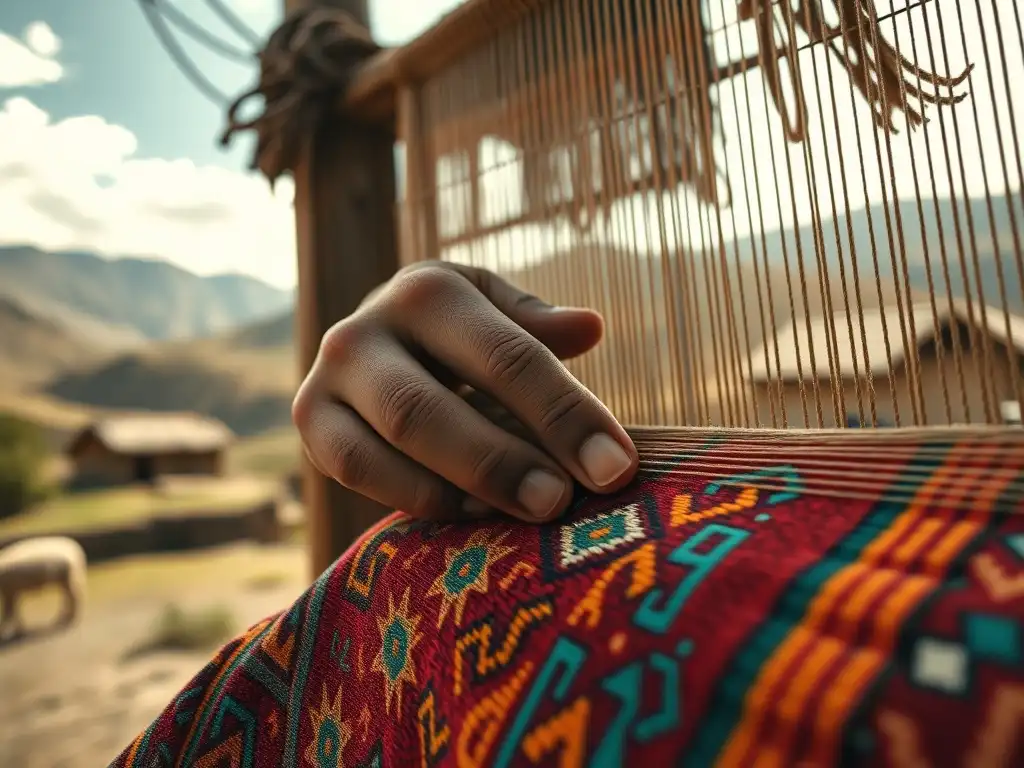
This section delves into the multifaceted role of textiles in the daily lives of ancient Andean populations. From practical garments to sacred ceremonial objects, textiles were integral to their social fabric, reflecting their sophisticated craftsmanship and deep-seated beliefs. Understanding the significance of Andean textiles offers crucial insight into their social structures, economic systems, and spiritual world. The keyword "Andean textiles clothing history" is central to this exploration.
Everyday Clothing: Practicality and Function
The practicality and functionality of Andean textiles are evident in the diverse range of clothing items discovered in archaeological sites. Daily garments were designed to withstand the harsh Andean climate, offering protection from the intense sun, cold nights, and unpredictable weather patterns. Materials varied depending on regional availability and included alpaca, llama, vicuña, and cotton.
The construction techniques employed were incredibly sophisticated. Different weaving techniques, like tapestry weaving, brocade, and sumptuary techniques, produced durable and comfortable garments. For instance, the use of interlocking warp and weft threads created incredibly strong fabrics capable of withstanding years of wear and tear. These techniques, passed down through generations, represent a testament to the mastery of Andean artisans.
We see evidence of this in the discovery of well-preserved textiles in various burial sites. These discoveries reveal detailed information about clothing styles, including tunics, ponchos, and mantles. The garments often featured intricate patterns and designs, though everyday clothing typically employed simpler motifs compared to ceremonial pieces. The color palettes, too, reflected the availability of natural dyes derived from plants and minerals. For example, cochineal insects provided vibrant reds, while various plants offered yellows, browns, and greens. Analyzing the dyes used provides valuable information about the resources available to different communities and their trade networks.
Ritual and Ceremonial Textiles: Sacred Importance
Beyond their practical applications, Andean textiles held immense spiritual significance. Ceremonial textiles, often richly adorned with intricate designs and symbolic motifs, played a vital role in religious rituals and festivities. These textiles served as powerful visual representations of deities, ancestors, and cosmological beliefs. The production of these sacred textiles was often entrusted to specialized artisans, highlighting their esteemed position within the community.
The use of specific colors and symbols carried profound meaning. For instance, certain colors might represent specific deities or natural elements, while intricate patterns could depict mythological narratives or cosmological cycles. The meticulous detail and craftsmanship evident in these textiles demonstrate the high value placed upon them and their function in connecting the living world with the spiritual realm.
Consider the elaborate mantles and tunics worn by priests and elites during religious ceremonies. These garments were not merely clothing; they were powerful visual statements expressing social status and spiritual authority. Their intricate designs and use of rare materials reinforced their sacred importance. The discovery of such textiles in elite tombs further underscores their significance in the afterlife. The preservation of these textiles is a testament to the enduring cultural legacy of the Andean civilizations.
Andean Textiles as Trade and Barter Goods
Andean textiles were not only integral to daily life and religious practices but also served as valuable commodities in trade and barter systems. The quality and artistry of the textiles influenced their value, with highly skilled artisans producing pieces sought after across vast distances. This extensive trade network facilitated the exchange of goods and ideas, connecting different Andean communities and fostering cultural exchange.
The intricate designs and unique styles often identified the region of origin, serving as a visual marker of the artisan's community. This regional variation is a key factor in analyzing trade routes and understanding the economic relationships between different Andean groups. The demand for high-quality textiles fueled specialized production centers and fostered economic growth in certain regions.
Moreover, the use of rare materials like vicuña wool, which was highly prized for its softness and warmth, further contributed to the value of certain textiles. Controlling access to these materials and the skilled artisans who could process them provided significant economic and political power. The discovery of textiles from distant regions in archaeological contexts confirms the existence of extensive trade routes and the significance of textiles within the Andean economic system. The study of these textiles provides invaluable insights into the complex economic and social dynamics of these ancient civilizations.
Preservation and Legacy of Andean Textile Art
The remarkable artistry and technical skill evident in Andean textiles haven't faded with time. Their legacy continues to resonate, influencing contemporary art, fashion, and cultural identity. Understanding how these ancient techniques have survived and evolved is crucial to appreciating their enduring significance in the broader context of "Andean textiles clothing history."
The vibrant colors, intricate designs, and the sheer durability of these fabrics stand as a testament to the ingenuity of past civilizations and their profound connection to their environment. The survival of these textiles, often discovered in surprisingly good condition within archaeological sites, provides invaluable insight into the daily lives, beliefs, and social structures of Andean societies.
Furthermore, the continued practice of traditional weaving techniques by contemporary Andean communities ensures the preservation of this invaluable cultural heritage. This section will delve into the modern resurgence of Andean weaving and the crucial efforts undertaken to protect this rich textile legacy for future generations.
Modern Andean Weaving and its Influence
Modern Andean weaving is not merely a continuation of ancient traditions; it's a dynamic and evolving art form. Contemporary artisans, while honoring ancestral techniques, are also incorporating new materials, designs, and influences. This creative fusion reflects the changing socio-economic landscape of the Andes while maintaining a strong connection to their cultural roots.
Many communities actively participate in the production of textiles for both local use and the global market, thereby generating income and empowering local economies. The influence of Andean textiles on contemporary fashion is undeniable. Designers worldwide draw inspiration from the intricate patterns, vibrant colors, and unique textures of these ancient fabrics, incorporating elements of Andean design into their collections.
This global appreciation highlights the universal appeal of Andean textile art and contributes to its ongoing preservation. The demand for authentic Andean textiles also supports the continuation of traditional weaving practices and provides economic incentives for communities to maintain their cultural heritage. This symbiotic relationship between tradition and innovation is essential for the long-term survival of Andean weaving.
The Importance of Preserving Andean Textile Heritage
Preserving Andean textile heritage is not just about safeguarding historical artifacts; it's about protecting a living culture. These textiles are repositories of knowledge, reflecting centuries of accumulated expertise, social structures, and spiritual beliefs. Their preservation is crucial for several reasons:
- Cultural Identity: Andean textiles are integral to the cultural identity of many communities in the Andes. Their continued production and use reinforce a sense of belonging and pride in their heritage.
- Economic Sustainability: The production and sale of traditional textiles provide economic opportunities for Andean communities, fostering self-reliance and reducing poverty.
- Historical Understanding: The detailed analysis of Andean textiles offers invaluable insights into the social, political, and religious aspects of past Andean civilizations. The study of color palettes, weaving techniques, and iconography provides a window into their worldview and social hierarchy.
- Artistic Inspiration: Andean textiles serve as an endless source of inspiration for contemporary artists and designers, fostering creativity and cross-cultural exchange.
The ongoing efforts of museums, research institutions, and local communities are essential in ensuring the long-term preservation of Andean textiles. These efforts include careful cataloging, conservation, and the creation of educational programs to raise awareness and appreciation of this rich cultural heritage. The documentation of traditional weaving techniques is also crucial to ensure their transmission to future generations. The loss of this knowledge would be an irreplaceable loss to humanity.
Conclusion: The Enduring Legacy of Andean Textiles and Clothing
The study of Andean textiles reveals a captivating narrative of artistry, resilience, and cultural continuity. From the intricate designs of the Paracas culture to the sophisticated techniques of the Inca Empire, the story of Andean textiles is a testament to human ingenuity and the enduring power of cultural heritage.
The continued practice of traditional weaving, coupled with the growing global appreciation for Andean textile art, ensures that this rich legacy will endure for generations to come. The vibrant colors, complex patterns, and symbolic significance of Andean textiles continue to inspire awe and fascination, reminding us of the extraordinary achievements of these ancient civilizations and the importance of preserving their cultural heritage for the benefit of all.
Understanding the "Andean textiles clothing history" is essential to comprehending the complex tapestry of Andean civilization. The preservation of these textiles is not just a historical imperative; it is a vital contribution to the ongoing vitality and cultural richness of the Andean region.
Frequently Asked Questions
What role did textiles play in Andean societies?
Textiles were essential to Andean life. They served not only as clothing but also as religious symbols, status markers, and forms of currency. Their intricate designs told stories and reflected social hierarchies.
How did Andean textile techniques differ across different cultures?
While weaving was widespread, each culture had its unique techniques and styles. The Nazca were famous for their complex designs, while Inca textiles showed finer craftsmanship and standardized patterns. The Moche also displayed distinctive styles.
What materials were commonly used in Andean textile production?
Cotton and alpaca wool were the primary materials, with vicuña and llama wool used for finer garments. The availability of these materials varied regionally, influencing the type of textiles produced.
What can Andean textiles tell us about the history of the Andean people?
Andean textiles offer valuable insights into the social structures, beliefs, and artistic achievements of these civilizations. The iconography depicted in the textiles reveals much about their worldview and daily lives. Color and design often had symbolic meanings.
Where can I learn more about Andean textiles and clothing?
You can explore museums with Andean collections, research academic journals and books on Andean archaeology and anthropology, and visit online resources dedicated to Andean history and culture. Many websites and virtual museums offer detailed information.
Final Reflection: Threads of Time, Echoes of Culture
The vibrant artistry of Andean textiles isn't merely a historical artifact; it's a living testament to resilience, innovation, and cultural continuity that continues to resonate powerfully in the 21st century. The intricate designs, the enduring techniques passed down through generations, and the profound symbolism woven into every thread speak volumes about the enduring spirit of Andean communities. These textiles are not just clothing; they are narratives, histories, and expressions of identity that continue to shape the region's cultural landscape.
The enduring legacy of Andean textile traditions profoundly impacted my understanding of cultural preservation and the power of artistic expression to transcend time. The sheer artistry and the stories embedded within each piece are breathtaking. The threads themselves are a kind of memory, holding within them the echoes of countless hands and hearts.
This quote, though not directly from an Andean source, perfectly captures the feeling of connection to history and community that these textiles evoke. Their continued presence in modern Andean life, adapted and innovated upon, speaks to the dynamism and adaptability of a culture that refuses to be forgotten.
Consider the threads that bind your own life – the traditions, the stories, the objects that connect you to your heritage and community. What stories do your clothes tell? Take a moment to appreciate the artistry and craftsmanship in the everyday objects around you, and reflect on the human stories woven into their creation. Let the legacy of Andean textiles inspire you to cherish and preserve the cultural heritage in your own life, and to recognize the power of art to bridge generations and connect us to something larger than ourselves.
Embrace the Craft: Weave Your Own Connection to Andean Culture!
Thank you for exploring the vibrant world of Andean textiles! Discovering this rich tradition reveals not just a craft, but a vital part of Andean cultural identity and daily life. Let's take the next step together.
- Begin your weaving journey: Learn this beautiful art form by taking a local weaving class or following online tutorials.
- Share the beauty: Photograph your favorite Andean textile and share it on social media using #AndeanWeaving to connect with others who appreciate this incredible heritage.
- Deepen your understanding: Visit a museum or exhibition showcasing Andean textiles to immerse yourself in their history and stories.
What most captivated you about Andean weaving, and how will you incorporate it into your life?