
Deciphering the Complexities of Andean Kinship: A Journey into the Past

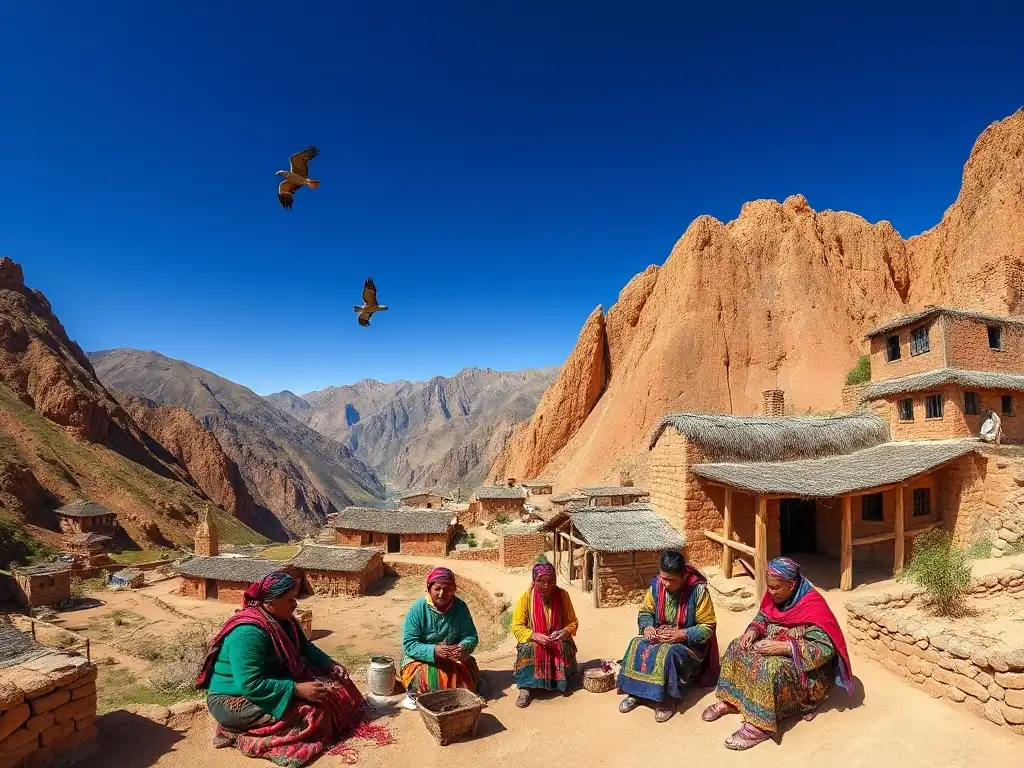
Uncover the secrets whispered on the wind across the Andes Mountains! For centuries, these towering peaks have guarded the legacy of extraordinary civilizations. But what truly bound these societies together? Dive into the fascinating world of Andean kinship systems, a crucial element in understanding the intricate social structures of the Incas, Moche, Nazca, and Tiahuanaco. Prepare to be amazed by the complexities and unexpected nuances of their family ties—a journey that will reshape your understanding of these ancient empires. Read on to unravel the mysteries!
The Andes Mountains, a spine of towering peaks and fertile valleys stretching along the western coast of South America, cradled a dazzling array of ancient civilizations. While we often focus on the monumental architecture and sophisticated engineering of cultures like the Inca, Moche, and Nazca, a deeper understanding of their societal structures is crucial to fully appreciate their achievements.
This article delves into the intricate world of Andean kinship systems, exploring the diverse ways in which these societies organized family and social relations. Understanding Andean kinship is not simply about tracing bloodlines; it's about uncovering the complex web of alliances, obligations, and power dynamics that shaped their societies, influencing everything from agricultural practices to political structures.
We will unravel the nuances of these systems, examining how they varied across different Andean cultures and how they contributed to the overall success and longevity of these remarkable civilizations. Prepare for a journey into the past, where we decipher the complexities of family and kinship in the Andes, shedding light on a fundamental aspect of Andean life often overlooked.
The Inca Kinship System: A Hierarchical Structure
The Inca Empire, at its zenith, boasted a vast and highly organized society. Their kinship system was deeply intertwined with their hierarchical political structure. The Sapa Inca, the emperor, was considered a divine figure, and kinship ties were crucial in maintaining his authority and legitimacy. The royal family held immense power, and their lineage was meticulously documented and preserved.
Marriage within the royal family was common, reinforcing the power of the ruling elite. Beyond the royal family, the Inca system emphasized lineage and clan affiliation, with individuals owing allegiance to their ayllu, a communal group based on kinship and shared ancestry. This system ensured social stability and facilitated the mobilization of labor for large-scale projects like road construction and agriculture.
The Inca's ability to effectively manage vast populations and resources was, in no small part, due to the tightly knit fabric of their kinship-based social organization. This wasn't simply a matter of blood relations; it was a carefully constructed system designed to solidify power and ensure the continuity of the empire. [Specific information on Inca marriage practices pending].
Beyond the Inca: Diverse Kinship Practices in Pre-Columbian Andes
While the Inca kinship system is well-documented, it's crucial to recognize the diversity of kinship practices across the various Andean cultures. The Moche, for example, with their vibrant artistic legacy, likely had different kinship structures reflecting their decentralized political organization. Evidence from their art suggests a strong emphasis on lineage and ancestor veneration, but the exact details of their kinship systems remain a subject of ongoing research.
Similarly, the Nazca, renowned for their enigmatic geoglyphs, also likely had unique kinship arrangements, although the specifics are largely unknown. Archaeological evidence points towards a combination of matrilineal and patrilineal elements in several pre-Inca societies, suggesting a fluidity and complexity not always reflected in the more rigidly structured Inca system. The Tiahuanaco culture, with its impressive urban planning, likely had a kinship system that supported its large-scale societal organization, although the precise nature of this system is still being investigated.
The diversity of these kinship systems underscores the rich tapestry of social organization that existed in the Andean region before the arrival of the Inca. Further research is needed to fully understand the nuances of these diverse kinship practices and their influence on the development of Andean societies.
The Role of Reciprocity and Ayni in Andean Kinship
The concept of ayni, reciprocal exchange, was central to Andean social life and deeply embedded within their kinship systems. It went beyond simple bartering; it involved a complex system of obligations and responsibilities between individuals and groups. This reciprocal exchange was vital for survival in the challenging Andean environment, ensuring cooperation in agriculture, construction, and other essential activities. Ayni reinforced social bonds and strengthened kinship ties, fostering a sense of community and mutual support. The system wasn't solely economic; it was a fundamental aspect of Andean social ethics, shaping relationships and determining social standing. Failure to fulfill ayni obligations could have serious social consequences, highlighting the importance of reciprocity in maintaining social harmony. The interplay between kinship and ayni created a powerful social glue that held Andean communities together for centuries. Understanding ayni is essential to comprehending the true nature of Andean kinship and its profound impact on their societies.
Challenges and Future Research in Andean Kinship Studies
Despite significant progress in Andean archaeology and anthropology, much remains unknown about the intricacies of Andean kinship systems. Many pre-Inca societies left behind limited textual records, making the reconstruction of their social structures a challenging endeavor. Archaeological evidence, while valuable, often provides only partial glimpses into the complexities of kinship relations.
Further research, incorporating interdisciplinary approaches, is needed to gain a more complete understanding. This includes a deeper analysis of iconography, comparative studies of related cultures, and the development of new methodologies for interpreting archaeological data. By combining traditional methods with cutting-edge technologies, we can hope to unravel further mysteries and deepen our appreciation of the rich and multifaceted world of Andean kinship.
The quest to fully decipher the complexities of Andean kinship is a continuing journey, one that promises to reveal even more fascinating insights into the lives and societies of these remarkable ancient civilizations. The emojis 👨👩👧👦 represent the importance of family and kinship.
- The Inca Kinship System: A Hierarchical Structure
- Beyond the Inca: Diverse Kinship Practices in Pre-Columbian Andes
- The Role of Reciprocity and Ayni in Andean Kinship
- Challenges and Future Research in Andean Kinship Studies
- Inca Kinship System: A Highly Structured Approach
- Kinship Practices in Moche Society: Bilateral descent with emphasis on parallel cousins
- Nazca Family Units: Matrilineal influences with ritual roles passed down through women
- Tiahuanaco Kinship: Clan-based structures with evidence of moiety organization
Understanding Andean Kinship Systems: An Introduction
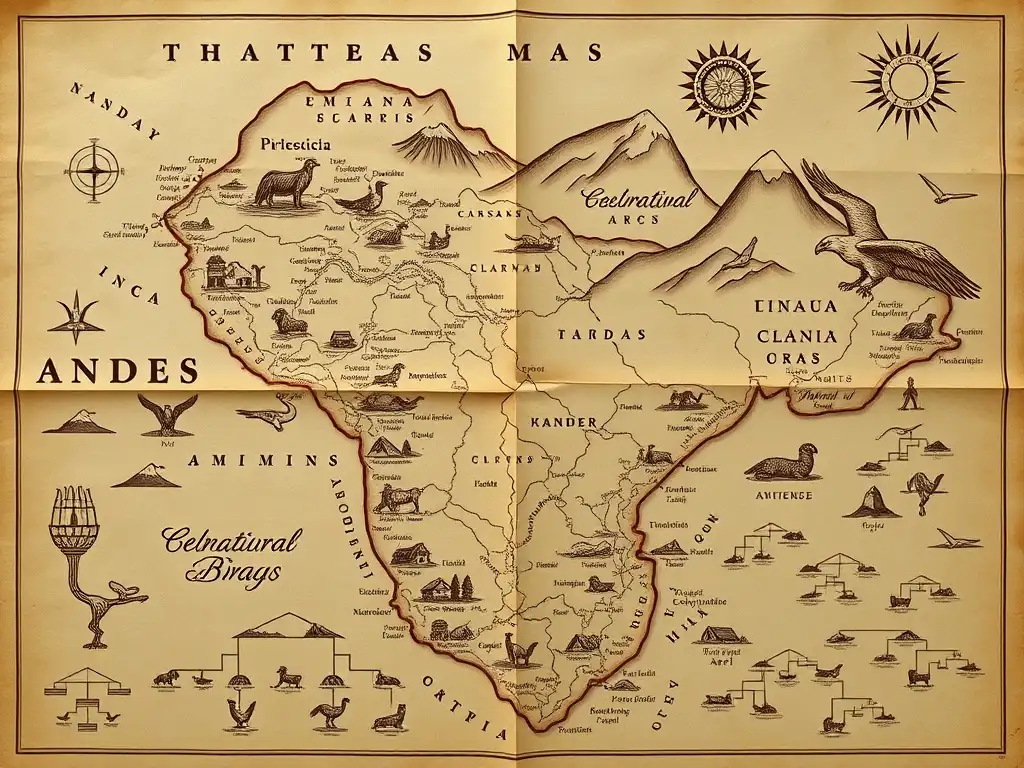
Andean kinship systems, far from resembling the nuclear family structures prevalent in many modern societies, were incredibly complex and varied across different Andean cultures and time periods. Understanding these systems requires moving beyond simplistic notions of family and embracing the nuanced ways in which Andean peoples defined and experienced kinship. This wasn't simply about blood relations; it encompassed intricate networks of reciprocal obligations, alliances, and shared identities that shaped social organization, political power, and even spiritual beliefs.
The concept of "family" extended far beyond the immediate parents and children, encompassing a wide array of individuals connected through blood, marriage, adoption, and even shared ancestry, often spanning multiple generations. This section will explore the fundamental principles underlying these complex systems, highlighting their significance in shaping Andean societies.
Analyzing Andean kinship systems provides crucial insights into the social fabric of these remarkable civilizations, illuminating their values, social structures, and the mechanisms they employed to maintain social order and stability. The diversity found across different groups, such as the Inca, Moche, Nazca, and Tiwanaku, further emphasizes the need for a nuanced and region-specific approach to this fascinating topic.
The Importance of Family Structures in Andean Societies
The family unit in Andean societies wasn’t merely a domestic arrangement; it was the bedrock of social organization. The strength and stability of the extended family, often encompassing multiple households and generations living in close proximity, were paramount. This extended family structure provided crucial support networks for agriculture, resource management, and conflict resolution. For instance, in the Inca Empire, the ayllu, a community-based kinship group, played a vital role in organizing labor, distributing resources, and maintaining social order.
The ayllu system was built on principles of reciprocity and collective responsibility, ensuring the well-being of its members. This communal approach to kinship fostered a strong sense of collective identity and social solidarity. Beyond practical considerations, family lineage was crucial for maintaining social status and access to resources, with inheritance patterns and marriage alliances frequently determining an individual's position within the community.
Even after death, ancestors continued to exert influence, their spirits believed to play a role in the lives of their descendants. This profound connection to ancestry further underscores the critical role of family structures in shaping the lives of Andean individuals. Detailed archaeological evidence, such as the arrangement of burials and the presence of grave goods, provides further insight into the importance placed on family ties.
Defining Andean Kinship: Beyond the Nuclear Family
Defining Andean kinship requires moving beyond the Western concept of the nuclear family. While the nuclear family existed, it was nested within a broader network of kin. The concept of compadrazgo, a system of godparenthood, created strong social bonds that transcended biological relationships. Godparents assumed significant responsibilities in the lives of their godchildren, reinforcing social ties and creating a web of mutual support.
Furthermore, Andean kinship systems often recognized different types of kinship ties, including those based on shared ancestry (even distant), marriage alliances, and adoption. These ties could be more significant than direct blood relations in certain contexts. For example, the Inca system incorporated individuals into the royal lineage through adoption, strengthening political alliances and legitimizing power. This fluidity in kinship ties contrasts sharply with the often rigid definitions found in other societies.
The importance of fictive kinship—relationships based on shared experiences and mutual support rather than biological ties—also played a crucial role in creating social cohesion and ensuring the well-being of the community. Understanding these nuances is essential for deciphering the true complexities of Andean kinship systems and appreciating their significance in shaping Andean societies. Further research into specific Andean cultures is necessary to fully understand the unique variations and regional differences in these systems. The lack of extensive written records necessitates reliance on archaeological evidence, ethnographic studies of related cultures, and careful interpretation of existing historical accounts.
Core Principles of Andean Kinship
Andean kinship systems, unlike many European models, weren't solely based on blood relations. Instead, they were complex, multifaceted structures deeply intertwined with social organization, land ownership, and religious beliefs. Understanding these systems requires moving beyond simple genealogical charts and embracing a holistic perspective that considers the interplay of various factors. The concept of ayni, reciprocal exchange, was central, shaping social interactions and obligations within kinship networks.
Furthermore, the importance of pachamama, Mother Earth, permeated Andean worldview, influencing kinship structures and practices. Analyzing Andean kinship necessitates a nuanced approach, recognizing the regional variations and the evolution of these systems over time. The Inca Empire, for example, while imposing its own structure, built upon and adapted pre-existing kinship models. This section will delve into the core elements shaping Andean kinship, illuminating the complexities that make this topic so fascinating.
Descent and Lineage in the Andes
Andean descent wasn't strictly patrilineal or matrilineal; instead, it often involved a combination of both, varying across different regions and cultures. While some groups emphasized patrilineal descent, tracing lineage through the father's line, others prioritized matrilineal descent, tracking lineage through the mother's side. In many cases, a bilateral system was utilized, recognizing kinship ties through both parents.
This fluidity in descent practices highlights the adaptability and complexity of Andean kinship structures. The Inca Empire, for instance, implemented a system that blended existing practices with imperial strategies, often favoring patrilineal descent within the ruling class while acknowledging broader kinship networks amongst the populace. This created a hierarchical structure that reinforced Inca dominance while still incorporating pre-existing social bonds.
The concept of lineage was crucial, defining social standing and access to resources. Lineage wasn't just a biological connection; it was a social construct, strengthened through shared rituals, ancestral veneration, and collective land ownership. Maintaining these lineages was vital for maintaining social order and access to resources, highlighting the inseparable link between kinship and social structures in Andean societies. Further research is needed to fully understand the nuances of lineage tracing in specific Andean communities, particularly those outside the major Inca heartland. [Specific information pending on detailed lineage tracking methods in pre-Inca communities].
The ayllu was a fundamental social and economic unit in many Andean communities, acting as a cornerstone of their kinship systems. These were not simply extended families; they were complex social groups based on kinship, shared ancestry, and collective ownership of land and resources. Ayllus provided a framework for social organization, cooperation, and mutual support. Membership in an ayllu conferred rights and responsibilities, defining an individual's place within the community and shaping their social interactions. The ayllu system fostered a strong sense of community and collective identity, crucial for survival in challenging Andean environments.
The internal structure of ayllus varied across different regions and time periods. Some were relatively egalitarian, with decision-making processes involving community participation. Others exhibited more hierarchical structures, with influential families or lineages holding greater power. However, the common thread was the emphasis on reciprocal obligations and collective responsibility.
The ayllu system ensured the equitable distribution of resources and provided a support network for its members, particularly during times of hardship. The Inca Empire adapted the ayllu system to its administrative structure, using it as a base for taxation and labor mobilization. This highlights the enduring significance of the ayllu as a fundamental social unit in the Andes.
Reciprocity and Obligations within Andean Kinship Networks
Reciprocity, particularly the principle of ayni, was central to Andean kinship networks. Ayni encompassed a wide range of reciprocal exchanges, including labor, goods, and services. These exchanges weren't simply acts of generosity; they were crucial for maintaining social harmony and fulfilling social obligations. Failure to reciprocate could lead to social sanctions and damage to one's reputation within the community. The system ensured the equitable distribution of resources and reinforced social bonds.
The obligations within Andean kinship networks extended beyond immediate family members. They encompassed a wider circle of relatives, including those linked through marriage, adoption, and fictive kinship ties. These extended kinship networks provided crucial support during times of need, offering assistance with farming, construction, and other essential tasks. The strength and stability of these networks depended on the consistent fulfillment of reciprocal obligations.
Analyzing the intricate web of reciprocal exchanges reveals the deep-rooted interconnectedness within Andean communities. The system highlights the social cohesion and resilience of Andean societies, demonstrating how kinship was not merely a matter of blood ties but a dynamic system of social relations and mutual dependence. The consequences of failing to uphold these reciprocal obligations could range from social ostracism to significant economic hardship, emphasizing the importance of maintaining these intricate social bonds. 🤝
Key Features of Andean Family Structures
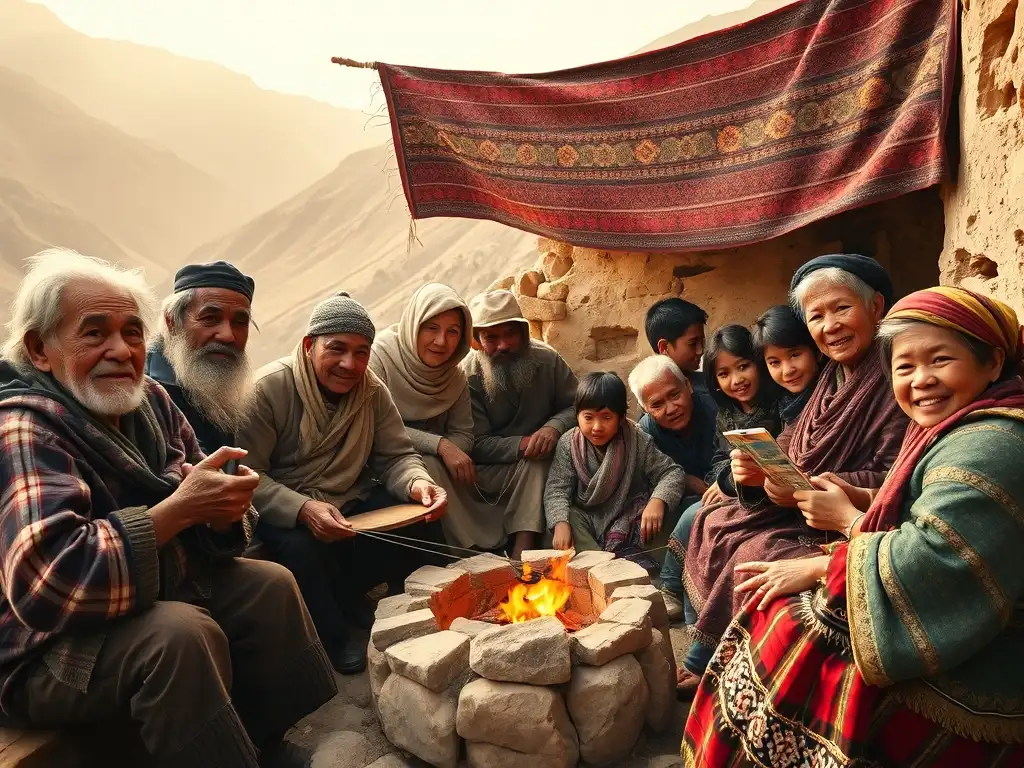
Andean kinship systems, unlike those found in many other parts of the world, weren't solely based on lineal descent (tracing ancestry through a single line, either paternal or maternal). Instead, they displayed a remarkable complexity, characterized by a flexible and nuanced understanding of family ties. Understanding these systems requires moving beyond simplistic notions of nuclear families and embracing the multifaceted nature of Andean social organization.
The concept of ayllu, a crucial social and economic unit, played a pivotal role, influencing everything from land ownership and resource distribution to marriage alliances and ritual practices. The ayllu itself wasn't just a family group; it was a complex web of kinship ties extending across generations, connecting individuals through shared ancestry, mutual obligations, and reciprocal responsibilities. This intricate network significantly shaped the social landscape and the daily lives of Andean people.
The strength and resilience of these communities were directly tied to the robust and adaptable nature of their kinship systems. Variations existed across different Andean cultures, of course – the Incas, for example, implemented specific structures to solidify their imperial control – but the underlying principles of shared ancestry and reciprocal obligations remained remarkably consistent.
Parallel Descent: A Unique Andean Trait
One of the most striking features of Andean kinship was the prevalence of parallel descent. Unlike bilateral descent (tracing lineage through both parents), or unilineal descent (tracing through only one parent, either patrilineal or matrilineal), parallel descent recognized kinship ties only through individuals of the same sex as the ego (the person from whose perspective kinship is being traced). For example, a man would trace his kinship through his father, his father's brothers, and their male descendants.
Similarly, a woman would trace her kinship through her mother, her mother's sisters, and their female descendants. This system created distinct male and female lineages, each with its own internal structure and social functions. This wasn't simply a matter of genealogical tracking; it had profound implications for inheritance, land ownership, and social standing within the ayllu.
The precise mechanisms and variations of parallel descent varied across different Andean groups and time periods, requiring further detailed research to fully understand the nuances. For instance, [specific information pending] regarding the impact of Inca rule on preexisting parallel descent systems in different conquered regions.
The Role of Ancestral Veneration in Andean Kinship
Ancestral veneration played a crucial role in shaping Andean kinship systems. Ancestors weren't simply figures from the past; they were active participants in the present, considered vital links between the living and the spiritual world. The respect and reverence afforded to ancestors extended beyond sentimental attachment; it was a fundamental aspect of social cohesion and political legitimacy.
Elaborate rituals and ceremonies, often involving mummification and the preservation of ancestral remains, reinforced these kinship bonds across generations. The mallquis, or mummified ancestors, were frequently consulted for guidance and believed to hold significant power. Their presence served as a constant reminder of the unbroken chain of kinship, strengthening the sense of community and shared identity within the ayllu.
The power dynamics within the ayllu were often influenced by the perceived influence and status of particular ancestral lineages. This emphasis on ancestral veneration highlights the deeply embedded spiritual dimension of Andean kinship and its central role in social structure and governance. For example, the Inca's emphasis on the Inca lineage and the direct descendants of the Sapa Inca cemented the emperor’s political authority.
Marriage Patterns and Alliance Building in Andean Communities
Marriage in Andean societies wasn't merely a matter of personal choice; it was a strategic alliance-building mechanism crucial for maintaining social stability and economic prosperity within the ayllu. While monogamy was common, polygyny (one man having multiple wives) was also practiced, particularly among elites. Marriage often involved complex negotiations and exchanges between families, solidifying kinship ties and reinforcing existing social networks.
The exchange of goods, labor, and land played a significant role in these marital arrangements, ensuring mutual support and economic interdependence. These marital alliances weren't simply confined to the immediate family; they often extended to broader kin groups, creating intricate webs of reciprocal obligations and mutual assistance. The specific marriage customs and practices varied across different Andean cultures and regions, reflecting the diverse social and political landscapes.
[Specific information pending] regarding the influence of Inca imperial policies on marriage practices in different parts of the empire. The study of Andean marriage patterns reveals a complex interplay of personal relationships, economic strategies, and social politics within the framework of the ayllu and broader Andean kinship systems.
Variations in Andean Kinship Across Different Cultures
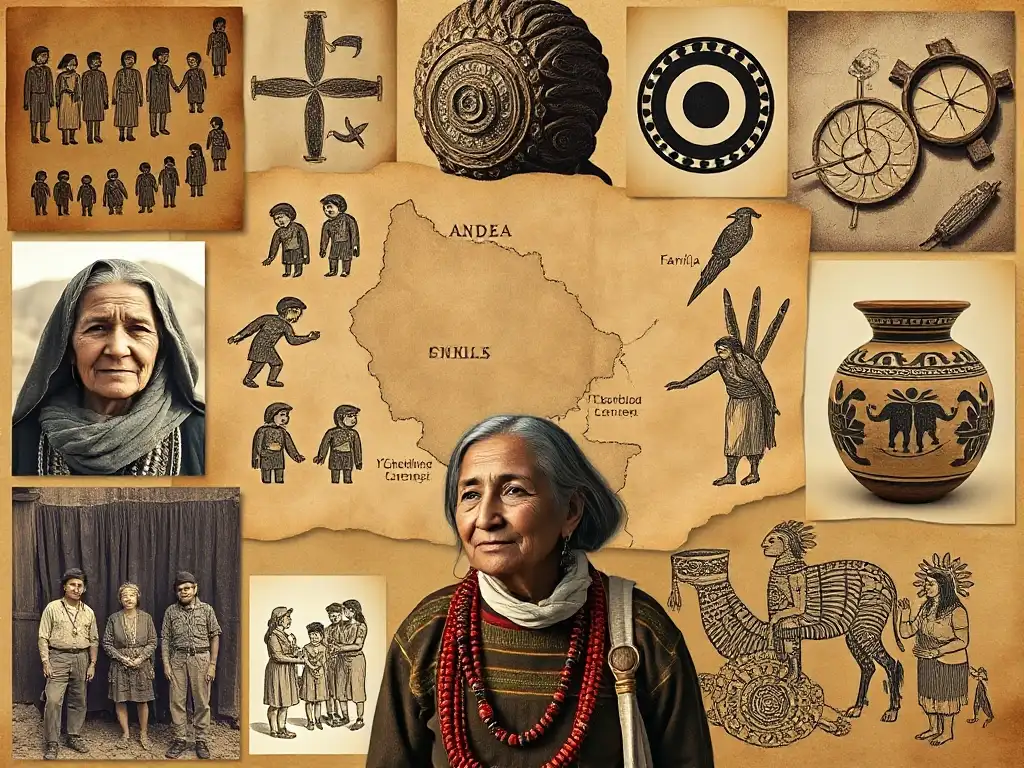
Andean kinship systems weren't monolithic; they varied significantly across different cultures and time periods. Understanding these variations requires moving beyond simplistic generalizations and delving into the nuances of each society's social organization. This section explores the kinship structures of three prominent Andean civilizations – the Inca, Moche, and Nazca – highlighting their unique characteristics and revealing the complexities of family and social life in ancient Peru.
The diversity in kinship practices reflects the varied environmental adaptations and socio-political structures of these powerful civilizations, showcasing the rich tapestry of Andean social life. Understanding these differences is key to a comprehensive appreciation of Andean kinship systems.
Inca Kinship System: A Highly Structured Approach
The Inca kinship system, while seemingly hierarchical, was intricately woven into the empire's political and economic fabric. It was a patrilineal system, meaning descent and inheritance were traced through the male line. The ayllu, a community-based kinship group, formed the bedrock of Inca society. Membership in the ayllu was crucial, providing access to land, resources, and social support. The emperor, considered a divine descendant of the sun god Inti, occupied the apex of this hierarchical structure. Royal lineage was meticulously maintained, reinforcing the emperor's authority and legitimacy.
The Inca system emphasized the importance of panaca, lineages tracing descent from previous Inca rulers. These lineages held significant political and religious power, influencing the distribution of resources and the appointment of officials. While the patrilineal structure was dominant, women played vital roles within the ayllu, contributing to agricultural production and household management. Their status, however, was largely defined by their relationship to men within their lineage.
Further research is needed to fully understand the complexities of women's roles and influence within the hierarchical Inca kinship structure. [Specific information pending: further research on women's influence within Inca ayllus]. The Inca system, therefore, presented a fascinating blend of centralized authority and community-based kinship, profoundly shaping the social and political landscape of the empire.
Kinship Practices in Moche Society: Bilateral descent with emphasis on parallel cousins
Unlike the Inca, the Moche civilization (100-800 CE) exhibited a more bilateral kinship system. This means that lineage was traced through both the mother's and father's sides, resulting in a more fluid and less hierarchical social structure compared to the Inca. While precise details remain scarce due to the limitations of archaeological evidence, anthropological interpretations suggest a strong emphasis on parallel cousins—children of siblings of the same sex. These parallel cousins likely held a special social significance, potentially influencing marriage patterns and inheritance practices.
The Moche's sophisticated irrigation systems and agricultural surplus likely contributed to a less rigid kinship structure, allowing for greater social mobility. The importance placed on parallel cousins suggests a system where family networks extended beyond the immediate nuclear family, fostering cooperation and mutual support within the community. This system likely played a key role in managing resources and maintaining social cohesion within their highly organized society.
Further research is needed to clarify the specific rules of inheritance and marriage preferences within the Moche kinship system. [Specific information pending: detailed analysis of Moche burial sites to identify kinship patterns]. The Moche case demonstrates the diversity of kinship systems within the Andean region, highlighting the adaptability of social structures to specific environmental and economic contexts.
Nazca Family Units: Matrilineal influences with ritual roles passed down through women
The Nazca culture (100 BCE – 500 CE) presents a particularly intriguing case, exhibiting elements of matrilineal kinship. While not strictly matrilineal (where descent is traced exclusively through the female line), evidence suggests a significant influence of female lineage in religious and ceremonial practices. The prominent role of women in Nazca iconography, particularly in depictions of supernatural beings and ritual contexts, suggests a powerful female influence.
The passing down of ritual roles and knowledge through female lines is a key aspect of this hypothesis. This could be reflected in specific burial practices or the distribution of artifacts within family groups. Archaeological findings, while not conclusive, hint at a system where women held significant social and religious authority, potentially influencing inheritance and decision-making within the family.
[Specific information pending: further analysis of Nazca textiles and pottery for symbolic representations of kinship]. The Nazca example serves as a compelling illustration of the variability of Andean kinship, suggesting that gender roles and power dynamics were far more complex than previously assumed. The potential for matrilineal influences within the Nazca kinship system challenges conventional narratives and underscores the importance of continued research to fully understand the nuances of Andean social organization.
Tiahuanaco Kinship: Clan-based structures with evidence of moiety organization
The Tiahuanaco culture, flourishing in the Andean highlands from approximately 500 CE to 1000 CE, presents a fascinating case study in Andean kinship systems. While the precise details remain debated due to limited surviving textual records, archaeological evidence strongly suggests a complex social structure based on clans. These clans, likely exogamous (meaning marriage outside the clan was required), were fundamental to Tiahuanaco society, shaping social interactions, resource allocation, and political organization.
The size and influence of individual clans likely varied, with some potentially wielding greater power than others within the broader Tiahuanaco polity. This hierarchical arrangement within the clan system is supported by the discovery of elaborate burial sites containing grave goods of varying quality, suggesting social stratification even within clan structures.
Furthermore, compelling evidence points towards a moiety system within the Tiahuanaco kinship structure. A moiety is a division of society into two halves, often with complementary roles and responsibilities. While not explicitly documented, the presence of dualistic symbolism in Tiahuanaco art and architecture hints at such an organization.
The frequent depiction of paired figures, mirrored designs, and complementary iconography suggests a deep-seated social dichotomy, which could be interpreted as evidence of a moiety system influencing marriage patterns, religious practices, and possibly even political power dynamics. Further research into the spatial distribution of settlements and burial grounds could reveal more definitive evidence of moiety-based organization. The potential interaction and competition between these moieties likely played a significant role in shaping the political landscape and social dynamics of Tiahuanaco society.
The understanding of Tiahuanaco kinship is further complicated by the lack of direct written accounts. Unlike some other Andean cultures, the Tiahuanaco did not leave behind extensive written records detailing their social structures. Therefore, our understanding relies heavily on interpreting archaeological evidence such as settlement patterns, grave goods, and artistic representations.
This reliance on indirect evidence necessitates careful analysis and consideration of multiple perspectives, as interpretations can vary depending on the specific focus and biases of the researcher. However, the available evidence strongly suggests that a complex interplay of clan affiliations and potentially a moiety system formed the core of Tiahuanaco kinship, significantly impacting the social and political fabric of this influential Andean civilization. The continued study and analysis of Tiahuanaco archaeological sites promise to further illuminate these fascinating aspects of their social organization.
Andean kinship systems were not simply a matter of blood relations; they were intricately woven into the fabric of social hierarchy and daily life. Understanding these complex structures is crucial to grasping the nuances of Andean societies. Unlike many European models, Andean kinship wasn't solely defined by nuclear family units.
Instead, it encompassed a much broader network of relatives, creating extensive and influential social bonds. This extended kinship system, often referred to as ayllu in many Andean cultures, played a significant role in determining social standing and access to resources. The concept of reciprocity—mutual exchange of goods and labor—was central to this system, reinforcing social ties and maintaining equilibrium within the community.
This system, however, varied significantly between different Andean cultures and across different time periods. While the Inca empire imposed a degree of standardization, regional variations persisted, reflecting the diverse ethnic landscape of the Andes. The Inca system, for example, while utilizing the ayllu structure, overlaid it with a more centralized administrative framework.
The ayllu system significantly influenced social stratification within Andean societies. Membership in a particular ayllu often determined one's social standing. While not rigidly defined as a caste system, certain ayllus held more prestige and influence than others, often due to their historical significance, geographical location (access to fertile lands or strategic resources), or their relationship to the ruling elite.
This social standing was often hereditary, passed down through generations. However, individual achievement and demonstrated abilities could also impact one's position within the ayllu and the broader society. For example, skilled artisans or successful warriors might gain increased social standing, even if their birth ayllu was not particularly high-ranking.
Furthermore, the concept of mit'a, a form of obligatory labor service, was often allocated based on ayllu membership. While all members contributed, the nature and extent of their service varied according to their social standing within their ayllu. This system, while demanding, ensured a degree of social cohesion and redistribution of resources, mitigating inequalities to some extent.
[Specific data on the variations of mit'a based on ayllu status pending]. The intricate relationship between kinship, social status, and labor obligations highlights the interconnectedness of Andean social structures. The system was not static; it evolved and adapted to changing circumstances, reflecting the dynamism of Andean societies.
The Influence of Kinship on Political Power
Kinship played a crucial role in Andean political systems. Leadership positions, particularly in smaller communities, were often inherited within specific lineages. However, this inheritance wasn't always automatic; it often depended on demonstrating leadership qualities and maintaining the support of the ayllu. This suggests a blend of hereditary succession and meritocratic principles in the Andean political landscape.
In larger empires like the Inca, kinship networks continued to play a significant role, though the system was more centralized and hierarchical. The Inca emperor, considered a divine figure, held supreme power, but his authority was buttressed by a complex network of loyal relatives and appointed officials. These officials, often drawn from prominent ayllus, were responsible for administering various aspects of the empire, reinforcing the close link between kinship and political control.
The Inca's use of curacas (local leaders) is a prime example. While appointed by the Inca, these curacas often came from powerful lineages within their respective regions, their authority partially derived from their established kinship networks. This strategy allowed the Inca to maintain control while leveraging existing social structures. The system, however, was not without its tensions.
Challenges to authority could arise from competing kinship groups vying for power, leading to internal conflicts and power struggles. [Further research needed on the specific mechanisms of power transfer and succession within different Andean political structures]. Understanding the dynamics of kinship within Andean political systems is essential to interpreting the rise and fall of various Andean states.
Kinship and Land Rights in Andean Societies
Land ownership and usage in Andean societies were closely intertwined with kinship. The ayllu typically held collective rights to land, with individual families receiving plots for cultivation based on their needs and social standing. This system emphasized communal ownership and reciprocal obligations, ensuring a degree of equity in resource distribution.
However, the specifics of land distribution and inheritance varied across different Andean cultures and time periods. In some societies, land was inherited patrilineally, passing from father to son; in others, matrilineal inheritance patterns were observed, with land passing through female lineages. The Inca empire, while introducing centralized control over land allocation, still recognized and utilized the existing ayllu land tenure systems.
The Inca's system of mita also impacted land rights. While individuals had rights to use plots of land, they were obligated to contribute labor to collective projects, such as infrastructure development or agricultural initiatives. This system ensured that communal needs were met while respecting individual family needs. The close relationship between kinship, land rights, and labor obligations underlines the integrated nature of Andean social and economic systems.
[Data on specific examples of land disputes and inheritance practices within different Andean cultures pending]. This interconnectedness highlights the vital role kinship played in shaping the economic and social landscape of the Andes. The complex interplay of communal and individual rights, shaped by kinship ties, ensured the stability and sustainability of Andean societies for centuries.
The Impact of Colonialism on Andean Kinship
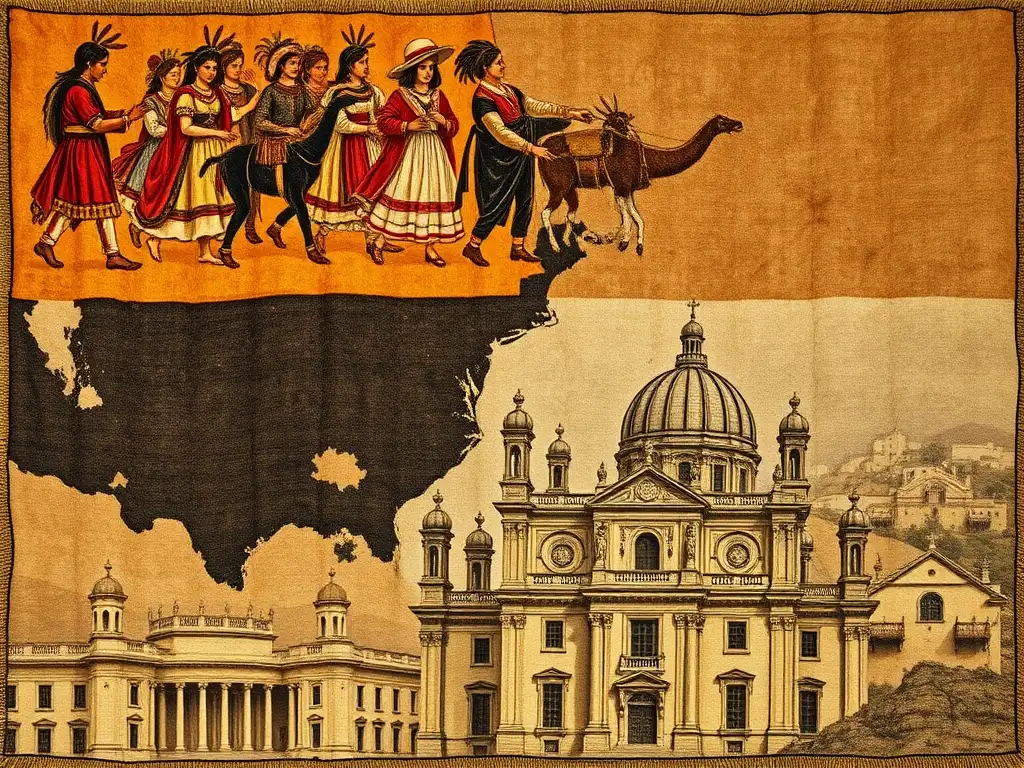
The arrival of the Spanish in the 16th century irrevocably altered the social fabric of Andean societies, profoundly impacting their intricate kinship systems. While the specifics varied across different Andean groups (Inca, Moche, Nazca, etc. ), the overall effect was one of disruption, transformation, and, ultimately, adaptation.
Understanding the colonial impact on Andean kinship systems requires acknowledging the complex interplay of religious conversion, economic exploitation, and political reorganization. The imposition of a new social order, fundamentally different from the pre-Columbian structures, led to significant changes in family structures, marriage practices, and inheritance patterns. This section will delve into the specific ways in which colonialism reshaped Andean kinship.
Disruption of Traditional Andean Family Structures
Pre-colonial Andean kinship systems were often characterized by complex networks of reciprocal obligations and alliances, extending beyond the nuclear family. Ayllus, for example, played a crucial role in Inca society, representing extended family groups with shared land and resources. The Spanish colonial system actively sought to dismantle these structures, favoring the nuclear family model as a means of controlling and subjugating the indigenous population.
This resulted in the weakening of traditional communal ties and the erosion of the collective responsibilities that defined Andean family life. The introduction of encomiendas and repartimientos, systems of forced labor, further destabilized traditional family structures, separating families and disrupting established social hierarchies. The forced relocation of individuals also contributed to the fragmentation of extended kinship networks, leading to a loss of cultural knowledge and traditions passed down through generations.
Evidence from colonial documents suggests a significant increase in family separation and displacement during this period, leading to a decline in the stability and cohesion of extended family units. This disruption had far-reaching consequences, impacting not only family life but also the broader social and economic organization of Andean communities.
The Introduction of New Kinship Concepts
The Spanish colonial project was not merely about dismantling existing structures; it also involved the imposition of new kinship concepts and practices. The introduction of Christianity, for instance, brought with it a new understanding of family and kinship, emphasizing the nuclear family unit and patriarchal authority. This contrasted sharply with the more egalitarian and matrilineal aspects present in some pre-Columbian Andean kinship systems.
The Catholic Church actively promoted the nuclear family as the ideal model, influencing marriage practices, inheritance laws, and child-rearing customs. This led to a gradual shift away from the more fluid and complex relationships that characterized traditional Andean kinship, replacing them with a more hierarchical and formalized system. Additionally, the Spanish legal system introduced new concepts of inheritance and property rights, often conflicting with existing Andean customs.
This resulted in disputes over land ownership and family legacies, further disrupting traditional kinship patterns. The impact of these new concepts was particularly significant in the long term, shaping the evolving understanding of family and kinship in Andean societies.
Resilience and Adaptation of Andean Kinship Today
Despite the significant disruptions caused by colonialism, Andean kinship systems proved remarkably resilient. While traditional structures were altered, they were not eradicated. Indigenous communities adapted and modified their kinship practices, incorporating elements of the colonial system while maintaining core aspects of their cultural heritage. This process of adaptation involved a complex negotiation between maintaining traditional values and accommodating the pressures of the colonial and post-colonial world.
For example, while the nuclear family became more prevalent, extended family networks continued to play a vital role in providing social support and economic assistance. The concept of ayni (reciprocal exchange) persisted, albeit in modified forms, reflecting the enduring importance of collective responsibility and interdependence within Andean communities. Today, Andean kinship systems represent a dynamic blend of tradition and adaptation, showcasing the remarkable resilience and flexibility of Andean cultures in the face of historical upheaval.
The study of contemporary Andean kinship reveals a complex tapestry woven from the threads of the past and the present, highlighting the ongoing significance of kinship in shaping Andean identities and communities. Further research is needed to fully understand the nuances of this ongoing evolution, particularly in terms of [specific data on contemporary kinship practices pending]. However, the enduring strength of kinship ties in Andean societies remains a testament to their cultural vitality.
Modern Perspectives on Andean Kinship
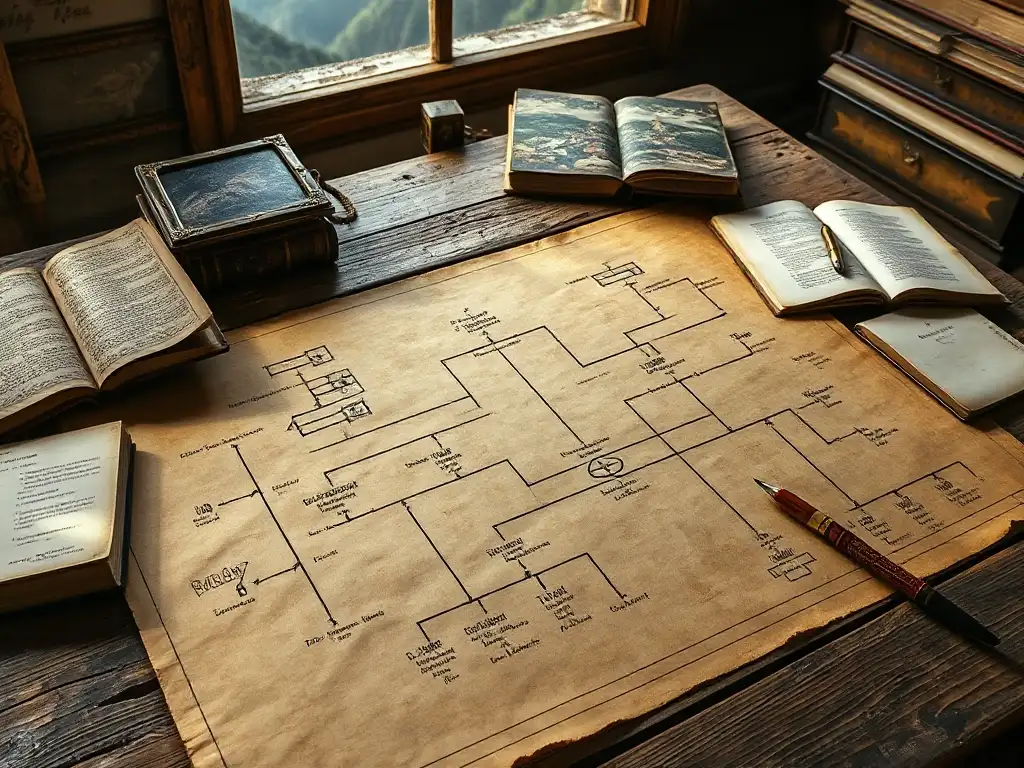
Understanding Andean kinship systems requires moving beyond simplistic interpretations of historical records. Modern anthropological approaches offer crucial insights into the complexities and dynamism of these systems, acknowledging their ongoing evolution and adaptation. Contemporary research emphasizes the importance of indigenous perspectives and challenges Eurocentric biases that have historically shaped our understanding of Andean family structures. The focus has shifted from rigid, static models to a more nuanced understanding of flexible kinship practices, recognizing the influence of factors like geography, ethnicity, and socio-economic status. This multifaceted perspective is crucial for a more accurate and complete portrayal of Andean kinship.
Studying Andean Kinship in Contemporary Communities
Ethnographic research conducted in contemporary Andean communities is vital for understanding the continuity and change in kinship practices. Researchers are increasingly collaborating with indigenous communities, ensuring that research is conducted ethically and respectfully, prioritizing indigenous voices and knowledge. This approach allows for a deeper understanding of how traditional kinship systems adapt to modern challenges such as migration, urbanization, and globalization.
For example, studies on Quechua communities in the Peruvian Andes reveal the persistence of ayllu based kinship networks, even in urban contexts. These networks provide essential social support and economic opportunities, demonstrating the resilience of traditional kinship structures. The data collected through participant observation, interviews, and genealogical analysis provides rich qualitative and quantitative data, enriching our understanding of Andean kinship's adaptability and significance in the 21st century.
Further research is needed to fully document the diverse kinship practices across various Andean communities and to analyze the impact of ongoing social and economic transformations. This includes focusing on under-researched groups and regions within the Andes to achieve a more comprehensive understanding of Andean kinship systems.
Preserving Indigenous Knowledge of Andean Family Systems
The preservation of indigenous knowledge is paramount in understanding Andean kinship. Oral histories, traditional narratives, and ritual practices hold invaluable information about kinship structures, roles, and responsibilities. These forms of knowledge are often passed down through generations, maintaining a living connection to ancestral practices.
However, these traditions are increasingly threatened by factors such as language loss, cultural assimilation, and the pressures of modernization. Therefore, collaborative projects involving anthropologists, historians, and community members are crucial for documenting and preserving this invaluable knowledge. This might involve creating digital archives of oral histories, translating indigenous texts, and supporting community-based initiatives that promote the transmission of traditional knowledge to younger generations.
The active participation of indigenous communities in these preservation efforts ensures that their perspectives and knowledge are central to the process, preventing the misrepresentation or loss of crucial cultural heritage. This collaborative approach is essential for ensuring the accurate and respectful representation of Andean kinship systems and their ongoing relevance. The creation of accessible resources, such as translated texts and educational materials, can also help disseminate this knowledge to a wider audience.
The Future of Andean Kinship and its Legacy
The future of Andean kinship systems is inextricably linked to the broader social, political, and economic contexts in which they exist. While traditional kinship structures continue to play a significant role in many Andean communities, they are also adapting to new realities. Understanding the interplay between traditional and modern influences is crucial for predicting future trajectories.
For instance, the increasing migration to urban centers is influencing kinship networks, leading to both the strengthening of long-distance ties and the emergence of new forms of social support. Further research should focus on the impact of globalization, technological advancements, and climate change on Andean kinship practices. This includes analyzing how these factors affect family structures, inheritance patterns, and social hierarchies.
The legacy of Andean kinship systems is profound, shaping social organization, economic activity, and cultural identity for centuries. Preserving and understanding this rich history is not simply an academic exercise; it is crucial for respecting the cultural heritage of Andean communities and fostering sustainable development initiatives that are sensitive to their unique social structures. The ongoing study of Andean kinship systems promises valuable insights into the dynamics of human social organization and adaptation across diverse cultural contexts.
Conclusion: The Enduring Significance of Andean Kinship
The study of Andean kinship systems reveals a complex tapestry woven from intricate social structures, religious beliefs, and economic realities. Understanding these systems is not merely an academic exercise; it offers crucial insights into the very fabric of Andean societies, their resilience, and their lasting impact on the region's cultural landscape. The diverse approaches to kinship, ranging from the hierarchical structures observed in Inca society to the more egalitarian systems found in other groups, highlight the dynamism and adaptability of Andean cultures in response to environmental and social pressures.
Further research, especially focusing on less-documented groups and integrating archaeological findings with ethnographic studies, promises to enrich our understanding of this fascinating area of Andean history. The intricate interplay between lineage, reciprocity, and ritual continues to resonate in contemporary Andean communities, demonstrating the enduring legacy of these ancient kinship traditions.
These systems were not static; they were constantly negotiated and redefined, reflecting the ever-changing political and economic contexts. The flexibility and adaptability of these systems are key to understanding their longevity and influence.
Reflecting on the Richness of Andean Family Traditions
The Andean concept of family extended far beyond the nuclear unit. Ayllus, for example, represented extended family groups often bound by shared ancestry and land ownership. These collective units played a vital role in social organization, economic production, and religious practices. The strong emphasis on reciprocity within these extended family structures fostered cooperation and mutual support, vital for survival in challenging environments.
We see evidence of this in the archaeological record, with communal structures and shared resources suggesting a high degree of social integration. Furthermore, the importance of lineage and ancestry in Andean societies is evident in their elaborate genealogical records and the symbolic significance of ancestor veneration. The continuity of these traditions, even in the face of colonization and modernization, underscores their deep cultural significance.
The passing down of knowledge, skills, and traditions through generations within these kinship networks ensured the survival and transmission of cultural heritage. This rich tapestry of family structures and traditions offers a compelling example of how kinship systems can shape not only social organization but also cultural identity and continuity. The enduring strength of these traditions highlights their importance in understanding the resilience and adaptability of Andean cultures.
Understanding Andean kinship systems is paramount to comprehending the broader social structures of these civilizations. Kinship wasn't merely a biological connection; it was deeply intertwined with political power, economic organization, and religious beliefs. For instance, the Inca empire's highly stratified social hierarchy was largely based on kinship ties, with the emperor claiming divine descent and distributing land and resources based on familial relationships. Similarly, the Moche and Nazca cultures, while differing in their political organization, also relied heavily on kinship networks to structure their societies.
Studying these systems allows us to decipher the mechanisms of power, resource allocation, and social mobility within these societies. Analyzing the complex interplay between kinship, political authority, and religious practices reveals the holistic nature of Andean social organization. The strength and stability of these societies were often directly linked to the effectiveness and adaptability of their kinship systems. Further research into the specific nuances of kinship within different Andean groups is crucial to a more complete understanding of their diverse social and political landscapes.
The significance of kinship in shaping Andean societies cannot be overstated. Their intricate systems provide valuable insights into the dynamics of power, cooperation, and social organization in pre-Columbian America. This understanding contributes to a more nuanced and complete appreciation of the richness and complexity of Andean civilizations.
Frequently Asked Questions
What were the primary forms of Andean kinship systems?
Andean kinship wasn't solely based on blood relations. Systems varied across cultures, but often emphasized ayllu, a community-based system connecting people through a shared ancestor and land, and also involved complex reciprocal obligations between family members and the community.
How did Andean kinship differ from European models?
Unlike European models focusing on nuclear families, Andean kinship was more expansive and inclusive. It prioritized the community and the extended family, with strong ties beyond immediate blood relatives. Collective identity and land ownership were central.
Kinship was fundamental to Andean social structures. It determined access to resources, influenced social standing, and shaped political alliances. It was the foundation of their highly organized societies.
How did Andean kinship impact their political systems?
Kinship played a crucial role in Andean political systems. Power structures often reflected kinship ties, with rulers frequently claiming descent from divine ancestors. Loyalty and allegiance were based on kinship networks and reciprocal obligations.
How did archaeologists uncover information about Andean kinship systems?
Archaeologists use various methods, including the study of burial patterns, settlement layouts, and iconography, to understand Andean kinship. Analysis of material culture and texts also provides valuable insights into these complex systems.
Final Reflection: Weaving the Threads of Andean Kinship
Understanding Andean kinship systems is not merely an academic exercise; it's a crucial lens through which to view the enduring strength and resilience of Andean communities today. The intricate networks of reciprocity, obligation, and shared identity that characterized pre-Columbian societies continue to shape social structures and inform contemporary practices, impacting everything from land ownership to political organization. This enduring legacy underscores the vital importance of studying these complex systems.
The profound impact of Andean kinship on the cultural landscape is undeniable, shaping not only family structures but also the very fabric of Andean society. The deep-rooted emphasis on community and collective well-being, often expressed through ayni (reciprocal labor) and mita (labor tribute), continues to resonate in modern Andean life. The past is never dead. It's not even past,
wrote William Faulkner, and this rings profoundly true when considering the enduring influence of Andean kinship traditions. These systems, though adapted and modified over centuries, remain a powerful force shaping identity, social cohesion, and economic practices.
Consider the ways in which your own understanding of family and community has been shaped by cultural norms and traditions. How might a deeper appreciation of the diverse and complex kinship systems of the Andes challenge your assumptions and broaden your perspective on human relationships? I urge you to explore this rich tapestry further, to engage with the stories and experiences of Andean communities, and to recognize the enduring power of kinship in shaping our world. Let the complexities of Andean kinship inspire you to examine the intricate bonds that connect us all.
Unveil the Rich Tapestry of Andean Kinship!
Thank you for joining us on this enlightening journey into the complexities of Andean kinship! You've explored how these intricate relationships shaped the lives and cultures of ancient civilizations. Let's continue to deepen your understanding and connection with this captivating topic.
Here are some ways to further explore the world of Andean kinship:
- Engage with local Andean communities: Connect with cultural organizations or local museums to learn about contemporary kinship practices and their connection to ancient traditions.
- Join our discussion forum: Share your thoughts and insights with fellow enthusiasts at Andean Civilizations. Your perspective will enrich our collective understanding.
- Explore scholarly research: Challenge yourself by reading research papers that delve into the dynamics of Andean kinship. This will broaden your perspective on the profound impact these relationships have had.
What aspect of Andean kinship most fascinates you, and how do you see its influence in modern society? We'd love to hear your thoughts!