
Community Life in a Tiahuanaco Village: Social Bonds and Daily Routines

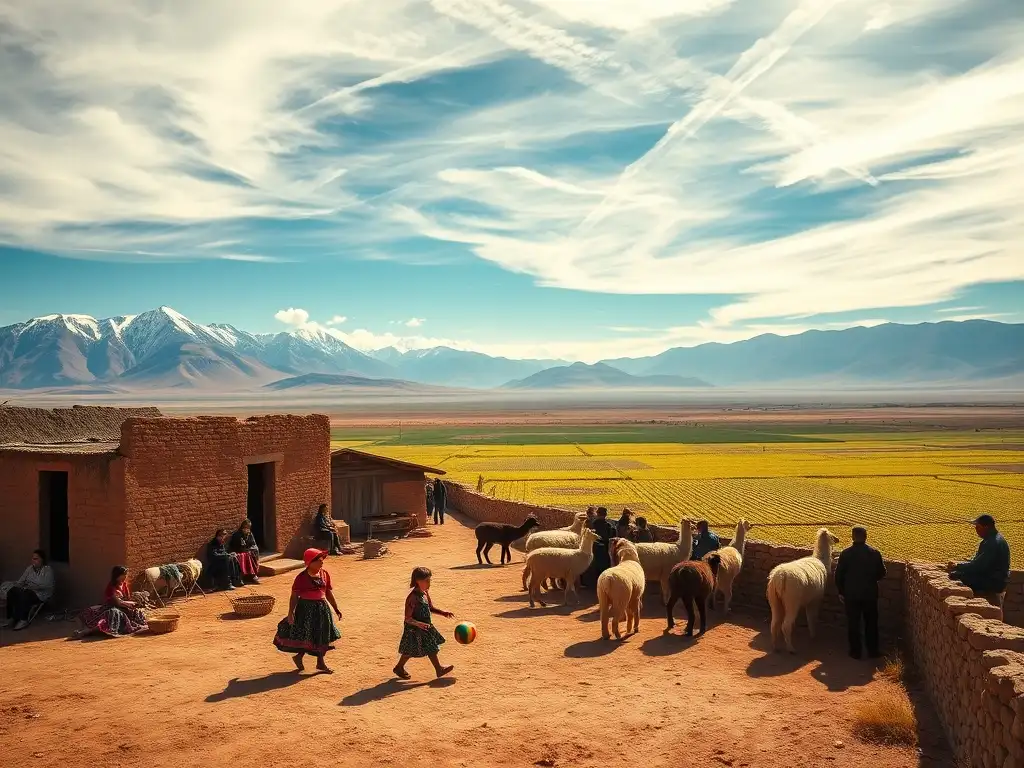
Step into a world lost to time, yet echoing with the vibrant pulse of Andean life. Imagine the bustling streets of a Tiahuanaco village, a society humming with intricate social bonds and daily routines unlike any other. Uncover the secrets of their remarkable civilization, from their ingenious agricultural techniques to their deeply interwoven social fabric. Prepare to be captivated by the daily life of the Tiahuanaco people – a journey into the heart of Andean history awaits. Discover more about Tiahuanaco village daily life and the fascinating social structures that shaped this ancient civilization.
The bustling life of a Tiahuanaco village offers a captivating glimpse into the intricate social fabric of this remarkable Andean civilization. This article delves into the daily routines and strong community bonds that characterized life in a typical Tiahuanaco settlement, exploring how social structures influenced everything from agricultural practices to religious ceremonies.
Understanding the daily life of a Tiahuanaco villager provides crucial insight into the broader societal organization and the ingenuity of this pre-Columbian culture. We will examine the evidence available from archaeological findings and analyze how these findings paint a vivid picture of their daily lives, focusing on the interplay between individual roles and collective responsibilities within the village structure.
By exploring the evidence, we aim to reconstruct a realistic portrayal of a Tiahuanaco village, bringing to life the experiences of its inhabitants and showcasing the complexity of their social organization. This exploration will reveal the key elements that contributed to the remarkable success and longevity of Tiahuanaco society.
The Importance of Ayllu in Daily Life
The ayllu, a kinship-based community group, formed the cornerstone of Tiahuanaco society. It wasn't merely a social unit; it was the fundamental building block of their economic and political systems. Daily life revolved around the collective responsibilities of the ayllu.
Members collaborated in farming, construction projects, and religious rituals. This communal spirit ensured the survival and prosperity of the village. Archaeological evidence suggests a high degree of cooperation, with shared resources and labor contributing to the construction of monumental structures like the Kalasasaya Temple.
The ayllu system fostered a strong sense of belonging and mutual support, crucial for navigating the challenges of life in the high-altitude Andean environment. The intricate network of kinship ties within the ayllu extended beyond mere blood relations, encompassing a complex web of reciprocal obligations and shared identities. This system created a powerful social safety net, ensuring that everyone had access to the resources and support they needed.
Agricultural Practices and the Daily Rhythm
Farming was the lifeblood of Tiahuanaco. The daily rhythm of life was largely dictated by the agricultural calendar. The villagers cultivated potatoes, quinoa, and other crops adapted to the harsh Andean climate. Evidence suggests sophisticated irrigation systems and terracing techniques were employed to maximize crop yields.
The ayllu system played a significant role in organizing agricultural labor, with communal efforts dedicated to planting, harvesting, and storage. This collaborative approach ensured that even during challenging times, the community could rely on a shared harvest. The intricate network of canals and terraces, still visible today, testifies to the advanced engineering skills and collaborative spirit of the Tiahuanaco people. The daily routine often involved long hours of work in the fields, followed by communal meals and shared activities.
Religious Beliefs and Rituals in Daily Life
Religious beliefs and practices were deeply ingrained in the daily lives of Tiahuanaco villagers. The worship of deities associated with fertility, agriculture, and water played a central role. Archaeological findings reveal intricate religious iconography and evidence of elaborate rituals. Daily life was punctuated by ceremonies and offerings, reflecting the importance of maintaining a harmonious relationship with the spiritual world.
These rituals not only reinforced social bonds but also served as important mechanisms for managing resources and resolving conflicts within the ayllu. The construction and maintenance of monumental religious structures required significant collective effort, further highlighting the integration of religion into the daily routines and social fabric of the community. The rituals were likely a blend of communal and individual practices, with both public ceremonies and private offerings playing essential roles in people's daily lives.
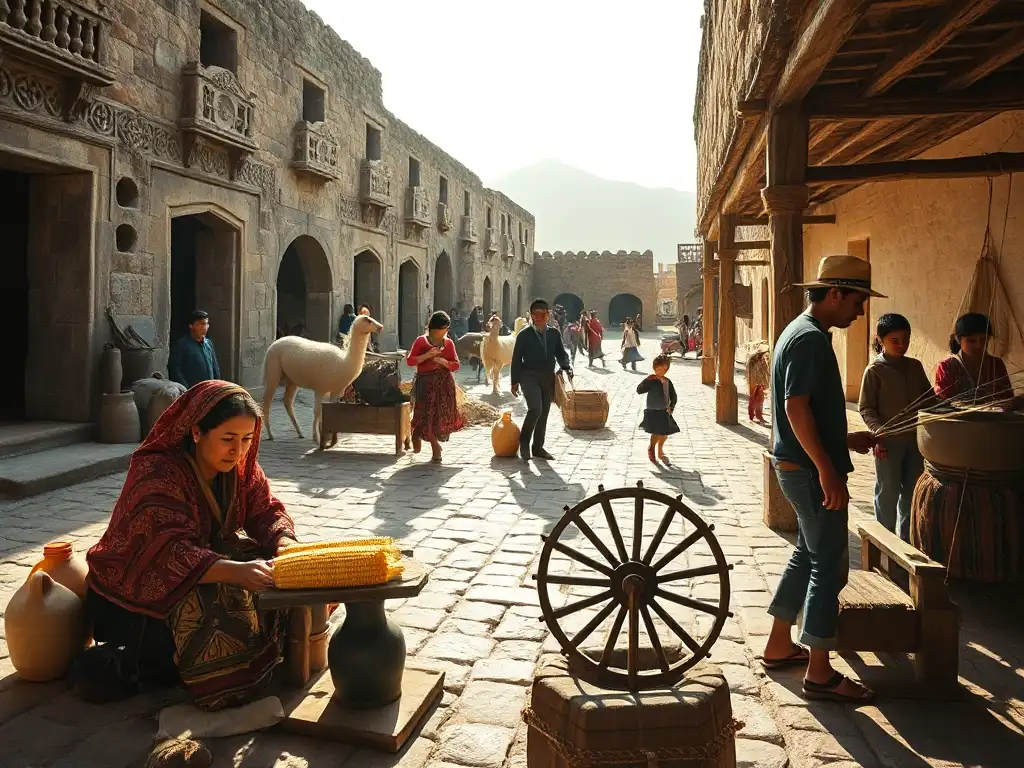
While the ayllu promoted a sense of equality and cooperation, a degree of social hierarchy existed within Tiahuanaco society. Archaeological evidence suggests a stratified society with specialized roles and differing levels of social status. This division of labor likely involved skilled artisans, priests, farmers, and laborers. While the exact nature of social stratification remains a topic of ongoing research, it's evident that different individuals contributed different skills and expertise to the functioning of the community.
This division of labor, however, didn't negate the importance of communal cooperation. The success of the Tiahuanaco civilization depended on the coordinated efforts of all its members, regardless of their social standing. Further research is needed to fully understand the dynamics of social mobility and the interplay between different social groups within the Tiahuanaco ayllu.
A Day in the Life: Reconstructing a Typical Routine
To better understand the daily life in a Tiahuanaco village, let's attempt a reconstruction of a typical day. The day would likely begin before sunrise, with individuals participating in communal activities such as tending to animals or preparing the land for planting. The morning might be dedicated to agricultural work, with the ayllu members working together in the fields. The afternoon could see them engaged in crafting activities, construction projects, or religious rituals.
Evenings would likely involve communal meals, storytelling, and social gatherings, strengthening the bonds within the ayllu. This pattern, of course, would vary depending on the season, the individual's role within the community, and other factors. However, this reconstruction offers a glimpse into the daily rhythms and communal nature of life in a Tiahuanaco village. Further archaeological investigations could provide more specific details to refine our understanding of this fascinating aspect of Tiahuanaco culture.
- The Importance of Ayllu in Daily Life
- Agricultural Practices and the Daily Rhythm
- Religious Beliefs and Rituals in Daily Life
- Social Hierarchy and Division of Labor
- A Day in the Life: Reconstructing a Typical Routine
- What was a typical day like for a Tiahuanaco villager?
- How did the social structure of Tiahuanaco influence daily life?
- What role did religion play in the daily lives of Tiahuanaco people?
- What kind of technologies or tools did Tiahuanaco villagers use in their daily lives?
- What evidence do we have about the daily lives of Tiahuanaco villagers?
Understanding Tiahuanaco Village Life
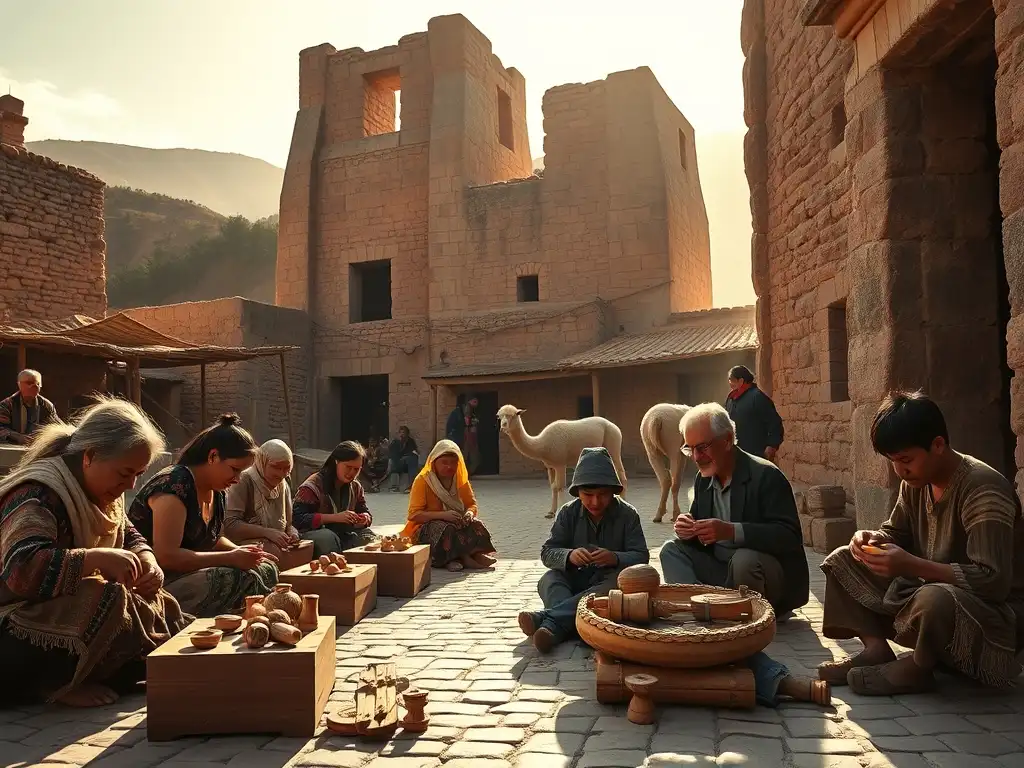
This section delves into the intricacies of daily life within a typical Tiahuanaco village, focusing on the social fabric and routines that characterized these vibrant communities. We will explore the social structures that governed interactions, the methods employed for sustenance, and the overall rhythm of existence in this remarkable civilization. Understanding these aspects offers crucial insight into the complexities of Tiahuanaco society and its remarkable achievements. The keyword "Tiahuanaco village daily life" will be organically woven throughout the text to enhance search engine optimization.
The social structure of Tiahuanaco villages was deeply rooted in kinship and extended family networks. Evidence suggests a strong emphasis on lineage and ancestry, likely impacting resource allocation, labor distribution, and social standing within the community. While precise details remain elusive due to the limitations of archaeological evidence, we can infer a hierarchical system, with individuals holding varying levels of influence based on their familial connections and potentially their roles in religious or political spheres.
The concept of ayllu, a kinship-based community group prevalent across the Andes, was likely central to Tiahuanaco village organization. These groups provided a framework for collective action, mutual support, and the distribution of resources. Members of an ayllu might collaborate on agricultural tasks, building projects, or religious ceremonies, fostering a strong sense of communal identity and solidarity. This collaborative spirit is crucial to understanding how the impressive monumental architecture of Tiahuanaco was constructed. The daily life of a Tiahuanaco villager was deeply intertwined with the functioning of their ayllu.
We can imagine scenarios where members of an ayllu would assist each other during planting and harvesting seasons, sharing resources and knowledge to ensure the survival of the group. This mutual reliance is reflected in the archaeological record, which shows evidence of shared living spaces and communal storage facilities. Furthermore, the intricate designs found on Tiahuanaco pottery and textiles often depict scenes of communal activities, reinforcing the significance of group cohesion in daily life.
The close-knit nature of these communities facilitated efficient resource management and promoted social stability, contributing significantly to the overall success of Tiahuanaco society. Further research is needed to fully illuminate the nuances of their social hierarchies and the day-to-day implications of ayllu membership in Tiahuanaco village daily life.
Daily Subsistence Practices
Daily subsistence in a Tiahuanaco village revolved around agriculture, supplemented by hunting, fishing, and gathering. The fertile lands surrounding Lake Titicaca provided ideal conditions for cultivating crops like potatoes, quinoa, and maize, which formed the backbone of their diet. Archaeological evidence reveals sophisticated agricultural techniques, including terracing and irrigation systems, designed to maximize crop yields in the challenging Andean environment. These techniques were essential to ensure the food security of the village and its population.
The daily routines of Tiahuanaco villagers were heavily influenced by the agricultural cycle. Planting, tending, and harvesting were major events that often involved the entire community, highlighting the importance of cooperation and collective effort in their daily life. The surplus produced through these agricultural practices likely contributed to the development of specialized labor and the emergence of a more complex social structure. The role of women in agriculture was likely significant, though the precise nature of gender roles remains an area of ongoing research.
Beyond agriculture, hunting, fishing, and gathering provided additional sources of protein and other vital nutrients. The proximity to Lake Titicaca offered abundant opportunities for fishing, while the surrounding highlands provided habitat for various animal species. The precise methods employed for hunting and fishing are still being investigated, but it is clear that these activities played a vital role in supplementing the villagers' diet and providing essential resources for their daily life in Tiahuanaco villages.
The diverse range of subsistence strategies adopted by the Tiahuanaco people demonstrates their adaptability and resilience in a challenging environment. Their remarkable ability to manage resources effectively contributed to the sustainability and prosperity of their communities, shaping their culture and daily life in profound ways. Understanding these practices is key to appreciating the ingenuity and resourcefulness of Tiahuanaco village daily life.
Daily Activities in a Tiahuanaco Settlement
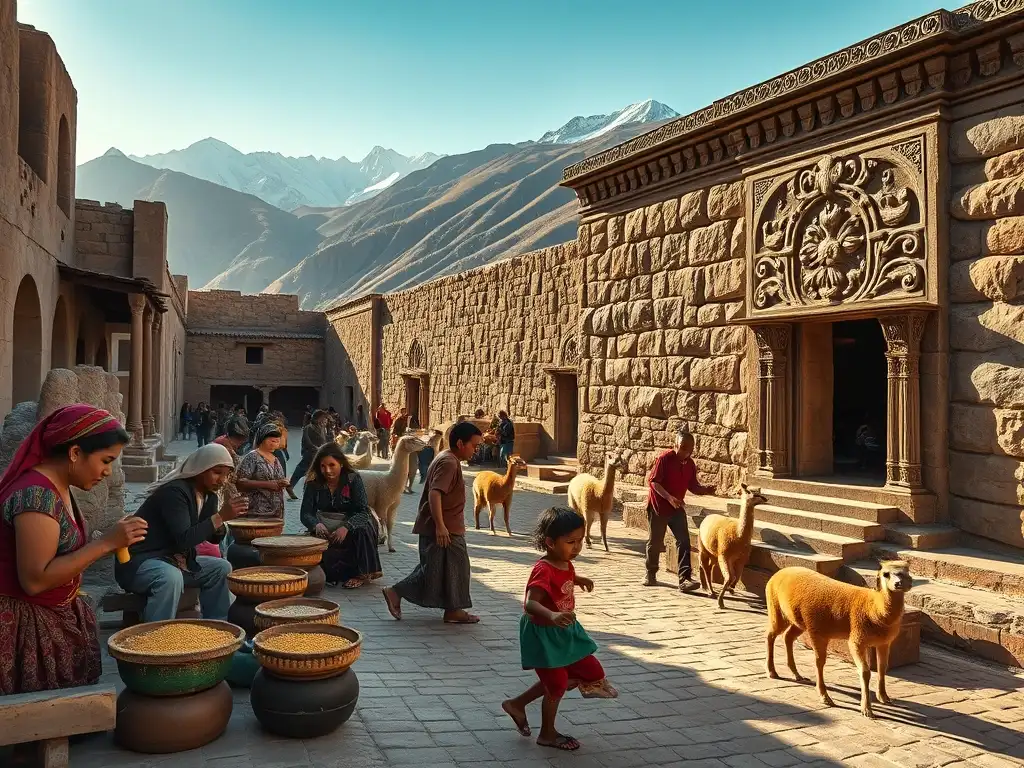
This section delves into the daily routines and activities that characterized life in a typical Tiahuanaco village, focusing on the intricate interplay between agriculture, craft production, and family structures. Understanding these daily aspects provides crucial insight into the social fabric and economic foundations of this remarkable Andean civilization. The term "Tiahuanaco village daily life" encapsulates the multifaceted nature of existence within these communities.
Agricultural Techniques and Crop Cultivation
Agriculture formed the backbone of Tiahuanaco society. The challenging high-altitude environment necessitated sophisticated agricultural techniques to ensure sufficient food production. Evidence suggests the use of raised fields ( suka kollus ), a remarkable system of artificially created elevated plots that improved drainage and soil fertility. These fields allowed for intensive cultivation, maximizing crop yields in the often-waterlogged terrain.
The primary crops cultivated included potatoes (various types), quinoa, maize, and beans. Careful observation of seasonal changes and precise water management were crucial. Irrigation systems, possibly incorporating canals and channels, played a vital role in supplying water to the fields, especially during the dry season. The effectiveness of these systems is demonstrated by the extensive agricultural output required to sustain a significant population.
Furthermore, the use of fertilizers, likely composed of animal manure and other organic materials, enhanced soil quality and boosted crop yields. Archaeological evidence points towards a sophisticated understanding of soil management and crop rotation, maximizing agricultural productivity in a challenging environment. The success of Tiahuanaco agriculture highlights the ingenuity and adaptability of its inhabitants, making it a key aspect of understanding "Tiahuanaco village daily life."
Ceramic Production and Textile Weaving
Beyond agriculture, craft production played a significant role in the economic and social life of Tiahuanaco villages. Ceramic production was a widespread activity, with pottery serving both utilitarian and ceremonial purposes. The characteristic Tiahuanaco pottery, often decorated with intricate geometric designs and featuring distinctive stylistic elements, has been found in abundance at archaeological sites.
The production process involved several stages, from clay extraction and preparation to shaping, firing, and decoration. Specialized artisans likely played a key role in this process, contributing to the high quality and aesthetic appeal of Tiahuanaco ceramics. The presence of kilns at various sites confirms the scale and importance of ceramic production within the community.
Textile weaving was another crucial craft, with textiles serving a range of functions, including clothing, blankets, and ritual objects. The use of camelid fibers (llama and alpaca) suggests a significant pastoral component alongside agriculture. The intricate weaving techniques and the high quality of the textiles demonstrate the advanced skills of Tiahuanaco weavers. The production of textiles likely involved specialized workshops and a division of labor, contributing significantly to the social organization of the village.
Household Organization and Family Roles
Household organization and family roles were integral to the daily functioning of a Tiahuanaco village. Archaeological evidence suggests a predominantly nuclear family structure, with individual households comprising a married couple and their children. However, extended family networks likely played a significant role in social support and economic cooperation.
The division of labor within the household appears to have been largely along gender lines, with men predominantly involved in agricultural activities and women focusing on tasks such as food preparation, textile weaving, and pottery production. However, this division was not rigid, and there is evidence of overlap and flexibility in the roles played by men and women. Children, as they grew older, likely assisted their parents in various tasks, contributing to the overall productivity of the household. Understanding these household dynamics is key to interpreting the social structure and daily routines of a "Tiahuanaco village daily life."
The cooperative nature of household activities and the importance of kinship ties contributed significantly to the social cohesion of the community. Further research is needed to fully elucidate the complexities of family structures and social interactions within Tiahuanaco villages. [Specific information pending: More detailed analysis of household structures from recent excavations].
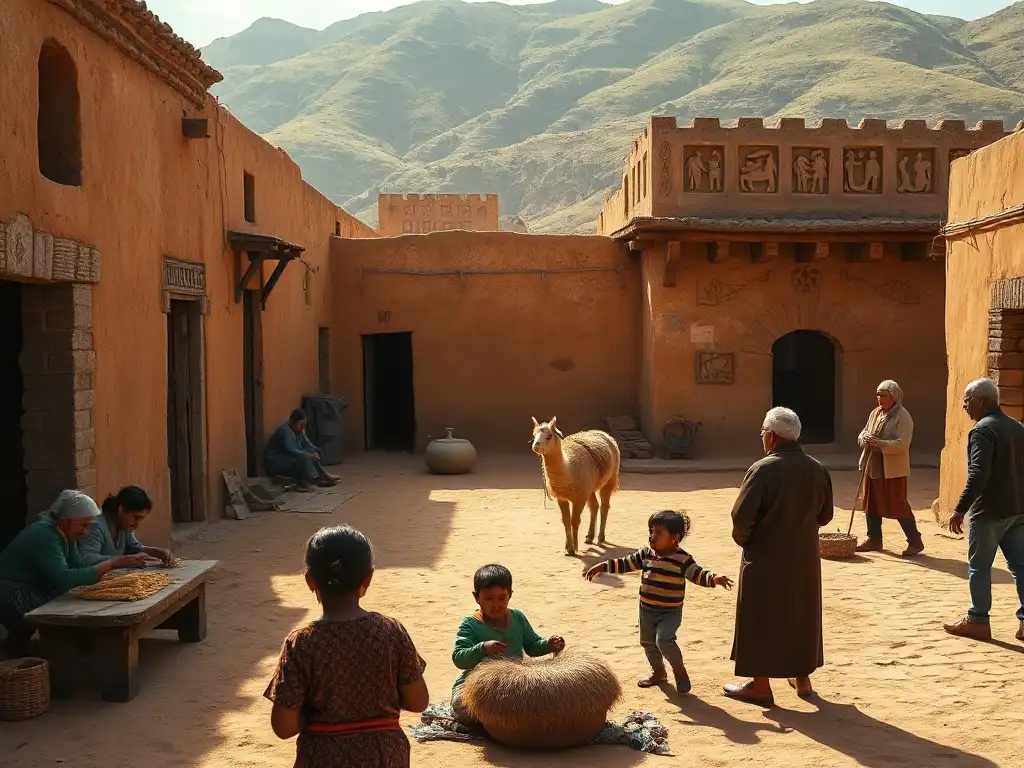
Understanding Tiahuanaco village daily life requires delving into the intricate web of social interactions and community bonds that defined its society. Evidence suggests a highly structured yet surprisingly egalitarian system, where cooperation and mutual support were crucial for survival and prosperity in the challenging Andean environment. The strength of these social ties is reflected in the remarkable achievements of Tiahuanaco, from its monumental architecture to its sophisticated agricultural practices.
Analyzing the archaeological record, along with anthropological studies of similar societies, allows us to piece together a picture of this vibrant and interconnected community. The concept of ayni, reciprocal exchange, was likely central to their social fabric, fostering a sense of collective responsibility and shared destiny.
Collective Labor Systems and Community Projects
The construction of Tiahuanaco's impressive structures, such as the Kalasasaya complex and the Akapana pyramid, could not have been accomplished without a highly organized system of collective labor. Archaeological evidence points to a sophisticated understanding of engineering and logistics, implying meticulous planning and coordination among numerous individuals. These monumental projects were likely undertaken during specific times of the year, perhaps coinciding with agricultural cycles or religious festivals, mobilizing large segments of the population.
The intricate stonework and precise alignments of the structures demonstrate a high level of skill and specialization, suggesting a division of labor within the community, where individuals were assigned tasks according to their abilities. This cooperative effort transcends mere practical necessity; it speaks to a shared sense of purpose and collective identity, crucial for the success of such ambitious undertakings. Further research into the organization of these projects could reveal more nuanced details about the social structure and power dynamics within Tiahuanaco villages.
For instance, did certain individuals or groups hold leadership roles in coordinating these endeavors? What mechanisms were used to ensure participation and fairness among community members? These questions remain open for further investigation.
Ritual Practices and Ancestor Veneration
Religious beliefs and practices played a significant role in shaping daily life in Tiahuanaco villages. Ancestor veneration was likely a central aspect of their spiritual world, with rituals and ceremonies designed to honor and appease the spirits of deceased relatives. The discovery of numerous burial sites and offerings within and around Tiahuanaco suggests a profound connection between the living and the dead.
These rituals may have served to reinforce social bonds, reaffirming the continuity of the community across generations. The elaborate iconography found on Tiahuanaco artifacts, often depicting figures with stylized features and symbolic attributes, provides clues about their cosmology and religious beliefs. Furthermore, the calendar system used by Tiahuanaco, reflected in the alignment of structures and the organization of agricultural activities, indicates a sophisticated understanding of astronomy and its connection to religious practices.
The interplay between religious beliefs and daily life in Tiahuanaco villages is a fascinating area of study, offering insights into the spiritual and social fabric of this ancient society. Further investigation into the symbolic meaning of Tiahuanaco iconography and the precise nature of their religious practices could offer a more complete understanding of their spiritual world.
While the evidence suggests a strong sense of community and cooperation in Tiahuanaco village daily life, a degree of social hierarchy likely existed. The scale and complexity of the monumental architecture imply a centralized authority capable of organizing and directing large-scale projects. However, the extent and nature of this hierarchy remain a subject of ongoing debate. Some scholars propose a relatively egalitarian social structure, with leadership roles based more on merit and influence than on inherited power.
Others suggest a more stratified society, with a ruling elite controlling resources and labor. The distribution of artifacts and burial goods could provide clues about social status and inequality within the community. Furthermore, the iconography found on Tiahuanaco artifacts may depict individuals holding positions of authority or religious significance.
Detailed analysis of these artifacts, combined with further archaeological excavations, is needed to shed more light on the social hierarchy and governance systems in Tiahuanaco villages. Understanding the nuances of this aspect of Tiahuanaco society is critical for a complete picture of their daily life. Future research focusing on the distribution of resources and the identification of elite burials could refine our understanding of power dynamics within the community.
Economic Activities and Trade in Tiahuanaco Villages
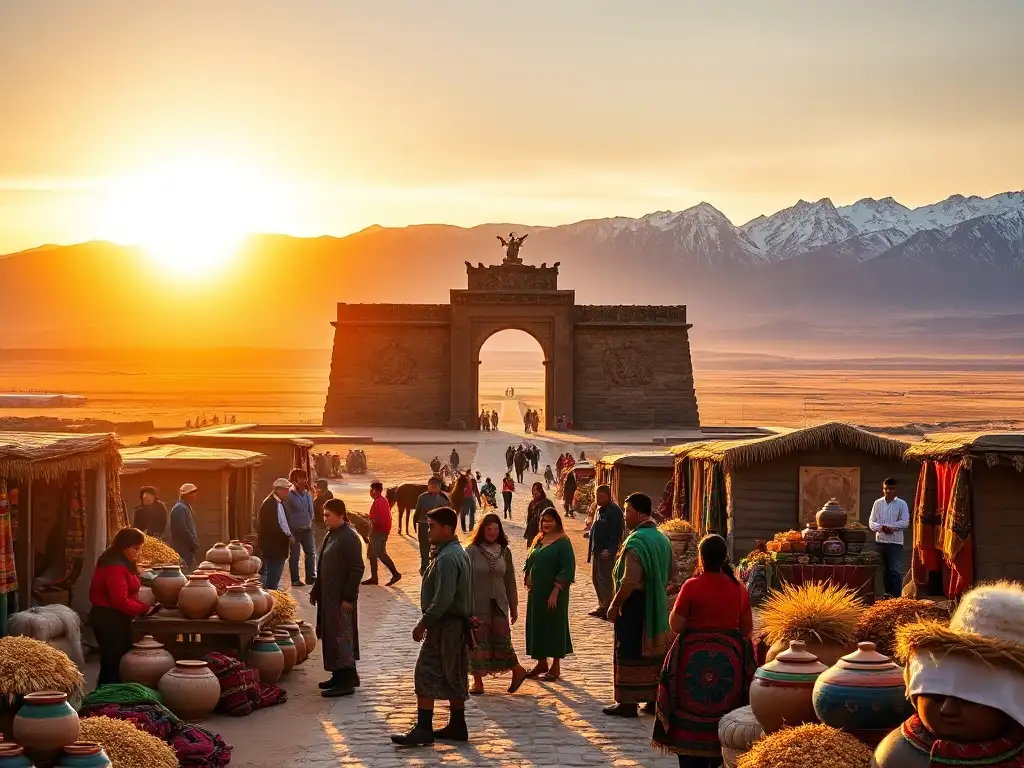
The bustling daily life of a Tiahuanaco village wasn't solely defined by social rituals and religious practices; a robust economic system underpinned its existence. Understanding the economic activities of these communities provides crucial insight into their societal organization and overall prosperity. The intricate interplay of agriculture, specialized crafts, and regional trade networks shaped the economic landscape of Tiahuanaco village life, influencing everything from daily routines to social hierarchies. Analyzing these aspects reveals a sophisticated system far beyond simple subsistence farming.
Regional Trade Networks and Resource Distribution
Tiahuanaco's strategic location in the altiplano facilitated extensive trade networks connecting it to diverse regions. Archaeological evidence suggests the exchange of goods across considerable distances. The distribution of obsidian, a volcanic glass highly valued for toolmaking, points to a well-established network reaching the coastal regions and potentially beyond.
Similarly, the presence of exotic materials like spondylus shells (from the Pacific coast) in Tiahuanaco settlements indicates active trade relationships and sophisticated logistical capabilities. These networks weren't just about luxury goods; they ensured access to essential resources unavailable locally, fostering economic interdependence and contributing to the stability of the Tiahuanaco state. The precise organization of this trade—whether controlled by the elite or operating through more decentralized mechanisms—remains a subject of ongoing research.
Further investigation into trade routes and the types of goods exchanged is crucial to fully understanding the scale and complexity of Tiahuanaco's economic reach. The system likely involved both reciprocal exchange and more formalized trade, reflecting the diverse social and political relationships within the wider Tiahuanaco sphere of influence.
Agricultural Surplus and Economic Stability
The economic success of Tiahuanaco villages was fundamentally linked to their agricultural prowess. The ability to cultivate crops at high altitudes, using sophisticated irrigation systems and terrace farming techniques, resulted in significant agricultural surpluses. These surpluses were not simply a matter of subsistence; they formed the bedrock of the Tiahuanaco economy.
The extra food could be stored for lean times, ensuring community resilience against crop failures. More importantly, the surplus allowed for specialization of labor. Individuals could dedicate time to crafts and other non-agricultural activities, further enriching the economy and contributing to the development of a complex society.
Analysis of agricultural remains, including the types and quantities of crops cultivated, is essential to fully quantify the extent of this surplus and its impact on the Tiahuanaco economy. Further research might reveal details about storage techniques and the role of surpluses in supporting the elite and maintaining social order. The availability of surplus food likely also played a role in supporting large-scale public works projects and religious ceremonies.
Specialized Craft Production and Exchange
Beyond agriculture, specialized craft production played a significant role in the Tiahuanaco economy. The famed Tiahuanaco pottery, textiles, and metalwork are testaments to the skill and artistry of its artisans. The production of these goods was not limited to mere subsistence; the quality and intricacy of the craftsmanship suggest a high degree of specialization and potentially a system of craft guilds or workshops.
The exchange of these crafted items, both within the village and across wider networks, generated economic value and contributed to the prestige of Tiahuanaco. Analysis of the materials used, the techniques employed, and the distribution patterns of these artifacts can reveal important insights into the organization of craft production and its integration into the broader economic system. Furthermore, identifying the social status of artisans and the role of craft production in social stratification remains an important area of future research.
The exquisite craftsmanship evident in surviving artifacts suggests a high level of skill and potentially a hierarchical organization of craft production, with some artisans holding elevated social standing. The exchange of these high-quality crafts likely played a significant role in reinforcing social hierarchies and political power within the Tiahuanaco state.
The Significance of Tiahuanaco Village Life in Andean History
The study of daily life in Tiahuanaco villages offers a crucial window into understanding the broader Andean civilization. While monumental architecture like the Kalasasaya complex often dominates narratives about Tiahuanaco, the intricacies of village life reveal a complex social fabric, sophisticated agricultural practices, and a rich cultural heritage that shaped the Andes for centuries.
Understanding the daily routines, social structures, and technological innovations within these villages provides a more nuanced and complete picture of Tiahuanaco's influence on the region, moving beyond the grandeur of its city center to encompass the lives of its people. This understanding allows us to appreciate the resilience and adaptability of Andean societies, and the significant role played by village communities in maintaining cultural continuity across generations.
Analyzing the archaeological evidence found in these settlements allows us to reconstruct a vivid picture of life in this remarkable civilization, revealing insights into their social organization, religious beliefs, and economic strategies. By examining the daily lives of the people who lived in these villages, we can better appreciate the complexity and sophistication of the Tiahuanaco civilization and its lasting legacy.
Tiahuanaco village society, while integrated into the larger political and religious structure centered in the city of Tiahuanaco, exhibited its own unique social dynamics. Evidence suggests a hierarchical system, likely reflecting the broader Andean pattern of stratified societies. While the precise nature of social stratification in these villages remains a subject of ongoing research, archaeological finds hint at differentiated housing, suggesting varying levels of wealth and status among residents.
The distribution of artifacts, such as fine pottery and specialized tools, also points to specialized labor and potentially distinct social roles within the community. This social organization was likely vital for the effective management of agricultural production, the construction and maintenance of irrigation systems, and the organization of communal activities.
Further research is needed to fully elucidate the intricacies of power structures and social mobility within Tiahuanaco villages, but the available evidence strongly suggests a dynamic and multifaceted social organization. Understanding these social structures is key to interpreting the broader context of Tiahuanaco's influence on neighboring communities and its lasting legacy on Andean social organization.
Daily Life and Cultural Continuity in the Andes
Daily life in a Tiahuanaco village revolved around agriculture, a cornerstone of Andean societies. The cultivation of crops like potatoes, quinoa, and maize, supplemented by llama herding, sustained the population. Archaeological evidence reveals sophisticated irrigation systems, indicating a high level of technological and organizational skill in managing water resources—a critical factor in the success of Andean agriculture.
This agricultural prowess not only ensured food security but also shaped the social and economic fabric of the villages. The seasonal rhythms of planting, harvesting, and processing crops likely dictated much of the annual cycle, influencing social interactions, religious practices, and even the construction of village layouts. Moreover, the continuity of these agricultural practices and associated cultural traditions across generations highlights the remarkable stability and adaptability of Andean societies.
The persistence of certain agricultural techniques and crop varieties over centuries underscores the importance of knowledge transmission and cultural continuity in sustaining these communities. This cultural continuity is a testament to the strength of Andean traditions and their profound impact on the development of subsequent Andean societies.
Archaeological Evidence of Tiahuanaco Village Architecture
The architectural remains of Tiahuanaco villages provide compelling insights into daily life. Houses were typically constructed from stone and adobe, reflecting the available resources and building techniques. Variations in house size and construction quality likely correspond to social status, as mentioned previously.
The layout of villages often reveals a planned structure, with evidence of organized streets and communal spaces. The presence of storage facilities, such as granaries, suggests organized food storage and distribution, further supporting the idea of a structured social system. Furthermore, the discovery of specialized workshops and artisan areas points to the presence of craft production within the villages.
The meticulous excavation and analysis of these sites have unveiled details about the materials used, construction methods, and spatial organization of homes and communal areas. These findings, combined with analyses of artifacts recovered from these sites, are crucial to reconstructing the daily lives and social structures of Tiahuanaco village communities, providing tangible evidence of their sophisticated organization and resource management. Further investigation into the architectural styles and the arrangement of structures within different villages could reveal variations in social organization and economic activities across different settlements, adding further depth to our understanding of Tiahuanaco village life.
Frequently Asked Questions
What was a typical day like for a Tiahuanaco villager?
A typical day involved agricultural labor, religious ceremonies, and craft production, depending on social standing. Daily life revolved around the community's needs and the agricultural cycle.
Tiahuanaco's hierarchical society heavily influenced daily routines. Elites likely enjoyed more leisure, while commoners focused on labor and tribute. This structure permeated all aspects of life.
What role did religion play in the daily lives of Tiahuanaco people?
Religion was central to Tiahuanaco life. Daily routines were often structured around religious observances and rituals, with temples and ceremonies playing a significant part.
What kind of technologies or tools did Tiahuanaco villagers use in their daily lives?
Tiahuanaco villagers utilized advanced agricultural techniques, such as terracing and irrigation. They also crafted sophisticated tools from stone, metal, and other materials for farming and construction.
What evidence do we have about the daily lives of Tiahuanaco villagers?
Archaeological evidence, including ruins, artifacts, and burials, provide insights into daily life. Analysis of these findings helps reconstruct their routines, social structures, and beliefs.
Final Reflection: Weaving the Threads of Tiahuanaco Life
The vibrant tapestry of daily life in a Tiahuanaco village, as explored in this article, remains a powerful testament to the enduring strength of community and the intricate dance between tradition and modernity. Understanding these interwoven threads offers a crucial lens through which to examine not only the past, but also the challenges and triumphs of rural communities worldwide facing similar pressures of globalization and change.
The profound impact of shared experiences, mutual support, and deeply ingrained traditions within the Tiahuanaco village continues to resonate, shaping the identities and futures of its inhabitants. These are not merely historical observations; they are living examples of resilience and adaptation. The strength of a community lies in its ability to preserve its heritage while embracing the future.
This quote, though not directly from the village itself, encapsulates the spirit of perseverance and innovation observed throughout our exploration of Tiahuanaco daily life.
Consider, for a moment, the ways in which your own community shapes your daily existence. What are the invisible threads that bind you to your neighbors, your friends, your family? Take the lessons learned from the Tiahuanaco village—the importance of collaboration, the value of shared traditions, and the enduring power of human connection—and apply them to your own life. Let the resilience of this Andean community inspire you to build stronger bonds within your own sphere of influence, fostering a sense of belonging and mutual support that transcends geographical boundaries.
Embrace the Spirit of Community!
Thank you for exploring the vibrant community life of a Tiahuanaco village! You've discovered the strong social bonds and daily routines that shape this unique culture. Now, let's put this knowledge into action.
Here are some ways you can strengthen your own community connections, inspired by Tiahuanaco:
- Volunteer with a local organization or participate in community events to build relationships and strengthen your ties with neighbors.
- Share stories and traditions with friends and family, perhaps even organizing a cultural exchange inspired by the Andean social practices you've learned about.
- Share this article with someone who might appreciate learning about Tiahuanaco and its strong emphasis on community. Spark a conversation about the importance of community in our lives.
Reflecting on the impact of community, consider this: How can you bring the values of connection and collaboration you've learned about from Tiahuanaco into your daily life?