
Festivals and Celebrations: Strengthening Family Bonds in the Andes

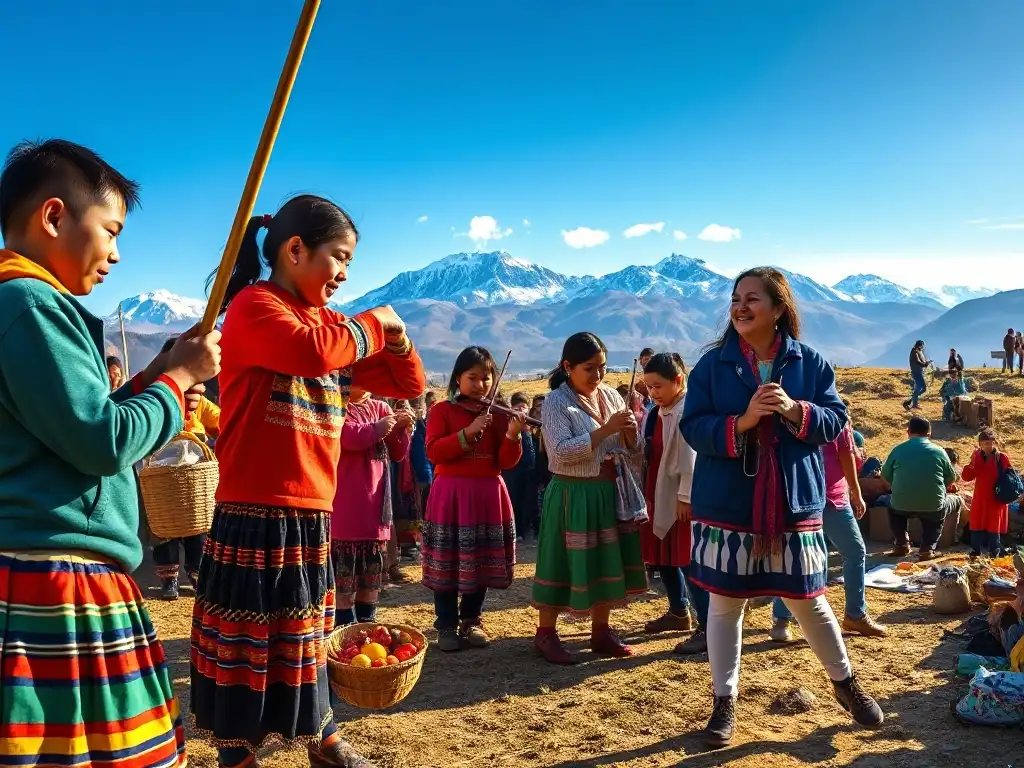
Step into a world lost in time, yet vibrantly alive in its legacy. Imagine the echoes of ancient Andean celebrations, the vibrant colors, and the profound connection to family woven into the very fabric of their existence. This is more than just history; it's a journey into the heart of Andean family festival traditions. Uncover the secrets behind these powerful celebrations and discover how they strengthened the bonds of these remarkable civilizations. Prepare to be amazed.
-
Andean Family Festival Traditions: Strengthening Bonds Through Celebration
- The Significance of Andean Celebrations in Family Life
- Key Andean Festivals and their Role in Family Unity
- Rituals and Customs during Andean Family Festivals
- The Importance of Community Participation in Family Festivals
- The Impact of Modernity on Andean Family Festival Traditions
- Preserving Andean Family Traditions for Future Generations
- Conclusion: The Enduring Legacy of Andean Family Festival Traditions
-
Frequently Asked Questions
- What role did festivals play in Andean family life?
- How did Andean family traditions influence festival celebrations?
- What are some examples of family-focused activities during Andean festivals?
- How did festivals help maintain social cohesion within Andean communities?
- Are Andean family festival traditions still practiced today?
- Final Reflection: Weaving the Threads of Andean Family Traditions
- Celebrate, Connect, and Grow Your Family Bonds!
Andean Family Festival Traditions: Strengthening Bonds Through Celebration
Andean cultures, renowned for their intricate social structures and vibrant traditions, placed immense importance on family. Family units weren't merely biological connections; they were the bedrock of society, shaping individual identities and community cohesion. This deep-rooted emphasis on kinship is powerfully reflected in the numerous festivals and celebrations that permeated Andean life, serving not just as moments of revelry, but as crucial opportunities to reinforce familial bonds, transmit cultural heritage, and reaffirm community ties.
This article delves into the significant role these festivals played – and continue to play – in strengthening Andean family life, focusing on key celebrations and their enduring impact on Andean family structures. We will explore how these events fostered a sense of belonging, shared identity, and mutual support within the family unit, contributing to the resilience and continuity of Andean societies throughout history.
Understanding these traditions offers a profound glimpse into the heart of Andean culture and its enduring values. The keyword, "Andean family festival traditions," will be explored through specific examples, highlighting the rich tapestry of cultural practices woven into the fabric of Andean family life.
The Significance of Andean Celebrations in Family Life
Andean festivals transcended mere entertainment; they were integral to the social fabric, acting as powerful mechanisms for strengthening family bonds and transmitting cultural knowledge across generations. These celebrations weren't simply occasions for merriment; they involved elaborate rituals, shared responsibilities, and collaborative efforts that fostered a deep sense of unity and collective identity within the family.
Participation in these festivals instilled a sense of belonging and pride in one's heritage, passing down traditions, values, and beliefs from elders to younger generations. The collaborative nature of preparing for and participating in these events strengthened family ties, fostering cooperation and mutual respect among family members of all ages.
Many festivals involved communal tasks, such as preparing food, creating decorations, or participating in processions, thus reinforcing the importance of collective effort and shared responsibility within the family structure. The shared experience of these celebrations created lasting memories, strengthening the emotional bonds that held Andean families together.
Key Andean Festivals and their Role in Family Unity
Numerous festivals throughout the Andean region played—and continue to play—a vital role in strengthening family unity. These events, often tied to agricultural cycles or astronomical events, provided opportunities for families to gather, reaffirm their connections, and celebrate their shared heritage. The following sections will explore some of the most significant festivals and their specific contributions to Andean family life.
The sheer diversity of these celebrations underscores the richness and complexity of Andean cultural heritage and the enduring significance of family within this context. The examples provided showcase the multifaceted ways in which festivals served as powerful tools for maintaining social cohesion and transmitting cultural values within Andean family structures.
Inti Raymi: The Sun Festival and Family Gatherings
Inti Raymi, the Inca festival honoring the sun god Inti, was a significant event that brought Andean families together. The festival, celebrated during the winter solstice, involved elaborate rituals, processions, and offerings. Families participated in the preparations, contributing food, clothing, and other items for the ceremonies. The shared experience of preparing for and participating in Inti Raymi fostered a strong sense of family unity and collective identity.
The festival also provided an opportunity for families to reaffirm their loyalty to the Inca empire and strengthen their social bonds within the broader community. The celebration extended beyond religious rituals, encompassing feasts, music, and dance, creating lasting memories and strengthening familial ties. The legacy of Inti Raymi continues to be celebrated in various forms, demonstrating the enduring importance of this festival in Andean cultural identity and family life.
Qhapaq Raymi: Celebrating the Summer Solstice as a Family
Qhapaq Raymi, celebrating the summer solstice, was another important festival that reinforced family bonds. This celebration, also linked to Inca traditions, involved agricultural rituals, acknowledging the importance of the harvest and the earth's bounty. Families participated in the agricultural preparations leading up to the festival, contributing to the communal effort. This collective work strengthened family bonds and fostered a sense of shared responsibility.
The festival itself involved feasts, music, and dance, bringing families together in a celebration of abundance and prosperity. The shared experience of preparing for and participating in Qhapaq Raymi served as a powerful reminder of the family's interconnectedness and their dependence on each other. The traditions associated with this festival continue to be observed in various communities, underscoring its enduring relevance in Andean culture and its role in strengthening family life.
Paukar Waray: The Festival of Flowers and its Family Rituals
Paukar Waray, the Festival of Flowers, is a vibrant celebration associated with the Andean region, particularly in areas of Peru and Bolivia. This festival, typically celebrated during the harvest season, is characterized by its colorful displays of flowers, music, and dance. Families actively participate in creating floral decorations, preparing traditional foods, and participating in the festivities. The shared tasks of preparation strengthen family bonds, fostering cooperation and collaboration amongst family members.
The vibrant atmosphere and communal celebration create lasting memories, reinforcing the importance of family relationships. The festival also involves specific rituals and traditions that reinforce family unity and continuity. The passing down of these traditions to younger generations ensures the preservation of Andean cultural heritage and strengthens the bonds within the family unit. Paukar Waray embodies the significance of collective effort, shared cultural heritage, and the enduring strength of Andean family structures.
Rituals and Customs during Andean Family Festivals
Andean family festivals are rich with rituals and customs passed down through generations, strengthening family bonds and reinforcing community ties. These traditions often involve specific preparations leading up to the event, unique attire, and symbolic acts that hold deep cultural significance. For example, the papachay, a cleansing ritual performed before many celebrations, involves the use of coca leaves and sacred herbs to purify participants and the space where the festival takes place.
This ritual is often led by an elder in the family, highlighting the importance of respect for ancestral knowledge and practices. The specific rituals can vary significantly depending on the region and the particular festival being celebrated, ranging from offerings to the apus (mountain spirits) to elaborate ceremonies involving specific dances and songs. The meticulous nature of these preparations emphasizes the dedication and importance placed on these family gatherings.
Many families also incorporate elements of Catholic traditions, blending indigenous beliefs with those introduced during the Spanish colonial era, creating a unique syncretic expression of their faith and culture. This blending of traditions creates a rich tapestry of customs that continue to evolve while retaining their core meaning and significance.
Traditional Andean Music and Dance in Family Celebrations
Music and dance are integral components of Andean family festivals, playing a vital role in fostering unity and joy. Traditional Andean instruments, such as the zampoña (panpipes), charango (a small lute), and tarka (a type of flute), create vibrant and enchanting melodies that accompany festive dances. These dances, often passed down through generations, tell stories, reflect community values, and provide a physical manifestation of shared cultural heritage.
The huayno, a lively and expressive dance style, is frequently featured at celebrations, with families participating together, regardless of age. Learning and performing these traditional dances is a crucial way for younger generations to connect with their heritage and strengthen family ties.
The rhythm and movements of the dances encourage participation and create a sense of collective identity, reinforcing the feeling of belonging within the family unit and the wider community. The music and dance act as a powerful unifying force, bringing families closer and celebrating their shared ancestry.
The Role of Food and Shared Meals in Strengthening Family Ties
Food plays a central role in Andean family festivals, serving as more than just sustenance; it’s a symbol of abundance, shared prosperity, and the strengthening of family bonds. Shared meals are crucial events, bringing family members together around a table laden with traditional dishes. These dishes, often prepared collectively, represent a collaborative effort and a shared commitment to the celebration. Dishes may include cuy (guinea pig), pachamanca (meat and vegetables cooked underground), or various types of corn-based dishes, reflecting the agricultural importance of the Andes. The act of preparing and sharing these foods fosters a sense of togetherness and reinforces family unity. The preparation itself often involves the participation of multiple generations, teaching younger members traditional cooking techniques and recipes, thus passing down culinary heritage along with cultural values. The sharing of food transcends mere consumption; it becomes a symbolic act of nurturing and strengthening relationships within the family unit.
Andean Storytelling and Oral Traditions during Festivals
Andean festivals are rich with storytelling and oral traditions, serving as a critical vehicle for transmitting cultural knowledge and values across generations. Elders often take center stage, recounting myths, legends, and historical anecdotes related to their family and community. These narratives often incorporate elements of nature, spirits, and ancestral wisdom, reinforcing a connection to the past and shaping the identity of the younger generation. The stories themselves are often interwoven with songs, dances, and rituals, enhancing their impact and emotional resonance.
The oral tradition is not merely entertainment; it's a vital tool for preserving cultural heritage and strengthening family bonds. Through storytelling, families transmit their history, values, and beliefs, ensuring the continuity of their cultural identity. The act of listening and participating in these oral traditions fosters a sense of shared history and collective identity, solidifying family ties and promoting intergenerational understanding.
The Importance of Community Participation in Family Festivals
Andean family festivals are not solely family affairs; they are deeply embedded in the community fabric, highlighting the significance of collective participation and mutual support. The festivities often extend beyond the immediate family unit, welcoming extended relatives, neighbors, and friends. This broader participation reinforces social cohesion and strengthens community bonds. Community members may contribute to the festival preparations, food contributions, or performances, creating a collaborative and inclusive atmosphere.
The shared experience of the celebration reinforces a sense of collective identity and mutual support, strengthening the social fabric of the Andean communities. This communal participation reflects the importance of ayni and mink'a, reciprocal labor systems that underpin Andean social structures. The active involvement of the community underscores the significance of social solidarity and mutual assistance within these societies.
Ayni and Mink'a: Reciprocal Labor in Festival Preparations
Ayni and mink'a are traditional Andean systems of reciprocal labor that play a vital role in the preparations for family festivals. Ayni refers to the exchange of goods and services between individuals or families, while mink'a involves communal labor for a shared benefit. In the context of festivals, these systems translate into community members collectively contributing to the preparations, such as building structures, preparing food, or creating decorations. This collaborative effort not only reduces the burden on individual families but also fosters a strong sense of community and shared responsibility.
Participation in ayni and mink'a strengthens social bonds and reinforces the importance of collective action within Andean communities. This traditional practice highlights the value of interdependence and mutual support, contributing significantly to the success and vibrancy of family celebrations. The collective effort builds community spirit and makes the festival a truly shared experience.
Generational Knowledge Transmission During Andean Celebrations
Andean family festivals provide a crucial platform for the transmission of knowledge and skills from one generation to the next. Elders play a vital role in teaching younger members traditional customs, rituals, music, dance, and storytelling. This intergenerational learning process ensures the continuity of cultural practices and strengthens family bonds. The sharing of knowledge is not merely an act of instruction; it's a symbolic exchange that reinforces family connections and cultural identity.
Young people learn not only specific skills but also the values, beliefs, and history of their family and community. Through participation in festivals, younger generations gain a deeper understanding and appreciation of their heritage, strengthening their connection to their ancestors and their sense of belonging within the family and community. This process of knowledge transfer ensures the survival and evolution of Andean cultural traditions, solidifying the strength and unity of Andean families.
The Impact of Modernity on Andean Family Festival Traditions
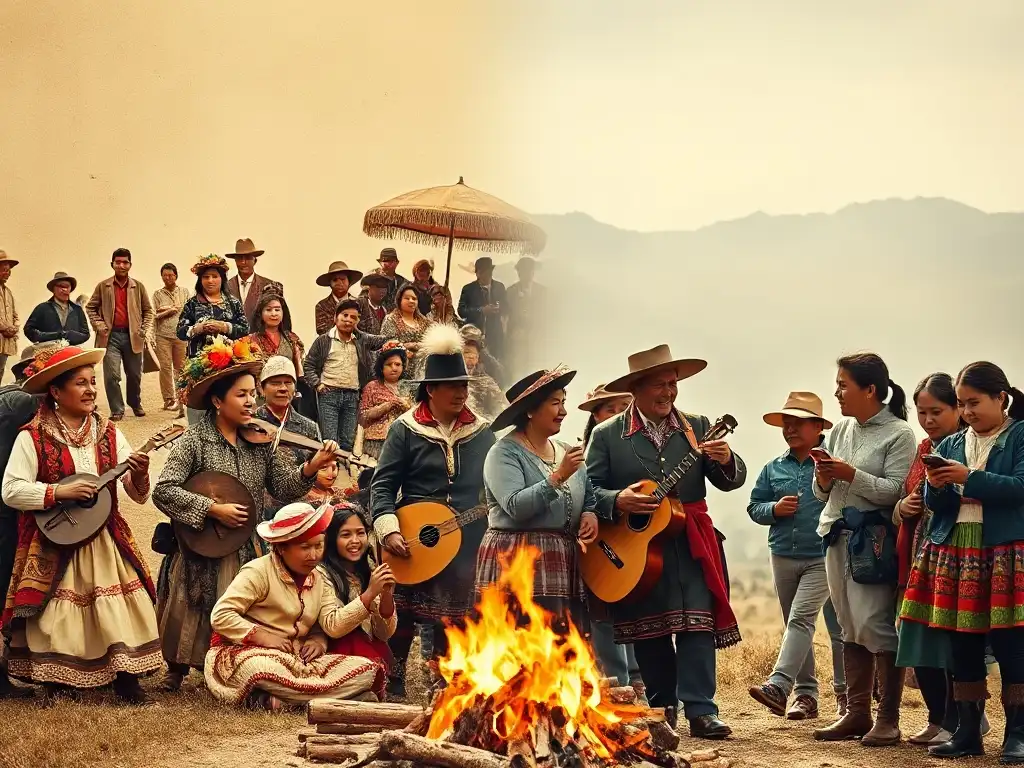
Modernity has undeniably impacted Andean family festival traditions, presenting both challenges and opportunities. The influx of globalized culture, through media and migration, has introduced new forms of entertainment and social interaction, often competing with traditional celebrations. Younger generations, exposed to diverse lifestyles and values, may find themselves less connected to the ancestral practices of their families.
This can lead to a decline in participation in traditional festivals, impacting the transmission of knowledge and skills associated with these events. The shift towards urban living also plays a significant role; the close-knit rural communities that traditionally fostered strong family bonds and collective celebrations are becoming increasingly fragmented. This geographical dispersal makes it more difficult for extended families to gather and participate in these important events.
However, it's crucial to note that modernity hasn't solely led to erosion. The increased access to information and communication technologies has also facilitated the dissemination of knowledge about Andean traditions, allowing for a renewed interest and appreciation among younger generations and even diaspora communities.
Challenges to Traditional Andean Celebrations
Several key challenges threaten the continuation of traditional Andean celebrations. The economic pressures of modern life often mean families prioritize financial needs over participation in festivals, which may require time, resources, and travel. The increasing cost of materials needed for traditional costumes, offerings, and food can be prohibitive for some families. Furthermore, the erosion of traditional knowledge poses a significant threat.
As older generations pass away, the intricate details and meanings associated with specific rituals and ceremonies risk being lost. The lack of formal documentation and the reliance on oral transmission of knowledge make these traditions particularly vulnerable. Finally, the encroachment of external influences and the pressures of assimilation can lead to the adoption of non-traditional practices, potentially diluting the authenticity and significance of the celebrations. For instance, the integration of westernized elements into traditional ceremonies can diminish their cultural integrity.
Revitalization Efforts and the Preservation of Family Traditions
Despite the challenges, significant efforts are underway to revitalize and preserve Andean family traditions. Community-based initiatives are playing a crucial role in organizing workshops and educational programs that teach younger generations about traditional crafts, music, dance, and the historical and spiritual significance of the festivals. These programs often involve active participation from elders, ensuring the accurate transmission of knowledge and skills.
Furthermore, governments and NGOs are increasingly supporting initiatives aimed at promoting and safeguarding intangible cultural heritage, including Andean family festivals. This support may involve funding for cultural events, research projects, and the development of educational materials.
The use of digital platforms and social media also offers promising avenues for disseminating information about Andean traditions, reaching wider audiences and fostering a sense of community among those interested in preserving these practices. Examples include online archives of traditional music and dance, virtual tours of cultural sites, and social media groups dedicated to sharing knowledge and experiences related to Andean festivals.
Preserving Andean Family Traditions for Future Generations
The preservation of Andean family traditions is paramount for maintaining cultural identity and fostering a sense of continuity across generations. These traditions are not merely festive occasions; they are integral to the social fabric of Andean communities, reflecting shared values, beliefs, and historical experiences. Losing these traditions would represent a significant loss of cultural heritage, impacting the collective memory and identity of Andean peoples.
Active efforts to document and disseminate knowledge about these festivals are crucial. This includes creating accessible archives of music, dance, recipes, and narratives associated with the celebrations. Educational initiatives in schools and communities can play a vital role in raising awareness and fostering appreciation for these traditions among younger generations.
Furthermore, supporting the involvement of elders in the transmission of knowledge is crucial, as their expertise and lived experiences are invaluable assets in preserving the authenticity and integrity of these practices. By empowering communities to actively participate in preserving their cultural heritage, we can ensure that these vibrant traditions continue to thrive for generations to come.
The Importance of Passing Down Cultural Practices
Passing down Andean family cultural practices is essential for maintaining a strong sense of identity and belonging. These traditions represent a connection to ancestors and a shared history, fostering a sense of continuity and community. The skills and knowledge associated with these practices, such as weaving, pottery, music, and dance, are not merely technical abilities; they embody cultural values and aesthetic sensibilities.
Transmitting these skills to younger generations ensures the continuation of these artistic expressions and the preservation of unique cultural forms. Moreover, the stories, songs, and rituals associated with these practices transmit important moral and ethical values, shaping the worldview and social behavior of younger generations.
These narratives often convey lessons about respect for nature, community solidarity, and the importance of maintaining harmony between humans and the spiritual world. By actively engaging in these traditions, younger generations develop a deeper understanding and appreciation of their heritage, strengthening their sense of identity and connection to their roots.
How Andean Family Festivals Build Resilience and Identity
Andean family festivals play a crucial role in fostering resilience and shaping collective identity. These celebrations provide opportunities for communities to come together, reinforcing social bonds and creating a sense of shared experience. The collaborative nature of many of these festivals, requiring collective effort in preparation and execution, strengthens community ties and promotes mutual support.
The rituals and ceremonies often associated with these festivals provide a framework for coping with challenges and reaffirming community values. These practices can help individuals and families navigate difficult times, providing a sense of hope and resilience in the face of adversity. Furthermore, the unique cultural expressions associated with these festivals, such as traditional music, dance, and costumes, contribute to a strong sense of collective identity.
These distinctive cultural markers distinguish Andean communities and reinforce a sense of belonging and pride in their heritage. By preserving and celebrating these traditions, Andean communities strengthen their resilience and maintain a vibrant cultural identity in an ever-changing world.
Conclusion: The Enduring Legacy of Andean Family Festival Traditions
Andean family festival traditions, deeply rooted in a rich tapestry of cultural practices and beliefs, continue to thrive, adapting to modern times while preserving their core essence. These celebrations are not merely festive occasions; they are powerful mechanisms for reinforcing kinship ties, transmitting cultural heritage, and fostering a strong sense of community. The vibrant rituals, often involving elaborate costumes, music, dance, and shared meals, serve as tangible reminders of shared ancestry and collective identity. The continuity of these traditions underscores the enduring importance of family within Andean societies.
Even in the face of urbanization and globalization, families strive to maintain these cherished customs, recognizing their vital role in strengthening family bonds and sustaining cultural continuity. The legacy of these festivals is a testament to the resilience and adaptability of Andean cultures, demonstrating their capacity to navigate change while cherishing their unique heritage. The continuation of these vibrant Andean family festival traditions ensures that the rich cultural heritage of the Andes will be passed down through generations, enriching the lives of those who participate and ensuring the preservation of a unique and valuable cultural legacy for years to come.
The strong emphasis on family within these celebrations serves as a powerful example of the enduring importance of kinship networks in Andean societies, highlighting their crucial role in social cohesion and cultural continuity. Future research should focus on documenting the evolving expressions of these traditions in diverse Andean communities to further understand their ongoing significance. 🎊
Frequently Asked Questions
What role did festivals play in Andean family life?
Andean festivals were crucial for strengthening family bonds. They provided opportunities for intergenerational gatherings, reinforcing social structures and cultural transmission. These celebrations were integral to community life.
How did Andean family traditions influence festival celebrations?
Family traditions heavily influenced festival activities. Specific rituals, dances, and foods were often passed down through generations, preserving cultural heritage within families. This ensured continuity of cultural practices.
What are some examples of family-focused activities during Andean festivals?
Many festivals involved shared meals, collaborative preparation of offerings, and participatory dances where entire families took part. Storytelling and sharing of family history were also common.
Festivals acted as powerful unifying forces. By bringing families together in shared experiences, they fostered a sense of community identity and belonging. This collaboration helped maintain social order.
Are Andean family festival traditions still practiced today?
Yes, many Andean family festival traditions continue to be celebrated, although often adapted to modern contexts. Many aspects of these celebrations are still important for maintaining cultural identity and family ties.
Final Reflection: Weaving the Threads of Andean Family Traditions
The vibrant tapestry of Andean family festivals, far from being relics of the past, remains a powerful force shaping communities and strengthening familial bonds in the present day. These celebrations are not merely occasions for merriment; they are vital threads in the fabric of Andean society, preserving cultural heritage while fostering a sense of belonging and shared identity that is increasingly crucial in our rapidly changing world.
The enduring legacy of these traditions is profoundly moving. Witnessing the unwavering commitment to these celebrations, generation after generation, underscores the deep-seated importance of family within Andean culture. Tradition is not the worship of ashes, but the preservation of fire.
This quote perfectly encapsulates the spirit of these festivals – a dynamic preservation of cultural values, passed down through generations, constantly renewed and reinterpreted. The impact of these celebrations extends beyond the immediate family, creating a strong sense of community and shared identity within the wider Andean landscape.
Consider the role these festivals play in your own life, and in the lives of your loved ones. What traditions do you cherish? How do they strengthen your connections with family and community?
Let the spirit of Andean family festivals inspire you to cultivate stronger bonds with those you hold dear. Embrace the opportunity to create your own meaningful rituals and celebrations, weaving your own unique threads into the rich tapestry of human connection. Remember, the preservation of cultural heritage and the strengthening of family ties are not just historical endeavors; they are vital components of a fulfilling and meaningful life.
Celebrate, Connect, and Grow Your Family Bonds!
Thank you for exploring how festivals and celebrations strengthen family ties. Your interest in this vibrant cultural practice highlights the importance of connection and community. Let's use this inspiration to create meaningful moments in your own life.
Here are a few ways to deepen family bonds and keep the celebratory spirit alive:
- Plan a family gathering around a special occasion—creating cherished memories together. This could be anything from a themed dinner party to a weekend camping trip, focusing on shared experiences and creating new traditions.
- Share stories with friends and family—sparking conversations that foster a greater appreciation for each other's backgrounds and experiences. Encourage everyone to share their favorite memories and traditions.
- Explore new traditions by researching different cultural celebrations and adapting them to your family's yearly calendar. This could involve trying new recipes, learning about different customs, or even planning a trip to experience a new culture firsthand.
What traditions resonate most with your family, and how can you incorporate their values into your daily lives? We'd love to hear your thoughts!