
The Daily Routine of an Andean Weaver: Creating Intricate Textiles

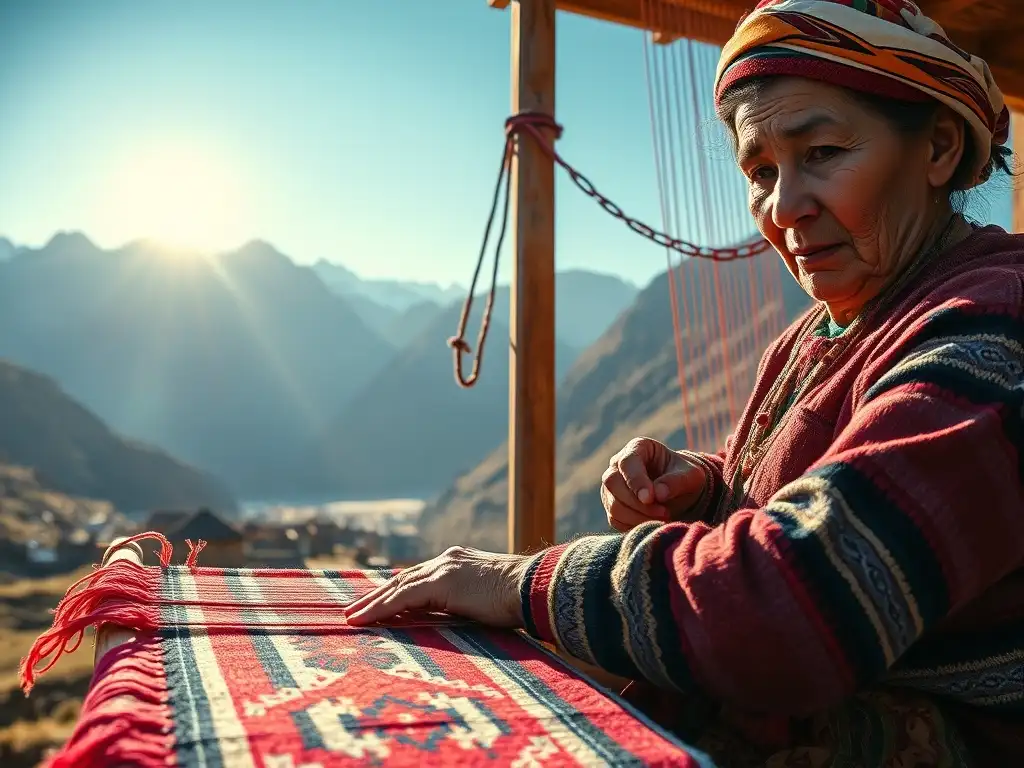
Unravel the mysteries of the Andes! Journey through time and discover the vibrant tapestry of ancient Andean cultures, from the Incas to the Nazca. But first, imagine a world where threads hold the secrets of a civilization. What was the daily routine of an Andean weaver? Dive into the intricate world of textile creation and uncover the stories woven into every fiber. Explore the fascinating details of "Andean Weaver Daily Routine" and witness the artistry that shaped a legacy.
The intricate textiles of the Andean civilizations are renowned worldwide for their vibrant colors, complex designs, and remarkable craftsmanship. These masterpieces weren't simply created; they were the product of a dedicated daily routine, passed down through generations of skilled artisans. This article delves into the daily life of an Andean weaver, exploring the meticulous processes and unwavering dedication required to produce these stunning works of art.
We will examine the daily rituals, from the early morning preparations to the final touches on a completed textile, providing a glimpse into the significant role weaving played in Andean society and culture. Understanding the daily routine of an Andean weaver offers a unique perspective on the social structures, economic systems, and spiritual beliefs that shaped these remarkable civilizations.
We will explore the tools, materials, and techniques employed, showcasing the ingenuity and artistry of these ancient craftspeople. This exploration will reveal not just the how of textile production, but also the why, highlighting the deep cultural significance woven into every thread.
Introduction to the Andean Weaver's Life
The life of an Andean weaver was far from leisurely. It was a demanding vocation, requiring immense skill, patience, and physical endurance. Weaving wasn't just a profession; it was deeply intertwined with the social fabric of Andean communities. Women, in particular, held prominent roles as weavers, contributing significantly to the economic and social well-being of their families and communities.
Their work extended beyond mere textile production; it encompassed symbolic expression, social communication, and spiritual practices. The designs woven into the textiles often held profound meanings, reflecting religious beliefs, social status, and historical events. The colors themselves—sourced from natural dyes derived from plants, minerals, and insects—carried symbolic weight, contributing to the rich tapestry of Andean culture. The complexity of the designs and the precision of the weaving techniques showcase the high level of skill and expertise achieved by Andean weavers.
This mastery was cultivated through years of apprenticeship and practice, passed down through generations within families and communities. The daily routine, therefore, was not just a series of tasks, but a continuous process of learning, refinement, and creative expression. Consider, for example, the intricate designs of the Nazca textiles, reflecting their unique cosmology and artistic sensibilities, or the sophisticated techniques of the Inca, who used specialized knots and weaving structures to create incredibly durable and visually stunning fabrics.
The Early Morning: Preparing for the Day
The day for an Andean weaver typically began before sunrise. The exact time varied depending on the season and the location, but the early start was essential to maximize daylight hours for weaving. The first task involved preparing the workspace. This might have involved sweeping the floor of the weaving room (often a designated area within the home), arranging tools and materials, and ensuring adequate lighting.
Depending on the season, this could involve adjusting the position of the loom to optimize natural light or using supplementary light sources such as oil lamps or candles. Then came the preparation of the materials. This included gathering the necessary yarn, which had already been spun and dyed, often weeks or months before. The weaver would carefully select the colors and types of yarn required for the specific project, ensuring they had sufficient quantities to complete the work.
The process of yarn preparation itself was labor-intensive, involving the shearing of animals (like alpacas or llamas), the cleaning and carding of the fiber, and the spinning of the yarn using hand spindles. This was often a collaborative process, with members of the family or community assisting in the different stages of yarn production. The early morning hours were therefore a time not only of physical preparation but also of careful planning and selection, setting the tone for the day’s weaving. The meticulous nature of these preparatory tasks underscores the importance placed on quality and precision in Andean textile production.
Gathering Raw Materials for Andean Textile Production
The daily life of an Andean weaver began long before the actual weaving commenced. Securing the raw materials was a crucial, often laborious, first step. This involved not only gathering the fibers but also preparing them for spinning and weaving.
The process was deeply intertwined with the Andean worldview, where respect for nature and its resources was paramount. The success of the harvest, and thus the availability of raw materials, was often attributed to the favor of the gods and the proper performance of rituals. The journey to obtain these materials often involved long treks across varied terrains, showcasing the resilience and resourcefulness of these skilled artisans.
The quality of the fibers directly impacted the final product, influencing its texture, durability, and overall aesthetic appeal. A weaver's reputation often hinged on the quality of the raw materials they used, reflecting their dedication to their craft and their connection to the land.
Sourcing Natural Fibers: Alpaca, Llama, and Cotton
The primary sources of fiber for Andean weavers were alpaca, llama, and cotton. Alpaca fiber, renowned for its softness and warmth, was highly prized. Llamas, while providing less fine fiber, offered a more resilient and durable yarn. Cotton, cultivated in warmer regions, provided a lighter and more breathable fabric, perfect for warmer climates.
The sourcing of these fibers was directly linked to the environment and the available resources. Highland communities relied heavily on alpaca and llama, while those in lower altitudes cultivated cotton. The animals were carefully managed, their shearing conducted according to traditional methods, often involving rituals and ceremonies to ensure a bountiful harvest.
The selection of fibers was crucial, influencing the final product's texture and quality. Weavers often possessed a deep understanding of the properties of different fibers and selected them based on the intended use of the textile. The process of shearing, cleaning and sorting the fibers was a community affair, sometimes involving family members and neighbors.
Preparing Dyes from Plants and Minerals
The vibrant colors of Andean textiles were not achieved through synthetic dyes but through a meticulous process of extracting natural dyes from plants and minerals. This involved a profound knowledge of local flora and their dyeing properties. Cochineal insects, for example, yielded a rich crimson, while various plants offered a spectrum of yellows, reds, browns, and greens. Minerals, like ochre, provided earthy tones. The preparation of these dyes was a complex process, often involving intricate steps of boiling, fermentation, and mordanting—a process that helps the dye to bind to the fibers. The knowledge of these techniques was passed down through generations, forming an integral part of the Andean cultural heritage. The availability of certain plants and minerals influenced the color palettes used in different regions, contributing to the diversity and uniqueness of Andean textile traditions. Some dyes were considered sacred, and their use was associated with specific rituals and ceremonies.
The Weaving Process: Techniques and Traditions
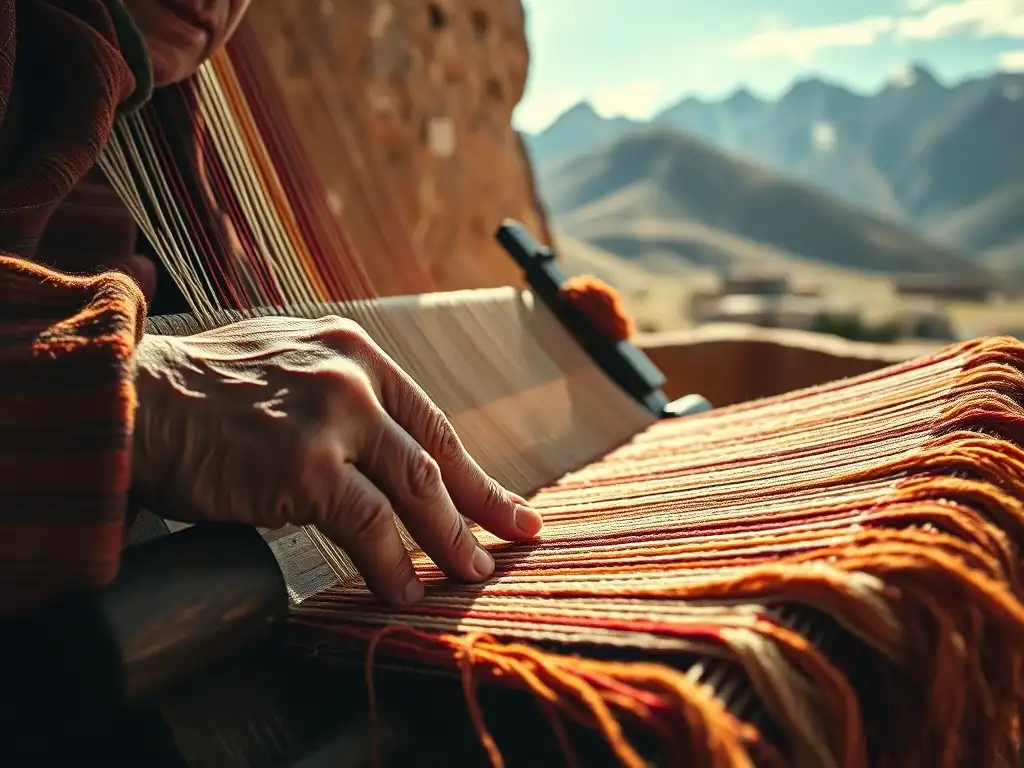
The actual weaving process was an intricate and demanding task, requiring skill, patience, and precision. Andean weavers employed various techniques, the most prominent being backstrap loom weaving, a method that allowed for portability and flexibility. The process began with the preparation of the warp—the lengthwise threads—which were carefully stretched and secured. This was followed by the introduction of the weft—the crosswise threads—which were skillfully interwoven with the warp to create the fabric.
The choice of techniques and the complexity of the patterns reflected the weaver's expertise and the intended purpose of the textile. The weaving process was deeply embedded in the social fabric of Andean communities, often taking place in communal spaces or within the domestic sphere. The rhythm of the weaving process, the sounds of the shuttle moving back and forth, formed a meditative and rhythmic backdrop to daily life.
Setting Up the Loom: The Backstrap Loom and Its Significance
The backstrap loom, a simple yet ingenious device, was the backbone of Andean textile production. Its portability allowed weavers to work virtually anywhere, integrating the act of weaving into daily life. The loom consisted of a warp beam, a heddle (a device that separates the warp threads), and a backstrap, which was secured around the weaver's waist or to a fixed point. Setting up the loom required a keen understanding of tension and balance, ensuring that the warp threads remained evenly spaced and taut throughout the weaving process.
This setup was a testament to the weaver's skill and experience. The backstrap loom was more than just a tool; it was a symbol of Andean ingenuity and resilience, reflecting their ability to adapt and create using readily available resources. Its portability allowed them to weave while tending to other tasks, integrating weaving seamlessly into their daily lives.
Weaving Intricate Patterns: Techniques and Meaning
Andean textiles are renowned for their intricate and symbolic patterns. Weavers employed a variety of techniques to create these designs, including supplementary weft, tapestry, and brocade. These techniques allowed them to incorporate complex geometric designs, zoomorphic figures, and stylized representations of plants and landscapes. The creation of these patterns was not merely decorative; each motif carried a specific meaning, often relating to cosmology, mythology, or social status.
The patterns were a visual language, conveying stories, beliefs, and social identities. The complexity of the patterns indicated the weaver's skill and the prestige of the textile. The time and effort invested in creating these intricate designs elevated the textiles beyond mere utilitarian objects, transforming them into valuable cultural artifacts.
The Role of Andean Symbols in Textile Design
The symbols woven into Andean textiles were far more than mere decorations; they were powerful visual representations of Andean cosmology, mythology, and social structures. Geometric patterns often represented celestial bodies, agricultural cycles, or the organization of the Andean worldview. Zoomorphic motifs, depicting animals like llamas, condors, and snakes, held symbolic significance, often representing deities, ancestors, or shamanic powers. Stylized representations of plants and landscapes reflected the deep connection between the Andean people and their environment.
The use of these symbols varied across different regions and time periods, reflecting the diversity of Andean cultures. The interpretation of these symbols requires a deep understanding of Andean iconography and the cultural context in which they were created. Analyzing these symbols provides insights into the beliefs, values, and social structures of the ancient Andean civilizations. The textiles themselves act as visual archives, preserving and transmitting cultural knowledge across generations.
Midday Activities: Community and Sustenance
The midday break for an Andean weaver wasn't simply a time for eating; it was a crucial period for social interaction and community reinforcement. Weaving, while often a solitary activity, was deeply embedded within the social fabric of Andean life. The midday break provided an opportunity to share stories, discuss current events, and strengthen bonds within the community.
This wasn't just about personal relationships; it was also about maintaining the collective knowledge and skills necessary for the continuation of textile traditions. Discussions might range from the quality of recently harvested alpaca wool to the intricate designs for upcoming ceremonies or exchanges with neighboring communities. These informal conversations were vital for passing down techniques, sharing innovative ideas, and fostering a sense of shared identity.
The midday break, therefore, served as a critical component of the apprenticeship system, where younger weavers learned not just the technical skills but also the cultural context and social responsibilities associated with their craft. The sharing of experiences and knowledge helped maintain the continuity of Andean weaving traditions across generations.
Lunch and Social Interaction within the Weaving Community
Lunch itself was often a communal affair. Weavers would gather together, sharing simple yet nutritious meals consisting primarily of locally sourced ingredients. These meals, often cooked over open fires or prepared collaboratively, provided another opportunity for social interaction and relationship building. The sharing of food was a powerful symbol of unity and cooperation within the community, mirroring the collaborative nature of large-scale weaving projects.
Discussions during lunch might revolve around the challenges faced during the morning's weaving, the upcoming market day, or the progress of communal projects. The casual atmosphere allowed for the transmission of valuable information and the strengthening of social ties, ensuring the cohesion and stability of the weaving community. The simple act of sharing a meal provided an essential human connection within the daily routine of the weaver.
Other Daily Tasks Alongside Weaving
While weaving formed the core of their daily activity, Andean weavers were rarely solely focused on textile production. Other tasks, equally important to their livelihood and the community's well-being, were integrated seamlessly into their daily routine. These might include tending to small gardens providing supplementary food, collecting firewood, assisting with household chores, or participating in community projects like irrigation maintenance.
The flexibility and integration of these diverse tasks highlight the adaptability and resourcefulness of Andean weavers. This multi-faceted approach to daily life ensured both individual and community sustainability, showcasing the intricate relationship between textile production and other essential aspects of Andean life. The balance between weaving and other responsibilities underscores the holistic nature of their existence, where individual skills contributed directly to the collective well-being.
Afternoon Weaving: Focus and Precision
The afternoon brought a renewed focus on the weaving process. With the midday break providing rest and social rejuvenation, weavers could return to their work with renewed energy and attention to detail. The afternoon hours were often dedicated to the more intricate and demanding aspects of textile creation.
This could include the incorporation of complex designs, the precise manipulation of different colored threads, or the meticulous finishing touches that elevated the textile to a work of art. The afternoon light, often softer and more diffused than the midday sun, could also have contributed to a more comfortable and conducive working environment. The sustained concentration required during this stage highlighted the skill and patience of the Andean weaver.
Continuing the Weaving Process: Maintaining Consistent Tension
Maintaining consistent tension throughout the weaving process was crucial for creating a high-quality textile. This required not only physical dexterity but also a keen understanding of the materials and the techniques involved. The weaver had to constantly monitor the tension of the warp threads, ensuring they remained evenly spaced and taut throughout the weaving process.
Any inconsistencies could lead to irregularities in the fabric, compromising both its aesthetic appeal and its structural integrity. This constant adjustment, requiring both skill and precision, was a testament to the dedication and expertise of Andean weavers. The ability to maintain consistent tension, a seemingly simple task, was in fact a crucial element in the creation of intricate and durable textiles.
Refining and Finishing the Textile
The final stage of the weaving process involved refining and finishing the textile. This might include trimming excess threads, smoothing out irregularities, and applying any necessary dyes or treatments. This meticulous attention to detail ensured that the finished product met the high standards expected of Andean textiles.
The finishing touches were often as important as the weaving itself, contributing significantly to the overall quality and aesthetic appeal of the textile. The process served not only to create a visually appealing piece but also to improve its durability and longevity, reflecting the practical and artistic sensibilities of Andean weavers. This final stage showcased the weaver's commitment to excellence, transforming a woven piece into a lasting testament to their skill and cultural heritage.
Late Afternoon and Evening: Winding Down
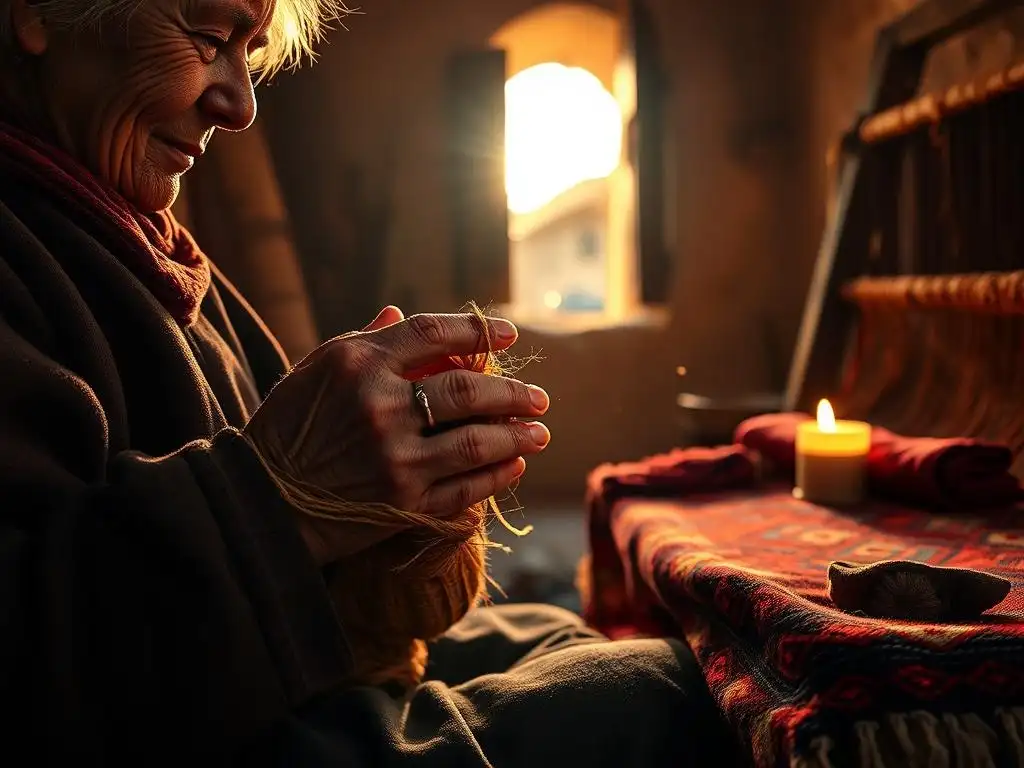
The Andean weaver's day didn't end with the setting sun. Evenings were dedicated to meticulously cleaning and organizing their tools, preparing for the next day's work, and spending precious time with family. The rhythmic click-clack of the loom, a constant companion throughout the day, would finally fall silent, replaced by the quieter sounds of family life.
The air, still warm from the day's sun, would carry the scent of cooked food and the gentle hum of conversation. This period of winding down was crucial for both physical and mental restoration, ensuring the weaver could approach the next day's intricate work with renewed energy and focus. The careful organization of their materials wasn't simply about tidiness; it was an integral part of respecting their craft and ensuring efficiency.
Cleaning and Storing Weaving Tools
Cleaning the weaving tools was a ritualistic process. Spindles and distaffs were carefully wiped clean of any remaining fiber, preventing tangling and ensuring the smooth continuation of the spinning process the next day. The loom itself, a complex instrument of wood and string, required attention to detail. Any loose threads were secured, and the parts were inspected for wear and tear.
The tools weren’t just stored; they were carefully placed in designated locations, often within a specific woven bag or container, reflecting a deep respect for the instruments that facilitated their artistry. This meticulous care extended the lifespan of the tools, minimizing the need for replacements and ensuring the continuity of their craft. The process itself was a meditative act, symbolizing the closing of one phase of work and preparation for the next.
Preparing for the Next Day of Andean textile work
Preparation for the next day wasn't just about physical organization; it involved mental planning as well. The weaver would often mentally review the progress made, identify any challenges encountered, and strategize the next steps in the weaving process. This preemptive thinking allowed for smoother transitions and minimized potential setbacks. They might select the specific yarns and dyes needed, ensuring they were readily accessible.
It was a conscious effort to streamline the upcoming workflow, optimizing efficiency and minimizing interruptions. This pre-planning also facilitated a more mindful and focused approach to the next day's work, maximizing productivity and creativity. The mental preparation was as crucial as the physical one, reflecting a holistic approach to their craft.
Family Life and Evening Rituals
Evenings were dedicated to family. The weaver, often the heart of the household's economic stability, would share the day's experiences and participate in family rituals. Stories were shared, meals were prepared and consumed together, and children might assist with simpler tasks, learning the basics of fiber preparation or weaving techniques.
These shared moments were essential for strengthening family bonds and transmitting cultural knowledge across generations. The evening provided a respite from the demands of weaving, fostering a sense of community and belonging. These rituals, passed down through generations, helped maintain the cultural identity and social fabric of the Andean communities.
The Importance of Weaving in Andean Culture
Weaving wasn't simply a craft; it was a cornerstone of Andean culture, deeply intertwined with the economic, social, and spiritual life of the people. The intricate textiles produced were not merely functional items but also powerful symbols of identity, status, and spiritual belief. The skill and artistry involved in creating these textiles commanded respect and admiration within the community. The vibrant colors, intricate designs, and the sheer mastery of technique reflected the deep connection between the Andean people and their environment. The textiles were a tangible representation of their rich history, beliefs, and artistic traditions, passed down through generations.
Weaving as an Economic Activity
Weaving played a significant role in the Andean economy. Textiles served as a primary form of exchange, used in trade both within and between communities. Specialized weavers often produced high-quality goods that were traded for other necessities, such as food, tools, or other essential goods.
The economic value of textiles was directly linked to the skill and reputation of the weaver, with highly skilled artisans commanding higher prices for their work. This economic contribution of weaving secured the weavers' place within their communities, strengthening their social standing and influencing their overall lifestyle. The economic power of textiles significantly impacted the Andean societies' social structures and daily lives.
The Social and Spiritual Significance of Andean Textiles
Andean textiles held immense social and spiritual significance. The designs incorporated into the fabrics often depicted mythological figures, animals, or cosmological events, reflecting the community's beliefs and worldview. Textiles were not simply clothing; they were powerful symbols of identity, status, and spiritual connection.
The quality and intricacy of a textile often indicated the weaver's social standing and skill, reflecting their place within the community. Specific designs held particular meanings, conveying messages of lineage, power, or spiritual affiliation. This deep integration of weaving into the social and spiritual fabric of Andean society highlights the importance of the craft beyond its purely practical applications.
Passing Down the Skills: Intergenerational Knowledge Transfer
The skills of Andean weaving were meticulously passed down through generations, ensuring the continuity of this vital tradition. Mothers, grandmothers, and other female relatives played a crucial role in teaching young girls the intricate techniques of spinning, dyeing, and weaving. This intergenerational knowledge transfer wasn't simply a matter of practical instruction; it was a deeply meaningful process of cultural transmission.
The stories, beliefs, and traditions associated with weaving were intertwined with the technical skills, ensuring the continuation of both the craft and the cultural heritage it represented. This meticulous process of apprenticeship and mentorship secured the long-term survival of Andean weaving traditions and their cultural significance. The skills, knowledge, and cultural values were passed down through generations, ensuring the continuity of this vital aspect of Andean identity.
Conclusion: The Legacy of the Andean Weaver's Daily Routine
The daily routine of an Andean weaver, though demanding and often dictated by the rhythms of nature and community needs, was far more than a simple cycle of tasks. It was a vital contribution to the social fabric and cultural identity of Andean societies. The intricate textiles produced weren't merely clothing or household items; they were powerful expressions of artistry, spirituality, and social status. From the meticulous preparation of the fibers to the final weaving, each step held significance, reflecting a deep connection to the land, ancestors, and the cosmos.
The vibrant colors, complex designs, and enduring quality of Andean textiles speak to the dedication and skill of these artisans. Their legacy extends far beyond their lifetimes, influencing textile traditions in the Andes to this day. The enduring beauty and sophistication of their creations continue to inspire awe and admiration, a testament to the enduring spirit and ingenuity of the Andean weaver. Understanding their daily routine offers a glimpse into a rich and complex culture, revealing the profound connection between artistry, spirituality, and daily life in ancient Andean societies.
The intricate details embedded within their textiles serve as a vibrant record of their lives, beliefs, and social structures, ensuring that their legacy continues to resonate through time. Their work serves as a powerful reminder of the importance of preserving and celebrating the cultural heritage of the Andes. The meticulous craftsmanship and enduring artistry of Andean weavers remain a source of inspiration and a testament to the enduring human spirit.
- Introduction to the Andean Weaver's Life
- The Early Morning: Preparing for the Day
- Gathering Raw Materials for Andean Textile Production
- The Weaving Process: Techniques and Traditions
- Midday Activities: Community and Sustenance
- Afternoon Weaving: Focus and Precision
- Late Afternoon and Evening: Winding Down
- The Importance of Weaving in Andean Culture
- Conclusion: The Legacy of the Andean Weaver's Daily Routine
- What was a typical day like for an Andean weaver?
- What tools did Andean weavers use in their daily routine?
- What types of materials did Andean weavers work with?
- How did the daily routine of an Andean weaver impact their community?
- Were there differences in the daily routine of Andean weavers depending on their social status?
Frequently Asked Questions
What was a typical day like for an Andean weaver?
An Andean weaver's day began early, likely with preparing materials and setting up their loom. The day was filled with meticulous weaving, often punctuated by breaks for meals and rest. Evenings were dedicated to finishing work and preparing for the next day.
What tools did Andean weavers use in their daily routine?
Andean weavers utilized a variety of tools including backstrap looms, spindles for spinning yarn, and various weaving implements like shuttles and combs. The specific tools varied depending on the textile being made and the region.
What types of materials did Andean weavers work with?
Andean weavers primarily used alpaca, llama, and vicuña fibers, sourced from local animals. Cotton was also used, especially in warmer coastal regions. The quality and color of the fibers were crucial to the final product.
How did the daily routine of an Andean weaver impact their community?
The textiles produced were essential to Andean society, used for clothing, religious ceremonies, and trade. Weaving was often a family affair, with skills passed down through generations and contributing to the economic well-being of the community.
While the fundamental tasks remained similar, social status could influence the complexity and scale of weaving projects. Elite weavers may have overseen larger workshops and focused on more elaborate textiles for the ruling class, while others focused on everyday items.
Final Reflection: The Enduring Legacy of Andean Weaving
The intricate artistry of Andean weaving isn't merely a historical practice; it's a vibrant, living tradition that continues to shape cultural identity and economic realities in the Andes today. The meticulous detail and profound symbolism woven into each textile represent not just skill, but a deep connection to ancestral knowledge and a resilient spirit in the face of modernization.
The daily routine of an Andean weaver, as explored in this article, reveals a profound connection between the individual, their community, and the natural world. The rhythmic movements of the loom, the careful selection of dyes from natural sources, and the passing down of techniques through generations speak to a continuity that is both inspiring and fragile. The threads we weave are not just threads, but the stories of our ancestors, the hopes of our children, and the very fabric of our lives.
This sentiment, though not directly quoted from an Andean weaver, encapsulates the profound meaning embedded in their work. The ongoing struggle to preserve this tradition in the face of globalized markets underscores the importance of supporting these artisans and their invaluable cultural heritage.
Consider the intricate patterns, the vibrant colors, and the stories woven into each textile. Now, consider your own daily routine. What threads of tradition, creativity, and connection to your heritage do you weave into your own life? Take a moment to reflect on the ways you can support artisans and craftspeople in your community and around the world, recognizing the value of preserving unique cultural expressions. Let the enduring legacy of Andean weaving inspire you to find meaning and purpose in your own daily actions, creating a tapestry of life rich in tradition and innovation.
Embrace the Richness of Andean Textiles Today!
Thank you for exploring the vibrant world of Andean weaving! You've discovered the dedication and artistry behind these intricate textiles. Now, let's explore how you can incorporate this inspiration into your life. Here are some ways to connect with this remarkable tradition:
- Support Andean artisans: Visit local craft fairs or galleries showcasing the work of Andean weavers. This allows you to appreciate their skill firsthand and contribute directly to their livelihoods.
- Learn the art of weaving: Take a beginner's weaving workshop to experience the creative process. It's a fantastic way to understand the techniques and appreciate the artistry involved.
- Share your appreciation: Spread the word about the beauty and cultural significance of Andean textiles. Share your knowledge on social media, or simply tell your friends and family about this fascinating tradition.
How can you bring the spirit and beauty of Andean weaving into your everyday life?