
Marriage and Social Status: How Alliances Shaped Andean Societies

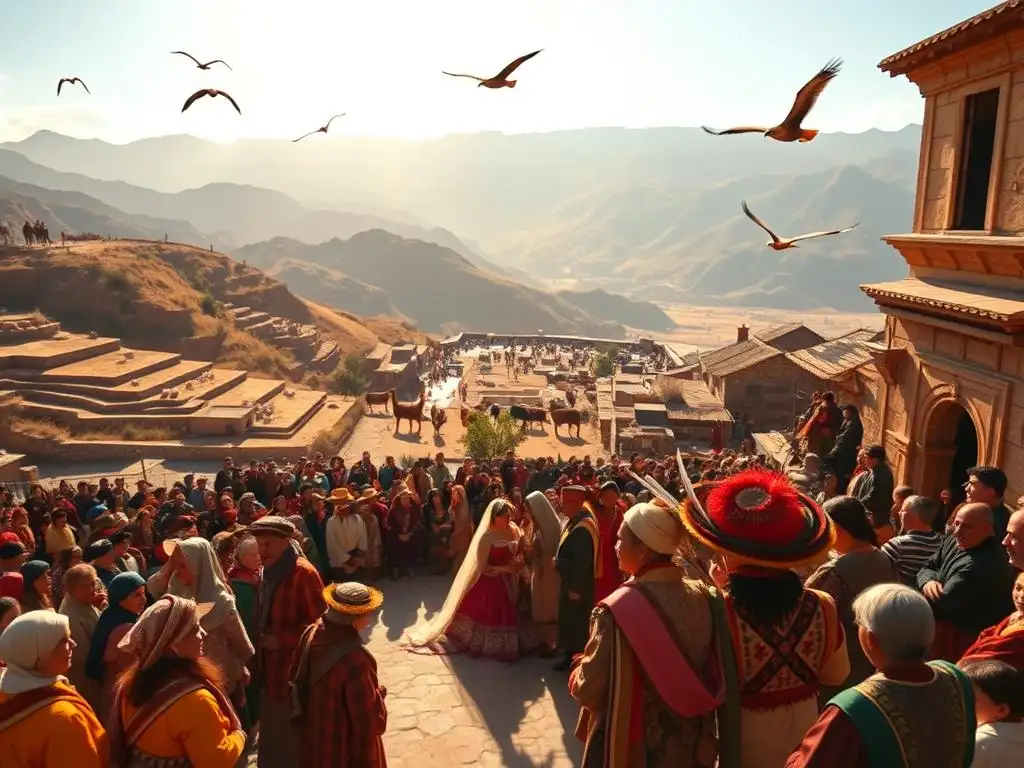
Step into a world lost to time, yet echoing with the vibrant pulse of the Andes. Imagine a society where marriage wasn't just a union of two, but a complex negotiation of power and prestige. Discover the fascinating intricacies of Andean civilization marriage practices, and unravel how these unions shaped the social fabric of the Incas, Moche, Nazca, and Tiahuanaco. Prepare to be captivated by a story far richer than you ever imagined. Let's explore the fascinating connections between marriage and social status in these ancient, awe-inspiring societies.
Marriage in the Andes wasn't simply a union between two individuals; it was a powerful mechanism for consolidating social status, forging political alliances, and securing economic prosperity. This intricate system, varying across different Andean civilizations like the Inca, Moche, Nazca, and Tiahuanaco, profoundly shaped the social fabric of these societies.
Understanding Andean civilization marriage practices provides crucial insight into the complex interplay between family, power, and social mobility. We will explore how marital alliances served as a cornerstone of social structure, influencing everything from land ownership to religious authority, and ultimately contributing to the rise and fall of entire empires.
This exploration will delve into the specific practices, the symbolic weight attributed to marriage, and the consequences of violating established norms within these fascinating ancient societies. Prepare to uncover the hidden narratives woven into the very fabric of Andean social life, revealing the profound impact of marriage on the trajectory of these remarkable civilizations.
The Significance of Marriage in Ancient Andean Societies
Marriage in the Andes was far from a romantic ideal; it was a deeply pragmatic institution deeply intertwined with the economic and political realities of the time. For the elite, marriages were strategic alliances, solidifying power and expanding influence. The union of two powerful families, for example, could result in the consolidation of landholdings, the accumulation of resources, and the expansion of political networks. This was especially true for the Inca, where royal marriages were meticulously planned to maintain the imperial lineage and secure the stability of the empire.
Evidence from archaeological sites and surviving chronicles points to the importance of dowries and bridewealth – the transfer of goods and resources between families involved in a marriage – as a crucial component of these transactions. The size and prestige of the dowry often reflected the social standing of the bride's family, further emphasizing the economic dimensions of marriage. Even for commoners, marriage was a significant social event, signifying a transition into adulthood and participation in the wider community.
The responsibilities associated with marriage, including the expectation of contributing to household labor and raising a family, were essential to the functioning of Andean society. Failure to adhere to these social norms could lead to significant consequences, highlighting the importance of marriage within the social order. Furthermore, marriage often had religious connotations, with rituals and ceremonies designed to ensure the fertility of the couple and the prosperity of the family.
Andean civilization marriage practices varied among different cultures, reflecting their unique social structures and beliefs. However, several common themes emerge. Endogamy, the practice of marrying within one's social group, was prevalent across many Andean societies, reinforcing social hierarchies and limiting social mobility. In contrast, exogamy—marrying outside one's group—occasionally occurred, particularly among elites seeking to forge political alliances or expand their influence. The Inca, for example, often used royal marriages to consolidate their power and control over conquered territories.
These unions weren't simply about love; they were strategic political maneuvers. The Moche, known for their elaborate artistic representations, also depicted marriage scenes in their pottery, providing valuable insights into their social customs. These depictions often showcase elaborate ceremonies and the importance of social status in marital arrangements. The Nazca, famous for their geoglyphs, likely had similar practices, although the evidence is less direct.
Archaeological findings, however, reveal the existence of complex social structures, suggesting that marriage played a crucial role in maintaining the social order. We need further research to fully understand the nuances of marriage practices among the different Andean cultures, including the roles of women and the specific rituals surrounding marriage ceremonies. The study of Andean marriage customs provides a rich tapestry of social dynamics, revealing the intricate relationships between power, politics, and the everyday lives of the people who inhabited these ancient societies. The detailed study of these practices allows for a deeper understanding of the complexities of Andean social structures and the significant role marriage played in shaping their world.
Marriage as a Tool for Political and Economic Alliances
Marriage in Andean civilizations wasn't merely a personal union; it was a fundamental tool for forging and solidifying political and economic alliances. The strategic selection of spouses played a crucial role in maintaining power structures, expanding territories, and controlling resources. This practice transcended individual desires, prioritizing the collective well-being and stability of the community or empire.
The intricacies of these marital strategies varied across different Andean cultures, reflecting the diverse social and political landscapes of the region. However, the overarching principle remained consistent: marriage served as a powerful instrument for achieving and maintaining social order. The success of a ruler often hinged upon their ability to navigate the complex web of marital alliances, securing their position and ensuring the continuity of their lineage.
This emphasis on strategic marriage underscores the deeply intertwined nature of personal relationships and broader socio-political dynamics in Andean societies. Failure to secure advantageous alliances could lead to instability and even the downfall of entire dynasties.
Royal Marriages and Consolidation of Power in Andean Empires
Royal marriages within Andean empires, particularly among the Inca, were paramount in consolidating power and expanding influence. These unions weren't simply about love; they were carefully orchestrated events designed to strengthen political ties between different regions and solidify the ruler's authority. The Inca, for instance, employed a system of mit'a, a form of obligatory labor, to maintain the vast empire.
Strategic marriages with rulers of conquered territories helped secure the loyalty of these populations and facilitate the efficient operation of the mit'a system. By marrying into powerful families, the Inca emperors legitimized their rule and ensured the cooperation of local elites. Furthermore, these unions fostered a sense of unity and shared identity across diverse ethnic groups within the empire.
The marriage of an Inca emperor to a princess from a conquered province served as a powerful symbol of submission and integration, effectively binding the conquered territory to the empire. The consequences of failing to secure these alliances could lead to rebellions and the fragmentation of the empire.
Inter-Tribal Marriages and Resource Control
Beyond royal marriages, inter-tribal marriages served as a vital mechanism for controlling resources and mediating conflicts between different Andean communities. These unions often involved the exchange of goods, land, and other valuable resources, strengthening economic ties and fostering cooperation. Marriages between groups with complementary resources, such as those with access to different agricultural products or mineral deposits, helped to create mutually beneficial economic partnerships. This system reduced the likelihood of conflict over scarce resources and promoted a sense of interdependence among different communities.
The exchange of wives or daughters between tribes acted as a form of diplomatic agreement, cementing peaceful relations and strengthening trade networks. These alliances were crucial for survival, particularly in regions with limited resources or volatile environmental conditions. The breakdown of these inter-tribal marriages could easily lead to conflict and economic instability.
Social stratification significantly influenced spousal selection in Andean societies. Marriage wasn't a matter of individual choice alone; it was deeply embedded within the existing social hierarchy. Elite members of society, such as the ruling class and priests, typically married within their own social circles, maintaining their privileged status and consolidating their power. This practice reinforced existing social inequalities and ensured the continuity of elite lineages. The common people, however, had fewer choices regarding their spouses.
Their marriages were often arranged by family elders or community leaders, prioritizing factors such as economic compatibility and social stability. These arranged marriages often aimed to maintain the existing social order and ensure the continuation of traditional practices. The stark contrast in marriage practices between the elite and commoners highlights the rigid social hierarchy that characterized many Andean civilizations. Deviation from these established norms could lead to social ostracism or even punishment.
The Impact of Social Class on Marriage Choices
Social class played a defining role in shaping marriage choices within Andean societies. Members of the elite class, including rulers, priests, and nobles, were expected to marry within their own social stratum. These unions served to maintain the existing power structures and consolidate the wealth and influence of the elite. Marriages between members of different social classes were rare and often met with disapproval. Such unions could disrupt the established social order and challenge the authority of the ruling class.
In contrast, commoners had limited autonomy in choosing their spouses. Their marriages were frequently arranged by their families or community leaders, prioritizing factors such as economic stability and social cohesion. These arranged marriages reinforced social stratification and helped to maintain the existing social order. The potential for upward social mobility through marriage was extremely limited, reinforcing the rigid nature of the Andean social hierarchy.
Marriage Patterns Among Andean Commoners
Marriage among Andean commoners differed significantly from the strategic unions of the elite. While royal marriages served political and economic goals, commoner marriages primarily focused on practical considerations such as economic stability and community cohesion. These unions were often arranged by family elders or community leaders, taking into account factors like the availability of land, access to resources, and the individual's ability to contribute to the community's well-being.
While romantic love might have played a role, it was secondary to the practical necessities of survival and social harmony. The stability of these marriages contributed to the overall social stability of the community. The commoners' marital practices, while less documented than those of the elite, provide valuable insights into the daily lives and social structures of Andean societies.
These unions often involved reciprocal obligations and responsibilities, emphasizing cooperation and mutual support within the community. The study of these patterns provides a more complete understanding of Andean social dynamics, moving beyond the focus often placed solely on the elite.
Endogamy and Exogamy in Andean Marriage Customs
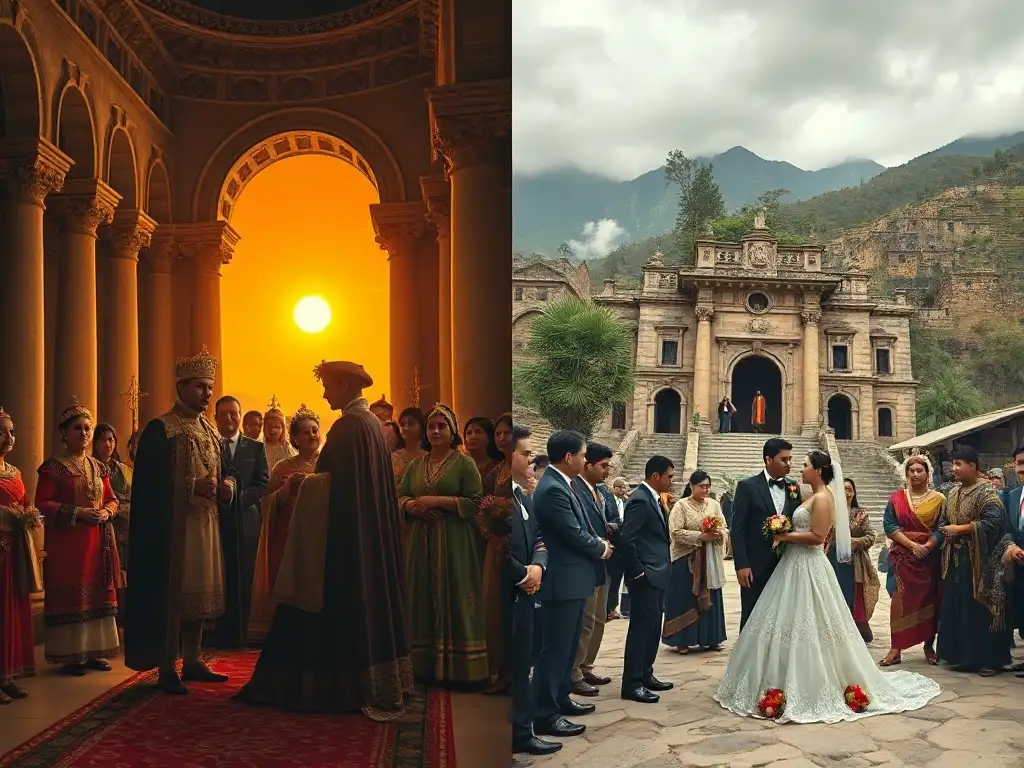
Endogamy and exogamy played significant, sometimes contrasting, roles in shaping Andean marriage practices across different societies and time periods. Understanding these practices reveals much about the complexities of Andean social structures and power dynamics. The prevalence of either endogamy or exogamy often reflected the specific social and political goals of a particular group.
For instance, a society focused on maintaining internal cohesion and preserving lineage might prioritize endogamous marriages, uniting individuals within the same clan or social group. Conversely, a society aiming to expand its influence or forge alliances with other groups might favor exogamous unions, connecting with families outside their immediate social circle. The specific customs varied greatly depending on the Andean civilization in question; the Incas, for instance, likely employed different strategies compared to the Moche or Nazca.
Further research into specific Andean groups is needed to fully understand the nuanced variations in these practices. The available evidence suggests a complex interplay between these two fundamental types of marriage customs, influenced by factors such as social status, political strategy, and economic considerations.
Endogamous Practices within Andean Communities
Endogamous marriages, uniting individuals within the same social group, served crucial functions in maintaining social order and reinforcing existing power structures within Andean communities. This practice often strengthened familial ties and preserved the integrity of lineages, particularly among the elite classes. By marrying within their own social stratum, ruling families could consolidate their power and maintain control over resources and influence.
Archaeological evidence, such as the discovery of elaborate tombs containing the remains of multiple individuals from the same family, suggests the prevalence of such practices. The concept of maintaining "purity" of bloodline was likely a factor, although the specific details and interpretations of such beliefs remain a subject of ongoing academic discussion.
Further investigation of social structures within specific Andean societies is needed to fully elucidate the extent and variations in endogamous practices. For instance, comparing the endogamy practices of the Inca aristocracy with those of smaller, less centralized communities would shed more light on the underlying motivations and consequences of these unions.
Exogamous Marriages and Expanding Influence
In contrast to endogamy, exogamous marriages—unions between individuals from different social groups—were often strategic tools employed by Andean societies to expand their influence and forge political alliances. These marriages could create powerful networks of kinship ties that extended beyond the boundaries of individual communities, fostering cooperation and reducing the likelihood of conflict. The exchange of daughters between ruling families, for example, could symbolize the establishment of peaceful relationships and mutual support.
This form of “political marriage” was likely a powerful tool in maintaining stability and order across larger regions, especially during times of expansion or competition among different groups. The precise mechanisms and social dynamics surrounding such unions, however, remain an area of active research and require more detailed investigation across various Andean cultures. The absence of extensive written records necessitates reliance on archaeological and anthropological evidence to interpret these practices.
Kinship Ties and Marriage Obligations in the Andes
Kinship ties played a central role in shaping marriage practices and social obligations within Andean societies. The intricate network of family relationships dictated not only who could marry whom but also the responsibilities and expectations associated with marriage. These obligations extended beyond the immediate family unit, encompassing a broader network of kin who played significant roles in supporting and regulating marital life. The emphasis on kinship reinforced the importance of community and collective responsibility, shaping social interactions and economic activities.
The strength of these kinship bonds varied across different Andean groups, reflecting the unique social structures and cultural norms of each society. More research is needed to fully understand the diversity of kinship systems and their impact on marriage customs throughout the Andes. For example, comparing the Inca’s emphasis on centralized authority with the more decentralized systems of other groups would illustrate the diverse impact of kinship on marriage.
The Role of Kinship in Arranging Marriages
In many Andean societies, marriage was not simply a matter of individual choice but a carefully orchestrated process involving the participation of extended family members. Kinship networks played a crucial role in arranging marriages, considering factors such as social status, economic resources, and political alliances. The family acted as a collective unit, weighing the potential benefits and consequences of a particular union for the entire group.
This collective approach ensured that marriages served broader social and political goals, reinforcing existing power structures and maintaining community stability. The specific customs and rituals surrounding marriage arrangements varied significantly across different Andean groups, reflecting the diverse cultural norms and social structures of each society. [Specific examples of marriage arrangements in different Andean societies pending].
Obligations and Responsibilities within Andean Families
Marriage in Andean societies involved a complex set of obligations and responsibilities that extended beyond the couple themselves. The family unit functioned as a collective entity, with members sharing responsibilities for the well-being of the group. These obligations often included contributing to the household economy, participating in community activities, and raising children collaboratively. The division of labor within Andean families varied depending on factors such as social status, gender, and geographic location.
However, the emphasis on collective responsibility ensured that the family unit remained strong and resilient, even in the face of hardship. [Specific examples of family obligations in various Andean societies pending]. The specific nature of these obligations and responsibilities requires further study to understand their nuances across the diverse Andean cultures.
The Rituals and Ceremonies of Andean Marriages
Andean marriage ceremonies weren't standardized across all cultures; however, common threads of ritual and symbolism weave through the various practices. These ceremonies were far more than simply uniting two individuals; they were powerful social acts that reinforced kinship networks, cemented alliances, and affirmed social standing. The elaborate rituals reflected the deep spiritual beliefs of these societies and their connection to the Andean landscape. The ceremonies often involved significant preparation, including the careful selection of dates based on the agricultural calendar and astrological observations, ensuring auspicious timing for the union.
The involvement of the community was paramount, highlighting the collective nature of marriage within these societies. The celebrations themselves often lasted for days, involving feasts, music, dance, and the exchange of gifts, further underscoring the social importance of the event. The rituals served to publicly acknowledge and legitimize the union, solidifying the couple's place within their community.
Traditional Andean Wedding Practices
Traditional Andean wedding practices varied considerably depending on the specific culture and geographic location. However, some common elements emerge. For example, the exchange of gifts played a crucial role. These weren't simply tokens of affection but rather symbolic representations of wealth, status, and the commitment being made. The gifts often included textiles, pottery, agricultural products, and precious metals, reflecting the economic and social standing of the families involved.
Furthermore, the presence of shamans or religious leaders was almost universal. These individuals oversaw the ceremony, often performing rituals aimed at ensuring the couple's fertility, prosperity, and the blessing of the ancestors. The participation of the wider community also highlighted the social significance of the union, with extended family and community members actively participating in the celebrations. Detailed accounts of specific practices, however, are often scarce, requiring further research to fully illuminate the diversity of these traditions.
Symbolism and Significance of Andean Marriage Rituals
The symbolism embedded within Andean marriage rituals offers valuable insights into the worldview of these societies. The exchange of gifts, for instance, wasn't merely a material transaction; it symbolized the merging of two lineages and the establishment of new social bonds. Textiles, often intricately woven with symbolic designs, held particular importance, representing the continuity of family history and the strength of the union.
Similarly, the use of specific plants, animals, or colors held deep symbolic meaning, often linked to fertility, prosperity, or the forces of nature. The rituals themselves were carefully choreographed, with each element contributing to a larger narrative that affirmed the couple's social standing and the legitimacy of their union within the community.
The involvement of religious figures and the invocation of ancestral spirits underscored the spiritual dimensions of marriage, highlighting the interconnectedness of the living and the dead. By understanding the symbolism, we gain a deeper appreciation for the profound social and spiritual significance of marriage in Andean cultures.
Variations in Marriage Practices Across Different Andean Cultures
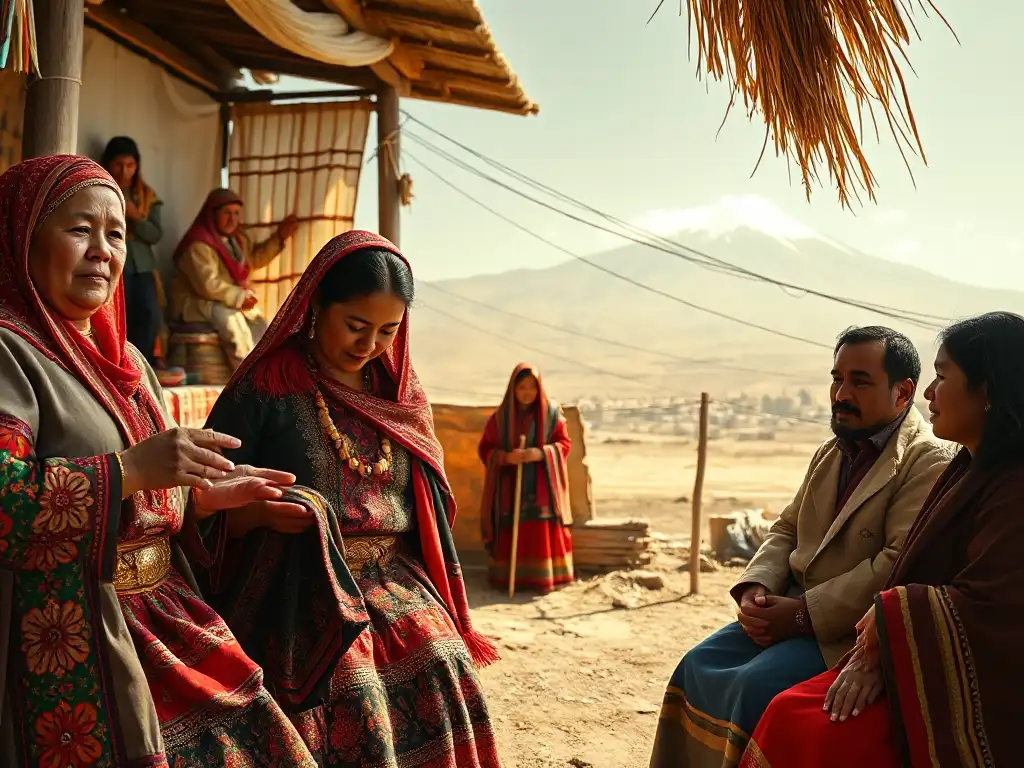
The Andean region encompassed a vast array of distinct cultures, each with its own unique marriage customs and traditions. While certain common threads, like the importance of kinship alliances, can be identified, significant variations existed in the specific rituals, practices, and social implications of marriage. These variations often reflected differences in social organization, economic systems, and religious beliefs.
Comparing and contrasting these practices reveals the rich tapestry of Andean social life and the diverse ways in which marriage shaped individual lives and community structures. The level of detail available for each culture also varies, highlighting the need for further research and the ongoing process of uncovering the nuances of Andean marital practices.
Marriage Practices in the Moche Culture: Status and Lineage
Moche marriage practices, as evidenced by archaeological findings, strongly emphasized lineage and social status. Elite marriages, in particular, appear to have been carefully orchestrated to consolidate power and maintain social hierarchies. Marriage alliances between ruling families were likely common, solidifying political control and expanding the influence of powerful clans.
Evidence suggests that the status of a Moche individual was significantly influenced by their marriage, with marriages to individuals of higher social standing elevating one's own position. The elaborate tombs and grave goods associated with elite Moche burials suggest that marital status played a crucial role in determining one's afterlife as well. Further research, particularly focused on analyzing Moche iconography and burial contexts, could reveal more detailed insights into their marriage customs.
Inca Marriage Customs: State Control and Social Order
Inca marriage customs were significantly influenced by the state's centralized control over various aspects of society. The Inca emperor held considerable sway over marriage arrangements, particularly those involving members of the elite. Royal marriages were often used to consolidate power and forge alliances with other groups.
The ayllu, the basic Inca social and economic unit, played a significant role in marriage arrangements, with marriages often taking place within the ayllu to maintain social cohesion and economic stability. The Inca state's control over marriage extended to regulating inheritance and ensuring the continuation of lineages. While commoners had more autonomy in choosing their spouses, the state's influence was still felt, ensuring social order and stability throughout the empire.
Tiahuanaco Marriage Patterns: Community and Ancestral Ties
Tiahuanaco marriage patterns reflected a strong emphasis on community and ancestral ties. Marriage likely served to strengthen social bonds within the community and maintain connections to ancestral lineages. The importance of agriculture in Tiahuanaco society suggests that marriage arrangements may have been influenced by considerations of land ownership and inheritance.
While specific details are limited due to the scarcity of direct evidence, the overall social structure of Tiahuanaco society, characterized by its large-scale public works and ceremonial centers, points to a system where marriage played a key role in maintaining social stability and continuity. Further research, particularly the analysis of Tiahuanaco iconography and settlement patterns, is necessary to elucidate the specific details of their marriage practices.
The Legacy of Andean Marriage Traditions
Andean marriage traditions, spanning millennia and diverse cultures, left an indelible mark on the social fabric of these societies. From the intricate marriage alliances of the Inca Empire to the complex rituals of the pre-Inca cultures, marital unions were far more than simply personal commitments; they were powerful tools for consolidating power, forging political partnerships, and maintaining social order. The legacy of these practices continues to resonate in the cultural identities and social structures of contemporary Andean communities. Understanding these historical practices provides crucial insight into the complexities of Andean social organization and the enduring influence of tradition.
Enduring Influence of Andean Marriage Practices
The influence of ancient Andean marriage practices is evident in various aspects of modern Andean life. Many contemporary Andean communities still maintain strong family ties and emphasize kinship networks in their social structures. While the formal structures of ancient marriage alliances may have changed, the underlying principles of strengthening community bonds through strategic partnerships continue to inform social interactions.
The importance placed on family and community, a direct descendant of the ancient emphasis on kinship and alliance-building through marriage, remains a central tenet of Andean societies today. For instance, the concept of ayni (reciprocity) – a fundamental principle in Inca society that influenced all aspects of life, including marriage – continues to be a cornerstone of social interactions in many communities. The enduring strength of these traditions showcases the remarkable resilience of Andean cultural heritage.
Contemporary Relevance of Andean Social Structures
The study of ancient Andean social structures, particularly marriage practices, offers valuable lessons for contemporary sociological understanding. Analyzing the ways in which Andean civilizations utilized marriage to solidify power, allocate resources, and manage social hierarchies provides a unique perspective on the interplay between social organization and political stability. The intricate systems of kinship and alliance-building employed by the Inca and other Andean societies offer valuable insights into the dynamics of social cohesion and conflict resolution.
Furthermore, understanding how these societies navigated issues of inheritance, succession, and social mobility through marital arrangements allows for a richer understanding of the complexities of social stratification and power dynamics, both historically and in contemporary contexts. The enduring relevance of these studies lies in their ability to offer alternative models for understanding social organization and the role of kinship in shaping social structures.
Analyzing Andean Marriage Through Archaeological Evidence
Archaeological evidence provides invaluable insights into the complexities of Andean marriage practices. The careful excavation and analysis of burial sites, artifacts, and settlement patterns reveal crucial details about marriage customs, social status, and the role of marriage in shaping Andean societies. By studying the material culture associated with burials, researchers can glean information about marriage rituals, the status of the deceased, and the social networks they were part of. The combination of archaeological findings with ethnohistorical accounts allows for a more comprehensive understanding of the nuances of Andean marriage practices across different time periods and cultures.
Insights from Burial Practices and Artifacts
Burial practices in Andean societies offer compelling evidence regarding marriage customs. The presence of grave goods, the arrangement of bodies within the burial sites, and the overall context of the burial provide valuable clues about the social status of the individuals and their marital status. For example, the discovery of paired burials, often containing similar grave goods, strongly suggests the presence of marital unions.
The types of artifacts found in these burials—jewelry, textiles, tools, and other personal items—can reveal information about the social standing of the couple and the nature of their relationship within the community. Analysis of such artifacts, combined with skeletal analysis, can shed light on health, diet, and lifestyle, adding further layers to our understanding of Andean marriage.
The Sipan Tombs and their Relevance to Marriage Studies
The Sipan tombs, discovered in Peru in the 1980s, offer a remarkable glimpse into the burial practices and social organization of the Moche civilization. The elaborate tombs, filled with gold and silver artifacts, reveal the existence of a complex social hierarchy and provide significant insights into Moche marriage practices. The presence of multiple individuals buried together, along with the richness of their grave goods, suggests the existence of polygamous marriages or perhaps elaborate funerary rituals reflecting social status and power.
The careful study of the Sipan tombs, along with other archaeological sites, allows for a deeper understanding of the ways in which marriage and social status were intertwined in Moche society, offering a unique perspective on Andean marriage practices during this specific period. The intricate details found within these tombs offer a fascinating case study for researchers investigating Andean civilization marriage practices and their broader social implications.
- The Significance of Marriage in Ancient Andean Societies
- Andean Civilization Marriage Practices: A Cornerstone of Social Structure
- Marriage as a Tool for Political and Economic Alliances
- Social Stratification and Spousal Selection
- Endogamy and Exogamy in Andean Marriage Customs
- Kinship Ties and Marriage Obligations in the Andes
- The Rituals and Ceremonies of Andean Marriages
- Variations in Marriage Practices Across Different Andean Cultures
- The Legacy of Andean Marriage Traditions
- Analyzing Andean Marriage Through Archaeological Evidence
- What role did marriage play in Andean societies?
- How did marriage practices vary across different Andean cultures?
- What was the significance of dowries and bridewealth in Andean marriage?
- How did marriage affect the social status of women in Andean societies?
- Were there any common themes in Andean marriage ceremonies and rituals?
Frequently Asked Questions
What role did marriage play in Andean societies?
Marriage in Andean societies was not simply a personal union; it was a crucial element in maintaining social order and political alliances. Marriages, especially those involving elites, often solidified power structures and facilitated economic exchange between families and communities.
How did marriage practices vary across different Andean cultures?
While the importance of marriage remained consistent, specific customs differed. The Inca emphasized arranged marriages for political gain, while other groups, like the Moche, might have had more flexibility in partner selection. Regional variations existed significantly.
What was the significance of dowries and bridewealth in Andean marriage?
Dowries and bridewealth, while not universally practiced in the same form across all Andean cultures, played a critical role in demonstrating social status and economic standing. These exchanges reinforced family alliances and reflected the importance of the marriage in the broader social fabric.
A woman's social standing was often closely tied to her marriage. While some women held significant power and influence, especially within elite families, marriage typically defined a woman's role within the family and community structure.
Were there any common themes in Andean marriage ceremonies and rituals?
Many Andean cultures shared common threads in their marriage rituals. These often involved religious ceremonies, offerings to deities, and symbolic acts that aimed to ensure the couple's fertility and the blessing of their union. Specific rituals varied by culture and region.
Final Reflection: The Enduring Legacy of Andean Marital Alliances
The intricate web of marital alliances within Andean societies continues to resonate today, offering crucial insights into the complexities of power, social mobility, and cultural preservation. Understanding these historical practices provides a powerful lens through which to examine the enduring impact of social structures on community development and the transmission of cultural heritage. The choices made within the context of marriage were not merely personal; they were strategic moves shaping the very fabric of Andean civilization.
The profound influence of marriage on Andean social hierarchies is undeniable, shaping everything from economic prosperity to political influence. These alliances weren't simply about uniting two individuals; they were about forging powerful partnerships that secured resources, solidified political power, and ensured the continuation of lineage and tradition. As the Inca chronicler Garcilaso de la Vega noted, Marriage was not a matter of individual choice, but a crucial element in the maintenance of the social order.
This quote underscores the deeply embedded societal significance of marital unions within the Andean world, a significance that continues to inform our understanding of social structures even today.
Consider the implications of these historical practices on your own life. How do societal expectations and structures influence your own choices and relationships? Reflect on the ways in which power dynamics, both overt and subtle, shape the decisions we make, not only in matters of love and marriage, but in all aspects of our lives.
By understanding the past, we can gain a clearer perspective on the present and work towards a future where individual agency and social justice are more equitably balanced. Let the legacy of Andean marital alliances inspire you to examine the intricate connections between personal choices and the broader social landscape.
**Elevate Your Understanding of Andean Societies! **
Thank you for exploring the fascinating dynamics of marriage and social status in Andean civilizations. You've discovered how strategic alliances shaped societies and interconnected communities, providing a richer understanding of this unique cultural landscape. Now, let's delve even deeper!
Here are some ways to further explore this topic:
- **Expand Your Knowledge:** Read more about Andean traditions and their lasting impact on contemporary societies. Discover the enduring richness of this heritage.
- **Join the Conversation:** Share your thoughts and questions in the comments below. Let's engage in a vibrant discussion about the continuing influence of alliances on social structures.
- **Share Your Discoveries:** Share this article with friends and on social media. Help others explore the complex relationship between marriage and societal organization in Andean cultures.
Which aspects of Andean marriage traditions are most compelling to you, and how do you see their echoes in modern society?