
The Social Meaning of Andean Music and Dance

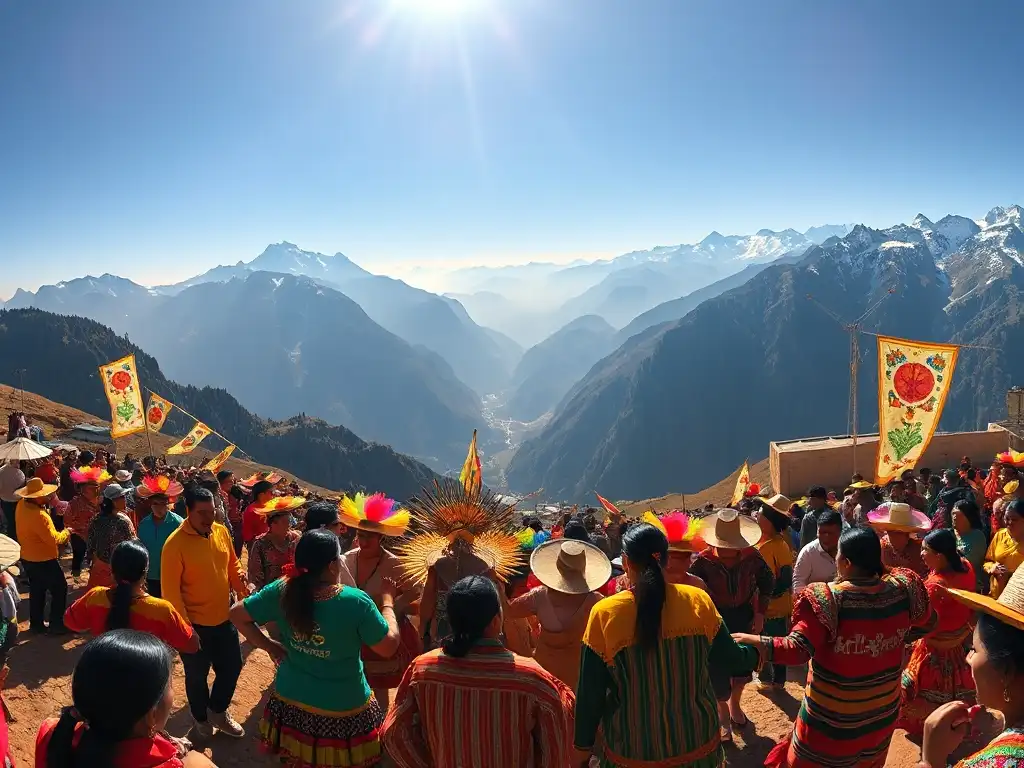
Dive into the captivating world of Andean Civilizations! Beyond the majestic ruins and intricate artistry, lies a vibrant tapestry of social life woven through music and dance. Uncover the profound meanings embedded within the rhythms and movements of Andean culture – a story waiting to be revealed in our exploration of Andean music and dance meaning. Prepare to be amazed by the intricate connections between sound, movement, and the social fabric of these ancient societies. Journey with us to unravel the secrets they hold.
- The Social Meaning of Andean Music and Dance: A Cultural Exploration
- Andean Music: Expressions of Community and Identity
- Andean Dance: Rituals, Celebrations, and Social Cohesion
- The Social Stratification Reflected in Andean Music and Dance
- The Evolution of Andean Music and Dance: From Ancient Times to the Present
-
The Importance of Studying Andean Music and Dance Meaning
- The Cultural Heritage of Andean Music and Dance
- Preserving and Celebrating Andean Musical and Dance Traditions
- The Broader Impact of Andean Music and Dance on Global Culture
- The Role of Andean Music and Dance in Cultural Identity
- Music and Dance as Social Commentary in the Andes
- The Interplay Between Music, Dance, and Social Hierarchy
- Frequently Asked Questions
- Final Reflection: Echoes of the Andes: A Legacy of Music and Dance
- Embrace the Rhythm: Dive Deeper into Andean Culture!
Andean music and dance weren't merely forms of entertainment; they were deeply interwoven with the fabric of Andean societies, reflecting and reinforcing social structures, religious beliefs, and political power. This exploration delves into the rich social meaning embedded within the vibrant sounds and movements of ancient and contemporary Andean cultures, focusing on how music and dance served as powerful tools for communication, social control, and the expression of identity within the complex hierarchical systems of civilizations like the Inca, Moche, Nazca, and Tiahuanaco.
We will examine how different musical styles and dance forms were associated with specific social groups, rituals, and occasions, revealing the intricate relationship between art and social order in the Andes. Understanding this connection provides invaluable insight into the complexities of Andean social structures and the enduring cultural legacy of these remarkable civilizations.
This article will specifically address the role of Andean music and dance in reflecting and perpetuating social hierarchy and class distinctions.
Introduction to the Cultural Significance of Andean Music and Dance
Andean music and dance represent a powerful confluence of artistic expression and social function. The rhythmic pulse of the zampoña flute, the haunting melodies of the charango, and the intricate steps of traditional dances weren't simply aesthetic choices; they conveyed social messages, reinforced group identity, and even served as a form of political communication. For example, the elaborate ceremonies and dances performed during Inca festivals, such as the Inti Raymi (Festival of the Sun), served to solidify the emperor's power and reinforce the hierarchical structure of Inca society.
The music played during these events, often featuring large ensembles of instruments and singers, was a powerful display of imperial authority and religious devotion. Similarly, in pre-Inca cultures, music and dance played a crucial role in religious rituals, agricultural cycles, and community celebrations.
The intricate iconography found on pottery and textiles from cultures like the Moche and Nazca often depicts scenes of musical performances, highlighting the central role of music and dance in their daily lives and spiritual beliefs. The specific instruments used, the melodies played, and the dances performed were often highly codified, carrying specific meanings and significance within their respective communities.
Understanding the Role of Music and Dance in Andean Societies
The role of music and dance in Andean societies varied significantly across different cultures and historical periods. However, several common themes emerge. Firstly, music and dance often served to reinforce social hierarchies. Specific musical instruments and dance styles were associated with different social classes, with elite groups often having exclusive access to certain instruments or performance styles. This exclusivity served to visually and audibly demarcate social boundaries, reinforcing the existing power structures.
For instance, [specific examples of instruments or dance styles associated with elite classes in specific Andean cultures pending]. Secondly, music and dance played a vital role in religious rituals and ceremonies. These performances often involved highly ritualized movements and songs, aimed at communicating with deities or ancestors, ensuring a successful harvest, or celebrating important events in the community's life cycle. [Specific examples of religious rituals involving music and dance in different Andean cultures pending].
Finally, music and dance functioned as powerful tools for social cohesion and community building. Shared musical experiences fostered a sense of collective identity and strengthened social bonds within communities. [Specific examples of communal celebrations involving music and dance in different Andean cultures pending]. The study of Andean music and dance, therefore, offers a unique lens through which to examine the complex interplay between art, religion, social structure, and power in these fascinating ancient civilizations.
Andean Music: Expressions of Community and Identity
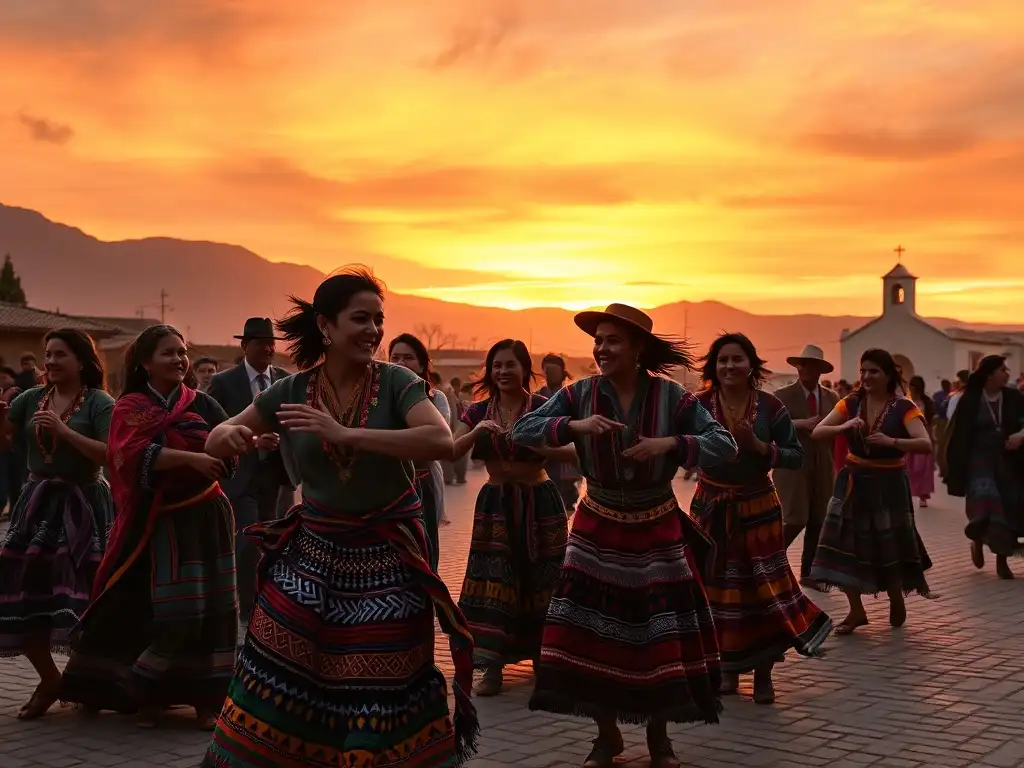
Andean music and dance weren't merely forms of entertainment; they were deeply embedded in the social fabric, reflecting and reinforcing the complex social hierarchies and class structures of the various Andean civilizations. Understanding the meaning behind Andean music and dance requires appreciating its role in solidifying social bonds, expressing cultural identity, and even communicating social status.
The intricate melodies, rhythmic patterns, and accompanying dances served as powerful tools for social cohesion and the transmission of cultural knowledge across generations. This section will explore the multifaceted ways in which music and dance functioned within Andean societies, demonstrating their significance beyond mere artistic expression.
The Diverse Musical Traditions of the Andes
The Andes boast a breathtaking diversity of musical traditions, each reflecting the unique cultural landscape of specific regions and ethnic groups. The Incas, for instance, favored panpipes ( antara) and drums ( tinku) in their ceremonial music, often used to accompany elaborate religious rituals and royal processions. These instruments, crafted with meticulous detail, were often adorned with precious metals or feathers, reflecting their sacred significance and the social status of those who played them.
In contrast, the Moche culture, known for its vibrant artistic expression, might have employed different instruments, potentially including shell trumpets or bone flutes, whose specific sounds and uses remain a subject of ongoing archaeological research. The Nazca people, masters of intricate geoglyphs, likely also possessed unique musical traditions, though fewer artifacts directly related to their music have survived. The varied instrumentation and musical styles across these cultures highlight the deep connection between musical expression and regional identity, a crucial aspect of the social meaning embedded within Andean music.
Further research is needed to fully understand the musical practices of less-documented Andean groups, but existing evidence clearly demonstrates the rich tapestry of musical styles across the region. The diversity of Andean music is a testament to the ingenuity and adaptability of Andean cultures, reflecting their unique social organization and environmental contexts.
The instruments themselves held profound symbolic and social significance within Andean societies. The materials used, the craftsmanship involved, and the specific sounds produced all contributed to their social meaning. For example, the antara, a set of panpipes, often represented a hierarchical structure mirroring the social order, with the pipes varying in length and tone.
Larger, deeper-sounding pipes might have been reserved for elite players or specific ceremonies, reflecting the social standing of both the instrument and its performer. Similarly, the use of precious metals like gold and silver in the creation of certain instruments further emphasized their sacred and social importance. The intricate designs and decorations on these instruments, often depicting mythological figures or symbolic patterns, further underscored their social and ritual functions.
These meticulously crafted instruments were not simply tools for producing sound; they were tangible expressions of social status, religious beliefs, and cultural identity. The use of specific instruments in certain rituals or social events reinforced social hierarchies and norms, highlighting the deep integration of music and social structure in Andean life. Even the act of playing these instruments was often restricted to specific individuals or social groups, further emphasizing their social significance.
Music as a Language: Storytelling and Historical Transmission through Andean Melodies
Andean music served as a powerful medium for storytelling and the transmission of historical knowledge. Melodies, rhythms, and lyrics often encoded narratives about historical events, mythological figures, or social customs. These musical narratives served as a vital means of preserving cultural memory and transmitting important information across generations, particularly in societies where written language was not prevalent.
The intricate musical structures and symbolic elements within the music allowed for complex stories to be communicated through what might be considered a form of musical code. For example, changes in tempo or rhythm might signify shifts in the narrative, while specific melodic motifs could represent particular characters or events. This oral tradition, passed down through generations of musicians and dancers, ensured the preservation of Andean cultural heritage and the continued relevance of music and dance in the social fabric of Andean communities.
The ability to understand and interpret these musical narratives was itself a marker of social belonging and cultural fluency, reinforcing the importance of music and dance in shaping Andean social identity. The continued performance of these traditional songs and dances ensures the ongoing vitality of Andean music and its enduring importance in preserving cultural identity. The profound social meaning embedded within Andean music and dance highlights their essential role in shaping Andean societies and transmitting their rich cultural heritage.
The Significance of Sikuri Music in Community Festivals
Sikuri music, characterized by its haunting melodies played on panpipes ( sikuri), holds a deeply significant role in Andean community festivals. Far from mere entertainment, sikuri performances are integral to the social fabric, reinforcing community bonds and expressing collective identity. The music's power lies not only in its sonic beauty but also in its intricate social organization.
Sikuri ensembles, known as ayllus, often reflect the social structure of the community itself, with hierarchical arrangements mirroring traditional power dynamics. This hierarchical structure, however, isn't merely about dominance; it facilitates collaboration and shared responsibility within the group. Each member's role, from the principal player to the newest recruit, is crucial to the overall performance and the collective experience.
The performance of sikuri music isn't a passive activity; it's an active participation in the community's life cycle. Festivals celebrating harvests, religious events, and even life-cycle rituals (such as births, marriages, and deaths) often feature sikuri music as a central element. The music's rhythmic pulse and repetitive melodies create a hypnotic effect, drawing participants into a shared emotional experience.
This shared experience transcends individual differences and strengthens the sense of collective identity, reminding participants of their shared heritage and their place within the broader community. The intense emotional resonance of the music fosters a sense of unity and belonging, vital for maintaining social cohesion within the Andean communities.
Furthermore, the learning and transmission of sikuri music within families and ayllus reinforces intergenerational bonds. Older musicians act as mentors, passing down not only musical techniques but also the cultural knowledge and social values embedded within the tradition. This process of apprenticeship ensures the continuity of the tradition and reinforces the community's collective memory.
The music becomes a living archive, preserving cultural heritage and transmitting it to future generations. The vibrant sounds of the sikuri thus become a powerful symbol of community resilience and cultural continuity, a testament to the enduring social significance of Andean music. The rhythmic pulse of the sikuri underscores the cyclical nature of life itself, connecting the past, present, and future of the Andean community.
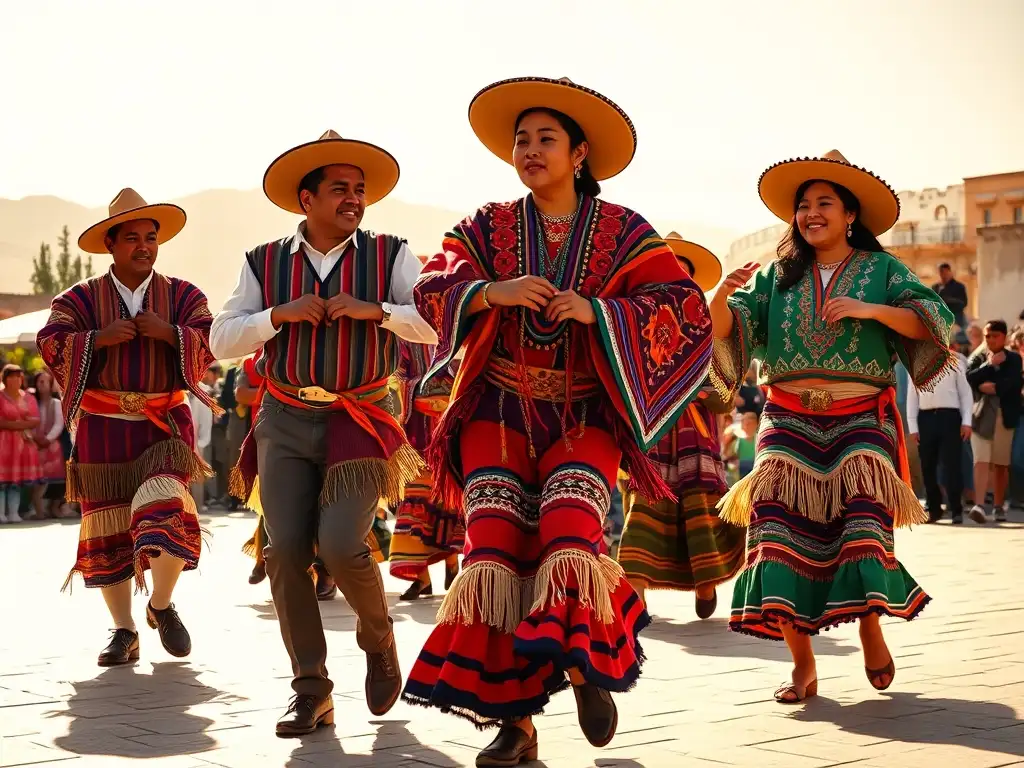
Andean music and dance meaning is deeply intertwined with the social fabric of these ancient societies. Far from mere entertainment, dance served crucial roles in maintaining social order, expressing religious beliefs, and reinforcing community bonds. The intricate movements, elaborate costumes, and specific contexts of performance all contributed to a rich tapestry of social meaning. This section will explore how dance functioned as a powerful tool for communication, social control, and spiritual expression within the diverse Andean cultures. Understanding the nuances of Andean dance provides crucial insight into the complexities of their social structures and worldview.
The Meaning of Andean Dance Movements and Costumes
The movements in Andean dances weren't arbitrary; they were imbued with symbolic meaning, often reflecting agricultural cycles, animal behavior, or mythological narratives. For example, the graceful swaying movements in some dances might represent the growth of crops, while more vigorous, stamping steps could symbolize the power of the earth or the energy of a particular deity. The costumes themselves played a vital role in conveying social status and identity.
Elaborate headdresses, intricate textiles, and specific jewelry indicated wealth, social standing, and even religious affiliation. The vibrant colors and patterns weren't simply decorative; they held symbolic significance, often representing specific deities, geographical locations, or clan affiliations. Detailed analysis of surviving textiles and archaeological evidence reveals a complex system of visual communication through costume, adding another layer to our understanding of Andean music and dance meaning.
Variations in costume details across different Andean groups highlight the diverse cultural expressions within the region. For instance, the use of specific feathers in headdresses could denote a particular social group or a person's role within a ritual.
Participation in Andean dances was not a solitary activity. It was a communal event that fostered a sense of belonging and social cohesion. Dances often involved large groups of people, creating a shared experience that reinforced social bonds and strengthened community ties.
The rhythmic music and synchronized movements fostered a sense of collective identity, uniting individuals under a common cultural banner. This collective participation reinforced social hierarchies, with specific roles and positions within the dance reflecting the broader social structure. For instance, certain individuals might lead the dance, mirroring their leadership positions within the community.
The shared experience of performing and observing these dances cemented social relationships and helped maintain social order. Furthermore, the learning and transmission of these dance traditions served as a vital means of cultural continuity, passing down knowledge and traditions across generations. The ability to perform these dances proficiently often denoted a person's integration within their community, reinforcing social inclusion and belonging.
Ritual Dances: Connecting with Ancestors and the Natural World
Many Andean dances served a crucial ritualistic function, acting as a conduit for communication with the spiritual world. These dances were often performed during significant agricultural festivals, religious ceremonies, or ancestral commemorations. The movements and songs in these rituals were believed to influence the natural world, ensuring bountiful harvests, appeasing deities, or communicating with ancestral spirits.
The choreography often mimicked natural phenomena, such as the movements of the sun, the flow of water, or the growth of plants, further emphasizing the interconnectedness between the human and spiritual realms. Specific dances were associated with particular deities or spirits, and the performance of these dances was considered essential for maintaining a harmonious relationship between the living and the supernatural.
The intricate symbolism embedded within these ritual dances underscores the profound religious beliefs and cosmological understanding of Andean cultures, showing how their music and dance meaning transcended mere entertainment to become integral to their spiritual and social lives. The precise choreography and accompanying music in these rituals were carefully preserved and passed down through generations, ensuring the continuation of these vital spiritual practices.
The Diablada, a vibrant and dramatic dance from the Bolivian city of Oruro, is far more than just a spectacle; it's a powerful expression of social dynamics and a complex reflection of Andean cultural values. Performed annually as part of the Fiesta de la Virgen del Socavón, a UNESCO Intangible Cultural Heritage event, the Diablada showcases a fascinating interplay of indigenous beliefs, Catholicism, and social hierarchy.
The dance itself depicts a battle between good and evil, with devils (diablos) representing the forces of chaos and the archangels representing order and faith. However, a closer examination reveals a deeper social commentary embedded within the performance.
The elaborate costumes worn by the dancers are significant indicators of social standing. More affluent participants often invest heavily in intricate, richly adorned costumes, signifying their wealth and status within the community. The quality and detail of these costumes directly reflect the dancer’s social standing, often passed down through families, becoming heirlooms representing generational wealth and prestige. This visual representation of social hierarchy plays a crucial role in the dance's social function, maintaining a visible structure within the performance and, by extension, within the community itself.
Beyond the visual display of wealth, the Diablada also serves as a crucial mechanism for social cohesion. Participation in the dance fosters a sense of community and shared identity, transcending social divisions for a period of collective celebration. The rigorous preparation, the shared experience of performing, and the collective pride in the tradition all contribute to a strong sense of belonging and unity. This social bonding is particularly relevant in a society that has historically been marked by significant social stratification. The Diablada provides a space where social barriers are temporarily dissolved, fostering a sense of shared cultural heritage.
Furthermore, the Diablada's narrative—the battle between good and evil—can be interpreted as a symbolic representation of the ongoing struggle for social justice and equality. The devils, while outwardly representing chaos, can also be viewed as embodying the oppression and social injustices faced by the Andean people throughout history. Their eventual defeat by the archangels can be seen as a hopeful message of triumph over adversity, a reaffirmation of faith, and a symbol of the community's resilience in the face of ongoing challenges.
The dance, therefore, acts as a potent form of social commentary, expressing both the historical struggles and the enduring hope for a more equitable future. The vibrant colors, dramatic movements, and intricate costumes all serve to amplify this powerful social message, making the Diablada a truly unique and significant cultural event.
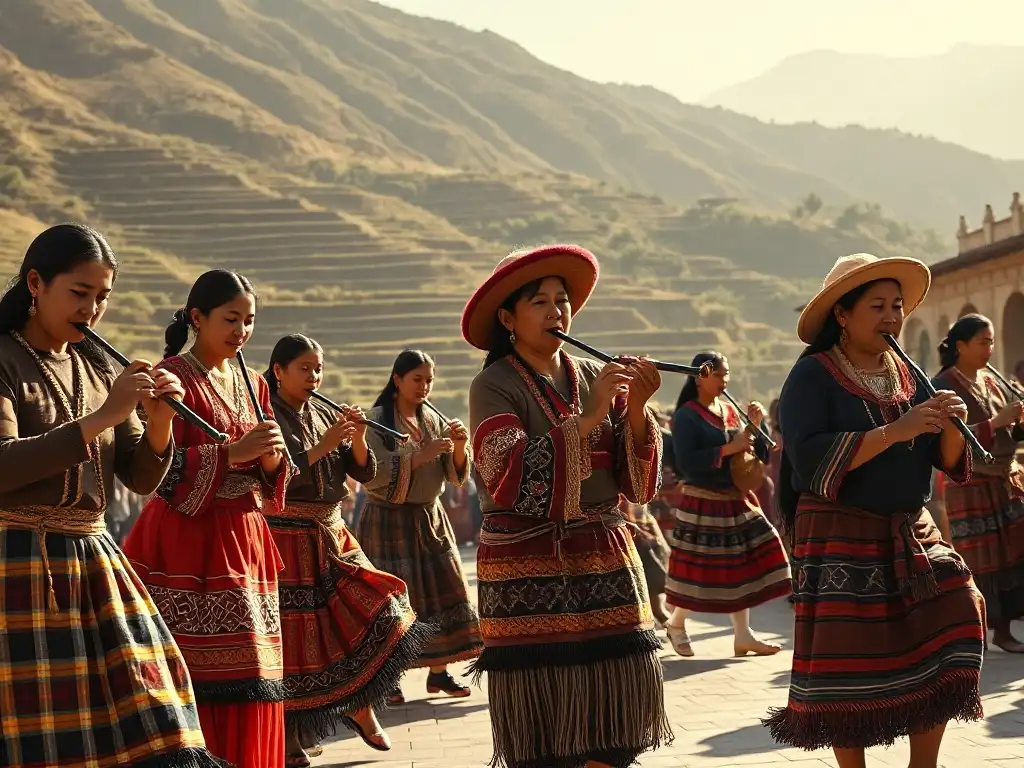
The vibrant tapestry of Andean music and dance wasn't merely entertainment; it served as a powerful mirror reflecting the intricate social stratification of these ancient societies. The types of instruments played, the styles of dance performed, and even the occasions for musical expression all held significant meaning, revealing much about the social standing of both the performers and the audience. Understanding this complex interplay is crucial to deciphering the true depth and richness of Andean cultural heritage.
The meaning embedded within Andean music and dance extended beyond mere aesthetics; it was a coded language communicating social position, power dynamics, and even religious beliefs. This section will delve into how these musical and dance traditions served as potent indicators of social hierarchy and class distinctions.
Specific musical instruments and dance styles were often associated with particular social classes. For instance, certain types of panpipes ( antara and siku) might have been exclusively played by the elite, while others were more common among the peasantry. Similarly, elaborate and complex dance forms, requiring extensive training and often involving ornate costumes, were typically reserved for the upper echelons of society.
These performances were not only displays of skill but also powerful assertions of status and privilege. The use of gold and silver in instruments or costume embellishments further emphasized this connection between wealth and artistic expression. Archaeological findings, although incomplete, reveal a correlation between the complexity and richness of musical instruments unearthed in elite burials and the social status of their owners.
Further research is needed to fully quantify this correlation, particularly regarding the distribution of less durable musical instruments amongst different social classes. The scarcity of intact instruments from commoner contexts makes a complete picture difficult to achieve.
Andean music and dance played a crucial role in reinforcing and perpetuating existing social hierarchies. Ritualistic performances, often involving elaborate ceremonies and processions, served to solidify the power of the ruling class. These events underscored the social order, visually demonstrating the distinct roles and responsibilities of different social groups.
Music and dance were integral components of these rituals, helping to create a sense of awe and reverence for the ruling elite. The synchronization and precision of group dances, for example, could be interpreted as a reflection of the societal structure itself, emphasizing order and obedience. Conversely, spontaneous musical expressions among commoners might have served as outlets for community bonding and the expression of shared experiences, though often within the confines of the established social hierarchy.
The specific themes and narratives within the songs and dances could also reflect the concerns and beliefs of different social groups, providing valuable insights into their perspectives and worldview. Detailed ethnomusicological studies are crucial to better understanding these nuanced expressions.
The Use of Specific Musical Forms by Elites in Colonial Times
The arrival of the Spanish in the 16th century brought about significant changes to Andean society, yet musical traditions persisted, albeit in altered forms. While indigenous musical forms were suppressed in many ways, elites often adapted and incorporated aspects of Andean music and dance into their celebrations and displays of power. This adaptation, however, often served to reinforce the colonial social order, with certain musical styles becoming associated with the new ruling class.
The integration of European instruments and musical styles into pre-existing Andean traditions created a hybrid musical landscape. This fusion, while reflecting the colonial context, still contained elements that alluded to pre-colonial social distinctions and power structures. Further investigation is needed to fully understand the extent to which Andean musical traditions were reappropriated and reinterpreted during this period, and how this process affected the social meanings embedded within these musical forms.
The blending of indigenous and European musical elements provides a fascinating case study in cultural hybridity and its impact on social dynamics within the Andean region. Understanding this complex interplay is key to unraveling the enduring legacy of Andean music and dance.
The Evolution of Andean Music and Dance: From Ancient Times to the Present
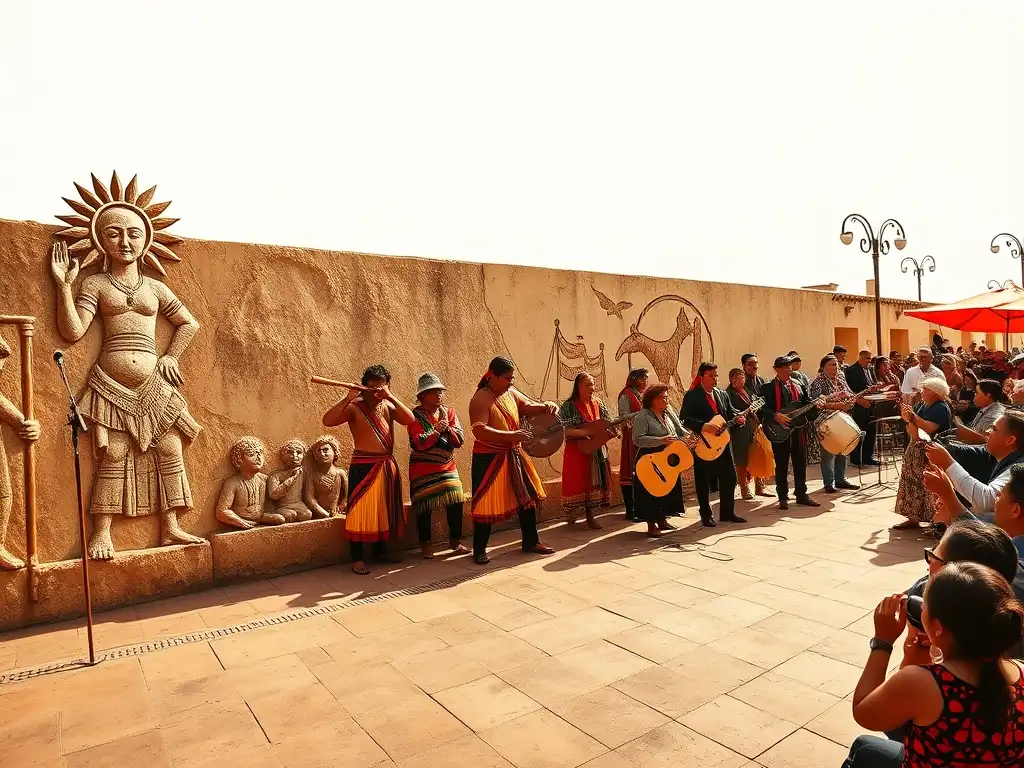
Andean music and dance, a vibrant tapestry woven from centuries of tradition, didn't emerge fully formed. Its evolution reflects the complex social and political changes that shaped Andean societies, from the pre-Columbian era to the present day. Understanding this evolution is crucial to grasping the deep social meaning embedded within these artistic expressions.
Early forms, often tied to agricultural cycles and religious rituals, utilized simple instruments like panpipes ( antara), flutes ( quena), and drums ( tinku). These weren't just entertainment; they were integral to community life, reflecting social hierarchies and reinforcing spiritual beliefs. The rhythmic complexity and melodic structures varied across different Andean cultures, revealing the diversity of their social organizations.
For instance, the intricate dances of the Inca Empire, often performed during festivals celebrating the harvest or the sun god Inti, showcased the power and prestige of the ruling class. The music accompanied these displays of power, underscoring the importance of imperial authority and reinforcing social order. Conversely, simpler, more communal dances existed in smaller villages, reflecting a different social structure and a closer relationship with the land.
The Influence of Colonialism on Indigenous Musical and Dance Practices
The Spanish conquest profoundly impacted Andean music and dance, leading to both suppression and adaptation. The colonial period witnessed a systematic attempt to eradicate indigenous traditions, replacing them with European musical forms and religious practices. Many indigenous instruments were destroyed, and traditional songs and dances were forbidden. However, Andean cultures proved remarkably resilient.
Indigenous musical practices were often subtly integrated into religious ceremonies imposed by the Spanish, ensuring their survival. For example, some traditional melodies were adapted to Catholic hymns, creating a unique blend of Andean and European musical elements. This syncretism, while a consequence of oppression, also facilitated the preservation of core elements of Andean musical heritage.
The persistence of certain rhythmic patterns and melodic structures within this hybridized musical landscape demonstrates the enduring power of indigenous traditions. The use of instruments like the charango, a small lute-like instrument, which emerged during the colonial period, exemplifies this adaptation and fusion, incorporating both indigenous and European influences. The social meaning of Andean music and dance shifted during this period, becoming laden with both resistance and adaptation to the oppressive forces of colonialism.
Contemporary Andean Music and Dance: Preserving Traditions in a Modern World
Despite centuries of colonization and globalization, Andean music and dance remain powerful forces in contemporary Andean society. The 20th and 21st centuries have witnessed a resurgence of interest in indigenous traditions, fueled by movements advocating for cultural preservation and indigenous rights. This revival is not merely nostalgic; it's a conscious effort to reclaim cultural identity and challenge historical narratives.
Many Andean communities actively work to preserve and promote their musical heritage, establishing schools, festivals, and organizations dedicated to teaching and performing traditional music and dance. The rise of Andean folk music groups, both nationally and internationally, has played a key role in disseminating these traditions to wider audiences. These groups often incorporate modern instruments and techniques while retaining the essence of traditional Andean styles.
This dynamic interplay between tradition and modernity reflects a complex social reality, where the preservation of heritage coexists with the demands of contemporary life. The social meaning of Andean music and dance in this context is rooted in identity, resistance, and a continuous negotiation between tradition and change. The enduring popularity of these art forms suggests their continued relevance and power in contemporary Andean society.
The vibrant cultural landscape of the Andes has also given rise to Andean fusion music, a genre that creatively blends traditional Andean sounds with other musical styles such as jazz, rock, and Latin American rhythms. This fusion represents more than just a musical experiment; it reflects a broader societal shift towards cultural hybridity and the embrace of diversity. Artists like [Specific artist names pending] have successfully incorporated elements of traditional Andean music and dance into their work, creating a new musical language that appeals to both local and international audiences.
This fusion often carries a powerful social message, challenging traditional notions of cultural purity and promoting intercultural dialogue. The incorporation of modern instruments and production techniques expands the reach of Andean music, facilitating its dissemination and engagement with a wider audience.
The social impact of Andean fusion music is significant, demonstrating the adaptability and evolving nature of Andean cultural expressions while fostering a sense of shared identity and creativity across diverse communities. The fusion's success underscores the enduring appeal and relevance of Andean musical traditions in a rapidly changing world.
The Importance of Studying Andean Music and Dance Meaning
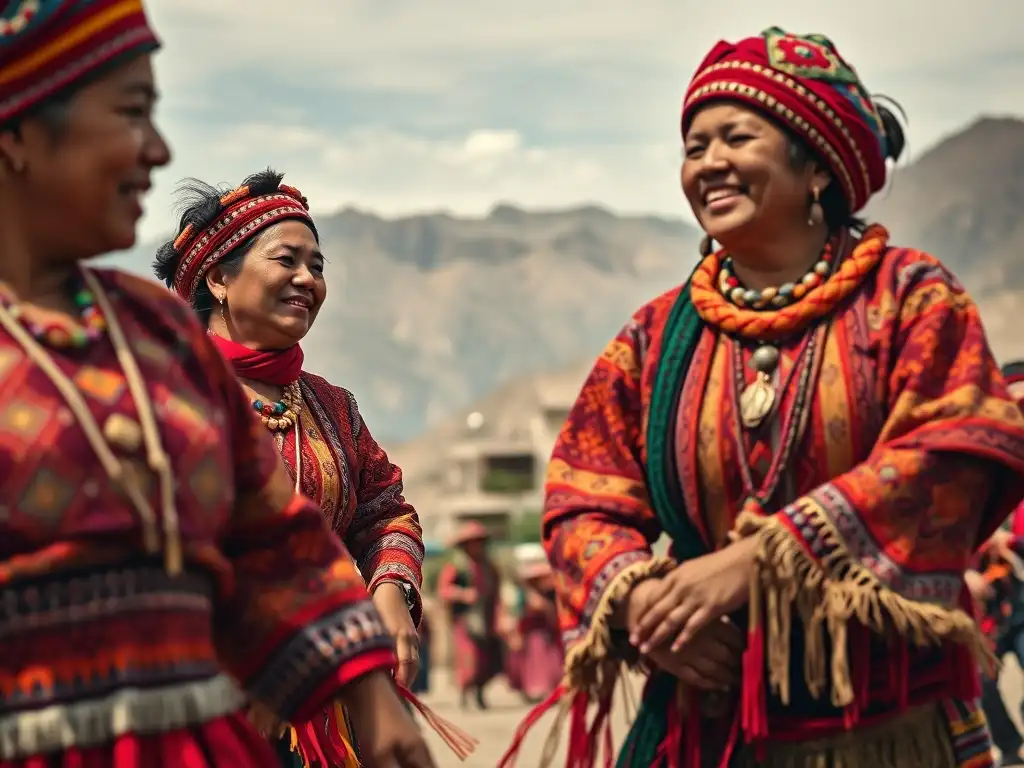
Understanding the social meaning embedded within Andean music and dance is crucial for a comprehensive grasp of Andean civilizations. It's not simply entertainment; it's a powerful lens through which we can examine social structures, beliefs, and power dynamics. By analyzing musical instruments, dance styles, and lyrical content, we gain insight into the daily lives, rituals, and worldview of these ancient societies.
This study offers a unique perspective, supplementing archaeological findings and textual evidence with a vibrant, expressive form of cultural communication. The intricate relationships between music, dance, and social hierarchy reveal much about the complexities of Andean societies, offering a richer, more nuanced understanding than solely focusing on material culture or political structures. The rhythmic pulse of Andean music and its accompanying movements often reflected the agricultural cycles, religious ceremonies, and social interactions of the people.
For example, the specific instruments used—panpipes, drums, and flutes—often held symbolic meaning related to specific deities or social groups. Furthermore, the melodies themselves could convey messages of joy, mourning, or resistance, showcasing the multifaceted nature of Andean expression.
The Cultural Heritage of Andean Music and Dance
Andean music and dance represent a vast and diverse cultural heritage. Each civilization—Inca, Moche, Nazca, Tiahuanaco, and many others—developed unique musical styles and dance forms, reflecting their distinct environments, beliefs, and social organizations. The Inca, for example, utilized music and dance extensively in religious ceremonies and state rituals, employing elaborate costumes and complex choreographies to express their reverence for the gods and the emperor.
Their music often incorporated instruments like the pututu (a shell trumpet) and the antara (panpipes), each possessing specific symbolic significance. In contrast, the Moche culture, known for its elaborate pottery depicting scenes of daily life, likely incorporated music and dance into their rituals and celebrations. Their artistic representations, though not providing direct audio recordings, suggest a significant role for music and dance in their society, likely reflecting their social hierarchy and religious beliefs.
Unfortunately, detailed information on the specific musical practices of the Nazca and Tiahuanaco cultures remains somewhat limited, requiring further research and analysis of available archaeological evidence. However, existing evidence suggests a strong connection between music, ritual, and social life for these societies as well. The preservation of these traditions, often passed down orally through generations, highlights their enduring importance in shaping Andean identity.
Preserving and Celebrating Andean Musical and Dance Traditions
The preservation of Andean musical and dance traditions is paramount. These art forms are not merely historical artifacts; they are living expressions of cultural identity, passed down through generations. The continued practice of traditional Andean music and dance plays a vital role in maintaining cultural continuity and fostering a sense of community. Efforts to document and archive these traditions, both through recordings and written documentation, are crucial for future generations.
However, challenges remain. The rapid pace of globalization and modernization threatens to erode traditional practices as younger generations embrace Western cultural influences. This necessitates active engagement in preserving these traditions, which includes supporting community-based initiatives, promoting cultural education in schools, and showcasing Andean music and dance on a global stage.
The use of modern technology can also play a crucial role, allowing for wider dissemination of these traditions through online platforms and digital archives. This process requires careful consideration to avoid misrepresentation or commercial exploitation, ensuring that the authentic meaning and cultural significance of Andean music and dance are respected and upheld. The goal is to ensure that these vibrant traditions continue to thrive for centuries to come.
The Broader Impact of Andean Music and Dance on Global Culture
Andean music and dance have had a significant and lasting impact on global culture. Their unique rhythms, melodies, and dance styles have influenced musical genres worldwide, inspiring artists and musicians across continents. The incorporation of Andean instruments and musical motifs into contemporary music demonstrates the lasting legacy of these ancient traditions.
Furthermore, the growing interest in Andean culture has led to increased appreciation and understanding of these art forms, promoting intercultural dialogue and exchange. Festivals and performances celebrating Andean music and dance provide opportunities for cultural sharing and appreciation, fostering connections between different communities and enriching global cultural landscapes. However, it's essential to approach this global engagement with sensitivity and respect, ensuring that the cultural context and significance of Andean music and dance are accurately represented and not appropriated for commercial purposes.
The challenge lies in balancing the global dissemination of these traditions with the preservation of their authenticity and the empowerment of Andean communities who are the custodians of this rich heritage. This requires a collaborative approach involving Andean communities, researchers, and global audiences alike.
The Role of Andean Music and Dance in Cultural Identity
Andean music and dance are not merely forms of entertainment; they are deeply interwoven with the cultural identity of the Andean peoples. For centuries, these art forms have served as powerful vehicles for transmitting history, values, and beliefs across generations. The intricate melodies, rhythmic patterns, and choreographic movements often reflect specific cultural practices, historical events, or mythological narratives unique to particular Andean communities.
Understanding the meaning embedded within these traditions provides invaluable insight into the collective memory and self-perception of these societies. The distinct styles of music and dance found among different Andean groups—from the vibrant huayno of the highlands to the coastal rhythms of the marinera—underscore the rich diversity of Andean cultures and their unique expressions of identity. The preservation and continued practice of these traditions are crucial in maintaining a sense of cultural continuity and pride among Andean communities, fostering a strong connection to their ancestral heritage.
The loss of these traditions would represent a significant erosion of Andean cultural identity, weakening the bonds that unite these communities and their shared history. Therefore, studying Andean music and dance is not simply an academic exercise; it is a vital step in understanding and appreciating the vibrant tapestry of Andean cultures. The music and dance are living testaments to the resilience and enduring spirit of the Andean peoples.
Andean music and dance haven't always been simply celebratory expressions. Throughout history, these art forms have frequently served as powerful mediums for social commentary, subtly or overtly critiquing existing power structures, social inequalities, and political injustices. For instance, certain dance styles might incorporate movements or symbolic gestures that allude to oppression or resistance against colonial rule.
The lyrics of traditional songs often contain coded messages expressing discontent or challenging the dominant narrative. Scholars have meticulously analyzed these subtle elements, revealing layers of meaning often hidden beneath the surface of seemingly simple performances. This use of music and dance as a form of social protest allowed Andean communities to express their grievances and maintain a sense of collective identity in the face of adversity.
Analyzing these subtle critiques provides a unique perspective on the social and political dynamics of Andean societies throughout history, offering a lens into the lived experiences of the people and their ongoing struggles. By understanding the historical context and social messages embedded within these art forms, we gain a deeper understanding of the complexities of Andean history and the enduring power of artistic expression as a tool for social change. The study of these forms provides a crucial counterpoint to official narratives, illuminating the perspectives of those often marginalized in historical accounts.
The relationship between Andean music, dance, and social hierarchy is complex and multifaceted. Certain musical instruments, dance styles, and even specific melodies were historically associated with particular social classes or elite groups. Access to certain musical instruments, for example, might have been restricted to the nobility or religious leaders.
Similarly, particular dance styles might have been reserved for special ceremonies or performed exclusively by members of the ruling class. This created a system of social distinction, where musical and dance performances served to reinforce existing power structures and social stratification. However, it's important to note that this wasn't a static system.
Over time, musical and dance traditions evolved, sometimes blurring the lines between social classes and leading to the emergence of new styles that incorporated elements from different social strata. Understanding this intricate interplay between music, dance, and social hierarchy provides valuable insights into the dynamics of Andean social structures and the ways in which these art forms helped shape and maintain social order. Studying the historical evolution of these practices offers a nuanced understanding of the complexities of social mobility and cultural change within Andean societies.
Frequently Asked Questions
What is the significance of music and dance in Andean cultures?
Andean music and dance played a vital role in social cohesion, religious rituals, and daily life. They served to express emotions, tell stories, and maintain cultural identity across generations.
Music and dance styles often reflected social status. Certain dances and instruments were reserved for the elite, while others were associated with commoners or specific communities. This reinforced social structures.
What instruments were commonly used in Andean music?
Panpipes, pututus (long horns), drums, and charangos (small guitars) are just a few examples of the diverse instruments used. The specific instruments varied depending on the region and the occasion.
What are some examples of significant Andean dances?
The huayno and marinera are popular examples of Andean dances, each with regional variations. These dances often tell stories or depict aspects of Andean life and beliefs.
How has Andean music and dance evolved over time?
While retaining core elements, Andean music and dance have evolved through fusion with other musical traditions and modern influences. This reflects the dynamic nature of Andean culture and its ongoing adaptation.
Final Reflection: Echoes of the Andes: A Legacy of Music and Dance
The vibrant tapestry of Andean music and dance isn't merely a historical artifact; it's a living testament to resilience, cultural identity, and the enduring power of artistic expression in the face of adversity. These traditions, woven into the very fabric of Andean society for centuries, continue to resonate deeply, shaping communities and inspiring artists today. Their survival speaks volumes about the strength of cultural heritage and the importance of preserving it for future generations.
The profound influence of Andean music and dance extends far beyond the mountains themselves. It's a powerful force that has shaped social structures, religious beliefs, and even political movements throughout history. The music's ability to convey complex emotions and narratives, often intertwined with intricate dance forms, has served as a vital means of communication and social cohesion. Music is the universal language of mankind,
said Henry Wadsworth Longfellow, and in the Andes, this is profoundly true. The melodies and rhythms carry the weight of history, the hopes of the present, and the dreams of the future.
Consider the legacy of these traditions. How has the music you've learned about resonated with you? What stories do the rhythms and melodies tell?
I urge you to actively seek out opportunities to experience the beauty and power of Andean music and dance firsthand. Whether it's attending a performance, listening to recordings, or even learning a simple step, engaging with this rich cultural heritage will enrich your life and deepen your understanding of the human spirit's capacity for creativity and resilience. Let the echoes of the Andes inspire you to explore, appreciate, and protect the vibrant cultural expressions that shape our world.
Embrace the Rhythm: Dive Deeper into Andean Culture!
Thank you for exploring the rich social tapestry woven into Andean music and dance. You've discovered the powerful connections these art forms forge within communities, and now it's time to build on that knowledge!
Here are some exciting ways to further immerse yourself in Andean culture:
- Participate in a local dance workshop or music class to experience the joy and techniques firsthand. Don't just observe – *become part of the rhythm! *
- Share your newfound appreciation with friends and family, or on social media. Spark conversations about Andean music and dance, and inspire others to discover its significance.
- Immerse yourself in the sounds and movements by attending a local Andean cultural festival or exploring online resources. Engage with performers, artisans, and fellow enthusiasts.
What aspect of Andean music and dance excites you most? Let's continue the conversation!