
Social Hierarchies Unveiled: The Lives of Nobles and Commoners in the Andes

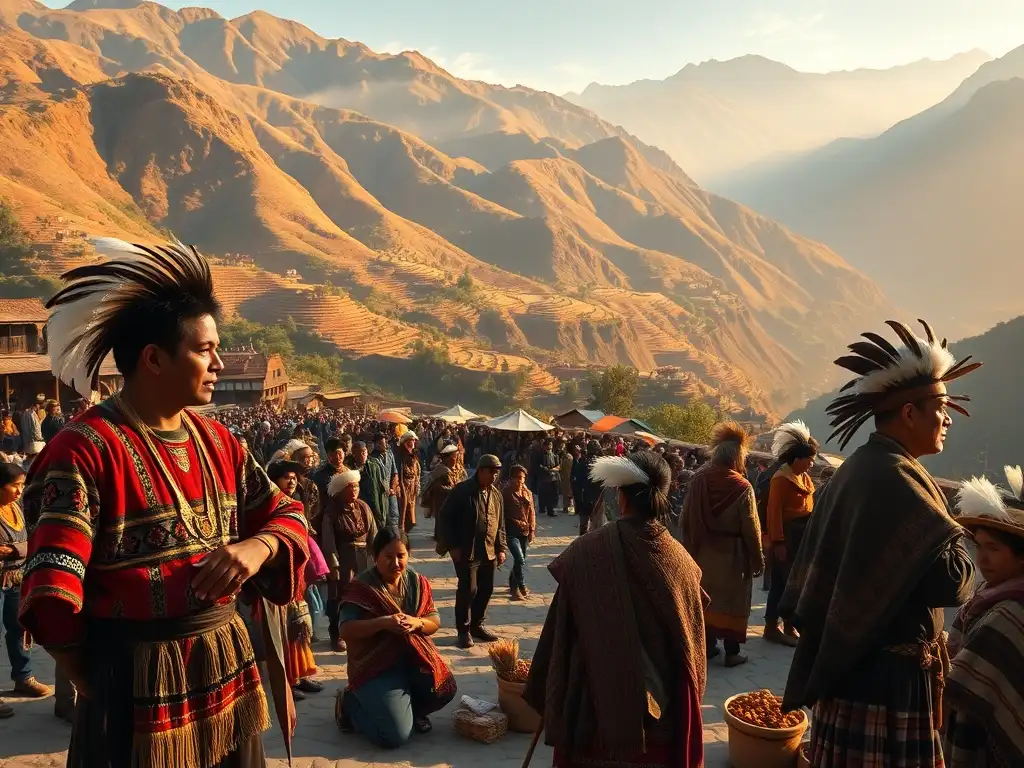
Welcome, explorer! Prepare to descend into the captivating world of the Andes, where towering mountains held secrets as complex as their peaks. Forget everything you think you know about ancient societies. This journey into Andean social classes will unravel the intricate tapestry of power, revealing the surprising lives of both nobles and commoners in a civilization that defied expectations. Dare to uncover the truth behind the myths – your exploration begins now.
- Andean Social Classes: A Look into the Hierarchies of the Andes
- The Noble Class in Andean Societies
- The Lives of Commoners in the Andes
- Comparing Noble and Commoner Life in the Andes
- The Significance of Social Stratification in Andean History
- Frequently Asked Questions
- Final Reflection: Echoes of the Andes: A Legacy of Hierarchy
- **Discover Your Place in Andean History! **
The Andes Mountains, a spine of towering peaks running down the western coast of South America, were home to a series of remarkably sophisticated and diverse civilizations. For centuries, these cultures—including the Inca, Moche, Nazca, and Tiahuanaco—developed complex social structures that significantly impacted daily life. Understanding these Andean social classes is crucial to grasping the intricacies of their societies, their achievements, and their ultimate fates.
This article delves into the hierarchical systems prevalent in the Andes, comparing and contrasting the lives of nobles and commoners across different cultures, and exploring the factors that shaped these social structures. We will examine how these hierarchies influenced everything from access to resources and power to religious practices and artistic expression.
By unraveling the complexities of Andean social stratification, we gain a richer understanding of the vibrant and enduring legacy of these ancient Andean civilizations. This exploration will illuminate the fascinating interplay between social status, economic power, and religious belief that defined life in the Andes.
The Andean social structure wasn't uniform across all cultures and time periods. However, a general hierarchy existed, with a clear distinction between elites and commoners. While the specific titles and privileges varied, the fundamental principle remained consistent: a stratified society where access to resources, power, and prestige was unequally distributed. This stratification wasn't solely based on economic factors; religious beliefs and lineage also played crucial roles.
For example, the Inca Empire, known for its highly centralized state, had a rigid hierarchical system with the Sapa Inca at its apex, followed by a complex web of nobles, priests, officials, and commoners. Other cultures, like the Nazca, might have had less formalized structures, but still displayed clear social distinctions based on wealth, occupation, and access to land. The common thread across these societies was the existence of a powerful elite class controlling much of the society's resources and wielding significant influence.
The complexities of Andean social structures are often revealed through archaeological evidence, such as elaborate burial sites reflecting different social statuses. The lavish grave goods found in the tombs of elite individuals, contrasting sharply with the simpler burials of commoners, provide compelling insights into the vast disparities in wealth and power. Furthermore, iconography in pottery, textiles, and monumental architecture often depicts scenes reflecting social hierarchies, providing visual representations of the different social roles and their relative importance within the society.
Careful analysis of these artifacts allows researchers to piece together a more complete picture of the social fabric of these ancient civilizations. This detailed study of material culture, combined with ethnohistorical accounts (where available), provides a rich tapestry of information about Andean social classes.
Life of the Andean Nobles: Privileges and Responsibilities
Andean nobles enjoyed a privileged life, marked by access to the finest resources, political influence, and religious authority. Their lives were often characterized by luxury and comfort, with access to abundant food, elaborate clothing, and spacious dwellings. They held key positions in the government, military, and religious institutions, wielding considerable power and influence over the common people. Noble status was often hereditary, passed down through family lines, reinforcing the social hierarchy.
However, it wasn't simply a matter of inherited privilege; nobles also had significant responsibilities. They were expected to govern effectively, maintain order, and ensure the well-being of their subjects. This often involved overseeing agricultural production, managing resources, and leading military campaigns.
Failure to fulfill these responsibilities could lead to the loss of status and power. The responsibilities of Andean nobles extended beyond mere governance; they often played a crucial role in religious ceremonies and rituals, acting as intermediaries between the divine and the common people. Their position demanded both privilege and responsibility, a delicate balance that shaped their lives and influenced the dynamics of their societies.
The Lives of Andean Commoners: Daily Struggles and Community Bonds
The majority of the Andean population consisted of commoners, whose lives were primarily focused on agricultural production and other essential tasks necessary for the survival of the community. Their days were filled with strenuous labor, cultivating crops like potatoes, maize, and quinoa, often working in communal fields under the supervision of local authorities. While they didn't enjoy the luxuries of the nobles, they were integral to the functioning of society. Their contributions ensured the food supply, the construction of infrastructure, and the maintenance of the social order.
Despite their lower social standing, Andean commoners were not simply passive participants. They formed strong community bonds, participating in religious festivals, communal work projects, and social gatherings. These communal activities fostered a sense of belonging and mutual support, crucial for navigating the challenges of daily life in a demanding environment.
The lives of Andean commoners, while demanding and often precarious, were characterized by a strong sense of community and resilience. Their collective efforts were essential to the survival and prosperity of their societies, highlighting their vital role in the broader Andean social fabric. Archaeological evidence suggests a high degree of social cohesion among commoners, even in the face of considerable inequalities.
While the general framework of Andean social classes shared similarities, the specific details varied significantly across different cultures and time periods. The Inca Empire, for example, boasted a highly structured and centralized system, with a clearly defined hierarchy. In contrast, other societies, like the Nazca, may have had less rigid structures, with social mobility potentially being more fluid.
The Moche culture, known for its elaborate artistic representations, showcased a hierarchical society with powerful rulers and a stratified population, but the exact nature of their social organization remains a subject of ongoing research. The Tiahuanaco culture also presented a complex social structure, characterized by monumental architecture and sophisticated religious beliefs, but the intricacies of their social hierarchy are still being unraveled through ongoing archaeological investigations. Comparative studies of these different Andean cultures reveal the diversity of social structures within the region, highlighting the richness and complexity of their respective societies.
Further research is needed to fully understand the nuances of social mobility and the dynamics of power within these diverse civilizations. Further research is needed to fully understand the nuances of social mobility and the dynamics of power within these diverse civilizations.
The Noble Class in Andean Societies
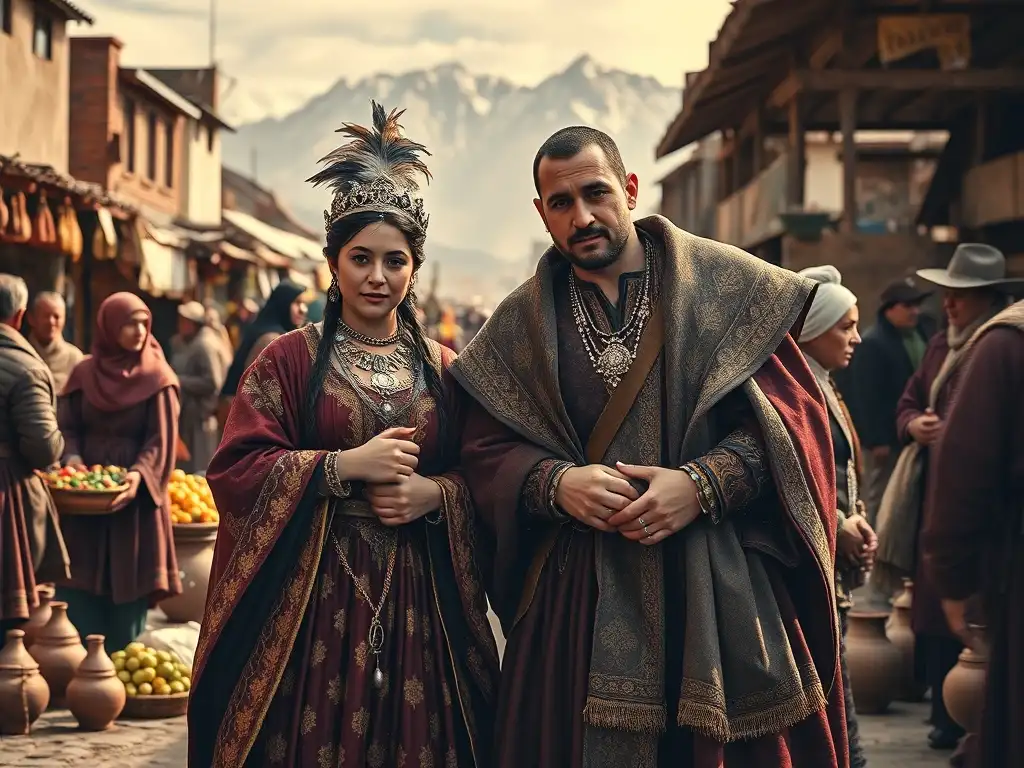
The Andean world, encompassing diverse cultures like the Inca, Moche, Nazca, and Tiahuanaco, wasn't a monolithic society. Understanding Andean social classes requires acknowledging the significant disparities between the elite and the commoners. This section focuses specifically on the noble class, examining their roles, privileges, and the mechanisms that maintained their elevated status. Analyzing the intricacies of the Andean social hierarchy helps us better comprehend the complexities of these fascinating civilizations and their lasting impact. The term "Andean social classes" itself highlights the stratified nature of their societies, a feature common across many pre-Columbian cultures in the region.
The Role of the Andean Elite
The Andean elite, or nobility, played a crucial role in maintaining the social and political order. Their responsibilities extended far beyond mere luxury and leisure. They served as intermediaries between the gods and the people, often holding significant religious authority. This religious influence intertwined seamlessly with their political power.
Noble families often controlled vast tracts of land and commanded labor forces, ensuring the production of agricultural surpluses and the construction of monumental architecture. Evidence suggests that the elite also played key roles in warfare, leading armies and strategizing campaigns. Their influence permeated all aspects of life, from religious ceremonies to economic production, solidifying their position at the apex of the social pyramid.
The precise nature of their roles varied across different Andean cultures, but the overarching theme of their influence remained consistent. For example, while Inca nobles might have had more formalized roles within a centralized bureaucracy, Moche nobles likely exerted their power through a more decentralized system based on kinship and control of resources. Understanding these nuances is crucial to a complete understanding of Andean social classes.
Privileges of the Andean Nobility
The Andean nobility enjoyed a range of privileges significantly distinguishing them from commoners. These privileges cemented their elevated status and reinforced the hierarchical structure of Andean societies. Access to resources, influence, and opportunities were heavily skewed in their favor. This wasn't simply a matter of wealth; it was a matter of social and political power, deeply ingrained in the fabric of Andean culture.
Land Ownership and Control
One of the most significant privileges enjoyed by Andean nobles was land ownership and control. They held vast estates, often worked by commoners who owed them labor and tribute. This control over land translated directly into economic power, allowing them to accumulate wealth and resources. The extent of land ownership varied between different Andean cultures and even within those cultures, depending on the noble's family lineage and influence.
For example, [specific information pending] regarding the distribution of land among the Inca nobility. However, the pattern of land concentration in the hands of the elite is well documented across various Andean archaeological sites. This control over land was a fundamental aspect of their power and status.
Political and Religious Power
Beyond economic power, Andean nobles also held significant political and religious power. They occupied key positions in government, often inheriting their roles through lineage. This hereditary system ensured the continuity of their privileged status across generations. Their religious authority stemmed from their perceived connection to the divine realm. They often acted as intermediaries between the gods and the common people, conducting ceremonies, interpreting omens, and offering sacrifices.
This dual role, as both political and religious leaders, solidified their power and influence. This combination of authority reinforced the social hierarchy and ensured the elite's continued dominance within Andean society. The intricate interplay between political and religious power is a crucial aspect of understanding Andean social classes and their influence on daily life. The elite's ability to control both spheres of life highlights their profound impact on Andean civilization.
Lineage and Ancestry in the Andean Aristocracy
The Andean aristocracy placed immense value on lineage and ancestry. Their social standing wasn't solely determined by wealth or power, but crucially by their claimed descent from powerful ancestors, often gods or mythical figures. Maintaining a meticulously documented genealogy was paramount, demonstrating an unbroken line connecting them to the divine and the foundational myths of their respective societies. This wasn't merely a matter of prestige; it legitimized their rule and access to resources. Challenging a noble's claim to ancestry was tantamount to challenging their authority, a risky proposition with potentially severe consequences.
This emphasis on lineage manifested in various ways. Elaborate genealogical records, often kept by specialized scribes, detailed the family history for generations. These records weren't simply lists of names and dates; they incorporated narratives, myths, and symbolic representations to further solidify the connection to the past and the divine. Royal tombs often contained elaborate grave goods, including artifacts that symbolized their ancestry and reinforced their elevated status.
For example, the use of specific textiles, pottery styles, or jewelry designs could directly reference their claimed lineage. The Inca, for example, meticulously tracked their descent from the legendary Inca founder Manco Cápac, tracing their royal bloodline back to the sun god Inti. This divine connection was fundamental to the legitimacy of their empire.
Furthermore, marriages within the nobility played a crucial role in maintaining and strengthening lineage. Strategic unions between powerful families consolidated control over resources and territories, reinforcing existing social hierarchies. These marriages weren't solely based on romantic love; they were political alliances designed to perpetuate the power and influence of the noble class. The children born from these unions inherited the combined prestige and power of their parents, further solidifying their place in the Andean social hierarchy. The intricate system of ayllu (kinship groups) also played a significant role, with noble families often holding positions of authority and influence within their respective ayllus. This complex interplay of bloodlines, political alliances, and kinship structures shaped the very fabric of Andean aristocratic society. The constant need to prove and reinforce their ancestry through elaborate rituals, material culture, and genealogical records underscores the crucial role of lineage in defining and maintaining the Andean nobility.
The Lives of Commoners in the Andes
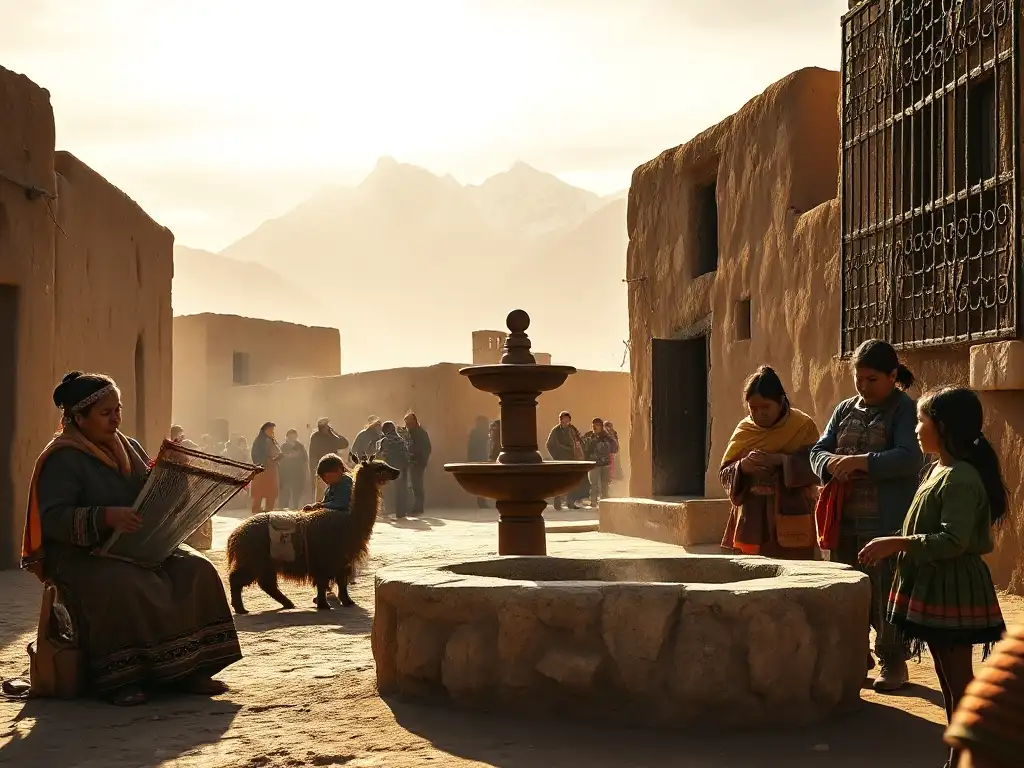
The vast majority of the Andean population consisted of commoners, whose lives were deeply intertwined with the agricultural cycle and the demands of their respective societies. Understanding their daily routines, social obligations, and economic contributions provides crucial insight into the complexities of Andean social structures. Analyzing the lives of these individuals offers a compelling counterpoint to the often-glamorized narratives surrounding Andean elites, revealing the backbone of these powerful civilizations. The term "Andean social classes" itself highlights the crucial stratification within these societies, and commoners formed the largest and arguably most vital segment.
Andean Commoner's Daily Routines
The daily lives of Andean commoners were largely dictated by the demands of agriculture and the seasonal rhythms of the Andes. Their days began early, often before sunrise, and ended late, long after sunset. The intensity of labor varied depending on the season, with peak activity during planting and harvest times. For example, during the rainy season, commoners might focus on terracing maintenance and irrigation canal upkeep, while drier months were dedicated to planting and weeding.
The availability of water, a precious resource in the Andes, significantly influenced their daily schedules. Many commoners, particularly those living in arid regions, had to travel considerable distances to access water sources for their crops and domestic needs. This daily routine, often strenuous and demanding, showcases the resilience and adaptability of Andean commoners.
Agricultural Practices and Labor
Agricultural practices were highly sophisticated and varied across different Andean regions, reflecting the diverse ecological niches and the ingenuity of the Andean people. Commoners employed techniques such as terracing, irrigation, and crop rotation to maximize agricultural yields, often working collaboratively in large groups. The cultivation of staple crops like potatoes, maize, quinoa, and beans formed the basis of their diet and economy.
Evidence suggests that commoners were organized into ayllus, kinship-based groups, which facilitated collective labor and resource management. These ayllus not only ensured agricultural productivity but also played a vital role in social cohesion and mutual support. The labor involved in cultivating these crops was intense, requiring significant physical effort and coordination.
Men and women typically shared responsibilities, with men often undertaking the more strenuous tasks like plowing and terracing, while women played crucial roles in planting, weeding, harvesting, and food processing. The efficiency of these agricultural practices helped sustain the larger Andean populations and their complex social structures.
Craftsmanship and Trade
Beyond agriculture, many Andean commoners engaged in various forms of craftsmanship and trade. Textile production, pottery making, and metalworking were common occupations, providing goods for both local consumption and exchange. Commoners often specialized in particular crafts, developing advanced techniques and styles.
The quality of their craftsmanship varied, with some artisans producing high-quality goods that were traded over long distances. The intricate weaving techniques of Andean women, for example, produced textiles that were highly valued and traded across the vast Andean region. Similarly, the pottery and metalwork of Andean artisans demonstrated remarkable skill and artistry.
Trade networks facilitated the exchange of goods and resources, connecting different communities and regions. Commoners played a vital role in these networks, transporting goods and exchanging their crafts for other necessities. This participation in trade provided them with opportunities to access resources beyond their immediate environment, enriching their lives and contributing to the overall economic vitality of the Andean societies.
Andean commoners were not merely producers; they also held significant social obligations and responsibilities within their communities. They were expected to participate in communal labor projects, such as the construction and maintenance of irrigation systems, temples, and roads. This mita system, a form of obligatory labor service, was a cornerstone of Andean social organization. The mita demanded considerable time and effort from commoners, but it also served as a mechanism for maintaining infrastructure and reinforcing social solidarity.
Beyond the mita, commoners also contributed to religious ceremonies and festivals, playing a crucial role in the spiritual life of their communities. Their participation in these events strengthened social bonds and affirmed their shared identity. Moreover, commoners were expected to contribute a portion of their agricultural produce or crafts as tribute to the elite, supporting the ruling class and the administrative apparatus of the state.
This system, while demanding, also ensured a degree of social stability and resource redistribution within the Andean societies. Understanding these obligations provides a crucial perspective on the intricate balance of power and reciprocity that underpinned Andean social structures. The concept of "Andean social classes" is therefore not simply a hierarchical structure, but a complex system of reciprocal obligations and responsibilities.
Economic Status and Mobility within Commoner Society
The vast majority of Andean populations were commoners, their lives deeply intertwined with agriculture and the cyclical rhythms of the Andes. Economic status within this group wasn't monolithic; subtle variations existed based on factors such as land ownership (or access to it), skill in specific crafts, and proximity to resources. While large-scale land ownership was typically reserved for elites, commoners often held usufruct rights – the right to use and benefit from a piece of land, usually granted by the ruling power in exchange for labor or tribute.
This system, though seemingly rigid, allowed for a degree of economic mobility. A skilled artisan, for example, might accumulate enough wealth to improve their living conditions or even gain a slightly elevated status within their community. Similarly, a farmer experiencing a particularly bountiful harvest could trade surplus goods for other necessities, increasing their overall economic standing.
However, upward mobility was limited. The Andean social structure, while not entirely static, presented significant barriers to advancement. Access to resources and opportunities remained largely controlled by the ruling classes. While a skilled artisan might prosper, they were unlikely to ever attain the same social standing as a noble.
The system was more about relative improvement within the commoner class rather than a significant leap to the elite. Furthermore, factors like drought, disease, or conflict could easily wipe out any economic gains, pushing individuals back into a state of relative poverty. The lives of Andean commoners were a constant negotiation between their labor, the resources available, and the demands of the ruling power. Their economic stability was fragile, dependent on numerous unpredictable factors.
This constant precariousness shaped their daily lives and social interactions, fostering a strong sense of community and mutual support among those sharing similar economic circumstances. Evidence suggests that communal labor practices and reciprocal exchange systems helped mitigate the risks inherent in their economic vulnerability. The system wasn't purely meritocratic, but the possibility of relative improvement within the commoner class provided a degree of hope and incentive for hard work and skilled production. This dynamic interplay between limited mobility and the possibility of relative improvement is crucial to understanding the complexities of Andean commoner life.
Comparing Noble and Commoner Life in the Andes
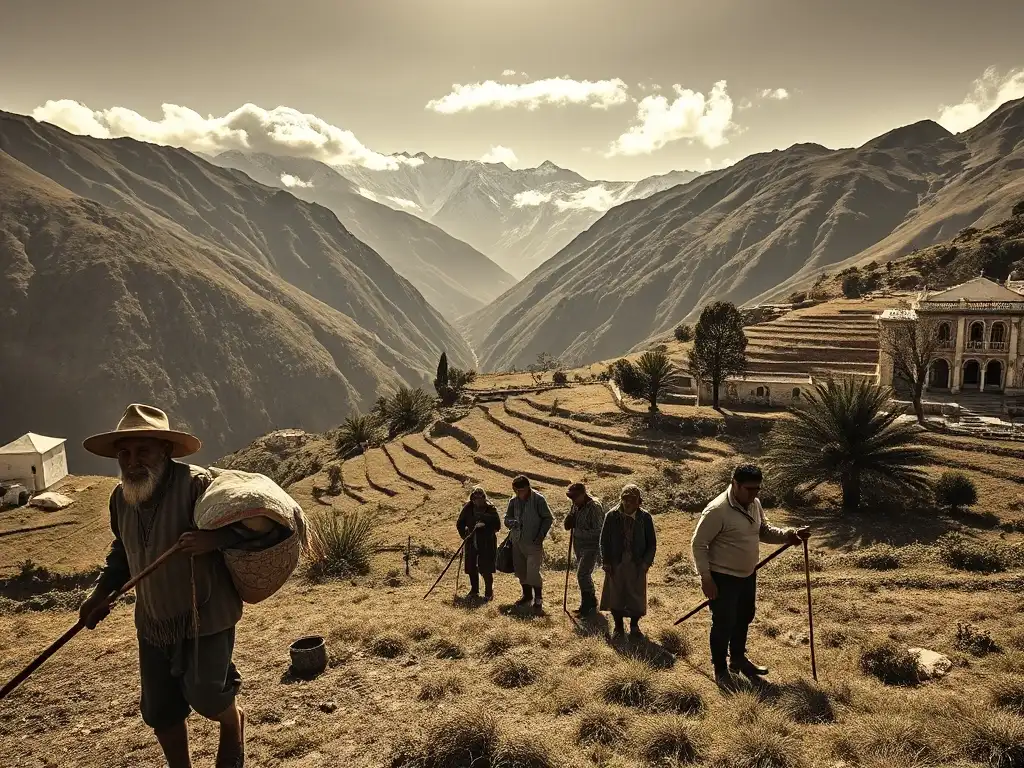
This section delves into the stark contrasts between the lives of nobles and commoners in the diverse Andean civilizations. Understanding these differences is crucial to grasping the intricate social fabric of these ancient societies. The term "Andean social classes" encompasses a wide spectrum of social strata, with significant variations across different cultures and time periods. However, certain common threads weave through the tapestry of Andean social organization, revealing a generally hierarchical structure.
Contrasting Lifestyles and Resources
The disparity in lifestyles between Andean nobles and commoners was dramatic. Nobles, often members of the ruling elite or closely connected to it, enjoyed a life of privilege and abundance. Their homes were significantly larger and more elaborately constructed, often featuring intricate stonework and privileged access to water sources.
Archaeological evidence suggests that noble residences were often located in strategic locations, offering panoramic views and proximity to administrative centers. In contrast, commoners lived in smaller, more simply constructed dwellings, often clustered together in communities. The materials used in their construction varied based on regional availability, ranging from adobe bricks to wattle and daub.
Access to resources also reflected the rigid social hierarchy. Nobles had privileged access to the best agricultural lands, ensuring a surplus of food and other resources. They also controlled the distribution of goods, effectively controlling access to essential commodities such as textiles, tools, and precious metals. Commoners, on the other hand, often worked the less productive lands, relying on their own labor and limited resources for survival.
Their diet consisted primarily of staple crops like potatoes and maize, with access to meat and other luxury items being rare. The archaeological record reveals this disparity through the analysis of burial sites, which frequently show significant differences in grave goods between noble and commoner burials. For example, noble burials often contain elaborate gold ornaments, fine textiles, and other prestigious items, while commoner burials are typically simpler, with fewer and less valuable grave goods.
While the Andean social structure was largely hierarchical, the degree of social mobility varied across different cultures and periods. Some scholars argue that opportunities for advancement existed, particularly through military prowess, exceptional skill in craftsmanship, or demonstrating loyalty to the ruling elite. For instance, skilled artisans or successful military commanders might have risen in social standing, acquiring greater influence and wealth. However, such upward mobility was likely limited and highly contingent upon circumstance. The vast majority of commoners remained in their social positions throughout their lives.
Conversely, downward mobility was a very real possibility. Loss of favor with the ruling elite, failure to meet obligations, or economic hardship could lead to a decline in social standing, resulting in loss of access to resources and a diminished quality of life. The lack of extensive written records makes it difficult to definitively quantify the extent of social mobility, but archaeological and anthropological evidence suggests that the system was relatively rigid, with significant barriers to social advancement.
Andean social hierarchy deeply permeated every aspect of daily life. The commoner's daily routine was largely dictated by agricultural labor, contributing to the production of food and resources for the elite and the broader community. They also participated in communal projects such as building infrastructure, maintaining irrigation systems, and engaging in religious ceremonies. Their lives were characterized by hard work, limited leisure time, and a high degree of dependence on the ruling elite for protection and support.
In contrast, the lives of nobles were characterized by greater leisure and opportunities for personal enrichment. They participated in religious and political activities, often holding positions of power and authority. Their daily routines included overseeing the work of commoners, managing resources, and engaging in social interactions within their elite circles.
The stark contrast between these lifestyles shaped the social and economic landscape of Andean civilizations, creating a system where access to resources, opportunities, and social standing were unevenly distributed. The intricacies of this system, however, remain a subject of ongoing research and scholarly debate, with new discoveries constantly refining our understanding of Andean social classes. Further research is needed to fully understand the nuances of social mobility within specific Andean cultures.
The intricate social hierarchies of the Andean civilizations were not merely a reflection of power dynamics; they were fundamental to the very fabric of their societies. Understanding Andean social classes is crucial to grasping their complex political systems, economic structures, and religious beliefs. These stratified societies, characterized by a rigid social order, influenced everything from agricultural practices and artistic expression to warfare and technological innovation.
The distinct roles and responsibilities assigned to each social stratum ensured the smooth functioning of the vast Andean empires, though often at the expense of the lower classes. The level of social stratification varied across different Andean cultures – the Incas, for example, had a more formalized system compared to some earlier societies like the Nazca. However, a clear delineation between elite and commoner was a consistent feature throughout Andean history.
This stratification, while seemingly rigid, also allowed for some social mobility, albeit limited, depending on factors like military prowess, religious merit, or royal favor. Analyzing this aspect provides a nuanced understanding of the Andean world, moving beyond simplistic notions of a purely oppressive hierarchy.
Andean social classes profoundly influenced the development and expression of their rich and diverse culture. The elite, often comprised of royalty, priests, and high-ranking officials, patronized the arts, sponsoring the creation of magnificent textiles, intricate ceramics, and monumental architecture. Their patronage fueled artistic innovation, resulting in the sophisticated styles and techniques that characterize Andean art. For instance, the elaborate goldwork of the Moche elite stands as a testament to their wealth and power, reflecting their sophisticated metallurgical knowledge and artistic skill.
Conversely, the cultural expressions of commoners were often more utilitarian and less ostentatious, reflecting their daily lives and concerns. However, their contributions to Andean culture should not be underestimated. Their agricultural expertise, textile production, and construction skills were essential to the functioning of Andean societies. Their beliefs and traditions, while often less documented, shaped the broader cultural landscape.
The vibrant tapestry of Andean culture was thus woven from the threads of contributions from all social strata, although the design and control were largely held by the elite. A detailed analysis of textiles, pottery, and other artifacts reveals subtle distinctions reflecting the social status of their creators and users. [Specific examples of textile patterns or pottery styles indicative of social class pending].
The legacy of Andean social structures continues to resonate in contemporary Andean societies. While the rigid hierarchies of the past have been dismantled, the impact of this historical stratification is still evident in social and economic disparities. Understanding the historical context of these inequalities is crucial for addressing present-day challenges.
For example, the concentration of land ownership and access to resources, which has its roots in the pre-Columbian social order, continues to affect the distribution of wealth and opportunity in modern-day Andean communities. Moreover, certain cultural practices and traditions, such as communal labor ( ayni) and reciprocal exchange ( minka), find their origins in the social structures of the Inca Empire and continue to play a significant role in maintaining social cohesion in many Andean communities. The study of Andean social classes thus offers valuable insights into the long-term effects of social stratification and its enduring influence on the societies of the Andes.
Furthermore, recognizing the complexities of Andean social organization helps us appreciate the resilience and adaptability of Andean cultures across centuries, highlighting the dynamic interplay between tradition and change. The exploration of Andean social classes is not just a historical exercise; it's a crucial lens through which to understand the ongoing social and economic realities of the region.
Frequently Asked Questions
Andean societies, like the Inca, were characterized by a rigid hierarchical structure. The main classes included the ruling elite (nobility), priests, craftsmen, farmers, and laborers. Social mobility was generally limited.
The Inca Empire employed several methods to maintain social order, including extensive bureaucracy, religious ideology, and the mita system (labor tribute). This ensured the stability of the hierarchical system and the flow of resources to the elite.
Religion played a crucial role in justifying and reinforcing the social hierarchy. Priests held significant power and influence, often acting as intermediaries between the gods and the people. Religious beliefs supported the authority of the ruling class.
The mita system, a form of mandatory labor service, impacted all social classes. While the elite were exempt, the commoners bore the brunt of the labor, contributing to infrastructure projects and agricultural production. This system reinforced the existing power imbalance.
While social mobility was limited, some individuals could potentially improve their social standing through exceptional skill, military prowess, or religious devotion. However, such instances were relatively rare, and the system largely remained stratified.
Final Reflection: Echoes of the Andes: A Legacy of Hierarchy
The intricate social structures of the Andes, once seemingly distant in time, continue to cast a long shadow on contemporary societies. Understanding the stark realities of noble and commoner life in the Inca Empire and its predecessors offers a crucial lens through which to examine persistent inequalities and power dynamics in our own world. The echoes of past hierarchies resonate in modern social structures, reminding us that the fight for equity is an ongoing process.
The legacy of Andean social stratification is not merely a historical curiosity; it's a powerful reminder of the enduring human tendency to create and maintain systems of privilege. The impact of this historical reality continues to shape cultural identities and social interactions in the region, influencing everything from land ownership to access to education and opportunities. The past is never dead. It's not even past.
– William Faulkner. This quote perfectly encapsulates the enduring relevance of understanding Andean social hierarchies, as their influence permeates modern Andean life and offers valuable insights into broader societal inequalities.
Consider the complexities of power and privilege explored in this article. Reflect on the ways in which historical inequalities continue to manifest in your own community and the world around you. What steps can you take, however small, to challenge systems of oppression and advocate for a more just and equitable future? Let the stories of the Andean people inspire you to actively participate in building a society where everyone has the opportunity to thrive, regardless of their background or social standing.
**Discover Your Place in Andean History! **
Thank you for exploring the fascinating world of Andean social hierarchies. We hope you gained valuable insights into the lives of both the elite and the common people, and how their experiences shape our understanding of these ancient civilizations. Let's continue this journey together!
Here's how you can delve deeper into this rich history:
- **Join our community:** Connect with other history enthusiasts by subscribing to our newsletter and sharing your thoughts on this topic.
- **Explore further:** Discover related articles on our website to expand your knowledge of Andean cultures and their enduring legacy.
- **Share your insights:** Join the discussion on our social media platforms and tell us what aspect of Andean history most captivates you.
What aspect of Andean social structures surprised you the most, and how has it altered your understanding of their history?