
The Mysteries of Andean Social Elites: Unveiling their Secrets

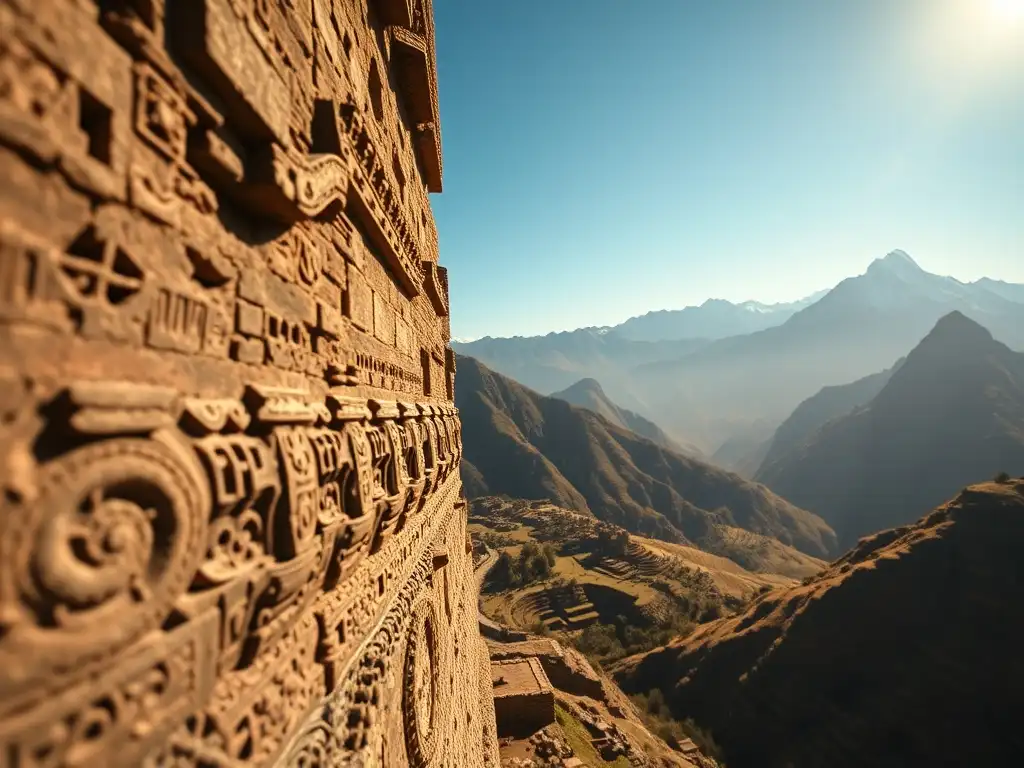
Unravel the enigma of the Andes! Prepare to journey into a world of breathtaking artistry, sophisticated engineering, and complex social hierarchies. For centuries, the Andean elite social structure remained shrouded in mystery, its intricacies a captivating puzzle. Dare to delve into the lives of these powerful societies—from the Incas to the Nazca—and uncover the secrets they left behind. Discover how their ingenious innovations and intricate social systems shaped the landscape and legacy of South America. What were the keys to their power, and what ultimately led to their decline? Explore the fascinating answers within.
The Andes Mountains, a spine of towering peaks and fertile valleys, cradled some of the most sophisticated and enigmatic civilizations of the pre-Columbian Americas. For centuries, these societies—including the Incas, Moche, Nazca, and Tiahuanaco—developed complex social structures, intricate political systems, and impressive technological advancements. This article delves into the fascinating world of the Andean elites, exploring their roles, power structures, and the enduring mysteries surrounding their lives.
We'll unpack the intricacies of their social organization, examining how their influence shaped the societies they governed and left an indelible mark on the landscape and culture of the Andes. Understanding the Andean elite social structure is key to unlocking a deeper comprehension of these remarkable civilizations and their lasting legacies.
We will analyze the available archaeological evidence, anthropological interpretations, and historical accounts to piece together a more complete picture of these powerful figures and their impact on Andean societies. The journey will take us through the intricacies of their social hierarchy, their ritual practices, their economic influence, and the ways in which they maintained their power and prestige.
The Andean elite social structure wasn't a monolithic entity; it varied considerably across different civilizations and time periods. However, some common threads weave through these diverse societies. Generally, a hierarchical system existed, with the elite at the apex, followed by various levels of nobility, priests, artisans, farmers, and finally, commoners.
The elite's position was often legitimized through a combination of factors, including kinship ties to powerful ancestors, religious authority, military prowess, and control over resources. Archaeological evidence, such as elaborate burial sites containing rich grave goods and monumental architecture, reveals the immense wealth and power wielded by these individuals. For instance, the Moche elite are known for their lavish tombs filled with gold artifacts, intricate ceramics, and even human sacrifices, highlighting their privileged position and control over resources.
The Inca, with their highly centralized empire, developed a sophisticated system of tribute and labor organization that further solidified the elite's dominance. The structure wasn't static; social mobility, though limited, did exist, often through military success or exceptional skill in specific crafts or religious practices.
The Role of Religion and Ritual in Elite Power
Religion played a crucial role in solidifying the power of the Andean elites. Many Andean civilizations believed in a complex pantheon of gods and spirits, and the elite often served as intermediaries between the divine and the mortal world. Priests and priestesses held significant influence, advising rulers and performing rituals that maintained cosmic order and ensured prosperity.
Elaborate temples and ceremonial centers, such as those found at Machu Picchu and Tiahuanaco, served as powerful symbols of elite power and religious authority. The elite’s participation in elaborate rituals, often involving sacrifices and feasts, reinforced their social standing and strengthened their connection to the supernatural realm.
The visual representation of this religious authority is evident in the iconography found on textiles, ceramics, and monumental architecture, often depicting elite figures interacting with deities or participating in sacred ceremonies. The precise nature of these religious practices and beliefs remains partially shrouded in mystery, but the archaeological evidence clearly demonstrates their importance in maintaining the elite's social and political control.
Economic Control and the Andean Elite
Control over resources was another fundamental aspect of elite power in the Andes. The elite often controlled access to fertile lands, water sources, and valuable minerals, enabling them to amass wealth and maintain their privileged position. This economic control was often tied to their political authority, with the elite using their power to extract tribute and labor from the common population.
The organization of large-scale public works projects, such as irrigation systems and monumental architecture, required extensive labor mobilization, a testament to the elite's capacity to organize and control human resources. The Inca's mit'a system, a form of mandatory labor service, is a prime example of this control over human resources. Furthermore, the elite controlled trade networks, facilitating the exchange of goods and resources across vast distances.
This control over trade routes and access to exotic materials further enhanced their economic power and social status. Analyzing the distribution of resources and the organization of production provides crucial insights into the mechanisms by which the Andean elite maintained their economic dominance.
The Legacy of Andean Elites: Enduring Mysteries and Ongoing Research
The study of Andean elites remains a vibrant area of research. New discoveries continue to shed light on the complexity of their lives, their social structures, and their enduring legacy. While significant progress has been made, many questions remain unanswered.
For example, the precise mechanisms of succession and the extent of social mobility are still debated among scholars. The role of women in elite circles also requires further investigation. Ongoing research using advanced technologies, such as DNA analysis and remote sensing, promises to provide further insights into the lives and social organization of these powerful individuals.
The mysteries surrounding Andean elites continue to inspire fascination and drive scholarly inquiry, underscoring the enduring significance of these ancient civilizations and the richness of their cultural heritage. The study of their social structure offers a valuable lens through which to understand the broader dynamics of power, social organization, and cultural development in the Andes.
- Understanding the Andean Elite Social Structure
- The Role of Religion and Ritual in Elite Power
- Economic Control and the Andean Elite
- The Legacy of Andean Elites: Enduring Mysteries and Ongoing Research
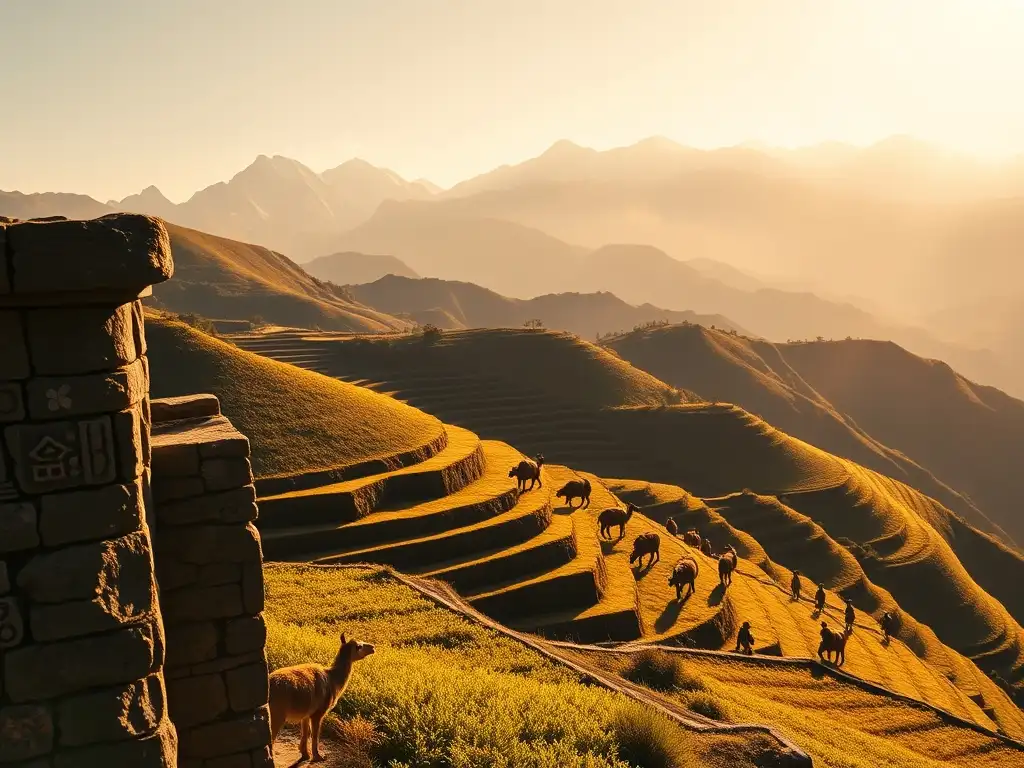
The Andean elite social structure wasn't a monolithic entity; it varied across different civilizations and time periods. However, certain recurring themes illuminate the foundations of power. Understanding these dynamics requires moving beyond simplistic hierarchical diagrams and delving into the complex interplay of lineage, resource control, and religious authority.
The concept of ayllu, the kinship-based community, played a crucial role, but its influence on elite status shifted depending on the specific Andean culture. For instance, while lineage was undeniably important for the Inca, the Moche elite arguably emphasized military prowess and religious legitimacy more strongly. This section will explore these interwoven strands of power, illustrating how they shaped the Andean elite social structure and cemented their dominance.
The Role of Lineage and Kinship in Andean Societies
Lineage and kinship formed the bedrock of Andean social organization. The ayllu, a fundamental social unit, was a complex network of extended family groups sharing common ancestry, land, and resources. Membership in a powerful ayllu significantly increased an individual's chances of achieving elite status.
This wasn't solely based on birthright, however; individuals could gain prominence through exceptional achievements, demonstrating skills in warfare, religious leadership, or craft production. Consider the Inca, where the Sapa Inca’s lineage was paramount, tracing back to the mythical founder Manco Cápac. Their royal family held immense power, controlling vast resources and wielding significant religious authority.
However, even within the Inca empire, other powerful ayllus maintained influence, often through strategic alliances and intermarriage with the royal family. The intricate web of kinship ties fostered both cooperation and competition within the Andean elite social structure. The system wasn't static; shifts in alliances and power struggles within ayllus could lead to dramatic changes in the social hierarchy.
Access to Resources and Control: Cornerstones of Elite Power
Control over resources was inextricably linked to elite status in Andean societies. Access to fertile land, water sources, and valuable minerals like gold and silver directly translated into wealth and power. The Andean elite controlled these resources, often through a combination of inherited rights and political dominance.
This control manifested in various ways. For example, the Inca implemented a sophisticated system of mit'a, a form of labor tribute, ensuring a steady flow of resources to the imperial center. The Moche, known for their elaborate irrigation systems, meticulously managed water resources, a crucial factor in their agricultural success and the concentration of power in the hands of their ruling class.
The elite's access to these resources allowed them to fund monumental construction projects, such as temples and palaces, further solidifying their prestige and control. The distribution of resources also served as a tool for maintaining social order and reinforcing the hierarchy, rewarding loyalty and punishing dissent.
While the Andean elite social structure is often depicted as a simple pyramid, with the elite at the apex, the reality was far more nuanced. There wasn't a clear-cut division between the elite and the commoners. Instead, a complex spectrum of social strata existed, with varying degrees of power, prestige, and access to resources.
For example, within the Inca empire, the kurakas, local leaders, held significant authority within their communities, acting as intermediaries between the imperial government and the common people. Their status placed them somewhere between the imperial elite and the general populace, highlighting the fluidity and complexity of the social hierarchy. Furthermore, skilled artisans, priests, and warriors often enjoyed a higher social standing than ordinary farmers or laborers, indicating that social mobility, albeit limited, wasn't entirely absent.
The lines between social classes were often blurred, with individual status determined by a combination of factors, including lineage, wealth, occupation, and religious standing. Further research is needed to fully understand the subtle gradations within these societies and how social mobility operated within the Andean elite social structure. The existing evidence suggests a more dynamic and complex social landscape than previously assumed.
Manifestations of Elite Status in Andean Civilizations
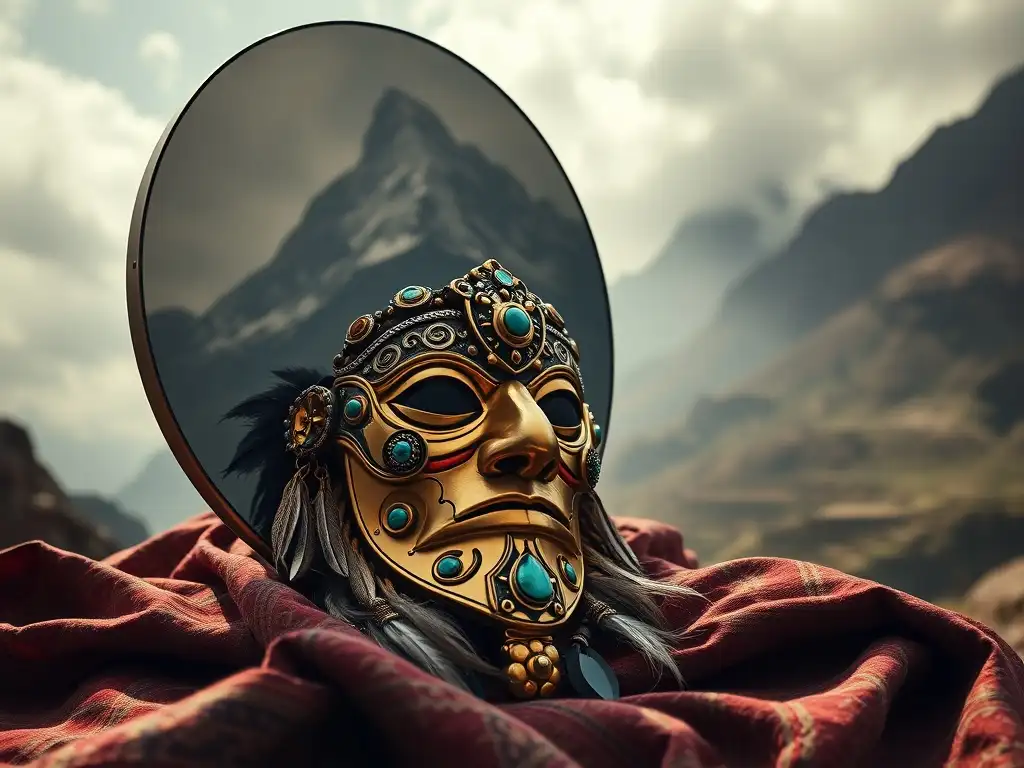
The Andean elite social structure, a complex and multifaceted system, left behind a wealth of archaeological evidence revealing the ways in which high-status individuals differentiated themselves from the common populace. Understanding these distinctions is crucial to grasping the dynamics of power and social organization in ancient Andean societies. This section will explore several key manifestations of elite status, focusing on burial practices, monumental architecture, and luxury goods consumption. The variations in these aspects across different Andean cultures highlight the nuances and regional differences within the broader concept of "Andean elite social structure."
Elite burial practices provide some of the most direct evidence of social stratification in Andean civilizations. The sheer scale and complexity of elite tombs, compared to those of commoners, is striking. For instance, the Moche culture is known for its elaborate tomb complexes, often featuring intricate murals depicting scenes of daily life, warfare, and ritual sacrifice.
These murals not only showcase artistic skill but also offer valuable insights into the worldview and beliefs of the Moche elite. The presence of elaborate grave goods, such as gold ornaments, finely crafted pottery, and textiles, further emphasizes the social standing of the deceased.
The quantity and quality of grave goods directly correlated with social rank. A simple commoner's burial might contain only basic pottery vessels, while the tomb of a Moche lord could include hundreds of artifacts, showcasing the vast resources and power controlled by the elite. Furthermore, the position of the body, the presence of sacrificed individuals, and the overall architectural design of the tomb all contribute to understanding the status of the deceased.
Detailed analysis of skeletal remains also reveals clues about diet and lifestyle, further reinforcing the distinctions between elite and commoner populations. For example, isotopic analysis can reveal differences in diet, indicating access to specific resources and agricultural products only available to the elite.
Monumental Architecture and Elite Patronage
Monumental architecture served as a powerful symbol of elite power and authority in Andean societies. The construction of massive structures, such as temples, palaces, and irrigation systems, required significant resources and labor, demonstrating the elite's ability to mobilize and control large populations. The Inca Empire, for example, is renowned for its impressive stonework, evident in sites like Machu Picchu and Sacsayhuamán. These structures not only served practical purposes but also functioned as potent symbols of imperial power and control, visually reinforcing the elite's dominance.
The intricate design and precise execution of Inca stonework, achieved without the use of mortar, exemplifies the sophisticated engineering and organizational capabilities of the Inca elite. The construction of these monumental projects involved complex logistical planning, resource management, and labor organization, all under the direction of the elite. Moreover, the use of specific materials, such as finely-cut stone or rare metals in decorative elements, further highlighted the power and resources available to the elite.
The location of these structures, often in strategic or symbolically significant locations, also reinforces their role in asserting and maintaining elite control. The association of elite residences with significant agricultural resources or strategic vantage points further underscored their privileged position within the social structure.
Luxury Goods and Elite Consumption Patterns
Access to luxury goods was a defining characteristic of elite status in Andean civilizations. These goods, often made from rare or exotic materials, served as visual markers of social rank and power. The consumption of such items was not merely a matter of personal indulgence but also a strategic display of wealth and status, reinforcing social hierarchies. Examples include finely crafted gold and silver objects, elaborate textiles featuring intricate designs, and unique pottery styles with distinct decorative motifs.
The production and distribution of these luxury goods involved specialized craftspeople and extensive trade networks, controlled largely by the elite. The intricate designs and techniques used in creating these items showcase the high level of skill and artistry among Andean artisans, highlighting the elite's ability to commission and control the production of prestigious objects. The exclusive use of certain materials, such as turquoise, spondylus shells, or feathers from rare birds, further underscored the elite's privileged access to resources and trade networks.
These patterns of consumption, meticulously documented through archaeological excavations, offer valuable insights into the social dynamics and economic structures of these ancient societies. The study of these luxury goods is therefore crucial to understanding the Andean elite social structure and its broader implications for the organization of Andean societies.
Case Studies of Andean Elites Across Civilizations
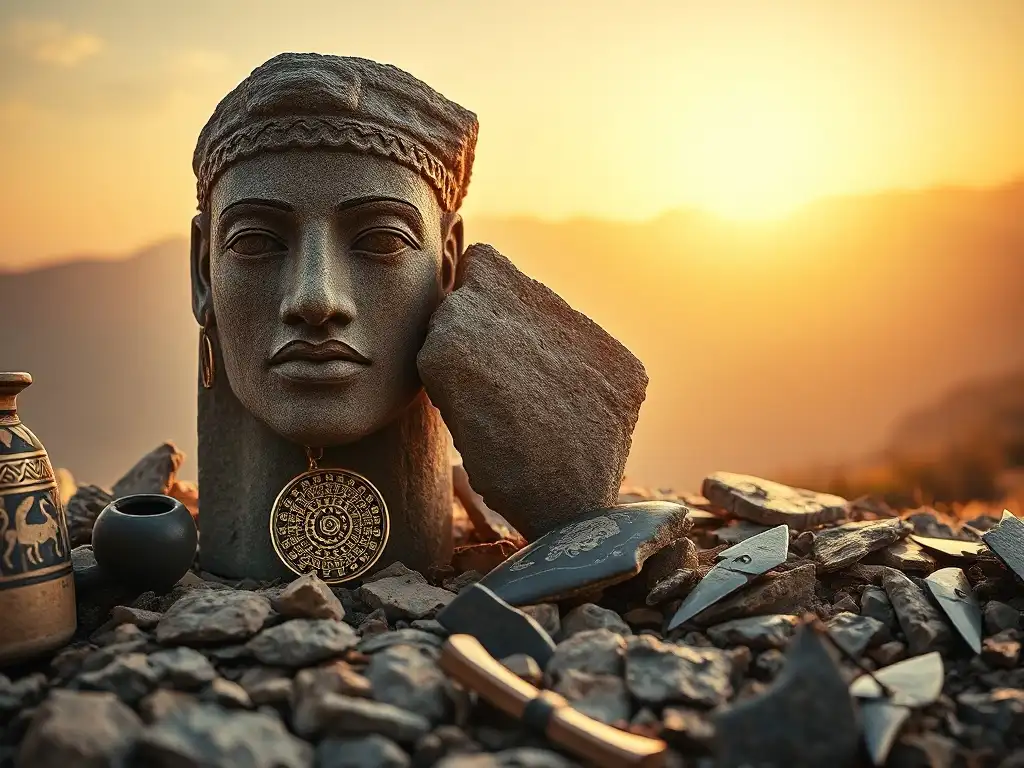
This section delves into the fascinating social structures of several prominent Andean civilizations, focusing on the characteristics and power dynamics of their respective elites. We will examine how these elites maintained their positions, the symbols of their authority, and their impact on the broader society. Understanding the Andean elite social structure requires a nuanced approach, acknowledging the variations between different cultures and time periods. The common thread, however, is the concentration of power and resources in the hands of a select few.
The Inca Nobility: A Highly Structured Elite
The Inca Empire, known for its impressive administrative capabilities, boasted a highly stratified and formalized elite system. The Andean elite social structure within this empire was rigidly defined, with social mobility extremely limited. This hierarchical system ensured the perpetuation of power and control within the ruling class.
The Sapa Inca and His Royal Lineage
At the apex of the Inca social pyramid stood the Sapa Inca, considered a divine ruler, a descendant of the sun god Inti. His authority was absolute, and his lineage was meticulously documented and preserved. The Sapa Inca's power extended to all aspects of life, from religious ceremonies to economic production.
His family, the royal panaca, held significant political and religious influence, inheriting land, titles, and privileges. Careful marriage alliances cemented this elite's power, strengthening the ties between different branches of the royal family and securing the dynasty's continued dominance. The Sapa Inca's control over resources, including land and labor, was paramount to maintaining the empire's stability and the elite's privileged position.
The Role of the Curacas in the Inca Empire
Below the Sapa Inca and his family were the curacas, regional leaders who governed provinces and oversaw local populations. While not of royal blood, the curacas were integral to the Inca administration. They collected taxes, organized labor, and maintained order within their assigned territories. Their loyalty to the Sapa Inca was crucial, and their position depended on their effectiveness in fulfilling these duties.
The curacas were rewarded with privileges and prestige, solidifying their place within the broader Andean elite social structure. However, their authority was ultimately subordinate to the Sapa Inca, preventing any significant challenge to the central power. The system of mit'a, a form of mandatory labor, was effectively managed by the curacas, further cementing their role in the Inca's economic and political control.
The Moche Warrior-Priests: Elite Power Through Ritual and Warfare
The Moche civilization, flourishing on the northern coast of Peru, presented a different model of elite power. Unlike the Inca’s formalized system, the Moche elite's authority stemmed from a combination of military prowess and religious prestige, often embodied in the figure of the warrior-priest.
Iconography and the Depiction of Moche Elites
Moche elite status is vividly portrayed in their elaborate funerary practices and art. Magnificent tombs, filled with gold ornaments, intricate ceramics, and luxurious textiles, testify to the wealth and power accumulated by these individuals. Moche pottery, particularly, provides invaluable insights into their social structure.
Depictions of lavish feasts, elaborate headdresses, and ceremonial paraphernalia highlight the elite's privileged position and their control over resources. The imagery frequently shows these elites engaged in ritualistic activities, emphasizing their religious authority and reinforcing their connection to the supernatural world. This visual representation of the Andean elite social structure underscores the importance of ritual in maintaining their power.
The Sacrificial Rituals and Elite Control
Evidence suggests that human sacrifice played a significant role in Moche society, with victims often adorned with elite-associated regalia. These sacrificial rituals, meticulously documented in Moche art, likely served to reinforce the elite's power and control. By controlling access to the sacred realm and orchestrating these ceremonies, the warrior-priests solidified their position as intermediaries between the human and divine worlds.
The sacrifices could have served as a means of maintaining social order, reinforcing the elite’s authority, and ensuring the continued prosperity of the state. The exact nature and purpose of these rituals remain a subject of ongoing scholarly debate, but their connection to the Andean elite social structure is undeniable. Further research is needed to fully understand the complexities of Moche ritual practices and their implications for the power dynamics within the society.
The Tiwanaku Elite: A Hierarchical System of Power
The Tiwanaku civilization, flourishing in the Lake Titicaca basin between 500 and 1000 CE, possessed a sophisticated social structure with a powerful elite class. This elite controlled access to resources, religious knowledge, and political power, maintaining their dominance through a combination of religious authority, economic control, and potentially military might. Archaeological evidence suggests a stratified society, with distinct burial practices and grave goods reflecting different social statuses.
The elite's power was likely solidified through control over agricultural production, particularly the sophisticated irrigation systems crucial for survival in the high-altitude environment. Their influence extended far beyond the core Tiwanaku region, suggesting a complex system of political control and tributary relationships with surrounding communities. This far-reaching influence is a testament to the effective organization and power wielded by the Tiwanaku elite.
The precise mechanisms of social mobility within Tiwanaku society remain a subject of ongoing research, with scholars debating the extent of hereditary privilege versus achievement-based advancement. However, the clear distinctions in material culture and burial practices strongly suggest a rigid, hierarchical system with limited social fluidity.
Tiwanaku Urban Centers and Elite Residences
Tiwanaku's urban centers, such as the monumental site of Tiwanaku itself, served as powerful symbols of elite power. The grand scale of public architecture, including massive platforms, temples, and intricate stonework, demonstrates the elite's capacity to mobilize vast labor forces and resources. Elite residences, though less well-preserved than public structures, were likely located in strategically advantageous positions within the urban centers, offering proximity to administrative centers and religious sites.
These residences likely contained finer materials and more elaborate construction than those of commoners, reflecting their superior social standing. The presence of specialized workshops and storage areas within or near elite compounds suggests a degree of economic control and potentially specialized craft production for the elite's exclusive use.
Further research into the residential areas is crucial to understand the daily lives and social interactions of the Tiwanaku elite. Analysis of architectural features, artifacts, and human remains found within these elite residences could reveal further insights into their lifestyle, social interactions, and the dynamics of power within the Tiwanaku state.
The Influence of Tiwanaku Elite on Regional Politics
The Tiwanaku elite exerted significant influence over a vast region, extending far beyond the immediate Lake Titicaca basin. This influence is evident in the widespread adoption of Tiwanaku-style pottery, architecture, and religious iconography across a wide geographic area. The elite likely maintained control through a combination of political alliances, military campaigns, and economic leverage.
The distribution of Tiwanaku-style artifacts suggests a network of tributary relationships, with outlying communities providing goods and labor to the Tiwanaku center in exchange for access to resources and protection. The imposition of Tiwanaku religious beliefs and practices across the region further cemented the elite's power and ideological dominance.
The precise nature of Tiwanaku's political control remains a matter of debate, with some scholars suggesting a relatively centralized empire, while others emphasize a more decentralized system of regional alliances and influence. Regardless of the exact form of control, the Tiwanaku elite's impact on regional politics was profound and long-lasting, shaping the social and cultural landscape of the Andes for centuries.
The Nazca civilization, known for its enigmatic geoglyphs, also featured a complex social hierarchy with a powerful elite class. Unlike the Tiwanaku, whose power seems to have been more secular, the Nazca elite's authority was deeply intertwined with religious beliefs and practices. Evidence suggests that religious specialists, possibly shamans or priests, held significant power within Nazca society.
Their role in conducting ceremonies, interpreting omens, and mediating between the human and supernatural worlds would have given them considerable influence. The elite's control over resources, including access to water and fertile land, may have further strengthened their religious authority. The construction and maintenance of elaborate irrigation systems, crucial for agricultural success in the arid Nazca environment, may have been overseen by the elite, reinforcing their control over the populace.
The Role of Religious Specialists in Nazca Society
Religious specialists played a central role in Nazca society, acting as intermediaries between the people and the supernatural realm. Their expertise in rituals, divination, and the interpretation of religious symbols would have given them considerable power and influence. Archaeological evidence, such as elaborate grave goods found in elite burials, suggests that religious specialists may have constituted a distinct segment of the elite class.
The presence of specialized paraphernalia, such as ritual objects and paraphernalia, in elite tombs indicates their importance in the religious life of the Nazca people. These individuals likely held significant authority, advising the rulers and influencing important decisions related to agriculture, warfare, and social organization.
The exact social structure and hierarchy within the religious sphere remain areas of ongoing research and debate. Further studies are needed to fully elucidate the roles and interactions between different religious specialists within Nazca society and their relationship with the broader political and economic structures.
The Association of Nazca Elite with the Geoglyphs
The creation of the massive Nazca geoglyphs, etched into the desert surface, is often associated with the Nazca elite. While the precise purpose of these enigmatic figures remains a mystery, their monumental scale and the significant labor required for their construction suggest involvement by a powerful, organized group. The geoglyphs may have served as a means of reinforcing the elite's religious authority, showcasing their control over resources and labor.
They could have been used for ritual purposes, marking sacred sites or serving as focal points for ceremonies. The location of some geoglyphs near elite settlements or along important pathways further supports the association between the elite and their creation. However, the exact level of elite involvement – whether they directly oversaw the construction or merely commissioned the work – remains uncertain.
The geoglyphs, regardless of their precise function, stand as a powerful testament to the organizational capacity and ideological influence of the Nazca elite. The ongoing research on these enigmatic figures continues to illuminate the complex religious and social world of the Nazca civilization, adding another layer to our understanding of Andean elite social structure.
The Andean region boasts a complex tapestry of ancient civilizations, each with its own unique social structure. Understanding the Andean elite social structure is crucial to comprehending the dynamics of power, resource allocation, and societal development across various cultures. From the sophisticated irrigation systems of the Nazca to the monumental architecture of the Inca, the influence of elite classes is undeniable.
This section delves into the lasting impact of these hierarchical systems, exploring their diverse manifestations and enduring legacies. The very fabric of Andean life, from monumental construction projects to daily rituals, was profoundly shaped by the power dynamics inherent in their stratified societies. The term "Andean elite social structure" itself encompasses a vast array of societal organizations, reflecting the diverse cultures and time periods involved.
The Impact of Elite Structures on Andean Society
The Andean elite social structure wasn't simply a matter of inherited privilege; it was a complex system intricately woven into the economic, religious, and political life of the societies. Elite control over resources, particularly land and labor, was paramount. This control facilitated large-scale projects like the construction of intricate road networks (the Inca Qhapaq Ñan), massive agricultural terraces, and impressive ceremonial centers.
Consider the Nazca Lines, a breathtaking feat of engineering and societal organization. Their creation required a highly structured society with specialized labor and a powerful elite capable of mobilizing resources and manpower on an unprecedented scale. This mobilization wasn't solely achieved through coercion; elite legitimacy often stemmed from religious authority and the belief in their divine connection or ancestral lineage.
The elite's influence extended beyond the purely material. Religious practices were often deeply intertwined with the social hierarchy. Priests and other religious figures frequently held positions of significant power, acting as intermediaries between the divine and the common people. This religious authority further solidified the elite's control and legitimized their privileged position within Andean society.
Furthermore, elite patronage of art and craftsmanship led to the development of sophisticated artistic traditions, reflecting the power and prestige of the ruling class. The intricate gold and silverwork, the finely crafted textiles, and the monumental sculptures all served to reinforce the elite's status and influence. The distribution of these luxury goods also served as a tool to maintain social order and control.
Continuities and Changes in Elite Power Over Time
While the specific expressions of elite power varied across different Andean cultures, certain continuities persist throughout history. The control of resources, religious authority, and the use of symbolic displays of power were common threads. However, the ways in which these aspects manifested changed significantly over time.
For instance, the Moche elite relied heavily on warfare and military prowess to maintain their power, as evidenced by their elaborate depictions of battles and conquests in their pottery. In contrast, the Inca Empire, while certainly militaristic, emphasized a more sophisticated system of administration and control, utilizing a complex network of officials and tribute systems to maintain order across their vast territory. The shift from smaller, regional elites to the expansive Inca empire represents a significant change in the scale and nature of elite power.
The Inca's system, while highly centralized, wasn't monolithic. Local elites often retained considerable influence within their communities, negotiating a delicate balance between regional autonomy and imperial control. This highlights the complex interplay between central and local power structures within the Andean elite social structure.
Further research is needed to fully understand the dynamics of power negotiation and the extent of local elite agency within the Inca empire. [Specific information pending: detailed case studies on local elite power within the Inca Empire]. The collapse of the Inca Empire marked a dramatic shift, leading to the fragmentation of power and the rise of new local elites.
Modern Interpretations of Ancient Andean Elites
Modern interpretations of ancient Andean elites are constantly evolving, thanks to ongoing archaeological discoveries and advancements in anthropological and historical research. Early interpretations often focused on a simplistic view of power, emphasizing military conquest and oppressive rule. However, more recent scholarship acknowledges the complexity of Andean societies and the diverse ways in which power was exercised and negotiated. The focus has shifted towards understanding the symbiotic relationships between elites and commoners, recognizing the role of reciprocity and mutual obligation in maintaining social order.
The use of sophisticated analytical techniques, such as isotopic analysis of human remains, is providing valuable insights into the diet and lifestyle of ancient Andean elites, revealing details about their social practices and their relationship to the broader population. This new data helps to challenge previous assumptions and provides a more nuanced understanding of their role within their respective societies. Furthermore, the ongoing study of Andean iconography and textual sources, where available, continues to shed light on the beliefs, values, and ideology that underpinned the elite's power.
The ongoing debate surrounding the nature of Inca rule, for example, highlights the dynamic and evolving nature of our understanding of Andean elite social structure. The development of new theoretical frameworks and interdisciplinary approaches will continue to shape future interpretations. The study of "Andean elite social structure" is a constantly evolving field, promising further revelations about these fascinating ancient societies.
Frequently Asked Questions
The Andean elite's social structure was primarily hierarchical, with the ruling class at the top, followed by priests, nobles, and skilled artisans. Their power was often legitimized through religious beliefs and control of resources.
How did the Incas maintain their elite status?
The Incas maintained their elite status through elaborate rituals, extensive infrastructure projects (like roads and irrigation systems), and a highly organized bureaucratic system. They also controlled access to key resources.
What role did religion play in the Andean elite's power?
Religion played a crucial role, with the elite often claiming divine lineage or acting as intermediaries between the gods and the people. Religious rituals and ceremonies solidified their authority and influence.
Did all Andean cultures have similar elite structures?
While generally hierarchical, the specifics varied across cultures. The Inca empire had a highly centralized system, while other groups like the Moche had less formalized structures with power often linked to military prowess or religious authority.
What evidence reveals the Andean elite's lifestyle and power?
Archaeological evidence like elaborate tombs, gold artifacts, and monumental architecture reveals their wealth and power. Textiles, ceramics, and iconography also provide insights into their beliefs and social practices.
Final Reflection: Echoes of Power in the Andes
The intricate social structures of the Andean elites, once shrouded in the mists of time, continue to resonate powerfully in contemporary discussions of power, inequality, and social organization. Understanding their sophisticated systems of governance, religious practices, and economic control offers invaluable insights into the enduring complexities of human societies and the ways in which power dynamics shape civilizations. The legacy of these elites is not merely a historical curiosity; it's a living testament to the enduring human capacity for both remarkable achievement and profound social stratification.
The influence of Andean elite social structures extends far beyond the archaeological record; it permeates the cultural landscape of the Andes today. The enduring presence of indigenous communities, their traditions, and their ongoing struggles for recognition and self-determination are all deeply intertwined with the historical power dynamics established by these elites. Their impact is palpable, shaping everything from land ownership and political representation to cultural identity and artistic expression. The past is never dead. It's not even past.
- William Faulkner. This quote perfectly encapsulates the enduring relevance of understanding the Andean elites and their lasting impact on the region.
Consider the implications of this knowledge. How can we, as individuals and as a global community, learn from the successes and failures of these past societies? How can we use this understanding to build more equitable and just societies today?
I urge you to reflect on the complexities of power, the enduring nature of social hierarchies, and the importance of understanding our shared history to shape a more just and sustainable future. Let the echoes of power from the Andes inspire you to critically examine the structures of power in your own world and strive for a more equitable tomorrow.
Unveil the Secrets of Andean Elites!
Thank you for exploring the fascinating world of Andean social elites with us! You've already discovered valuable insights into their complex roles and enduring legacy. Let's delve even deeper into this rich culture.
Here are some ways to continue your exploration:
- Explore the wealth of resources available at your local library or online. Discover more books and documentaries about Andean civilizations to further expand your understanding.
- Join our vibrant community forum, Andean Civilizations, to share your thoughts, ask questions, and connect with other enthusiasts.
- Visit a museum or cultural exhibit showcasing Andean history. Seeing the artifacts and representations firsthand will bring your learning to life.
As you reflect on the profound impact of these elites, consider: What aspects of their lives most captivate you, and how might their stories offer valuable lessons for contemporary society?