
Social Inequality in the Andes: The Gap Between Elite and Commoner

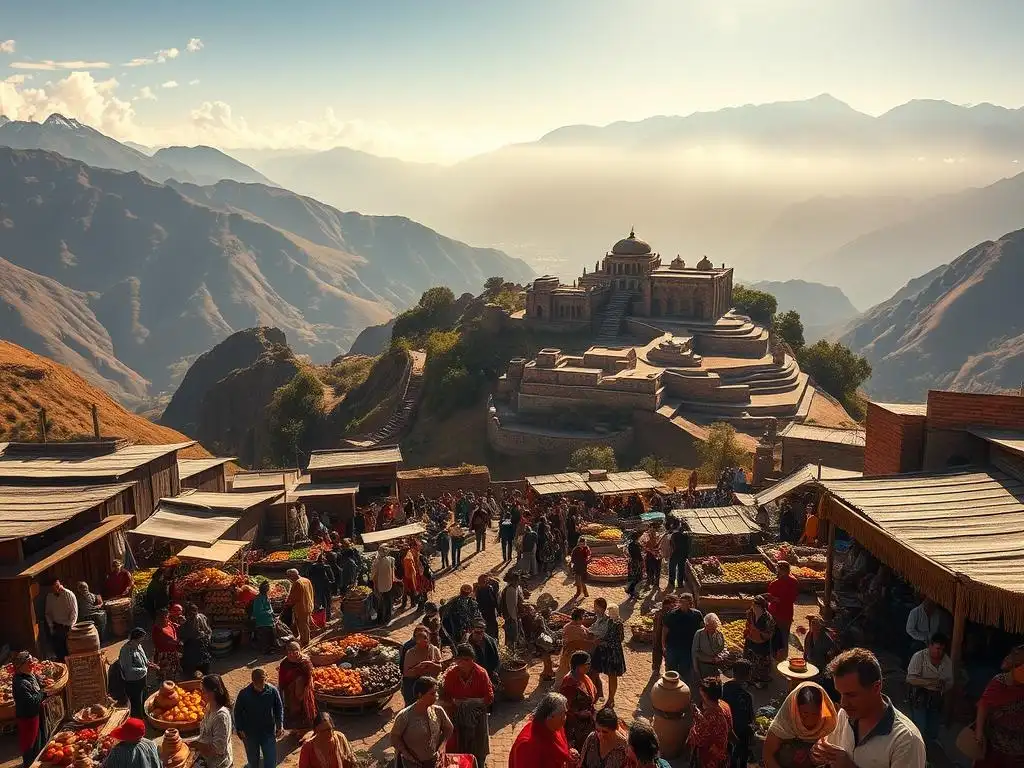
Step into a world lost to time, yet echoing with the whispers of empires. Discover the breathtaking legacy of the Andean civilizations, from the towering heights of Machu Picchu to the intricate artistry of the Nazca Lines. But beneath the surface of their dazzling achievements lies a complex story, one of striking contrasts.
How did vast disparities in power and wealth shape the lives of those who built these magnificent societies? Explore the intriguing realities of Andean civilizations social inequality and uncover the surprising truth behind the gap between elite and commoner. Journey with us to unravel the mysteries of a civilization defined not only by its grandeur, but also by its inherent social divisions.
The study of Andean civilizations reveals a complex tapestry woven with threads of both remarkable ingenuity and stark social inequality. While renowned for their sophisticated agricultural techniques, intricate textiles, and awe-inspiring architecture, these societies were also characterized by a significant gap between the elite ruling classes and the commoners who formed the backbone of their labor force.
This article delves into the multifaceted nature of social inequality in the Andes, exploring the structures that maintained this hierarchy and the consequences for the vast majority of the population. We will examine the various Andean societies, including the Incas, Moche, Nazca, and Tiahuanaco, to understand the commonalities and differences in their social stratification, revealing how power was distributed and maintained across these ancient cultures.
Understanding this social inequality is crucial to fully appreciating the complexities and nuances of Andean civilizations and their lasting legacies. The exploration of this topic will illuminate the intricate interplay between political power, religious beliefs, economic systems, and social structures that defined life in the Andes for centuries.
Social stratification in the Andes wasn't a monolithic system; it varied across different civilizations and time periods. However, a common thread running through most Andean societies was the clear distinction between a privileged elite and a larger population of commoners. The elite, often comprising priests, rulers, and nobles, enjoyed significant advantages: access to the best resources, privileged treatment within the legal system, and often, control over the labor of others.
Commoners, on the other hand, were responsible for the vast majority of agricultural production, construction projects, and other essential tasks that sustained the society. This division wasn't always rigidly defined, with some degree of social mobility potentially existing in certain contexts. However, the overall structure remained hierarchical, with the elite maintaining a dominant position throughout most of Andean history.
Archaeological evidence, such as the elaborate burials of elite individuals contrasted with the simpler burials of commoners, clearly demonstrates this social disparity. Furthermore, the distribution of artifacts and the remains of dwellings also reveal significant differences in wealth and status.
Several factors contributed to the establishment and maintenance of social hierarchies in the Andes. Religious beliefs played a crucial role, with priests and religious leaders often holding considerable power and influence. In many cases, the elite claimed divine lineage or a special connection to the gods, legitimizing their authority and reinforcing their privileged status.
Control over resources, particularly land and water, was another key factor. Those who controlled access to these essential resources held significant power over the population, able to command labor and extract tribute. The development of sophisticated agricultural techniques, such as terracing and irrigation, further enhanced the power of the elite, who often controlled these crucial technologies and the land where they were implemented.
Military strength also played a significant role, particularly in societies like the Inca Empire, where military success often led to increased power and prestige for those who commanded the armies. The Inca's highly centralized system, with its vast network of roads and administrative structures, further solidified the power of the imperial elite. The intricate system of tribute and labor obligations imposed upon commoners served to maintain the social hierarchy and sustain the elite lifestyle.
The Power Dynamics of Ancient Andean Societies
The power dynamics in Andean societies were complex and often involved a combination of coercion and consent. While the elite held the ultimate authority, they often employed strategies to maintain social order and legitimacy. Elaborate rituals, festivals, and public works projects served to reinforce the power of the ruling class and create a sense of shared identity and purpose.
The construction of monumental architecture, such as the impressive structures at Machu Picchu or Tiahuanaco, demonstrated the power and wealth of the elite while simultaneously providing employment and potentially fostering loyalty among commoners. However, the system also relied on coercion, with commoners subjected to demanding labor obligations and strict social controls. Evidence suggests that punishments for infractions could be severe, further emphasizing the power imbalance between the elite and the commoners.
Understanding these power dynamics is crucial to gaining a complete picture of Andean social structures and the lived experiences of those who inhabited these ancient societies. The interplay between coercion, consent, and religious ideology shaped the social fabric of the Andes, leaving a lasting mark on the region's history and culture. Further research into specific Andean societies could reveal more nuanced aspects of their power structures and social inequalities.
The Elite Class in Andean Civilizations: Privileges and Power
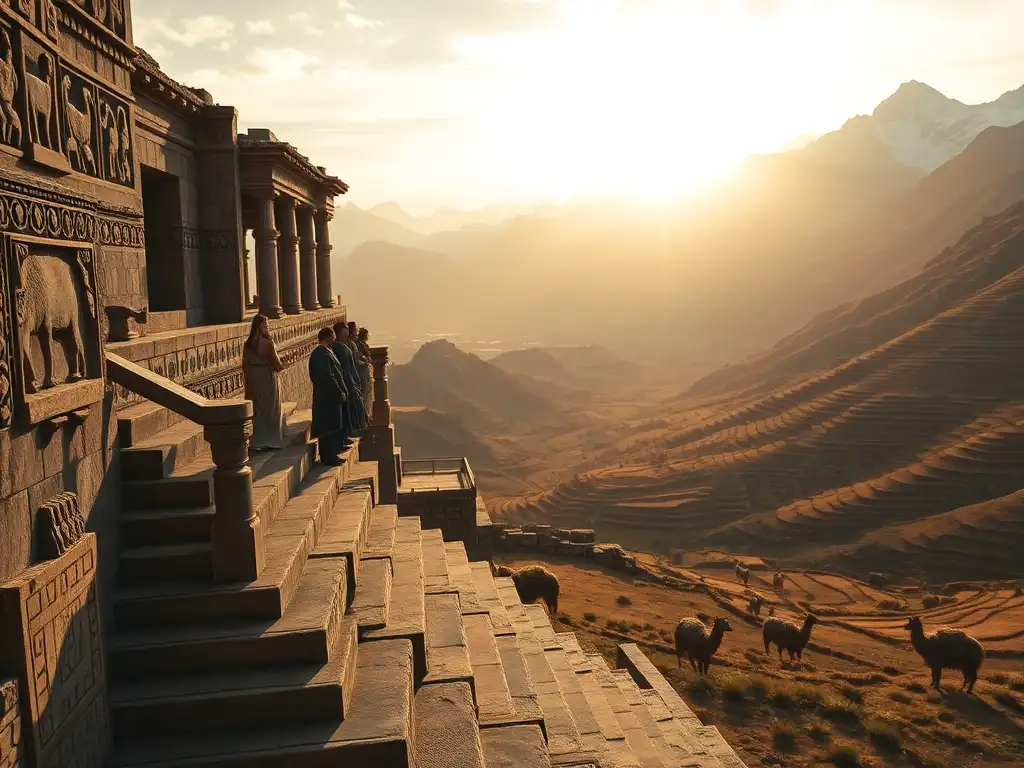
The study of Andean civilizations social inequality reveals a stark contrast between the lives of the elite and the commoners. While the vast majority of the population toiled in agriculture and other essential tasks, a small, powerful elite controlled resources, dictated social norms, and enjoyed a significantly higher standard of living. Understanding the privileges and power structures of this ruling class is crucial to comprehending the complexities of Andean societies. This section will delve into the defining characteristics of the elite, their role in society, and their privileged access to resources.
Characteristics of the Andean Elite: Defining Features
The Andean elite, across various civilizations like the Inca, Moche, and Nazca, shared certain defining features, although the specific manifestations varied regionally and temporally. Their status was often hereditary, passed down through lineage and reinforced by religious and political authority. Key characteristics included:
- Access to specialized knowledge: Elite members often held privileged access to knowledge concerning astronomy, religion, and administration, solidifying their role as intermediaries between the divine and the common people. This knowledge gave them significant social and political power.
- Control over religious rituals: The elite often controlled and participated in elaborate religious ceremonies, further reinforcing their spiritual authority and social standing. They were seen as possessing unique connections to the supernatural world.
- Distinct material culture: Their superior lifestyle was reflected in their material possessions. Fine textiles, gold and silver ornaments, elaborate ceramics, and impressive architecture served as markers of their elevated social status. Archaeological evidence consistently reveals differences in burial practices, housing quality, and the types of artifacts associated with elite individuals.
- Political power and administrative roles: The elite held key administrative and political positions, controlling the distribution of resources, labor, and land. Their influence shaped the laws, policies, and overall direction of society. This control ensured the continuation of their privileged position.
The elite were not a monolithic group; internal hierarchies existed within the elite class itself, with varying degrees of power and influence among different families or lineages. Further research is needed to fully understand the nuances of these internal power dynamics.
The Role of the Ruling Class in Andean Society
The Andean elite played a multifaceted role in society, acting as religious leaders, political administrators, and economic controllers. Their actions significantly impacted the lives of commoners.
- Religious leadership: They acted as intermediaries between the gods and the people, conducting rituals and interpreting religious omens. This role gave them immense power and influence, justifying their privileged position.
- Political administration: They organized and directed the workforce, oversaw public works projects (like irrigation systems and monumental architecture), and maintained social order. Their administrative skills were essential for the functioning of the state.
- Economic control: The elite controlled access to crucial resources, including land, water, and labor. This control allowed them to amass wealth and maintain their privileged lifestyle while directing the production and distribution of goods throughout the empire.
The elite's role wasn't simply extractive; they also provided essential services, such as organizing large-scale projects beneficial to the entire society, although the benefits were clearly disproportionately distributed. The balance between their contributions and their exploitative practices remains a subject of ongoing debate amongst scholars of Andean civilizations.
Access to Resources and Privileges of the Andean Elite
The Andean elite enjoyed unparalleled access to resources and privileges unavailable to the commoners. This disparity created a significant social and economic gap.
| Resource/Privilege | Elite Access | Commoner Access |
|---|---|---|
| Land | Extensive landholdings, often the best farmland | Limited or no land ownership; worked communal lands |
| Food | High-quality and diverse diet, including luxury items | Basic diet, often reliant on staple crops |
| Textiles | Fine textiles, unique designs, and luxurious materials | Coarse textiles, basic designs |
| Ornaments/Jewelry | Gold, silver, precious stones | Few or no ornaments |
| Housing | Large, well-built houses, often in strategic locations | Small, simple dwellings |
| Labor | Access to a large labor pool for construction and agriculture | Obligated to provide labor for the elite |
This table highlights the stark contrast in living standards. The elite’s access to superior resources and labor ensured their comfort and power, while the commoners were often subjected to strenuous labor and limited access to essential resources. This system of inequality was fundamental to the structure of Andean societies, shaping their social, economic, and political landscapes. The extent of this inequality, and its impact on social mobility, remains a rich area for further investigation within the study of Andean civilizations social inequality.
The Influence of the Elite on Andean Art and Culture
The elite class in Andean civilizations exerted a profound influence on the artistic and cultural landscape, shaping aesthetic preferences and directing the production of art to reflect their power and status. Their patronage fueled the creation of magnificent textiles, intricate pottery, and monumental architecture, all serving as potent symbols of their dominance.
The intricate gold and silver work, often depicting religious motifs and scenes of power, were exclusively accessible to the elite, further highlighting their privileged position within society. The stylistic choices evident in elite-commissioned artwork, from the meticulous detail in textile weaving to the grandeur of stone carvings, differed significantly from the simpler, more functional art produced by commoners.
This difference wasn't simply a matter of aesthetics; it was a deliberate strategy to visually reinforce social hierarchies. The elite's control over resources, including skilled artisans and precious materials, allowed them to commission works of unparalleled quality and complexity. These artistic creations weren't just decorative; they were powerful tools of propaganda, reinforcing their legitimacy and divine right to rule.
Consider the elaborate burial sites of elite individuals, filled with exquisite artifacts and offerings – these weren't merely graves, but carefully constructed statements of power and prestige, designed to impress and intimidate both the living and the dead. The sheer scale of some of these sites, like the royal tombs at Sipán, speaks volumes about the resources and manpower at the elite's disposal.
Furthermore, the elite's influence extended beyond the purely visual. They controlled the narratives and myths that shaped Andean culture, often commissioning songs, poems, and religious ceremonies that glorified their lineage and achievements. Oral traditions, meticulously preserved and passed down through generations, served to legitimize their rule and reinforce the social order.
These narratives often intertwined the elite with the divine, portraying them as descendants of gods or intermediaries between the human and spiritual realms. Such narratives, disseminated through ritual and performance, cemented the elite's position as essential to the well-being of the entire society. This carefully constructed image was crucial in maintaining social stability and ensuring the continued dominance of the elite class.
The control over artistic expression and narrative construction was a key mechanism by which the Andean elite maintained their social and political power. The resulting art and culture, therefore, provide invaluable insights into the complexities of power dynamics within these ancient societies.
The Commoner's Experience in Andean Societies: Life and Labor
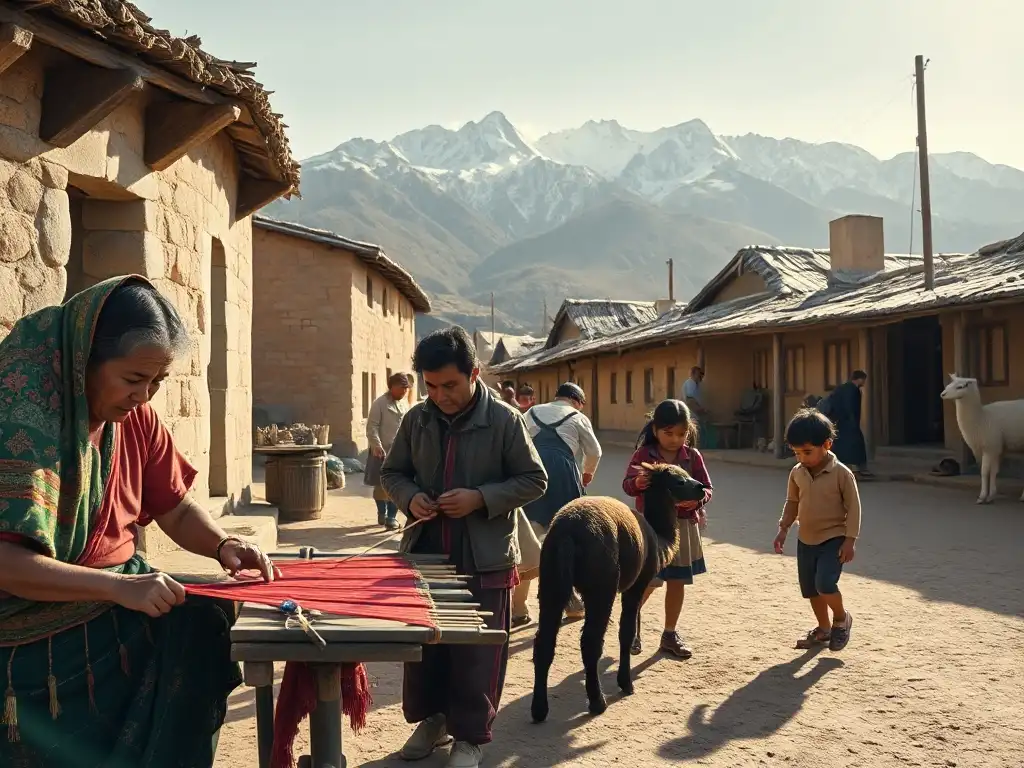
This section delves into the daily realities of the commoners within various Andean civilizations, focusing on their lives, labor, and limited social mobility. Understanding their experiences provides crucial context for analyzing the vast social inequality prevalent across these societies. The term "commoner" encompasses a broad spectrum of individuals, from farmers and artisans to those involved in less specialized labor.
However, a common thread unites them: their subordinate position within the rigid social hierarchies of the Andes. Analyzing the lives of these individuals offers valuable insight into the complex dynamics of Andean social structures and the pervasive nature of "Andean civilizations social inequality."
The Daily Life of Commoners in Andean Civilizations
The daily life of an Andean commoner was largely dictated by agricultural cycles and the demands of their community. Subsistence farming, primarily cultivating potatoes, maize, and quinoa, was central to their existence. Their days were filled with arduous physical labor, from planting and harvesting crops to tending livestock like llamas and alpacas. Housing varied considerably depending on location and available resources, ranging from simple mud-brick structures to more elaborate dwellings in larger settlements.
Evidence from archaeological sites suggests a relatively simple material culture, with everyday objects primarily focused on practical functionality. Textiles, pottery, and basic tools constituted the majority of their possessions. While communal activities and religious festivals provided moments of social interaction and celebration, the commoner's life was predominantly characterized by hard work and a struggle for survival.
The stark contrast between this reality and the opulence enjoyed by the elite further highlights the significant "Andean civilizations social inequality." We can observe this through the disparity in burial goods found in archaeological excavations. Elaborate tombs filled with gold and precious artifacts for the elite stand in stark contrast to the simple, unadorned burials of commoners.
Labor and Obligations of the Andean Working Class
Commoners in Andean societies were bound by a complex system of obligations and labor contributions to the ruling elite and the state. This system varied across different civilizations but generally involved forms of tribute, taxation, and mandatory labor service – mita being a notable example in the Inca Empire. The mita system required commoners to dedicate a portion of their time to public works projects, such as road construction, mining, and agricultural production for the state.
This often meant long periods away from their families and homes, placing immense strain on their resources and well-being. Beyond the mita, commoners also contributed labor to their local communities, participating in communal projects and assisting their leaders. This system, while sometimes contributing to infrastructure development, fundamentally reinforced social stratification, ensuring the elite's continued control and access to resources.
The uneven distribution of labor and its consequences significantly impacted the extent of "Andean civilizations social inequality". For instance, archaeological evidence suggests that the construction of monumental structures, such as Machu Picchu, relied heavily on the forced labor of commoners, a clear indicator of the power imbalance.
Social mobility within Andean civilizations was severely restricted. While exceptional individuals might achieve a degree of upward movement through exceptional skill or service to the elite, this was far from commonplace. The rigid social hierarchy, reinforced by religious beliefs and cultural practices, largely prevented commoners from escaping their predetermined social status.
Access to education, specialized skills, and political influence were predominantly reserved for the elite, further limiting opportunities for advancement. The inheritance system, often tied to land ownership and social standing, also perpetuated the cycle of inequality across generations. Though some limited forms of social mobility might have existed, the overall system was designed to maintain the existing power structure and the significant chasm of "Andean civilizations social inequality".
The lack of widespread social mobility is evidenced by the consistent patterns observed in burial practices and material culture across different social strata, highlighting the persistent disparities in wealth and status across generations. Further research into specific case studies from different Andean societies could illuminate the nuances of social mobility, potentially revealing specific instances of upward or downward movement within the context of the prevailing social structures.
The stark social stratification within Andean civilizations profoundly impacted the lives of commoners. Their daily existence was shaped by the demands of the elite, resulting in limited access to resources and opportunities. The constant need to fulfill labor obligations, often involving backbreaking agricultural work or construction projects for the benefit of the ruling class, left little time for personal pursuits or economic advancement.
This relentless cycle of toil resulted in a precarious existence, vulnerable to famine, disease, and exploitation. Evidence from archaeological sites reveals a stark contrast between the opulent lifestyles of the elite, reflected in elaborate tombs and finely crafted artifacts, and the simpler, often meager, possessions of commoners. This disparity was not merely material; it manifested in limited access to education, healthcare, and even basic necessities like nutritious food and adequate shelter.
The psychological impact of this systemic inequality, coupled with the inherent powerlessness of the commoner class, is difficult to fully assess, but its consequences undoubtedly shaped the social fabric of these societies. Furthermore, the constant threat of punishment for perceived infractions or failure to meet labor quotas further entrenched the power imbalance and fueled a cycle of dependence and subservience. We can see this reflected in the relatively homogenous nature of commoner settlements compared to the elaborate and differentiated structures of elite centers.
The impact extended beyond the individual to the community as a whole. The constant drain of resources and labor towards elite projects often hindered the development of commoner communities. This meant less investment in infrastructure, irrigation systems, and other projects that could have improved their quality of life.
This is supported by anthropological studies comparing the development of different communities within the same Andean region – those closer to centers of elite power often showing signs of greater exploitation and less internal development compared to more remote communities. The lack of economic autonomy also limited the ability of commoner communities to adapt to environmental changes or economic shocks. Their dependence on the ruling class left them particularly vulnerable during periods of drought, crop failure, or other crises.
This vulnerability further reinforced the power dynamic and highlighted the inherent risks associated with a system of profound social inequality. The limited agency of commoner communities in shaping their own destinies is a key characteristic of Andean social structures, a fact that historians continue to grapple with and analyze.
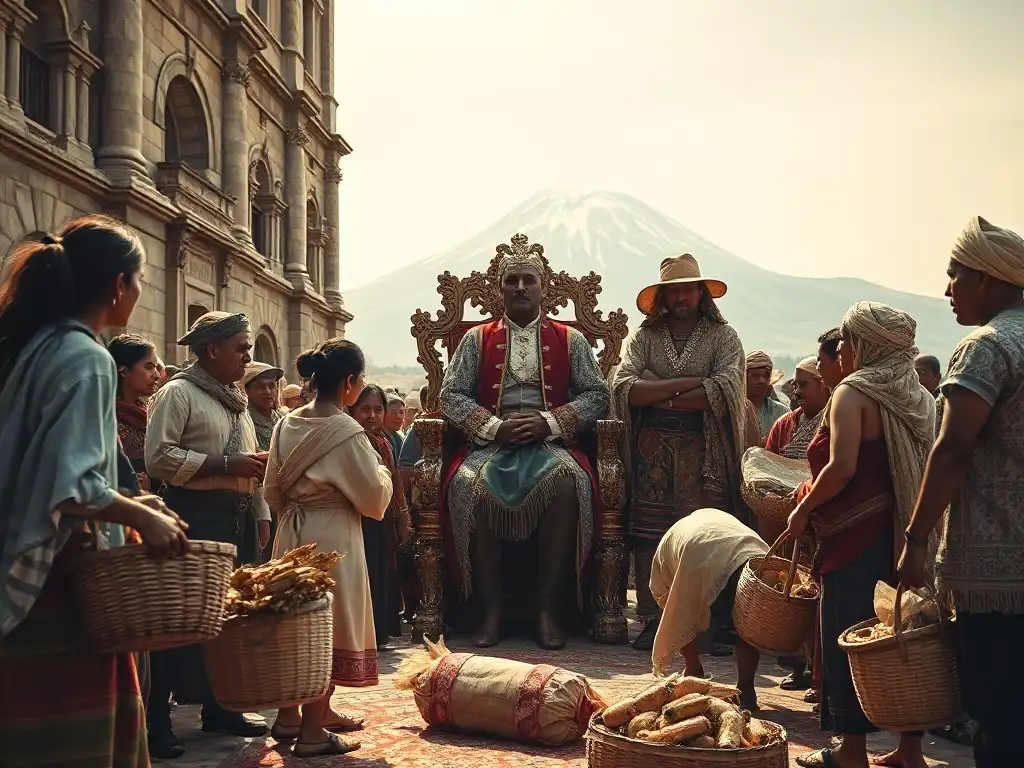
This section delves into the tangible and intangible ways social inequality manifested itself within Andean civilizations. While the specifics varied across different cultures and time periods (Inca, Moche, Nazca, Tiahuanaco, etc. ), a consistent pattern emerges: a stark contrast between the lives of the elite and the commoners. Understanding this disparity is key to grasping the complexities of Andean social structures and their lasting impact. The term "Andean civilizations social inequality" encapsulates this pervasive societal feature.
Unequal Distribution of Wealth and Resources in Andean Societies
The chasm between the elite and commoners was starkly evident in the unequal distribution of wealth and resources. Elite members, often comprised of religious leaders, political officials, and their families, controlled access to the most fertile lands, the best livestock (llamas and alpacas), and the most valuable resources like precious metals (gold and silver) and textiles. Commoners, on the other hand, often worked the less productive lands and received a smaller share of the agricultural surplus.
Archaeological evidence strongly supports this disparity. Elaborate tombs containing lavish grave goods – gold ornaments, finely woven textiles, and ceramics – are frequently found associated with elite burials. These starkly contrast with the simpler burials of commoners, often lacking such luxury items.
For example, the Moche culture's monumental architecture and elite grave goods demonstrate a significant concentration of wealth and resources in the hands of a powerful few. This unequal access to resources directly impacted the quality of life, nutrition, and overall well-being of different social strata. Furthermore, the control of irrigation systems, a vital component of Andean agriculture, was often concentrated in the hands of the elite, further solidifying their power and influence.
Consider the following table illustrating the hypothetical distribution of resources:
| Resource Category | Elite Access (%) | Commoner Access (%) |
|---|---|---|
| Fertile Land | 80 | 20 |
| Llamas & Alpacas | 75 | 25 |
| Precious Metals | 95 | 5 |
| Fine Textiles | 90 | 10 |
| Access to Irrigation | 98 | 2 |
This is a simplified representation, and the exact proportions varied considerably depending on the specific Andean civilization and the historical period. However, it highlights the significant imbalance in resource control.
Differing Access to Education and Opportunities
Beyond material wealth, social inequality in Andean societies also manifested in unequal access to education and opportunities. While the precise nature of education varied across cultures, the elite generally received a more specialized and advanced form of education than commoners. This education often focused on religious practices, administrative skills, and the arts. Such training prepared the elite for leadership roles within their communities.
Commoners, on the other hand, typically received a more practical education, focused on agricultural techniques, craft skills (e.g., weaving, pottery), and basic religious knowledge. Their opportunities were largely limited to the tasks assigned to their social group. This meant limited social mobility and a lack of access to positions of power or influence. The concentration of knowledge and expertise within the elite further reinforced the existing social hierarchy. The limited literacy among commoners, compared to the scribes and record-keepers within the elite, also contributed to this imbalance of power.
Lineage and ancestry played a crucial role in determining social status within Andean societies. Membership in certain clans or lineages often granted individuals preferential access to resources, positions of authority, and prestigious social roles. This hereditary system solidified social stratification, passing privileges and disadvantages down through generations. The concept of ayllu within Inca society exemplifies this, where kinship ties and lineage determined social responsibilities and access to resources within a community.
The elite families often traced their ancestry back to mythical founders or powerful ancestors, using this lineage to legitimize their claims to power and privilege. This emphasis on ancestry contributed to the rigidity of the social hierarchy, making social mobility exceptionally difficult. Commoners, regardless of their individual talents or achievements, found it incredibly challenging to transcend their predetermined social standing.
The intricate system of mit'a (labor tribute) in the Inca Empire, while benefiting the state, also reinforced the existing social order by obligating commoners to work for the elite and the state. This system, while crucial for infrastructure projects, also highlighted the unequal distribution of labor and its consequences.
Contrasting Lifestyles: Elite vs. Commoner in the Andes
The stark contrast between the lifestyles of the Andean elite and the commoners is a powerful testament to the significant social inequality that permeated these societies. Elite members, often comprised of priests, nobles, and rulers, enjoyed a life of unparalleled luxury and privilege, sharply contrasting with the hardships faced by the vast majority of the population. This disparity wasn't merely a matter of