
Beyond Gold and Glory: The Everyday Crafts and Trades of the Moche People

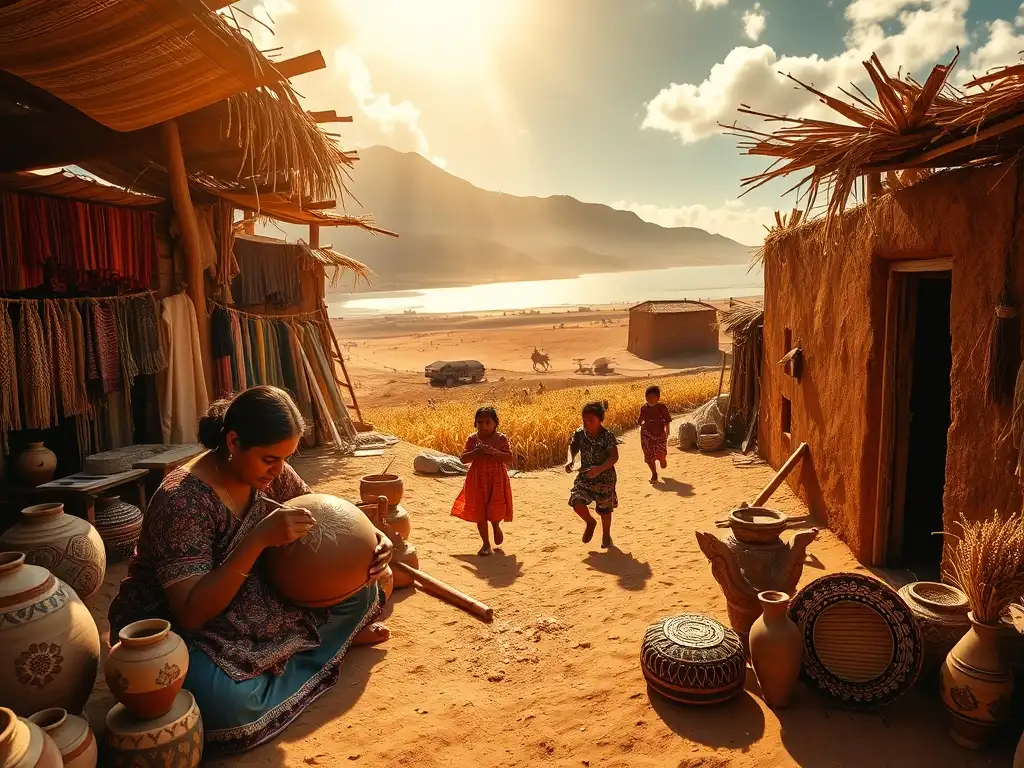
Dive into a world lost to time, yet echoing with vibrant life. Forget the glittering gold and towering monuments – we unveil the intriguing secrets of Moche daily life crafts, revealing the artistry and ingenuity woven into the very fabric of their society. Discover how these ancient Andean masters shaped their world through everyday objects, and uncover the surprising stories hidden within their breathtaking creations. Prepare to be amazed by the artistry and resilience of the Moche people – their legacy awaits exploration.
- Beyond Gold and Glory: Everyday Crafts and Trades of the Moche People
- Moche Daily Life Crafts: Essential Skills and Industries
- The Importance of Moche Artisans and Tradespeople
-
Frequently Asked Questions
- What kind of crafts were commonly produced in Moche daily life?
- How did Moche crafts reflect their social structure?
- What materials did the Moche utilize in their craft production?
- Were Moche crafts purely functional, or did they have symbolic meaning?
- Where can I learn more about Moche daily life crafts?
- Final Reflection: Weaving the Threads of Moche Life
- **Unveil the Wonders of Moche Craftsmanship! **
Beyond Gold and Glory: Everyday Crafts and Trades of the Moche People
The shimmering gold and elaborate ceramics of the Moche civilization often overshadow the intricate tapestry of daily life that sustained this remarkable Andean culture. This article delves beyond the iconic imagery, exploring the everyday crafts and trades that formed the backbone of Moche society (circa 100-800 CE). We will uncover the ingenuity and skill of the Moche people, revealing how their mastery of agriculture, fishing, and diverse crafts not only ensured their survival but also shaped their unique cultural identity.
Understanding their daily routines provides crucial context to appreciating the grandeur of their artistic achievements and the complexity of their social structures, offering a more complete picture of Moche life beyond the glittering gold and imposing pyramids. This exploration of "Moche daily life crafts" will illuminate the vibrant and industrious world of this fascinating ancient civilization.
Introduction to Moche Society and Daily Life
The Moche, inhabiting the arid northern coast of modern-day Peru, developed sophisticated strategies for survival in a challenging environment. Their society was highly stratified, with a powerful elite controlling resources and religious practices. However, the vast majority of the population were involved in the production of goods and services vital to the Moche way of life. Their social organization was deeply intertwined with their economic activities, with specialized crafts and trades playing a crucial role in maintaining the social hierarchy and the functioning of the state.
Evidence suggests a complex system of labor organization, possibly involving specialized workshops and communal projects. The Moche's impressive infrastructure, including irrigation canals and monumental architecture, underscores the scale and sophistication of their collective efforts. Their society was not merely a collection of artisans and farmers; it was a dynamic interplay of specialized skills and collaborative endeavors.
The Backbone of Moche Economy: Agriculture and Fishing
The Moche economy was fundamentally built upon the efficient exploitation of coastal resources. The arid climate necessitated innovative agricultural techniques, while the rich marine environment provided a significant source of protein and other essential resources. These two pillars – agriculture and fishing – supported the population and fueled the development of other crafts and specialized trades.
The remarkable integration of these sectors showcases the Moche's understanding of their environment and their ability to adapt and thrive in a demanding landscape. This symbiotic relationship between land and sea is a key to understanding the overall prosperity and cultural richness of the Moche civilization.
Moche Agricultural Practices: Techniques and Crops
Moche agricultural practices were astonishingly advanced for their time. They developed extensive irrigation systems, channeling water from rivers and streams to irrigate vast areas of otherwise unproductive land. These systems, often involving intricate canals and reservoirs, allowed them to cultivate a variety of crops, including maize (corn), beans, squash, cotton, and chili peppers.
The sophisticated management of water resources was essential for their survival and facilitated the growth of a surplus, allowing for specialization of labor and the development of complex social structures. Archaeological evidence reveals the meticulous planning and engineering involved in these irrigation projects, highlighting the Moche's organizational capabilities and their deep understanding of hydrology. Their agricultural prowess was not simply a matter of survival; it was a cornerstone of their cultural identity and social organization.
Coastal Fishing: Resources and Methods of the Moche People
The Pacific Ocean provided the Moche with an abundant source of food, including fish, shellfish, and seabirds. They employed a variety of fishing techniques, ranging from simple hook-and-line fishing to the use of nets and traps. Evidence suggests that they also utilized specialized boats, possibly crafted from reeds or wood, to venture further offshore. The abundance of fish remains found in Moche sites underscores the importance of fishing in their diet and economy.
The sea provided not only sustenance but also materials for crafting tools, ornaments, and other essential goods. The Moche's expertise in fishing highlights their adaptability and resourcefulness, showcasing their ability to exploit the resources of both land and sea to ensure their survival and prosperity. Furthermore, the abundance of fish likely supported a thriving trade network, connecting the Moche to other coastal communities.
Moche Daily Life Crafts: Essential Skills and Industries
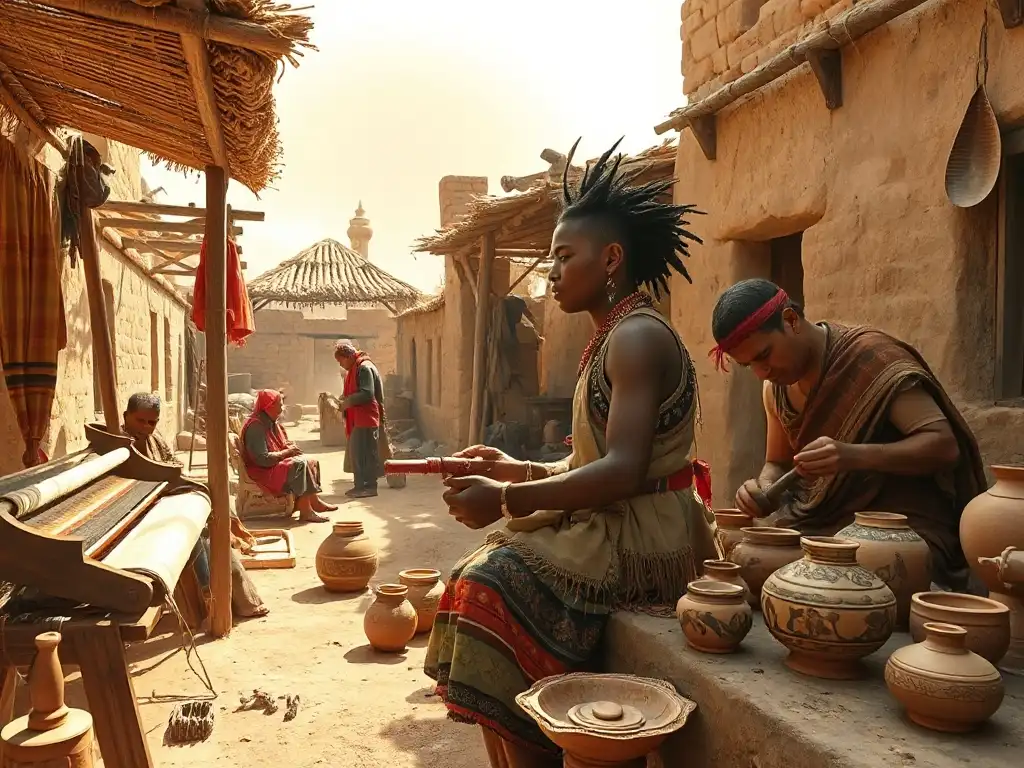
The Moche civilization, flourishing along the northern coast of Peru from approximately 100 to 800 CE, was far more than a society obsessed with warfare and elaborate tomb offerings. A vibrant economy supported its complex social structure, fueled by a diverse range of crafts and trades essential to daily life. Understanding these everyday crafts provides a richer understanding of Moche culture, revealing the ingenuity and skill of its people beyond the glittering gold and silver often associated with their elite.
This section will delve into two key aspects of Moche daily life: pottery and textile production, illuminating the skills, techniques, and societal roles involved in their creation. Analyzing "Moche daily life crafts" reveals a sophisticated and interconnected society.
Pottery: More Than Just Vessels in Moche Culture
Moche pottery is renowned for its exquisite artistry and detailed depictions of daily life, rituals, and mythology. However, its significance extended far beyond mere aesthetic appeal. Ceramic vessels served a multitude of crucial functions within Moche society, from utilitarian objects for everyday use to prestigious items reflecting social status.
Moche Ceramic Art: Forms, Decoration, and Function
Moche potters were masters of their craft, producing an astonishing variety of ceramic forms. From simple bowls and jars for food storage and cooking to elaborate stirrup-spout vessels used in ceremonies, the functionality of each piece was carefully considered. The decoration, often incredibly intricate, was applied using a range of techniques, including painting, modeling, and incision. Common motifs included depictions of humans, animals, plants, and mythical creatures, often narrating stories or illustrating aspects of Moche beliefs.
The quality of the pottery, the complexity of the designs, and the materials used often indicated the social status of the owner. For example, finely-painted stirrup-spout vessels were likely reserved for elite members of society, while simpler, undecorated vessels served the needs of the wider population. Analysis of these vessels reveals a nuanced understanding of Moche social hierarchy and daily practices.
The Role of Moche Potters in Society
The creation of Moche pottery was not a solitary endeavor. Evidence suggests specialized workshops existed, employing skilled potters who likely held a respected position within their communities. The production of high-quality pottery required significant skill and training, passed down through generations. The potters' role was vital, ensuring the availability of essential vessels for food storage, water transport, and ceremonial use.
Their expertise was crucial to the functioning of Moche society, contributing directly to the daily lives of its people. Further research is needed to fully understand the social organization of Moche pottery production, including potential guild structures or apprenticeship systems. [Specific information pending on Moche potter social structure].
Textile Production: Weaving, Spinning, and Dyeing
Alongside pottery, textile production played a significant role in Moche daily life. The Moche people were skilled weavers, producing a wide range of textiles for clothing, household items, and ceremonial purposes. The production process involved several stages, from the harvesting of fibers to the dyeing and finishing of the woven fabrics.
Moche Textile Techniques: Materials and Patterns
Moche textiles were primarily made from cotton, a plant readily cultivated in the coastal region. However, other fibers, such as camelid wool (llama and alpaca), might have also been used, especially for finer garments. The Moche employed sophisticated weaving techniques, including tapestry weaving and brocade, to create intricate patterns and designs.
Common motifs included geometric patterns, stylized depictions of animals and plants, and representations of human figures. The use of natural dyes derived from plants and minerals resulted in a vibrant array of colors, further enhancing the aesthetic appeal of the textiles. The precision and artistry displayed in Moche textiles are a testament to the skill and patience of the weavers.
The Significance of Textiles in Moche Daily Life
Textiles were an integral part of Moche daily life, serving both practical and symbolic functions. Clothing made from woven fabrics provided protection from the elements, and textiles were also used to create household items such as bags, mats, and blankets. Furthermore, textiles played a significant role in religious ceremonies and rituals, with elaborate garments and decorative textiles used to adorn priests and other important figures.
The quality and intricacy of the textiles often reflected the social status of the wearer or owner, highlighting the importance of textile production within the Moche social hierarchy. The discovery of well-preserved textiles in Moche tombs provides invaluable insights into their production techniques and their role in Moche society. Analyzing these textiles offers a deeper understanding of "Moche daily life crafts" and their cultural significance.
Metallurgy: Working with Metals Beyond Gold
The Moche civilization is renowned for its mastery of metallurgy, a skill that extended far beyond the creation of the iconic gold artifacts often associated with them. While gold certainly held significant symbolic value, the Moche's metalworking expertise encompassed a wider range of metals and applications, reflecting their sophisticated understanding of material science and their ingenuity in adapting available resources to meet diverse needs. Their metalworking prowess contributed significantly to their daily life, from creating practical tools to producing elaborate ceremonial objects.
The techniques employed reveal a deep understanding of alloying, casting, and hammering, demonstrating a high level of technological advancement for their time. The widespread use of metal in various aspects of Moche society underscores its importance as a vital industry that permeated many facets of their daily lives. The Moche's skill in metallurgy wasn't merely about aesthetics; it was integral to their economic and social fabric.
Moche Metalworking: Copper, Silver, and Alloys
Beyond gold, copper and silver were the primary metals used by Moche artisans. Copper, readily available in the Andean region, served as a base for many tools and implements.
The Moche were adept at creating alloys, combining copper with other metals like tin or arsenic to enhance the metal's properties, resulting in stronger and more durable tools. Silver, a rarer and more precious metal, was often used for decorative purposes or in the creation of elite objects, reflecting the societal hierarchy and the importance of status symbols within the Moche culture.
The precise techniques used in alloying, such as the proportions of each metal and the heat-treating processes, are still being studied by archaeologists, revealing the complexity and sophistication of their metallurgical knowledge. Analysis of surviving artifacts indicates that the Moche achieved a high level of control over the properties of their metal alloys, enabling them to produce items ranging from everyday tools to finely crafted ornaments.
The Creation of Practical Tools and Ornaments
Moche metalworking wasn't limited to decorative pieces. A significant portion of their metal production focused on the creation of practical tools essential for daily life, such as knives, needles, chisels, and awls. These tools facilitated various activities, from agriculture and fishing to textile production and woodworking. The durability and sharpness of these metal tools significantly improved the efficiency of these tasks, contributing to the overall productivity of Moche society.
However, the Moche also produced finely crafted ornaments and decorative items using metal, indicating a sophisticated understanding of aesthetics and artistry. The intricate designs and detailed craftsmanship evident in these artifacts showcase the high level of skill possessed by Moche metalworkers and their ability to combine functionality with artistic expression. The balance between practical and decorative metalwork highlights the multifaceted nature of this crucial Moche industry.
Other Moche Crafts and Trades: Supporting the Community
Beyond metallurgy, the Moche economy thrived on a diverse range of crafts and trades, each contributing to the overall well-being and functionality of their society. These skills weren't isolated but interconnected, reflecting the integrated nature of Moche social organization. The production of everyday necessities and luxury goods involved a complex network of specialized artisans, each contributing their expertise to the broader economic system.
The intricate interplay of these crafts ensured the provision of essential tools, resources, and goods for the community, illustrating the Moche's capacity for collaborative production and efficient resource management. The diverse range of crafts also reflects the rich cultural tapestry of Moche society, with each craft carrying its unique significance and artistic expression.
Basketry and Mat Making: Essential Household Items
Basketry and mat making were essential crafts within Moche society, providing a variety of household items and tools. These crafts utilized readily available plant fibers, showcasing both practicality and artistry. Baskets served as containers for food storage, transport, and ceremonial purposes. Mats provided bedding, flooring, and insulation, offering comfort and protection from the elements.
The techniques used in weaving these items were sophisticated, with variations in weave patterns and designs reflecting regional differences and stylistic preferences. The durability and functionality of these items are a testament to the skill and knowledge of Moche artisans in utilizing natural resources. Archaeological evidence reveals a wide array of basketry and mat types, demonstrating the adaptability of these crafts to meet diverse needs and preferences within Moche society.
Woodworking and Construction: Building Moche Structures
Woodworking played a crucial role in Moche construction and the creation of various tools and implements. The Moche skillfully utilized wood from various species, adapting their techniques to the properties of each type of wood. Their carpentry skills were essential in constructing their adobe brick houses, temples, and other structures.
They also crafted wooden tools, such as looms for weaving and agricultural implements, demonstrating their comprehensive understanding of woodworking techniques. The precise techniques employed in Moche woodworking, including joinery methods and surface finishing, are still being studied by researchers, revealing the complexity and precision of their craftsmanship. The durability and functionality of Moche wooden structures and tools underscore the importance of woodworking as a vital craft within their society.
Production of Tools and Implements for Daily Use
The production of tools and implements was a crucial aspect of Moche daily life, directly impacting their agricultural practices, fishing, textile production, and other essential activities. These tools were crafted from a variety of materials, including stone, bone, wood, and metal, reflecting the Moche's resourceful approach to utilizing available resources. The design and functionality of these tools were often highly specialized, reflecting the diverse needs of Moche society.
The creation of these essential tools involved a range of skills and techniques, highlighting the interconnectedness of various crafts within the Moche economy. The effectiveness and durability of these tools contributed significantly to the overall productivity and success of Moche society. The range and sophistication of these tools are a testament to the Moche's innovative spirit and their capacity to adapt their technologies to meet the demands of daily life.
The Importance of Moche Artisans and Tradespeople
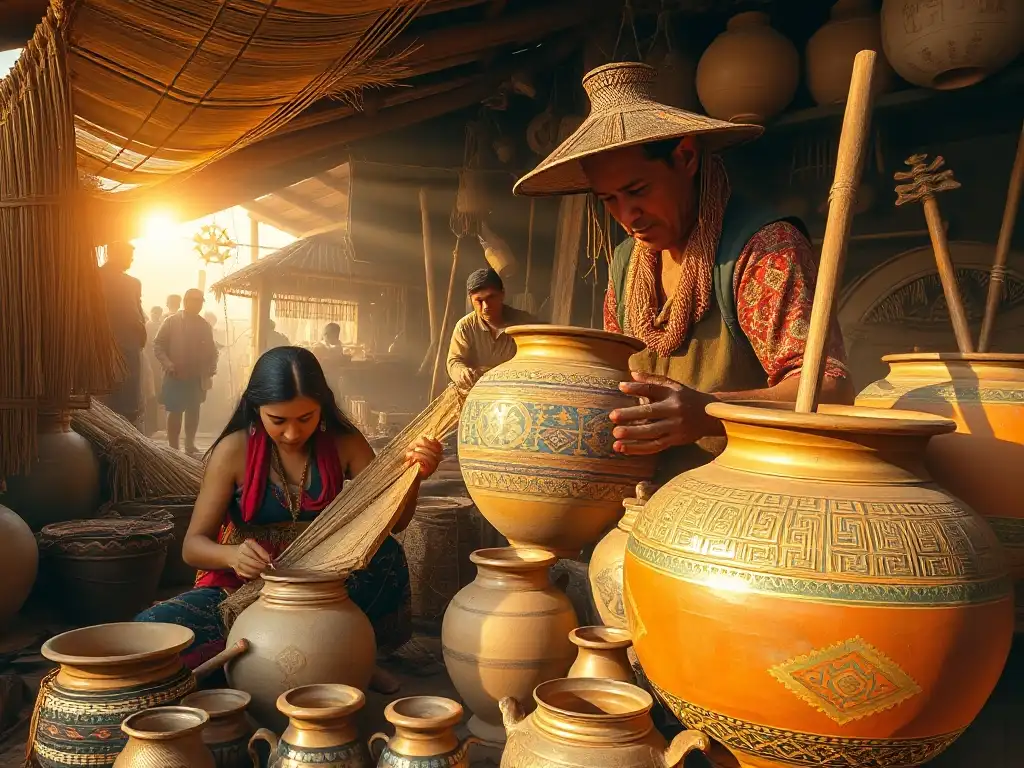
The Moche civilization (c. 100-800 CE) wasn't solely defined by its impressive monumental architecture and elaborate funerary practices. A robust and highly specialized artisan class formed the backbone of Moche society, contributing significantly to its economic prosperity and cultural identity. Their skills weren't merely decorative; they were essential for daily life, religious practices, and political power.
From the creation of intricate textiles and pottery to the crafting of sophisticated metalwork and the construction of irrigation systems, Moche artisans played a vital role in shaping their world. Understanding the importance of these craftspeople requires examining their social standing, their trade networks, and the enduring legacy of their skills. The keyword phrase "Moche daily life crafts" is directly reflected in the crucial role these artisans played in the daily functioning of Moche society.
Archaeological evidence suggests that Moche artisans held a respected position within their communities. While not necessarily members of the elite ruling class, they enjoyed a degree of social prestige reflected in their burial practices and the quality of their craftsmanship. Some artisans may have worked within specialized workshops, perhaps under the patronage of local rulers or temples. This organization suggests a level of planning and control over production, indicating a sophisticated economic system.
The intricate detail and high quality of many Moche artifacts—particularly their pottery and metalwork—point to years of dedicated training and specialization. We can infer a hierarchical structure within these workshops, with master artisans training apprentices, passing down knowledge and techniques through generations. This system ensured the continuity of Moche artistic traditions and the consistent high quality of their products.
Further research is needed to fully understand the internal organization of these workshops and the social mobility within the artisan class. For example, [specific details on artisan social hierarchy pending further archaeological analysis]. However, the available evidence strongly points towards a structured and respected role for Moche craftspeople.
Trade Networks: Distribution of Goods in Moche Society
The geographically dispersed nature of Moche settlements necessitates a complex system of trade networks to distribute the goods produced by their skilled artisans. While the exact mechanisms of this trade remain partially unclear, archaeological findings of Moche artifacts in distant locations suggest a wide-reaching exchange system. Pottery styles, for example, have been found far beyond the core Moche territory, indicating long-distance trade routes, potentially facilitated by specialized traders or through reciprocal exchange between communities.
The distribution of high-quality metalwork, particularly gold and silver objects, further underscores the existence of sophisticated trade networks. These networks weren't limited to luxury goods; everyday items like textiles and tools were likely also exchanged across the Moche region.
This widespread distribution of Moche crafts indicates a level of economic integration and social connection across a vast geographical area. The study of trade routes and exchange systems within the Moche civilization is ongoing, and [data on specific trade routes and exchanged goods pending].
Legacy of Moche Crafts: Influence on Subsequent Andean Cultures
The remarkable skills and artistic traditions of the Moche artisans left an indelible mark on subsequent Andean cultures. Many techniques and styles developed during the Moche period were adopted and adapted by later civilizations, particularly in the north coast of Peru. The sophisticated metalworking techniques, for instance, influenced the development of metalwork in the Chimú and Inca empires.
The distinctive Moche pottery styles, with their intricate depictions of daily life and mythology, served as a source of inspiration for later ceramic traditions. This continuity of artistic styles and techniques underscores the enduring impact of Moche craftsmanship. The legacy of Moche artisans is evident in the artistic traditions of later Andean societies, showcasing the lasting influence of their skills and innovations.
Analysis of stylistic similarities and technological advancements across different Andean cultures could provide a more comprehensive understanding of this cultural transmission. For instance, [detailed comparison of Moche and Chimú metalworking techniques pending]. The impact of Moche "daily life crafts" continues to resonate in the rich artistic heritage of the Andes.
Conclusion: The Enduring Impact of Moche Daily Life Crafts
The meticulous craftsmanship and diverse trades of the Moche people weren't merely functional; they were integral to their complex social fabric and worldview. Their pottery, textiles, and metalwork weren't just everyday objects; they were imbued with symbolic meaning, reflecting their beliefs and social hierarchies. The artistry displayed in even the humblest tools speaks volumes about the Moche dedication to skill and precision. This dedication wasn't limited to a select elite; evidence suggests a widespread appreciation for craftsmanship across different social strata.
The vibrant colors, intricate designs, and remarkable technical proficiency evident in surviving artifacts continue to inspire awe and fascination today. Studying Moche daily life crafts offers a unique window into their society, revealing a level of sophistication and artistry that surpasses many contemporary understandings of their civilization. The legacy of their skills and creativity continues to resonate, influencing modern artistic practices and providing invaluable insights into the ingenuity and resourcefulness of this remarkable ancient culture. Understanding the "Moche daily life crafts" is essential to grasping the totality of their sophisticated society.
Their artistry was not merely decorative; it was deeply interwoven with their religious beliefs, social structures, and economic systems. The survival of these artifacts allows us to connect with the Moche people on a tangible level, experiencing a glimpse into their daily lives and appreciating the enduring impact of their skills and creativity. The study of their crafts offers a uniquely intimate perspective on this captivating civilization, enriching our understanding of Andean history and culture beyond the grandeur of their monumental architecture and gold artifacts. Indeed, the everyday objects crafted by the Moche hands tell a powerful story of a society deeply connected to its environment and its rich spiritual traditions.
Frequently Asked Questions
What kind of crafts were commonly produced in Moche daily life?
The Moche produced a wide variety of everyday crafts, including pottery, textiles, and tools made from materials like wood, bone, and stone. These items were essential for their daily lives and reflect their sophisticated skills.
Moche craft production was likely specialized, with certain groups focusing on particular crafts. The quality and decoration of items could also indicate social status, with elite members possessing finer goods.
What materials did the Moche utilize in their craft production?
The Moche skillfully used readily available resources including clay, cotton, wool, and various metals like gold and copper. Their mastery of these materials is evident in the quality and durability of their crafts.
Were Moche crafts purely functional, or did they have symbolic meaning?
Moche crafts served both functional and symbolic purposes. Many objects were decorated with intricate designs, often depicting religious figures, animals, or scenes from daily life, reflecting their beliefs and worldview.
Where can I learn more about Moche daily life crafts?
You can explore museums with Moche collections, such as the Larco Museum in Lima, Peru, or research scholarly articles and books on Moche archaeology and material culture. Many online resources also offer valuable information.
Final Reflection: Weaving the Threads of Moche Life
The intricate artistry of the Moche people, far from being confined to their celebrated gold and silverwork, reveals a vibrant tapestry of daily life woven from countless crafts and trades. Their ingenuity and skill, evident in everything from pottery and textiles to metalworking and agriculture, offer a powerful testament to the complexity and resilience of their civilization. Understanding their everyday practices allows us to move beyond the romanticized image of a solely warrior-elite society and appreciate the contributions of all members of their community.
The enduring legacy of Moche craftsmanship continues to resonate today, inspiring artists, archaeologists, and historians alike. Their innovative techniques and artistic expressions, often imbued with deep spiritual and symbolic meaning, continue to be studied and admired. The meticulous detail in their ceramics, the vibrant colors of their textiles, and the sophisticated techniques of their metalwork all speak to a level of skill and dedication that is truly remarkable. The past is never dead. It's not even past.
– William Faulkner. This quote perfectly encapsulates the ongoing relevance of the Moche and their enduring influence on our understanding of ancient Andean cultures.
Consider, for a moment, the hands that shaped the clay, the fingers that wove the threads, the minds that conceived the intricate designs. You too are a part of this ongoing narrative of human creativity and innovation. Take a moment to appreciate the craftsmanship in your own life, the skills and artistry that surround you. Let the legacy of the Moche inspire you to value the everyday artistry that shapes our world, and to recognize the remarkable achievements of those who came before us.
**Unveil the Wonders of Moche Craftsmanship! **
Thank you for exploring the fascinating world of the Moche people! We hope you've gained a deeper understanding of their incredible artistry and the daily crafts that shaped their vibrant culture. Now, let's delve even further into this rich history.
Here are some ways to connect more deeply with the Moche legacy:
- **Explore local artisan markets and online shops** to discover traditional crafts inspired by Moche techniques. Support these artisans and bring a piece of history home!
- **Share your newfound knowledge** with friends and family, or on social media. Start a conversation about the significance of everyday art and trade in ancient cultures.
- Consider trying a **Moche-inspired craft** yourself. Whether it's pottery, weaving, or painting, experiencing these techniques firsthand will deepen your appreciation for their artistry.
What ancient craft or trade, reflecting the ingenuity of civilizations like the Moche, particularly excites you?