
Ayullu: The Foundation of Andean Social Organization and Kinship

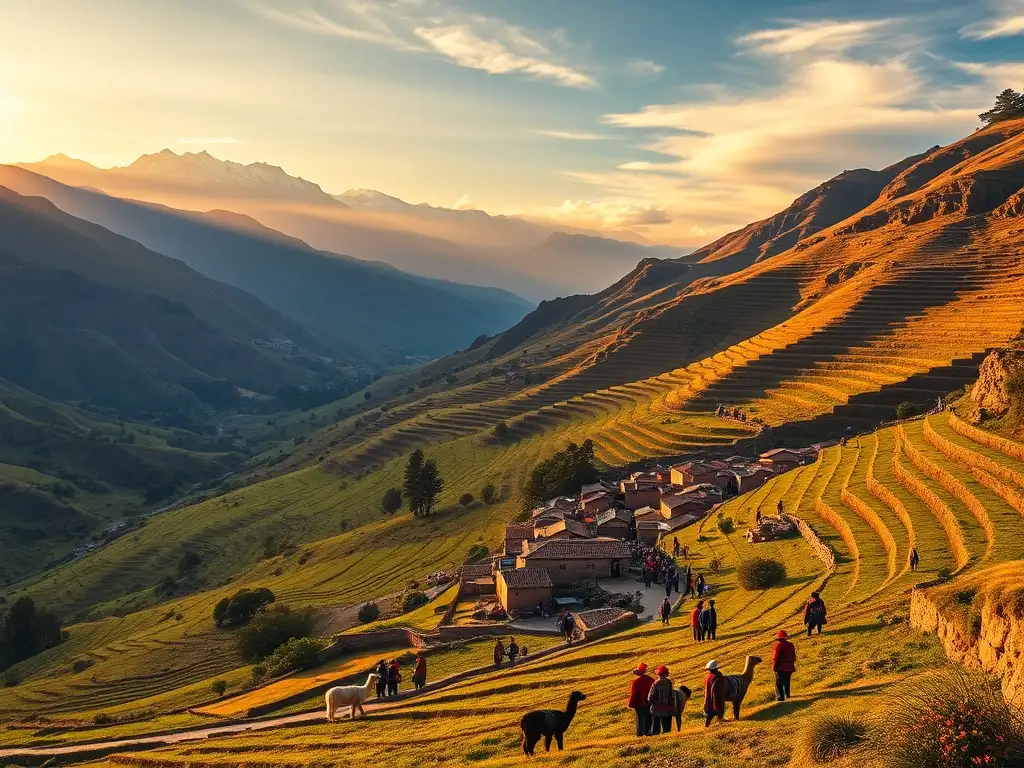
Unravel the mysteries of the Andes! Journey back in time to discover a world built on intricate social systems far beyond your imagination. Here, we delve into the fascinating Andean ayllu social structure, a cornerstone of Andean civilization that shaped everything from daily life to monumental achievements. Prepare to be captivated by the unique kinship ties and communal organization that defined these powerful societies – a story waiting to be uncovered. Explore the intricate web of the ayllu and understand its profound influence on the rise and fall of empires.
- Andean Ayllu: Exploring the Core of Andean Social Organization
- The Ayllu Definition: Kinship and Community in the Andes
- The Ayllu's Role in Andean Social Structure
- Ayllu Governance and Leadership
- Ayllu Economic Practices: Agriculture and Labor
- The Ayllu Across Different Andean Civilizations
- The Modern Ayllu: Continuity and Change
- The Significance of the Ayllu in Andean Studies
- Frequently Asked Questions
- Final Reflection: The Enduring Legacy of the Ayllu
- **Explore the Rich Tapestry of Andean Kinship! **
The Andean world, encompassing the vast territories of modern-day Peru, Bolivia, Ecuador, Colombia, Argentina, and Chile, was home to a complex tapestry of civilizations. Understanding these societies requires delving beyond the glittering gold and intricate textiles often associated with them. To truly grasp their societal dynamics, one must explore the fundamental building block of their social structure: the ayllu.
This article will delve into the intricacies of the Andean ayllu system, examining its role as the cornerstone of social organization, kinship ties, and economic cooperation, specifically focusing on how this system shaped the social fabric of civilizations like the Inca, Moche, Nazca, and Tiahuanaco. Understanding the ayllu is key to comprehending the nuances of Andean social hierarchy and the unique way in which these remarkable civilizations functioned.
We'll explore the ayllu's impact on daily life, its relationship to land ownership, and its enduring legacy on Andean cultures even today. The keyword "Andean ayllu social structure" is central to this exploration, as we unpack the complexities of this crucial social unit.
Understanding the Andean Ayllu System
The ayllu was not merely a kinship group; it was a complex socio-economic unit that integrated family relations with collective land ownership and reciprocal labor. It represented a powerful system of mutual support and cooperation, binding individuals together through shared ancestry, land, and responsibilities. Think of it as a multi-generational extended family, bound not just by blood but by a shared commitment to the collective well-being.
This system differed significantly from other forms of social organization prevalent in other parts of the world, reflecting the unique environmental and cultural conditions of the Andes. The ayllu’s structure varied slightly depending on the specific civilization and its geographic location, but core principles remained consistent across diverse Andean cultures.
The strong emphasis on community and reciprocal obligations within the ayllu fostered a sense of social cohesion and stability crucial for survival in the challenging Andean environment. This system facilitated the efficient allocation of resources and labor, particularly important for large-scale agricultural projects and public works.
The Role of Kinship and Reciprocity in the Ayllu
The ayllu was fundamentally based on kinship ties, tracing lineage through both paternal and maternal lines in many cases. This complex web of relationships dictated roles and responsibilities within the community. Reciprocity – the principle of mutual exchange of goods, services, and labor – was central to the ayllu's functioning. This wasn't simply a matter of bartering; it was a deeply ingrained social obligation ensuring the well-being of all members.
Obligations were often formalized through rituals and ceremonies, reinforcing social bonds and maintaining social order. For example, members might contribute labor for community projects like irrigation systems or temple construction, receiving support in times of need in return. This system of reciprocal obligations fostered a strong sense of community and collective identity, crucial for survival in a harsh environment. The intricate system of kinship and reciprocity within the ayllu ensured the continuity and sustainability of Andean societies for centuries.
Unlike many societies with individual land ownership, the ayllu held land collectively. This communal ownership was not just a matter of shared access; it represented a fundamental principle of the ayllu's social structure. The land was considered a vital resource belonging to the entire group, and its use was regulated by customary laws and traditions. Access to land was granted based on lineage and membership in the ayllu, ensuring that all members had access to the resources necessary for survival.
This system fostered a sense of collective responsibility for the land's sustainability and its productive capacity. The collective management of land resources ensured equitable distribution and prevented the accumulation of wealth and power in the hands of a few, contributing to the relative social equality characteristic of many Andean communities. The sustainable land management practices employed by the ayllu provide a valuable lesson for modern-day approaches to resource management.
While the ayllu emphasized cooperation and reciprocity, it did not eliminate social hierarchy entirely. Within the ayllu, certain individuals held positions of authority, often based on age, lineage, or demonstrated leadership capabilities. These individuals were responsible for managing resources, resolving disputes, and representing the ayllu in interactions with other communities. However, this authority was generally based on consensus and respect, rather than coercive power.
The ayllu’s structure provided a framework for social organization that balanced collective needs with individual roles. This system differed significantly from the highly stratified social structures of many other ancient civilizations, underscoring the unique characteristics of Andean societies. Further research is needed to fully understand the complexities of social stratification within different ayllu structures across diverse Andean cultures and time periods. [Specific information pending: Comparative analysis of social hierarchy across different Andean ayllu systems].
The Ayllu Definition: Kinship and Community in the Andes
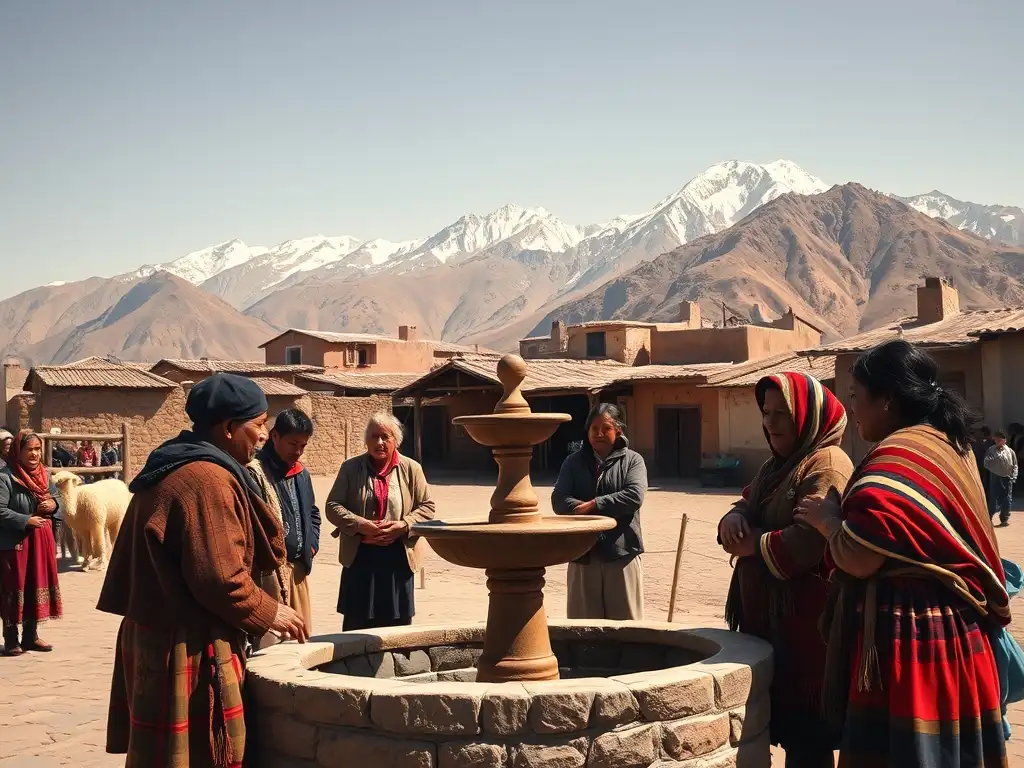
This section delves into the intricacies of the ayllu, a fundamental social and economic unit in the Andean region, crucial to understanding the Andean ayllu social structure. We will move beyond simplistic definitions and explore its complex interplay of kinship, reciprocity, and communal organization. The ayllu wasn't merely a family group; it was a vibrant, dynamic system that shaped daily life and political structures across diverse Andean cultures, from the Incas to pre-Inca societies. Understanding the ayllu is key to unlocking the secrets of Andean social organization and its remarkable resilience.
Defining the Ayllu: Beyond Simple Family Structures
The term "ayllu" often gets simplified to "extended family," but this is a significant oversimplification. While kinship was undeniably central, the ayllu encompassed much more. It represented a complex network of individuals bound by blood ties, shared ancestry, and a common territory. Think of it as a multi-generational clan, often tracing lineage back to a mythical ancestor, with strong obligations and responsibilities shared amongst its members.
Membership wasn't solely determined by blood; adoption and marriage also played significant roles, creating a fluid yet stable social unit. The ayllu’s strength lay in its ability to integrate diverse family groups under a shared identity and purpose. This created a powerful social fabric that facilitated cooperation and resource management within a challenging environment. The Andean ayllu social structure was remarkably adaptable, evolving to meet the needs of specific communities and environments across the vast Andean landscape.
The Ayllu as a Foundation of Andean Society
The ayllu wasn't just a social unit; it was the bedrock of Andean society. It served as the primary organizational structure for various aspects of life:
- Economic Production: Collective labor was central to ayllu life. Members collaborated in agricultural activities, construction projects, and other essential tasks, embodying the principle of ayni (reciprocity). This system ensured the equitable distribution of resources and mutual support within the community. Land was typically held communally, with individual plots assigned based on family needs and the community's overall requirements.
- Political Organization: While larger empires like the Inca had centralized authorities, the ayllu remained a crucial political building block. Ayllus often had their own internal leadership structures, with elected or hereditary officials responsible for managing community affairs, resolving disputes, and representing the ayllu in interactions with higher levels of governance. This decentralized yet integrated structure created a balance between local autonomy and broader political integration.
- Religious Practices: Shared religious beliefs and rituals further strengthened ayllu cohesion. Ancestor veneration, sacred sites within the ayllu territory, and collective ceremonies reinforced the sense of shared identity and purpose. These practices contributed significantly to the social and spiritual well-being of the community.
Key Characteristics of an Ayllu Community
Several key characteristics defined an Andean ayllu:
| Characteristic | Description | Example |
|---|---|---|
| Collective Ownership | Land and resources were typically held communally, fostering cooperation and equitable distribution. | Shared pastureland, communal irrigation systems |
| Reciprocity (Ayni) | Mutual assistance and exchange of goods and services were fundamental to ayllu life. | Helping neighbors with harvesting, sharing food during times of scarcity |
| Lineage and Ancestry | Strong emphasis on shared ancestry, often tracing back to a mythical founder or ancestor. | Tracing lineage through specific family lines, maintaining genealogical records |
| Internal Governance | Ayllus had internal leadership structures to manage community affairs and resolve disputes. | Elected leaders, elders with authority |
| Territorial Basis | The ayllu was associated with a specific territory, providing access to resources and defining its boundaries. | Defined agricultural lands, grazing areas, access to water sources |
Understanding these characteristics helps illuminate the Andean ayllu social structure and its vital role in shaping Andean civilizations. The ayllu's enduring legacy underscores the importance of communal living, reciprocity, and the strength of kinship ties in building thriving and resilient societies. Further research into specific ayllus across different Andean cultures reveals even more nuances and variations in this complex social organization. The flexibility and adaptability of the ayllu system are testaments to its enduring success in a diverse and challenging Andean environment.
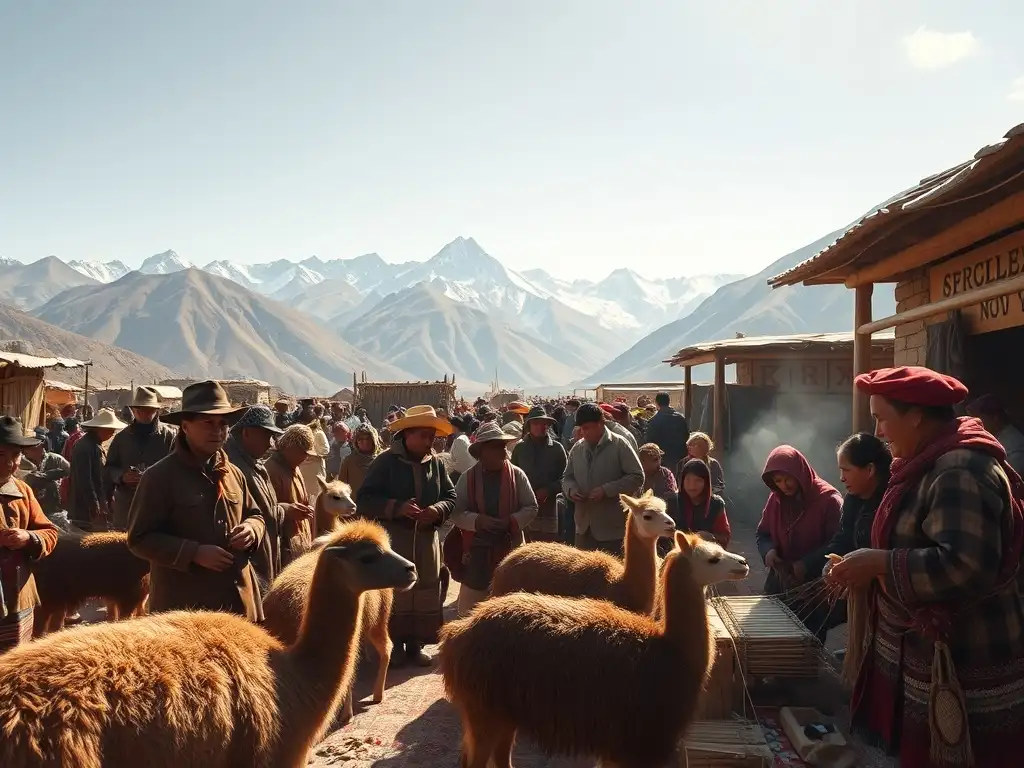
The Andean ayllu social structure represents a cornerstone of Andean civilization, profoundly shaping social organization, kinship, and resource management across various cultures, from the Inca to the pre-Inca societies. Understanding the ayllu is crucial to grasping the complexities of Andean social hierarchy and its departure from more rigidly stratified systems found in other ancient societies. The ayllu wasn't merely a social unit; it was a deeply interwoven system that dictated economic activity, religious practices, and even political power dynamics.
Its impact resonated throughout Andean life, influencing everything from daily routines to large-scale public works projects. This section will explore the multifaceted role the ayllu played in structuring Andean society, highlighting its significance as a foundational element of Andean identity and social cohesion. We will examine how this system, characterized by its unique blend of kinship, reciprocity, and collective responsibility, contributed to the remarkable achievements and longevity of these civilizations.
The ayllu, often translated as "community" or "lineage," was a complex system of social organization based on kinship and shared resources. Members traced their ancestry back to a common ancestor, uniting them through blood ties and a shared history. This sense of collective identity fostered strong social bonds and a high degree of cooperation. However, the ayllu's impact on social hierarchy wasn't simply egalitarian. While it promoted a sense of community, variations in status existed within the ayllu.
For instance, certain lineages might hold more prestige due to their perceived connection to powerful ancestors or their control of key resources. This internal hierarchy wasn't necessarily rigidly defined like a caste system but rather a more fluid system based on lineage, age, and demonstrated capabilities. Elderly members often held positions of authority, guiding community decisions and mediating disputes.
Similarly, individuals who demonstrated exceptional skills in agriculture, craftsmanship, or warfare could gain prominence and influence within their ayllu. The ayllu, therefore, wasn't a flat social structure, but rather a hierarchical structure, albeit one that was far less rigid than, for example, the class structures of ancient Egypt or Mesopotamia. This flexibility allowed for social mobility, albeit within the confines of the ayllu itself.
Further research is needed to fully understand the nuances of status differentiation within different Andean ayllus and across various time periods. [Specific information pending: detailed comparative analysis of ayllu social structures across different Andean cultures].
Kinship formed the very bedrock of the ayllu system. Members were bound not only by blood relations but also by intricate systems of fictive kinship, expanding the network of mutual obligation and support. This extended kinship network facilitated cooperation in crucial activities such as agriculture, construction, and defense. The strength of these bonds is evident in the collaborative nature of Andean societal projects, from the construction of elaborate irrigation systems to the building of monumental structures like Machu Picchu.
The ayllu’s social fabric was woven with threads of reciprocity and mutual assistance. The principle of ayni, a system of reciprocal exchange of goods and services, was central to ayllu life. This wasn't merely a system of bartering; it reinforced social bonds and ensured the well-being of all members. Individuals were expected to contribute their labor and resources to the collective good, knowing that they would receive support in times of need. This system fostered a strong sense of community and reduced the risk of individual hardship. The concept of mita, a form of obligatory labor service, further strengthened the ayllu's structure, demonstrating the collective responsibility inherent within the system. The mita system, while sometimes demanding, ensured the completion of large-scale projects that benefited the entire ayllu and, in some cases, the wider Inca empire. The intricate web of kinship and reciprocal obligations created a resilient and cohesive social unit.
Land Tenure and Resource Management within the Ayllu
Land tenure within the ayllu was fundamentally collective. Land wasn't individually owned but rather held communally, with access determined by membership and need. This communal ownership fostered a sense of shared responsibility for the land's productivity and sustainability.
The ayllu ensured equitable distribution of resources, preventing the concentration of wealth and power in the hands of a few. This communal approach to land management contrasts sharply with many other ancient societies where land ownership was a primary source of social stratification. The Andean ayllu prioritized collective well-being over individual gain, reflecting a profound understanding of the interconnectedness between people and their environment.
The management of resources within the ayllu was a complex process that often involved sophisticated techniques of agricultural planning and water management. The construction of intricate irrigation systems, terraces, and raised fields demonstrates the ayllu’s capacity for large-scale collaborative efforts. These collective achievements were not only essential for survival but also served as symbols of the ayllu’s unity and strength. The success of Andean agriculture, despite challenging environmental conditions, testifies to the effectiveness of the ayllu's communal approach to resource management.
The system also incorporated sophisticated knowledge of ecology and sustainable practices, minimizing environmental impact and ensuring long-term resource availability. The ayllu’s success in balancing collective needs with environmental stewardship serves as a valuable lesson for contemporary societies grappling with issues of resource management and sustainability. The Andean ayllu social structure, therefore, offers a compelling example of a sustainable and equitable system of resource management.
The Reciprocal Nature of Ayllu Relationships
The Andean ayllu wasn't simply a kinship group; it was a complex system built upon reciprocity. This reciprocal nature permeated all aspects of ayllu life, fostering a strong sense of community and shared responsibility. Members weren't just related by blood; they were bound by mutual obligations and expectations. This wasn't a system of enforced servitude, but rather a dynamic exchange of goods, services, and labor, ensuring the well-being of all members. The principle of ayni, reciprocal exchange, was central to this system. It wasn't merely a matter of bartering; it was a deeply ingrained social ethic, reflecting a worldview that emphasized interdependence and collective survival.
Failure to participate fully in this reciprocal system could lead to social ostracism, highlighting the importance of fulfilling one's obligations to the community. This system ensured a degree of social safety net, with the stronger members supporting those in need, a crucial element in the harsh Andean environment. The concept of mita, a form of labor tax, also operated within this reciprocal framework, although it involved a more structured obligation to the state. Even mita, however, was perceived as a contribution to the collective good, furthering the overall welfare of the ayllu. The success of the ayllu depended on this intricate web of reciprocal relationships, demonstrating the sophisticated social engineering underpinning Andean society. Examples of this reciprocity can be seen in the shared cultivation of land, communal building projects, and the mutual support offered during times of hardship.
These practices ensured the survival and prosperity of the ayllu as a whole, reflecting a remarkably effective system of social organization. The system wasn't static; it adapted to changing circumstances, demonstrating its resilience and adaptability over centuries. The understanding of this reciprocal exchange is crucial to grasping the true nature of Andean social structures and the ayllu's pivotal role within them. The subtle nuances of ayni and its practical applications across various aspects of life showcase the ingenuity and sophistication of Andean social organization. Studies of Andean textiles, for example, often reveal intricate patterns that reflect the complex reciprocal relationships within the ayllu. The motifs are not simply decorative; they often represent the interconnectedness of the community and the cycles of exchange that sustained it.
Ayllu Governance and Leadership
The Andean ayllu, a fundamental social and economic unit in pre-Columbian Andean societies, possessed a sophisticated system of governance and leadership, distinct from centralized state structures. Understanding the ayllu's internal organization is crucial to grasping the complexities of Andean social structure. While often described as a relatively egalitarian system, the ayllu had established mechanisms for leadership, conflict resolution, and resource management.
The absence of a formal, hierarchical bureaucracy doesn't imply a lack of leadership; rather, it points to a decentralized model based on consensus and the collective well-being of the community. This nuanced approach to governance is a key aspect of the Andean ayllu social structure, differentiating it from other societal models.
The effectiveness of this system is evident in the longevity and resilience of ayllu communities across diverse Andean environments. Analyzing the specific mechanisms of leadership and decision-making reveals a deep understanding of the Andean worldview and its impact on social organization.
Traditional Forms of Ayllu Leadership
Traditional ayllu leadership wasn't based on hereditary titles or absolute power, but rather on earned respect, demonstrated ability, and deep knowledge of customary law and traditions. Several roles existed, often overlapping and fluid depending on the specific needs of the community. The curaca, often translated as "chieftain," held a prominent position, but their authority stemmed from the community's consent and their ability to effectively represent the ayllu's interests.
Their responsibilities included mediating disputes, organizing communal labor ( mita), and distributing resources. However, the curaca was not an autocrat; their decisions required consultation and agreement within the broader ayllu structure.
Other important figures included religious leaders, skilled artisans, and experienced farmers, all of whom played crucial roles in maintaining social cohesion and economic productivity within the Andean ayllu social structure. The absence of a rigid, formalized hierarchy allowed for a degree of flexibility and adaptability in leadership, ensuring the system responded effectively to changing circumstances.
The curaca’s influence extended beyond purely administrative tasks. They often acted as intermediaries between the ayllu and external entities, whether other ayllus or, in later periods, the Inca Empire. This role required strong negotiation skills and a deep understanding of both internal and external dynamics. The success of a curaca was directly linked to their ability to maintain harmony and prosperity within the ayllu.
Failure to do so could lead to their replacement, highlighting the community's ultimate authority in shaping its leadership. Evidence suggests that the selection process involved a combination of community consensus, demonstrated competence, and adherence to traditional values. This system fostered a strong sense of collective responsibility and ensured that leadership remained accountable to the community.
Decision-Making Processes in the Ayllu
Decision-making within the ayllu was a participatory process, characterized by deliberation, consensus-building, and respect for customary law. The Andean ayllu social structure prioritized collective agreement over individual authority. Important decisions concerning land allocation, resource distribution, conflict resolution, and communal projects were typically made through assemblies or councils, involving the participation of all adult members of the ayllu.
These gatherings provided a forum for open discussion, debate, and negotiation. The process often involved extensive deliberation, ensuring that decisions reflected the needs and desires of the broader community. This emphasis on consensus fostered a strong sense of shared responsibility and ownership, contributing to the ayllu's stability and resilience.
This participatory approach ensured that decisions were not imposed from above but rather emerged from a collective process that reflected the community's diverse perspectives. Evidence from archaeological findings and ethnographic studies suggests that the Andean ayllu social structure valued inclusivity and deliberation in its governance mechanisms. While the curaca played a significant role in guiding discussions and facilitating consensus, their authority was ultimately derived from the community's acceptance and agreement. The absence of formal voting systems doesn’t diminish the significance of these communal discussions; rather, it underscores the importance of achieving a shared understanding and commitment to collective action.
The Role of Elders in the Ayllu Community
Elders played a crucial role in the Andean ayllu social structure, acting as repositories of knowledge, keepers of tradition, and advisors to the community. Their extensive life experience and intimate familiarity with customary law and practices made them invaluable sources of guidance and wisdom. Elders often served as mediators in disputes, helped to resolve conflicts, and provided crucial insights into the interpretation of traditional laws and customs.
Their role extended beyond simply offering advice; they actively participated in decision-making processes, sharing their knowledge and experience to ensure that decisions were well-informed and aligned with the long-term interests of the community. Respect for elders was deeply ingrained in Andean culture, reflecting the value placed on experience and wisdom.
Their influence stemmed not from formal authority but from the respect and trust they commanded within the community. This respect was earned through years of demonstrated commitment to the ayllu's welfare and a deep understanding of its values and traditions. The Andean ayllu social structure relied heavily on the wisdom and guidance of elders to maintain social cohesion, transmit cultural knowledge, and ensure the continuity of customary practices.
The transmission of oral traditions, agricultural knowledge, and social customs heavily depended on the elders' role as custodians of cultural heritage. This intergenerational transfer of knowledge was crucial for sustaining the ayllu's identity and resilience over time.
The respect accorded to elders is a testament to the deeply ingrained value placed on experience and wisdom within the Andean worldview. Their contributions were integral to the functioning of the ayllu, highlighting the importance of intergenerational knowledge exchange in maintaining the Andean ayllu social structure.
Ayllu Economic Practices: Agriculture and Labor
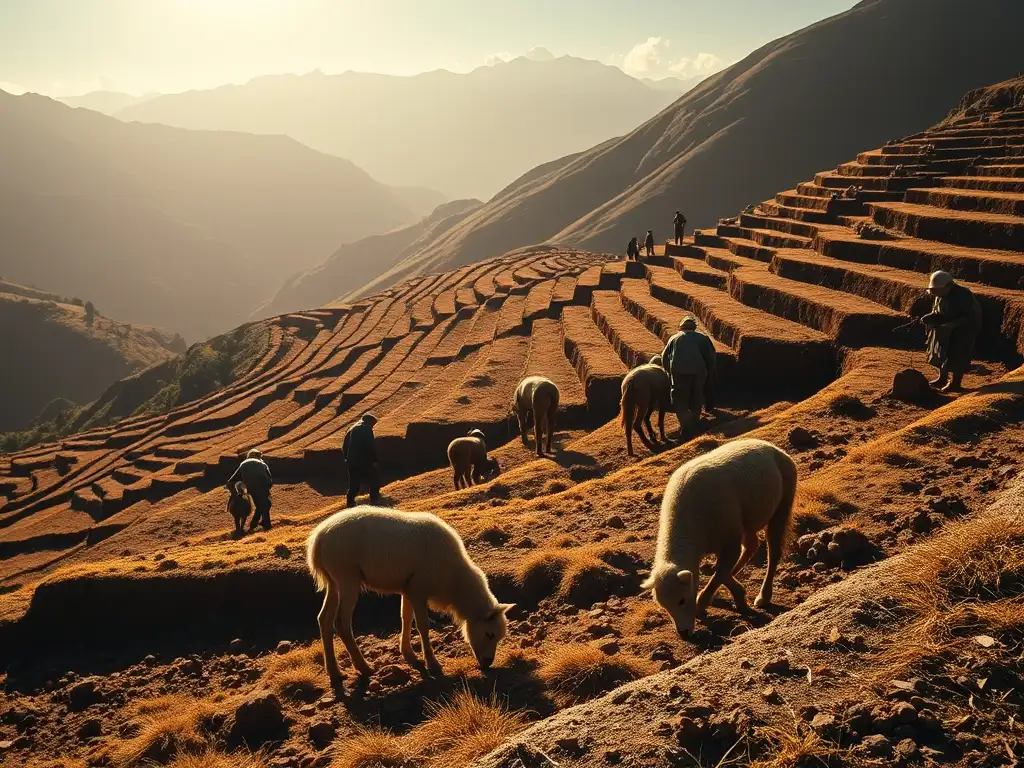
The Andean ayllu social structure wasn't just a kinship system; it was the backbone of the Andean economy, particularly in agriculture and labor distribution. Understanding the ayllu's economic practices is crucial to grasping its overall significance in shaping Andean societies. The intricate web of reciprocal obligations and shared resources fostered a level of social cohesion rarely seen in other ancient civilizations. This section will delve into the specific economic mechanisms that characterized the ayllu.
The Ayllu's Agricultural System and its Significance
The agricultural system of the ayllu was intricately linked to its social organization. Land wasn't privately owned; instead, it belonged to the ayllu collectively. This communal ownership ensured equitable access to resources, crucial for survival in challenging Andean environments.
The ayllu’s agricultural practices were highly sophisticated, reflecting an intimate understanding of Andean ecosystems. Terracing, irrigation systems (like the remarkable canal systems of the Nazca and Inca), and crop diversification were common, maximizing yields in often-difficult terrain. The cultivation of potatoes, maize, quinoa, and other Andean staples provided a diverse and resilient food supply.
The success of the ayllu’s agricultural system directly impacted its stability and prosperity; a good harvest meant a stronger and more cohesive community, while crop failures could lead to internal tensions and even conflict. Detailed archaeological evidence, including preserved agricultural tools and remnants of irrigation systems, supports this understanding of the ayllu’s agricultural prowess and its central role in the community's economic well-being. The meticulous planning and cooperative effort required for successful agriculture further cemented the ayllu's social bonds.
Reciprocity and Labor Exchange within the Ayllu (Ayni & Minka)
Two key principles governed labor exchange within the ayllu: ayni and minka. Ayni refers to the reciprocal exchange of goods and services between individuals or families within the ayllu. This could involve anything from helping with harvesting to assisting in construction projects. It was a system based on mutual support and obligation, reinforcing the social fabric of the community.
Minka, on the other hand, was a more communal form of labor, where the entire ayllu would come together to undertake large-scale projects such as building irrigation canals, temples, or roads. Participation in minka was not optional; it was a collective responsibility. These practices ensured that essential tasks were completed effectively and fairly, distributing the workload and benefiting the entire community.
The success of both ayni and minka depended on the trust and cooperation among ayllu members. Failure to participate could lead to social ostracism, highlighting the importance of these reciprocal obligations in maintaining social order and economic productivity within the Andean ayllu social structure. The effectiveness of this system is evident in the impressive infrastructure and agricultural achievements of Andean civilizations.
Ayllu's Role in Trade and Resource Distribution
While primarily focused on subsistence agriculture, the ayllu also played a significant role in trade and resource distribution. Surplus agricultural products, textiles, and other crafted goods were exchanged within and between ayllus, creating a network of economic interdependence. This trade wasn't solely based on individual transactions; rather, the ayllu often acted as a collective entity, negotiating exchanges and ensuring fair distribution of resources within the community.
This system fostered economic stability and prevented the concentration of wealth in the hands of a few. The ayllu's role in trade further highlights its importance as a fundamental unit of Andean economic organization. While the scale and complexity of this inter-ayllu trade varied across different Andean regions and time periods, the underlying principle of communal participation and equitable distribution remained consistent.
Further research into specific trade routes and exchanged goods would provide a more comprehensive understanding of the ayllu's economic influence beyond the immediate community. The absence of a centralized market system did not hinder the economic efficiency of the ayllu; instead, it fostered a unique form of economic cooperation and integration within the Andean social structure.
The Ayllu Across Different Andean Civilizations
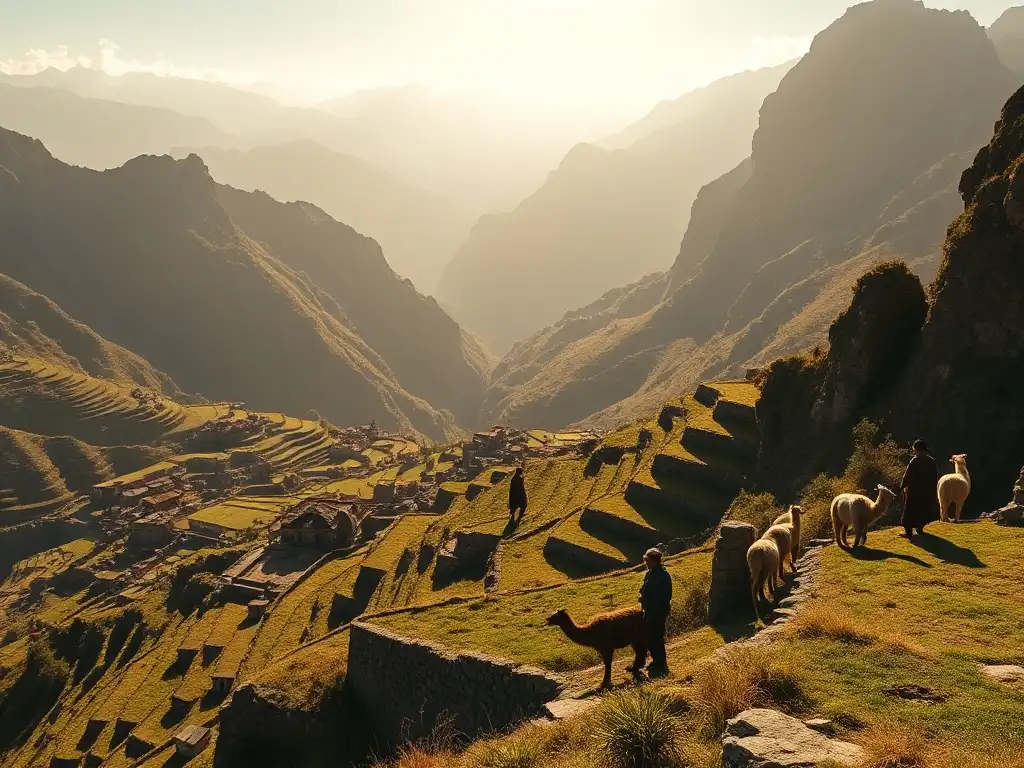
The Andean ayllu, a fundamental social and economic unit, wasn't a monolithic entity uniformly applied across all Andean cultures. While sharing core principles of kinship-based community and reciprocal labor, its specific structure and function varied significantly depending on the civilization and its geographical context. Understanding these variations is crucial to grasping the complexity and adaptability of Andean social organization.
Analyzing the ayllu through different Andean civilizations reveals a fascinating tapestry of shared values adapted to unique environmental and political realities. This nuanced understanding helps us move beyond simplified notions of a singular "Andean ayllu social structure" and appreciate the diverse ways Andean communities organized themselves. The keyword "Andean ayllu social structure" thus requires careful qualification to reflect this inherent diversity.
The Ayllu in the Inca Empire
The Inca Empire, with its vast territorial reach, imposed a degree of standardization on the ayllu system. However, even under Inca rule, pre-existing ayllu structures were not entirely eradicated. Instead, the Inca administration integrated and adapted them into their imperial organization.
Inca governance utilized the ayllu as a crucial base for labor mobilization ( mita), resource distribution, and social control. The curaca, the traditional ayllu leader, often retained some authority, acting as a conduit between the imperial administration and the local community. This system allowed the Inca to efficiently manage vast populations and resources, while simultaneously minimizing potential resistance by incorporating existing social structures.
The Inca also implemented a sophisticated system of record-keeping, likely using quipus (knotted cords) to monitor and manage ayllu productivity and population. Despite Inca efforts at centralization, regional variations in ayllu structure and practices persisted, reflecting the empire's diverse cultural landscape. The Inca ayllu, therefore, represented a complex interplay between imperial control and local autonomy.
Variations in Ayllu Structures among Pre-Inca Cultures
Pre-Inca Andean societies also relied heavily on the ayllu system, but with considerable differences in their organizational details. For example, the Nazca and Moche cultures, known for their sophisticated irrigation systems and monumental architecture, likely had ayllus organized around access to water resources and agricultural lands. The specific social hierarchy within these ayllus might have been more fluid compared to the Inca system, perhaps reflecting less centralized political structures.
Similarly, the Tiahuanaco culture, with its extensive network of roads and its influence across a wide geographical area, likely had ayllus adapted to high-altitude environments and specialized in different economic activities. Evidence suggests a greater emphasis on religious and ceremonial practices within these ayllus, reflecting the profound importance of religion in Tiahuanaco society. Unfortunately, detailed information on the internal organization of pre-Inca ayllus is limited due to the nature of surviving archaeological evidence.
Further research is needed to fully understand the nuances of ayllu structures in these earlier Andean civilizations. The diversity of these pre-Inca ayllus highlights the adaptability of this social organization to different environments and political contexts.
Ayllu Adaptation and Resilience Through Time
The ayllu system demonstrated remarkable resilience over centuries, adapting to changing environmental conditions, political upheavals, and the influence of successive empires. Its enduring presence throughout Andean history underscores its fundamental importance in Andean social life. Even after the Spanish conquest, elements of the ayllu persisted, albeit modified and integrated into the colonial system.
The communal ownership of land and the principle of reciprocal labor continued to play a significant role in Andean communities, even under the constraints of colonial rule. The ayllu's ability to adapt and endure highlights its flexibility and its deep roots in Andean cultural values. This adaptability, coupled with its inherent resilience, explains why aspects of the ayllu system continue to influence Andean social structures even today.
The longevity and adaptability of the ayllu stand as a testament to its effectiveness as a social and economic model in the challenging Andean environment. Understanding this enduring legacy is crucial for comprehending the continuous evolution of Andean social structures.
The Modern Ayllu: Continuity and Change
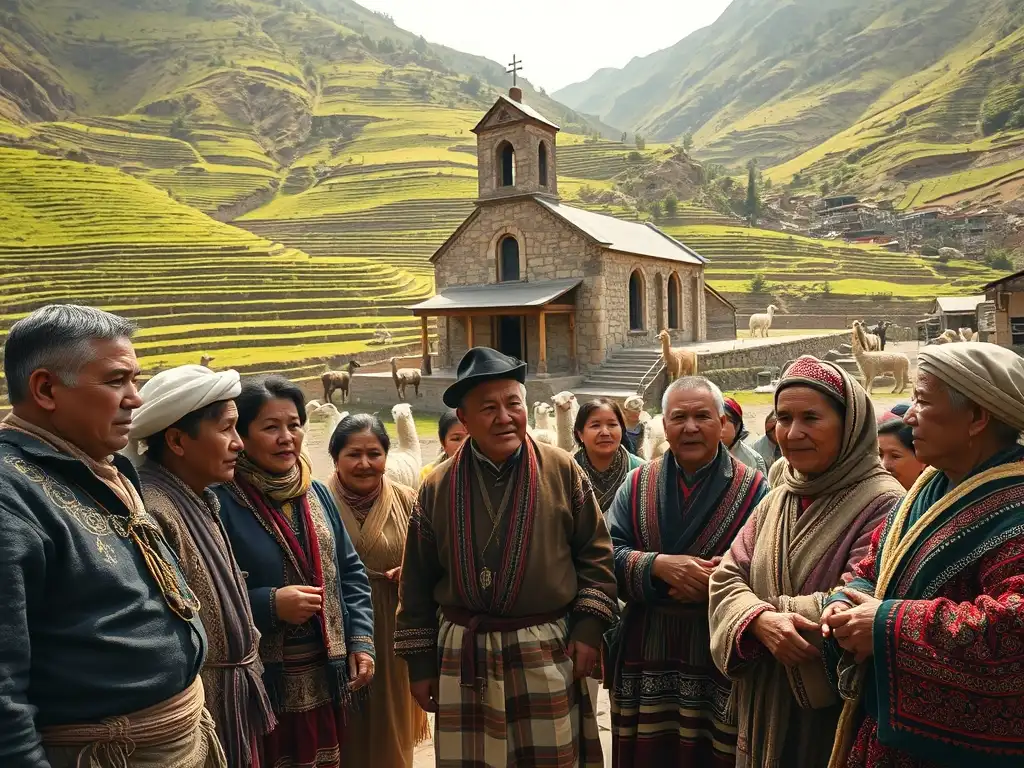
The Andean ayllu social structure, a cornerstone of Inca and pre-Inca societies, persists in various forms in contemporary Andean communities. While the centralized control exerted by the Inca Empire is long gone, the fundamental principles of reciprocal labor ( ayni), communal land ownership, and kinship-based social organization continue to shape the lives of many Andean people today.
Understanding the modern ayllu requires acknowledging both its remarkable resilience and the significant transformations it has undergone. The concept of collective responsibility and mutual support, so central to the traditional ayllu, remains a vital aspect of community life, although its expression has adapted to the pressures of globalization and modernization.
The Ayllu in Contemporary Andean Societies
The survival of the ayllu is not uniform across the Andes. Its presence and influence vary significantly depending on geographical location, the degree of integration into the national economy, and the specific historical experiences of each community. In some rural areas, the ayllu continues to function as a primary unit of social and economic organization, managing communal lands, organizing labor for agricultural activities, and resolving internal disputes.
These ayllus often maintain strong traditional governance structures, with elected leaders responsible for overseeing community affairs. The minga, a form of collective work, remains a powerful symbol of communal solidarity, bringing people together for projects like road construction or agricultural tasks. This participatory approach fosters a strong sense of community identity and shared responsibility.
However, in other areas, particularly those closer to urban centers or significantly impacted by migration, the ayllu's influence has diminished. The traditional communal land tenure systems have been challenged by privatization and individual land ownership, leading to internal conflicts and a weakening of the collective ethos. The integration into national and global market economies has also created new social divisions and economic inequalities within ayllus, sometimes undermining the principle of egalitarianism that characterized the traditional system.
Nevertheless, even in these contexts, remnants of ayllu identity and social practices often endure. Kinship ties continue to play a significant role in social interactions, providing support networks and influencing decision-making processes.
Challenges and Transformations Facing Modern Ayllus
Modern ayllus face a complex array of challenges. The pressures of globalization, including migration to urban areas, the influence of market economies, and the encroachment of external development projects, threaten the traditional way of life. Furthermore, the increasing influence of national legal systems and government policies often clashes with customary ayllu practices, leading to conflicts over land rights, resource management, and internal governance.
Environmental degradation, particularly the impact of climate change on agricultural productivity, also presents a significant threat. The loss of traditional knowledge and skills related to sustainable agriculture and resource management further exacerbates these challenges. Adapting to these changes requires a delicate balance between preserving traditional values and embracing new strategies for economic development and environmental sustainability.
Finding ways to integrate traditional knowledge with modern approaches is crucial for the future of the Andean ayllu. This may involve developing new forms of collective action and governance that address the realities of the 21st century while retaining the core values of reciprocity and communal solidarity.
Preserving the Ayllu's Cultural Heritage
The preservation of the ayllu's cultural heritage is essential not only for the Andean communities themselves but also for a broader understanding of Andean history and social organization. Efforts to document and promote ayllu traditions, including their unique forms of governance, social practices, and cultural expressions, are crucial. This requires working closely with Andean communities to ensure that these efforts are respectful and empowering.
Support for community-based initiatives that promote sustainable development, protect traditional knowledge, and strengthen ayllu institutions is vital. Educational programs that highlight the importance of the ayllu in shaping Andean identity and culture can also contribute significantly to its preservation. Furthermore, promoting tourism that benefits Andean communities and respects their cultural heritage can provide economic opportunities that support the continuation of ayllu traditions.
The Andean ayllu social structure represents a rich and complex legacy that deserves to be understood, appreciated, and preserved for future generations. Its resilience in the face of profound changes offers valuable lessons about community, sustainability, and the enduring power of kinship.
The Significance of the Ayllu in Andean Studies
The Andean ayllu social structure represents a cornerstone of Andean studies, offering a crucial lens through which to understand the complex social, economic, and political organizations of pre-Columbian societies. Its significance transcends simple kinship ties; it encompassed a multifaceted system integrating reciprocal obligations, resource management, and spiritual beliefs. Understanding the ayllu is not merely understanding a family structure; it's understanding the very fabric of Andean life.
Scholars have increasingly recognized the ayllu as a fundamental unit for analyzing power dynamics, labor organization, and the overall resilience of Andean communities across diverse ecological settings. The ayllu's enduring influence on contemporary Andean communities also highlights its ongoing relevance in the study of social structures and cultural continuity.
Analyzing the ayllu provides invaluable insights into the adaptability and sustainability of these ancient societies, offering valuable lessons for contemporary social organization and resource management. The deeper we delve into ayllu studies, the more we unravel the intricate tapestry of Andean civilization.
The Ayllu as a Key to Understanding Andean Culture
The ayllu wasn't simply a kinship group; it was a vital economic and political unit. Members shared resources, participated in collective labor ( ayni and mita), and held reciprocal responsibilities. This system fostered a sense of community and cooperation crucial for survival in challenging Andean environments.
The ayllu's organization often mirrored the landscape, with families grouped according to access to resources like agricultural land and water. This close relationship between social structure and environment is a key element often overlooked in broader discussions of Andean social organization. For example, the distribution of land within an ayllu often reflected a complex interplay of kinship ties, ecological factors, and social status.
This intricate system ensured a degree of equity in resource allocation, minimizing conflict and promoting communal well-being. Detailed ethnographic studies of contemporary Andean communities reveal how the principles of reciprocity and collective action, deeply rooted in the ayllu tradition, continue to shape social interactions and resource management practices. The ayllu, therefore, is not a relic of the past but a living testament to the enduring values of Andean culture.
Ayllu Studies and their Contribution to Anthropology
The study of the ayllu has significantly enriched anthropological understanding of kinship systems and social organization beyond the Andean region. It challenges Eurocentric models that prioritize nuclear family structures, highlighting the diversity and complexity of social arrangements in non-Western societies. Researchers have utilized various methodologies, including archaeological evidence, ethnohistorical accounts, and ethnographic fieldwork, to reconstruct the ayllu's structure and function across different Andean cultures and time periods.
This interdisciplinary approach has yielded valuable insights into the evolution of Andean social structures, revealing adaptations to environmental changes and political upheavals. Moreover, the study of the ayllu has contributed to broader theoretical debates within anthropology regarding the relationship between kinship, economy, and power.
For instance, the ayllu's emphasis on reciprocal obligations and collective action has informed discussions on the nature of social solidarity and cooperation in different cultural contexts. The extensive research on Andean ayllu social structure has advanced our understanding of social organization in diverse cultures globally.
The Ayllu's Legacy and its Relevance Today
The legacy of the ayllu persists in many contemporary Andean communities. While the formal structure of the ayllu may have evolved, its underlying principles of reciprocity, communal labor, and shared responsibility continue to shape social relations. This enduring influence is evident in various aspects of Andean life, from land tenure systems and water management to religious practices and social solidarity networks.
Understanding this continuity is critical for addressing contemporary challenges such as land conflicts, environmental degradation, and social inequality in the Andes. The principles of the ayllu, such as collective decision-making and equitable resource distribution, offer valuable insights for sustainable development initiatives and community-based resource management strategies.
Furthermore, the study of the ayllu's resilience in the face of historical and environmental changes provides valuable lessons for addressing contemporary global challenges related to social justice, environmental sustainability, and community building. The ayllu's enduring relevance underscores its importance as a model for social organization and community development.
Frequently Asked Questions
What is an Ayllu?
An Ayllu was the fundamental socio-economic unit in many Andean civilizations, particularly among the Inca. It was a kinship-based community that combined family ties with shared land ownership and reciprocal labor obligations.
How did the Ayllu system function?
The Ayllu operated on a system of reciprocity and redistribution. Members collaborated in agriculture and other tasks, sharing resources and supporting each other, with leaders overseeing the distribution of land and resources. Collective work was central to its success.
What role did kinship play in the Ayllu?
Kinship was absolutely essential to the Ayllu. Membership was based on blood relations and lineage, creating strong social bonds and a sense of shared identity and responsibility within the community.
How did the Ayllu relate to the Inca Empire's political structure?
The Inca Empire incorporated the existing Ayllu system into its administrative framework. While the Inca imposed their rule, they utilized the Ayllu structure for tax collection, labor mobilization, and resource management.
Were all Andean societies organized around the Ayllu?
While the Ayllu was a dominant social structure in many Andean societies, including the Inca, not all groups utilized it identically. Variations existed across different cultures and time periods, with some communities exhibiting different forms of social organization.
Final Reflection: The Enduring Legacy of the Ayllu
The intricate social fabric woven by the Andean ayllu remains a powerful testament to the enduring strength of community-based organization, a model strikingly relevant in our increasingly fragmented world. Understanding the ayllu's principles of reciprocal exchange, collective responsibility, and kinship-based governance offers crucial insights into sustainable societal structures capable of navigating modern challenges. Its legacy continues to resonate, prompting us to reconsider our own approaches to community building and resource management.
The ayllu's influence extends far beyond its historical context; its principles of mutual support and shared resources offer a compelling counterpoint to the individualistic tendencies of contemporary society. The emphasis on collective well-being, rather than individual gain, provides a potent reminder of the importance of social cohesion. As the renowned anthropologist, Oscar Lewis, observed: The strength of the family and community ties in the Andean region is remarkable, and it is a source of strength and resilience in the face of adversity.
This enduring strength, rooted in the ayllu system, speaks volumes about the power of community-based solutions to complex social and economic problems.
Consider the implications of the ayllu's reciprocal economy and its emphasis on collective land ownership. How might these principles inform our own approaches to resource management and sustainable development? You, the reader, are now equipped with a deeper understanding of this ancient system.
Reflect on its enduring wisdom and consider how its principles of cooperation, reciprocity, and shared responsibility can inspire positive change in your own community and contribute to a more just and equitable world. The legacy of the ayllu calls us to action, urging us to build stronger, more resilient communities based on shared values and mutual support.
**Explore the Rich Tapestry of Andean Kinship! **
Thank you for exploring the fascinating world of the *ayllu* and its vital role in Andean society. Your interest in these ancient social structures is a testament to the enduring legacy of these vibrant cultures. Let's delve even deeper!
Here are some ways to further connect with the rich heritage of Andean civilizations:
- **Conduct in-depth research:** Focus on a specific Andean community to see how *ayllu* principles are embodied in contemporary life. For example, researching the unique kinship systems of a particular community in the Peruvian Andes would offer valuable insights.
- **Share your knowledge:** Discuss your discoveries with friends, family, or online communities to increase awareness and appreciation for Andean cultures. Sharing your insights on social media platforms can also help to broaden understanding.
- **Engage with others:** Participate in online forums or local groups dedicated to Andean history to connect with like-minded individuals. Joining a relevant organization or attending cultural events would also be beneficial.
What aspect of Andean kinship or social organization most captivates you, and how might its principles offer valuable insights for contemporary social structures?