
The Intricate Weaving of Family and Community in the Andes

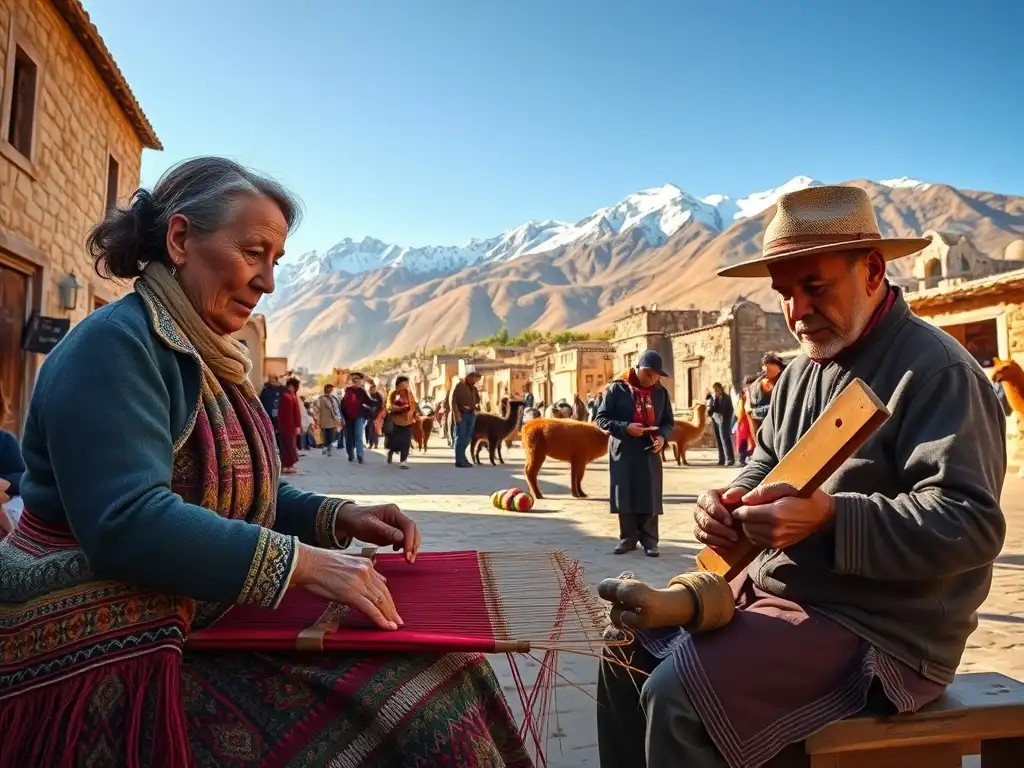
Unravel the mysteries of the Andes! Dive into a world where vibrant textiles weren't just cloth, but living tapestries reflecting the intricate social fabric of ancient Andean civilizations. Discover how Andean civilizations family weaving shaped family structures, community bonds, and even spiritual beliefs. Prepare to be amazed by the stories woven into every thread.
-
The Intricate Weaving of Family and Community in the Andes: An Exploration of Andean Civilizations Family Weaving
- Understanding the Core of Andean Society: Family Bonds in Incan Civilization
- The Ayllu: Foundation of Incan Social Structure and Family Life
- Kinship Systems within the Ayllu: Tracing Ancestral Connections Through Ayllu Membership
- The Importance of Ayni and Minka in Incan Family Dynamics
- Andean Family Weaving: Beyond the Textile, A Metaphor for Social Interconnection in the Incan Empire
- Roles and Responsibilities within Incan Families
- The Impact of the Environment on Incan Family Life
- Ceremonies and Rituals Celebrating Family and Lineage in the Incan Empire
- The Legacy of Incan Family Structures in Modern Andean Communities
- Inti Raymi: A Celebration of Family, Sun, and Lineage in the Incan Empire
- Case Study of the Royal Inca Family: Power, Lineage, and Succession
- Conclusion: The Enduring Strength of Family in Incan Civilization
-
Frequently Asked Questions
- What role did weaving play in Andean family life?
- How did weaving reflect social status in Andean societies?
- What types of fibers were commonly used in Andean weaving?
- How did Andean weaving techniques differ across different cultures?
- Beyond clothing, what other items were created through Andean weaving?
- Final Reflection: The Enduring Threads of Andean Family and Community
- Embrace the Andean Spirit: Connect, Share, and Grow!
The Intricate Weaving of Family and Community in the Andes: An Exploration of Andean Civilizations Family Weaving
The Andes Mountains, a spine of towering peaks running down the western coast of South America, nurtured a tapestry of vibrant and complex civilizations. For millennia, societies like the Inca, Moche, Nazca, and Tiahuanaco flourished in this challenging yet fertile landscape.
Understanding these civilizations requires more than simply examining their impressive architectural feats or intricate artwork; it necessitates delving into the very fabric of their social structures, particularly the crucial role of family and kinship systems in shaping their societies. This article explores the intricate ways family and community were interwoven in Andean civilizations, focusing on the profound impact of family bonds on their social, economic, and political lives.
We will uncover how family structures, particularly within the Inca empire, served as the bedrock upon which their powerful and enduring societies were built, demonstrating the vital connection between "Andean civilizations family weaving" and the overall success and longevity of these remarkable cultures. The concept of family wasn't merely a domestic arrangement; it was an integral part of their worldview, deeply intertwined with their spiritual beliefs and their relationship with the natural world.
Understanding the Core of Andean Society: Family Bonds in Incan Civilization
The Inca Empire, at its zenith, controlled a vast territory stretching across much of the Andes. Their success was not solely due to military prowess or sophisticated engineering but also to a remarkably well-organized social system deeply rooted in strong family bonds. The Inca worldview emphasized the importance of ayni, a system of reciprocal exchange and mutual obligation, which extended beyond simple bartering to encompass all aspects of life, including family responsibilities.
Family units were not isolated entities but integral components of larger social structures. The concept of family extended beyond the nuclear family, incorporating extended family members, creating strong support networks crucial for survival in the harsh Andean environment. This extended family structure provided assistance in agriculture, childcare, and other essential tasks, fostering a sense of collective responsibility and mutual support.
Loyalty and obedience within the family unit were highly valued, reflecting a hierarchical structure that mirrored the broader imperial organization. This strong familial cohesion contributed significantly to the stability and efficiency of the Inca Empire's vast administrative system. The emperor himself was considered the father of the nation, further emphasizing the importance of familial ties in the political landscape.
The ayllu forms the cornerstone of understanding Incan family and community structures. It was a complex social unit, often described as a clan or extended family group, sharing a common ancestor, land, and resources. Membership in an ayllu was hereditary, and individuals held specific responsibilities within the group based on their age and gender.
The ayllu system ensured the equitable distribution of land and resources, promoting social cohesion and minimizing social inequality. The elders of the ayllu played crucial roles in decision-making processes, acting as mediators and maintaining social harmony. The collective responsibility for land cultivation and resource management within the ayllu fostered a strong sense of community and mutual reliance.
Religious practices and ceremonies were also often centered around the ayllu, reinforcing the group's unity and shared identity. The ayllu system demonstrates the close integration of family structures with broader social and economic organization in Inca society. It was not merely a kinship group but a fundamental building block of the entire Incan political and economic system, illustrating the profound influence of "Andean civilizations family weaving" on the functioning of the empire.
Kinship Systems within the Ayllu: Tracing Ancestral Connections Through Ayllu Membership
The Ayllu, a fundamental socio-economic unit in Andean civilizations, particularly among the Inca, wasn't merely a geographical location; it was a complex kinship system woven into the very fabric of Andean society. Membership wasn't solely determined by blood relations; it encompassed a broader understanding of kinship, extending to those who shared a common ancestor, even if distant. This created a strong sense of collective identity and mutual obligation. Tracing ancestral connections through Ayllu membership was crucial for establishing social standing, accessing resources, and participating in community activities.
Individuals knew their place within the larger family structure, understanding their responsibilities and the support they could expect from fellow Ayllu members. This intricate system of kinship fostered cooperation and stability within the community, ensuring the survival and prosperity of the group. The collective nature of Ayllu membership transcended the immediate family unit, creating a vast extended family network that provided security and resilience in challenging times.
Detailed genealogical records, though not always written, were carefully maintained through oral traditions and ceremonies, solidifying the bonds between individuals and the Ayllu. This oral history, passed down through generations, served as a living testament to the enduring power of ancestral connections within the Andean family structure. The strength of the Ayllu lay in its ability to unite individuals under a shared heritage and a commitment to mutual support, making it a cornerstone of Andean social organization.
The Importance of Ayni and Minka in Incan Family Dynamics
Ayni and Minka were not merely economic systems; they were integral components of Incan family dynamics, reflecting the deeply ingrained values of reciprocity and communal cooperation. Ayni, a system of reciprocal exchange of goods and services, strengthened family ties by fostering mutual dependence and obligation. Families regularly exchanged labor, resources, and support, creating a strong network of interdependence. This wasn't simply a transactional exchange; it was a deeply social act that reinforced social bonds and fostered a sense of community.
For example, one family might assist another with harvesting crops, receiving similar assistance in return at a later date. This reciprocal exchange extended beyond immediate family members, encompassing the wider Ayllu community. Minka, on the other hand, involved collective labor for community projects, such as building irrigation systems or temples. Participation in Minka was a communal obligation, reinforcing social cohesion and a shared sense of purpose.
Families worked together, contributing their skills and resources to the common good. The success of both Ayni and Minka depended on the willingness of individuals and families to cooperate and share, underlining the importance of collective effort in Incan society. The success of these systems demonstrates the importance of family and community in shaping the social fabric of the Incan Empire. These practices weren't simply economic strategies; they were fundamental to the social and emotional well-being of the Andean family unit.
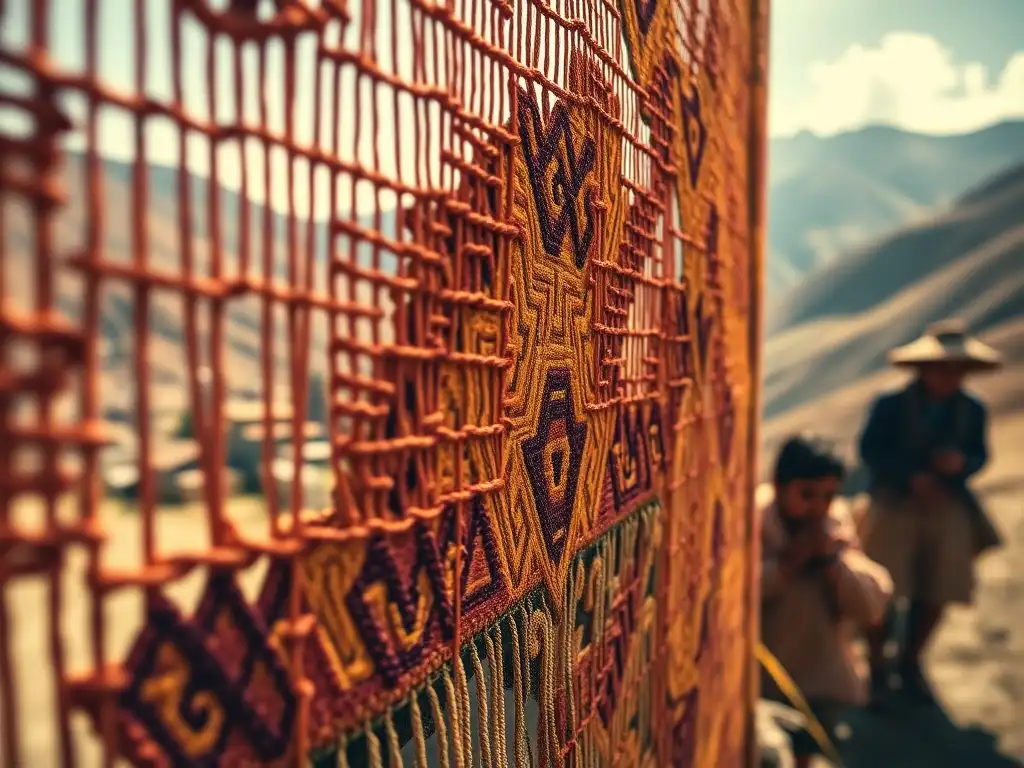
Andean textiles, renowned for their intricate designs and vibrant colors, were far more than mere clothing or decorative items. They served as powerful metaphors for the complex social fabric of the Incan Empire, reflecting the interconnectedness of family and community. The process of weaving itself mirrored the social interactions within the Andean family structure. The intricate patterns, often symbolic of family lineage, cosmology, or social status, were created through collaborative effort.
Women, often the primary weavers, worked together, sharing knowledge and skills, reinforcing their social bonds. The threads, painstakingly spun and woven together, represented the interconnectedness of individuals within the family and the broader community. The rich tapestry of Andean textiles, therefore, served as a visual representation of the complex social relationships that underpinned Incan society. Different colors and patterns could represent different clans or families, illustrating the intricate web of kinship ties within the empire.
The creation of these textiles wasn't solely a domestic activity; it played a significant role in religious ceremonies and political power. The quality and intricacy of the textiles often indicated social standing and wealth, highlighting the importance of textile production in the Incan social hierarchy. Thus, Andean family weaving transcends the simple act of creating clothing; it represents a powerful symbol of social cohesion, communal identity, and the enduring legacy of Andean civilizations. The intricate artistry of Andean textiles serves as a compelling testament to the interwoven nature of family, community, and social identity within the Incan Empire.
Roles and Responsibilities within Incan Families
Incan society was deeply hierarchical, and this structure permeated family life. The ayllu, a kinship-based community group, formed the bedrock of Incan social organization, extending beyond the nuclear family to encompass extended relatives and even individuals without blood ties. This intricate web of relationships dictated roles and responsibilities within families. The head of the household, typically the eldest male, held significant authority, managing resources and representing the family within the ayllu.
However, women also held positions of power and influence, particularly within the domestic sphere. Their contributions were vital to the family's well-being, and their roles were far from subordinate, encompassing crucial responsibilities in food production, textile creation, and childcare. The division of labor was not simply based on gender, but also on age and ability, with each member contributing according to their capabilities.
This collaborative approach ensured the survival and prosperity of the family unit within the larger ayllu structure. The concept of mutual support and interdependence was central to Incan family life, fostering a strong sense of community and collective responsibility. This system ensured that even the most vulnerable members of society were cared for, reflecting the deeply ingrained social values of reciprocity and cooperation.
Gender Roles in Incan Households: Complementary Labor and Responsibilities
While a patriarchal structure existed, Incan gender roles were far from rigidly defined. Men primarily engaged in activities like farming, herding llamas, and construction, contributing significantly to food production and infrastructure development. However, women were not confined to domestic tasks.
They were actively involved in agriculture, tending to crops and managing livestock. Furthermore, women played a crucial role in textile production, creating intricate weavings that served both practical and ceremonial purposes. These textiles were not merely clothing; they were imbued with symbolic meaning, reflecting the family's status and cultural identity.
The production of textiles also represented a significant economic contribution to the family and the wider community. This complementary division of labor fostered a sense of mutual respect and interdependence between men and women, contributing to the overall strength and resilience of Incan families. Archaeological evidence, such as the discovery of female mummies with sophisticated tools and high-quality textiles, supports this understanding of the significant roles women played in Incan society.
The Significance of Elders in Incan Communities: Wisdom Keepers and Advisors
Elders held a position of profound respect and authority within Incan families and communities. Their accumulated wisdom and experience were invaluable assets, guiding younger generations and contributing to the overall well-being of the ayllu. Elders were not merely passive recipients of respect; they actively participated in decision-making processes, offering advice and guidance on matters ranging from agricultural practices to conflict resolution. Their knowledge of traditional customs and beliefs ensured the continuity of cultural heritage.
They served as repositories of history, passing down stories and traditions that shaped the identity of the community. Moreover, elders played a crucial role in the socialization of children, imparting values, skills, and knowledge that were essential for their future roles within the community. This reverence for elders underscored the importance of intergenerational relationships and the transmission of knowledge, contributing to the stability and continuity of Incan society.
Child Rearing Practices in the Incan Empire: Emphasis on Community Integration
Child-rearing in the Incan Empire was a communal endeavor, extending beyond the immediate family to encompass the wider ayllu. Children were not simply raised by their parents but were integrated into the community from a young age. This communal approach ensured that children received a comprehensive education, encompassing not only practical skills but also social and moral values. The education of children involved learning agricultural techniques, textile production, and other essential skills necessary for contributing to the community.
Furthermore, children were taught the importance of cooperation, respect for elders, and adherence to traditional customs. This emphasis on community integration fostered a strong sense of belonging and social responsibility, preparing children for their future roles within the ayllu. The close-knit nature of Incan communities ensured that children received constant guidance and support, promoting their overall well-being and development.
The Impact of the Environment on Incan Family Life
The harsh and challenging Andean environment profoundly shaped Incan family life. Adaptation to the high altitude, rugged terrain, and variable climate was paramount for survival, demanding ingenuity and collaboration within families and communities. The challenges imposed by the environment fostered a deep understanding of resource management and interdependence, shaping the social structures and practices of Incan families. The environment dictated their agricultural practices, their housing designs, and even their social organization, forcing them to develop effective strategies for cooperation and resource sharing. These strategies, in turn, strengthened family bonds and fostered a sense of collective responsibility.
Adapting to the Andean Landscape: Terrace Farming and Family Strategies
Terrace farming was a remarkable adaptation to the steep slopes of the Andes. This ingenious system of agriculture involved creating flat, level platforms along mountain slopes, allowing for efficient cultivation of crops. The construction and maintenance of terraces required significant labor, demanding the cooperation of entire families and communities. Men often took the lead in building and repairing the terraces, while women played a crucial role in planting, weeding, and harvesting the crops.
Children also participated, contributing to the overall effort. The success of terrace farming depended on collective action and shared responsibility, strengthening family bonds and fostering a sense of communal identity. This collaborative approach to agriculture not only ensured food security but also reinforced the social fabric of Incan society.
Resource Management and Family Cooperation in Incan Agricultural Practices
Incan agricultural practices were meticulously planned and executed, demonstrating a deep understanding of resource management and the importance of family cooperation. The ayllu system ensured that land and resources were distributed fairly among families, minimizing conflict and promoting social harmony. The rotation of crops and the use of diverse agricultural techniques helped to maintain soil fertility and prevent environmental degradation.
Families worked together, sharing labor and resources to ensure the success of their agricultural endeavors. This cooperative approach fostered a strong sense of community and interdependence, reinforcing the importance of collective action in the face of environmental challenges. The intricate system of resource management and family cooperation reflects the Incas' deep understanding of the environment and their ability to adapt to its challenges, highlighting the vital role of family and community in ensuring their survival and prosperity.
Ceremonies and Rituals Celebrating Family and Lineage in the Incan Empire
The Incan Empire, a marvel of Andean civilizations family weaving, placed immense importance on family and lineage. Their elaborate ceremonies and rituals weren't merely social events; they were vital mechanisms for reinforcing social cohesion and affirming ancestral ties. The capac hucha, a sacred bundle containing relics of ancestors, was central to many family rituals.
These bundles, passed down through generations, served as tangible links to the past, embodying the collective identity and spiritual power of the family. Their careful preservation and veneration underscored the significance of lineage and the continuity of family traditions within the broader Incan social fabric. The capacocha sacrifices, while controversial, also highlight this emphasis on lineage.
Although involving the sacrifice of children, often from elite families, these rituals reinforced the power and legitimacy of the ruling class and their connection to the gods, ultimately strengthening the empire's social structure rooted in family and kinship. The annual festivals, such as the Inti Raymi (Festival of the Sun), further cemented these bonds, bringing families together in collective worship and celebration, strengthening community ties and reinforcing the importance of family within the larger Incan state. These were not merely religious observances; they were powerful social events that reinforced the intricate web of Andean civilizations family weaving.
The Legacy of Incan Family Structures in Modern Andean Communities
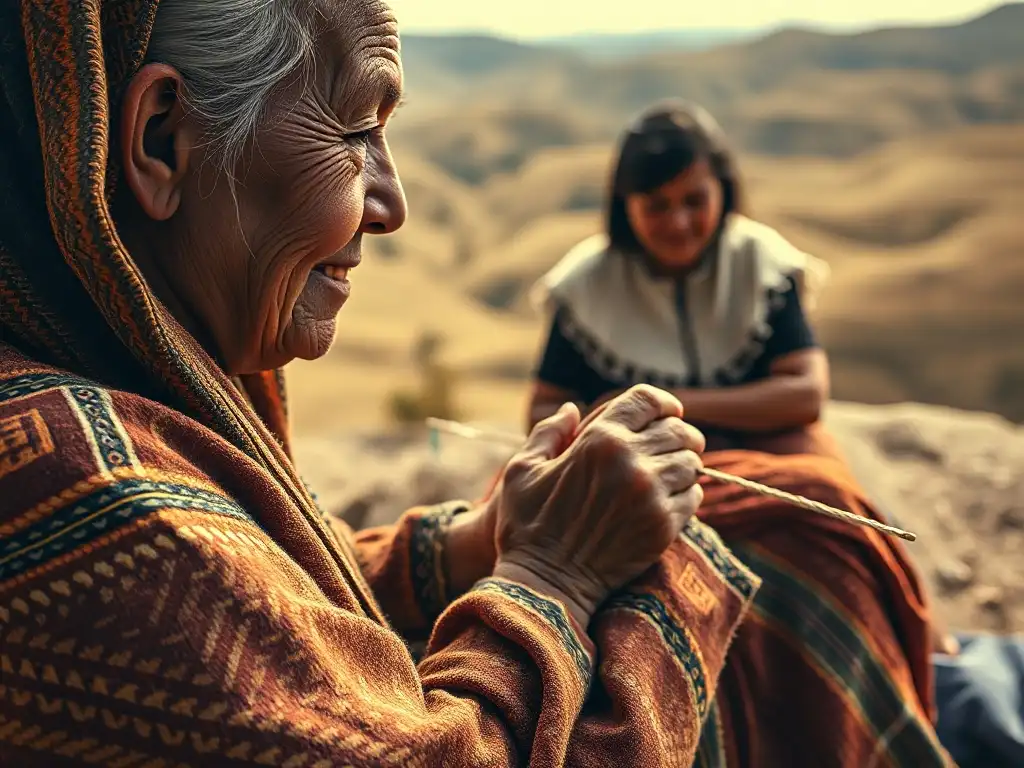
The impact of Incan family structures continues to resonate in modern Andean communities today. While the vast empire has long since crumbled, the fundamental principles of kinship and family organization persist, demonstrating the enduring strength of Andean civilizations family weaving. The ayllu, a traditional community-based system of mutual support and reciprocal obligations, remains a cornerstone of social life in many regions.
Although modified over centuries by colonial influence and globalization, the ayllu continues to provide a framework for cooperation, resource sharing, and social solidarity, reflecting a deep-rooted sense of collective identity and responsibility. The emphasis on extended family, with multiple generations often living together, is another enduring legacy. This arrangement provides crucial support networks for childcare, elder care, and economic stability, showcasing the ongoing importance of familial interdependence.
The strong emphasis on respect for elders and adherence to traditional values, passed down through generations, also underscores the continuing influence of Incan social structures. Even amidst modernization and migration, many Andean communities strive to maintain the core values of family and community that have defined their lives for centuries, highlighting the resilient nature of Andean civilizations family weaving.
Continuity and Change in Andean Kinship: Adaptation and Resilience
The Andean kinship system, a crucial element of Andean civilizations family weaving, has demonstrated remarkable resilience in the face of profound social and political transformations. While the Incan empire's centralized structure has long disappeared, the underlying principles of kinship continue to shape social relations. The ayllu, for instance, has adapted to incorporate new economic realities and migratory patterns, evolving from primarily agricultural communities to more diverse social structures.
This adaptability underscores the inherent flexibility of Andean kinship systems, allowing them to endure despite significant external pressures. The incorporation of new religious beliefs and practices, introduced during the colonial period, hasn't erased traditional kinship values but has instead integrated them into a complex and evolving worldview. For example, the syncretism of Indigenous beliefs and Catholicism has created unique expressions of family and community rituals.
This demonstrates the dynamic nature of Andean cultural traditions, emphasizing their capacity for adaptation and innovation while preserving the core elements of Andean civilizations family weaving. The ongoing negotiation between tradition and modernity reflects the remarkable resilience and adaptability of Andean kinship systems.
Preserving Traditional Family Values in the 21st Century: Cultural Revitalization Efforts
In the 21st century, concerted efforts are underway to preserve and promote traditional family values within Andean communities. These initiatives, crucial for the continuation of Andean civilizations family weaving, range from community-based education programs to the revitalization of traditional ceremonies and rituals. Many organizations are actively working to document and transmit traditional knowledge related to kinship, family structures, and cultural practices to younger generations.
This involves efforts to preserve oral histories, traditional crafts, and ancient languages, all of which contribute to the maintenance of cultural identity and a sense of collective heritage. Furthermore, there's a growing awareness of the importance of promoting intercultural dialogue and understanding, fostering respect for both traditional and contemporary aspects of Andean family life.
These initiatives are essential not only for preserving cultural heritage but also for strengthening community resilience and promoting social cohesion within a rapidly changing global context. The dedication to preserving these traditions underscores the enduring significance of family and community in shaping Andean identity and the ongoing effort to safeguard the intricate tapestry of Andean civilizations family weaving.
Inti Raymi: A Celebration of Family, Sun, and Lineage in the Incan Empire
Inti Raymi, the Inca festival of the sun, wasn't merely a religious observance; it was a powerful statement about the interconnectedness of family, the sun god Inti, and the imperial lineage. The festival, held annually during the winter solstice, brought together people from across the vast Inca empire. Families participated in elaborate ceremonies, offering sacrifices and expressing their devotion to the sun, the source of life and prosperity.
The emperor, considered a direct descendant of the sun god, played a central role, reinforcing the divine legitimacy of the Inca dynasty and the importance of maintaining a strong, unified family structure at the heart of the empire. The festival's grandeur served to solidify social order, with families playing a crucial role in the elaborate rituals and processions. The intricate weaving of family and sun worship was central to the Incan worldview, demonstrating how the empire's power stemmed from the divinely ordained authority of the Inca royal family and its connection to the cosmos.
The vibrant celebrations, with their vibrant textiles and complex ceremonies, were not just spectacles; they were vital mechanisms for reinforcing social cohesion and the sacredness of family bonds. Even the preparation for the festival, involving entire communities and families working together, cemented the importance of collective action and shared identity.
Case Study of the Royal Inca Family: Power, Lineage, and Succession
The Inca royal family serves as a compelling case study in the intersection of power, lineage, and succession within Andean civilizations family weaving. The emperor's authority was inextricably linked to his lineage, tracing back to the mythical founder Manco Capac. Maintaining a pure bloodline was crucial for maintaining the legitimacy of the emperor's rule.
Marriage alliances within the royal family and with elite families across the empire were strategically employed to strengthen political ties and solidify the emperor’s power. The intricate system of succession, while often involving complex negotiations and power struggles, ultimately prioritized the continuation of the royal lineage. The selection of the next Sapa Inca (emperor) was a process that involved consideration of both bloodline purity and perceived leadership qualities.
The lives of the royal family members, including the emperor's wives, children, and siblings, were heavily regulated and scrutinized, reflecting the high stakes associated with maintaining the integrity of the imperial family and its symbolic connection to the sun god. This meticulous attention to lineage and succession highlights the significant role that family played in the political and religious structures of the Incan Empire. The royal family wasn't simply a biological unit; it was a critical institution that undergirded the empire's power and stability.
Conclusion: The Enduring Strength of Family in Incan Civilization
The Incan civilization's enduring strength was significantly intertwined with the profound importance placed on family and kinship. From the grand celebrations of Inti Raymi to the intricate dynamics of the royal family, the role of family extended far beyond the domestic sphere. It formed the bedrock of social organization, political power, and religious belief.
The emphasis on lineage, maintaining blood purity within the ruling class, and the strategic use of marriage alliances all underscore the centrality of family in shaping Incan society. The strength of Andean civilizations family weaving was not merely a social construct; it was a fundamental element that contributed to the empire's longevity and influence. Understanding the complexities of Incan family structures provides crucial insight into the broader social, political, and religious fabric of this remarkable civilization.
The legacy of this strong emphasis on family continues to resonate in Andean cultures today, demonstrating the enduring impact of these historical traditions. The intricate web of kinship ties, woven through generations, continues to shape identities and communities across the Andes.
Frequently Asked Questions
What role did weaving play in Andean family life?
Weaving was not merely a craft, but a central aspect of Andean family life. It was a crucial skill passed down through generations, binding families together and contributing to their economic well-being. Family members of all ages participated in the process.
The complexity and materials used in weaving often indicated social status. Elaborate textiles with fine yarns and intricate designs signified high social standing, while simpler weaves were common amongst the general population. This was particularly true in the Inca Empire.
What types of fibers were commonly used in Andean weaving?
Andean weavers utilized a variety of locally sourced fibers, including cotton, alpaca, llama, and vicuña wool. The choice of fiber depended on factors such as availability, climate, and the intended use of the textile. Vicuña wool, for example, was highly prized for its softness and rarity.
How did Andean weaving techniques differ across different cultures?
While many techniques were shared, distinct styles and patterns emerged amongst different Andean cultures. The Nazca culture, for instance, is renowned for its complex geometric designs, while the Inca Empire developed its own unique styles and color palettes. Each culture had its own distinctive aesthetic.
Beyond clothing, what other items were created through Andean weaving?
Andean weaving extended far beyond clothing. Textiles were used to create a wide variety of objects, including elaborate tapestries, ritual garments, bags, and decorative items. These items played important roles in religious ceremonies and daily life.
Final Reflection: The Enduring Threads of Andean Family and Community
The intricate tapestry of family and community in the Andes continues to inspire and inform our understanding of societal structures, resilience, and the enduring power of collective identity. The strength found in these interwoven relationships, built over millennia, offers a powerful counterpoint to the increasingly individualistic trends of the modern world. Their legacy is a testament to the human capacity for cooperation and mutual support in the face of adversity.
The profound impact of this interconnectedness resonates far beyond the Andes, challenging our assumptions about individual success and societal progress. The emphasis on ayni, the principle of reciprocity and mutual obligation, offers a compelling alternative to purely transactional relationships. The strength of the community lies in the strength of its families, and the strength of the families lies in the strength of their community.
This simple truth, echoing through generations, highlights the symbiotic relationship between the individual and the collective in Andean culture, a lesson we can all benefit from embracing.
Consider the enduring power of these traditions. How can we, in our own lives, cultivate stronger bonds of community and family? How can we learn from the Andean model of reciprocal support and mutual respect to build more resilient and compassionate societies? You have the power to weave your own threads into this rich tapestry, strengthening the bonds within your own community and fostering a more interconnected world. Let the legacy of Andean civilizations inspire you to build a future where family and community thrive.
Thank you for exploring the rich tapestry of Andean family and community life! Your interest in these vibrant cultures is truly inspiring. Now, let's take your engagement to the next level and explore the beauty of the Andes through active participation.
- Attend a local festival or cultural event to experience Andean traditions firsthand and support the community. Immerse yourself in the music, dance, and food, and connect with the local people.
- Share your experiences and newfound knowledge with friends, family, or online communities. Help spread awareness and appreciation for the unique aspects of Andean culture.
- Deepen your understanding by exploring documentaries, books, or online resources focused on Andean civilization. The more you learn, the richer your appreciation will become.
What aspect of Andean family and community traditions resonates most with you, and how can you integrate those values into your own life?