
Market Day in the Andes: Trade and Commerce in Ancient Civilizations

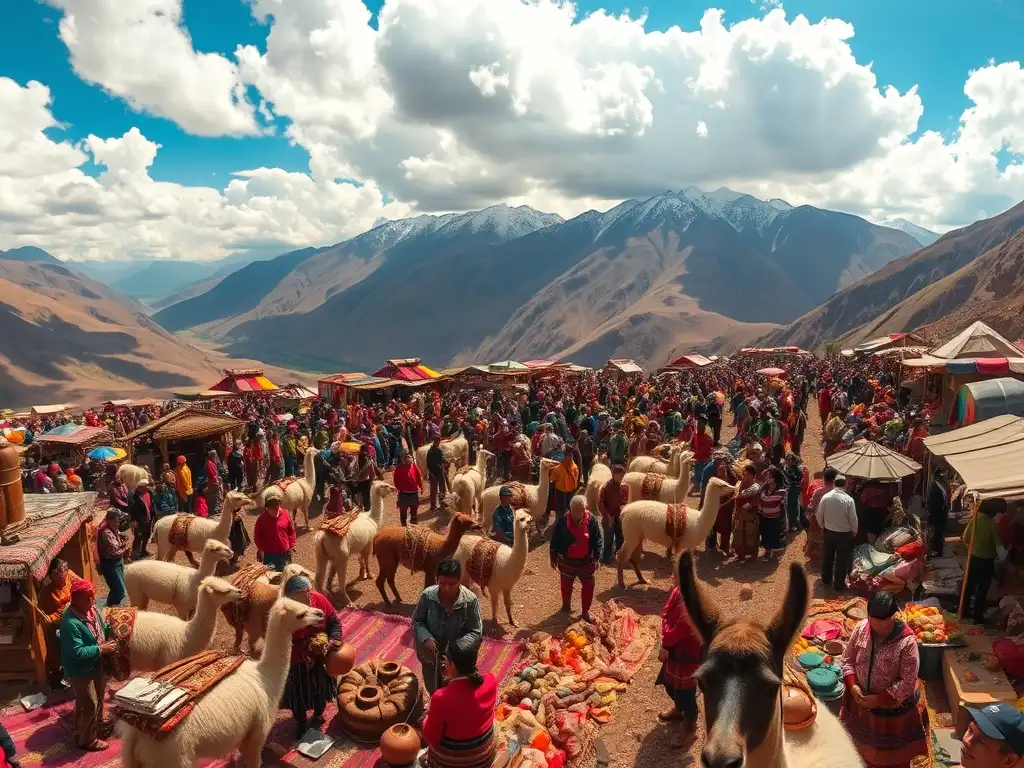
Step into a world lost to time, where the echoes of ancient Andean markets still whisper secrets. Imagine bustling plazas filled with vibrant textiles, gleaming gold, and exotic goods – a testament to the sophisticated Ancient Andean market trade practices that shaped entire civilizations. Uncover the intricate networks, the ingenious bartering systems, and the surprising social dynamics that fueled the rise and fall of empires like the Inca, Moche, and Nazca. Prepare to be amazed as we delve into the vibrant heart of Andean commerce. Journey with us to explore the fascinating story of trade in these remarkable societies.
-
Ancient Andean Market Day: Trade and Commerce in Daily Life
- The Significance of Market Trade in Ancient Andean Societies
- Pre-Inca Market Systems: Regional Exchange Networks
- The Inca Empire and the Expansion of Market Trade
- Goods Exchanged in Ancient Andean Markets
- Market Locations and Infrastructure
- Social and Cultural Aspects of Market Days
- Ancient Andean Market Trade Practices: A Deep Dive
- Contrasting Ancient and Modern Andean Trade
- Understanding Ancient Andean Commerce Through Archaeology
- Conclusion: The Enduring Importance of Market Trade in Ancient Andean Cultures
-
Frequently Asked Questions
- What role did markets play in ancient Andean societies?
- How did ancient Andean civilizations transport goods to markets?
- What types of goods were commonly traded in ancient Andean markets?
- What evidence exists to support our understanding of ancient Andean market trade practices?
- How did ancient Andean market practices differ from those of other ancient civilizations?
- Final Reflection: Echoes of the Andes: A Legacy of Trade and Exchange
- Unveil the Secrets of Ancient Andean Trade!
Ancient Andean Market Day: Trade and Commerce in Daily Life
The bustling marketplaces of the Andes weren't just places to buy and sell goods; they were vibrant hubs of social interaction, economic exchange, and cultural transmission, reflecting the complex social structures and technological advancements of ancient Andean civilizations. Understanding the intricacies of ancient Andean market trade practices provides crucial insight into the daily lives, economic strategies, and political organization of societies like the Inca, Moche, Nazca, and Tiahuanaco.
This exploration delves into the significance of market trade in these ancient societies, examining pre-Inca systems, regional exchange networks, and the crucial role of specialized production in shaping their economic landscapes. From the earliest forms of barter to the sophisticated trade networks spanning vast distances, the story of Andean market trade is a testament to the ingenuity and resilience of these remarkable cultures.
The keyword "Ancient Andean market trade practices" will be explored in detail throughout this article, offering a comprehensive understanding of this fascinating aspect of Andean history.
The Significance of Market Trade in Ancient Andean Societies
Trade in the Andes wasn't a mere economic activity; it was deeply interwoven with the social fabric of these societies. Markets served as vital spaces for the exchange of not only goods but also ideas, information, and cultural practices. The sheer volume and variety of goods traded – from agricultural products like potatoes and maize to textiles, ceramics, and precious metals – demonstrate the level of economic organization and specialization achieved by these civilizations.
The presence of standardized weights and measures in some regions suggests a degree of economic regulation and control, further highlighting the importance of trade in maintaining social order and economic stability. Moreover, the control and distribution of resources through trade often played a significant role in the political power structures of these societies.
The ability to control trade routes and access to valuable resources provided a clear advantage to those in power, solidifying their authority and influence. The scale and sophistication of ancient Andean market trade practices are remarkable achievements that continue to fascinate and inspire researchers today.
Pre-Inca Market Systems: Regional Exchange Networks
Before the Inca Empire unified much of the Andes, diverse regional trade networks thrived, each with its unique characteristics and patterns of exchange. These networks were not simply random exchanges; they were structured systems reflecting the geographical distribution of resources, technological capabilities, and established social relationships between different groups. The exchange of goods was often facilitated by established trade routes, some of which followed natural pathways like rivers and mountain passes.
These routes connected communities, fostering alliances and cultural exchange alongside economic transactions. The absence of a unified currency didn't hinder trade; instead, diverse forms of barter and reciprocal exchange were common, reflecting a complex system of social obligations and trust.
Early Forms of Barter and Trade in the Andes
The earliest forms of trade in the Andes relied heavily on direct barter, where goods were exchanged directly without the use of a standardized medium of exchange. This system required a high degree of trust and reciprocal relationships between trading partners. Archaeological evidence suggests that this system was widespread across various Andean cultures.
The exchange of goods was often influenced by social status and kinship ties, with certain items holding symbolic value beyond their practical use. For example, the exchange of exotic feathers or shells might have served as a way to establish social bonds and reinforce alliances between different communities.
The Role of Specialized Production in Regional Trade
The development of specialized production played a critical role in shaping regional trade networks in the Andes. Certain communities became renowned for their expertise in producing particular goods, leading to the emergence of regional specialization. For instance, some communities specialized in pottery, others in textiles, while still others focused on metalworking or agriculture. This specialization led to increased efficiency and the production of high-quality goods, which were then traded across wider networks. The specialization and subsequent trade not only stimulated economic growth but also fostered cultural exchange and innovation.
The Tiwanaku Trade Network and Obsidian Exchange
The Tiwanaku civilization, flourishing in the Lake Titicaca basin, developed an extensive trade network that reached far beyond its immediate surroundings. A key element of this network was the exchange of obsidian, a volcanic glass prized for its sharpness and used in the production of tools and weapons. The Tiwanaku controlled access to significant obsidian sources, giving them a considerable economic and political advantage.
The distribution of obsidian across vast distances demonstrates the sophistication of their trade network and their ability to manage and control the flow of resources. The widespread presence of Tiwanaku-style ceramics and other artifacts in distant regions further illustrates the reach and influence of their trade network, highlighting their role as a major player in the ancient Andean economic landscape. The systematic exchange of obsidian exemplifies the scale and complexity of Ancient Andean market trade practices.
The Inca Empire and the Expansion of Market Trade
The Inca Empire, at its zenith, oversaw a vast and sophisticated system of trade that extended across its territories. This wasn't simply a collection of independent marketplaces; it was a carefully orchestrated network facilitated by imperial power and infrastructure. The Inca's mastery of engineering and administration allowed them to create a system that efficiently moved goods and resources across diverse and challenging terrains. This efficient trade network was a key factor in the Empire's remarkable political and economic stability for over a century.
The scale of this operation was unprecedented in the Andes, dwarfing the trade systems of preceding cultures. The standardization of weights and measures, coupled with the use of standardized currency (though not in the form of coinage), further enhanced the efficiency and transparency of transactions. This system, however, was fundamentally different from free market systems known in the modern world.
Inca Economic Policies and Their Impact on Trade
Inca economic policies were intrinsically linked to their system of trade. The ayllu, the community-based social and economic unit, played a critical role. Production quotas were set, and surplus goods were channeled to state warehouses ( qollqas). This redistribution system ensured that resources were available for the entire population, including the support of the vast imperial bureaucracy and military.
This state-controlled system, while providing stability and social welfare, also limited individual economic freedom. The impact on trade was significant: while fostering a large-scale movement of goods, it also restricted the emergence of independent merchants and the development of purely market-driven pricing mechanisms. The state's control ensured a degree of price stability, but it also meant that prices were not determined solely by supply and demand.
The Qhapaq Ñan and the System of State-Controlled Trade
The Qhapaq Ñan, the extensive Inca road system, was the backbone of their trade network. This meticulously constructed network of roads, bridges, and waystations facilitated the movement of goods, people, and messages across the vast empire. The chasquis, relay runners, utilized the Qhapaq Ñan to quickly transmit information and coordinate the movement of goods. The state controlled not only the infrastructure but also the transportation of goods along these routes.
This control minimized the risk of theft and ensured that the flow of goods remained consistent and predictable. The system was highly organized, with specific routes designated for specific goods and regions. This streamlined the process, minimizing congestion and maximizing efficiency. The construction and maintenance of the Qhapaq Ñan itself represented a massive economic undertaking, showcasing the Inca's commitment to facilitating trade and communication.
The Role of the State in Regulating Market Activities
The Inca state played a dominant role in regulating market activities. While markets existed, they were not free markets in the modern sense. The state controlled the production, distribution, and pricing of many goods. This control extended to setting production quotas for ayllus, managing state warehouses, and regulating the movement of goods along the Qhapaq Ñan. The state also intervened to prevent monopolies and ensure fair distribution.
The kurakas, local leaders, were responsible for overseeing market activities within their respective regions. They acted as intermediaries between the state and the population, ensuring that goods were exchanged fairly and in accordance with state regulations. This centralized control over trade was essential to maintaining social order and the economic stability of the empire. The state's role was not simply regulatory; it was actively involved in shaping and controlling the entire economic landscape.
Goods Exchanged in Ancient Andean Markets
The goods exchanged in ancient Andean markets reflected the diverse geography and specialized production of the different regions within the empire. From agricultural products grown in fertile valleys to finely crafted textiles and precious metals, the markets presented a vibrant tapestry of Andean ingenuity and resourcefulness. The exchange was not limited to immediate necessities; luxury goods and ceremonial items also played a significant role in these markets, highlighting the social and political hierarchy present in the societies. The sheer variety of goods reflects the sophisticated and interconnected nature of Andean trade networks.
Agricultural Products and Regional Specialization
Agricultural products formed the backbone of Andean market exchange. Different regions specialized in different crops. The coastal areas produced cotton, seafood, and other coastal products. The highlands were known for potatoes, maize, quinoa, and other hardy crops.
This regional specialization fostered a vibrant system of inter-regional trade. Surplus agricultural products were traded for goods not readily available in a particular region. This exchange was crucial for food security and economic stability. The Inca system of mit'a, a form of rotational labor service, also played a role in agricultural production and distribution, ensuring the efficient transfer of agricultural goods to various regions.
Craft Goods and Artisan Production
Ancient Andean societies were renowned for their skilled artisans. Textiles, pottery, metalwork, and stone carving were highly valued goods. Textiles, particularly those with intricate designs, were highly prized, often used for clothing, ceremonial purposes, and trade. Pottery varied greatly in style and function, ranging from everyday utilitarian wares to elaborate ceremonial vessels.
Metalwork, particularly gold and silver, was used in the creation of ornaments, tools, and religious objects. The skill and artistry of these craftspeople contributed significantly to the economic prosperity of their communities and the richness of Andean markets. The demand for these high-quality craft goods fueled inter-regional trade and contributed to the economic interconnectedness of the Andean world.
Precious Metals and Luxury Items in Andean Trade
Precious metals, especially gold and silver, were highly valued in Andean societies, often used as symbols of power and status. Gold and silver objects, often intricately crafted, were exchanged in markets and used in ceremonial contexts. Other luxury items, such as feathers, rare stones, and exotic goods from distant regions, also played a significant role in Andean trade.
These luxury items often served as gifts, tribute, and markers of social status. Their presence in markets underscores the complexity and diversity of the goods exchanged, reflecting the economic and social hierarchies of Andean civilizations. The control and distribution of these luxury goods further cemented the power and influence of the ruling elites within the Andean societies.
Market Locations and Infrastructure
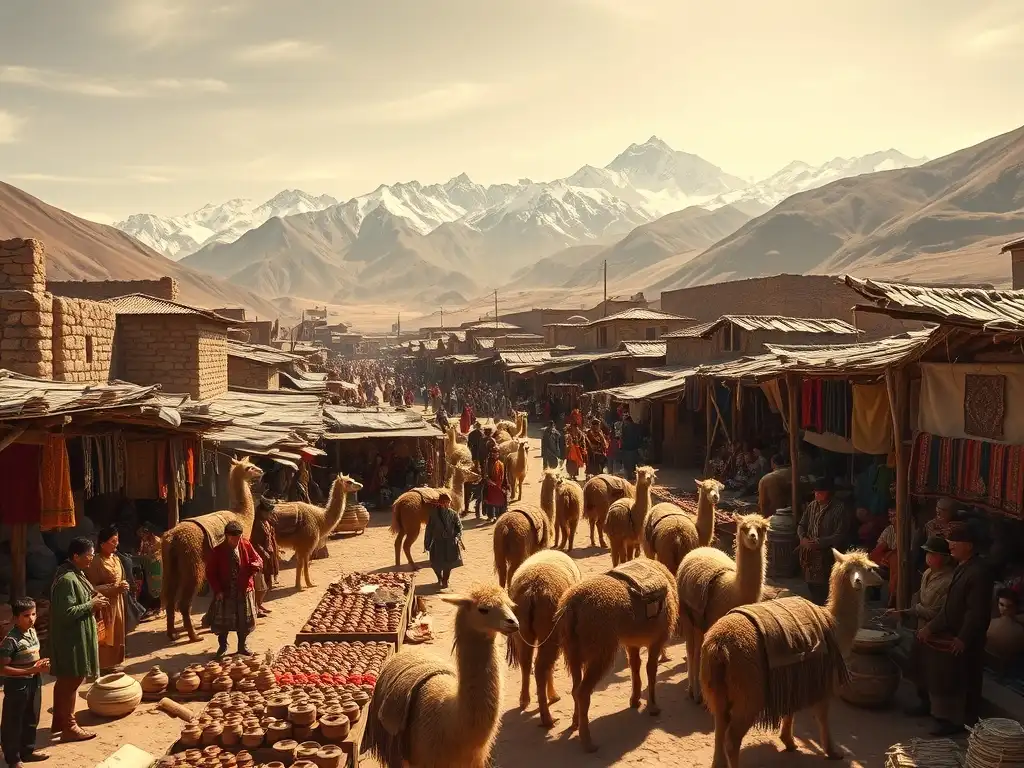
Andean market infrastructure varied significantly depending on the scale and importance of the market. Smaller, local markets often sprung up spontaneously in open plazas or designated areas within settlements. These spaces were generally less formally organized, perhaps marked only by loosely defined boundaries or the presence of established vendors. Larger, regional markets, however, required more planning and infrastructure.
These frequently featured designated areas for different types of goods, potentially including covered stalls or designated spaces for specific craftspeople or merchants. The size and complexity of these larger markets reflected the significant economic and social importance of trade in Andean societies. The presence of permanent structures, even rudimentary ones, highlights the long-term investment in trade and its integration into the daily lives of Andean communities. Evidence suggests that even these larger markets were often temporary, set up periodically for specific trading events, rather than being permanently established structures.
Types of Andean Marketplaces: Local vs Regional
A key distinction in understanding ancient Andean market trade practices lies in differentiating between local and regional marketplaces. Local markets, often smaller and less formally structured, served the immediate needs of nearby communities. These markets facilitated the exchange of everyday goods, such as agricultural produce, textiles, and basic tools.
They were vital for the sustenance and daily functioning of smaller settlements. In contrast, regional markets were larger, more organized affairs, attracting traders and customers from a wider geographical area. These markets handled a far greater volume and variety of goods, including luxury items, exotic materials, and specialized crafts.
The scale of these regional markets reflects the sophisticated trade networks that connected different Andean communities and empires. The organization and management of these larger markets likely involved a greater degree of centralized control, possibly by local authorities or even the ruling elite. The sheer size and diversity of goods traded indicate a high level of economic specialization and inter-community cooperation.
The Importance of Roads and Transportation Routes
The efficient functioning of Andean markets relied heavily on well-established road and transportation networks. These networks, often meticulously engineered, allowed for the movement of goods and people across challenging Andean terrain. The Inca road system, for example, is renowned for its sophistication and scale, facilitating trade across vast distances. These roads not only connected distant markets but also served as vital arteries for the movement of agricultural products, raw materials, and finished goods.
The development and maintenance of these transportation routes were critical for the economic prosperity and social cohesion of Andean societies. The impact on "Ancient Andean market trade practices" is undeniable; without efficient transport, the scale and scope of trade would have been drastically limited. Furthermore, the strategic placement of markets along major trade routes amplified their economic importance.
The Market at Ollantaytambo
Ollantaytambo, a significant Inca site, provides a fascinating glimpse into the integration of market activities within a larger urban setting. While the specific layout and function of the market area aren't fully understood, archaeological evidence suggests a bustling hub of commercial activity. The presence of numerous storage facilities and the proximity of agricultural terraces suggest a close link between agricultural production and market exchange.
The strategic location of Ollantaytambo, along a major Inca road, further underscores its importance as a regional trading center. The scale of the site and the sophistication of its architecture hint at the significant economic and political power associated with this market. Further research and excavation are needed to fully understand the intricacies of the market at Ollantaytambo, but it serves as a compelling example of the sophisticated integration of trade within Inca urban planning.
Market days in the Andes were far more than simple economic transactions; they were vibrant social and cultural events that played a crucial role in shaping Andean communities. The atmosphere was often lively and bustling, a blend of commerce and social interaction. These events provided opportunities for people from different communities to connect, exchange news, and strengthen social bonds.
Social Interactions and Community Building
Beyond the exchange of goods, Andean markets served as vital spaces for social interaction and community building. People from diverse backgrounds—farmers, artisans, merchants, and even elites—converged, fostering a sense of shared identity and interdependence. These interactions strengthened social networks and facilitated the transmission of information and cultural practices. The lively atmosphere, filled with bartering, storytelling, and festive gatherings, contributed significantly to the social fabric of Andean societies. The market wasn't just a place to buy and sell; it was a central hub for social cohesion and community building.
Rituals and Ceremonies Associated with Market Trade
Many Andean cultures incorporated rituals and ceremonies into their market practices, reflecting the deep spiritual significance attributed to trade and exchange. These rituals might involve offerings to deities associated with prosperity or fertility, or prayers for a successful harvest or bountiful trade. The integration of religious practices into market activities underscored the interconnectedness of the economic and spiritual spheres of life.
Specific rituals varied across different Andean cultures and regions, reflecting the diversity of beliefs and practices. These ceremonies were not merely symbolic; they played a vital role in reinforcing social order and fostering a sense of community and shared purpose.
The Role of Women in Andean Markets
Women played a significant role in Andean markets, often acting as primary producers, traders, and vendors. They were responsible for cultivating crops, creating textiles, and preparing various goods for sale. Their participation in the market economy was not limited to subsistence activities; women were actively involved in the production and trade of luxury goods and specialized crafts.
Their contributions were essential to the economic success of Andean communities, and their presence in the markets reflects their significant social and economic standing within these societies. Further research is needed to fully document the specific roles and contributions of women in different Andean market systems. However, available evidence points to their crucial and multifaceted involvement in the economic life of these civilizations.
Ancient Andean Market Trade Practices: A Deep Dive
The vibrant tapestry of ancient Andean life was intricately woven with the threads of trade and commerce. Markets, bustling centers of exchange, played a crucial role in the daily lives of individuals across diverse Andean societies, from the Incas to the Moche and Nazca. Understanding these ancient Andean market trade practices reveals fascinating insights into their economic systems, social structures, and cultural values.
The sheer scale and sophistication of these market systems, considering the lack of advanced technologies we enjoy today, is truly remarkable. Archaeological evidence, including the discovery of numerous market sites and the analysis of traded goods, paints a vivid picture of a complex and dynamic economic landscape. The exchange of goods wasn't merely a transactional event; it was a social ritual, a space for interaction and negotiation, and a vital component in the maintenance of social order and political power.
The very act of trading fostered relationships between communities, facilitating the flow of information, ideas, and even artistic motifs across vast geographical areas. The persistence of certain aspects of this ancient trading system in modern Andean communities is a testament to its enduring legacy.
Bartering Systems and Exchange Rates
While the concept of a standardized currency wasn't universally adopted across all ancient Andean cultures, bartering was undoubtedly the most prevalent form of trade. The exchange of goods and services was based on a system of reciprocal obligations and negotiated values. Determining "exchange rates" was a complex process, often influenced by factors such as the availability of goods, their perceived value (often tied to cultural significance), and the bargaining skills of the individuals involved.
For instance, a finely crafted ceramic vessel might be exchanged for a quantity of llama wool, the value of which depended on factors like the quality, quantity, and the specific needs of the parties involved. The absence of written records makes the precise reconstruction of these exchange rates challenging, but careful analysis of archaeological findings, combined with ethnohistorical accounts, provides valuable clues to understand the dynamics of this ancient system.
The system wasn't static; values fluctuated based on seasonal availability and societal needs. A surplus of maize during harvest might lower its value relative to other scarce goods.
The Use of Currencies or Equivalents
Although a fully developed monetary system in the way we understand it today was absent in many ancient Andean societies, certain goods functioned as quasi-currencies or equivalents. In some regions, textiles, particularly those of exceptional quality and craftsmanship, acted as a store of value and a medium of exchange. Spindle whorls, used in spinning, and other specialized tools were also occasionally used as forms of payment.
The Inca empire, known for its centralized administrative system, utilized a system of tribute and redistribution, where standardized quantities of goods were collected and then redistributed based on the needs of the empire. This system, although not a currency in the conventional sense, provided a degree of economic stability and controlled resource allocation. The precise nature and extent of these "currency equivalents" varied across different regions and time periods, reflecting the diverse economic practices of the different Andean cultures.
The Exchange of Coca Leaves for Pottery
The exchange of coca leaves for pottery provides a compelling example of the intricately woven nature of ancient Andean trade. Coca leaves, possessing both ritual and medicinal significance, held high value in many Andean societies. The exchange for pottery, especially finely crafted pieces, highlights the interplay between economic and ritual practices. Pottery often served as containers for coca leaves, further intertwining their symbolic and practical values.
The value proposition extended beyond mere functionality; the aesthetic appeal and cultural significance of the pottery enhanced the value of the exchange. The transaction wasn't simply about the transfer of goods; it also involved the transfer of social status and cultural meaning. The exchange of coca leaves for pottery underscores the importance of considering the social and cultural context within which economic transactions occurred in ancient Andean societies.
Contrasting Ancient and Modern Andean Trade
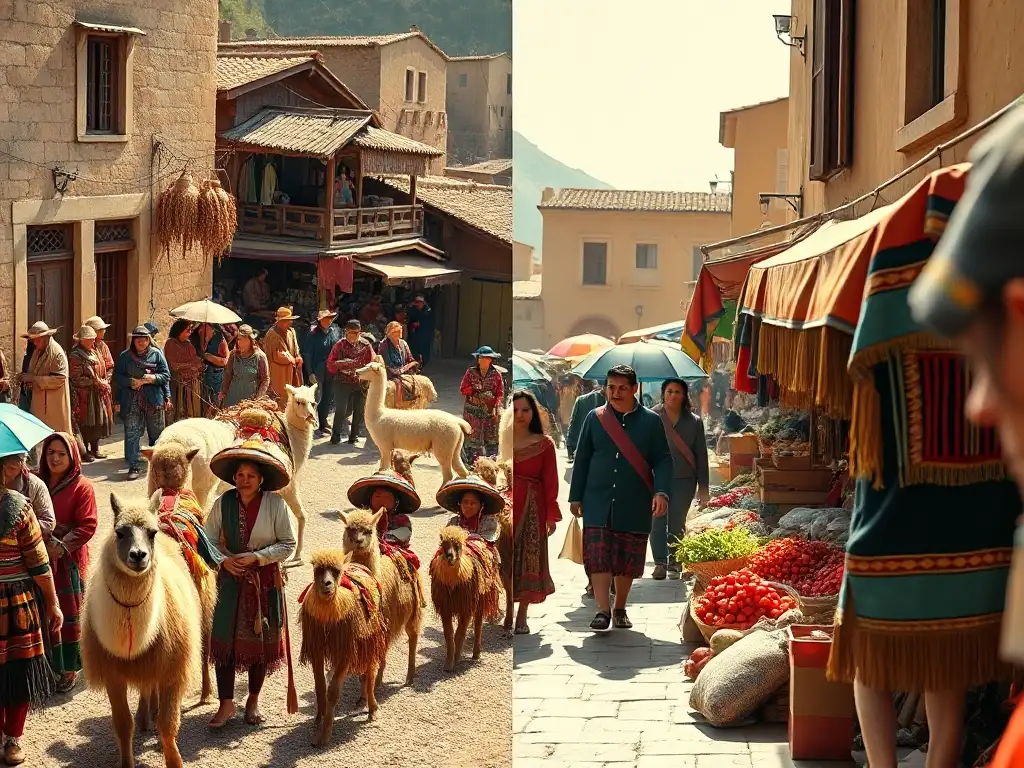
The evolution of trade practices in the Andes from ancient times to the present day offers a fascinating case study in economic and social change. While the core principles of exchange—the need to obtain goods and services not readily available locally—have persisted, the mechanisms and contexts have undergone significant transformations.
The Evolution of Market Practices in the Andes
Ancient Andean trade relied heavily on extensive networks of trails and porters, a laborious and time-consuming system. The rise of the Inca empire saw the development of a more formalized system of road infrastructure and state-controlled redistribution. The Spanish conquest dramatically altered the landscape of Andean trade, introducing new goods, technologies, and economic systems based on European models. The integration into the global market economy brought about further changes, with the shift towards cash-based transactions and the emergence of new market structures. Today, Andean markets continue to thrive, blending ancient traditions with modern economic practices.
The Legacy of Ancient Andean Trading Traditions
Despite the significant transformations over centuries, certain aspects of ancient Andean trading traditions persist. The importance of personal relationships in facilitating trade remains prominent, reflecting the enduring value placed on social networks and reciprocity. The vibrant atmosphere of Andean markets, characterized by lively bartering and social interaction, echoes the bustling market places of ancient times. Many traditional goods, such as textiles and ceramics, continue to be produced and traded, maintaining a link to ancient crafts and techniques. The legacy of ancient Andean trading traditions is evident in the enduring cultural practices that shape contemporary Andean economies.
The Persistence of Barter in Rural Andean Communities
Even in the face of globalization and the widespread adoption of monetary systems, barter continues to play a significant role in many rural Andean communities. This persistence highlights the resilience of traditional economic practices and their continued relevance in specific contexts. Barter systems often function as a supplementary means of exchange, particularly in situations where access to cash is limited or where strong social bonds dictate economic transactions.
The exchange of goods and services based on reciprocal relationships reinforces community cohesion and mutual support. The continued use of barter demonstrates the adaptability of ancient Andean trading practices and their integration into modern economic realities.
Understanding Ancient Andean Commerce Through Archaeology
Archaeology plays a crucial role in reconstructing the vibrant tapestry of ancient Andean commerce. By meticulously excavating and analyzing sites across the Andes, researchers uncover invaluable insights into the daily lives of these ancient societies and their intricate trading networks.
The careful study of material remains provides tangible evidence of the goods exchanged, the distances covered, and the sophisticated systems that facilitated this vital aspect of Andean life. This evidence isn't simply about finding artifacts; it's about understanding the context in which they were found—their location within a settlement, their association with other objects, and their state of preservation—all contribute to a richer understanding of ancient Andean market trade practices.
The careful documentation of these findings allows for a more complete picture of the economic and social structures that supported these bustling marketplaces. Furthermore, the application of scientific techniques like radiocarbon dating and residue analysis helps to refine our understanding of the chronology and nature of the traded goods.
Archaeological Evidence of Marketplaces and Trade
The archaeological record offers compelling evidence of dedicated marketplaces and extensive trade networks in the Andes. Excavations at various sites, such as [specific site name pending] in the coastal region and [specific site name pending] in the highlands, have revealed large concentrations of artifacts indicative of commercial activity. These include specialized structures potentially used as market stalls or storage facilities, evidence of significant pedestrian traffic, and the presence of diverse goods from distant regions.
The sheer quantity and variety of materials found at these locations strongly suggest the existence of organized markets, where goods were exchanged regularly. Further evidence comes from the discovery of standardized weights and measures, indicating a degree of economic regulation and facilitating fair transactions.
The spatial arrangement of these sites often reflects a deliberate planning process, suggesting a structured approach to commerce and trade. The layout of streets and the proximity of specific buildings to each other often reveals patterns consistent with market activity and commercial exchange.
Analysis of Traded Goods and Artifacts
The analysis of traded goods and artifacts provides crucial information about the extent and nature of ancient Andean trade networks. Researchers have identified a wide range of items exchanged, including textiles, ceramics, metals (gold, silver, copper), and agricultural products such as maize, coca leaves, and potatoes.
The presence of exotic materials, such as obsidian from distant volcanic sources or spondylus shells from the Pacific coast, in sites far from their origin underscores the extensive reach of these trading systems and the interconnectedness of Andean societies. The style and quality of these artifacts also provide insights into the social status of the traders and the value placed on different goods.
For example, intricately woven textiles or finely crafted ceramics might have been exchanged as prestigious gifts or used in ceremonial contexts, reflecting a complex social hierarchy integrated with market exchange. The study of these artifacts, therefore, allows us to understand not only the economic aspects of Andean trade but also its social and cultural significance.
The Discovery of Chicha Vessels in Market Sites
The discovery of numerous chicha vessels in archaeological market sites provides compelling evidence of the social and economic importance of this fermented beverage in ancient Andean society. Chicha, a drink made from fermented maize, played a central role in social gatherings, religious ceremonies, and trade negotiations.
The presence of large quantities of chicha vessels, often in broken or discarded states, suggests that this drink was consumed in significant amounts at market locations, potentially serving as a social lubricant facilitating interactions among traders and consumers. The styles and decorations of these vessels also offer clues about their origins and the social status of their users.
Some vessels are elaborately decorated, indicating that chicha was not simply a commodity but also a symbol of social status and cultural identity. The discovery of these vessels in market contexts, therefore, helps to illuminate the social and ritual dimensions of market trade in ancient Andean cultures, going beyond the purely economic aspects of exchange.
Conclusion: The Enduring Importance of Market Trade in Ancient Andean Cultures
The archaeological evidence overwhelmingly demonstrates the vital role of market trade in the daily lives and economic prosperity of ancient Andean civilizations. The sophisticated systems of exchange, the extensive networks connecting disparate regions, and the diverse range of traded goods all point to a complex and dynamic economy. Ancient Andean market trade practices were not simply about the exchange of goods; they were deeply embedded in the social, political, and religious fabric of these societies.
Understanding these practices provides crucial insights into the interconnectedness of Andean communities and the strategies they employed to manage resources and maintain social order. The enduring legacy of these ancient markets continues to resonate in modern Andean societies, where vibrant markets remain central to daily life and social interaction. Further research and excavation are vital to continue unraveling the intricacies of ancient Andean commerce and its enduring impact on the region's cultural heritage.
Frequently Asked Questions
What role did markets play in ancient Andean societies?
Ancient Andean markets served as vital centers for economic exchange, facilitating the distribution of goods and the flow of information across diverse regions. They were crucial to the social and political fabric of these civilizations.
How did ancient Andean civilizations transport goods to markets?
Goods were transported using a variety of methods, including llama caravans for long distances and human porters for shorter ones. River systems also played a significant role in transporting goods.
What types of goods were commonly traded in ancient Andean markets?
A wide range of goods were traded, including agricultural products (potatoes, maize, coca), textiles, metals (gold, silver, copper), and ceramics. Luxury items were also exchanged between elites.
What evidence exists to support our understanding of ancient Andean market trade practices?
Archaeological evidence, such as market sites, storage facilities, and artifacts found at these locations, provides valuable insights. Written accounts from Spanish conquistadors also offer some information, although often biased.
How did ancient Andean market practices differ from those of other ancient civilizations?
While sharing some similarities with other ancient societies, Andean market practices were unique, reflecting the specific geography, social structures, and economic systems of the region. The extensive use of llamas for transport is one key difference.
Final Reflection: Echoes of the Andes: A Legacy of Trade and Exchange
The intricate systems of trade developed in the ancient Andes weren't merely economic transactions; they were the lifeblood of entire civilizations, and their echoes resonate powerfully in our globally interconnected world today. Understanding these ancient practices offers crucial insights into the complexities of sustainable resource management, community building, and the enduring human need for connection and exchange, even across vast geographical distances. The sophisticated networks established by the Inca and preceding cultures serve as a potent reminder of human ingenuity and adaptability in the face of challenging environments.
The enduring impact of Andean market practices extends far beyond the archaeological record. Their influence can be seen in the vibrant traditions of indigenous communities who continue to maintain aspects of these ancient systems, adapting them to modern contexts. The past is never dead. It's not even past.
– William Faulkner. This quote perfectly encapsulates the ongoing relevance of Andean trade practices, demonstrating how the past continues to shape the present, informing our understanding of economic systems and cultural preservation. The resilience of these traditions underscores the importance of recognizing and respecting the historical roots of contemporary societies.
Consider the lessons learned from the ingenuity and sustainability of the ancient Andean market systems. How can we apply their principles of reciprocal exchange, community-based resource management, and respect for the environment to address the challenges of our modern globalized economy? You, the reader, hold the power to carry this legacy forward.
By engaging with the history of Andean trade, we can foster a deeper appreciation for the interconnectedness of cultures and the enduring importance of equitable and sustainable practices in building thriving communities. Let's strive to create a future where the spirit of exchange, collaboration, and respect for our shared resources mirrors the wisdom of the ancient Andes.
Unveil the Secrets of Ancient Andean Trade!
Thank you for exploring the fascinating world of trade and commerce in ancient Andean civilizations! Your interest in this rich history allows you to gain valuable insights into the economic and social prosperity of these communities.
Now that you've learned about the bustling marketplaces of the Andes, consider these next steps:
- Visit a local market: Immerse yourself in the vibrant atmosphere of a nearby farmers' or artisan market this weekend and experience the energy of trade firsthand.
- Share your newfound knowledge: Discuss your discoveries with friends and family; you might spark their interest in history!
- Join an online community: Connect with fellow history enthusiasts on online forums dedicated to ancient civilizations to exchange ideas and perspectives.
What's a fascinating aspect of ancient Andean trade that deserves wider recognition? We'd love to hear your thoughts!