
Beyond the Pyramids: Daily Life in a Nazca Settlement

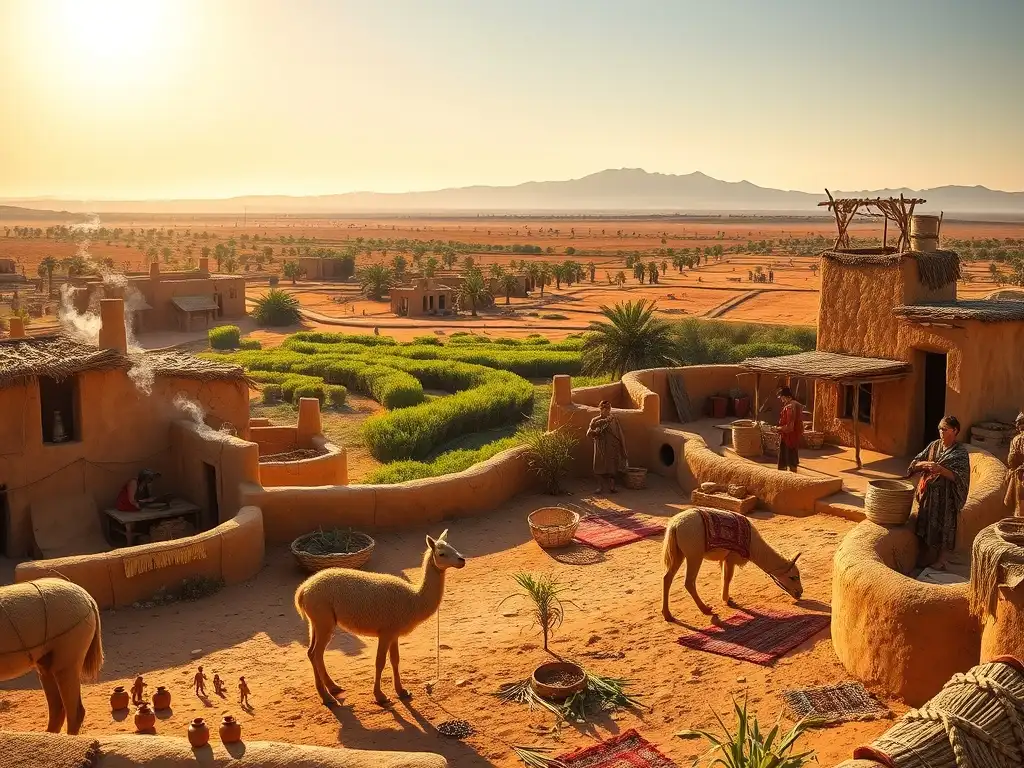
Welcome to Andean Civilizations, where the echoes of a lost world whisper secrets of ingenuity and wonder. Forget the familiar narratives – prepare to delve into the vibrant tapestry of Andean life, far beyond the iconic pyramids. Our exploration begins with a captivating look into Nazca daily life settlement, revealing a society far more complex and fascinating than you ever imagined. Dare to uncover the hidden stories behind this ancient civilization; their ingenuity and resilience await.
- Beyond the Pyramids: Unveiling Nazca Daily Life Settlement
- The Nazca People: More Than Just Lines
- Everyday Life in a Nazca Village
- Nazca Craftsmanship and Daily Activities
- Nazca Religious Practices and Rituals
- Nazca Technology and Innovation
- Decline of Nazca Settlements and Legacy
- Nazca Daily Life: A Summary of Key Aspects
-
Frequently Asked Questions
- What kind of settlements did the Nazca people inhabit?
- How did the Nazca obtain food and water in their arid environment?
- What were some common features of Nazca houses and architecture?
- What evidence reveals aspects of Nazca social organization?
- How did Nazca daily life differ from that of other Andean cultures?
- Final Reflection: Echoes of the Nazca: A Legacy Woven into the Sands
- Embrace the Mysteries of Nazca Daily Life!
Beyond the Pyramids: Unveiling Nazca Daily Life Settlement
The Nazca civilization, famed for its enigmatic geoglyphs etched into the Peruvian desert, remains a captivating enigma. While the colossal lines sprawling across the Pampa de San José draw considerable attention, a deeper understanding of Nazca culture requires exploring the intricacies of daily life within their settlements. This article delves into the fascinating world of a typical Nazca settlement, revealing the routines, social structures, and technological innovations that shaped their existence.
We will move beyond the iconic imagery and unearth the realities of their everyday lives, offering a richer appreciation for this remarkable Andean society. Understanding Nazca daily life settlement provides crucial context for interpreting their artistic achievements and societal organization, ultimately enriching our comprehension of this influential culture. This exploration will uncover how the seemingly simple act of living contributed to the overall vibrancy and complexity of Nazca society.
The Structure of a Nazca Settlement
Nazca settlements weren't uniformly planned cities like those of later Inca empires. Instead, they consisted of dispersed clusters of dwellings, often built along water sources vital for survival in the arid coastal desert. These settlements were not merely collections of houses; they represented carefully organized social units.
Evidence suggests a hierarchical structure, with larger, more elaborate dwellings likely belonging to elites or influential families, while smaller structures housed the majority of the population. The arrangement of houses often reflected kinship ties and social standing, indicating a complex social network within each settlement. Archaeological excavations have revealed the presence of communal spaces, suggesting the importance of shared activities and social cohesion within the Nazca community.
Furthermore, the strategic placement of settlements near agricultural lands highlights the critical role of farming in their daily lives. The layout of these settlements, therefore, was far from random; it was a reflection of their social organization and economic strategies.
Agriculture and Water Management: The Life Blood of Nazca
The harsh desert environment demanded ingenious solutions for water management and agriculture. The Nazca people developed sophisticated irrigation systems, channeling water from scarce sources to cultivate crops such as cotton, maize, beans, and squash. These systems involved intricate networks of canals and reservoirs, testament to their advanced engineering skills. Evidence of raised fields—artificial platforms built to improve drainage and soil fertility—has also been found, demonstrating their mastery over land management.
The daily rhythm of life was heavily influenced by the agricultural cycle, with much of the population involved in farming activities. The success of these systems directly impacted the food supply, social stability, and overall prosperity of the Nazca settlements. The intricate balance between water availability, agricultural production, and population density formed the cornerstone of their daily existence.
A typical day in a Nazca settlement likely began with agricultural tasks, followed by household chores, crafts production, and social interactions. The women were likely responsible for weaving, pottery making, and food preparation, while men engaged in farming, hunting, and construction. Social gatherings likely occurred in communal areas or within homes, providing opportunities for exchanging news, strengthening social bonds, and celebrating important events.
The creation and exchange of textiles and pottery played a significant role in social interactions, serving as both practical items and symbols of status and identity. These daily routines highlight the close-knit nature of Nazca communities and the importance of cooperation in their survival. The integration of work and social life created a vibrant and dynamic atmosphere within the settlements.
Craftsmanship and Technology: Beyond Daily Necessities
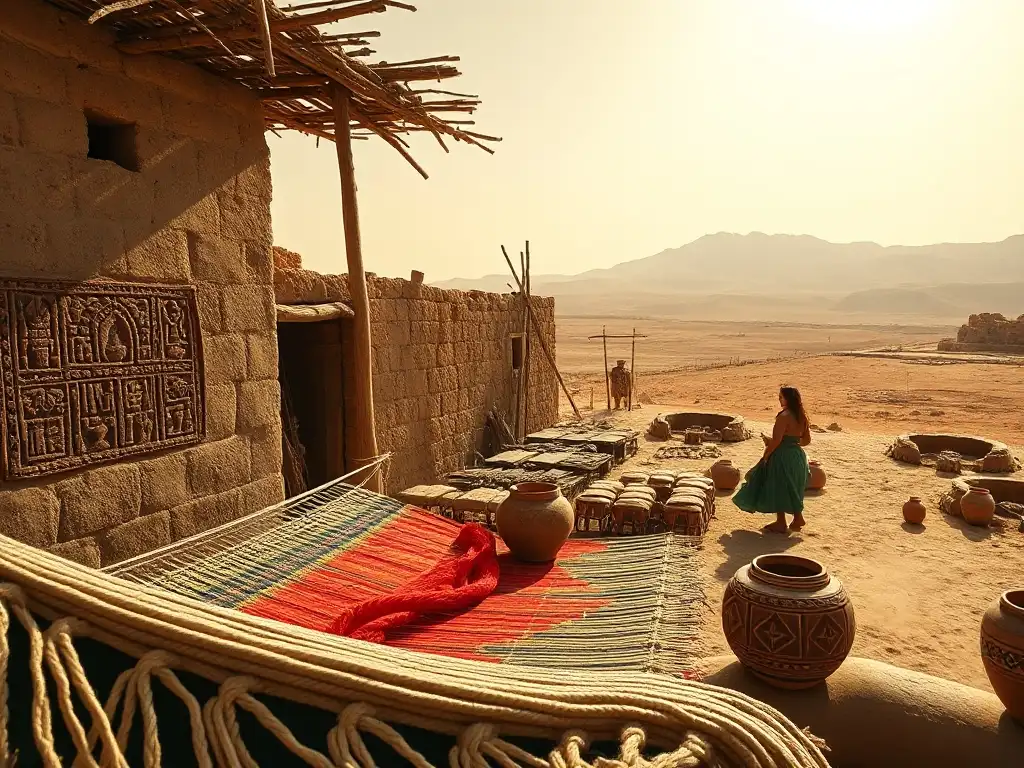
While agriculture formed the backbone of Nazca society, their craftsmanship extended far beyond the realm of necessity. The Nazca were renowned for their intricate textiles, featuring complex designs and vibrant colors. Their pottery, often depicting scenes of daily life, religious rituals, or mythological figures, is another testament to their artistic prowess. The production of these artifacts required specialized skills and knowledge, suggesting the presence of skilled artisans within the settlements.
Furthermore, the construction of irrigation systems and monumental architecture demonstrates their advanced engineering capabilities. This technological ingenuity wasn't merely functional; it was also a source of social prestige and possibly even religious significance. The combination of artistic expression and technological advancement shaped the unique character of Nazca settlements.
The Legacy of Nazca Daily Life Settlement
Understanding the daily life within a Nazca settlement offers a compelling counterpoint to the iconic geoglyphs. It reveals a society that was not only capable of creating monumental artwork but also possessed sophisticated agricultural practices, intricate social structures, and remarkable craftsmanship. The integration of these aspects reveals a complex and dynamic culture that thrived in a challenging environment.
The legacy of the Nazca extends beyond their artistic achievements; it lies in their resilience, ingenuity, and ability to create a thriving society in one of the world's most demanding landscapes. Further research and archaeological discoveries promise to further illuminate the vibrant tapestry of Nazca daily life. The study of Nazca daily life settlement continues to unravel the secrets of this captivating Andean civilization.
The Nazca People: More Than Just Lines
The Nazca civilization, famed for its enigmatic geoglyphs, was far more than just a society obsessed with creating massive desert drawings. Understanding Nazca daily life settlement requires delving into their complex social structures, intricate irrigation systems, and sophisticated craft production. This section explores the daily realities of life in a typical Nazca settlement, moving beyond the iconic lines to reveal a vibrant and resourceful culture. The keyword "Nazca daily life settlement" is central to understanding the depth and complexity of this remarkable civilization.
Geographical Context of Nazca Settlements
Nazca settlements were strategically located along the arid southern coast of Peru, within the Nazca River valley. This seemingly inhospitable environment, characterized by scarce rainfall and desert conditions, presented unique challenges and opportunities for the Nazca people. Their success in cultivating this land is a testament to their ingenuity and understanding of their environment.
Settlements were often situated near sources of water, such as oases and springs, or where underground water was accessible. This proximity to water sources was critical for agriculture, a cornerstone of Nazca daily life settlement. Evidence suggests a planned urban layout in some larger settlements, with housing structures organized around central plazas or ceremonial areas.
Smaller settlements, on the other hand, may have been more dispersed, reflecting a more rural lifestyle. The specific arrangement of settlements often reflected the availability of resources and the need for efficient water management. Analysis of archaeological findings indicates a complex system of canals and aqueducts, further demonstrating the importance of water management in their daily life.
Nazca Culture: An Overview of Societal Structure
The societal structure of the Nazca was hierarchical, with a clear distinction between elites and commoners. Archaeological evidence, including elaborate tombs containing fine textiles and gold artifacts, indicates a stratified society. Elites likely controlled access to resources and held significant political and religious power. However, the daily life settlement of the commoners also shows evidence of a relatively well-organized society.
Their sophisticated irrigation systems, intricate pottery, and complex weaving techniques demonstrate a high level of skill and organization within the community. The production of textiles and pottery, for instance, suggests specialized labor, with certain individuals or groups dedicated to specific crafts. This division of labor was crucial for the smooth functioning of the Nazca daily life settlement and contributed to its overall prosperity. The existence of specialized artisans also hints at a complex system of trade and exchange within and possibly beyond the Nazca region.
Nazca Historical Period and Archaeological Evidence
The Nazca civilization flourished from approximately 100 BCE to 800 CE. Archaeological evidence, including extensive excavations of residential areas, burial sites, and irrigation systems, provides valuable insights into Nazca daily life settlement. The Cahuachi site, for example, is considered a major ceremonial center, suggesting a strong religious component in their society.
Analysis of the artifacts found in these sites—ranging from pottery and textiles to tools and agricultural implements—provides a detailed picture of the daily activities and social dynamics of the Nazca people. The remarkable preservation of organic materials in the arid climate of the Nazca region has yielded unique insights into their diet, clothing, and daily routines. For example, the discovery of well-preserved textiles reveals intricate designs and techniques, demonstrating a high level of artistic skill.
Furthermore, the study of skeletal remains offers crucial information about their health, diet, and lifespan, contributing to a more comprehensive understanding of Nazca daily life settlement. Ongoing research continues to unravel the mysteries of this fascinating culture and further illuminate the intricacies of their daily lives. Further analysis of existing archaeological data and future excavations are crucial to enhance our understanding of Nazca daily life settlement and their remarkable adaptation to a challenging environment.
Everyday Life in a Nazca Village
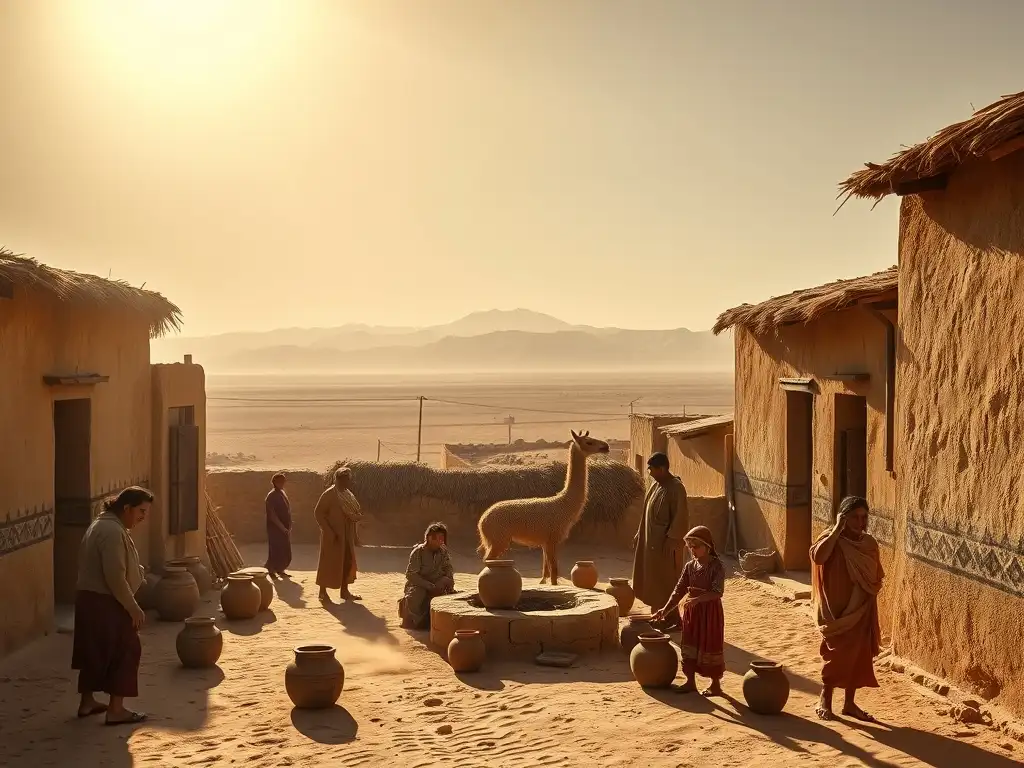
This section delves into the intricacies of daily life within a typical Nazca settlement, offering a glimpse into the routines, social structures, and agricultural practices that sustained this remarkable civilization. Understanding their daily lives provides crucial context for appreciating their impressive achievements in art, engineering, and astronomy. We will explore the construction of their homes, the dynamics of family life, and the methods they employed to cultivate food in their arid environment. The keyword "Nazca daily life settlement" will be organically integrated throughout this section.
Nazca Housing: Construction and Materials
Nazca settlements weren't uniformly planned cities; instead, they consisted of dispersed clusters of houses, often built on the slopes of hills or along river valleys to maximize access to water and arable land. The construction of Nazca houses reflected both available resources and the challenges of the desert environment. Houses were typically built using adobe bricks – sun-dried mud bricks – a readily available material in the region. These bricks were carefully shaped and laid to form walls, often reinforced with wood or reeds.
The size and complexity of the houses varied based on the wealth and social status of their inhabitants. Larger houses might feature multiple rooms, indicating a more complex family structure or greater economic prosperity. Smaller, simpler structures were likely occupied by those with fewer resources.
Roofs were constructed using a variety of materials, including reeds, wood, and branches, often covered with mud to provide insulation and protection from the elements. Evidence suggests that some houses incorporated courtyards, providing essential shade and a central space for daily activities. The construction techniques show a remarkable adaptation to the harsh Nazca environment, illustrating the ingenuity of the people in their building practices within their daily life settlement.
[Specific information pending] on the use of specific types of reeds and wood in different areas of the Nazca settlement. Further research is needed to fully understand the regional variations in building materials and techniques. This would further illuminate the nuances of Nazca daily life settlement construction.
The social organization of Nazca communities was likely hierarchical, with a complex system of kinship and social status. While precise details remain elusive, archaeological evidence suggests a strong emphasis on family units. Larger houses, as mentioned previously, could indicate extended families living together, sharing resources and responsibilities. The division of labor within these families was probably based on age and gender, with men likely undertaking tasks such as farming and hunting, while women managed household chores, food preparation, and textile production.
Evidence from burial sites suggests a degree of social stratification. Elaborate burials with rich grave goods indicate a privileged elite, while simpler burials suggest a less affluent population. This social hierarchy was likely reflected in the size and quality of housing, access to resources, and participation in community activities. Understanding the family structure within the Nazca daily life settlement is vital to comprehending their social dynamics and power structures.
The role of religion in Nazca society also played a significant part in daily life. Religious rituals and ceremonies likely permeated many aspects of life, shaping social interactions and influencing decision-making. Further research is needed to fully delineate the interplay between family, social organization, and religious practices in the Nazca daily life settlement.
Agriculture and Food Production in Nazca Settlements
The Nazca people developed sophisticated agricultural techniques to overcome the challenges of their arid environment. Their survival depended on efficient water management and innovative farming practices. They built extensive irrigation canals, some stretching for kilometers, to channel water from rivers and streams to their fields. This ingenious system allowed them to cultivate crops such as maize, beans, squash, and cotton, forming the basis of their diet.
The Nazca also employed techniques like raised fields and terraced agriculture to maximize land use and improve water retention. These practices, along with their understanding of seasonal rainfall patterns, allowed them to produce sufficient food to support their population. The Nazca daily life settlement was thus deeply intertwined with their agricultural practices; the success of their farming directly impacted their economic stability and social well-being. Evidence suggests a complex system of agricultural management, possibly involving communal labor and specialized knowledge.
Detailed analysis of agricultural remains from Nazca settlements could reveal further insights into their farming techniques and their impact on the Nazca daily life settlement. The ingenuity and adaptability shown in their agricultural practices cemented their survival in a challenging environment. This aspect of their daily life settlement speaks volumes about their resilience and resourcefulness.
Nazca Craftsmanship and Daily Activities
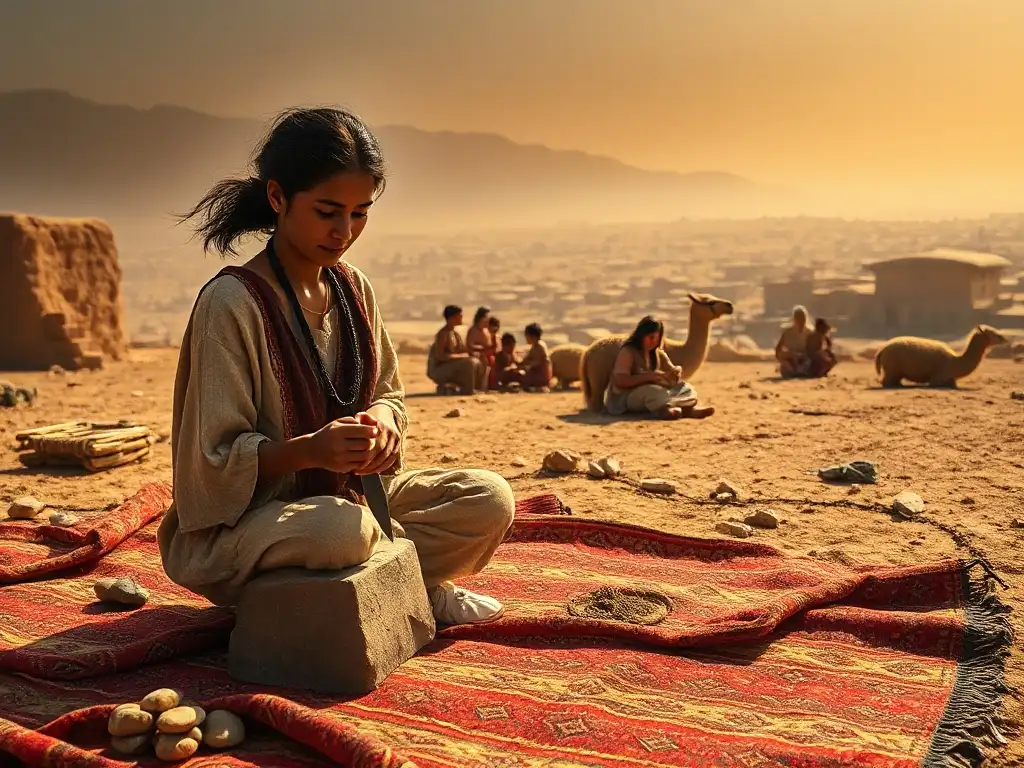
The Nazca people, renowned for their enigmatic geoglyphs, were also master craftspeople, whose skills shaped their daily lives and left behind a rich legacy of artistry. Their ingenuity extended across various mediums, from the vibrant colors of their pottery to the intricate designs woven into their textiles and the finely crafted metal ornaments they produced. Understanding their craftsmanship provides crucial insight into their social structures, economic activities, and daily routines within their settlements.
The "Nazca daily life settlement" is incompletely understood, but archaeological evidence sheds light on the significant role craftsmanship played. Analysis of these artifacts reveals not only aesthetic preferences but also technological innovation and social organization.
Nazca Pottery: Techniques and Decoration
Nazca pottery stands out for its exceptional quality and striking polychromy. Potters employed a sophisticated wheel-throwing technique, allowing for the creation of vessels of various shapes and sizes. These ranged from simple utilitarian jars for storing food and water to elaborate ceremonial pieces decorated with intricate scenes. The vibrant colors, achieved through the use of mineral pigments and a complex layering process, are remarkably well-preserved.
Common motifs include stylized depictions of flora and fauna, such as hummingbirds, monkeys, and cacti, reflecting the Nazca's close relationship with their environment. Geometric designs, often incorporating intricate patterns and symbols, also feature prominently. The precision and detail in the decoration suggest a high level of skill and specialization among Nazca potters, likely organized within a structured social hierarchy.
Some vessels were clearly intended for elite use, exhibiting more elaborate decoration and superior craftsmanship. Analysis of pottery shards found in different areas of settlements could reveal variations in style and technique, potentially indicating specialized workshops or distinct social groups. Further research into pigment composition could also illuminate trade networks and access to resources.
Weaving and Textile Production in Nazca Society
Textile production was another significant aspect of Nazca daily life. Archaeological discoveries have yielded a remarkable array of textiles, including mantles, tunics, and bags, showcasing a mastery of weaving techniques. The Nazca employed a variety of fibers, including cotton and camelid wool, which were spun into fine threads.
Their intricate designs, often incorporating similar motifs found in their pottery, were created using techniques such as tapestry weaving and embroidery. The production of textiles was likely a highly organized activity, involving specialized weavers and potentially a division of labor based on gender. The complexity and artistry of the textiles suggest a significant social and economic value, with some pieces likely serving as status symbols or used in ceremonial contexts.
The durability of some textiles suggests that they were not solely for everyday use, but also held symbolic or ritualistic importance. Further research is needed to determine the exact role of textiles in Nazca society, but their intricate designs and high-quality craftsmanship clearly indicate a significant investment of time, skill, and resources. The discovery of tools used in textile production within settlements would greatly enhance our understanding of these processes.
Nazca Metalworking: Tools and Ornaments
Nazca metalworking, though less extensive than pottery or weaving, still demonstrates remarkable skill. They primarily worked with copper and gold, crafting a variety of ornaments, including ear spools, necklaces, and pendants. These were often intricately designed, demonstrating a sophisticated understanding of metalworking techniques such as hammering, annealing, and soldering.
The use of gold, a precious metal, suggests that metalworking was likely associated with elite status and ceremonial practices. The tools used in Nazca metalworking, while less commonly found than pottery shards, are crucial to understanding the techniques employed. Analysis of these tools, including hammers, punches, and molds, could reveal details about the production process and the level of specialization within the craft.
The distribution of metal artifacts within settlements could also offer insights into social hierarchies and the flow of resources. Further research, including metallurgical analysis of the artifacts, is crucial to fully understand the technological sophistication of Nazca metalworking and its contribution to their daily life and social organization within their settlements. The scarcity of surviving metal tools highlights the need for more extensive investigation in this area of Nazca craftsmanship.
Daily Tasks: Hunting, Fishing, and Gathering
Life in a Nazca settlement wasn't solely dependent on agriculture, although farming played a crucial role. Hunting, fishing, and gathering provided vital supplementary resources, contributing significantly to the daily diet and overall economy. The arid coastal environment dictated the types of animals and plants available, shaping the strategies employed by Nazca people.
Hunting likely focused on smaller game animals common to the desert ecosystem, such as rodents, lizards, and birds. Evidence of specialized hunting tools, though scarce, might be found in future archaeological excavations. The ingenuity of Nazca hunters would have been tested by the challenges of the environment, requiring keen observation skills and knowledge of animal behavior to successfully procure food. The effectiveness of their hunting techniques would have been directly linked to the survival of the settlement.
Fishing, on the other hand, offered a more reliable source of protein. The Pacific Ocean provided a rich bounty, and the Nazca people were skilled fishermen. We can infer their fishing prowess from the depictions of fishing scenes on their ceramics and textiles.
These portrayals offer glimpses into their fishing techniques, the types of boats used, and the fish they caught. While the specific types of fishing tools remain understudied, it's highly probable that they used nets, hooks, and possibly even traps, adapting their methods to the marine environment and the species they targeted. The abundance of fish likely influenced the dietary habits of the Nazca, providing a crucial source of nutrition.
Gathering played a significant role, particularly for plant-based foods. While agriculture provided staple crops, the Nazca people supplemented their diets with wild plants, fruits, and nuts. Knowledge of edible plants and their seasonal availability was essential for survival.
This intimate understanding of their environment allowed them to exploit a variety of wild resources, enhancing the nutritional diversity of their meals and providing a safety net during periods of agricultural scarcity. The precise types of plants gathered remain a subject of ongoing research, but analysis of ancient middens and pollen samples from settlements could provide more detailed information about the plants consumed by the Nazca population. The gathering of these resources was undoubtedly a collaborative effort, involving both men and women, strengthening community bonds and ensuring the survival of the settlement.
Nazca Religious Practices and Rituals
The Nazca people, renowned for their enigmatic lines etched across the desert landscape, held a complex and deeply interwoven system of religious beliefs and practices that permeated every facet of their daily life. Understanding these practices provides crucial insight into the social structure, worldview, and overall functioning of Nazca settlements. The evidence suggests a sophisticated cosmology, with rituals and ceremonies playing a vital role in maintaining social order and ensuring the prosperity of their communities.
Their religious life wasn't confined to grand temples; rather, it was integrated into the fabric of their everyday existence. The very act of farming, crafting, and even preparing food could have been imbued with ritualistic significance.
The Significance of the Nazca Lines in Nazca Society
The iconic Nazca Lines remain a subject of ongoing debate and fascination. While their exact purpose remains elusive, compelling evidence points towards a significant religious function. Many researchers believe these geoglyphs represented a celestial map, reflecting the Nazca understanding of the cosmos and their place within it. Others suggest they served as paths for ritual processions, or perhaps were linked to water sources vital for survival in the arid desert environment.
The sheer scale and precision involved in their creation underscore their importance within Nazca society. The effort expended suggests a highly organized society capable of mobilizing significant manpower and resources for religious purposes. Detailed studies of the lines' orientations and alignments with astronomical events further support the hypothesis of their astronomical and ritualistic significance.
The creation of the lines may have been a communal effort, a collective act of worship reinforcing social bonds and shared beliefs. It was not simply an artistic endeavor but a deeply spiritual one. It's also important to note that the lines weren't just passively observed; evidence suggests that rituals were performed at the lines, possibly involving offerings and ceremonies tied to specific celestial events.
Religious Beliefs and Ceremonies in Nazca Communities
Nazca religious beliefs centered around a pantheon of deities, likely associated with natural forces such as the sun, moon, and water. Evidence from their iconography, found on pottery and textiles, reveals depictions of anthropomorphic and zoomorphic figures, suggesting a complex cosmology that incorporated both human and animal deities. Ceremonies likely involved offerings of food, drink, and precious objects, possibly placed within tombs or at designated ritual sites.
The presence of elaborate burial practices further underscores the importance of ancestor veneration and the belief in an afterlife. Archaeological findings, including intricately decorated pottery and textiles discovered within tombs, suggest that these ceremonies were not merely perfunctory but elaborate affairs, reflecting the status and importance of the deceased within the community. Unfortunately, detailed descriptions of specific ceremonies are largely absent from the historical record, leaving room for further research and interpretation.
However, the available evidence strongly suggests that the Nazca religion played a crucial role in shaping their social structures and daily routines. The emphasis on ancestor veneration, for instance, indicates a strong sense of community and continuity across generations.
Nazca Burial Practices and Ancestor Veneration
Nazca burial practices provide invaluable insight into their religious beliefs and social organization. The meticulous preparation of bodies, often accompanied by grave goods such as pottery, textiles, and ornaments, demonstrates a profound respect for the deceased and a belief in an afterlife. The types and quantity of grave goods varied depending on the social status of the individual, reflecting a hierarchical society with varying levels of access to resources and prestige. Ancestor veneration was clearly a central aspect of their religious system, with the deceased continuing to hold influence and importance even after death.
The continued offerings and rituals at burial sites suggest an ongoing relationship between the living and the dead. Some burials were elaborate affairs, involving multiple individuals interred together, suggesting kinship ties and possibly collective rituals. The careful arrangement of grave goods within the tombs further emphasizes the ritualistic nature of Nazca burial practices. Analyzing the contents of these tombs reveals much about their social hierarchy, religious beliefs and, importantly, their daily lives.
The objects buried with individuals provide a tangible link to the material culture and daily routines of Nazca society. The meticulous craftsmanship of these objects speaks to the skill and dedication of Nazca artisans, further highlighting the importance of these rituals. Further research into the chemical composition of the grave goods could reveal information about the trade networks and resource management practices of the Nazca.
Nazca Technology and Innovation
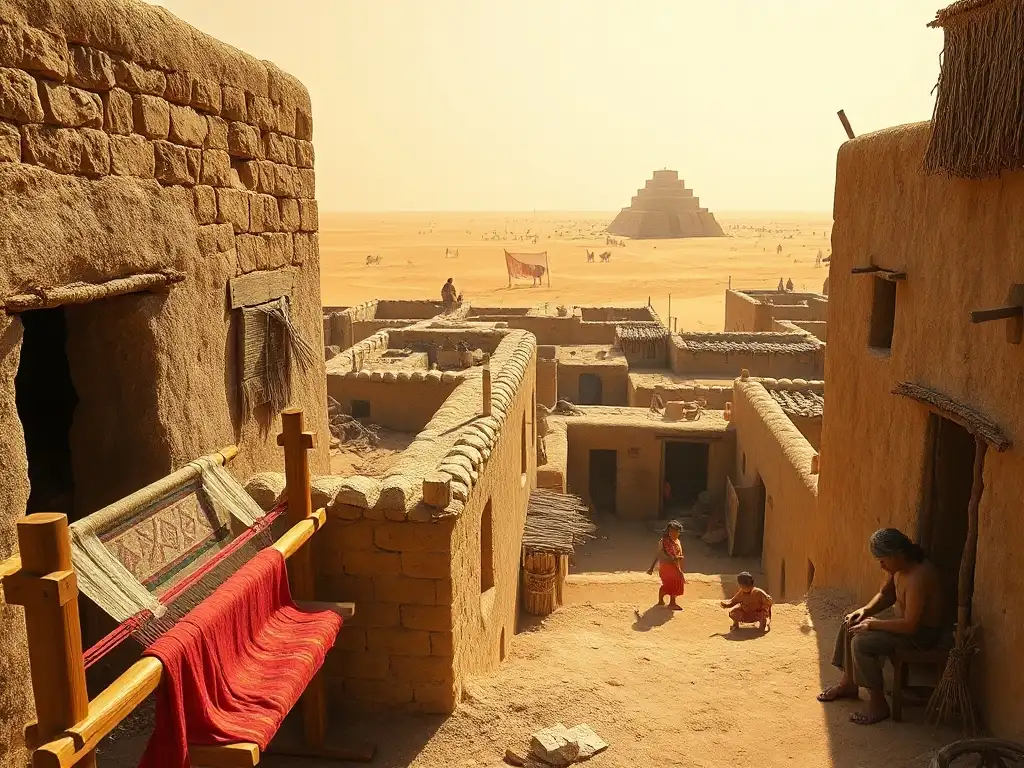
The Nazca people, famed for their enigmatic geoglyphs, were also remarkably adept engineers and innovators, developing sophisticated technologies to thrive in their arid coastal environment. Their ingenuity is evident not only in their monumental artwork but also in their practical solutions to the challenges of daily life in a desert setting. Understanding their technological achievements provides crucial insight into their societal organization and the complexity of their culture. The keyword "Nazca daily life settlement" is central to understanding this innovation, as their technological prowess directly impacted their ability to build and sustain settlements.
Nazca Irrigation Systems and Water Management
The Nazca's success hinged on their mastery of water management. Their arid environment demanded innovative solutions to secure a reliable water supply for agriculture and domestic use. They constructed extensive networks of canals and aqueducts, some stretching for miles, channeling water from underground sources and seasonal rivers to irrigate their fields.
These weren't simple ditches; they employed sophisticated techniques to ensure water flow, including the use of carefully graded slopes and strategically placed channels to minimize water loss. Archaeological evidence shows intricate systems of reservoirs and underground galleries (puquios) that were used to collect and store rainwater and groundwater. The sophisticated nature of these systems suggests a high level of planning and cooperation within the Nazca society, reflecting a deep understanding of hydrology and engineering principles.
The effectiveness of their irrigation systems is evident in the relatively high population density supported by the Nazca settlements. This efficient water management was essential for their agricultural success and the overall prosperity of their daily life.
Nazca Engineering Skills: Building Settlements and Canals
Beyond irrigation, Nazca engineering skills were evident in the construction of their settlements and other infrastructure. Their settlements, often located near water sources, were carefully planned and built using readily available materials like adobe bricks and stone. The construction of canals, particularly those associated with irrigation, required significant engineering expertise.
Precise surveying and leveling were necessary to ensure a consistent water flow. Evidence suggests that the Nazca used sophisticated tools and techniques to achieve this precision, indicating a high level of skill and knowledge among their engineers and builders. Furthermore, the construction of large-scale structures within their settlements, even without the use of wheeled vehicles or beasts of burden, required significant manpower and organizational prowess.
This reflects not only their technical abilities but also their social organization and ability to mobilize labor for large-scale projects integral to their daily life. Their settlements were not just haphazard collections of dwellings; they were carefully planned urban centers reflecting advanced engineering capabilities for the time.
Nazca Tools and Implements for Daily Use
The daily lives of Nazca people depended on a range of tools and implements, many of which reflect their ingenuity and adaptation to their environment. While many tools were made from simple materials like wood, bone, and stone, their design and functionality reveal a considerable level of craftsmanship. For example, sophisticated weaving techniques are evident in the textiles discovered in Nazca tombs.
The tools used for weaving, including spindles and looms, demonstrate a clear understanding of mechanics and materials science. Similarly, the tools used in agriculture, such as hoes and plows (if any were used, further research is needed to confirm), would have been crucial for their survival. The design and construction of these tools reflect the practicality and efficiency demanded by their agricultural practices, essential for sustaining their settlements and daily life.
Further research into specific tool types and their manufacturing processes is needed to fully understand the extent of Nazca technological innovation in this area. The scarcity of preserved organic materials, however, presents a challenge for a complete picture of their everyday tool kit. The limited surviving examples highlight the resourcefulness and adaptability of the Nazca people in their daily life.
Decline of Nazca Settlements and Legacy
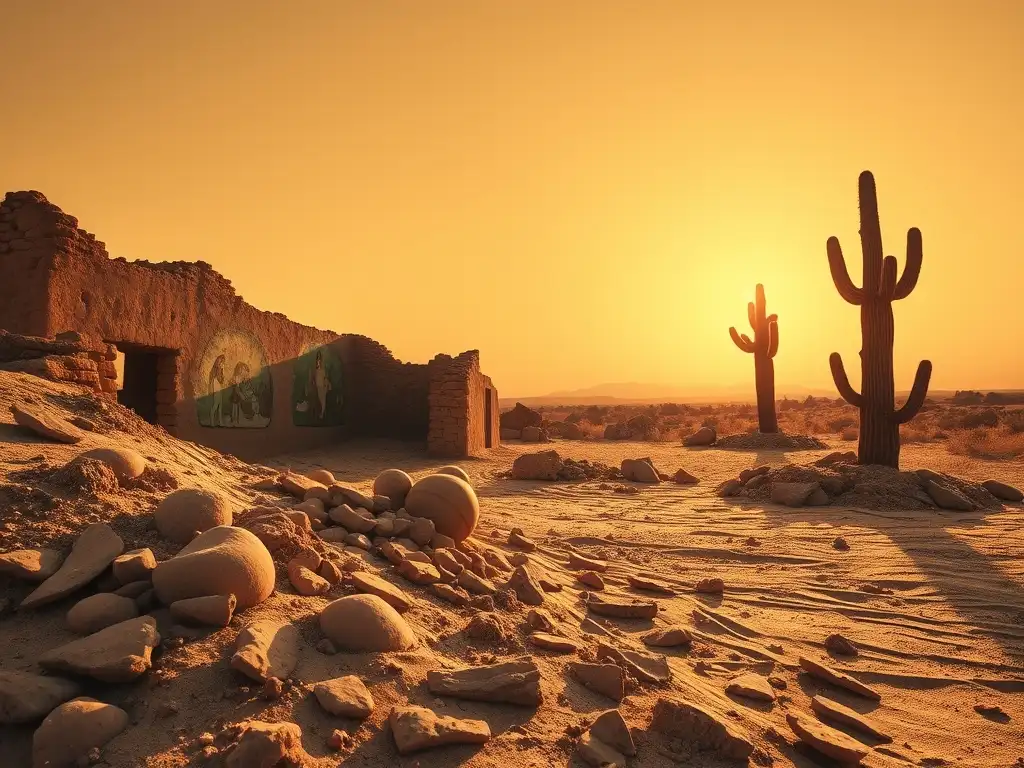
The Nazca civilization, renowned for its enigmatic geoglyphs and sophisticated irrigation systems, experienced a gradual decline around the 5th century CE. Pinpointing the exact causes remains a subject of ongoing debate among archaeologists, but several contributing factors are widely considered. Understanding this decline is crucial to comprehending the full scope of Nazca daily life settlement and its eventual disappearance. The transition wasn't abrupt; rather, it involved a complex interplay of societal, environmental, and potentially political pressures. The shift away from the iconic Nazca culture wasn't a complete erasure; its legacy profoundly impacted subsequent Andean societies.
Theories on the Abandonment of Nazca Settlements
Several compelling theories attempt to explain the abandonment of Nazca settlements. One prominent hypothesis centers on resource depletion. Intensive agriculture, supported by the ingenious canal systems, might have eventually strained the land's capacity. Over-irrigation could have led to soil salinization, reducing agricultural yields and impacting the availability of essential resources. This, in turn, could have triggered internal conflicts and migrations.
Another theory points to the potential influence of external pressures. While evidence is less conclusive, it's suggested that neighboring cultures, perhaps the Wari, might have exerted political or military influence, disrupting the established social order and contributing to the decline of Nazca settlements. The lack of significant evidence of warfare doesn't necessarily negate this theory; subtle political maneuvering or economic control could have been equally effective in destabilizing the Nazca.
Finally, the impact of climatic shifts cannot be overlooked. Periods of drought or altered rainfall patterns could have severely affected agriculture, the backbone of Nazca society. The intricate irrigation systems, while impressive, might have proven insufficient in the face of prolonged environmental stress. Further research into paleoclimatological data is needed to fully assess the extent of this factor. Analyzing pollen samples and sediment layers from the period could provide crucial insights into the environmental conditions prevailing during the Nazca decline.
The Impact of Environmental Changes on Nazca Society
The Nazca civilization's prosperity was inextricably linked to its ability to manage water resources. Their sophisticated irrigation systems, a testament to their engineering prowess, allowed them to cultivate crops in the arid coastal desert. However, the delicate balance between human intervention and the environment was susceptible to disruption. Evidence suggests that prolonged droughts or changes in rainfall patterns could have significantly impacted agricultural productivity. This would have had cascading effects on the entire social structure.
Imagine the consequences: reduced crop yields leading to food shortages, increased competition for dwindling resources, and potentially social unrest. Such environmental stressors could have weakened the Nazca's resilience, making them more vulnerable to other pressures, such as internal conflicts or external influences. The intricate network of canals and reservoirs, once a source of pride and prosperity, might have become a symbol of the civilization's struggle against the forces of nature. Analyzing the isotopic composition of ancient plant remains could provide further data on the impact of environmental changes on Nazca agriculture and, consequently, their daily life.
Nazca Cultural Legacy and Contributions to Andean History
Despite their decline, the Nazca left an enduring legacy. Their mastery of irrigation technology significantly influenced subsequent Andean cultures, demonstrating the long-term impact of their ingenuity. The iconic Nazca Lines, though their purpose remains debated, stand as a remarkable testament to their artistic and engineering skills, captivating the world's imagination and drawing tourists even today. The sophisticated pottery, textiles, and metalwork produced by the Nazca also showcase their artistic achievements and cultural sophistication.
The Nazca's contributions extend beyond the tangible. Their sophisticated social organization, evidenced by their complex irrigation systems and urban planning, reveals a high level of societal complexity. Understanding their social structures and daily life provides valuable insights into the broader context of Andean civilization.
The legacy of the Nazca settlement's daily life continues to inspire research and fascination, offering a glimpse into a remarkable civilization that shaped the course of Andean history. Further investigation into their social organization—perhaps through analyzing burial sites and settlement patterns—could reveal additional details about their daily routines and societal structure. The Nazca's story is a compelling example of how even seemingly advanced societies can be impacted by a confluence of factors, reminding us of the delicate balance between human societies and their environment.
Nazca Daily Life: A Summary of Key Aspects
This section offers a concise overview of daily life in a typical Nazca settlement, focusing on key aspects gleaned from archaeological evidence. Understanding Nazca daily life provides crucial insights into their societal structures, beliefs, and technological advancements. The Nazca, known for their enigmatic geoglyphs, were far more than just skilled artists; they were a complex society with a sophisticated understanding of agriculture, irrigation, and social organization.
Their daily routines revolved around these essential elements, shaping their culture and leaving behind a rich archaeological record for us to interpret. This section will synthesize these aspects, offering a glimpse into their world.
Synthesis of Nazca Daily Life: A Holistic View
Reconstructing Nazca daily life requires a holistic approach, weaving together evidence from various sources. Archaeological excavations of settlements like Cahuachi reveal residential areas, indicating a structured community layout. Houses were typically built of adobe bricks, reflecting their mastery of construction techniques. The presence of numerous storage facilities suggests a focus on food preservation and resource management, vital for survival in the arid coastal environment.
Evidence of craft production, including pottery and textiles, reveals specialized labor and a thriving artisan class. The discovery of elaborate burial sites hints at complex social hierarchies and religious beliefs. Analyzing the distribution of artifacts within settlements, alongside botanical and faunal remains, paints a picture of a society deeply connected to its environment, skillfully adapting to the challenges of the desert.
The meticulous irrigation systems, evident in the extensive canal networks, showcase their ingenuity and collaborative efforts in managing water resources – a crucial aspect of their daily lives. The intricacy of their pottery, depicting scenes of daily activities and religious rituals, further enriches our understanding of their cultural practices and beliefs. In essence, the Nazca daily life was a complex interplay of agricultural practices, social organization, and religious observances, all seamlessly interwoven within their unique desert environment.
The Enduring Relevance of Studying Nazca Settlements
The study of Nazca settlements continues to hold significant relevance today. Understanding their sophisticated water management techniques, for example, offers valuable lessons for contemporary arid-region communities facing similar challenges. Their resourceful approach to agriculture and resource management provides insights applicable to sustainable development strategies.
Moreover, studying their social structures and governance models can inform our understanding of societal organization and its impact on community resilience. The artistic and technological achievements of the Nazca, evident in their pottery, textiles, and geoglyphs, continue to inspire and challenge our creative interpretations. Their legacy extends beyond their impressive monuments; it lies in their ingenious adaptations to a harsh environment, their intricate social fabric, and their enduring cultural legacy.
Analyzing the daily routines and challenges faced by the Nazca people allows us to appreciate the complexities of their civilization and offers valuable lessons for understanding the human experience across time and cultures. Further research, focusing on detailed analysis of settlement layouts, artifact distribution, and isotopic studies of human remains, will continue to refine our understanding of Nazca daily life and its enduring significance. The Nazca daily life settlement continues to provide fascinating insights into a remarkable civilization.
Frequently Asked Questions
What kind of settlements did the Nazca people inhabit?
The Nazca built a variety of settlements, from small villages to larger urban centers. These were often located near sources of water and fertile land, crucial for agriculture. Their architecture was impressive, demonstrating advanced building techniques.
How did the Nazca obtain food and water in their arid environment?
The Nazca developed sophisticated irrigation systems to channel water from rivers and underground sources to their fields. They cultivated crops like cotton, maize, beans, and squash, relying on efficient farming techniques in a challenging climate. Camelids also provided sustenance.
What were some common features of Nazca houses and architecture?
Nazca houses were typically made of adobe bricks and were often rectangular in shape. They were sometimes grouped together in compounds, and larger structures might include religious or ceremonial buildings. The quality of construction varied depending on the size and purpose of the building.
Archaeological evidence suggests a hierarchical social structure in Nazca society. Elaborate burials with grave goods suggest an elite class, while simpler burials indicate a broader population. Ceramics and other artifacts also offer clues about social roles and practices.
How did Nazca daily life differ from that of other Andean cultures?
While sharing some similarities with other Andean cultures, the Nazca developed unique irrigation techniques and distinctive artistic styles, most notably their famous geoglyphs. Their ceramic artistry stands out for its intricate designs and vibrant colors, reflecting their unique cultural identity.
Final Reflection: Echoes of the Nazca: A Legacy Woven into the Sands
The intricate artistry of the Nazca Lines continues to captivate us, yet the daily lives of the people who created them remain a compelling mystery. Understanding their settlements offers a crucial window into a sophisticated civilization that thrived in a seemingly harsh environment, a testament to human ingenuity and resilience that resonates even today. Their innovative agricultural techniques, complex social structures, and vibrant artistic expressions challenge our preconceived notions of ancient societies and offer valuable insights into sustainable living.
The enduring legacy of the Nazca people extends far beyond their iconic geoglyphs. Their ability to adapt to the desert environment, their mastery of irrigation, and their rich cultural traditions continue to inspire awe and wonder. The past is never dead. It's not even past.
- William Faulkner. This quote perfectly encapsulates the enduring relevance of studying Nazca life; their story isn't confined to dusty museum exhibits, but lives on in the echoes of their ingenuity and the lessons they offer us about human resilience and adaptation.
Consider, for a moment, the ingenuity required to thrive in the Nazca desert. Imagine the collaborative effort needed to build and maintain their intricate irrigation systems, the artistry involved in creating their textiles and pottery, and the social structures that enabled their society to flourish. You, too, possess the capacity for innovation and resilience.
By reflecting on the challenges and triumphs of the Nazca people, we can find inspiration to overcome our own obstacles and build a more sustainable and fulfilling future. Let the echoes of their lives inspire you to create your own legacy, one built on ingenuity, collaboration, and a deep respect for the world around us.
Embrace the Mysteries of Nazca Daily Life!
Thank you for exploring the vibrant world of daily life in Nazca settlements! We hope you've gained a deeper understanding of how these fascinating communities thrived beyond their iconic geoglyphs. Now, let's delve further into the wonders of Andean civilizations.
Here are some ways to engage with this rich history:
- Visit a local museum or exhibition featuring Andean artifacts to bring history to life.
- Participate in a cultural workshop or class focusing on Nazca art, textiles, or cuisine to deepen your connection with this remarkable civilization.
- Share your discoveries with friends and family, or on social media! Discuss what aspects of Nazca life captivated you most, and invite others to explore this extraordinary culture with you.
What aspect of Nazca daily life intrigues you the most, and how will you continue your journey of discovery?