
Inheritance Laws of the Incas: How Property and Power Were Passed Down

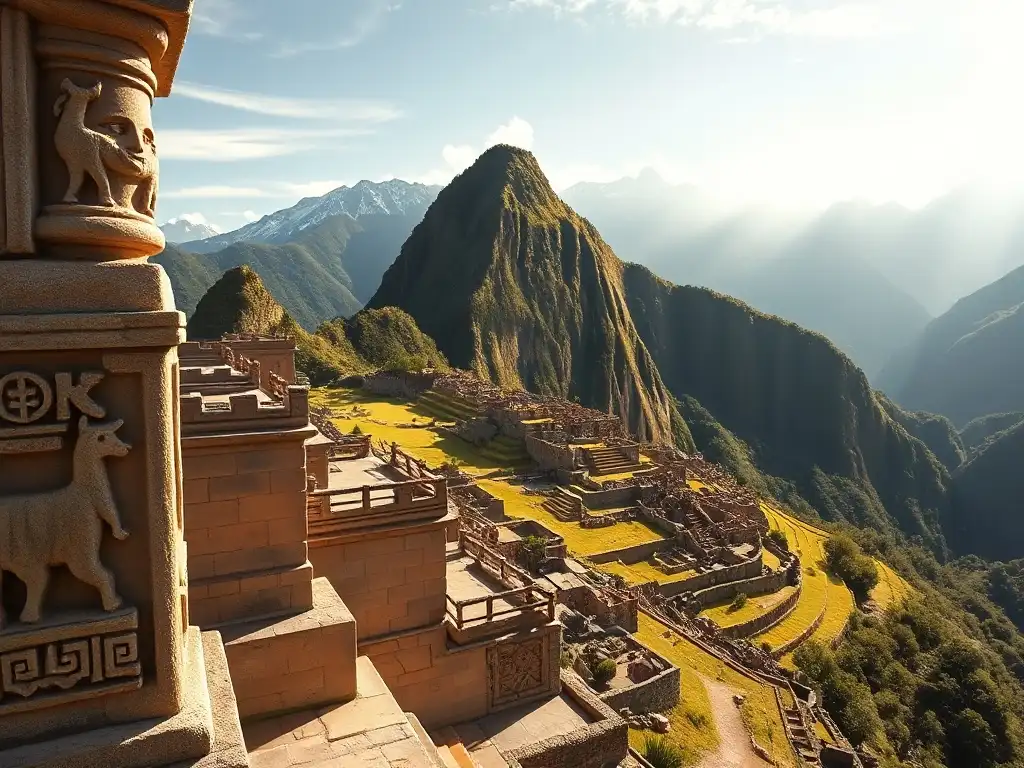
Step into a world lost to time, yet echoing with the whispers of a magnificent empire. Discover the intricate tapestry of Andean civilizations, where towering cities met breathtaking artistry and complex social structures defined their very existence. But what truly shaped the power dynamics of the Inca, the most renowned of these societies? Unravel the mysteries surrounding Inca inheritance laws, a system that dictated not just property, but the very fate of their vast empire. Prepare to be captivated by the legacy of the Andes – a legacy far richer than you can imagine.
- Inca Inheritance Laws: Passing Down Property and Power in the Andean World
- The Foundations of Inca Inheritance
- Principles of Inca Property Inheritance
-
Inca Succession and the Transmission of Power
- The Role of the Sapa Inca in Determining Succession
- Criteria for Choosing the Next Inca Ruler
- Challenges and Conflicts in Inca Succession
- The Significance of Royal Lineage and Ancestry
- The Role of the Auqui and the Selection Process
- Challenges and Succession Crises: Instances of Contested Inheritances
- Specific Aspects of Inca Inheritance
- Case Studies and Examples of Inca Inheritance
- Inca Inheritance Laws vs. Modern Legal Systems
-
Frequently Asked Questions
- What were the primary principles guiding Inca inheritance laws?
- How did Inca inheritance laws differ from European systems?
- What role did the Sapa Inca play in inheritance matters?
- What happened to the property of individuals without direct heirs?
- Were there any exceptions to the typical male-centric inheritance practices?
- Final Reflection: The Enduring Legacy of Inca Inheritance
- Uncover Your Legacy Today!
Inca Inheritance Laws: Passing Down Property and Power in the Andean World
The Inca Empire, a marvel of pre-Columbian South America, boasted a sophisticated social and political structure. Understanding its intricacies requires delving into various aspects of Andean life, and among the most revealing are the Inca inheritance laws. These laws, far from being simple rules of succession, were deeply intertwined with the empire's complex system of power, land ownership, and social hierarchy.
This article will explore the nuances of Inca inheritance, examining how property and power were passed down through generations, highlighting the crucial role it played in maintaining the stability and prosperity of the vast empire. We'll uncover the complexities of inheritance practices, considering variations based on social standing and the impact on the broader Inca society.
Understanding these laws offers a crucial window into the heart of Inca social organization and provides valuable insight into their remarkable civilization. The keyword "Inca inheritance laws" will be explored throughout this article to provide a comprehensive understanding of this fascinating topic.
Inheritance of the Sapa Inca's Power
The succession of the Sapa Inca, the emperor, was a matter of paramount importance. Unlike simple primogeniture, the process was far more intricate, often involving a combination of factors including lineage, political maneuvering, and even divine intervention (or at least, the perception of it by the populace). While ideally the heir would be a son of the Sapa Inca, [specific examples of succession disputes and their outcomes pending].
The selection wasn't solely based on birth order; the chosen successor needed to demonstrate the qualities deemed necessary to rule effectively. This often involved rigorous training and the assessment of their leadership potential. The Council of Elders played a significant role, ensuring the legitimacy of the new Sapa Inca and contributing to the continuity of the imperial power.
This complex process ensured that the most capable individual, in the eyes of the elite, inherited the immense power and responsibility of ruling the Inca Empire. The stability of the empire depended heavily on this carefully managed succession.
Inheritance of Land and Property amongst the Commoners
For the commoners, the inheritance system was less about political power and more about maintaining the social and economic fabric of the communities. Land, the cornerstone of the Inca economy, was typically allocated to ayllus, extended family groups. Upon the death of a family member, their share of the land and resources would typically pass to their descendants within the ayllu. This communal system ensured stability and prevented the accumulation of wealth and power in the hands of a few.
[Specific details on the division of land among heirs within an ayllu pending]. The system was designed to be equitable, contributing to the overall social harmony within the Inca communities. This differed significantly from the inheritance practices of the ruling class, emphasizing the distinct social hierarchies within the empire. The concept of communal ownership and its impact on inheritance practices provides a unique perspective on Inca society.
The Role of Religion and Rituals in Inheritance
Religious beliefs and rituals played a significant role in all aspects of Inca life, and inheritance was no exception. The passing of property and power was often accompanied by elaborate ceremonies and offerings to the gods. These rituals served to legitimize the transfer of authority and to ensure the continued prosperity of the community or the empire. [Specific examples of religious rituals associated with inheritance pending].
The involvement of priests and other religious figures underscored the sacred nature of the process, reinforcing the social order and the authority of those in power. These rituals not only marked a significant life event but also served to solidify the social and political structures of the Inca world. This religious dimension highlights the interconnectedness of religious belief and the practical aspects of Inca life.
It's crucial to understand that Inca inheritance laws weren't uniform across all social strata. While the ayllu system governed the inheritance of commoners, the nobility and the royal family had different rules and customs. The elite often had more complex inheritance practices, which might involve specific arrangements for the transfer of land, titles, and other privileges.
[Specific examples of variations in inheritance practices among different social groups pending]. This demonstrates the hierarchical nature of Inca society and the varying degrees of power and privilege associated with different social statuses. The differences in inheritance practices reflect the stratified structure of Inca society and the unequal distribution of power and resources.
The study of Inca inheritance laws provides invaluable insights into the social, political, and religious dynamics of this remarkable civilization. Further research into specific cases and detailed records would shed even more light on the intricacies of this fascinating aspect of Inca life. The keyword, "Inca inheritance laws," is central to understanding the complex mechanisms of power and property transfer within this fascinating society.
The Foundations of Inca Inheritance
This section delves into the bedrock principles underpinning Inca inheritance laws, exploring the intricate interplay between social structure, kinship ties, and the transmission of property and power. Understanding these foundational elements is crucial to appreciating the complexities of how Inca society functioned and evolved. The system wasn't simply about transferring possessions; it was a carefully orchestrated mechanism for maintaining social order, political stability, and the continuity of the Inca empire.
The Inca inheritance system, a sophisticated mechanism for managing resources and power, was deeply intertwined with the empire's unique social and political organization. This intricate system ensured the stability and continuity of the Inca state. Effective analysis requires a thorough understanding of the core principles that guided its operation.
The Inca social structure was highly hierarchical, with the Sapa Inca (emperor) at its apex. Below him were various levels of nobility, priests, commoners, and, at the bottom, yanaconas (servants). Kinship played a vital role in this structure, with family ties influencing social standing and access to resources. The ayllu, a community-based kinship group, formed the fundamental social unit.
Membership in the ayllu determined access to land, labor, and other resources, making it a critical element in the inheritance process. Inheritance wasn't simply a matter of individual acquisition; it was deeply embedded within the collective structure of the ayllu. This communal aspect is often overlooked when discussing Inca inheritance, but it's essential for a complete understanding.
The Inca state meticulously documented lineage and family relationships. These records were crucial for determining inheritance rights and maintaining social order. While precise details about the record-keeping methods remain debated amongst scholars, the importance of accurate genealogical information is undeniable. The meticulous nature of this record-keeping underscores the significance of lineage in Inca society and its direct impact on inheritance practices. Furthermore, the accurate transmission of these records across generations ensured the proper distribution of resources and prevented disputes over inheritance. This systematic approach to lineage tracking is a testament to the sophisticated administrative capabilities of the Inca empire.
The Importance of Lineage and Family in Inca Society
Lineage was paramount in Inca society, determining not only inheritance rights but also social status and political influence. The concept of panaca, a royal lineage group associated with a deceased emperor, played a significant role in the succession process. Members of the panaca held considerable power and influence, often controlling vast resources and landholdings. The panaca system also had an impact on the inheritance of commoners, as their rights and obligations were often tied to the ayllu’s relationship with the ruling lineage.
The family unit was also crucial. While the ayllu provided the broader social context, the immediate family played a pivotal role in the day-to-day management of resources and the upbringing of children. Inheritance within the family often followed patriarchal lines, with sons inheriting property and responsibilities from their fathers.
However, daughters also had inheritance rights, although these were often less significant than those of their male counterparts. The precise nature of female inheritance is still a subject of ongoing research, with some evidence suggesting that daughters might inherit certain types of property or land under specific circumstances. Further research is needed to fully elucidate the nuances of female inheritance within the Inca system.
The interplay between patriarchal structures and communal inheritance practices within the ayllu created a complex system that requires further investigation. The exact rules and customs varied across different regions of the empire, reflecting the diverse cultural landscape of the Inca world.
Principles of Inca Property Inheritance
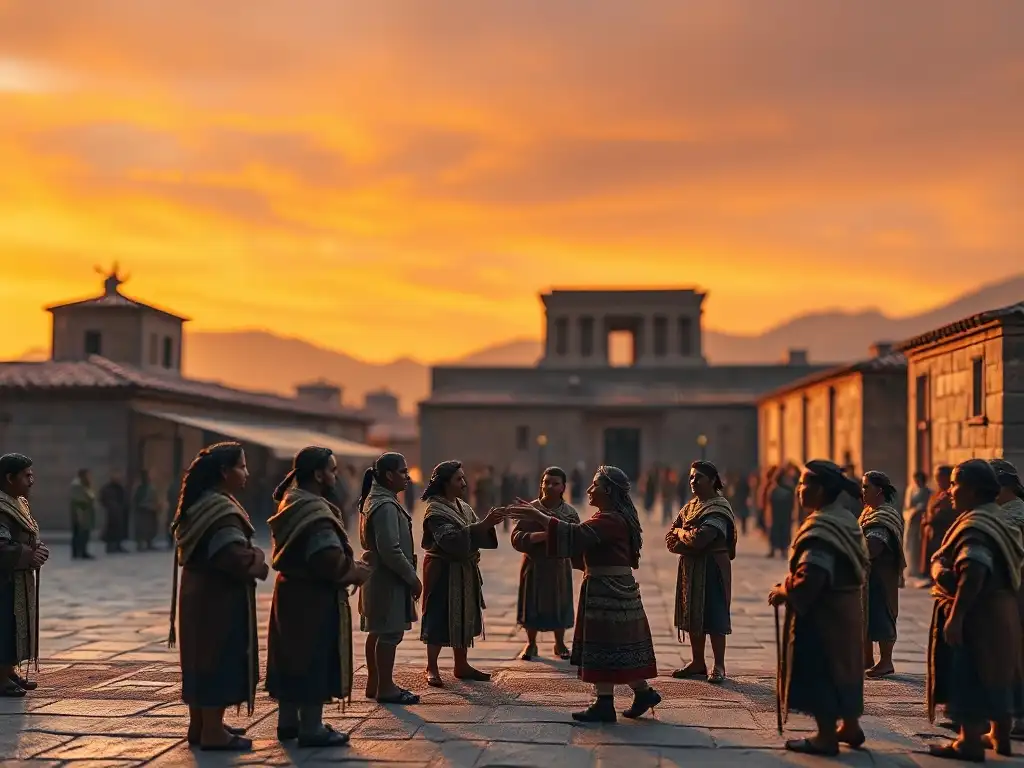
Inca inheritance laws, a complex system interwoven with social structure and religious beliefs, dictated how property and power were passed down through generations. Unlike many European systems emphasizing primogeniture, Inca inheritance was more communal and nuanced, reflecting the empire's unique socio-political organization. The system prioritized the collective well-being of the ayllu, the extended family unit, over individual entitlement.
This meant that while certain individuals held more influence, the land and resources ultimately served the community's needs. Understanding these principles requires looking beyond simple notions of individual ownership and appreciating the intricate web of obligations and responsibilities that defined Inca society. The system was not static; variations existed depending on social standing and location within the vast empire.
Land Ownership and Distribution Under Inca Rule
Land in the Inca Empire wasn't privately owned in the Western sense. Instead, the Sapa Inca, the emperor, was considered the ultimate owner of all land, water, and resources. This land was then distributed to various ayllus and individuals based on their needs and contributions to the community. The ayllu received parcels of land for agricultural use, collectively managing and cultivating them.
This communal approach ensured food security and social stability. Production surpluses were often channeled to support religious institutions, public works, or the imperial court. The system wasn't entirely egalitarian; the Inca elite received larger and more fertile landholdings, reflecting their status and responsibilities.
However, even their land was ultimately considered part of the emperor's domain. Detailed records, likely kept using quipus (knotted cords), tracked land allocation and production yields, though the precise mechanisms remain partially obscured by the limitations of surviving sources. Archaeological evidence, such as the layout of agricultural terraces and irrigation systems, supports the understanding of a highly organized and efficient land management system meticulously designed to maximize productivity.
The Concept of Ayllu and its Role in Inheritance
The ayllu, the fundamental social unit in Inca society, played a crucial role in inheritance. Inheritance wasn't simply a matter of passing down property to individual heirs; instead, it involved the integration of new members into the existing social fabric of the ayllu. Upon the death of a member, their land and resources were not necessarily distributed among direct descendants.
Instead, the ayllu community, guided by elders and leaders, would redistribute resources to ensure the continued well-being of the group. This ensured that all members, regardless of their bloodline, had access to the necessities of life. The needs of widows and orphans were particularly considered.
While sons might inherit some personal belongings or specific responsibilities, the land remained fundamentally under the ayllu's collective control. This system fostered social cohesion and minimized conflict over land ownership. The importance of the ayllu in inheritance highlights the deeply communal nature of Inca society and its emphasis on collective responsibility.
Inheritance Rights of the Inca Elite
While the ayllu system governed the inheritance of the majority of the population, the Inca elite—nobility, priests, and officials—enjoyed certain privileges. Their inheritance practices were less rigidly communal, though still bound by the overall imperial structure. High-ranking officials could pass on titles, positions, and associated landholdings to their sons, often the eldest.
However, even this inheritance was subject to the Sapa Inca's approval, ensuring loyalty and preventing the concentration of excessive power within any single lineage. Marriages were often strategically arranged to consolidate power and resources among the elite, further emphasizing the political dimensions of inheritance. Evidence suggests that the inheritance of elite status wasn't solely based on bloodline; merit and loyalty to the emperor also played a significant role.
The emperor retained the ultimate authority to appoint successors and redistribute resources, maintaining a delicate balance of power within the elite class. This complex interplay between tradition and imperial control highlights the nuances of Inca inheritance laws and their adaptation to the needs of the ruling class.
Inheritance of Land and Resources Among Commoners
Inheritance practices amongst commoners in the Inca Empire differed significantly from those of the elite. The Inca system prioritized the collective over the individual, reflecting their socialist-style economy. While individual ownership of land wasn't strictly forbidden, it was heavily regulated and ultimately subservient to the needs of the ayllu, the community-based social and economic unit. Land was considered a resource belonging to the ayllu as a whole, allocated based on family size and the community's needs.
This allocation wasn't static; it could be adjusted based on population shifts, agricultural demands, or other unforeseen circumstances. The concept of inheriting a specific plot of land from a parent wasn't the norm. Instead, the ayllu redistributed land amongst its members to ensure equitable access to resources.
The inheritance of other resources followed a similar pattern. Livestock, tools, and other possessions were often considered communal property, managed and distributed according to the needs of the ayllu. While individuals might have personal belongings, these were generally less significant than their access to communal resources.
This system promoted social cohesion and mutual support within the ayllu, mitigating potential conflicts over inheritance that might arise in systems with stronger individual property rights. The focus was on ensuring the survival and prosperity of the entire community, not just individual families. This meant that while a family might have a traditional role in a specific area of agricultural production, the land itself remained under the control of the ayllu.
This ensured that even in the event of a family's decline in number or productivity, the ayllu could reallocate resources to maintain overall economic stability. The system, therefore, promoted a form of social security absent in many other pre-industrial societies. The Inca state played a crucial role in overseeing this process, ensuring that the redistribution of resources remained fair and aligned with the needs of the empire.
Inca Succession and the Transmission of Power
The Inca Empire, renowned for its sophisticated social structures and administrative prowess, possessed a complex system of inheritance laws that governed not only the distribution of property but also the crucial transfer of power. Unlike many other ancient societies, Inca succession wasn't solely based on primogeniture (inheriting from the eldest son). Instead, it involved a delicate balance of lineage, religious legitimacy, and the Sapa Inca's personal judgment.
This system, while seemingly efficient, was also susceptible to internal strife and challenges to the established order. Understanding Inca inheritance laws requires examining the interwoven aspects of power transmission and property distribution, two facets intricately linked within the empire's hierarchical structure. The intricacies of Inca inheritance laws provide valuable insights into the empire's political dynamics and social organization.
This section will focus specifically on the succession of power, highlighting the key players and the processes involved. The distribution of personal property will be addressed in a subsequent section.
The Role of the Sapa Inca in Determining Succession
The Sapa Inca, the emperor, held ultimate authority in determining his successor. While tradition and lineage played a significant role, the Sapa Inca's personal assessment was paramount. He often considered a range of factors, including the candidate's perceived capabilities, charisma, and potential to maintain the empire's stability.
This wasn't a purely arbitrary decision; the Sapa Inca would often consult with high-ranking officials, priests, and members of the royal family. However, the final decision rested solely with him. This system, while seemingly autocratic, allowed for a degree of flexibility, enabling the selection of the most suitable ruler regardless of strict birth order.
The Sapa Inca's influence extended beyond simply naming an heir; he played an active role in grooming potential successors, providing them with education, training in state affairs, and exposure to the complexities of ruling a vast empire. This process often involved years of observation and assessment, ensuring that the chosen successor possessed the necessary skills and experience. The weight of this responsibility rested heavily on the Sapa Inca, as the stability and future of the entire empire depended on his judicious choice.
Criteria for Choosing the Next Inca Ruler
While the Sapa Inca's decision held ultimate sway, certain criteria consistently influenced the selection process. These criteria weren't codified laws but rather unwritten guidelines rooted in tradition and practical considerations. Firstly, royal bloodline was a crucial factor. The successor almost always came from within the royal family, ensuring the continuation of the imperial lineage and maintaining the perceived legitimacy of the rule.
Secondly, physical and mental prowess was highly valued. The Inca ruler was expected to be physically fit, capable of enduring the rigors of travel and military campaigns, and mentally astute, able to make sound judgments and manage the complex affairs of the empire. Thirdly, demonstrated leadership qualities were essential. Potential successors often held positions of authority within the empire, allowing them to gain experience in governance and military strategy.
This provided the Sapa Inca with a tangible assessment of their capabilities before making a final decision. Finally, religious legitimacy played a crucial role. The Inca's role was deeply intertwined with religious beliefs; the chosen successor often needed to demonstrate a strong connection to the Inca gods and appease the priesthood. This ensured the continued spiritual well-being of the empire.
Challenges and Conflicts in Inca Succession
Despite the established procedures, the Inca succession system wasn't without its challenges and conflicts. The lack of clearly defined rules of succession often led to power struggles and disputes among potential heirs. Ambitious individuals within the royal family might challenge the designated successor, leading to civil wars and internal instability. This was particularly true during periods of weakness or uncertainty within the empire.
The absence of a clear, codified law of succession created a vacuum that could be exploited by those seeking power. Moreover, the Sapa Inca's personal biases or external pressures could also influence the selection process, potentially leading to the choice of a less capable ruler. The historical record suggests that several Inca successions were marred by conflict and bloodshed, highlighting the inherent vulnerabilities of this system.
For example, [Specific example of Inca succession conflict pending]. The potential for conflict inherent in the system underscores the importance of the Sapa Inca's wisdom and judgment in maintaining the empire's stability. The system, while effective in many instances, was ultimately prone to instability when the chosen criteria were disregarded or challenged.
The Significance of Royal Lineage and Ancestry
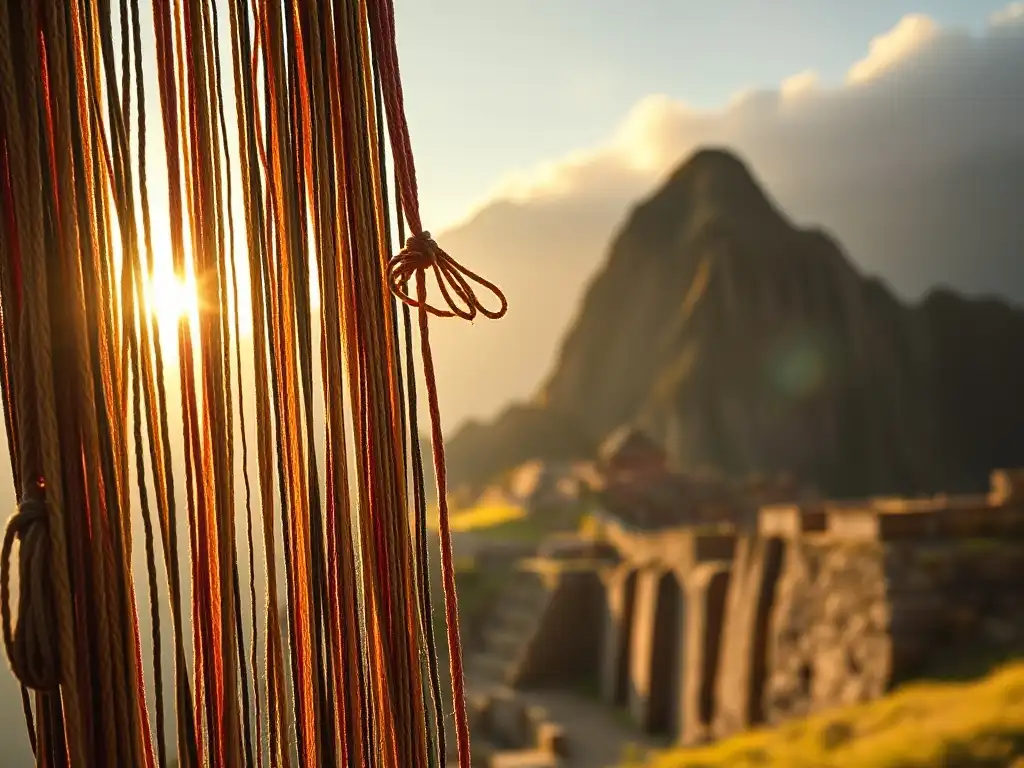
The Inca Empire's intricate system of inheritance wasn't solely about material possessions; it was fundamentally intertwined with the legitimacy of royal power and the continuation of the Sapa Inca's divine authority. Royal lineage was paramount. The Sapa Inca, considered a direct descendant of the sun god Inti, held a sacred position. His ancestry, meticulously documented through quipus (knotted cords) and oral traditions, validated his rule and ensured the empire's stability.
Any deviation from this established lineage could lead to challenges to the emperor's authority and potentially trigger internal conflict or even civil war. The legitimacy of the heir was not just a matter of birth order; it was a complex process involving religious rituals, political maneuvering, and the endorsement of powerful nobles. This emphasis on lineage underscored the deeply religious nature of Inca governance, where the emperor's authority was divinely sanctioned and his lineage served as a tangible link to the sacred.
Maintaining a pure and unbroken lineage was therefore a critical aspect of Inca imperial strategy. The meticulous record-keeping of ancestry highlights the importance the Inca placed on maintaining the continuity of their sacred heritage and the legitimacy of their rulers. This wasn't simply a matter of historical record-keeping; it was a fundamental element of the political system itself.
The importance of ancestry extended beyond the Sapa Inca. High-ranking nobles and officials also enjoyed privileged positions based on their lineage and kinship ties to the ruling family. This created a complex web of power relationships, where family connections often determined access to resources, positions of authority, and political influence.
The closer a noble was to the royal family, the greater their influence and power within the empire. This system, while creating a stable hierarchy, also fostered competition and potential rivalry among different branches of the Inca elite, as each sought to enhance their own standing and influence through strategic marriages and alliances.
The system ensured a level of continuity in the power structure, but also allowed for shifts in influence based on the political acumen and strategic alliances of different noble families. Maintaining these intricate relationships and understanding the nuances of Inca lineage was crucial for navigating the complex political landscape of the empire.
The Role of the Auqui and the Selection Process
The auqui, the designated heir apparent to the Sapa Inca's throne, held a unique position within the Inca social structure. He wasn't merely a prince; his role was far more complex and politically significant. The selection of the auqui wasn't simply a matter of primogeniture; it involved a careful consideration of various factors, including the candidate's perceived abilities, their health, and importantly, their suitability for the demanding role of leading the empire.
While often the eldest son, the choice could fall on another son or even a nephew, demonstrating that merit and political considerations played a significant role. The auqui underwent extensive training from a young age, preparing him for the responsibilities of governance, military command, and religious leadership. This rigorous preparation wasn't just about acquiring knowledge; it was about cultivating the necessary character traits for a successful ruler, including wisdom, strength, and piety.
The selection process itself was shrouded in secrecy and often involved consultations with high priests, advisors, and powerful nobles. This process ensured that the chosen heir enjoyed widespread support within the elite circles, minimizing the risk of potential challenges to his authority upon the Sapa Inca's death. The involvement of religious figures further reinforced the divine legitimacy of the chosen heir.
The auqui's education encompassed a wide range of subjects, from administration and military strategy to religious rituals and Inca traditions. They were expected to demonstrate proficiency in all these areas before ascending to the throne, ensuring that the future Sapa Inca possessed the necessary skills and knowledge to effectively govern the empire. The selection and training of the auqui were critical components of the Inca succession system, maintaining stability and continuity in leadership.
Challenges and Succession Crises: Instances of Contested Inheritances
Despite the elaborate system in place, the Inca Empire was not immune to succession crises. The death of a Sapa Inca, even with a designated heir, often created a period of uncertainty and potential conflict. Contested inheritances, fueled by ambition and rivalries among powerful nobles, could undermine the empire's stability and lead to internal strife.
While the official line of succession aimed to prevent such conflicts, the reality was often far more complicated. The power dynamics within the Inca court, with its competing factions and vested interests, could easily disrupt the smooth transfer of power. The absence of clear written laws specifying the order of succession, relying instead on custom and interpretation, further complicated matters.
Historical accounts, though limited, suggest instances where the designated heir faced challenges to his authority. [Specific examples of contested successions and their outcomes pending]. These instances highlight the inherent vulnerabilities within the Inca system of succession, despite its apparent sophistication.
Factors such as the age of the heir, the strength of competing factions, and the support of the military could significantly influence the outcome of a succession crisis. The consequences of such disputes could range from brief periods of instability to prolonged civil wars, severely impacting the empire's internal cohesion and external power.
Analyzing these cases offers valuable insights into the complexities of Inca politics and the ever-present tension between established norms and the realities of power struggles within the elite. The study of these crises reveals the human element within a system designed for stability, demonstrating that even the most carefully constructed political structures are susceptible to challenges and unforeseen circumstances.
Specific Aspects of Inca Inheritance
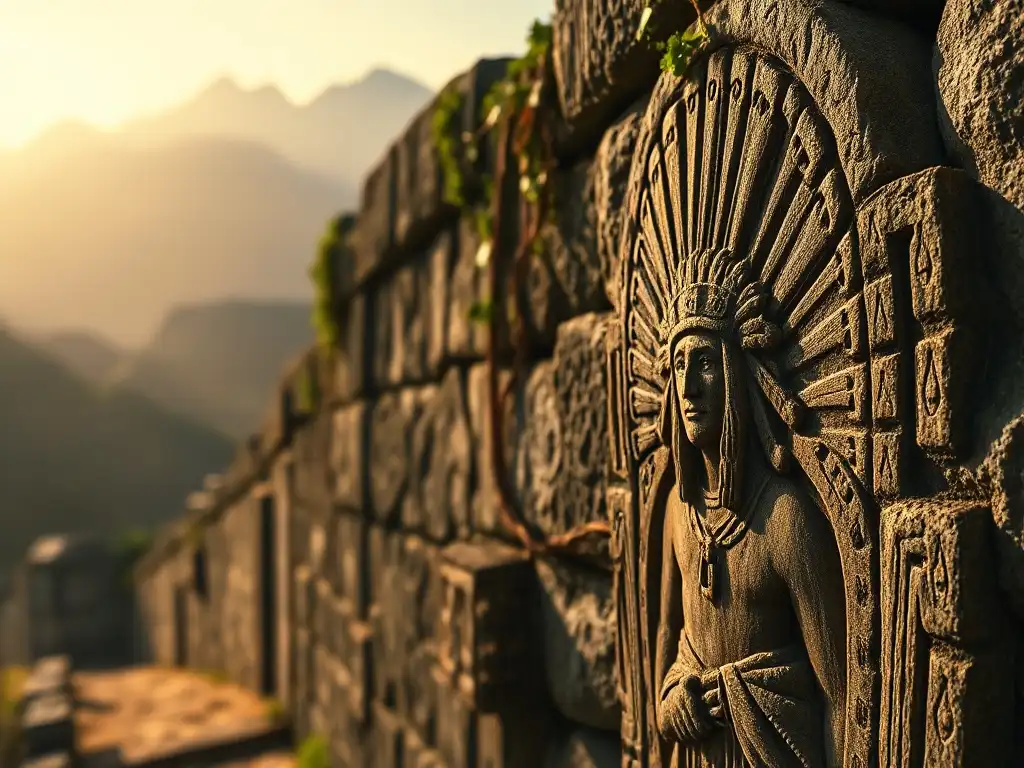
This section delves into the intricacies of Inca inheritance practices, moving beyond the general principles to examine specific categories of inherited property and their significance within the complex social hierarchy of the Inca Empire. Understanding these nuances reveals much about Inca societal values and power dynamics. The Inca inheritance system, while seemingly straightforward in its core principles, possessed significant complexities depending on the nature of the inherited item and the social standing of the inheritor.
The system wasn't simply about transferring possessions; it was about maintaining social order and the continuity of power. The keyword "Inca inheritance laws" is central to understanding this intricate system.
Inheritance of Titles and Positions
Inheritance of titles and positions within the Inca Empire was far from automatic. While primogeniture—inheritance by the eldest son—was a common principle, it wasn't absolute. The Sapa Inca, the emperor, held ultimate authority in deciding the succession, often taking into account factors beyond simple lineage. Competence, loyalty, and even perceived spiritual suitability played crucial roles.
For example, a younger son might inherit a significant position if deemed more capable than his elder brothers. This ensured that the most qualified individuals held positions of power, irrespective of birth order. This system, while seemingly arbitrary, aimed to maintain the efficiency and stability of the empire. The Inca leadership carefully considered the potential impact of their decisions on the overall political landscape.
The inheritance of administrative positions followed similar patterns. Local governors (kurakas) and other high-ranking officials often had their positions inherited within their families, but again, the Sapa Inca's approval was necessary. This system created a balance between hereditary succession and meritocracy, ensuring both continuity and the best possible governance. The Inca’s focus was on maintaining a stable and efficient administrative structure, even if it meant deviating from strict primogeniture. This dynamic approach to succession serves as a key aspect of understanding Inca inheritance laws.
The system also incorporated a degree of flexibility. In cases where a direct heir was deemed unsuitable, the Sapa Inca could appoint a suitable successor from within the family or even from a different, allied lineage. This highlights that while family lineage was important, it was not the sole determinant. The ultimate goal was to secure the continuity of power and the stability of the empire, which sometimes required bypassing direct hereditary succession.
Inheritance of Religious Artifacts and Sacred Objects
Religious artifacts and sacred objects occupied a unique position within the Inca inheritance system. These items, often imbued with immense spiritual power and historical significance, were not simply passed down like personal possessions. Their inheritance was carefully controlled and often involved complex rituals and ceremonies. The transfer wasn't merely a material exchange but a sacred act, symbolizing the continuation of religious authority and the maintenance of cosmological order. The Inca religion deeply intertwined with the political structure, making the inheritance of these objects a matter of significant political and spiritual importance.
These sacred objects, such as intricately crafted gold and silver ornaments, mummies of ancestors, and ceremonial vessels, were frequently associated with specific lineages or religious roles. Their inheritance often reinforced the authority and legitimacy of those who received them. The process involved rigorous selection, with the Sapa Inca or high priests often playing a decisive role in determining who would inherit such items. This ensured that these important objects remained in the hands of those deemed worthy of their care and capable of upholding the religious traditions they represented.
Inheritance of Personal Belongings and Possessions
The inheritance of personal belongings and possessions among commoners followed a more straightforward pattern, generally adhering to primogeniture. However, the distribution wasn't always equal. The eldest son typically inherited the bulk of the property, including land, livestock, and tools. Younger sons and daughters might receive smaller portions, depending on their needs and the overall wealth of the family. This system, while seemingly simple, reflected the importance of maintaining family units and ensuring the economic stability of each member.
However, the Inca system wasn't solely focused on individual wealth. The concept of ayllu, the extended family community, played a significant role. While individuals inherited specific possessions, their access to communal resources—land for cultivation, for example—remained largely governed by the ayllu structure. This communal aspect mitigated potential inequalities caused by unequal inheritance among siblings.
The system emphasized both individual ownership and collective responsibility, ensuring the social cohesion and economic well-being of the entire community. This illustrates the nuanced approach the Inca took to inheritance, balancing individual needs with the broader needs of the community. Understanding this balance is essential to a complete understanding of Inca inheritance laws.
Case Studies and Examples of Inca Inheritance
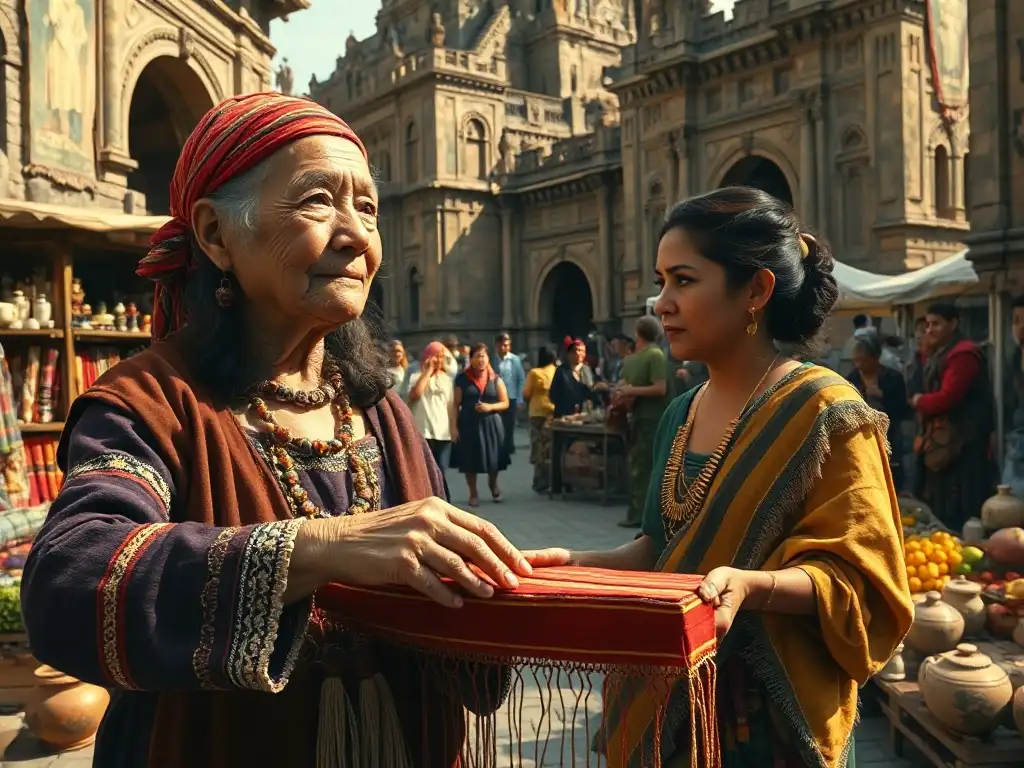
This section delves into specific examples illustrating the complexities and nuances of Inca inheritance laws, moving beyond the theoretical framework to showcase real-world applications and their consequences. Understanding these case studies provides crucial insight into how the system functioned in practice and the potential for conflict arising from its ambiguities. The Inca inheritance system, while seemingly structured, often resulted in power struggles and societal shifts due to its reliance on both formal rules and the often-unpredictable dynamics of royal families and local communities. The keyword "Inca inheritance laws" is central to understanding these examples.
The Succession of Huayna Capac and the Subsequent Civil War
The succession of Huayna Capac, the powerful Inca emperor, offers a compelling case study of the challenges inherent in Inca inheritance practices. Huayna Capac's death in 1527 CE, possibly from smallpox, triggered a devastating civil war that dramatically weakened the Inca Empire, leaving it vulnerable to the Spanish conquest. The lack of a clear and undisputed heir exacerbated existing tensions within the imperial family.
Huayna Capac had two prominent sons: Huáscar and Atahualpa. While Huáscar was initially designated as heir, Atahualpa, born of a secondary wife, controlled significant territories in the north. This division of power, reflective of the Inca practice of assigning territories to various members of the royal family, laid the groundwork for conflict.
The ambiguity surrounding the succession, coupled with the differing power bases of the two brothers, ignited a brutal civil war. This war significantly weakened the Inca Empire, leaving it ripe for conquest by Francisco Pizarro just a few short years later. The conflict highlights the limitations of Inca inheritance laws when confronted with powerful contenders and a lack of decisive leadership in determining succession.
The ensuing power struggle exemplifies how the mechanisms designed to transfer power could instead lead to chaos and destruction. This event underscores the importance of considering the practical application of "Inca inheritance laws" within the broader political landscape.
The civil war between Huáscar and Atahualpa was not simply a struggle for the throne; it reflected deeper societal divisions and challenges in managing a vast and diverse empire under a system of inheritance that lacked complete clarity in times of crisis. The outcome dramatically altered the course of Andean history.
Inheritance Practices in a Farming Ayllu in the Cusco Region
Moving beyond the imperial court, we can examine inheritance practices within a typical farming ayllu (community) in the Cusco region. While the imperial system had its formal structures, inheritance in rural communities operated with a different set of principles, though still guided by the broader Inca worldview and social organization.
In these rural communities, land was not strictly owned by individuals but rather held collectively by the ayllu. Inheritance focused less on individual accumulation and more on the continuation of the community's well-being. Upon the death of a community member, their land and resources were not necessarily passed down directly to heirs in a linear fashion. Instead, the ayllu council would redistribute resources based on the needs of the community and the capabilities of its members.
Younger family members might inherit portions, but the overall control and management remained with the ayllu. This system promoted social stability and collective responsibility. The emphasis was on maintaining the agricultural productivity and the social fabric of the community, rather than concentrating wealth in the hands of a few.
This example provides a counterpoint to the complexities of imperial inheritance, demonstrating the adaptability of Inca inheritance principles across different social strata. The communal nature of land ownership in many ayllus differed drastically from the imperial system, showcasing the regional variations in the implementation of "Inca inheritance laws." While the imperial family struggled with succession and its consequences, the ayllu system emphasized community resilience and continuity.
This decentralized approach to inheritance provided a degree of social cohesion that was absent in the highly centralized imperial structure. Further research into specific ayllu records would provide even richer details on this aspect of Inca inheritance.
Inca Inheritance Laws vs. Modern Legal Systems
Contrasting Inca Practices with Western Inheritance Concepts
Inca inheritance laws, deeply rooted in the ayllu community system, starkly contrast with modern Western legal frameworks. While Western systems often emphasize individual ownership and equal distribution among heirs (though with variations depending on the jurisdiction), Inca inheritance was intricately tied to social hierarchy, land tenure, and the collective well-being of the community. This meant that inheritance wasn't simply about dividing up possessions; it was a crucial mechanism for maintaining social order and economic stability.
For instance, in many Western legal systems, a will dictates the distribution of assets after death. The Inca system, however, lacked a formalized will-writing process as we understand it. Instead, the Sapa Inca (emperor) and the local kurakas (chiefs) played a significant role in determining the inheritance of land and other resources.
This process wasn't arbitrary; it considered factors like lineage, social standing, and the individual's contributions to the community. A skilled artisan might inherit tools and workshops, while a successful farmer might receive prime agricultural land. This system prioritized the continuation of specialized skills and efficient resource management within the ayllu.
The concept of individual ownership also differs significantly. While Western laws generally recognize absolute individual property rights, the Inca system emphasized communal land ownership within the ayllu. Inheritance within this context focused on the rights to use and cultivate specific parcels of land, not outright ownership.
This communal aspect is a critical distinction, as it highlights the collectivist nature of Inca society and its emphasis on reciprocal obligations. The individual's rights were always intertwined with their responsibilities to the community. This contrasts sharply with the often individualistic focus of Western inheritance law, where the primary concern is typically the individual's right to bequeath their property as they see fit.
| Feature | Inca Inheritance System | Western Inheritance Systems |
|---|---|---|
| Ownership | Communal (within the ayllu) | Primarily individual |
| Distribution | Based on social standing, skill, and community need | Often based on wills, legal codes, and equal division |
| Formalization | Informal, guided by kurakas and the Sapa Inca | Highly formalized through legal documents and processes |
| Focus | Maintaining social order and economic stability | Protecting individual rights and property distribution |
This fundamental difference in approach reflects the contrasting philosophies underpinning each system. Western systems often prioritize individual autonomy and freedom of choice, while the Inca system prioritized collective well-being and social harmony.
The Legacy of Inca Inheritance in Contemporary Andean Communities
The legacy of Inca inheritance practices persists, albeit transformed, in many contemporary Andean communities. While modern legal frameworks have largely superseded the traditional system, elements of communal land ownership and the importance of family lineage remain influential. The impact is particularly visible in rural areas where traditional social structures retain a strong hold. The concept of ayni (reciprocal labor) and mita (labor tribute), which were integral to the Inca economic system, continue to shape social interactions and resource distribution, subtly influencing how land and other resources are managed within families and communities.
The influence isn't always direct or immediately apparent. Modern legal interventions, such as land titling programs and inheritance laws based on Western models, have undoubtedly altered the landscape. However, customary practices often coexist with formal legal processes, creating a complex interplay between tradition and modernity. For example, while a family might legally register land ownership in the names of individual heirs, the practical management and utilization of that land might still reflect traditional communal practices, with family members sharing responsibilities and resources based on established customs.
Understanding this interplay requires a nuanced approach. Anthropological studies reveal a persistent resilience of traditional values, even in the face of significant societal and legal changes. The precise degree of influence varies across different Andean communities, depending on factors such as geographic location, economic conditions, and the strength of traditional social structures. Further research is needed to fully document and analyze the diverse ways in which Inca inheritance traditions continue to shape contemporary Andean societies.
This includes investigating the challenges and conflicts that arise from the coexistence of traditional practices and modern legal frameworks, particularly concerning land rights and resource allocation. The complexities of this dynamic process highlight the importance of recognizing the lasting impact of Inca social structures on the present-day Andean world. The ongoing evolution of inheritance practices underscores the enduring relevance of understanding the intricate workings of the Inca system.
Frequently Asked Questions
What were the primary principles guiding Inca inheritance laws?
Inca inheritance laws prioritized lineage and maintaining social order. Inheritance patterns favored the male heir, usually the eldest son, to ensure the continuation of family power and land ownership. Exceptions existed for daughters, especially if there were no sons.
How did Inca inheritance laws differ from European systems?
Unlike European systems emphasizing individual ownership, Inca inheritance was more communal. Land was granted to individuals for use, but ultimate ownership resided with the ayllu, the community. This system prioritized collective well-being over individual accumulation.
What role did the Sapa Inca play in inheritance matters?
The Sapa Inca, as the supreme ruler, held significant authority in inheritance disputes and could intervene to redistribute land or resources. His decisions were crucial in maintaining social harmony and preventing conflicts over property.
What happened to the property of individuals without direct heirs?
In cases where there were no direct heirs, the property reverted to the ayllu or the state, ensuring that resources remained within the community. This prevented land from being left unused or falling into the wrong hands, strengthening collective ownership.
Were there any exceptions to the typical male-centric inheritance practices?
While male heirs were generally preferred, female heirs could inherit, particularly in situations where there were no male siblings. The Sapa Inca could also grant exceptions based on individual merit or need, demonstrating some flexibility within the system.
Final Reflection: The Enduring Legacy of Inca Inheritance
The intricate system of Inca inheritance laws, far from being a relic of a bygone era, offers crucial insights into the complexities of power, social structure, and resource management in societies today. Understanding how the Inca meticulously controlled the distribution of land, livestock, and authority provides a powerful lens through which to examine contemporary debates surrounding wealth inequality and equitable resource allocation.
The Inca's emphasis on collective ownership and the state's central role in property distribution resonates deeply with modern discussions about sustainable development and social justice. Their system, while undeniably hierarchical, prioritized the needs of the community over individual accumulation. The Inca state was not merely a political entity, but a vast economic and social organization, deeply intertwined with the lives of its subjects.
This quote highlights the interconnectedness of power, property, and social well-being within the Inca empire, a concept that deserves renewed consideration in our increasingly globalized world.
Consider the implications of the Inca model for our own time. How might a greater emphasis on collective responsibility and sustainable resource management, inspired by Inca principles, contribute to a more equitable and just future? You, the reader, are now equipped with a deeper understanding of a fascinating historical system. Let this knowledge inspire you to critically examine existing power structures and to advocate for systems that prioritize both individual well-being and the collective good. The legacy of the Inca inheritance laws is not merely historical; it is a call to action for a more just and sustainable world.
Uncover Your Legacy Today!
Thank you for exploring the fascinating world of Inca inheritance laws with us! Your investigation into how property and power were passed down through generations has revealed valuable insights into the cultural practices that shaped this remarkable civilization. Let's continue to deepen your understanding and appreciation of this rich heritage.
Here are some ways you can further explore this topic:
- **Research your own family history! ** Compare and contrast the inheritance traditions in your own cultural background with those of the Inca.
- **Share this article with your friends and family. ** Spark a conversation about inheritance laws and the societal structures they reflect—your insights may lead to a lively discussion!
- **Join our online community** dedicated to Andean Civilizations. Connect with other history enthusiasts, share your perspectives, and learn from others.
What aspect of Inca inheritance laws finds you most intrigued, and how do you believe these practices have influenced modern concepts of property and legacy?