
The Daily Life of an Andean Musician: Instruments and Performance

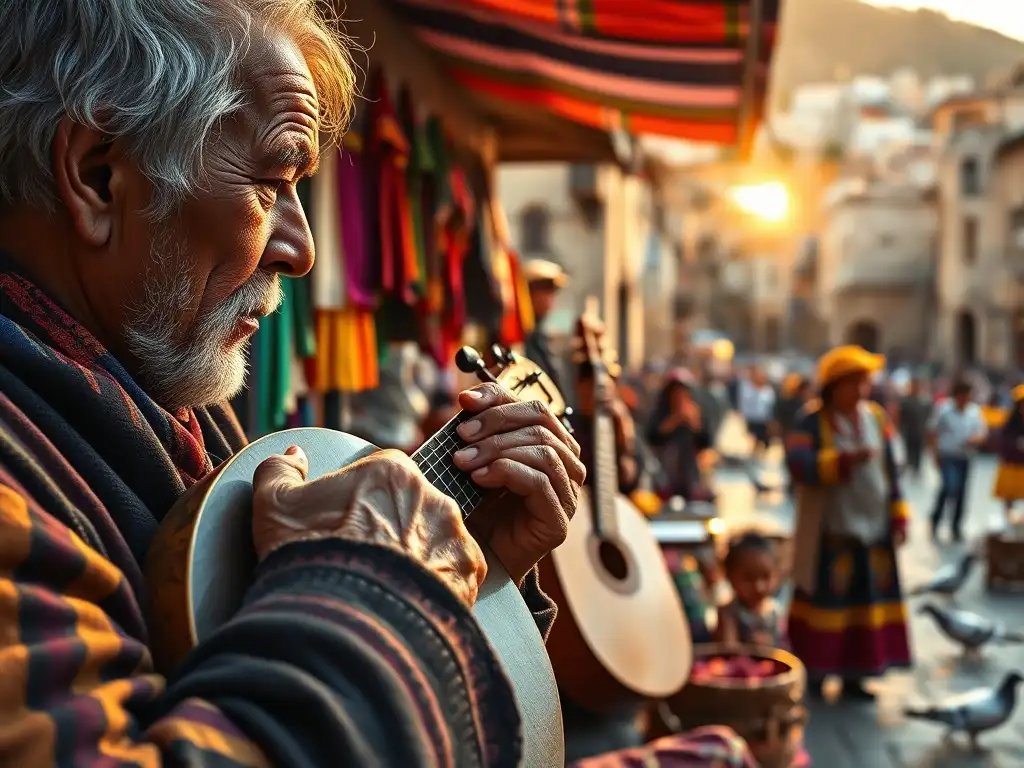
Step into a world lost to time, yet echoing with vibrant melodies. Imagine the daily life of an Andean musician, a figure woven into the very fabric of ancient societies like the Incas, Moche, and Nazca.
From the intricate craftsmanship of their instruments to the captivating rhythms that shaped their rituals and celebrations, their story is one of breathtaking artistry and cultural significance. Unravel the mysteries surrounding their musical traditions and discover how music played a pivotal role in shaping Andean social structures – delve deeper into the "Andean musician daily life" now and experience the echoes of a lost world.
The vibrant tapestry of Andean civilizations is not only woven with threads of intricate architecture, sophisticated agriculture, and complex social structures, but also with the resonant melodies of its music. This article delves into the fascinating daily life of an Andean musician, exploring the instruments they played, their performance practices, and the integral role music played within their societies.
From the haunting sounds of the panpipes echoing through the mountains to the rhythmic beat of drums accompanying sacred ceremonies, music was deeply embedded in the fabric of daily life, shaping social interactions, religious rituals, and even agricultural cycles. Understanding the Andean musician's daily life provides crucial insights into the cultural richness and complexity of these remarkable ancient societies, offering a glimpse into a world where music wasn't simply entertainment, but a vital force shaping their existence.
This exploration will focus primarily on the Inca civilization, but will also touch upon the musical traditions of other Andean cultures such as the Moche, Nazca, and Tiahuanaco, highlighting the diverse and captivating soundscapes of the Andes. This exploration will help us better understand the significance of "Andean musician daily life" within the broader context of Andean civilization.
Introduction to Andean Musical Traditions
Andean musical traditions were incredibly diverse, varying significantly across different regions and cultures. While specific details about the daily routines of musicians in each culture are limited due to the scarcity of direct historical records, archaeological evidence and ethnomusicological studies provide valuable clues. Instruments were often crafted from readily available materials like wood, bone, shells, and gourds, reflecting the ingenuity and resourcefulness of Andean peoples. The most commonly known instruments include:
- Panpipes (antara): These were made from reeds of varying lengths, creating a range of notes. They were used extensively in both ceremonial and everyday life.
- Drums (tinku): Various types of drums, made from animal skins stretched over wooden frames, were used for rhythmic accompaniment in dances and ceremonies.
- Flutes (quena): These simple, end-blown flutes were widely used, often played in ensembles.
- Shell trumpets (pututo): These were used primarily in ceremonial contexts, their powerful sound believed to have spiritual significance.
- String instruments (charango): Though possibly introduced later, similar instruments likely existed, contributing to the range of Andean musical expressions.
The music itself served various purposes. It accompanied agricultural activities, marking the planting and harvesting seasons. It played a crucial role in religious ceremonies, believed to connect the living with the spiritual world. And importantly, it formed an integral part of social gatherings and celebrations, fostering community and strengthening social bonds. The music wasn't merely a form of entertainment but a powerful tool for expressing emotions, beliefs, and social structures. The daily life of an Andean musician was intrinsically linked to the spiritual and social fabric of their society.
A Day in the Life: The Andean Musician's Routine
While a precise reconstruction of a typical day for an Andean musician is impossible, we can infer a likely routine based on available evidence. A musician's day may have begun early, perhaps with participation in community rituals involving music and song. This might involve playing instruments during sunrise ceremonies or accompanying agricultural work with rhythmic music. Throughout the day, the musician may have been involved in creating or repairing instruments.
The making of instruments was a skilled craft, passed down through generations, requiring both technical expertise and artistic sensitivity. The materials used were carefully selected, reflecting the importance placed on the quality and sound of the instruments. The process itself may have been infused with spiritual significance, ensuring the instruments were imbued with positive energy before their use.
In the afternoon or evening, the musician might have participated in social gatherings or ceremonies where their musical skills were essential. These events could range from small community celebrations to large-scale religious festivals. The music played during these events would have been carefully chosen, reflecting the nature of the occasion and the community's beliefs. The performance itself wasn't simply a mechanical act; it involved intense emotional expression and spiritual connection, often accompanied by dance and elaborate costumes.
The musician’s role was not just to play music, but to actively participate in and shape the social and spiritual life of their community. Their daily life was a testament to the deeply integrated role of music within Andean society. The sounds of the Andes, echoing through time, continue to speak to the vital and multifaceted role of the Andean musician. 🎶
The Andean Musician's Morning Rituals
The day of an Andean musician often began before sunrise. Their routine wasn't simply about physical preparation; it was deeply intertwined with spiritual practices. Many Andean cultures believed music held sacred power, a conduit to the gods and ancestors. Therefore, a musician's morning might begin with a cleansing ritual – perhaps a purification bath using herbs and sacred water, followed by offerings to the apus (mountain spirits) or Pachamama (Mother Earth).
This ensured a harmonious connection with the spiritual world, believed to be essential for successful musical performances. Prayers and chants, often accompanied by simple instruments like a small whistle or a hand drum, were common parts of this pre-performance ritual. The musician might also meditate or engage in other practices to achieve a state of mental and spiritual clarity, allowing them to channel their creative energy effectively.
The exact nature of these rituals varied greatly depending on the specific Andean culture and the individual musician's beliefs and traditions. Some might consult oracles or engage in divination to determine auspicious times for performances or to gain insight into the day ahead. The importance of this ritualistic preparation underscores the profound significance of music within Andean societies.
Preparation of Instruments for Performance
Before any performance, the careful preparation of instruments was paramount. This wasn't just about tuning or cleaning; it was a ritualistic process that honored the instrument itself. The musician might meticulously clean their instruments, using specific materials and techniques passed down through generations. For wind instruments like the quena or siku, this could involve cleaning out any moisture or debris that might affect the sound quality.
Stringed instruments like the charango would require checking the tuning and ensuring the strings were in optimal condition. The bombo, or drum, might be inspected for any damage and its hide carefully treated to maintain its resonance. The preparation extended beyond the physical; the musician might offer prayers or coca leaves to their instrument, treating it with the respect afforded to a sacred object.
This ritualistic preparation wasn't merely practical; it was a way to establish a connection with the instrument, to imbue it with the musician's energy and intention, ensuring a powerful and resonant performance. The process was a testament to the deep spiritual and cultural significance of music within Andean life. The level of care reflected the importance of music in their society and daily life.
Common Andean Musical Instruments
Andean music boasts a rich variety of instruments, each with its unique sound and cultural significance. The instruments used often reflected the specific region and cultural group, creating a diverse musical landscape. Here are some examples of commonly used instruments:
The Siku: Panpipes of the Andes
The siku, a type of panpipe, is perhaps one of the most iconic Andean instruments. These instruments are made from reeds or cane and are usually played in pairs, one providing the melody and the other the harmony. The intricate craftsmanship and precise tuning required to create a harmonious sound showcase the skill and artistry of Andean instrument makers. The siku's haunting melodies evoke the vast landscapes and spiritual beliefs of the Andes.
Different sizes and arrangements of pipes produce varied tonal qualities, leading to a wide range of musical expressions. The playing technique involves a circular breathing technique, allowing for continuous melodies. The siku is often used in ceremonial contexts, reflecting its deep spiritual and cultural significance. Its haunting sound is deeply associated with the Andean landscape and its people.
The Charango: A Small Stringed Instrument
The charango is a small, lute-like instrument typically made from the carapace of an armadillo. Its unique construction and vibrant sound have made it a popular instrument throughout the Andes. The charango's small size and portability made it ideal for both informal gatherings and formal performances. Its five double strings (ten strings in total) allow for a rich and expressive tone, capable of producing both delicate melodies and powerful rhythms.
The charango's distinctive sound has made it a staple in many Andean musical genres, showcasing its adaptability and versatility. Its construction, utilizing the armadillo shell, speaks to the resourcefulness and creativity of Andean artisans. The instrument's rich history is intertwined with the cultural identity of the Andes.
The Quena: Andean Flute
The quena is a type of Andean flute, typically made from wood or cane. Its simple yet expressive sound is a hallmark of Andean music. The quena's relatively simple design belies its versatility, capable of producing both melancholic melodies and lively rhythms. Its use is widespread across various Andean communities and musical styles.
The quena's tone is often described as clear and penetrating, capable of carrying across vast distances. The instrument is often played in ensembles, contributing to the rich textures of Andean music. Its enduring popularity reflects its importance in Andean musical traditions. Mastering the quena requires considerable skill and practice.
The Bombo: Traditional Andean Drum
The bombo is a large, double-headed drum typically made from wood and animal hide. Its powerful sound provides a strong rhythmic foundation for many Andean musical styles. The bombo's size and construction allow for a wide range of sounds, from deep resonant tones to sharp percussive beats. Its prominent role in Andean music reflects the importance of rhythm and percussion in their musical traditions.
The bombo is often played with mallets, producing a variety of sounds depending on the striking technique. The rhythmic drive provided by the bombo is essential to many Andean dances and ceremonies, adding to the energy and vibrancy of the performance. The bombo is a powerful symbol of Andean musical heritage.
Practice and Rehearsal for Andean Musical Performances
The daily life of an Andean musician wasn't solely about performance; rigorous practice and rehearsal were integral parts of their routine. Imagine a young musician, perhaps apprenticed to a master q'api player (a type of Andean panpipes), waking before dawn to hone their skills. Their practice wouldn't be solitary; it would often involve group sessions, a collaborative process mirroring the communal nature of Andean society.
These rehearsals weren't merely about mastering individual instruments; they involved coordinating melodies, rhythms, and harmonies, ensuring a cohesive and powerful performance. The precision required, especially for complex polyrhythmic pieces, demanded countless hours of dedicated practice. Older musicians would often lead these sessions, passing down traditional techniques and musical knowledge to younger generations, ensuring the continuity of Andean musical traditions.
The sounds of practice – the lilting melodies of zampoñas (panpipes), the resonant tones of tarkas (vertical flutes), and the rhythmic beat of drums – would weave through the daily fabric of Andean communities, a testament to the dedication and discipline of their musicians. Even seemingly simple songs required immense skill and coordination, reflecting the deep-rooted importance of music in their culture. The intensity of these rehearsals varied depending on the upcoming event, with larger festivals and ceremonies necessitating more extensive preparation.
The Andean Musician's Role in Community Life
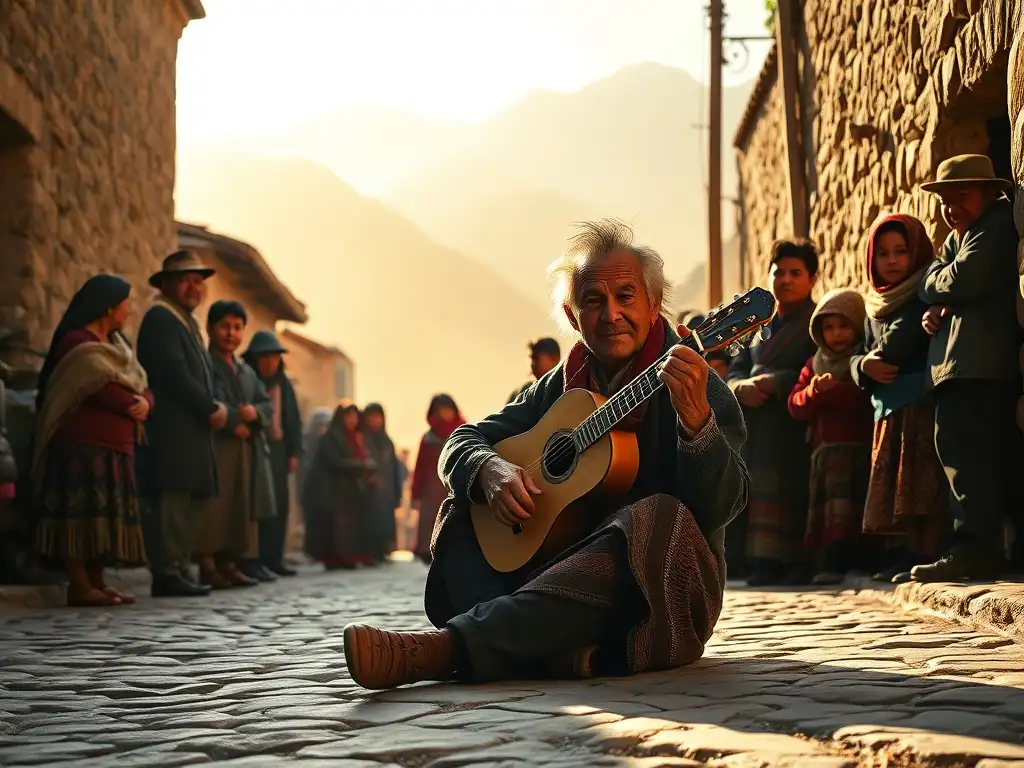
The Andean musician held a position of significant respect and influence within their community. Their role extended far beyond mere entertainment; music was inextricably linked to religious practices, agricultural cycles, and social events. Andean musicians weren't simply performers; they were storytellers, ritualists, and keepers of cultural memory. Their music served to honor deities, celebrate harvests, and commemorate ancestors.
In many communities, specific musical families existed, passing down their expertise and instruments through generations. This hereditary aspect contributed to the musician’s elevated social standing, representing a vital link to the past and a guide for the future. Moreover, their musical skills were often sought after for healing ceremonies and shamanistic practices, further solidifying their importance in the community. The daily interactions of an Andean musician would have involved not only practice and performance but also teaching, mentorship, and participation in community rituals.
Their musical knowledge was a valuable asset, shaping the social and spiritual landscape of their communities. They were integral to the social fabric, their contributions essential to the well-being and cultural richness of the Andean world. Their skill wasn't just a talent; it was a responsibility, a sacred trust passed down through generations.
Musical Performance in Andean Festivals and Ceremonies
Andean festivals and ceremonies were vibrant spectacles, with music playing a central role. Imagine the bustling atmosphere of a harvest festival, the air filled with the joyous sounds of charangos (small guitars), sikus (panpipes), and drums. These weren't mere background accompaniments; they were the heart and soul of the celebration, driving the dances, shaping the rituals, and connecting the participants to the spiritual world. Specific musical pieces were associated with particular deities or agricultural cycles, reflecting the deep connection between music and the natural world.
The musicians weren't passive participants; they actively shaped the mood and flow of the ceremony, their performance imbued with religious significance. Consider the solemn grandeur of a funeral procession, the mournful melodies of the flutes echoing through the mountains, conveying grief and paying tribute to the deceased. Or picture the celebratory energy of a wedding, the lively rhythms of the drums inspiring communal dancing and rejoicing.
The intensity and style of the performance would vary greatly depending on the occasion, demonstrating the versatility and adaptability of Andean musical traditions. The Andean musician’s skill was not only technical proficiency but also a deep understanding of the cultural context, ensuring that the music appropriately reflected the emotions and spiritual significance of the event. Their performances weren't just entertainment; they were powerful acts of cultural preservation and spiritual expression.
The Significance of Music in Andean Culture
Music played a vital role in the daily lives of Andean societies, far beyond simple entertainment. It was deeply interwoven with their spiritual beliefs, social structures, and agricultural cycles. For many Andean cultures, music wasn't just sound; it was a powerful force believed to influence the natural world and the gods. Rituals and ceremonies, from planting and harvesting to healing ceremonies and celebrations of the solstices, were invariably accompanied by music and dance.
The rhythmic patterns and melodies were often believed to invoke specific deities or spirits, ensuring a successful harvest or a cure for illness. Consider the intricate musical traditions of the Inca Empire, where specific instruments and musical styles were associated with different social classes and ceremonies. The panpipes, for example, were often used in religious contexts, while other instruments like the tarka (a type of flute) might be more common in secular celebrations.
This profound connection between music and the spiritual realm underscores the importance of Andean musicians within their communities. The sounds they created were not merely aesthetic; they were powerful tools for interacting with the supernatural and maintaining the cosmic balance. Even everyday activities were often punctuated by music, creating a vibrant soundscape that permeated all aspects of Andean life.
The social standing of Andean musicians varied considerably depending on the specific culture and historical period. In some societies, musicians held positions of high prestige and influence, acting as intermediaries between the human and spiritual worlds. These individuals were often highly skilled, and their performances were integral to important religious ceremonies and state events. For instance, within the Inca Empire, specialized musicians served in the royal court, composing and performing music for the Sapa Inca and other elites.
Their expertise ensured the proper execution of rituals and the maintenance of social order. Conversely, in other Andean communities, musicians might have held a lower social standing, performing primarily at festivals or private events. Their skills, while still valuable, were not necessarily tied to religious or political power.
The availability of written records varies across different Andean cultures, making it challenging to definitively assess the social status of musicians across the board. However, archaeological evidence, such as the discovery of elaborate musical instruments in elite tombs, suggests that in certain contexts, musicians enjoyed considerable respect and influence within their communities. The degree of social prestige was likely influenced by factors such as the musician's skill level, the type of music performed, and the context in which they performed.
Andean Musical Education and Transmission
The transmission of musical knowledge and skills in Andean societies was primarily an oral tradition, passed down through generations within families and communities. Apprenticeship was a common method of learning, with aspiring musicians spending years studying under established masters. This process involved not just learning to play instruments but also understanding the cultural significance of the music and its proper performance in different contexts. The intricate melodies and rhythms were memorized through repetitive practice and imitation, with a strong emphasis on maintaining the authenticity and integrity of the musical traditions.
There is evidence suggesting that some form of formal musical education existed within certain elite circles, particularly in larger empires like the Inca. However, for most Andean communities, musical training was a more informal process, integrated into the fabric of daily life. Festivals, ceremonies, and social gatherings provided ample opportunities for young musicians to learn from experienced performers and refine their skills.
The oral tradition ensured that the music remained closely tied to its cultural context, preserving its spiritual and social significance across generations. The specific techniques and methods of instruction likely varied across different Andean cultures and regions, but the core principle of oral transmission remained constant. This direct, hands-on approach fostered a deep connection between the music and its cultural heritage.
Learning Traditional Andean Music
Learning to play traditional Andean music wasn't a casual pursuit; it was a deeply ingrained part of the cultural fabric. Young individuals often began their musical education at a very young age, sometimes as early as five or six years old. This early initiation wasn't simply about mastering an instrument; it was about absorbing the cultural significance embedded within the music itself. Instruction frequently came from family members, particularly elders who possessed extensive knowledge of traditional melodies, rhythms, and techniques.
This apprenticeship model fostered a strong connection between the student and the musical heritage, ensuring the preservation of authentic styles and interpretations. In some communities, specialized music teachers, often highly respected figures within the society, provided more formal instruction. These teachers weren't simply instructors; they were cultural keepers, ensuring the continuity of musical traditions across generations.
The learning process wasn't solely theoretical; it involved extensive practice, often incorporating the music into daily routines and communal activities. This immersive approach meant that music wasn't just a skill to be learned, but a way of life deeply intertwined with social and spiritual practices. The level of proficiency required varied depending on the role the musician would play in the community – from accompanying religious ceremonies to providing entertainment at social gatherings.
Passing Down Musical Knowledge Through Generations
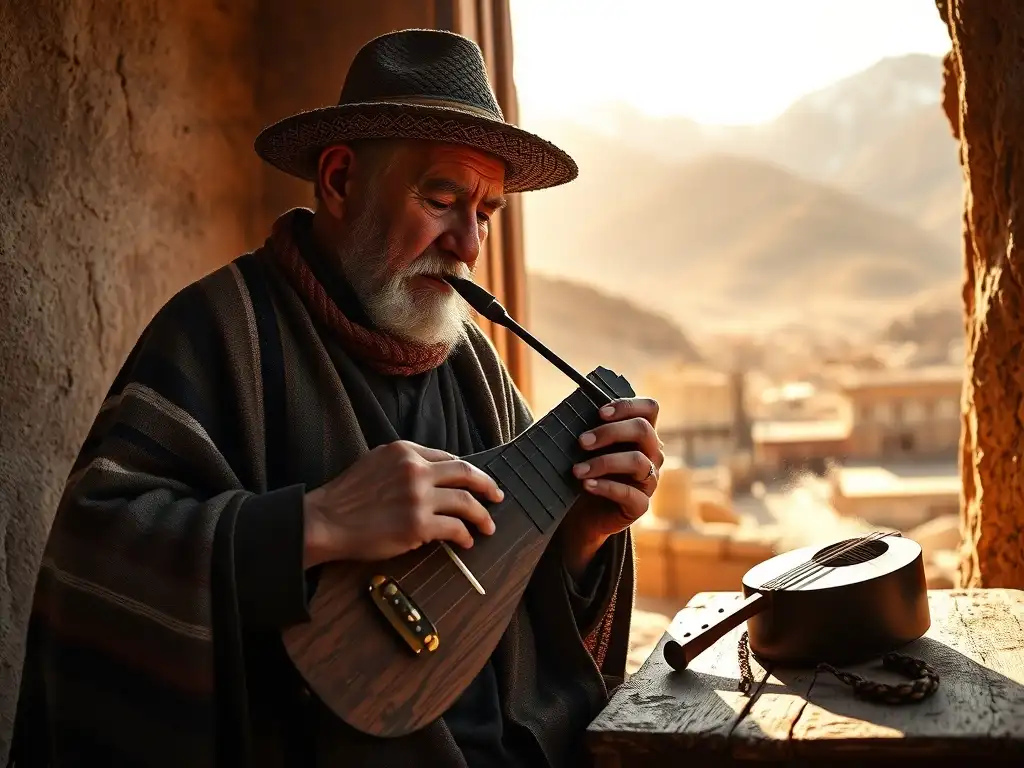
The transmission of Andean musical knowledge relied heavily on oral traditions. Unlike written musical notation, which wasn't widely used in many Andean communities, musical knowledge was passed down through direct observation, imitation, and rote learning. Master musicians would meticulously demonstrate techniques and melodies, and students would diligently replicate them through repeated practice. This process often involved years of dedicated study, gradually building upon the foundational skills.
The emphasis on oral tradition fostered a strong sense of community and shared cultural identity. Each generation of musicians contributed to the evolution of the music, while simultaneously preserving its core elements. Family lineages often played a crucial role in this transmission process, with musical skills and knowledge passed down from parents to children, creating a continuous flow of musical heritage. This close-knit approach ensured the preservation of specific regional styles and traditions, which could vary significantly across different Andean communities.
Beyond familial instruction, apprenticeships played a vital role, connecting younger musicians with seasoned masters who could impart their expertise and cultural understanding. This system ensured that the rich musical legacy continued to thrive and evolve within the context of its unique cultural environment. The oral tradition wasn't simply about memorizing melodies; it involved understanding the cultural context, spiritual significance, and social functions of the music.
The Evolution of Andean Music
Andean music, far from being static, has undergone a continuous process of evolution throughout history. While core elements have been preserved, external influences and changing social contexts have shaped its development. The arrival of European instruments, for example, led to the integration of new sounds and styles into the existing musical landscape. The introduction of the guitar, for instance, significantly impacted Andean music, becoming a prominent instrument in many genres.
However, this integration wasn't a simple replacement; rather, it was a process of adaptation and innovation, where new instruments were incorporated into existing musical structures and traditions. Similarly, the impact of colonization and subsequent social changes profoundly influenced musical styles and themes. While traditional forms persisted, new musical expressions emerged reflecting changing social realities and cultural interactions. The development of contemporary Andean music reflects a complex interplay of tradition and innovation.
Modern musicians often draw inspiration from traditional forms, while simultaneously experimenting with new sounds and styles, creating a vibrant and dynamic musical landscape. This evolution isn't a simple linear progression; it's a complex interplay of preservation, adaptation, and innovation, reflecting the dynamism of Andean culture itself. The ongoing evolution ensures that Andean music remains a vital and relevant expression of its rich cultural heritage. The fusion of traditional elements with contemporary influences continues to create a diverse and evolving musical tapestry.
Influence of Colonialism on Andean Music
The arrival of the Spanish in the 16th century profoundly impacted Andean music, leading to a complex fusion of indigenous traditions and European influences. The suppression of indigenous religious practices, which were intrinsically linked to music and ritual, resulted in a significant shift in musical expression. Many traditional instruments were either destroyed or their use restricted.
However, the resilience of Andean cultures ensured that musical traditions, though altered, persisted. Indigenous musicians adapted existing instruments and incorporated new ones introduced by the Spanish, creating hybrid musical forms. For example, the charango, a small lute-like instrument, is believed to have evolved from the Spanish guitar, but its construction and playing style retain strong Andean characteristics.
The incorporation of European harmonies and melodic structures into existing musical frameworks created a new sonic landscape, one that reflects both the continuity of Andean musical heritage and the indelible mark of colonial influence. This process wasn't a simple replacement; rather, it was a dynamic interaction, a struggle for cultural survival that resulted in a unique and vibrant musical tradition. Even today, the echoes of this colonial encounter resonate in the music of the Andes.
Modern Adaptations of Traditional Andean Music
Contemporary Andean music demonstrates a remarkable ability to adapt and evolve while preserving its core identity. Traditional instruments like the panpipes ( antara), the *zampoña, and the *tarka continue to be central to musical performance, but they are often integrated into new musical styles, incorporating elements of rock, pop, and jazz. Artists like [Specific Andean musician's name pending] and [Specific Andean musician's name pending] have successfully blended traditional Andean rhythms and melodies with contemporary sounds, creating a unique and appealing musical fusion.
This fusion is not merely a stylistic choice; it reflects the dynamism of Andean culture in the 21st century, its ability to embrace modernity without abandoning its rich heritage. The accessibility of modern recording technology has also played a crucial role, allowing Andean musicians to reach a wider audience and share their music globally.
This increased exposure has led to a renewed appreciation for traditional Andean music and its enduring power to connect with listeners across cultures. The result is a vibrant and evolving musical landscape that honors the past while embracing the future.
The Andean Musician's Artistic Expression
Andean music is more than just entertainment; it's a powerful vehicle for artistic expression, storytelling, and social commentary. The lyrics of Andean songs often reflect the daily lives, struggles, and hopes of the Andean people, reflecting themes of love, loss, nature, and social justice. The intricate melodies and rhythmic patterns are not mere embellishments but integral components of the musical narrative.
The role of the Andean musician often transcends mere performance; they are frequently storytellers, keepers of cultural memory, and social commentators. Their music serves as a vital link to the past, a reflection of the present, and a vision for the future. The artistry lies not only in the technical proficiency of playing the instruments but also in the emotional depth and cultural significance embedded within the music itself.
The use of symbolic imagery in both the music and the accompanying dances further enhances the artistic expression, enriching the overall experience for both the performer and the audience. The Andean musician’s artistic expression is a powerful testament to the resilience and creativity of Andean cultures. It is a living tradition, constantly evolving yet deeply rooted in the rich history and cultural heritage of the Andes.
The Andean Musician's Connection with Nature
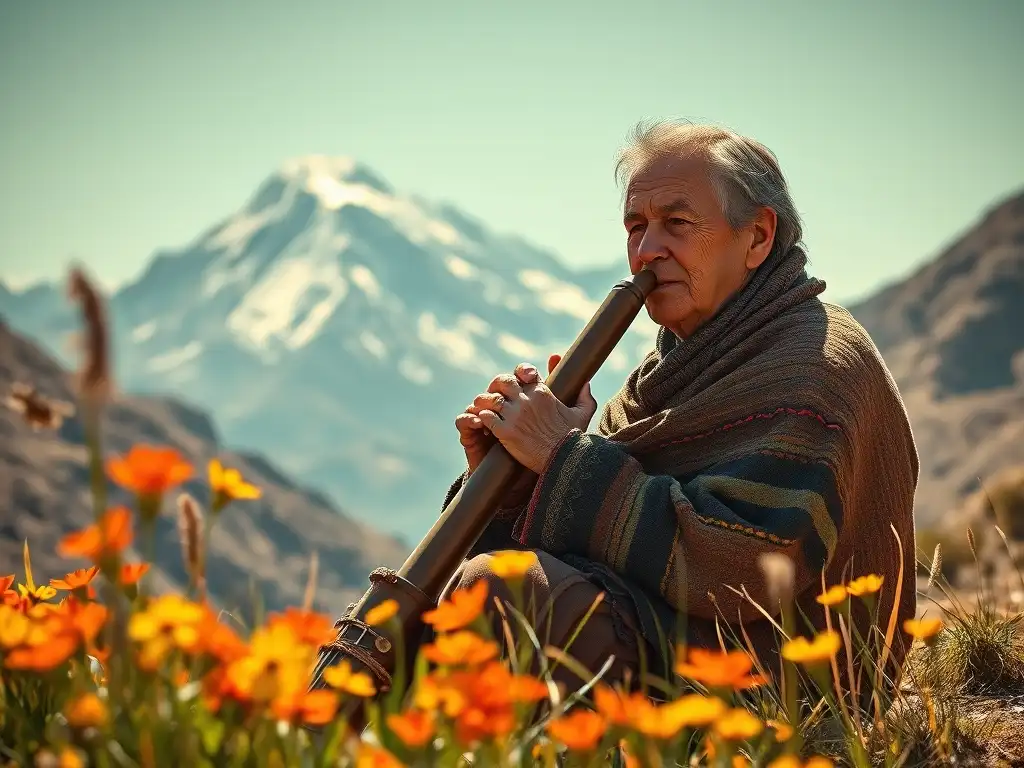
Andean music wasn't just entertainment; it was intrinsically linked to the natural world. The rhythms, melodies, and even the instruments themselves often mirrored the cycles of nature. For example, the panpipes, a ubiquitous instrument across various Andean cultures, might mimic the sounds of wind whistling through mountain passes or the gentle murmur of a river. The instruments themselves were often crafted from natural materials – wood from specific trees, reeds from particular wetlands, shells from the ocean – imbuing them with a spiritual connection to their origins.
The choice of materials wasn't arbitrary; specific woods were believed to possess unique sonic qualities and even spiritual powers. Musicians would carefully select their materials, understanding that the wood's characteristics would directly influence the instrument's sound and, consequently, its ability to connect with the spiritual realm. Furthermore, many musical performances took place outdoors, in settings directly connected to the environment, such as sacred mountains or fertile valleys.
This direct engagement with nature fostered a deep understanding of the interconnectedness between music, the natural world, and the spiritual realm. The timing of performances often coincided with agricultural cycles or celestial events, further solidifying the deep connection between music and the natural order. This holistic approach to music making is a critical aspect of understanding the Andean musician's daily life.
The Spiritual Aspects of Andean Music
Andean music wasn't merely entertainment; it played a vital role in spiritual and religious practices. Music was believed to have the power to influence the spiritual world, communicating with deities and ancestors. Many instruments, like the pututu (a shell trumpet) or the antara (panpipes), were considered sacred objects, not just musical tools. Rituals often involved music as a central component, with musicians playing specific melodies to invoke spirits, ensure successful harvests, or appease deities.
The melodies themselves weren't random; they carried symbolic meaning, often reflecting the narratives of creation myths or the cycles of life and death. For example, particular rhythms might represent the movements of the sun or the growth of crops. Musicians weren't simply performers; they were intermediaries between the human and spiritual worlds, their music acting as a conduit for communication and connection.
The daily life of an Andean musician, therefore, involved a significant spiritual dimension, shaping their practices and beliefs. The knowledge of these melodies and rituals was often passed down through generations, maintaining a continuous link to the ancestral past and ensuring the preservation of these important traditions. This sacred dimension profoundly impacted the musician's social standing and role within their communities.
Challenges Faced by Andean Musicians Today
While Andean music continues to thrive, modern Andean musicians face numerous challenges in preserving their traditions. The encroachment of Western musical styles poses a significant threat to the survival of indigenous musical forms. Globalization and urbanization have led to a decline in traditional musical practices, as younger generations are increasingly drawn to contemporary music.
The loss of traditional knowledge and the dwindling number of skilled artisans capable of crafting traditional instruments further exacerbate this issue. Economic pressures also play a significant role; many musicians struggle to make a living solely from performing traditional music, forcing them to seek alternative income sources. Efforts to revitalize Andean musical traditions are underway, including initiatives to document traditional music, establish music schools focused on indigenous styles, and promote the use of traditional instruments in contemporary settings.
However, the preservation of this rich musical heritage requires sustained effort and commitment to overcome the significant challenges facing Andean musicians in the 21st century. The fight to maintain the authenticity and cultural significance of Andean music is a testament to the enduring power of these traditions and the resilience of the musicians who strive to keep them alive. Understanding these challenges is crucial to appreciating the ongoing efforts to preserve the legacy of Andean musical culture.
Preserving Andean Musical Heritage
The vibrant musical traditions of the Andes face the ongoing challenge of preservation in the modern world. Many traditional instruments, crafted using age-old techniques and materials, are becoming increasingly rare. The knowledge required to build and maintain these instruments—passed down through generations of artisans—is also at risk of being lost. Efforts to preserve this heritage are multifaceted. Ethnomusicologists meticulously document traditional songs and performance styles, often working directly with the last remaining practitioners of specific musical traditions.
These recordings and transcriptions serve as invaluable resources for future generations, providing a glimpse into the nuances of past musical practices. Furthermore, museums and cultural centers actively collect and preserve antique instruments, offering opportunities for researchers and the public to study and appreciate their craftsmanship. The establishment of music schools and workshops that teach traditional Andean music and instrument-making plays a vital role in ensuring the continuation of these art forms. These initiatives not only train new musicians but also foster a sense of community and pride in the cultural heritage of the Andes. However, the challenge remains significant, as economic pressures and the allure of modern musical styles often lead younger generations to abandon traditional practices.
Sustained funding for preservation projects and the promotion of Andean music on a global scale are crucial for ensuring that the rich musical legacy of the Andes continues to thrive. The preservation of Andean musical heritage is not merely an academic exercise; it is the safeguarding of a vital part of Andean identity and cultural continuity. It's a testament to the enduring spirit of the Andean people and their deep connection to their past. The task requires a concerted effort from researchers, educators, musicians, and the wider community to ensure that the sounds of the Andes continue to resonate for centuries to come.
Conclusion: The Enduring Legacy of Andean Music and Musicians
The daily life of an Andean musician, woven into the fabric of their society, reveals a deep connection between music, spirituality, and community. From the intricate crafting of instruments to the powerful performances that marked significant life events, music played an integral role in shaping Andean culture. The enduring legacy of Andean music is not only reflected in the surviving instruments and melodies but also in the cultural practices and values that shaped their musical traditions.
The rhythmic complexities of Andean music, the evocative melodies, and the powerful social functions of musical performance continue to inspire and resonate with audiences worldwide. Understanding the daily life of Andean musicians provides a crucial window into the rich tapestry of Andean civilizations, highlighting the profound impact music had on their social structures, religious beliefs, and artistic expressions. The study of Andean musical traditions offers valuable insights into the creativity, resilience, and enduring spirit of the Andean people, reminding us of the importance of preserving and celebrating the diverse musical heritage of the world.
The sounds of the panpipes, the vibrant rhythms of the zampoñas, and the haunting melodies of traditional songs continue to echo through time, a powerful testament to the enduring legacy of Andean musicians and their profound contribution to human culture. The preservation of this musical heritage is not just a matter of historical record; it's a celebration of a living culture, a vibrant testament to the enduring power of music to connect past, present, and future.
- Introduction to Andean Musical Traditions
- A Day in the Life: The Andean Musician's Routine
- The Andean Musician's Morning Rituals
- Preparation of Instruments for Performance
- Common Andean Musical Instruments
- Practice and Rehearsal for Andean Musical Performances
- The Andean Musician's Role in Community Life
- Musical Performance in Andean Festivals and Ceremonies
- The Significance of Music in Andean Culture
- The Social Status of Andean Musicians
- Andean Musical Education and Transmission
- Learning Traditional Andean Music
- Passing Down Musical Knowledge Through Generations
- The Evolution of Andean Music
- Influence of Colonialism on Andean Music
- Modern Adaptations of Traditional Andean Music
- The Andean Musician's Artistic Expression
- The Andean Musician's Connection with Nature
- The Spiritual Aspects of Andean Music
- Challenges Faced by Andean Musicians Today
- Preserving Andean Musical Heritage
- Conclusion: The Enduring Legacy of Andean Music and Musicians
Frequently Asked Questions
What instruments did Andean musicians typically play?
Andean musicians utilized a diverse range of instruments. Panpipes (antara) were common, along with drums (tinku), flutes (pututo), and stringed instruments (charango). The specific instruments varied depending on the region and culture.
How did music factor into daily life in Andean societies?
Music played a vital role in daily rituals, ceremonies, and celebrations. It accompanied agricultural work, religious festivals, and social gatherings, permeating all aspects of Andean life. Music was integral to their culture.
What were some common musical styles or genres in the Andes?
Andean music encompassed a variety of styles, often characterized by distinct rhythms and melodies. These varied widely geographically, reflecting the diverse cultures and traditions of the region. Specific styles changed over time.
The social standing of Andean musicians varied. Some were highly respected members of the community, particularly those associated with religious ceremonies or royal courts. Others were simply part of the broader social fabric, playing music at various events.
Where would an Andean musician typically perform?
Performance locations were diverse. Public squares, temples, and palaces were common venues for larger ceremonies and celebrations. Music was also present in more intimate settings, such as homes and during agricultural work.
Final Reflection: Echoes of the Andes: A Legacy of Music and Life
The vibrant sounds of Andean music, far from being relics of the past, resonate powerfully in today's world, a testament to the enduring spirit and cultural richness of the Andes. These traditional instruments and performance styles, passed down through generations, continue to inspire artists and audiences alike, reminding us of the profound connection between music, community, and identity. Their survival in the face of globalization speaks volumes about the resilience of cultural heritage.
The daily life of an Andean musician, as explored in this article, is a microcosm of the larger cultural landscape, a tapestry woven with threads of tradition, innovation, and unwavering dedication. The challenges faced by these musicians—preserving ancient techniques while adapting to modern contexts—mirror the struggles of many indigenous communities worldwide. Music is the universal language of mankind,
said Henry Wadsworth Longfellow, and in the Andes, this language speaks volumes about resilience, adaptation, and the enduring power of cultural heritage. The music itself is a living archive, carrying stories, beliefs, and hopes across time.
Consider the echoes of the Andes in your own life. What traditions, skills, or stories are you carrying forward? How can you contribute to the preservation and celebration of the cultural heritage in your own community? Let the rhythms and melodies of Andean music inspire you to connect with your own roots, to share your unique gifts, and to champion the enduring power of cultural expression. The legacy of the Andean musician is a call to action, a reminder that the music we create and share shapes not only our own lives but also the world around us.
Unleash the Rhythm of Andean Culture!
Thank you for exploring the vibrant world of Andean music! You've discovered the rich tapestry of instruments and performance styles that make this culture so unique. Now, let's delve even deeper into this enchanting tradition.
**Take action now:**
- **Listen to a playlist of Andean music** to experience the sounds and feel the pulse of the culture firsthand.
- Share your favorite Andean instrument or musical style in the comments below—let's discuss the music that inspires you!
- **Join a local music workshop or online class** to learn about Andean music and instruments and connect with fellow music enthusiasts.
What new rhythms will you discover that resonate with your own life?