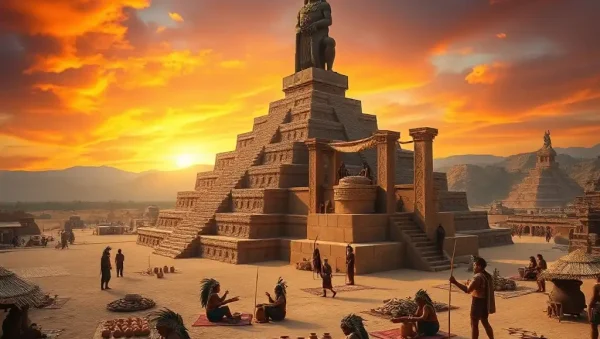
Andean Social Structures

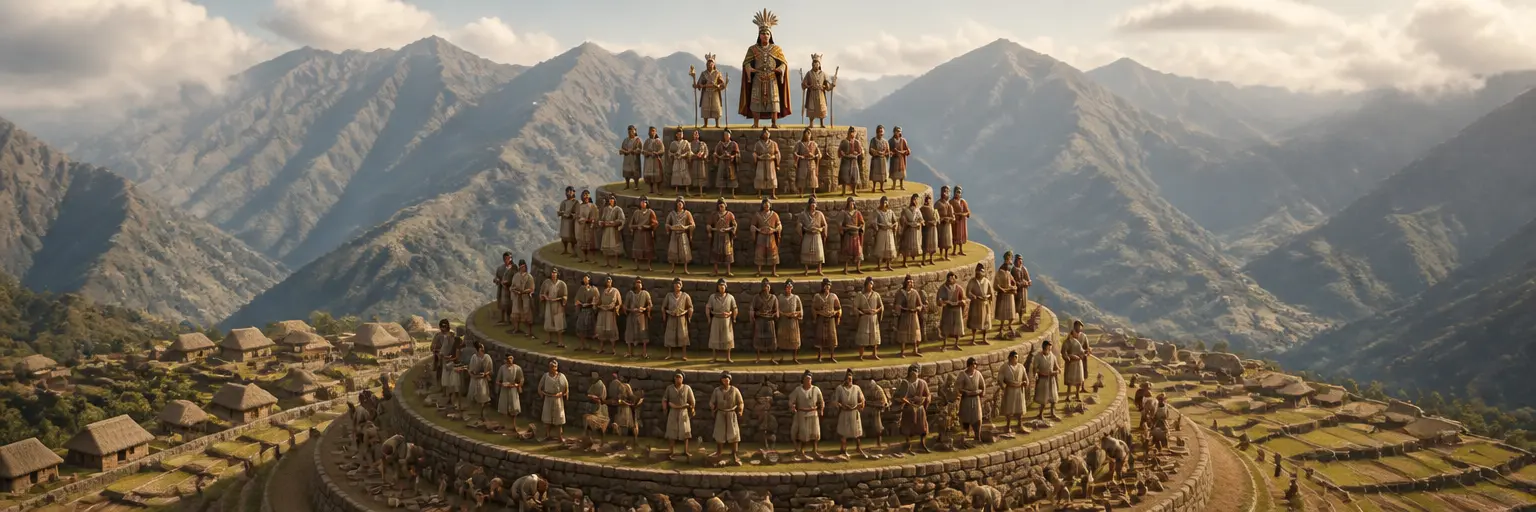
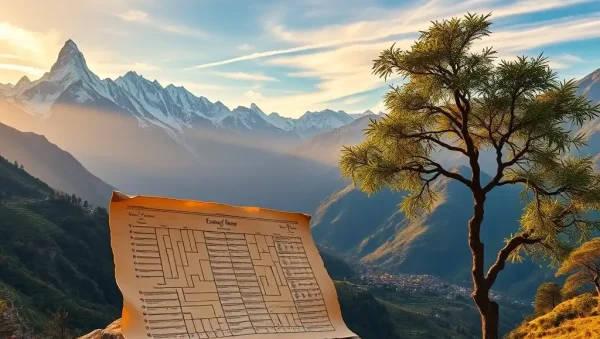
Discover the fascinating social structures of ancient Andean civilizations 🌄 Explore how community life, social hierarchy, family networks, kinship, and shared responsibilities shaped societies such as the Inca, Moche, Nazca, and Tiahuanaco. Gain valuable insight into the traditions, relationships, and organization that defined daily life across the Andes.
Explore Andean Social Structures and discover how ancient Andean civilizations organized communities, families, labor, religion, and political authority. From the Inca Empire to the Moche, Nazca, and Tiahuanaco cultures, social organization shaped everyday life, economic exchange, ceremonial traditions, and the development of powerful regional states.
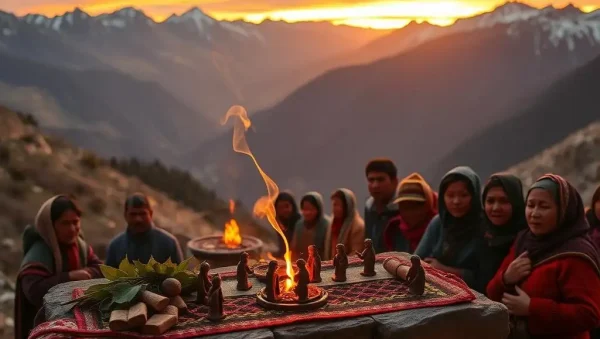
This category examines the social history of the ancient Andes, including daily life, class divisions, kinship networks, community responsibilities, and the relationship between rulers, religious specialists, farmers, artisans, and laborers. Learn how geography, agriculture, reciprocity, and shared ritual traditions influenced Andean society across the highlands, valleys, deserts, and coastal regions.
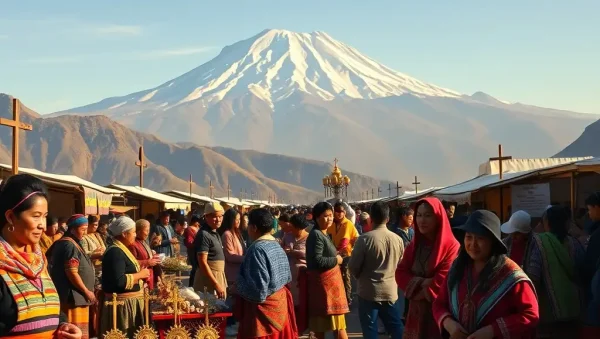
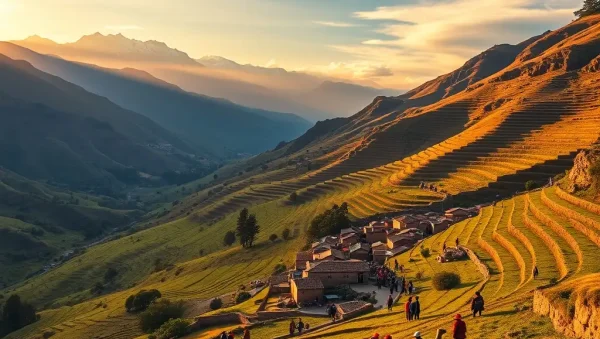
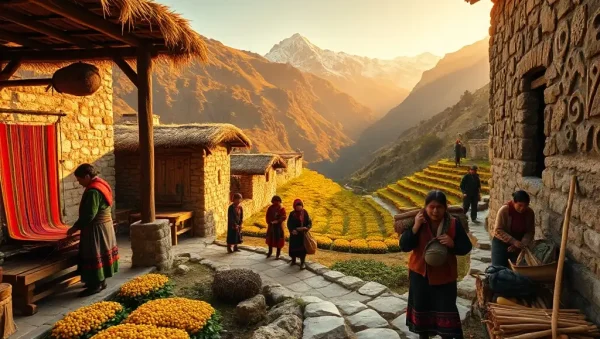
Discover what everyday life was like in ancient Andean communities. This section explores housing, food, clothing, farming, crafts, trade, religious practices, and work among the Inca, Moche, Nazca, and Tiahuanaco peoples. Readers can learn how communities adapted to challenging environments, from the high Andes and fertile valleys to the arid Pacific coast.
Expect insights into domestic routines, agricultural technology, festivals, markets, tools, and communal labor. By examining archaeological evidence, artwork, architecture, and historical records, this subcategory reveals how ordinary people contributed to the growth and survival of ancient Andean civilizations.
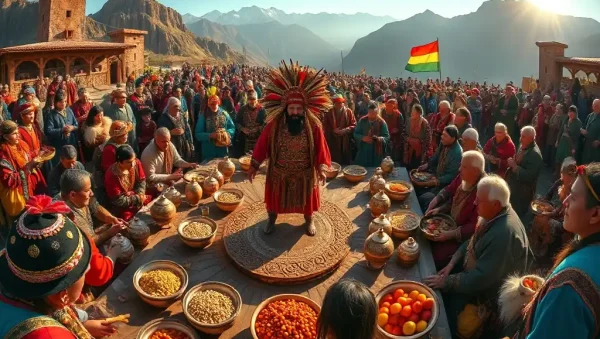
Explore the complex systems of social hierarchy in ancient Andean societies. This section explains the roles of rulers, nobles, priests, administrators, warriors, farmers, artisans, merchants, and laborers. It also examines how power was expressed through clothing, architecture, burial customs, access to resources, and participation in religious ceremonies.
Readers can expect a detailed look at political authority and class organization within the Inca Empire and earlier Andean cultures. Topics include hereditary leadership, elite administration, tribute, state labor obligations, regional governance, and the ways social status influenced opportunities and responsibilities.
Learn how family and kinship shaped ancient Andean society. This section focuses on extended families, marriage customs, inheritance, ancestry, household organization, and community identity. In many Andean cultures, kinship was closely connected to land ownership, labor exchange, political alliances, and religious traditions.
Readers will discover how the ayllu and related community networks supported cooperation and social stability, particularly in the Inca world. The subcategory also explores gender roles, intergenerational responsibilities, ancestor veneration, and the importance of family ties in maintaining cultural traditions.
Ancient Andean societies commonly included rulers, nobles, priests, administrators, warriors, farmers, craftspeople, and laborers. The precise structure varied among the Inca, Moche, Nazca, and Tiahuanaco cultures, but status was often linked to ancestry, occupation, religious authority, and service to the community or state.
The ayllu was a community-based social and economic group connected through kinship, shared ancestry, land, and mutual responsibilities. Ayllu members worked together, supported one another, and contributed labor to larger political and religious institutions within the Inca Empire.
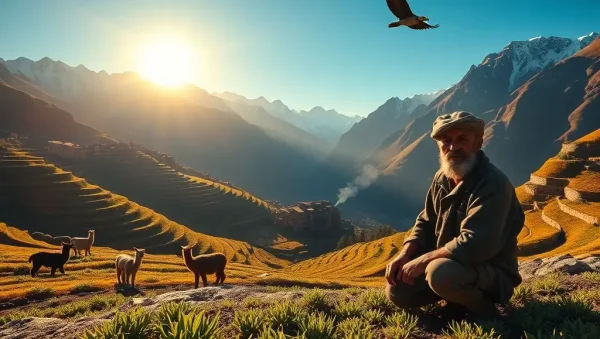
Most people relied on agriculture, raising crops such as maize, potatoes, quinoa, and other Andean plants. Fishing, herding llamas and alpacas, craft production, trade, construction, and state-organized labor were also important parts of the ancient Andean economy.
Yes. Family ancestry and kinship could strongly influence access to land, political authority, religious positions, marriage alliances, and economic resources. Extended families and community networks helped preserve status and organize labor across generations.
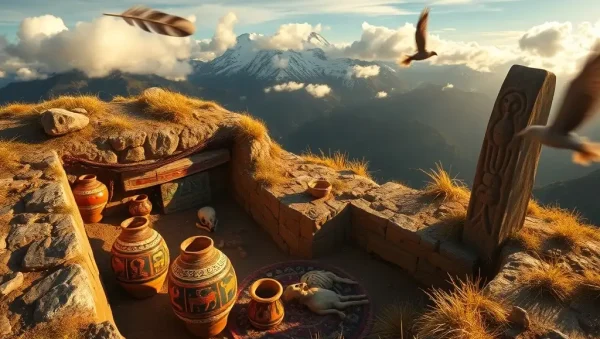
Researchers combine archaeology, architecture, burial evidence, ceramics, textiles, artwork, agricultural remains, colonial-era accounts, and studies of Andean languages and traditions. Since many ancient Andean societies did not use written records in the same way as other civilizations, material evidence is especially important for understanding their social organization.