
A Day in the Life of an Inca Farmer: From Sunrise to Sunset in the Andes

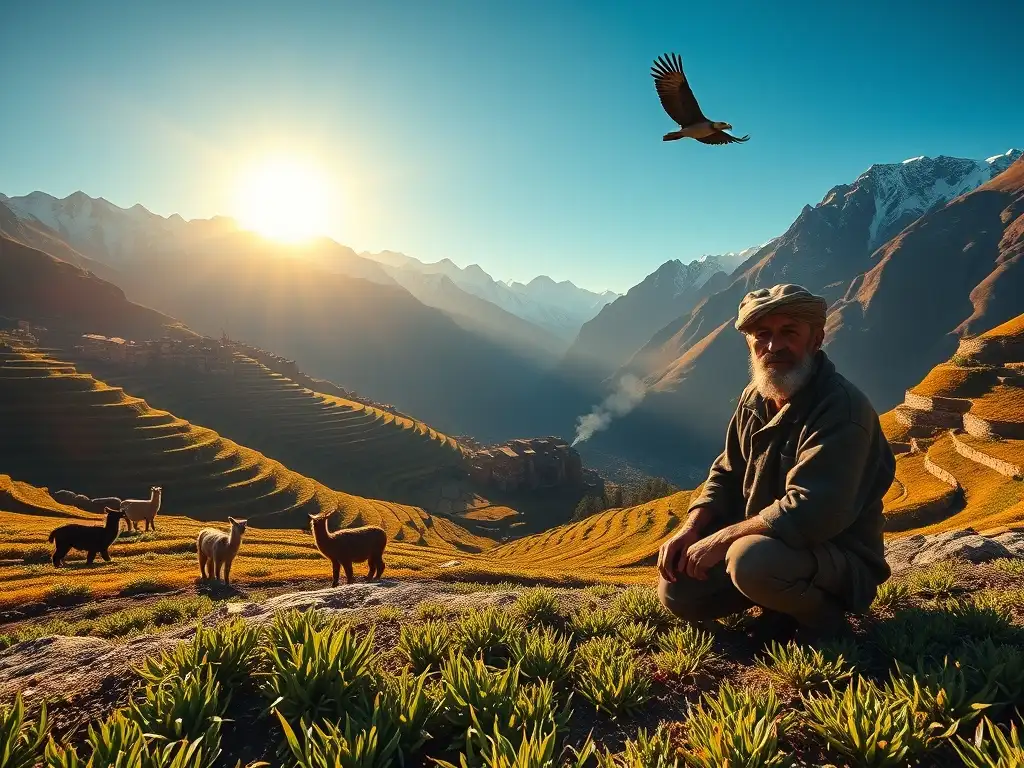
Step into a world lost to time, yet echoing with vibrant life. Imagine the breathtaking Andes Mountains as your backdrop, the scent of fertile earth filling the air. This is the world of the Inca, and we invite you to experience it firsthand. Uncover the secrets of Inca farmer daily life, a journey from sunrise to sunset revealing the intricate social structures and daily routines that sustained one of history's most remarkable civilizations. Prepare to be amazed by the ingenuity and resilience of the Andean people – their story awaits.
- A Day in the Life of a Peruvian Alpaca Herder: Sunrise to Sunset in the Andes
- The Peruvian Alpaca Herder's Morning: Preparing for the Day
- Midday Labor: The Core of the Peruvian Alpaca Herder's Day
- Afternoon Tasks: Continuing the Peruvian Alpaca Herder's Work
- Evening and Rest: The Peruvian Alpaca Herder's Day Concludes
- The Legacy of Andean Herding Practices
- Frequently Asked Questions
- Final Reflection: Echoes of the Andes: A Legacy of Resilience
- Embrace the Legacy of the Inca!
A Day in the Life of a Peruvian Alpaca Herder: Sunrise to Sunset in the Andes
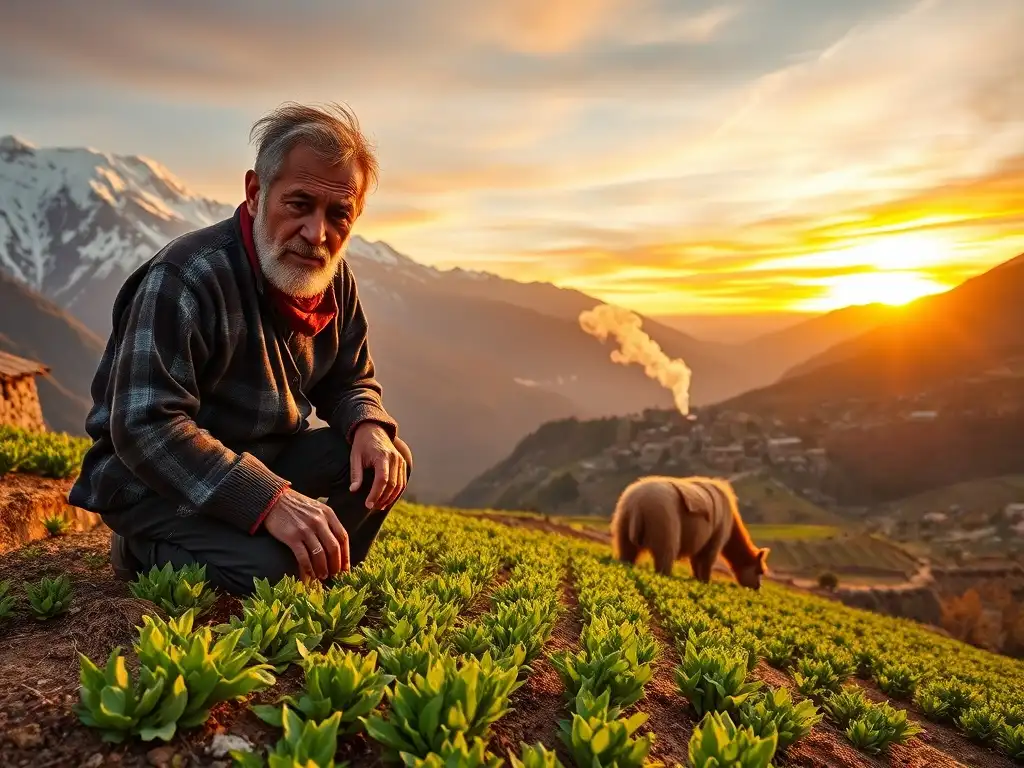
The Inca Empire, a civilization that flourished in the Andes Mountains from the 15th to the 16th century, was a marvel of engineering, social organization, and agricultural innovation. This article delves into the daily life of an average Inca farmer, exploring the challenges and rewards of cultivating the harsh, yet fertile, Andean landscape.
Understanding their daily routines provides invaluable insight into the intricate workings of this remarkable society and sheds light on the ingenuity required to survive and thrive at such high altitudes. We'll trace a typical day, from the first rays of Andean sun to the peaceful stillness of the evening, revealing the rhythms and realities of Inca agrarian life, focusing on the key aspects of their agricultural practices and their integration within the broader Inca social structure.
This exploration will illuminate how the Inca farmer's daily life contributed significantly to the empire's strength and longevity, highlighting the deep connection between the people and their environment. The keyword "Inca farmer daily life" will be explored through a detailed, day-by-day account, offering a rich and engaging narrative.
Sunrise and the Morning Rituals
The Andean sun, a powerful presence in Inca life, would awaken the farmer around 4:00 AM. The crisp mountain air, often biting with cold, would be the first sensation of the day. Morning rituals were essential, often beginning with a small offering of coca leaves to the apus (mountain spirits) – a way to show respect and seek blessings for a productive day. A simple breakfast, perhaps some chicha (corn beer) and dried potatoes, would provide the energy needed for a long day's work.
Family life was central; children would assist with chores from a young age, learning the intricacies of farming alongside their parents. This early start wasn't merely about maximizing daylight hours; it was deeply ingrained in their spiritual and social fabric. The sun's journey across the sky dictated the rhythm of their lives, reflecting a profound respect for the natural world.
Cultivating the Terraces: A Testament to Inca Engineering
The Inca's agricultural prowess is legendary, especially their mastery of terracing. This intricate system of hillside farming transformed steep, seemingly unusable slopes into productive farmland. Our Inca farmer would spend a significant portion of the morning tending to these terraces. The work involved carefully maintaining the irrigation canals that channeled precious water from higher elevations, repairing any damage caused by erosion or weather.
Planting and weeding were also crucial tasks, demanding both physical strength and precision. The intricate network of terraces wasn't just a feat of engineering; it was a testament to the Inca's deep understanding of their environment and their ability to adapt to the challenges of high-altitude agriculture. Specific crops cultivated varied by altitude and microclimate, but staples like potatoes, maize, and quinoa would have been prominent.
The Midday Meal and Community Interaction
Around midday, the farmer would take a break for a simple meal, often shared with family and perhaps neighbors working nearby. This midday break provided an opportunity for social interaction and the exchange of information, vital in a society where communication was crucial for coordinating communal labor and sharing knowledge about farming techniques. Stories, news, and practical advice about crop yields and weather patterns would have been shared, reinforcing the strong sense of community that characterized Inca society. The meal itself would likely be a continuation of the simple fare from breakfast, emphasizing sustenance over elaborate preparation.
Afternoon Tasks: Animal Husbandry and Other Chores
The afternoon might involve tending to livestock – llamas or alpacas – vital for their wool, meat, and transportation. Shearing, feeding, and ensuring the animals were safe from predators were important responsibilities. Other tasks could include gathering firewood, repairing tools, or assisting with communal projects like maintaining irrigation systems or building structures. The afternoon hours often saw a shift in focus, from intensive field work to more diverse tasks essential for the household's overall well-being. The cyclical nature of the tasks ensured a balanced distribution of labor throughout the day and across different seasons.
Sunset and Evening Reflections
As the sun dipped below the horizon, casting long shadows across the Andean landscape, the farmer would return home. The evening would involve preparing a simple dinner, possibly sharing stories with family, and perhaps engaging in some form of weaving or other craftwork. The day's end would have brought a sense of accomplishment, yet also a quiet contemplation of the natural rhythms that governed their lives.
The farmer's existence was deeply intertwined with the cycles of nature, a harmonious relationship forged over centuries of adaptation and innovation. The evening was a time for rest and preparation for another day dedicated to the land and their community. The day's end was not just a conclusion but also a reflection, a moment of quiet gratitude for the bounty of the Andes.
The Peruvian Alpaca Herder's Morning: Preparing for the Day
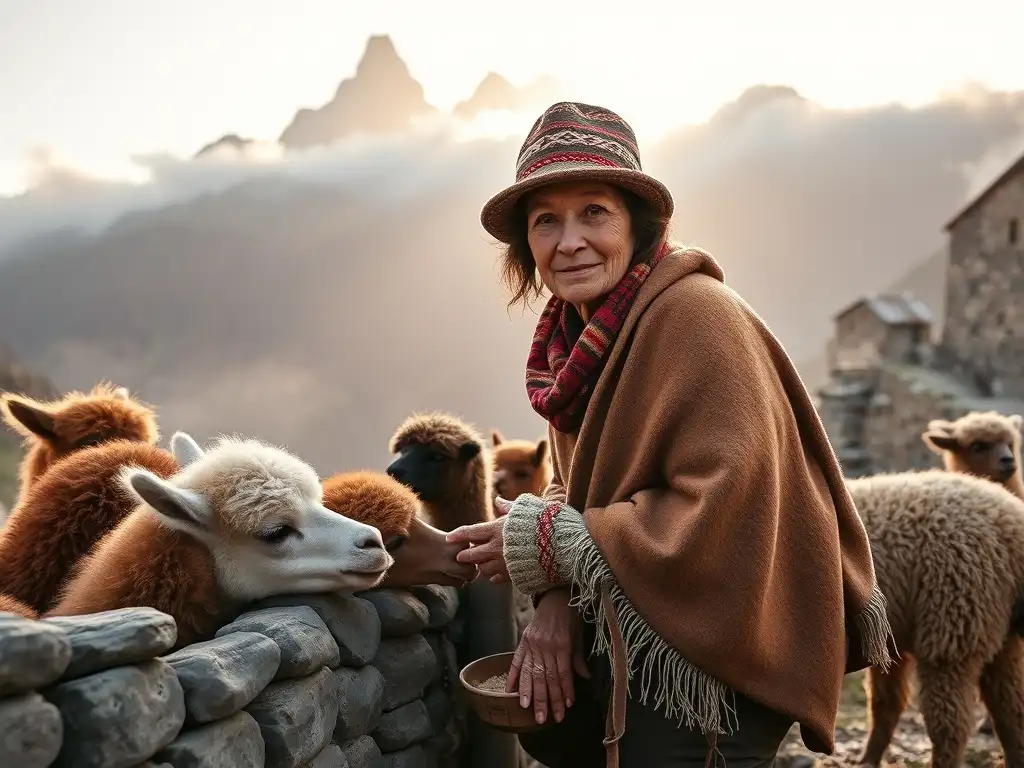
The life of an Inca farmer, often intertwined with alpaca herding, began long before the sun crested the Andean peaks. The concept of "Inca farmer daily life" wasn't uniform across the vast empire, but certain routines, particularly for those living at higher altitudes and relying heavily on alpaca, remained consistent. Understanding these routines offers a glimpse into the resourcefulness and resilience of these Andean communities. The harsh realities of the high-altitude environment dictated a life structured around efficiency and community cooperation, aspects deeply ingrained in their daily practices.
Waking with the Andean Sunrise: Early Morning Rituals
The day for an Andean alpaca herder typically started well before dawn. The thin air, biting cold, and the sheer altitude demanded an early start to maximize daylight hours. Before the first rays touched the snow-capped mountains, the herder would awaken, the chill penetrating even the thickest woven textiles. Their morning ritual began with a simple prayer, a silent acknowledgment of the Pachamama (Mother Earth) and the Inti (Sun God), upon whose benevolence their livelihood depended.
A quick, light meal – perhaps some dried potatoes or chuño (freeze-dried potatoes), a staple of the Andean diet – provided the necessary energy for the day's demanding tasks. This wasn't merely sustenance; it was a connection to the land and its bounty, a fundamental aspect of their spiritual beliefs. The early morning quiet was a time for reflection, planning the day's activities, and checking the weather, crucial for alpaca herding.
Preparing Tools and Clothing: Essential Gear for Alpaca Herding
Following the morning prayers and a light meal, the preparation for the day’s work began. The herder would carefully select their tools: a sturdy staff (for guiding and protecting the alpacas), a woven bag (to carry food and supplies), and a sharp knife (for various tasks, from mending fences to preparing food). Clothing was equally important.
Layers were key to surviving the drastic temperature fluctuations common in the Andes. The herder would don a warm lliclla (a woven shawl), possibly several layers of undergarments made from alpaca wool, and a robust chumpi (a belt often used to carry tools and supplies). Footwear was equally crucial: sturdy sandals or leather boots were essential for navigating the rugged terrain.
This careful preparation wasn't merely practical; it demonstrated respect for the environment and the arduous work ahead, reflecting the deep-rooted connection between the people and their surroundings. The meticulous selection of tools and clothing represented a careful balance between practicality and cultural tradition.
The Importance of Family and Community in Alpaca Herding
Alpaca herding wasn't a solitary pursuit. Family and community played a vital role in the daily life of an Inca farmer. Children, even at a young age, participated in tending to the animals, learning the skills and traditions passed down through generations. This communal aspect extended beyond the immediate family.
Neighbors often assisted each other, sharing resources and knowledge, creating a strong network of support. Cooperative herding was common, particularly during seasonal migrations or in times of need. This collaborative approach wasn't just about efficiency; it was a fundamental aspect of their social structure, strengthening bonds and ensuring the well-being of the entire community.
The success of the alpaca herding enterprise, and indeed the survival of the community, depended on this mutual support and shared responsibility. This cooperative spirit exemplifies the deep-seated communal values within Inca society, highlighting the importance of kinship and collective effort in their daily lives. The "Inca farmer daily life" was therefore intrinsically linked to a strong sense of community, reinforcing the resilience and sustainability of their way of life.
Midday Labor: The Core of the Peruvian Alpaca Herder's Day
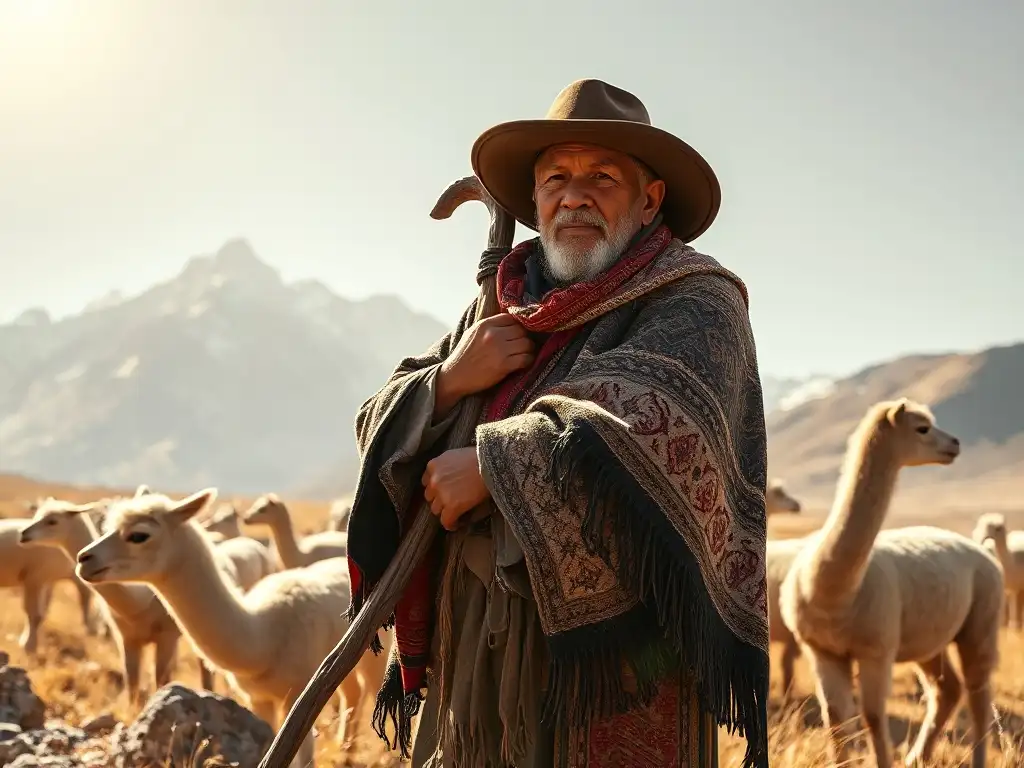
The midday sun beat down on the high Andean pastures, a stark contrast to the cool morning air. For an Inca farmer, this was the heart of the workday, the period of maximum exertion and focus on the crucial tasks that sustained their community. While the Inca empire was vast and diverse, encompassing various agricultural practices, the daily life of an alpaca herder in the highlands provides a compelling window into the realities of Inca rural life.
This section will explore the key activities undertaken during the peak hours of the day, focusing on alpaca management and resource conservation. Understanding these practices sheds light on the ingenuity and resilience of Inca agricultural techniques, perfectly adapted to the challenging Andean environment. The keyword phrase "Inca farmer daily life" is strongly relevant here, as we delve into the specifics of a typical workday.
Grazing Alpacas in the High Pastures: Herding Techniques
Midday grazing required careful attention. Alpacas, unlike llamas, are not as naturally independent and require more supervision, especially in areas with varied terrain and potential predators. Herding techniques involved a combination of visual monitoring and the use of trained dogs. The dogs, often a breed specifically adapted to the high altitudes, acted as guardians, warning of potential dangers and keeping the herd together.
Inca herders developed sophisticated methods for rotating grazing areas, ensuring that the pastures did not become overgrazed. This sustainable practice, crucial for the long-term health of the ecosystem, involved a deep understanding of the land and its carrying capacity. Evidence suggests that the Inca utilized a system of chasquis, a relay runner network, to communicate information about pasture conditions across larger distances, ensuring optimal grazing management across extensive territories. This intricate system highlights the sophisticated organizational skills vital to Inca alpaca herding.
Shearing and Fiber Collection: Understanding Alpaca Management
Shearing, a crucial annual event, often took place during the warmer midday hours. The Inca developed specialized tools for shearing alpacas, minimizing stress on the animals and maximizing fiber yield. The process involved careful handling to avoid injury, and the collected fiber was meticulously sorted and cleaned. Different qualities of alpaca fiber commanded different values in the Inca economy.
Fine, soft fiber was highly prized for creating luxurious textiles for the elite, while coarser fibers were used for everyday clothing and household items. The meticulous care taken in shearing and fiber processing reflects the deep understanding of the Inca of this valuable resource and its role in their society. The quality of the fiber directly impacted the economic well-being of the family and contributed to the overall prosperity of the community. This sustainable management of alpaca resources demonstrates a remarkable level of understanding of animal husbandry and resource utilization.
Water Source Management: Ensuring Alpaca Hydration
Access to clean water was paramount for alpaca survival, especially during the hot midday hours. Inca herders strategically located their grazing areas near reliable water sources, often utilizing ingenious methods for water collection and storage. These methods included diverting mountain streams using channels and building small reservoirs to ensure a consistent supply of water for their animals.
Evidence suggests that the Inca understood the importance of water quality and took steps to protect water sources from contamination. This careful management of water resources not only ensured the well-being of the alpacas but also highlighted the Inca's understanding of the delicate balance of the Andean ecosystem and their ability to adapt their practices to the challenges of the environment.
The efficient management of water resources underscores the Inca farmer's deep connection with the land and their commitment to sustainable practices. The Inca's success in managing water resources in this harsh environment represents a remarkable feat of engineering and resource management, directly impacting the daily life of the Inca farmer.
The midday hours weren't solely dedicated to individual labor; they were a crucial time for community bonding and cooperation amongst Inca farmers, particularly alpaca herders. Herding wasn't a solitary pursuit; it was a shared responsibility, reflecting the deeply ingrained communal ethos of Inca society. The ayllu, the extended family unit and the fundamental social structure, played a pivotal role in this collective effort.
Members of the ayllu would often collaborate in rotating schedules, ensuring that the herds received consistent care throughout the day and night. This wasn't simply a matter of convenience; it fostered a strong sense of shared responsibility and mutual support. A farmer's success wasn't solely measured by their individual output but also by their contribution to the collective well-being of their ayllu.
This collaborative approach extended beyond the immediate family unit. Neighboring ayllus frequently assisted each other, particularly during challenging times such as harsh weather conditions or the need for large-scale herd movements. This mutual aid system wasn't based on formal contracts or agreements; it was a deeply ingrained social norm, reflecting the Inca belief in reciprocal obligations and collective survival.
The sharing of resources, knowledge, and labor strengthened social bonds and ensured the overall prosperity of the community. The concept of ayni, the principle of reciprocal labor, was central to this cooperative spirit, demonstrating the intricate web of interdependence that characterized Inca society. Failure to participate in community herding tasks could lead to social ostracism, highlighting the importance of communal participation in daily life.
Moreover, midday breaks often involved shared meals and informal gatherings amongst herders from different ayllus. These communal breaks provided opportunities for social interaction, information exchange, and the strengthening of social ties. Stories were shared, farming techniques discussed, and problems collaboratively solved. This constant interaction fostered a sense of community and solidarity, reinforcing the social fabric of Inca society.
The seemingly mundane task of herding alpacas thus became an integral part of the social life of the Inca people, highlighting the interconnectedness between economic activity and social cohesion within the Andean communities. The collective effort wasn't just about managing livestock; it was about reinforcing social bonds and ensuring the continued prosperity of the entire community. This system, built on trust, cooperation, and mutual respect, ensured the efficient management of resources and the sustainability of Inca agricultural practices.
Afternoon Tasks: Continuing the Peruvian Alpaca Herder's Work
The afternoon sun, less intense than its midday peak, cast long shadows across the terraced fields. For the Inca farmer, the afternoon brought a different set of tasks, often focusing on the care of livestock and the processing of the day's harvest. While the exact activities varied depending on the season and the specific needs of the family, certain routines remained consistent.
Understanding the intricacies of an Inca farmer's afternoon activities paints a vivid picture of their resourcefulness and resilience in the challenging Andean environment. The concept of "Inca farmer daily life" is deeply intertwined with the cyclical nature of agricultural and pastoral practices.
Sorting and Processing Fiber: The Fruits of Labor
The afternoon often began with the processing of the alpaca fiber collected earlier in the day. This wasn't a simple task. The fiber, still carrying traces of plant matter and dirt, needed careful sorting and cleaning. Inca farmers were adept at separating the different grades of fiber, based on fineness, length, and color. Higher-quality fiber, typically from the alpaca's fleece, was reserved for finer textiles, while coarser fibers from the vicuña or llama might be used for ropes or coarser cloths.
The sorting process was meticulous. Families often worked together, with children assisting in the removal of debris. Techniques varied regionally, but generally involved careful hand-picking and combing. Following sorting, the fiber underwent a process of cleaning, often involving washing in a nearby stream or using a specialized technique with natural detergents.
This ensured that the final product was clean and ready for spinning and weaving. The quality of the fiber directly impacted the family's income and their ability to trade for essential goods. This meticulous attention to detail showcases the importance of alpaca herding within the broader context of "Inca farmer daily life". The entire process was a testament to their deep understanding of their animals and their resourcefulness in utilizing every part of their livestock.
Livestock Health Checks and Care: Complementary Activities
After processing the fiber, the Inca farmer would turn their attention back to their livestock. The afternoon provided an opportunity for a thorough health check. Llamas, alpacas, and sheep were carefully examined for any signs of injury, illness, or parasites. Early detection and treatment were crucial for maintaining herd health and productivity. The Inca people possessed an extensive knowledge of herbal remedies and traditional veterinary practices. They used various plants and minerals to treat common ailments, demonstrating a sophisticated understanding of animal husbandry.
The afternoon might also involve providing supplemental feed, particularly during leaner seasons. This might include gathering additional grasses or providing stored fodder. The careful management of livestock was essential to the Inca farmer's livelihood, providing not only fiber and meat but also transportation and manure for fertilizing the fields. This intricate relationship between the farmer and their animals highlights the interconnectedness of agricultural and pastoral practices within the framework of "Inca farmer daily life". The health and well-being of the animals were directly linked to the family’s economic stability and survival.
Repairing and Maintaining Enclosures: Ensuring Future Safety
The final part of the afternoon often involved maintaining and repairing the animal enclosures. These enclosures, often made of stone and wood, required regular upkeep to prevent escapes and protect the animals from predators. The Inca farmer would inspect the walls, mend any broken fences, and ensure that the gates were secure. This preventative maintenance was crucial for protecting the animals and their valuable products. The work was often done collaboratively, with family members sharing tasks and contributing their skills.
Furthermore, the maintenance of enclosures was not just about immediate practicality; it was also deeply connected to the spiritual beliefs of the Inca people. The animals were often seen as sacred and integral to the community's well-being. Caring for them extended beyond mere economic necessity; it was an act of reverence and a demonstration of respect for the natural world.
This aspect adds another layer of complexity to the seemingly mundane task of repairing fences, embedding it firmly within the broader cultural context of "Inca farmer daily life". The meticulous care taken in maintaining the enclosures reflected their deep connection to their land and their animals. The cyclical nature of this work ensured the continuous productivity and safety of their livestock, vital to the family's survival and prosperity within the Andean ecosystem.
Evening and Rest: The Peruvian Alpaca Herder's Day Concludes
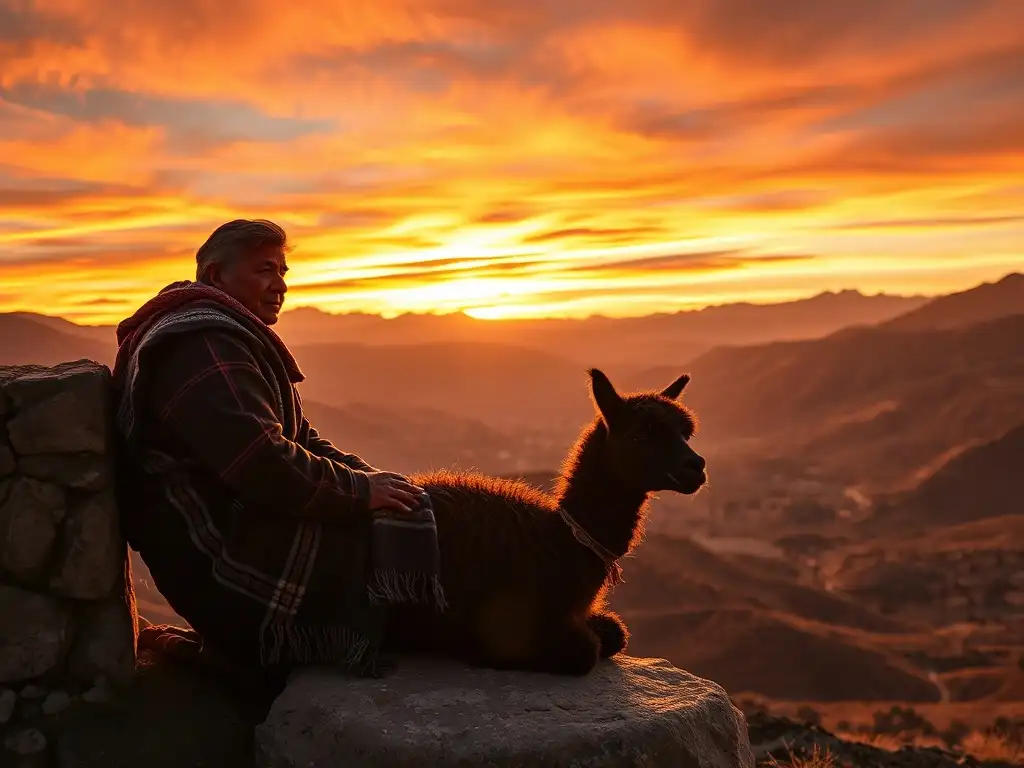
The Andean sun dips below the jagged peaks, casting long shadows across the terraced fields. For the Inca farmer, the day's labor is far from over, but the intensity shifts. The focus now turns from strenuous physical activity to the equally important tasks of sustenance and community. Understanding the Inca farmer's daily life requires examining not just their agricultural prowess, but also their evening routines, which were vital for their physical and social well-being. The term "Inca farmer" encompasses a broad spectrum of agricultural practices, including alpaca herding, which we will focus on in this section.
Returning Home: The End of the Working Day
As twilight paints the sky in hues of orange and purple, the alpaca herder begins the journey back to his family's dwelling. This might involve a trek of several kilometers, particularly for those tending flocks in high-altitude pastures. The herder carefully guides his animals, ensuring none stray or become separated from the main group.
The alpacas, weary from grazing, move with a slower, more deliberate pace. The sounds of the Andes – the wind whistling through the mountain passes, the distant cry of a condor – accompany the herder on his return. This daily ritual, repeated for years, formed a deep connection between the herder and his environment, a bond deeply rooted in the Andean worldview.
The careful observation of the animals and their needs, a crucial aspect of alpaca herding, was passed down through generations, demonstrating the importance of experiential knowledge in Inca society. The return home was not merely the end of a workday; it was a transition, a homecoming signifying the resumption of family life.
Preparing the Evening Meal: Andean Diet and Culinary Practices
The evening meal was a central event in the Inca farmer's daily life. The diet, largely dictated by the available resources, was primarily vegetarian. Potatoes, in their countless varieties, formed the staple. These were supplemented by quinoa, maize (corn), beans, and various root vegetables.
Meat, particularly alpaca or llama meat, was a less frequent addition, reserved for special occasions or times of surplus. The preparation of the evening meal was often a communal affair, with family members contributing to the process. Women played a crucial role in processing the food, grinding grains, preparing vegetables, and cooking over open fires. The use of simple tools and techniques, passed down through generations, ensured the efficient preparation of nourishing meals.
The nutritional value of these meals, rich in carbohydrates and essential nutrients, played a vital role in sustaining the herder's physical energy for the demands of his daily work. This is a clear example of how the Inca farmer's daily life was intrinsically linked to the resources and traditions of their environment. Understanding their dietary practices is crucial to grasping their resilience and adaptability.
Family Time and Storytelling: Andean Culture and Traditions
Following the evening meal, the family would gather around the fire, engaging in conversation, sharing stories, and strengthening their bonds. Storytelling was a vital aspect of Inca culture, serving as a means of transmitting knowledge, values, and traditions across generations. Myths, legends, and historical accounts were woven into narratives, often incorporating the natural world and the spiritual beliefs of the Andean people.
Children would listen attentively, absorbing lessons about their heritage, their responsibilities, and the importance of community. These evening gatherings were crucial for social cohesion, providing a space for emotional connection and the reaffirmation of shared cultural identity. The fire's warmth and the family's closeness created a sense of security and belonging, a vital counterpoint to the often-harsh realities of daily life in the Andes.
The Inca farmer's day, therefore, concluded not merely with rest, but with the strengthening of family ties and the perpetuation of cultural heritage. This aspect of Inca life, often overlooked, is essential to understanding the "Inca farmer daily life" experience fully. The evening rituals reflect a deep understanding of the interconnectedness of family, community, and the spiritual realm.
Reflecting on the Day's Work: Importance of Alpaca Herding
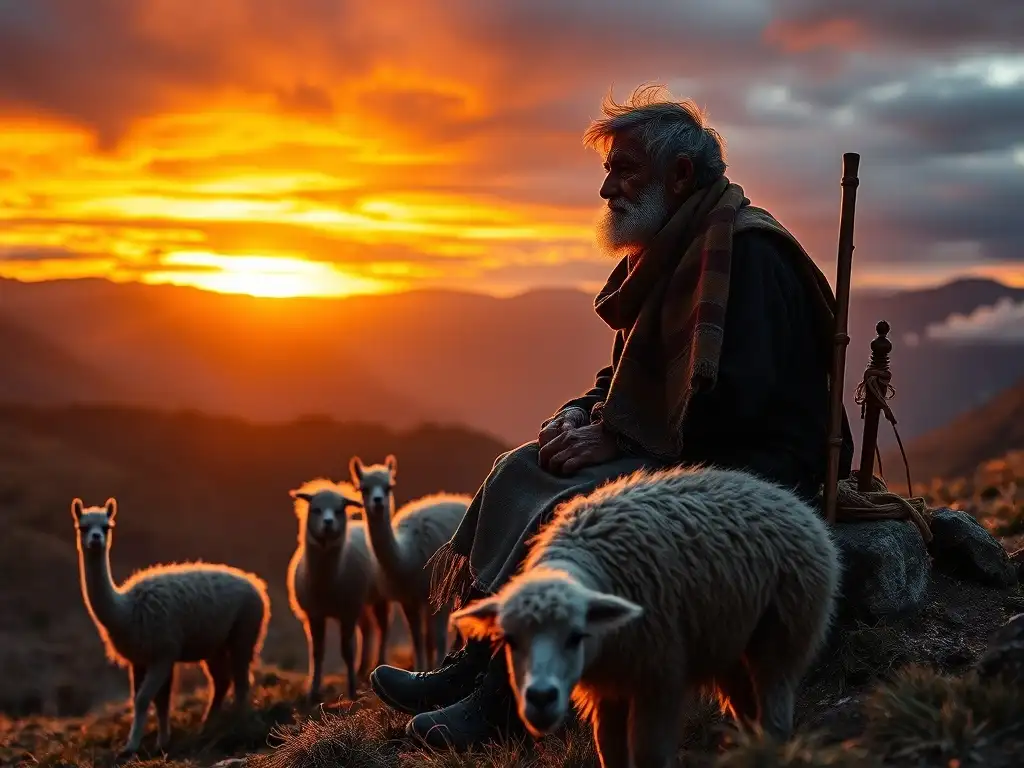
The sun dips below the jagged Andean peaks, casting long shadows across the high-altitude pastures. For the Inca alpaca herder, the day's work is far from over, even as physical exertion winds down. The importance of alpaca herding extended far beyond mere sustenance; it was deeply interwoven with the Inca worldview and social fabric. Alpacas provided the Inca people with a wealth of resources crucial for their survival and prosperity. Their soft, luxurious fleece was spun into warm clothing, vital in the harsh Andean climate.
The meat provided a significant source of protein, supplementing the agricultural yields. Beyond the tangible benefits, alpacas held significant spiritual value. Their gentle nature and the intricate patterns of their fleece were often associated with Andean deities and cosmology. A successful day in the pastures wasn't just about the number of animals accounted for; it was about ensuring the well-being of the herd, a reflection of the herder's connection to the land and the spiritual realm. The herder would often take a moment to reflect on the day's events, silently acknowledging the blessings of a healthy herd and the challenges overcome.
This quiet contemplation was as much a part of the day's work as the physical tasks themselves. The meticulous care given to the alpacas ensured their continued productivity and the community's well-being, solidifying the herder’s integral role within Inca society. A successful alpaca herder was not just a skilled caretaker, but a vital contributor to the community's economic and spiritual stability. Their daily labor was a testament to the delicate balance between human needs and the natural world, a balance crucial to the Inca way of life.
The Peruvian Alpaca Herder's Rest: Preparing for the Next Day
As darkness fully descends upon the Andes, the alpaca herder begins the evening routine. The remaining tasks are centered around preparation for the next day and ensuring the safety and comfort of the herd. This involves carefully securing the alpacas within their nighttime enclosure, a process that requires both skill and patience. The herder meticulously checks the enclosure for any breaches or potential hazards, ensuring the safety of the animals from predators like pumas or foxes. Next, the herder attends to their own needs.
A simple meal, likely consisting of potatoes, quinoa, and perhaps some dried meat, provides sustenance after a long day's work. This is followed by a period of rest, often spent within a small, rudimentary dwelling constructed from stone and thatch. Sleep is precious, allowing the herder to recover their strength for the next day's challenges. The herder’s sleep, however, is not simply a passive state.
Dreams and visions are often considered a source of guidance and spiritual insight within Inca culture, and the herder might awaken with a renewed sense of purpose and direction, informed by the night's rest. The Peruvian alpaca herder's evening routine is far more than just a period of rest; it's a crucial phase that allows for reflection, preparation, and spiritual renewal, essential for maintaining the harmonious relationship between the herder, the animals, and the Andean environment. It’s a cyclical process, preparing for the daily rhythm to start again at sunrise, ensuring the continued prosperity of the herd and the community. The quiet of the Andean night provides the perfect backdrop for this vital transition.
The Legacy of Andean Herding Practices
The Inca Empire, renowned for its sophisticated agricultural techniques, heavily relied on herding practices, particularly alpaca and llama farming, for sustenance and economic stability. Understanding the legacy of these practices is crucial to appreciating the complexity of Inca daily life and its enduring impact on Andean cultures. These weren't simply livestock; alpacas and llamas provided essential resources, shaping social structures and influencing environmental management. Their wool was vital for clothing, their meat a significant food source, and their dung a valuable fertilizer.
The intricate systems developed for their management reflect a deep understanding of Andean ecosystems and a sustainable approach to resource utilization, even in challenging high-altitude environments. The integration of herding into the ayllu system—the community-based social organization—further highlights its importance within Inca society. It wasn't just a matter of individual ownership; the collective well-being depended on the success of the shared herds.
The Enduring Impact of Andean Herding Methods
The Inca's innovative herding techniques, honed over centuries, continue to influence modern Andean pastoralism. Their understanding of rotational grazing, carefully planned to allow pastures to regenerate, remains a key principle. This sustainable approach contrasts sharply with some modern intensive farming methods, emphasizing the long-term vision of Inca agricultural practices.
Evidence suggests the Incas utilized sophisticated methods for animal health management, including early forms of veterinary care and selective breeding to enhance wool production and disease resistance. These traditional methods, passed down through generations, are still practiced in many Andean communities today, providing a testament to their resilience and effectiveness.
The knowledge of indigenous herders, often passed down orally, represents an invaluable resource for sustainable agriculture and biodiversity conservation in the region. For example, the techniques used to protect herds from predators, often involving intricate systems of herding and nighttime enclosures, show a deep understanding of the local wildlife and their behavior.
Modern Adaptations of Traditional Alpaca Herding Techniques
While many traditional methods persist, modern alpaca herding has adapted to changing circumstances. The integration of modern technologies, such as improved shearing equipment and advanced veterinary care, has significantly increased productivity and reduced losses. However, many herders still prioritize traditional practices, recognizing their inherent sustainability and cultural significance. The rise of alpaca fiber as a high-value commodity has also influenced herding practices, leading to increased specialization and a focus on improving fleece quality.
This increased commercialization, however, presents challenges in balancing economic gains with the preservation of traditional methods and environmental protection. Balancing these competing needs is a critical issue for the future of Andean alpaca herding. For instance, the use of genetically modified alpacas is a contentious issue, with some advocating for it to increase productivity while others worry about the potential loss of genetic diversity and the disruption of traditional breeding practices.
The Significance of Alpaca Herding for Future Generations
The future of alpaca herding in the Andes is intrinsically linked to the preservation of traditional knowledge and the sustainable management of resources. The integration of traditional practices with modern techniques holds the key to ensuring the long-term viability of this vital industry. Supporting indigenous herders, who possess invaluable expertise, is crucial for the continuation of these sustainable practices.
Moreover, promoting fair trade practices that ensure herders receive equitable compensation for their products is essential for their economic well-being and the preservation of their cultural heritage. Education and training programs focusing on sustainable herding techniques, animal health, and responsible business practices are also necessary to empower future generations of Andean herders.
The preservation of alpaca herding is not just about economic development; it is about safeguarding a vital part of Andean culture and ensuring the sustainable use of Andean ecosystems for generations to come. The continued success of Inca farmer daily life, in its modern iteration, hinges on this careful balancing act.
Frequently Asked Questions
What were the main crops grown by Inca farmers?
Inca farmers primarily cultivated potatoes, corn, quinoa, and beans. These crops formed the basis of their diet and were adapted to the diverse Andean climates.
How did Inca farming techniques differ from modern methods?
Inca farmers utilized sophisticated techniques like terracing, irrigation systems, and crop rotation to maximize yields in challenging terrain. These methods were highly effective and sustainable.
What role did llamas and alpacas play in Inca farming?
Llamas and alpacas were essential pack animals, transporting goods and providing fertilizer (guano). Their wool also provided clothing and textiles.
What was a typical day like for an Inca farmer?
A typical day involved sunrise-to-sunset labor in the fields, tending crops, managing irrigation, and herding livestock. Family and community participation were crucial.
How did the Inca government support its farmers?
The Inca government implemented a system of state-sponsored agriculture, including large-scale public works projects like irrigation canals and storage facilities to ensure food security for the entire empire.
Final Reflection: Echoes of the Andes: A Legacy of Resilience
The enduring image of the Inca farmer, toiling amidst the breathtaking, yet unforgiving, Andes, remains a powerful symbol of human adaptation and ingenuity. Their daily struggle, meticulously detailed in this exploration of a typical day, resonates deeply with contemporary concerns about sustainable living, resource management, and the delicate balance between humanity and nature. The challenges faced by Inca farmers – from unpredictable weather patterns to the demanding terrain – serve as a stark reminder of our own vulnerabilities in the face of environmental pressures.
The legacy of the Inca farmer extends far beyond the historical context; their deep connection to the land, their innovative agricultural techniques, and their profound respect for the environment continue to inspire. Their story is a testament to the human spirit's capacity to thrive even under the most challenging circumstances. The earth provides all we need; we must only learn to take it and use it wisely.
– This ancient wisdom, though not directly attributed to an Inca source, encapsulates the essence of their sustainable practices and offers a valuable lesson for our modern world grappling with climate change and resource depletion.
Consider, for a moment, the profound simplicity and resilience of the Inca farmer's life. Reflect on their intimate knowledge of their environment, their deep-rooted community bonds, and their unwavering commitment to cultivating the land. You, too, can cultivate a deeper connection with your own surroundings, appreciate the resources you consume, and strive for a more sustainable way of life. Let the echoes of the Andes inspire you to live with greater intention, respect, and harmony with the natural world.
Embrace the Legacy of the Inca!
Thank you for exploring the daily life of an Inca farmer! You've gained valuable insights into their remarkable connection with nature and their strong sense of community, which were fundamental to Andean civilization. Now, it's your turn to build upon this legacy and integrate these principles into your own life.
Here are some ways to delve deeper into this vibrant culture and its enduring practices:
- **Explore Andean Agricultural Techniques:** Research traditional farming methods and consider adopting sustainable practices in your own garden or kitchen. For example, learn about terracing or crop rotation.
- **Share Your Knowledge:** Discuss what you've learned with friends, family, or colleagues. You could also join online forums or communities dedicated to Andean cultures to help spread awareness and understanding.
- **Support Sustainable Agriculture:** Seek out farmers' markets or cooperatives that prioritize traditional methods and invest in high-quality produce that honors this ancient heritage. Consider the environmental impact of your food choices.
How can you integrate the wisdom of the Inca into your daily life? Share your thoughts and ideas below!