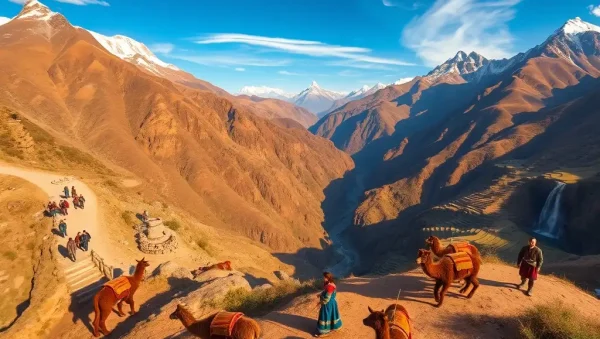
Andean Social Structures

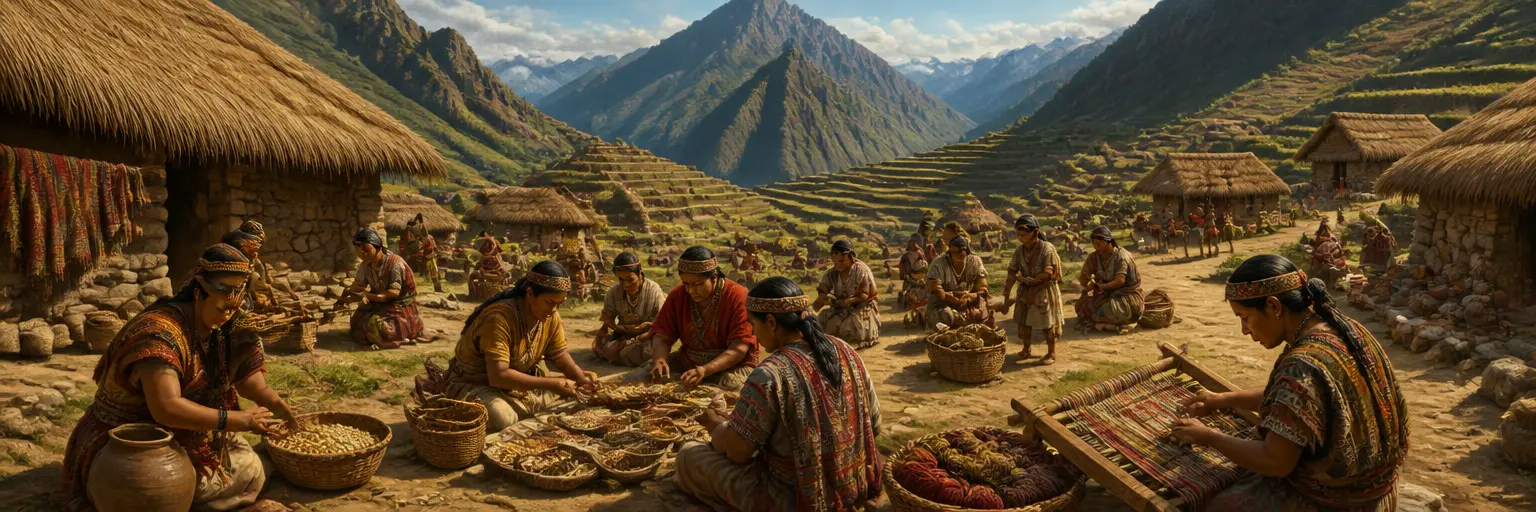
Explore daily life in ancient Andean societies—from family roles, farming, food, and clothing to housing, trade, rituals, and community traditions. Discover how the Incas, Moche, Nazca, and Tiahuanaco organized their communities and adapted to the diverse landscapes of the Andes. 🏔️🌽 Gain fascinating insights into the customs, technologies, social relationships, and cultural practices that shaped everyday life across ancient Andean civilizations.
Discover how ordinary people lived, worked, ate, worshiped, and organized their communities in the ancient Andes. This subcategory explores daily life in ancient Andean societies, including the Inca, Moche, Nazca, and Tiahuanaco civilizations. Learn how geography, social structures, religion, agriculture, trade, and family traditions shaped life across the Andes, from coastal valleys and fertile river plains to highland villages and mountain settlements.
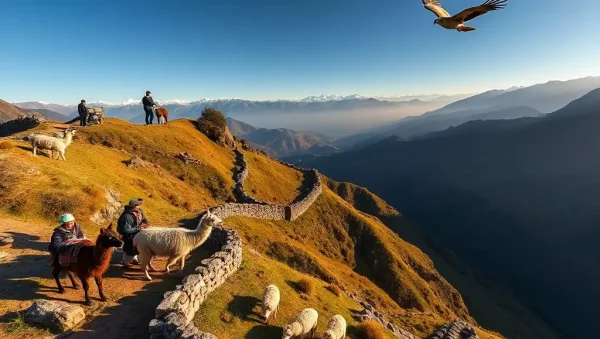
Explore the agricultural knowledge that supported ancient Andean communities. Readers can learn about potatoes, maize, quinoa, beans, peppers, coca, and camelid herding, as well as the farming techniques used to adapt to high altitudes, steep slopes, and unpredictable climates. Topics include terracing, irrigation canals, raised fields, crop storage, and the preservation of food through drying and freeze-drying.
This section also explains how food production influenced social organization in the Andes. Discover how farmers, herders, laborers, and local authorities contributed to community survival, and how stored crops helped societies withstand droughts, frost, and seasonal shortages. These insights reveal the importance of agriculture, food security, and environmental adaptation in ancient Andean history.
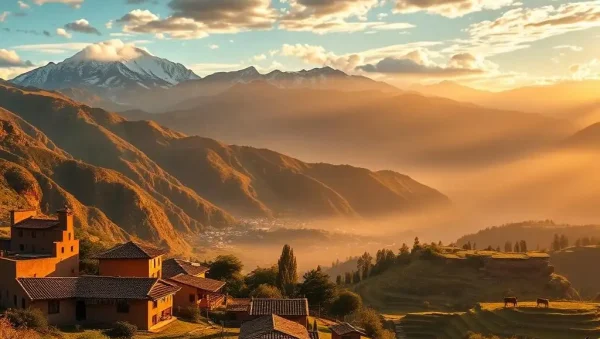
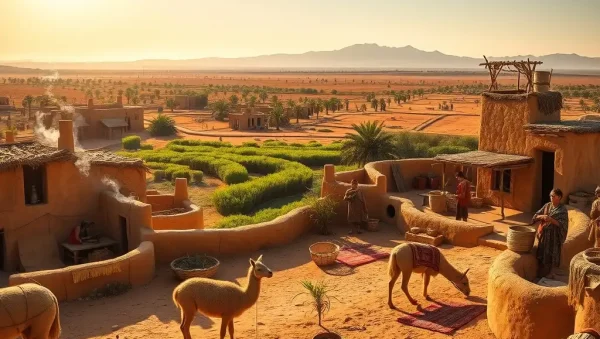
Learn about homes and settlements in ancient Andean societies, from simple rural dwellings to organized towns and ceremonial centers. This section examines Andean architecture, household layouts, building materials, and settlement planning, including the use of stone, adobe, reeds, and thatch. Readers will discover how climate and geography influenced the design of houses along the coast, in valleys, and throughout the highlands.
Daily life often revolved around the household and the wider community. Explore shared work, neighborhood relationships, communal storage, local markets, and public gatherings. The content explains how ayllu-style communities and other forms of cooperation helped organize labor, distribute resources, and maintain strong social ties in ancient Andean villages.
Understand the family structures and social roles that shaped everyday life in ancient Andean cultures. Readers can explore the responsibilities of parents, children, elders, farmers, craftspeople, soldiers, religious specialists, and administrators. The section considers how gender, age, kinship, status, and occupation influenced access to resources and participation in community activities.
Although social organization differed among the Inca, Moche, Nazca, and Tiahuanaco, cooperation and reciprocal obligations were central to many communities. Learn about marriage traditions, child-rearing, household production, textile work, and the ways individuals contributed to their families and local groups. These topics provide a detailed view of social identity beyond royal courts and famous rulers.
Discover how clothing communicated identity, status, occupation, and regional belonging in ancient Andean societies. This section explores Andean textiles, woven garments, tunics, belts, headdresses, sandals, jewelry, and body adornment. Readers will learn about the importance of cotton, alpaca, llama, and vicuña fibers, as well as the complex weaving skills developed by Andean artisans.
Textiles were more than everyday necessities: they could represent wealth, political authority, religious meaning, and cultural tradition. Explore how color, pattern, fiber quality, and garment style helped distinguish social groups. The section also highlights the work of spinners, weavers, dyers, and embroiderers, whose expertise was essential to ancient Andean economies.
Explore the wide range of work carried out by people in ancient Andean communities. Topics include farming, fishing, herding, mining, pottery, metalworking, construction, weaving, transportation, and trade. Readers will gain insight into ancient Andean labor systems and the skills required to produce food, tools, clothing, religious objects, and monumental architecture.
In the Inca Empire, organized labor obligations helped build roads, terraces, temples, storage facilities, and administrative centers. Earlier societies also developed sophisticated systems of cooperation and specialization. This section explains how labor connected households to local communities and larger political systems, while showing the practical knowledge behind Andean achievements in engineering and technology.
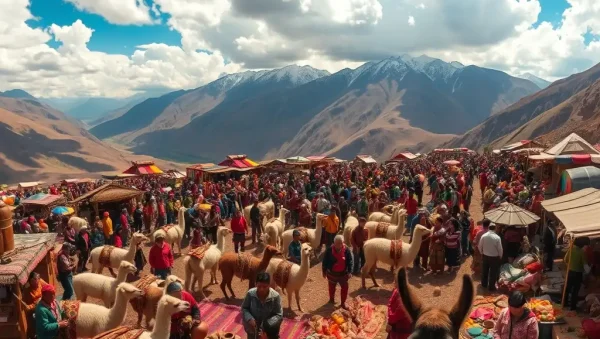
Learn how goods, ideas, and people moved across the challenging Andean landscape. Ancient trade networks connected highland, coastal, and rainforest environments, allowing communities to exchange salt, fish, maize, coca leaves, feathers, textiles, metals, ceramics, and camelid products. Readers will discover how ecological diversity encouraged long-distance exchange and economic cooperation.
Travel depended on footpaths, mountain roads, llamas, bridges, boats, and organized caravans. Explore the role of markets, local exchange, tribute, redistribution, and reciprocity in ancient Andean economies. These topics demonstrate that daily life was shaped not only by local resources but also by extensive networks linking distant communities.
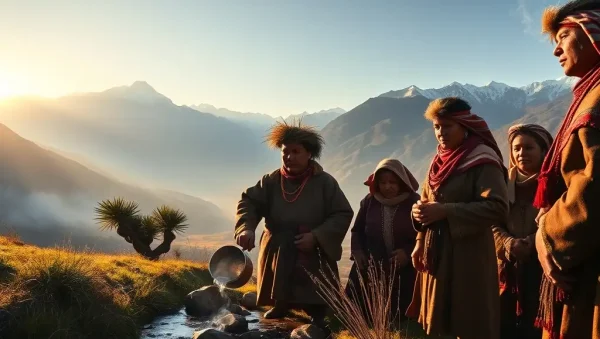
Religion was deeply integrated into everyday life in the ancient Andes. This section examines Andean spirituality, ancestor veneration, sacred landscapes, offerings, festivals, temples, and ritual specialists. Readers can learn how mountains, rivers, caves, springs, animals, and celestial bodies were understood as powerful forces connected to human communities.
Rituals marked agricultural cycles, political events, births, marriages, funerals, and periods of crisis. Explore how ceremonies helped maintain relationships between people, ancestors, deities, and the natural world. The section also compares religious traditions associated with the Inca, Moche, Nazca, and Tiahuanaco civilizations while recognizing the diversity of Andean belief systems.
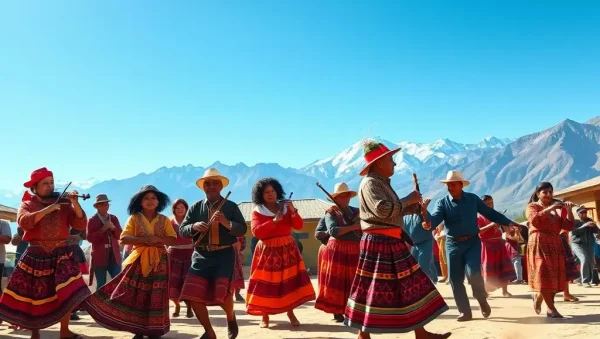
Discover the cultural activities that brought ancient Andean communities together. Music, dance, storytelling, feasting, ceremonial processions, and seasonal festivals played important roles in both religious and social life. Readers will learn about Andean instruments, drums, flutes, songs, dances, and public celebrations represented in archaeology, art, and historical accounts.
Recreation and celebration strengthened community identity and created opportunities for cooperation. Explore how festivals connected agricultural work with religious calendars and political authority. Evidence from ceramics, textiles, murals, and archaeological sites helps reconstruct the sounds, movements, foods, and social interactions that shaped everyday experiences.
Learn how ancient Andean people cared for their health and responded to illness, injury, childbirth, and environmental challenges. This section introduces traditional Andean medicine, medicinal plants, herbal treatments, surgery, nutrition, and spiritual healing. It also considers what skeletal remains, mummies, botanical evidence, and archaeological discoveries reveal about disease and physical activity.
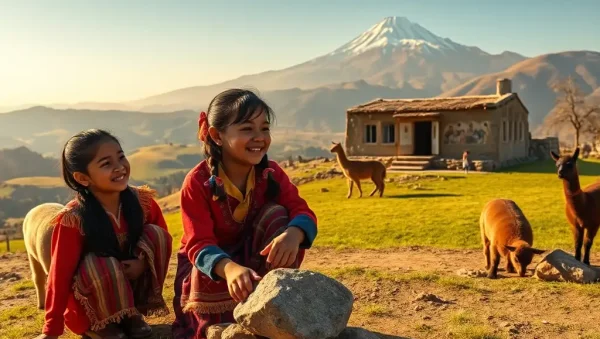
Childhood was an important stage of learning and social development. Explore how children acquired agricultural, domestic, religious, and craft skills through observation and participation. The section presents a balanced view of health in the ancient Andes, including medical knowledge, nutritional variation, occupational stress, and the impact of living at high altitude.
Daily life centered on family, agriculture, herding, craft production, religious practice, and community cooperation. People adapted their routines to local environments, including high mountains, fertile valleys, deserts, and coastal regions. Work, festivals, food preparation, and rituals were closely connected to the seasons and the agricultural calendar.
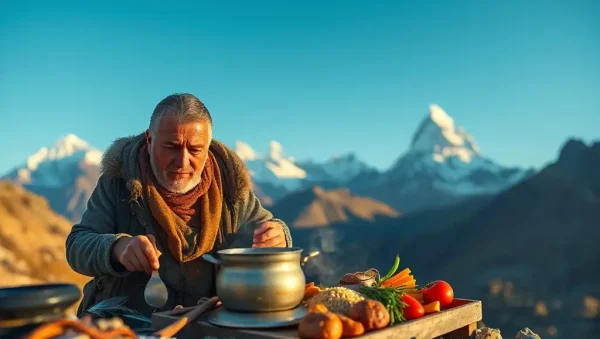
Common foods included potatoes, maize, quinoa, beans, peppers, fish, shellfish, guinea pig, and meat from llamas and alpacas. Communities used drying, salting, fermentation, and freeze-drying to preserve food. Diets varied according to location, with coastal societies relying more on seafood and highland communities depending heavily on crops and camelid herding.
Farmers used terraces, irrigation canals, raised fields, and carefully selected crops to manage steep terrain and difficult weather. They cultivated varieties suited to different elevations and preserved surplus food in storage facilities. These techniques supported population growth and helped communities cope with frost, drought, and seasonal changes.
Homes varied by region and social status but were commonly built from stone, adobe, reeds, or other locally available materials. Many households included spaces for cooking, sleeping, storage, craft production, and animal care. Settlements often reflected strong community ties, with shared work areas, public spaces, roads, and ceremonial structures.
Cooperation allowed people to manage demanding environments and complete projects that exceeded the capacity of individual households. Communal labor supported farming, irrigation, road construction, textile production, and food storage. Systems of reciprocity and organized labor helped connect families to villages, regional authorities, and larger states such as the Inca Empire.