Andean Social Structures

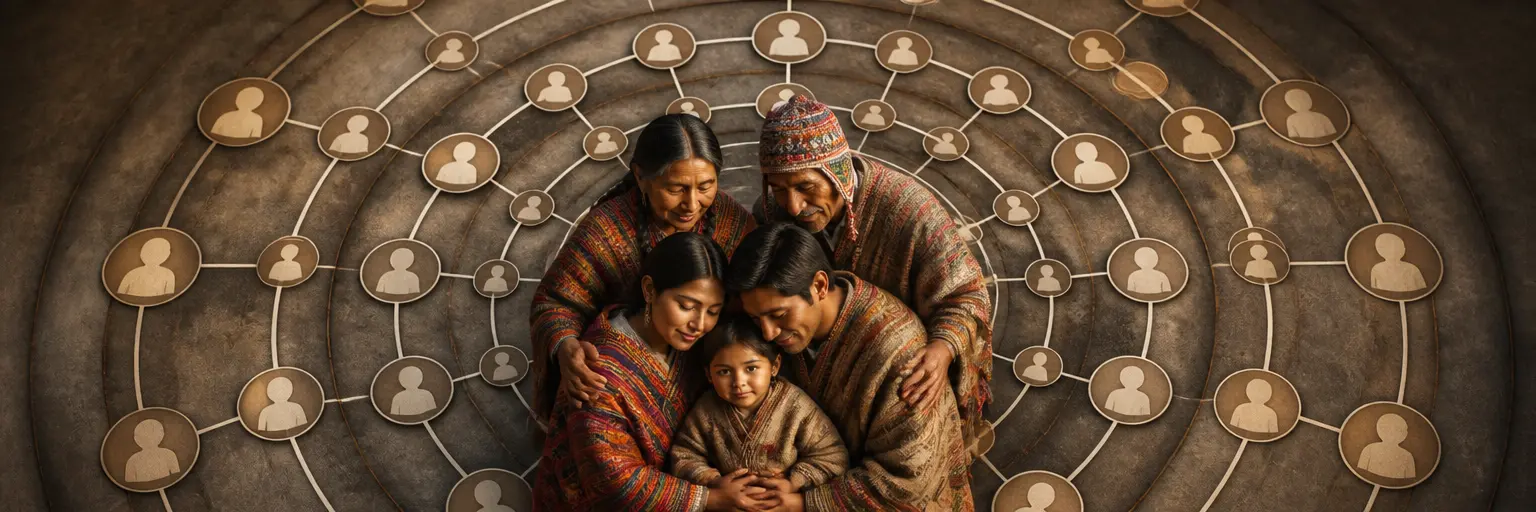
Explore the powerful role of family and kinship systems in shaping Andean social structures 🏔️. Discover how ancestry, marriage, household organization, and reciprocal obligations connected communities across ancient Andean civilizations, from the Inca to the Moche, Nazca, and Tiahuanaco. Learn how kinship influenced social identity, leadership, labor, inheritance, and religious traditions, revealing the enduring foundations of Andean culture and community life.

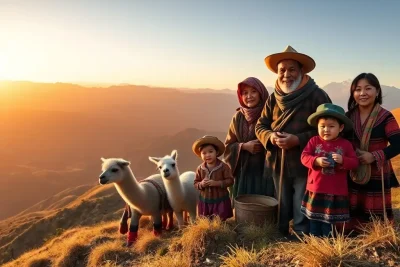
Explore how family and kinship systems shaped social life in the ancient Andes. This subcategory examines the organization of households, extended families, lineages, clans, and community networks among the Inca, Moche, Nazca, Tiahuanaco, and other Andean civilizations. Discover how kinship influenced identity, inheritance, marriage, labor, political authority, religion, and economic cooperation across the diverse societies of the Andes.
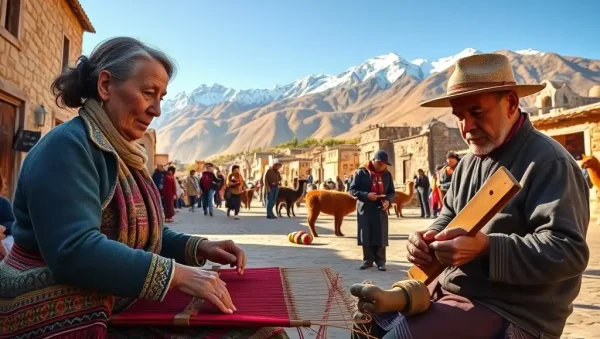
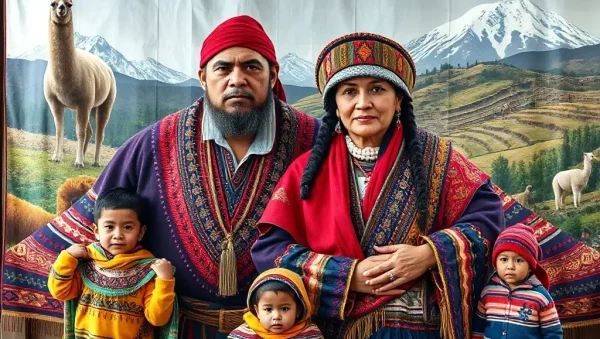
Ancient Andean households were more than private living spaces. They often functioned as important economic and social units in which relatives shared work, food production, childcare, craft activities, and religious responsibilities. Learn how nuclear families, extended families, and multigenerational households contributed to the stability of Andean communities.
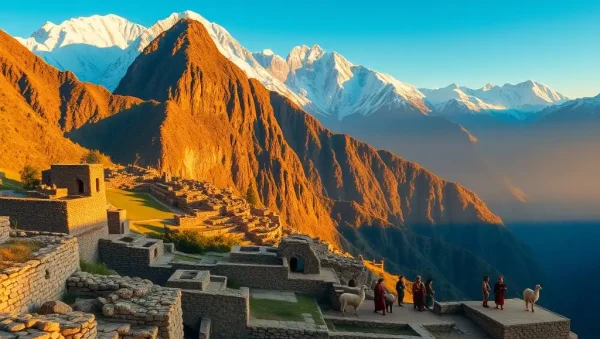
This section explores household archaeology, domestic architecture, family roles, and everyday life in ancient Andean settlements. Readers can discover how homes, storage facilities, cooking areas, and shared workspaces reveal patterns of cooperation, social status, gender roles, and family organization among Andean peoples.
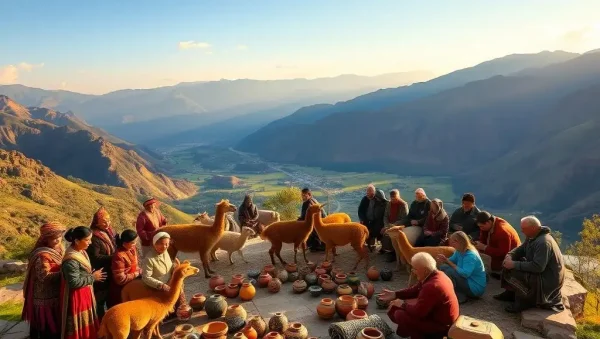
The ayllu was one of the most important forms of social organization in the Andes. Based on shared ancestry, territory, mutual obligations, and collective identity, ayllu communities helped organize farming, herding, land access, ritual activities, and political relationships. Explore how kinship connected individuals to local communities and broader Andean society.
Learn how lineage traditions and community membership shaped rights and responsibilities. This section explains concepts such as shared descent, reciprocal labor, collective land use, ancestor veneration, and social belonging, helping readers understand why kinship remained central to Andean social structures long before and during the Inca Empire.
Marriage in ancient Andean societies could unite families, strengthen alliances, establish political partnerships, and connect communities across different regions. Explore marriage customs, household formation, gender expectations, and the role of kin relationships in maintaining social cohesion among the Incas and earlier Andean cultures.
Readers will learn how marital relationships could influence inheritance, labor obligations, political authority, and access to resources. The section also considers elite marriages, community partnerships, and the ways kinship alliances supported diplomacy, leadership, trade, and territorial integration.
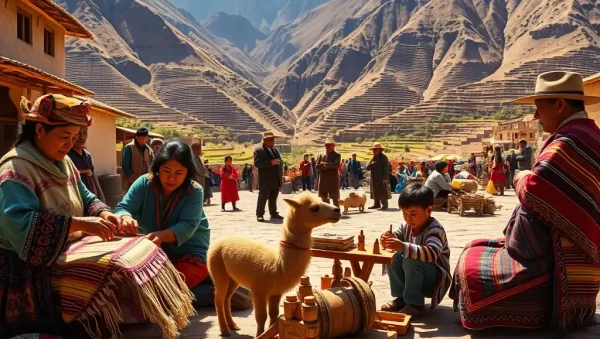
Andean economies relied heavily on cooperation between relatives, neighbors, and community members. Systems such as ayni, or reciprocal labor, allowed families to exchange assistance during planting, harvesting, construction, herding, and ceremonial events. Discover how kinship transformed individual work into a powerful form of collective support.
This section explains how family ties were connected to broader principles of reciprocity and redistribution. Explore the relationship between kin groups, agricultural production, labor taxation, and state organization, including the Inca practice of mit’a labor and the obligations that linked local communities to imperial institutions.
Family connections were essential to leadership and governance in many Andean civilizations. Royal lineages, noble families, local chiefs, and hereditary authorities used kinship to legitimize power and organize administration. Learn how ancestry, descent, marriage, and family alliances influenced political authority from regional chiefdoms to the Inca state.
Readers can explore the relationship between royal kin groups, provincial administration, and imperial expansion. Topics include Inca royal panacas, hereditary leadership, noble descent, succession, political marriage, and ancestral legitimacy, offering insight into how family organization supported one of the largest states in pre-Columbian America.
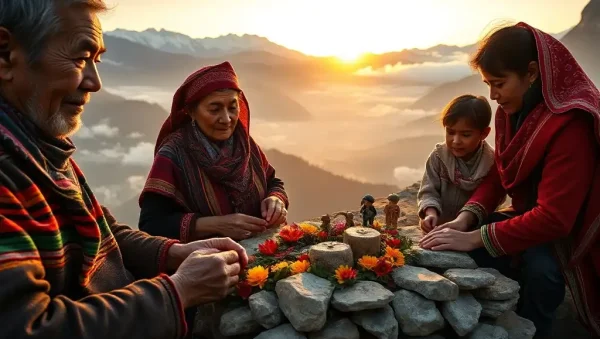
Ancient Andean kinship was closely connected to religious beliefs and ancestor veneration. Families and lineages often maintained relationships with founding ancestors, sacred places, mummies, and protective deities. Discover how religious practices reinforced family identity and connected living communities with their ancestral past.
This section examines funerary traditions, ancestor worship, ritual offerings, sacred landscapes, and the continuing social importance of the dead. Learn how ancestral memory and ritual obligations shaped inheritance, land claims, leadership, and community continuity in Andean civilizations.
Family life in the ancient Andes involved distinctive responsibilities associated with gender, age, skill, and social position. Men, women, children, elders, and specialists each contributed to household and community survival in different ways. Explore how weaving, farming, herding, food preparation, caregiving, warfare, and ritual work were distributed within Andean families.
Rather than treating family roles as identical across all cultures, this section compares evidence from Inca, Moche, Nazca, Tiahuanaco, and other Andean societies. Readers will gain a deeper understanding of gender complementarity, intergenerational knowledge, childhood, elder authority, and the diversity of family experiences in the ancient Andes.
The ayllu was a community based on shared ancestry, territory, reciprocal obligations, and collective identity. Ayllu members often worked together, shared access to resources, participated in rituals, and supported one another through systems of mutual labor and responsibility.
Kinship helped organize political authority, labor, land access, religious obligations, and social identity. Inca rulers used royal lineages, family alliances, and local kin groups to administer territories, maintain loyalty, and connect imperial institutions with community life.
Yes. Many Andean households and communities included extended relatives or maintained close relationships with wider kin groups. These networks supported farming, herding, craft production, childcare, ceremonies, inheritance, and collective responses to economic or environmental challenges.
Marriage could create alliances between families and communities while establishing responsibilities related to labor, property, inheritance, and household formation. Among elites, marriage could also strengthen political relationships and help integrate different regions or social groups.
Researchers examine domestic buildings, burial practices, skeletal remains, food remains, textiles, settlement patterns, inscriptions, artistic representations, and historical accounts. Combining these sources helps scholars reconstruct household organization, ancestry, social status, gender roles, and community relationships in ancient Andean cultures.