Andean Social Structures

Explore Social Hierarchy and Classes in ancient Andean societies, where rulers, nobles, priests, warriors, artisans, farmers, and laborers shaped daily life and political power. Discover how status, religion, occupation, and community obligations influenced identity, wealth, governance, and opportunities across Inca, Moche, Nazca, and Tiahuanaco cultures. 🏔️📜 Gain valuable insight into Andean social structures, class systems, cultural traditions, and the organization of one of history’s most fascinating civilizations.
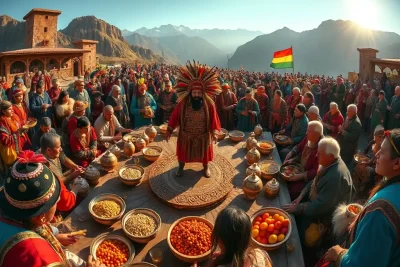
Discover how social hierarchy and social classes shaped the ancient Andes, from the powerful Inca Empire to earlier societies such as the Moche, Nazca, and Tiahuanaco. This subcategory explores systems of rank, leadership, labor, wealth, religion, and community organization that influenced everyday life across the Andean world. Learn how rulers, nobles, priests, warriors, administrators, farmers, craftspeople, and laborers contributed to complex civilizations built around cooperation, authority, and social responsibility.
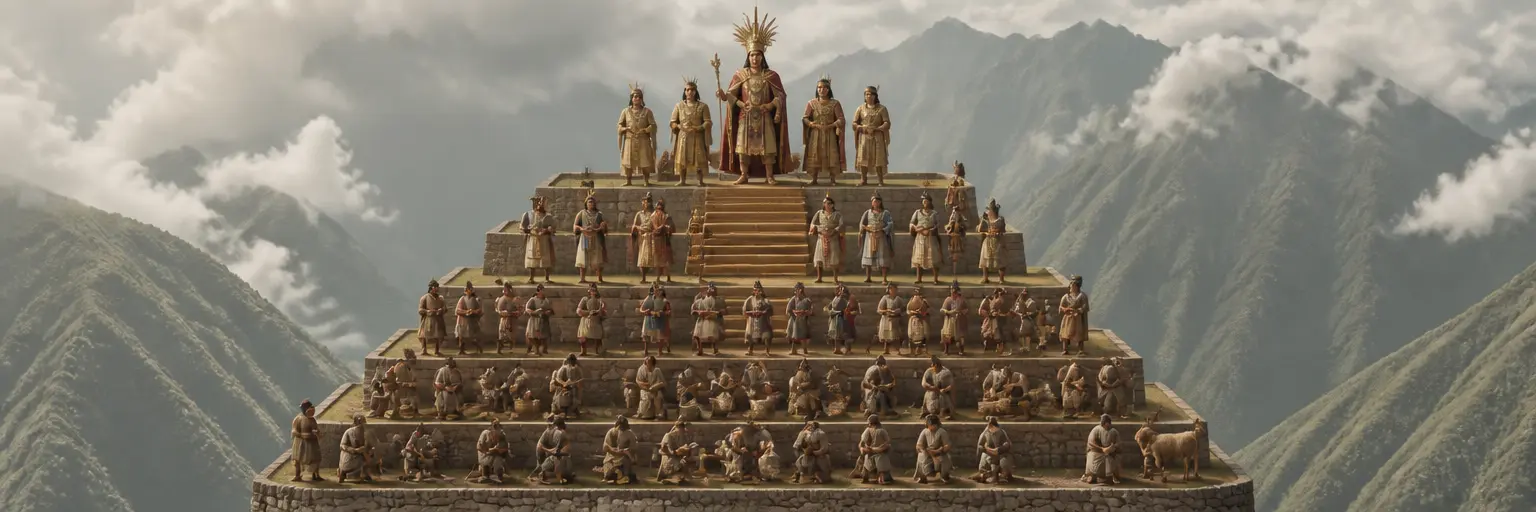
Explore the highly organized Inca social hierarchy, including the Sapa Inca, royal family, nobles, priests, military leaders, administrators, and local community authorities. Articles examine how political power was connected to ancestry, religion, land ownership, and the belief that the emperor represented the sun god Inti on Earth.
Readers can learn how the Inca state governed a vast territory through regional officials, curacas, and carefully managed relationships between the central government and local communities. Discover how status affected clothing, housing, education, taxation, marriage, public ceremonies, and access to valuable resources.
The ayllu was one of the most important foundations of Andean society. Explore how these kin-based communities organized land, labor, agriculture, religious traditions, and mutual support. This section explains why social identity in the Andes was often connected to family ties, ancestry, territory, and shared obligations rather than individual wealth alone.
Learn about reciprocity and communal labor, including practices such as ayni and minka. These systems helped communities build terraces, roads, irrigation works, temples, and storehouses while strengthening relationships between households and local leaders.
Understand how labor shaped social class in ancient Andean civilizations. Instead of relying only on coin-based taxation, many Andean states required tribute through labor, agricultural production, military service, craftwork, or public construction. This approach supported monumental architecture, road networks, farming systems, and imperial administration.
Explore the mita labor system, state storehouses, agricultural specialists, miners, textile producers, and skilled artisans. Readers will discover how work duties varied according to age, gender, location, community membership, and political status, revealing the close relationship between economic organization and social hierarchy.
Religion was deeply connected to power and status in the ancient Andes. This section examines the role of priests, ritual specialists, temple officials, and sacred authorities in societies such as the Inca, Moche, Nazca, and Tiahuanaco. Religious leaders helped interpret divine forces, organize ceremonies, and legitimize the authority of rulers.
Discover how warriors and military commanders also gained influence through conquest, defense, and service to the state. Art, architecture, burials, and ceremonial objects provide valuable evidence of the close connections among warfare, religion, political leadership, and social prestige.
Go beyond the Inca Empire to investigate social organization in earlier Andean cultures. Moche ceramics and murals reveal rulers, warriors, prisoners, priests, and ceremonial performers, while Nazca art and burial practices offer clues about status, ritual, and community identity. Tiahuanaco architecture and religious imagery demonstrate the importance of ceremonial centers and long-distance cultural influence.
Because written records are limited, scholars use archaeology, monumental architecture, textiles, pottery, tombs, iconography, and settlement patterns to reconstruct ancient social classes. These sources help explain how leadership and inequality developed across different regions and historical periods.
Learn how gender, age, family relationships, and household responsibilities influenced social position in Andean societies. Women participated in agriculture, textile production, trade, religion, household management, and state institutions, while men often served in farming, warfare, administration, and construction. These roles could vary by culture, region, and social rank.
Articles in this subcategory examine marriage alliances, royal women, the acllas or chosen women, household labor, inheritance, and the responsibilities of children and elders. Understanding these experiences provides a more complete view of daily life in the ancient Andes beyond rulers and monuments.
Inca society was organized into several levels, with the Sapa Inca and royal family at the top, followed by nobles, priests, military leaders, administrators, local chiefs, artisans, farmers, and laborers. The ayllu formed the basic community unit, while the state coordinated labor, resources, religion, and political administration.
An ayllu was a kin-based community whose members shared land, labor, religious traditions, and mutual responsibilities. Ayllus helped organize agriculture, ceremonies, inheritance, and communal projects, making them essential to Andean social and economic life.
Yes. Ancient Andean societies had differences in rank, authority, wealth, occupation, and access to sacred or political power. Rulers, nobles, priests, warriors, administrators, craftspeople, farmers, and laborers often held different responsibilities and privileges.
The Inca generally collected tribute through labor and production rather than a conventional money tax. Communities contributed agricultural goods, textiles, military service, construction work, mining, or other forms of labor through systems such as the mita.
Archaeologists study elite tombs, temples, palaces, settlements, ceramics, textiles, tools, monumental buildings, iconography, and burial goods. These sources reveal differences in occupation, status, religious authority, political power, and access to valuable resources.