
The Role of the Elderly in Andean Social Structures

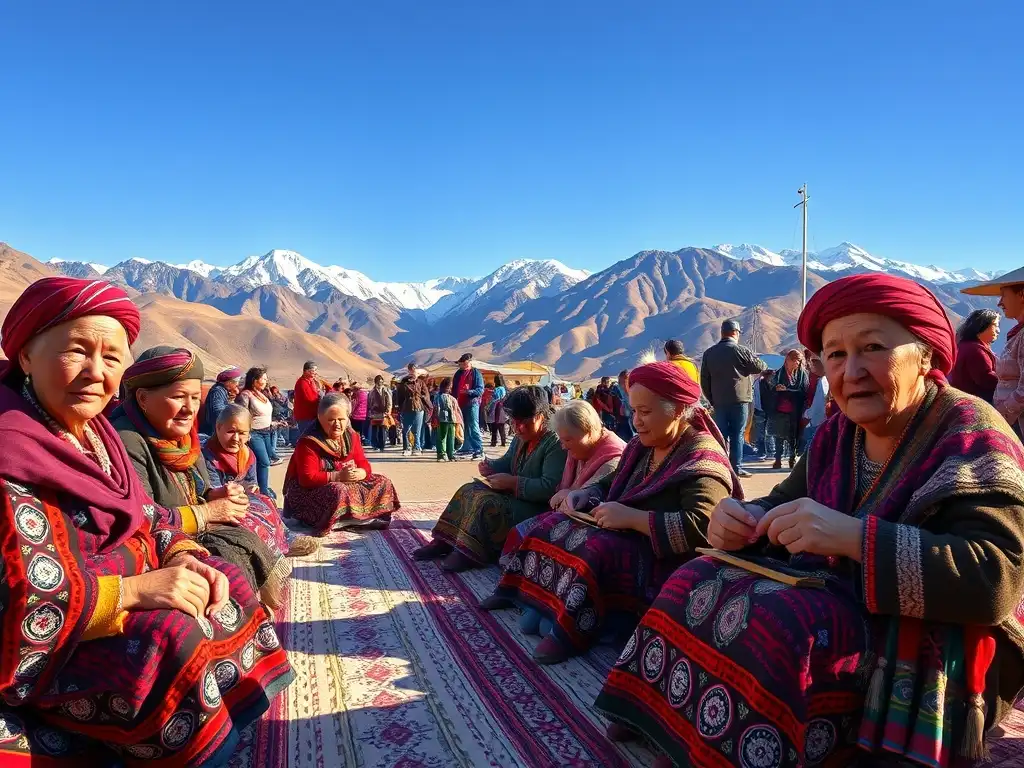
Step into a world lost to time, yet echoing with the wisdom of ages. Imagine a society where the elderly weren't merely respected, but held positions of immense power and influence. This website unveils the fascinating secrets of Andean Civilizations, revealing the intricate tapestry of their history, art, and technology. But first, prepare to be captivated by the untold story of Andean elder social roles – a pivotal element in understanding the enduring strength of these remarkable cultures. Uncover the mysteries that await… explore further to learn more.
The Andean civilizations, encompassing a vast tapestry of cultures across South America, weren't simply defined by their impressive architectural feats like Machu Picchu or the Nazca Lines. A deep understanding of their social structures requires exploring the intricate roles played by every member of society, particularly the elderly. This article delves into the often-overlooked yet crucial contributions of Andean elders, examining their influence on social organization, knowledge transmission, and spiritual life.
We will explore the diverse roles elders held across different Andean cultures, from the Incas to the Moche, highlighting the multifaceted nature of their societal standing and influence. Understanding the significance of Andean elders is key to unlocking a more complete and nuanced picture of these remarkable civilizations and their lasting legacies. This exploration will reveal how the concept of "Andean elder social roles" transcended mere age, encompassing wisdom, experience, and spiritual authority.
The concept of aging and the societal roles associated with it varied significantly across different Andean cultures. However, a common thread unites them: elders were rarely relegated to the periphery of society. Instead, they occupied positions of respect, authority, and influence, often acting as keepers of tradition, spiritual guides, and repositories of vital knowledge. Their experience was considered invaluable, shaping decision-making processes and guiding the younger generations. This wasn't simply a matter of age; it was a recognition of accumulated wisdom and a deep understanding of the intricate social fabric and natural world.
Unlike many societies that privilege youth and physical strength, Andean cultures often placed a premium on the wisdom and experience of their elders. This is reflected in their social structures, where elder figures held positions of influence in various aspects of life, from religious ceremonies to political decision-making.
The respect afforded to elders was not merely a social convention but rather a fundamental element of their worldview, rooted in their understanding of the cyclical nature of life and the interconnectedness of generations. The transmission of knowledge, skills, and traditions was largely dependent on the active participation and guidance of the elderly.
We can gain insights into these roles through archaeological evidence, such as the discovery of elaborately decorated tombs containing the remains of prominent elders, suggesting their elevated status and the respect afforded to them even after death. Ethnographic studies of contemporary Andean communities also offer valuable perspectives on the continuity of these traditions, demonstrating the lasting impact of these ancient societal structures.
The Significance of Elders in Andean Communities
The significance of elders extended far beyond simple respect. Their roles were multifaceted and crucial for the functioning of Andean communities. They served as:
- Spiritual Leaders: Many Andean cultures believed elders possessed a deeper connection to the spiritual realm. They often led ceremonies, interpreted omens, and acted as intermediaries between the living and the ancestors. Their knowledge of sacred rituals and traditions was essential for maintaining the spiritual well-being of the community.
- Storytellers and Keepers of Tradition: Oral traditions were paramount in Andean societies. Elders played a crucial role in preserving and transmitting cultural knowledge, history, and myths through storytelling. This ensured the continuity of cultural identity across generations.
- Advisors and Decision-Makers: Elders' wisdom and experience were highly valued in decision-making processes, particularly concerning community affairs, resource management, and conflict resolution. Their input was considered essential for ensuring the well-being and stability of the community.
- Teachers and Mentors: The transmission of skills and knowledge, from agriculture and crafts to social etiquette and religious practices, was largely entrusted to the elders. They guided younger generations, ensuring the continuity of traditional practices and the preservation of cultural heritage.
The role of Andean elders was not static; it varied according to their specific skills, experience, and social standing within their communities. However, their overall importance as repositories of knowledge, spiritual guides, and vital links to the past remains undeniable. Further research is needed to fully understand the nuances of elder roles across the diverse spectrum of Andean cultures, but the evidence overwhelmingly points to their significant and enduring influence on Andean societies. The study of "Andean elder social roles" continues to provide valuable insights into the complexities of these fascinating civilizations.
- Understanding Andean Elder Social Roles: An Introduction
- The Significance of Elders in Andean Communities
- What were the primary roles of Andean elders?
- How did Andean societies value their elderly?
- Did the role of elders vary across different Andean cultures?
- What impact did the elderly have on Andean technology and innovation?
- How did the Andean concept of elderhood differ from modern Western perspectives?
Andean Elders: Guardians of Knowledge and Tradition
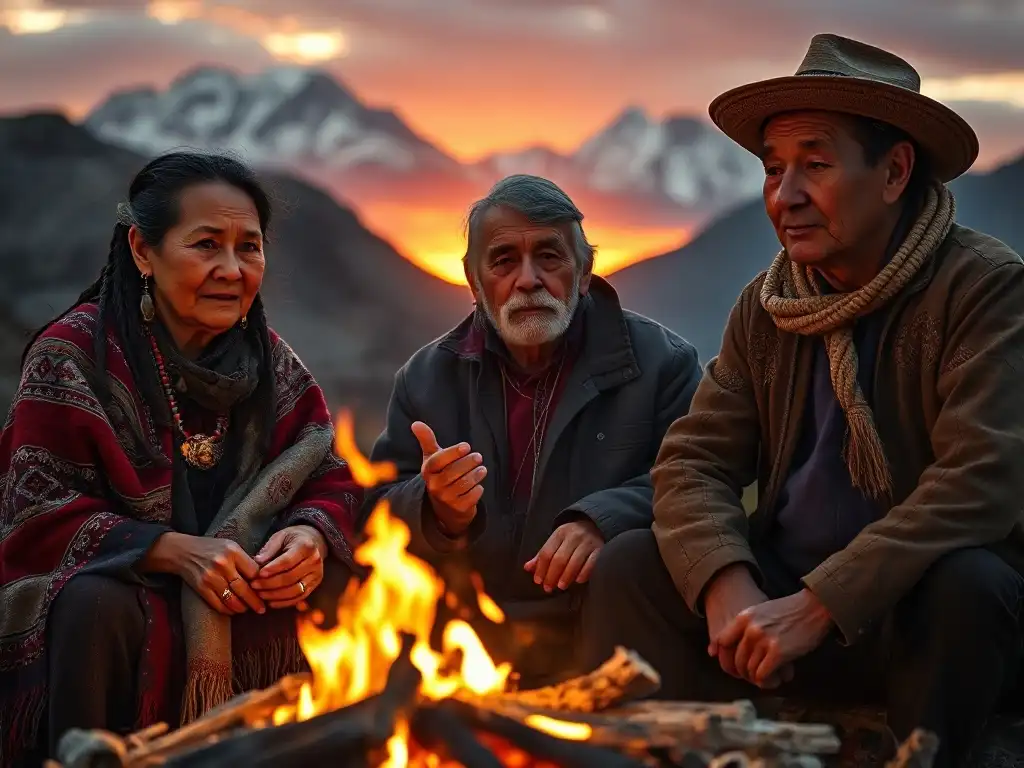
Andean societies, encompassing diverse cultures like the Inca, Moche, Nazca, and Tiahuanaco, placed immense value on their elders. The concept of yatiri, a wise elder often possessing spiritual and medicinal knowledge, highlights the significant role they played beyond mere kinship. Their advanced age was not seen as a decline but rather a culmination of lived experience, granting them authority and respect within their communities. This reverence stemmed from the understanding that elders were the living repositories of ancestral knowledge, crucial for the continuity and well-being of the society.
The Andean elder social roles were multifaceted, extending far beyond familial responsibilities. They served as vital links to the past, shaping the present, and guiding the future. Understanding their influence requires examining the mechanisms through which they transmitted knowledge and preserved cultural practices.
Oral Tradition and the Role of Elderly Storytellers
Oral tradition formed the backbone of Andean societies' cultural transmission. Unlike societies with widespread literacy, knowledge—historical accounts, myths, legends, practical skills, and spiritual beliefs—was meticulously passed down through generations via storytelling. Elderly individuals, often specifically designated as storytellers or amautas (in the Inca Empire), played a pivotal role in this process. Their narratives were not mere entertainment; they served as crucial educational tools, reinforcing social values, transmitting moral codes, and preserving historical memory. These narratives were often imbued with symbolic meaning and linked to the cosmology and worldview of the specific Andean culture.
For example, Moche pottery frequently depicts scenes of elders participating in rituals and ceremonies, suggesting their active involvement in religious and societal life. The intricate details on these ceramics provide valuable insights into the respect and authority afforded to older members of the community. The stories recounted by these elders were not static; they adapted and evolved over time, reflecting the changing circumstances and needs of the community, yet always retaining the core values and beliefs that defined their culture.
The skill of storytelling itself was highly valued, requiring both mastery of language and a deep understanding of the cultural context. These individuals were essentially living archives, ensuring the survival of their people's collective memory. This oral tradition served as a powerful means of social cohesion, binding generations together through shared narratives and a collective understanding of their history and identity.
Transmission of Cultural Practices by Andean Elders
Beyond storytelling, Andean elders actively participated in the transmission of practical skills and cultural practices. This encompassed a broad range of activities, including agriculture, weaving, pottery, metalworking, and construction. Apprenticeships, often within familial structures, were common, with elders acting as mentors and instructors. This hands-on approach ensured the continuity of essential crafts and techniques vital for the community's survival and prosperity.
The knowledge wasn't merely technical; it often included spiritual and ritualistic aspects. For instance, agricultural practices were frequently tied to specific ceremonies and beliefs about the relationship between humans and the natural world. The elders' understanding of these interconnected elements was crucial for the successful cultivation of crops and the overall well-being of the community.
Consider the intricate textile traditions of the Andean cultures. The creation of textiles was not just a practical skill; it was an art form imbued with symbolic meaning. Elders played a crucial role in transmitting the complex techniques, designs, and cultural significance associated with weaving. Their expertise extended beyond the technical aspects; they understood the social and ritual contexts in which textiles were produced and used, ensuring the continuation of these traditions across generations. The passing down of these practical skills not only maintained economic stability but also reinforced cultural identity and continuity.
Preserving Ancestral Knowledge through Senior Members
The preservation of ancestral knowledge was paramount in Andean societies. Elders were the key figures in this preservation, acting as custodians of traditions, rituals, and historical accounts. This preservation extended beyond the practical and encompassed the spiritual and cosmological realms. Their knowledge of medicinal plants, healing practices, and astronomical observations was highly valued and often considered sacred. This knowledge was not simply memorized; it was actively practiced and refined over time, ensuring its relevance and efficacy.
The precise methods of knowledge preservation varied across different Andean cultures, but several common threads emerge. The use of mnemonic devices, songs, and rituals played significant roles in memorizing and transmitting information. The construction of monumental structures, such as those at Tiahuanaco, might also have served as physical reminders of past achievements and cosmological beliefs, reinforcing the knowledge transmitted by elders. Moreover, the elders' role in community decision-making ensured that ancestral wisdom informed contemporary practices.
Their counsel was sought on matters ranging from agricultural planning to conflict resolution, ensuring that the community benefited from their accumulated wisdom and experience. This active engagement of elders in the decision-making process underlines their essential role in maintaining social cohesion and cultural continuity. The Andean worldview deeply valued the wisdom and experience of their elders, recognizing their crucial contribution to the survival and prosperity of their communities.
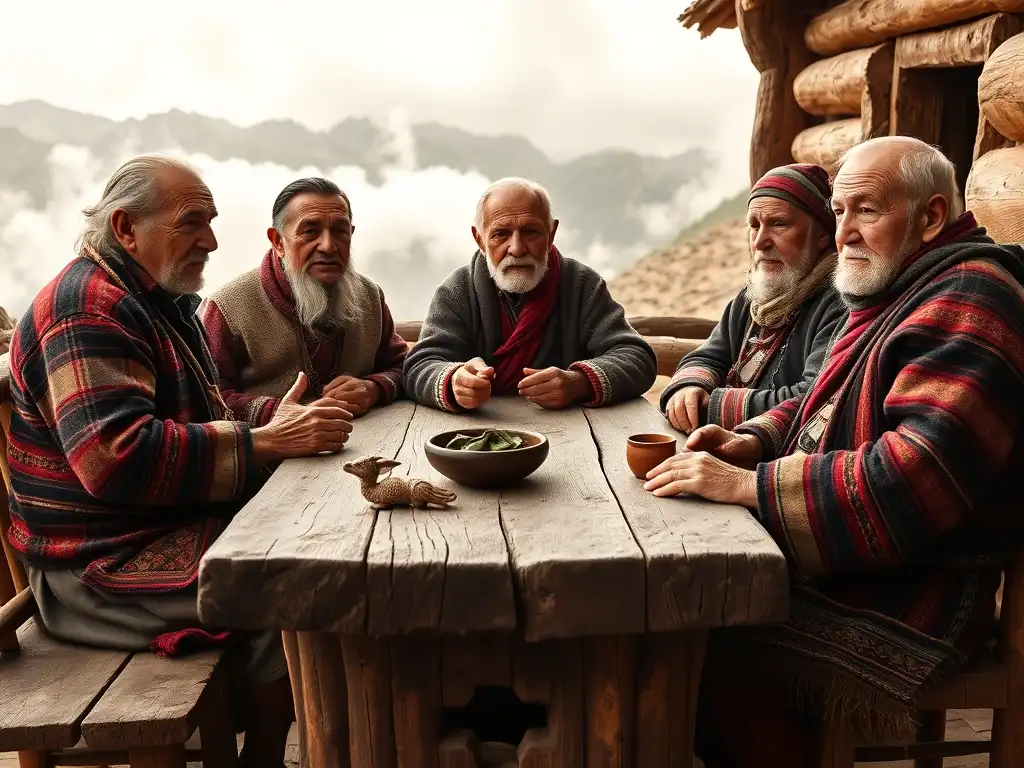
The Andean worldview deeply revered elders, integrating their experience and wisdom into the very fabric of their social structures. This wasn't merely a matter of respect for age; it was a fundamental pillar supporting the stability and continuity of their communities. Understanding the Andean elder social roles requires acknowledging their significant influence across various aspects of Andean life, from day-to-day governance to spiritual practices and technological advancements.
This influence manifested differently across various Andean cultures—Inca, Moche, Nazca, and Tiahuanaco, to name a few—but the core principle of elder respect remained consistent. The extent of their power varied, but their voices carried considerable weight in shaping societal norms and decisions.
Elders as Community Leaders and Advisors
Elderly individuals in Andean societies often served as crucial community leaders and advisors. Their extensive life experience provided invaluable insights into navigating challenges, resolving disputes, and making informed decisions. This wasn't a formal position in all cases; rather, it was a respected role earned through years of demonstrated wisdom, integrity, and community service.
For example, within Inca society, while the Sapa Inca held ultimate authority, his decisions were often informed by the counsel of experienced amautas (wise men) and palla (priestesses), many of whom were elderly. These individuals possessed deep knowledge of Inca traditions, laws, and customs, guiding the Inca in matters of governance, agriculture, and religious practices. Their role extended beyond simply offering advice; they actively participated in shaping policy and ensuring the well-being of the community.
Their influence stemmed not from coercive power but from the profound respect they commanded based on their accumulated knowledge and proven judgment. Their wisdom was considered a precious resource, carefully preserved and passed down through generations.
The Gerontocracy in Ancient Andean Societies
While not a strict gerontocracy in the strictest sense, many Andean societies exhibited features characteristic of gerontocratic systems. This means that age and experience played a significant role in determining social standing and influence. However, it's crucial to avoid generalizations; the degree of gerontocratic influence varied across different Andean cultures and over time. Within certain communities, particularly in smaller, more isolated settlements, the collective wisdom of elders might have held almost absolute sway in decision-making processes.
Their pronouncements carried the weight of tradition and were often seen as divinely inspired. This influence extended to all aspects of life, from agricultural practices and resource allocation to marriage arrangements and conflict resolution. Evidence suggests that the respect afforded to elders wasn't merely symbolic; it translated into tangible power and influence in shaping the community's destiny.
Decision-Making Processes and Elder Participation
The participation of elders in decision-making processes varied depending on the specific Andean culture and the nature of the issue at hand. However, their input was almost always sought and valued. In some cases, elders formed councils or advisory boards that played a vital role in shaping policy. In others, their influence was more informal, exerted through their respected positions within the community and their ability to persuade and guide younger members.
The decision-making process often involved a combination of consensus-building and deference to the wisdom of elders. For instance, in matters of land disputes or resource allocation, the experience of older individuals, who had witnessed similar conflicts in the past, was highly valued. Their knowledge of customary law and their ability to mediate disputes were essential for maintaining social harmony.
This process highlights the significant role elders played in preserving social order and preventing conflicts from escalating. Their participation wasn't merely ceremonial; it was an integral part of the functioning of Andean societies. The Andean elder social roles were thus multifaceted and crucial to the overall societal structure.
Andean Elder's Contribution to Economic Activities
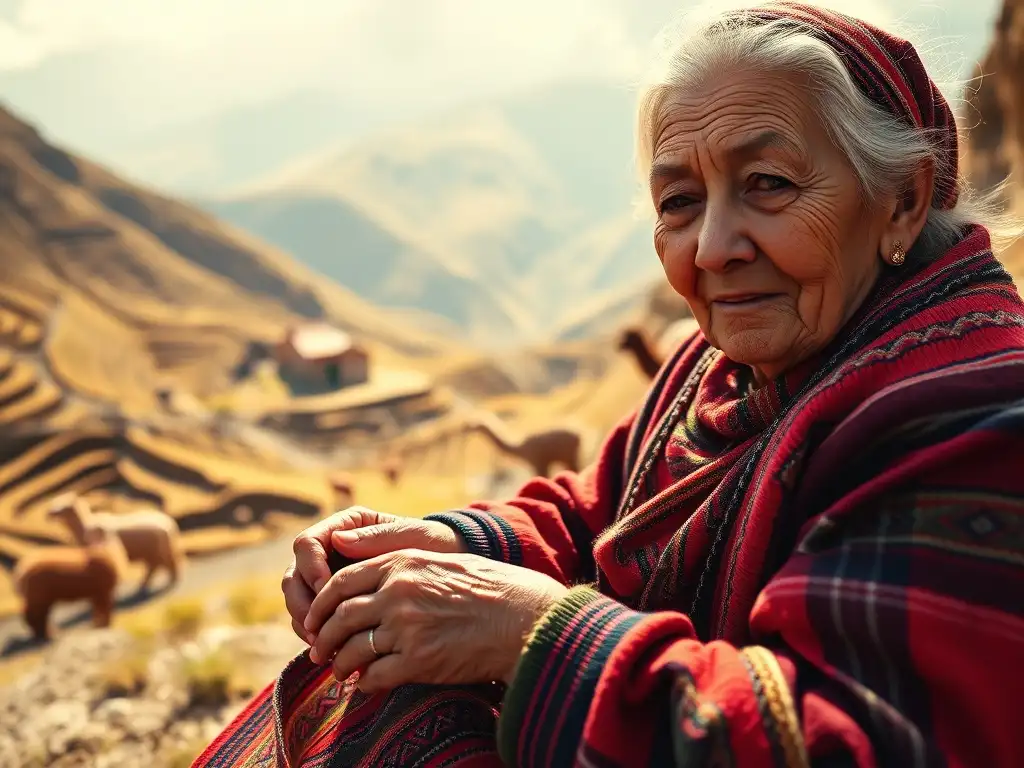
The economic contributions of Andean elders were multifaceted and deeply intertwined with the cyclical nature of Andean life and agriculture. Contrary to modern societal structures where aging often signifies retirement, Andean societies valued the experience and knowledge of their elders, integrating them actively into the economic fabric of their communities. Their roles weren't simply supplementary; they were crucial to the continued prosperity and stability of the entire social unit. This section will explore the diverse ways Andean elders participated in economic activities, highlighting their significant contributions.
Elderly Participation in Agricultural Practices
Agricultural practices in the Andes were, and in some communities still are, labor-intensive and knowledge-dependent. Elderly individuals, possessing decades of experience in cultivating challenging terrains and understanding intricate agricultural cycles, played a vital role. Their knowledge of microclimates, soil conditions, and the timing of planting and harvesting was invaluable.
They weren't relegated to less demanding tasks; instead, they often held positions of authority, guiding younger generations in optimal planting techniques, irrigation strategies, and crop management. For example, the intricate waru waru agricultural system, with its raised beds and canals, required a deep understanding of water management and soil fertility – a knowledge base largely held and transmitted by the elderly. Their expertise ensured optimal yields, contributing directly to the economic well-being of the community.
This transmission of knowledge, often passed down orally through generations, ensured the continuity of sustainable agricultural practices and food security for the Andean communities. The loss of this elderly knowledge represents a significant challenge to modern Andean agriculture.
Artisanal Skills and the Role of Older Andean Artisans
The production of textiles, pottery, and metalwork were significant economic activities in Andean societies. The mastery of these artisanal skills often took years, even decades, to achieve. Therefore, elderly artisans held positions of respect and authority within their communities, not only for their craft but also for the knowledge they imparted to apprentices. Their expertise in techniques, material selection, and design was critical to maintaining the quality and prestige of Andean products.
Consider the intricate textiles of the Inca Empire, for example. The complex designs and weaving techniques were passed down through generations of skilled artisans, with elderly individuals acting as master weavers and mentors. This ensured the continuation of these traditions and the production of high-quality goods that were often traded within the region and beyond. The value of their contribution extended beyond mere economic output; it was a crucial element in preserving cultural heritage and identity.
Elderly Contributions to Community Sustainability
Beyond direct economic activities, Andean elders played a critical role in ensuring the long-term sustainability of their communities. Their deep understanding of resource management, environmental cycles, and traditional practices contributed significantly to the ecological balance and economic stability of their settlements. They acted as custodians of traditional knowledge related to sustainable farming techniques, water conservation, and the responsible use of natural resources.
Their wisdom, acquired through years of observation and experience, was essential in navigating environmental challenges and ensuring the long-term viability of their communities. This holistic approach to community sustainability highlights the interconnectedness of economic well-being and environmental stewardship within Andean social structures, a perspective often overlooked in modern economic models.
The role of Andean elders in preserving this knowledge is, therefore, of paramount importance for understanding and appreciating the complexity of Andean civilizations and their sustainable practices. Their influence extended beyond mere economic contribution; it was fundamental to the very survival and continuity of their societies.
The Spiritual Role of Andean Elders
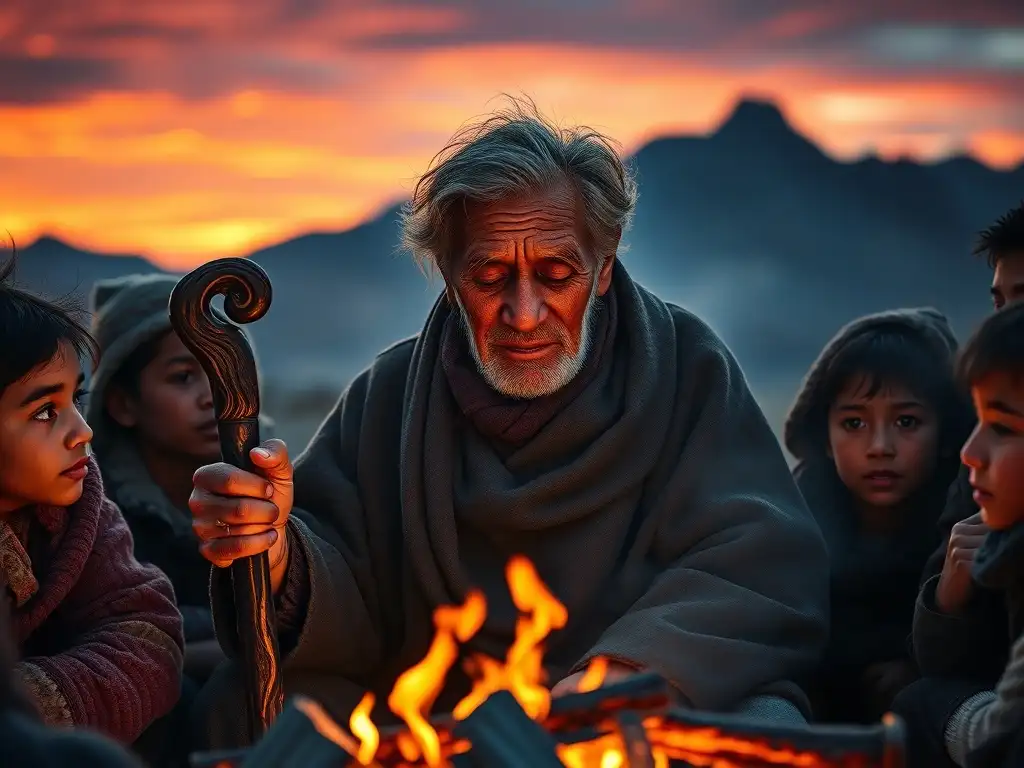
The Andean worldview deeply revered elders, recognizing their accumulated wisdom and connection to the spiritual realm as invaluable assets to the community. Their roles extended far beyond mere familial responsibilities; they served as crucial links between the living and the ancestors, shaping the spiritual fabric of Andean societies. This reverence is evident in archaeological findings, oral traditions, and anthropological studies, all pointing to the significant spiritual authority held by Andean elders.
Understanding their spiritual influence is key to comprehending the complexities of Andean social structures and the enduring impact of their traditions. The concept of ayni, reciprocal exchange, played a vital role, with elders often acting as mediators and custodians of this crucial social principle. Their knowledge guided community decisions, ensuring the balance of the social and spiritual worlds.
Elders as Spiritual Guides and Shamans
Andean elders often served as spiritual guides, mentors, and shamans within their communities. Their extensive knowledge of medicinal plants, rituals, and ancestral traditions made them essential figures in maintaining social harmony and spiritual well-being. They weren't simply repositories of information; they actively interpreted dreams, diagnosed illnesses using traditional methods, and performed healing ceremonies. Archaeological evidence suggests specialized tools and paraphernalia associated with shamanistic practices were often found in the graves of elderly individuals, highlighting their prominent role in the spiritual sphere.
This wasn't a position of power in the sense of political dominance, but rather a position of profound respect and influence, earned through years of experience and dedication to spiritual practices. The expertise of these elders was invaluable in navigating the complexities of the Andean worldview, where the physical and spiritual realms were inextricably linked. Their interpretations of natural events and omens heavily influenced community decisions.
Connecting with Ancestral Spirits: The Role of Andean Seniors
A pivotal aspect of the Andean elder's spiritual role was their ability to connect with ancestral spirits. This connection wasn't just a personal experience; it was a vital function within the community. Elders were often seen as intermediaries between the living and the deceased, capable of channeling ancestral wisdom and guidance.
This role was critical in maintaining continuity and cultural transmission across generations. Through rituals and ceremonies, they ensured the ancestors' continued influence and protection. The concept of pachamama (Mother Earth) also played a crucial role, with elders often acting as custodians of the land and its sacred sites, ensuring the continued well-being of both the community and the environment.
This deep connection with the ancestral world allowed them to provide invaluable insights and counsel, guiding the community through challenges and ensuring the preservation of their traditions. The preservation of ancestral knowledge was a core responsibility, and elders were the key figures in this process.
Rituals and Ceremonies Led by Elderly Members
Many Andean rituals and ceremonies were led by elderly members of the community. Their experience and knowledge of ancient traditions were indispensable in conducting these events correctly. These ceremonies, often involving offerings to the gods and ancestors, were crucial for maintaining social order, ensuring bountiful harvests, and protecting the community from harm.
The precise nature of these rituals varied across different Andean cultures, but the central role of elders remained consistent. For example, the capac hucha, a highly respected figure in Inca society, often held significant influence over religious matters. While not necessarily always the oldest person, the capac hucha typically held a position of great spiritual authority, demonstrating the importance placed on experience and spiritual understanding within the leadership structure.
These ceremonies were not merely symbolic; they were integral to the social and spiritual life of the Andean people, reinforcing community bonds and reaffirming their connection to the cosmos. The meticulous execution of these rituals, under the guidance of experienced elders, was vital to the overall well-being of the Andean communities. The intricate details and specific actions involved in these ceremonies are still being researched, highlighting the continued importance of studying these ancient practices.
Shifting Perspectives on the Elderly in Modern Andean Societies
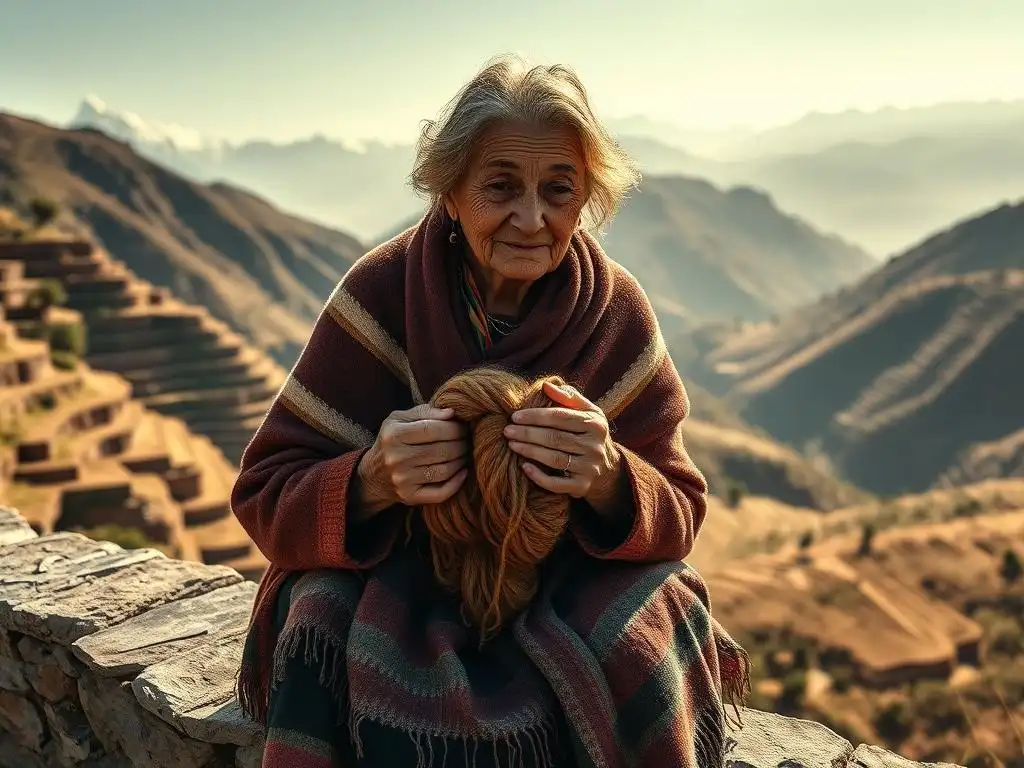
The traditional reverence for elders in Andean societies, deeply rooted in their intricate social structures and spiritual beliefs, is undergoing a significant transformation in the face of rapid modernization. While the wisdom and experience of older generations remain valued in many communities, the impact of globalization, urbanization, and economic shifts is reshaping the roles and responsibilities of Andean elders. This section explores the evolving perceptions of aging within Andean communities and analyzes the factors contributing to this complex shift.
Understanding these changes is crucial for preserving the invaluable cultural heritage associated with the respect for Andean elders, while simultaneously addressing the challenges they face in adapting to a rapidly changing world. The keyword phrase "Andean elder social roles" is central to this evolving narrative.
The Impact of Globalization on Traditional Andean Elder Roles
Globalization's influence on Andean elder social roles is multifaceted. The influx of Western ideas about aging, often emphasizing independence and individual achievement, contrasts sharply with the traditional Andean emphasis on communal living and intergenerational interdependence. This clash of values leads to a reassessment of the elder's position within the family and community.
For example, the increasing prevalence of nuclear families, driven by urbanization and economic migration, diminishes the traditional extended family structure where elders played central roles in childcare, knowledge transmission, and conflict resolution. Furthermore, the adoption of Western healthcare models, while offering advancements in geriatric care, can also inadvertently undermine traditional healing practices and the authority of elder healers within their communities. The shift towards a market-based economy further impacts Andean elder social roles.
Traditional forms of reciprocal labor and resource sharing, which often benefited elders, are being replaced by monetary transactions, potentially marginalizing those lacking economic resources. This economic vulnerability can lead to social isolation and a decline in their perceived societal value. The loss of traditional land ownership and access to resources also affects their economic independence and social standing, impacting their overall wellbeing and sense of purpose.
Challenges and Opportunities for Andean Senior Citizens
Andean senior citizens face a complex array of challenges in the 21st century. These include: access to adequate healthcare, especially in remote rural areas; economic insecurity and poverty; social isolation resulting from migration and changing family structures; and the erosion of traditional support systems. However, amidst these challenges, opportunities for positive change also exist. Initiatives focused on promoting intergenerational programs, which connect younger generations with the wisdom and skills of their elders, are gaining traction.
These programs can help counteract social isolation, preserve traditional knowledge, and foster a sense of community. Furthermore, efforts to integrate traditional Andean healing practices with modern healthcare systems could improve access to culturally appropriate care. Support programs that empower Andean elders economically, such as providing access to microfinance or skill-building initiatives, can promote their financial independence and enhance their social standing.
Moreover, recognizing and celebrating the contributions of Andean elders through cultural events and public recognition can help to reinforce their value within society. We need more specific data on the success rates of these initiatives to properly evaluate their impact. [Specific information pending on success rates of elder support programs]
Preserving the Value of Elders in Contemporary Andean Communities
Preserving the value of elders in contemporary Andean communities requires a multi-pronged approach. This involves fostering policies that support elder wellbeing, promoting intergenerational dialogue and knowledge sharing, and integrating traditional Andean values with modern social structures. The development of culturally sensitive elder care programs that respect traditional practices while incorporating modern healthcare advancements is crucial. This might include training healthcare professionals in traditional Andean healing techniques or establishing community-based elder care facilities that reflect Andean cultural values.
Furthermore, educational initiatives aimed at raising awareness among younger generations about the importance of respecting and valuing their elders are essential. Documenting and preserving traditional Andean knowledge held by elders through oral histories, storytelling, and other methods can safeguard this invaluable cultural legacy. The active involvement of Andean communities in shaping policies and programs that affect their elders is paramount to ensure that these initiatives are effective and culturally appropriate.
A collaborative approach, involving community leaders, policymakers, and researchers, is essential to navigate the complexities of preserving Andean elder social roles in a rapidly changing world. The continued reverence for Andean elders is not merely a matter of tradition; it is a cornerstone of cultural continuity and societal wellbeing. 🗺️
The study of Andean civilizations reveals a complex tapestry of social structures, with the roles of elders woven intricately into its very fabric. Understanding the profound influence of Andean elders requires moving beyond simplistic notions of age-based hierarchy and appreciating the nuanced ways in which their experience, wisdom, and spiritual authority shaped community life.
The concept of "Andean elder social roles" encompasses far more than simple deference; it speaks to a dynamic interplay of respect, responsibility, and reciprocal exchange that underpinned the stability and continuity of these societies. While the specifics varied across different Andean cultures – Incas, Moche, Nazca, and Tiahuanaco – a common thread emerges: the undeniable importance of elders in maintaining social cohesion and cultural transmission.
The Importance of Acknowledging the Contributions of Andean Elders
Acknowledging the contributions of Andean elders is crucial for a complete understanding of these remarkable civilizations. Their roles extended far beyond simple advisory positions. Elders often served as custodians of knowledge, transmitting vital information about agriculture, medicine, astronomy, and religious practices across generations.
This oral tradition, meticulously preserved and passed down, ensured the survival and evolution of Andean cultures. Their participation wasn't passive; they actively shaped the social, political, and spiritual landscape. The loss of this knowledge through colonial conquest and subsequent societal shifts represents an irreplaceable loss to our collective understanding of human history.
Modern anthropological research continues to uncover new facets of their influence, highlighting the need for further study and appreciation of their legacy. We need to move beyond superficial interpretations and dig deeper into the intricate social dynamics that placed elders at the heart of Andean societies. Understanding their contributions provides invaluable insight into the resilience and adaptive capacity of these ancient cultures.
The Spanish conquest irrevocably altered the social fabric of Andean societies, significantly impacting the roles and status of elders. The imposition of a new religious and political system deliberately undermined traditional authority structures. Indigenous elders, previously revered for their wisdom and spiritual guidance, were often marginalized, their knowledge dismissed as "pagan" or "superstitious."
This deliberate dismantling of established social hierarchies resulted in a profound cultural disruption, leading to a loss of traditional practices and a weakening of community bonds. The suppression of Andean languages and the imposition of Spanish further contributed to the erosion of elder authority, as the transmission of oral traditions was severely hampered.
The effects of this colonial disruption continue to resonate today, highlighting the long-lasting consequences of the suppression of indigenous knowledge systems and the marginalization of elder voices. Further research is needed to fully document the extent of this impact and to understand the long-term implications for Andean communities.
Re-evaluating Andean Elder Roles in Contemporary Society
Even today, the legacy of Andean elder social roles continues to shape contemporary Andean communities. While the formal structures of the past may have been altered, the underlying principles of respect for elders and the value of their experience remain significant. In many communities, elders still play vital roles in maintaining cultural traditions, providing guidance to younger generations, and preserving indigenous knowledge.
However, the challenges of modernization, globalization, and migration pose new threats to the continuity of these traditions. Understanding the historical context of Andean elder social roles is essential for supporting the ongoing efforts to preserve indigenous cultures and empower elder voices in contemporary Andean society. This requires acknowledging the enduring impact of colonialism while celebrating the resilience and adaptation of Andean communities in maintaining their cultural heritage.
The ongoing revitalization of traditional Andean practices, often led by elders, demonstrates the continuing relevance of their roles and the vitality of their contributions. This ongoing process requires support and recognition from both within and outside Andean communities.
Future research on "Andean elder social roles" should focus on several key areas. Firstly, a more comprehensive comparative analysis across different Andean cultures is needed, moving beyond broad generalizations and delving into the specific variations in elder roles within each society. Secondly, further investigation into the role of gender in shaping elder status and responsibilities is crucial.
The experiences of women elders, often overlooked in previous studies, require dedicated attention. Thirdly, interdisciplinary approaches, drawing on archaeology, anthropology, history, and linguistics, are essential to gain a holistic understanding of this complex topic. Finally, collaborations with Andean communities themselves are vital, ensuring that research is conducted ethically and respectfully, with the active participation of those whose heritage is being studied.
By embracing these directions, future research can contribute significantly to a more nuanced and complete understanding of the vital role elders played in shaping the rich tapestry of Andean civilizations. This commitment to inclusive and collaborative research will ensure the accurate and respectful representation of Andean heritage and the voices of its people.
Frequently Asked Questions
What were the primary roles of Andean elders?
Andean elders held positions of high prestige and authority. Their roles encompassed spiritual leadership, knowledge transmission, and political guidance, shaping community life significantly. They were often seen as vital links to the past.
How did Andean societies value their elderly?
Elderly individuals were deeply respected and revered for their accumulated wisdom and experience. Their opinions carried significant weight in decision-making processes, reflecting a strong emphasis on intergenerational respect and continuity.
Did the role of elders vary across different Andean cultures?
While the general respect for elders was consistent across Andean cultures, the specific roles varied somewhat. For example, the nature of spiritual leadership might differ between the Inca and the Moche, reflecting unique cultural beliefs and practices.
What impact did the elderly have on Andean technology and innovation?
Elders played a crucial role in preserving and transmitting traditional knowledge related to agriculture, construction, and craftsmanship. Their experience ensured the continuity of technological advancements and innovative practices across generations.
How did the Andean concept of elderhood differ from modern Western perspectives?
Andean cultures placed a much greater emphasis on the collective wisdom and experience of elders, integrating them fully into societal structures. This contrasts with modern Western societies which sometimes marginalize or overlook the contributions of older people.
Final Reflection: The Enduring Legacy of Andean Elders
The wisdom and experience of Andean elders, once the bedrock of thriving communities, remain crucial in navigating the complexities of a rapidly changing world. Their traditional knowledge systems, often overlooked in the face of modernization, hold invaluable lessons for sustainable development and cultural preservation. Ignoring this legacy is not only a disservice to these communities but also a missed opportunity for a more equitable and resilient future.
The influence of Andean elders extends far beyond familial structures; their roles as keepers of history, tradition, and ecological knowledge shape the very fabric of Andean society. Their contributions are woven into the intricate tapestry of community life, from agricultural practices to conflict resolution. The old people are the trees, the young people are the saplings; if you cut down the trees, the saplings will not grow.
This proverb encapsulates the vital intergenerational connection that sustains Andean culture, a connection that deserves our utmost respect and understanding.
Consider the profound impact of their knowledge on your own life. How can you actively support the preservation of their traditions and wisdom? Seek out opportunities to learn from these invaluable sources of knowledge, to listen to their stories, and to champion their continued participation in shaping a future that honors their legacy. Let us work together to ensure that the voices of Andean elders continue to resonate, enriching our world for generations to come.
Embrace the Wisdom: Engage with Andean Elderly Communities!
Thank you for exploring the profound role of elders in Andean social structures. Their wisdom and experience are invaluable assets that enrich communities and shape cultural practices. Now that you've gained insight into this vital aspect of Andean life, let's consider how you can engage further.
Deepen your connection and appreciation for Andean elders through these actions:
- Participate in local cultural programs to experience firsthand the rich stories and traditions passed down through generations. Immerse yourself in workshops and events celebrating Andean heritage.
- Volunteer your time with organizations that support elderly Andean populations. Your contribution will significantly impact the preservation of their invaluable legacies.
- Share this article with friends and on social media to raise awareness about the importance of elders in Andean societies.
We'd love to hear about your own experiences with elders in your community. Share your thoughts and stories in the comments below!