
The Impact of Environmental Factors on Social Stratification

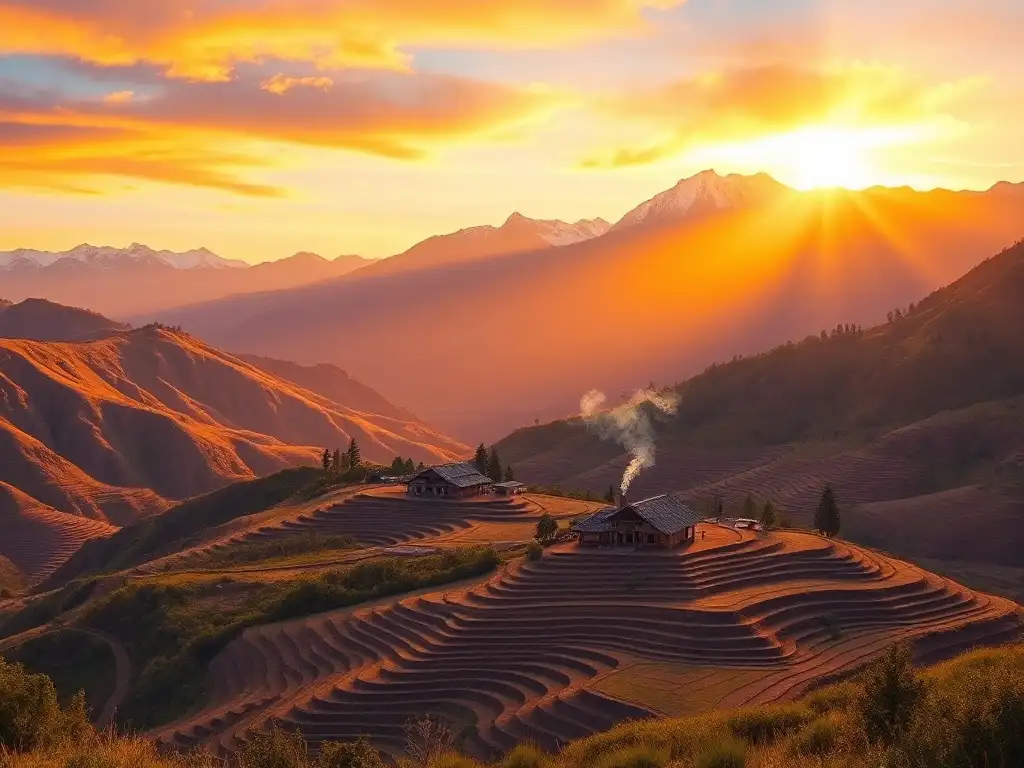
Step into a world lost to time, yet echoing with the whispers of empires. Imagine the breathtaking heights of the Andes, shaping not only landscapes but the very destinies of civilizations. From the intricate artistry of the Nazca lines to the sophisticated engineering of Machu Picchu, the story of the Andean civilizations is far more complex than you might imagine.
Discover how the environment profoundly impacted the social fabric of these ancient societies—uncover the surprising truth behind the Andean civilization environmental impact and its influence on social stratification. Dare to explore the intricate tapestry of power and adaptation woven into the very heart of the Andes.
-
The Impact of Environmental Factors on Social Stratification in Andean Civilizations
- Introduction: Andean Societies and their Interplay with the Environment
- The Andean Environment: A Diverse Landscape Shaping Social Hierarchies
- Environmental Challenges and Their Role in Social Differentiation
- Adaptation Strategies and Social Hierarchy
- The Role of Specific Environmental Zones in Shaping Social Organization
- Case Studies: Environmental Impacts on Andean Social Stratification
- Environmental Control and Social Power in Andean Civilizations
- Long-Term Consequences of Environmental Change on Andean Social Structures
- Conclusion: Understanding the Link Between Environment and Andean Social Stratification
-
Frequently Asked Questions
- How did the environment influence Andean civilization development?
- What role did agriculture play in shaping Andean societies?
- How did the Andes' diverse geography affect the different Andean cultures?
- What were some of the environmental challenges faced by Andean civilizations?
- Did the Andean civilizations have a significant environmental impact?
- Final Reflection: Echoes of the Andes: Environmental Legacy and Social Justice
- Unleash Change: Embrace Your Role in Social Equity!
The intricate tapestry of Andean civilizations, renowned for their sophisticated social structures and remarkable engineering feats, was profoundly shaped by the challenging yet diverse environment they inhabited. This article delves into the significant impact of environmental factors on the social stratification of Andean societies, exploring how geographical variations, resource availability, and climatic conditions influenced the power dynamics and hierarchical systems of groups like the Incas, Moche, Nazca, and Tiahuanaco. Understanding this complex interplay is crucial to appreciating the nuances of Andean social organization and the resilience of these remarkable cultures in the face of environmental adversity.
We will examine how the Andean civilization's environmental impact directly influenced and shaped their societal structures, revealing a fascinating connection between nature and social hierarchy. This exploration utilizes the keyword "Andean civilization environmental impact" and its semantic variations to provide a comprehensive overview of this critical aspect of Andean history.
Introduction: Andean Societies and their Interplay with the Environment
Andean societies, far from being isolated entities, actively engaged with their surroundings, developing ingenious agricultural techniques, sophisticated water management systems, and intricate social structures intricately linked to their environment. The high altitude, rugged terrain, and variable climates of the Andes presented significant challenges, demanding adaptability and innovation. These challenges, however, also fostered unique adaptations and social structures.
The availability of resources, such as fertile land, water sources, and minerals, directly impacted access to power and wealth, influencing the development of social hierarchies and the distribution of resources within these communities. The relationship between environment and society was dynamic and reciprocal – the environment shaped societal structures, and societal structures, in turn, impacted the environment. This intricate dance between human ingenuity and environmental constraints is the central theme of this discussion.
The Andes Mountains, stretching along the western coast of South America, present a remarkably diverse environment. This diversity, far from being a unifying factor, played a significant role in shaping the varied social structures observed across different Andean civilizations. The complex interplay of altitude, climate, and geography led to a mosaic of ecological niches, each supporting specific agricultural practices and lifestyles, impacting social organization and the distribution of power.
Geographical Diversity and its influence on Andean social organization
The dramatic variation in altitude within the Andes resulted in distinct ecological zones, each with its own unique flora and fauna. The verticality of the Andes—from coastal deserts to high-altitude puna grasslands—created a complex agricultural system involving diverse crops and herding practices. Societies adapted to these specific niches, developing specialized knowledge and techniques suited to their local environment.
This specialization, in turn, contributed to regional variations in social organization and the emergence of distinct social hierarchies. For example, communities residing in fertile valleys often possessed greater agricultural surpluses and, consequently, greater social complexity and stratification compared to those inhabiting less favorable environments. This led to the development of specialized labor, with some individuals dedicated to agriculture, others to craft production, and still others to religious or administrative roles.
Resource availability and its impact on social status
Access to crucial resources, such as fertile land, water, and minerals, was a primary determinant of social status in Andean societies. Control over irrigation systems, for instance, provided immense power, as it directly influenced agricultural productivity and the distribution of wealth. Similarly, access to valuable minerals like gold and silver contributed significantly to the wealth and power of certain groups.
The concentration of resources in specific locations led to the emergence of powerful elites who controlled these resources and used their control to maintain their social dominance. This unequal distribution of resources fueled social stratification and the development of complex hierarchical systems, with those controlling the most valuable resources occupying the highest positions in the social order. The unequal distribution of resources, dictated by the very geography of the Andes, solidified the existing social hierarchies, reinforcing the power of those already in privileged positions.
The Andean region, characterized by its diverse and challenging geography, profoundly shaped the social structures of its ancient civilizations. The interplay between environmental factors and social stratification is a complex one, with environmental challenges acting as both a catalyst for innovation and a source of social inequality. Understanding this dynamic is crucial to appreciating the nuances of Andean social organization.
The very survival of these societies hinged on their ability to adapt to, and manage, the often-unpredictable environment. This adaptation, in turn, had profound consequences for the distribution of power and resources, ultimately influencing the development of distinct social classes. The impact of the environment wasn't merely passive; it actively shaped the social landscape, fostering both cooperation and competition.
Climate variability and its impact on Andean social classes
Andean societies faced significant climate variability, ranging from periods of drought to intense rainfall and flooding. These fluctuations directly impacted agricultural productivity, the lifeblood of these civilizations. During periods of drought, crop failures were common, leading to food shortages and famine. This scarcity disproportionately affected the lower classes, who had limited access to stored resources or alternative food sources. Conversely, during periods of abundance, the elite classes often benefited the most, accumulating surplus agricultural products and reinforcing their social dominance. Archaeological evidence suggests that social unrest and even societal collapse were sometimes linked to prolonged periods of drought, highlighting the profound influence of climate on social stability. The ability to predict and manage these climatic variations, often through sophisticated astronomical observations and water management systems, became a key determinant of social power. Those who possessed this knowledge and the means to implement these systems often rose to positions of authority.
Natural Disasters and their effects on social structure
The Andes are a seismically active region, prone to earthquakes, landslides, and volcanic eruptions. These catastrophic events had devastating impacts on Andean societies, often leading to significant loss of life and widespread destruction of infrastructure and agricultural lands. The aftermath of such disasters frequently resulted in a reorganization of social structures. Elite classes, with access to greater resources and often better-constructed buildings, were often better positioned to survive and rebuild.
This disparity in resilience further cemented existing social hierarchies or created new ones based on access to resources and the ability to lead recovery efforts. The redistribution of land and resources following a natural disaster could also lead to shifts in power dynamics, with some groups gaining influence at the expense of others. This dynamic underscores how environmental forces could reshape social hierarchies in profound ways.
Resource scarcity and competition leading to social stratification
The uneven distribution of essential resources, such as fertile land, water, and minerals, contributed significantly to social stratification in Andean societies. Access to these resources was often a key determinant of social status and wealth. Control over irrigation systems, for example, could grant significant power to those who held it. Similarly, access to mineral deposits, used for crafting tools, ornaments, and weapons, could lead to the accumulation of wealth and influence for certain groups.
Competition for these scarce resources often led to conflict and warfare, further solidifying the dominance of powerful elites who could command resources and manpower. This competition also fueled innovation in resource management techniques and technologies, which in turn further reinforced existing social hierarchies or created new ones. The unequal distribution of resources was not merely a consequence of environmental factors; it was actively shaped and maintained through social and political structures.
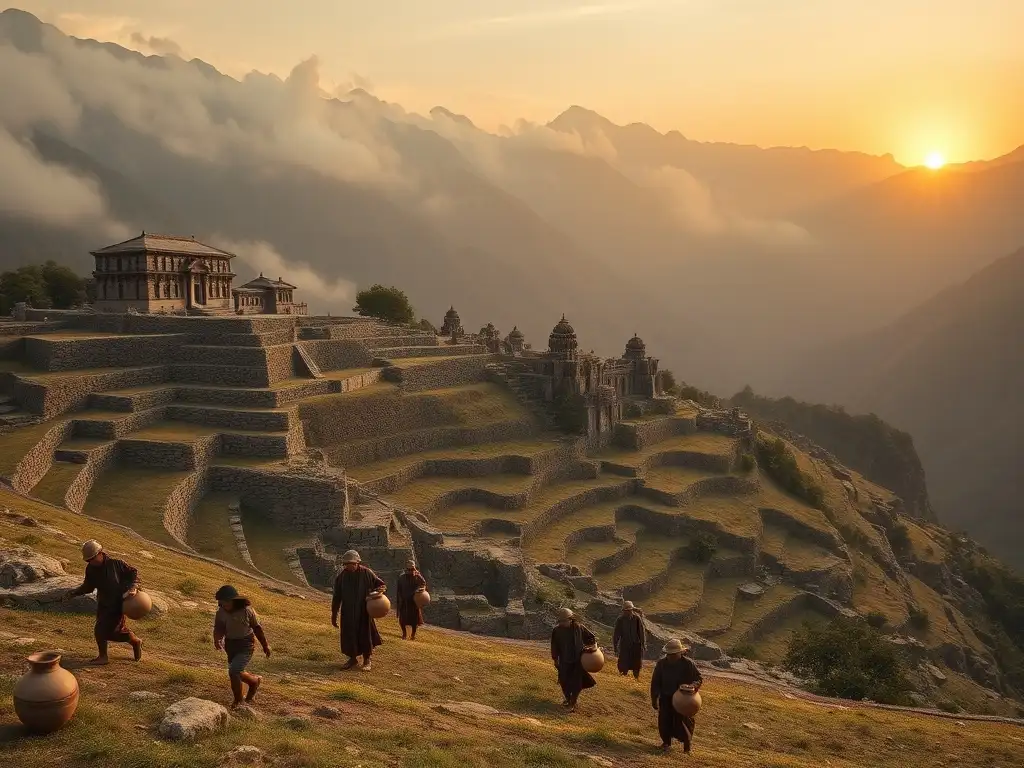
The remarkable resilience of Andean civilizations stemmed from their sophisticated adaptation strategies to environmental challenges. These strategies, however, were not equally accessible to all members of society, leading to a further reinforcement of existing social hierarchies or the creation of new ones. The unequal access to these adaptation strategies played a crucial role in shaping social stratification.
Agricultural innovations and their impact on social power
Andean civilizations developed remarkably innovative agricultural techniques to cope with the challenges of the mountainous terrain and variable climate. Terracing, irrigation systems, and the domestication of various crops were crucial adaptations that allowed for increased food production. However, the control and management of these agricultural innovations often rested with the elite classes, who could use the surplus food produced to consolidate their power and wealth.
The ability to organize large-scale agricultural projects, such as the construction of extensive irrigation systems, required significant social organization and leadership, further enhancing the status and power of the ruling classes. The control of land and agricultural resources, therefore, became a central element in the maintenance of social hierarchies.
Water management systems and the rise of elite classes
Access to water was critical for survival in the Andes. The development of sophisticated water management systems, including canals, aqueducts, and reservoirs, was essential for sustaining large populations. The construction and maintenance of these systems were complex undertakings, requiring considerable engineering expertise and social organization. Those who controlled these systems—often elite classes or religious leaders—gained significant social and political power.
Their ability to manage water resources allowed them to control agricultural production and thus influence the distribution of wealth and resources within the society. This control over a vital resource solidified their social standing and reinforced existing power structures. The construction and maintenance of such systems also required a considerable workforce, further highlighting the power dynamics inherent in this aspect of Andean life.
Technological advancements and their influence on social roles
Technological advancements in various fields, such as metallurgy, textiles, and pottery, also played a significant role in shaping social hierarchies. The production of high-quality metal tools, weapons, and ornaments often required specialized knowledge and skills, leading to the emergence of skilled artisans and metalworkers who held a relatively high social status. Similarly, the production of fine textiles and pottery was often associated with elite classes, who could afford to commission these goods and use them to display their wealth and status.
The control of key technologies, therefore, became a significant factor in determining social standing and power. The unequal distribution of these technologies further reinforced the existing social inequalities.
The diverse geography of the Andes Mountains profoundly influenced the social structures of its inhabitants. The dramatic variations in altitude, climate, and available resources led to distinct societal organizations across different ecological zones. Understanding these variations is crucial to grasping the complexities of Andean civilization environmental impact on social stratification. The differing challenges and opportunities presented by each environment shaped the development of unique social hierarchies, economic systems, and political structures. This section will explore how the coastal, highland, and Amazonian regions each fostered distinct societal formations.
Coastal Andean societies and their unique social structures
Coastal Andean societies, such as the Moche and Chimú, thrived in a relatively narrow strip of land between the Pacific Ocean and the Andes. Their social organization was heavily influenced by the availability of marine resources and fertile river valleys. Access to these resources, often controlled by powerful elites, formed the basis of social stratification. Fishing communities, skilled artisans producing ceramics and textiles, and agricultural specialists formed distinct social layers.
The concentration of resources in certain areas, coupled with the need for irrigation systems, fostered centralized political power and a hierarchical social structure with a clear distinction between ruling classes and commoners. Control over irrigation canals and access to fertile land were key factors determining social status. Coastal societies often exhibited complex religious beliefs, with rulers often seen as intermediaries between the human and divine realms, strengthening their authority and social standing.
Highland Andean communities and their distinctive social hierarchies
Highland Andean communities faced different environmental challenges compared to their coastal counterparts. The high altitude, rugged terrain, and unpredictable climate presented significant obstacles to agriculture and settlement. Social organization in these regions often centered around access to arable land, water resources, and pastoral resources like llamas and alpacas. Terracing techniques, crucial for agriculture in steep slopes, required considerable labor and coordination, potentially leading to more complex social structures with specialized roles in agriculture and construction.
The scarcity of resources in the highlands often resulted in smaller, more localized settlements compared to the larger urban centers found along the coast. However, the control of vital resources like water and fertile land still led to social stratification, though perhaps less pronounced than in the coastal regions. Inter-community relations were often shaped by competition for scarce resources and access to trade routes.
Amazonian Andean groups and their differing social organizations
The Amazonian region, while part of the wider Andean world, presented a vastly different environment characterized by dense rainforest, abundant biodiversity, and a more dispersed population. The social organizations of the Amazonian Andean groups differed significantly from those of the coastal and highland societies. Their social structures were often less hierarchical and more egalitarian, reflecting the relative abundance of resources and the limited need for large-scale centralized control.
Subsistence strategies centered around horticulture, hunting, and fishing, with less reliance on intensive agriculture. While some level of social differentiation likely existed based on factors such as hunting prowess or shamanistic abilities, the overall social structure was likely less stratified than in the coastal or highland regions.
The dispersed nature of settlements and the relative ease of accessing resources may have limited the development of strong centralized power structures. The interaction between different Amazonian groups and their social organization remain an area of ongoing research with many aspects still to be fully understood.
Examining specific civilizations highlights the complex interplay between environmental factors and social stratification within Andean societies. The following case studies illustrate how adaptations to different environments shaped social hierarchies and power dynamics.
The Moche civilization and their adaptation to the arid coast
The Moche civilization (c. 100-800 CE) flourished along the arid north coast of Peru. Their remarkable engineering skills, evident in their sophisticated irrigation systems, allowed them to cultivate crops in a harsh environment. Control over these vital water resources was a cornerstone of their social stratification. The Moche elite, often depicted in elaborate ceramics and monumental architecture, controlled access to both water and fertile land, demonstrating their power and authority.
Their society was highly stratified, with a clear distinction between rulers, priests, warriors, artisans, and farmers. The Moche's success in adapting to their challenging environment was directly linked to their ability to manage resources effectively, which in turn reinforced their hierarchical social structure. Their sophisticated irrigation systems, religious beliefs, and artistic expressions all reflect the intricate relationship between their environment and social organization.
The Inca Empire and their mastery of diverse ecological zones
The Inca Empire (c. 1438-1533 CE) demonstrated an exceptional ability to manage a vast and diverse territory encompassing a wide range of ecological zones. Their mastery of verticality, with its sophisticated systems of resource management and redistribution, played a crucial role in shaping their social organization. The Inca state controlled resources across different altitudes, facilitating the exchange of goods and services between various ecological zones.
This system, known as vertical archipelago, allowed for a more integrated economy and arguably lessened stark social inequalities compared to other Andean civilizations. However, the Inca state itself formed a powerful elite at the apex of the social hierarchy, controlling access to resources and labor.
Their extensive road network, administrative system, and the mita labor system all contributed to the maintenance of their vast empire and its complex social structure. Despite the efforts at integration, social stratification remained a significant feature of Inca society, albeit one shaped by the unique challenges and opportunities presented by their diverse environment.
The Tiahuanaco civilization and their strategies for high altitude living
The Tiahuanaco civilization (c. 500-1000 CE) thrived in the challenging high-altitude environment of the Altiplano region of the Andes. Their adaptation to this harsh environment involved sophisticated agricultural techniques, such as raised fields and terracing, to maximize crop yields. The control over these vital agricultural resources, along with the management of water resources crucial for survival at such altitudes, likely played a key role in shaping their social stratification. Monumental architecture and evidence of a complex religious system suggest a highly organized society with a powerful elite. The challenges of survival at high altitude likely led to a strong sense of community and cooperation, but also to a hierarchical structure that ensured the efficient allocation of resources and labor. The Tiahuanaco’s ability to successfully cultivate crops in such an extreme environment underscores their impressive technological and organizational skills, and the ways in which their environmental adaptation influenced their social hierarchy.
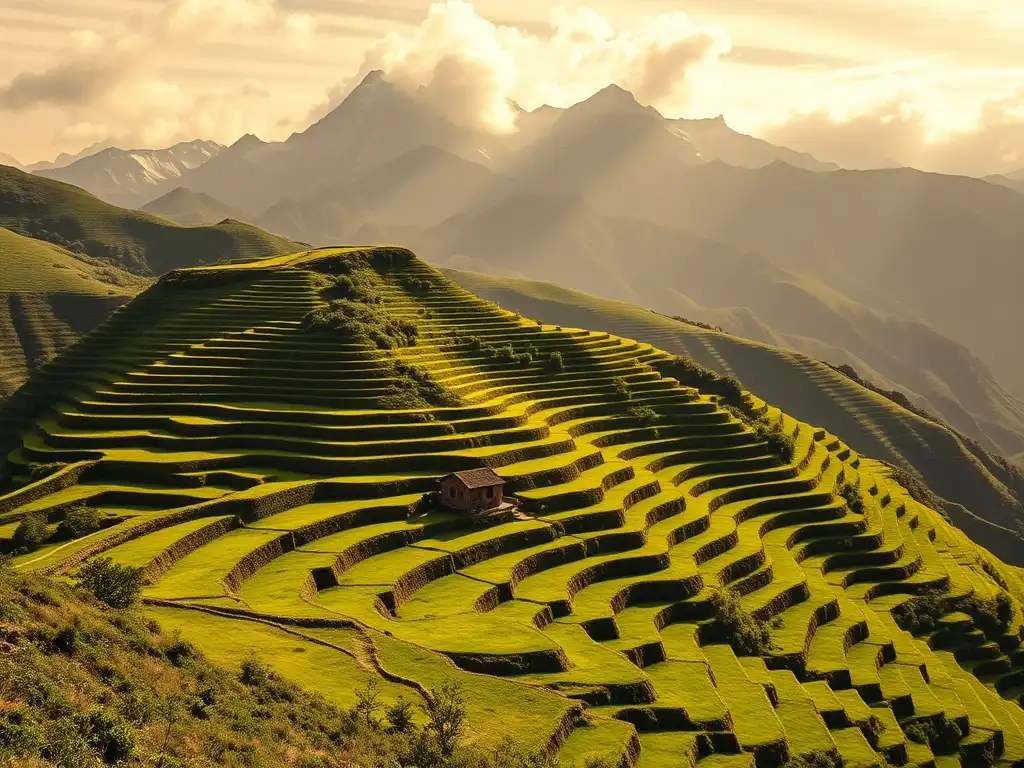
The ability to control and manage environmental resources played a crucial role in shaping social stratification within Andean civilizations. Access to fertile land, water sources, and other essential resources directly influenced an individual's or group's social standing. Control over irrigation systems, for instance, was a significant source of power, allowing elites to direct water flow to benefit their own lands and those of their supporters, while potentially limiting access for others.
This control wasn't merely logistical; it was deeply intertwined with religious and ideological beliefs, solidifying the power of those who managed these vital resources. The construction and maintenance of extensive irrigation networks, terraces, and storage facilities required significant organization and labor, further emphasizing the power of those who could mobilize and direct such efforts.
This control over resources translated directly into political and economic power, reinforcing existing social hierarchies and creating new ones. The unequal distribution of resources wasn't simply a matter of scarcity; it was actively managed and manipulated to maintain social control.
Rituals and ceremonies related to environmental cycles
Andean civilizations developed intricate rituals and ceremonies intimately connected to environmental cycles. These practices weren't merely superstitious; they were integral to their understanding of the world and their relationship with the environment. For example, the Inca's Capac Raymi, a major festival celebrating the sun and the harvest, demonstrates the deep connection between religious observance and agricultural productivity.
The success of the harvest was directly linked to the favor of the gods, and the elite's role in performing these rituals solidified their position as intermediaries between the divine and the people. Similarly, the Moche civilization's elaborate ceremonies related to rain and fertility underscore the importance of water management and agricultural success in their social structures. These rituals reinforced the authority of religious leaders and rulers, who were often seen as responsible for ensuring the continued prosperity of the community through their interactions with the supernatural realm.
The meticulous observation of environmental phenomena and the performance of specific rituals to ensure good harvests were crucial aspects of maintaining social order and stability. The failure of these rituals or an environmental disaster could have significant social consequences.
The role of religious leaders in managing resources
Religious leaders in Andean societies often held significant power in managing resources. Their knowledge of environmental cycles, agricultural practices, and astronomical events made them essential figures in maintaining societal stability. They interpreted signs from nature, advised on planting and harvesting schedules, and conducted rituals aimed at ensuring abundant resources.
This expertise translated into significant political influence. For example, in the Inca Empire, the curacas (local leaders) often held both religious and political authority, controlling land distribution and resource allocation within their territories. Their religious authority legitimized their power, allowing them to maintain social order and control access to resources.
The close relationship between religious practices and resource management was a key factor in shaping social hierarchies and maintaining the power of the elite. The religious leaders’ ability to predict and respond to environmental changes contributed to their influence and status within the society. This influence was not simply based on faith; it was also rooted in their practical knowledge and ability to manage resources effectively.
Land ownership and its connection to social status
Land ownership was directly tied to social status in Andean civilizations. Access to fertile land, essential for agriculture, determined an individual's economic prosperity and social standing. Elite members of society typically controlled vast tracts of land, which they used for their own benefit and to support their dependents.
This ownership wasn't merely a matter of possession; it conferred political and social power. The control of land allowed elites to command labor, extract tribute, and maintain their dominance within the social structure. The Inca system of ayllu, a communal landholding system, while seemingly egalitarian, still reflected a hierarchical structure, with certain families or lineages holding more power and control over resources than others.
The distribution of land and its associated resources was a key mechanism for maintaining social stratification, reinforcing the power of the elite and shaping the lives of the common people. The unequal distribution of land was a foundational element of the social hierarchies within these civilizations.
Environmental change had profound and long-lasting consequences for the social structures of Andean civilizations. Fluctuations in climate, droughts, and other environmental challenges often led to social instability, conflict, and even the collapse of entire societies. Understanding these consequences requires examining the interplay between environmental pressures and societal responses. The impact wasn't simply a matter of resource scarcity; it also affected social cohesion, political power structures, and the very fabric of Andean societies.
Environmental degradation and its impact on social stability
Environmental degradation, often caused by unsustainable agricultural practices or deforestation, contributed significantly to social instability in Andean societies. Overexploitation of resources, particularly water and fertile land, led to resource scarcity, conflict over access, and economic hardship. This scarcity could trigger social unrest, migration, and even warfare between different groups competing for dwindling resources.
The consequences extended beyond immediate resource shortages; they undermined the social fabric, leading to decreased agricultural productivity, food shortages, and increased vulnerability to diseases. This, in turn, could exacerbate existing social inequalities and lead to the disintegration of social structures. The environmental degradation wasn't a separate issue; it was deeply intertwined with social and political dynamics.
The collapse of Andean societies and environmental factors
While the exact causes of the collapse of various Andean societies are complex and debated, environmental factors often played a significant role. For example, prolonged droughts or changes in rainfall patterns could have severely impacted agricultural productivity, leading to widespread famine and social unrest. These environmental stresses could weaken existing political structures, making them more vulnerable to internal conflicts or external invasions.
The collapse wasn't a sudden event; it was often a gradual process driven by a combination of factors, including environmental pressures, internal conflicts, and external threats. The interplay between these factors made the Andean societies susceptible to collapse, highlighting the crucial role of environmental stability in maintaining social order. Research continues to uncover the specific environmental factors involved in these societal collapses, emphasizing the intricate relationship between environment and society.
The legacy of environmental management in contemporary Andean societies
The legacy of environmental management in Andean civilizations continues to influence contemporary Andean societies. Traditional agricultural practices, water management techniques, and resource conservation strategies developed by ancient Andean cultures are still relevant today. The knowledge and practices passed down through generations provide valuable lessons for sustainable development and resource management in the face of modern challenges such as climate change.
Understanding the successes and failures of past environmental management strategies can inform contemporary approaches to resource conservation and sustainable development in the Andes. The legacy of these civilizations serves as a valuable reminder of the importance of understanding and respecting the environment, recognizing the interconnectedness of human societies and the natural world. Their long-term perspective on environmental stewardship offers valuable insights for a sustainable future.
The intricate relationship between environmental factors and social stratification in Andean civilizations reveals a complex tapestry woven from necessity and ingenuity. The availability of resources, the challenges posed by the diverse Andean landscape, and the innovative solutions developed by these societies profoundly shaped their social hierarchies. From the fertile valleys where agricultural surpluses fueled powerful elites to the harsh, high-altitude regions where survival itself demanded communal cooperation, the environment acted as both a constraint and a catalyst for social organization.
Understanding this dynamic interplay is crucial for a nuanced appreciation of Andean history. It moves beyond simple narratives of conquest and dominance, highlighting the adaptive strategies and resource management techniques that underpinned social structures. The control and distribution of vital resources like water, fertile land, and minerals directly correlated with power and social standing. This wasn't merely a matter of economic control; it represented access to the very means of survival and prosperity, solidifying the position of elites and influencing the social mobility (or lack thereof) within Andean societies.
Further research into specific case studies, incorporating detailed climatological data and archaeological evidence, can further illuminate these connections. For instance, analyzing the impact of El Niño events on agricultural production and its subsequent effect on social stability in different Andean communities would provide valuable insights. Similarly, investigating the technological innovations related to water management and irrigation systems in different regions offers a deeper understanding of how environmental constraints fostered both social cooperation and competition for resources.
Ultimately, acknowledging the environmental context is key to unlocking a more complete and accurate understanding of the social complexities of Andean civilizations. The "Andean civilization environmental impact" was not merely passive; it was a fundamental force shaping the very fabric of their societies. It was a dynamic, ever-evolving relationship, and recognizing this is essential for a truly comprehensive perspective.
Frequently Asked Questions
How did the environment influence Andean civilization development?
The environment heavily influenced Andean civilizations. Access to water resources, fertile land, and altitude dictated settlement patterns, agricultural practices, and social structures. Resource availability directly impacted power and wealth distribution.
What role did agriculture play in shaping Andean societies?
Agriculture was fundamental to Andean societies. The development of sophisticated irrigation systems and the cultivation of diverse crops like potatoes and maize supported large populations and complex social hierarchies. Agricultural success was directly linked to social status and power.
How did the Andes' diverse geography affect the different Andean cultures?
The Andes' varied geography led to the development of distinct regional cultures. High-altitude adaptations differed significantly from those in coastal or jungle regions, resulting in unique technologies, social structures, and belief systems. Environmental constraints shaped cultural diversity.
What were some of the environmental challenges faced by Andean civilizations?
Andean civilizations faced challenges like droughts, earthquakes, and limited arable land. They developed innovative solutions such as sophisticated irrigation systems and terracing to overcome these challenges. Climate variability significantly impacted their survival and prosperity.
Did the Andean civilizations have a significant environmental impact?
Yes, Andean civilizations had a substantial environmental impact. Extensive agriculture, mining, and deforestation altered landscapes. However, their impact was often localized and, in some cases, they also implemented sustainable practices like terracing that helped conserve the environment.
The intricate relationship between environmental factors and social stratification, so vividly illustrated in the context of Andean civilizations, continues to resonate powerfully in our modern world. The challenges faced by ancient Andean societies – adapting to volatile climates, managing scarce resources, and navigating the consequences of environmental change – serve as a stark warning and a compelling case study for understanding the enduring link between environmental stability and societal equity. The fragility of even the most advanced societies in the face of ecological pressures remains a potent truth.
The legacy of the Andean civilizations' struggle with environmental limitations profoundly shapes our understanding of social justice today. Their experiences highlight the inherent inequalities that arise when access to resources is unevenly distributed, a dynamic that continues to fuel conflict and disparity across the globe. The earth provides enough to satisfy every man's needs but not every man's greed,
a quote often attributed to Mahatma Gandhi, perfectly encapsulates the core issue at play. Understanding the historical context of this struggle, as seen in the Andes, provides crucial insight into the complexities of modern environmental and social challenges.
Consider the impact of climate change, resource depletion, and environmental degradation on vulnerable communities worldwide. Reflect on the parallels between the challenges faced by ancient Andean societies and the struggles of marginalized populations today. You, the reader, hold the power to become an agent of change. By understanding the historical connections between environment and social justice, you can contribute to creating a more equitable and sustainable future for all. Let the echoes of the Andes inspire you to act, to advocate, and to build a world where environmental sustainability and social justice are inextricably linked.
Thank you for exploring the significant impact of environmental factors on social inequality. Understanding these complex dynamics is crucial for addressing societal challenges effectively. Now, let's translate that understanding into meaningful action.
Here are some ways you can make a difference:
- Engage with your community: Participate in local environmental initiatives or volunteer with organizations promoting sustainable practices in your area. This could involve attending town hall meetings, joining a neighborhood cleanup, or supporting local environmental advocacy groups.
- Spread the word: Share this information with friends, family, and colleagues to spark conversations about environmental equity and social justice. Consider posting relevant articles or resources on social media.
- Expand your knowledge: Continue learning about the interconnectedness of environmental issues and social structures. Explore reputable online resources, read books and articles by leading experts, or join relevant online forums and communities.
Consider how you can champion a more equitable society, mindful of the environmental consequences of our actions. Share your thoughts and ideas in the comments below!