
The Social Consequences of Conquest: Changes in Andean Hierarchies

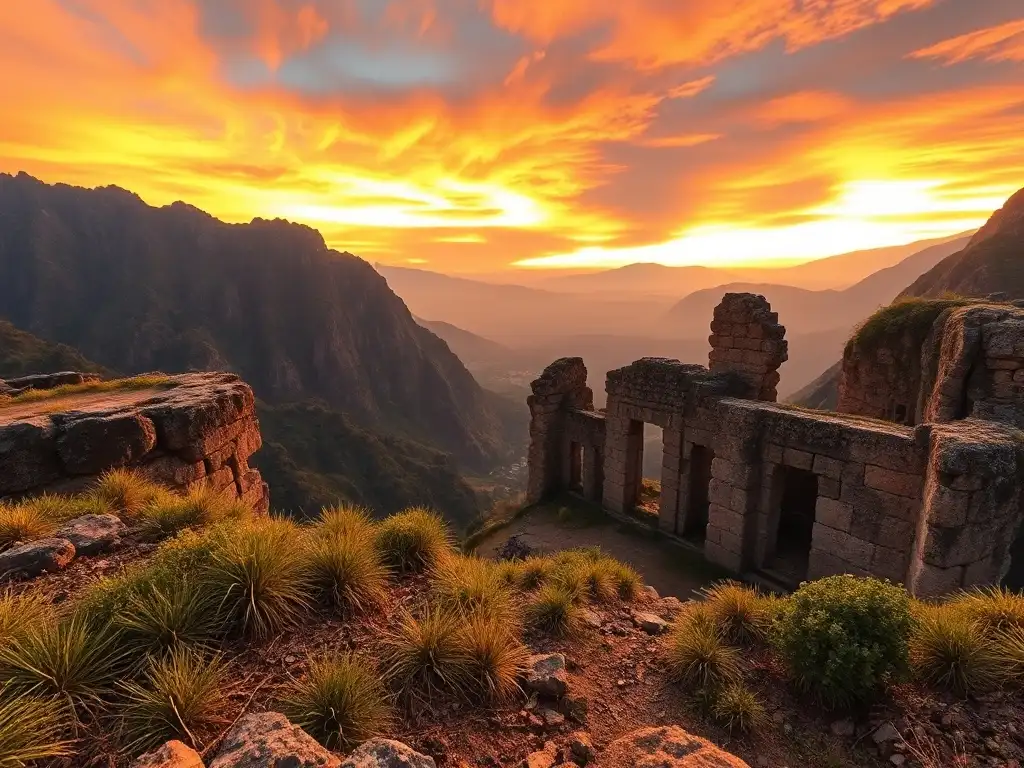
Uncover the secrets of a world lost to time, a world sculpted by towering mountains and vibrant cultures. Journey with us into the heart of the Andes, where empires rose and fell, leaving behind a legacy of breathtaking artistry and complex social structures. But what truly shaped the Andean civilizations social hierarchy? Explore the dramatic shifts in power and influence, and discover how conquest irrevocably altered the social fabric of these remarkable societies. Prepare to be amazed by the intricate details of their rise and fall—their story awaits.
The Spanish conquest of the Andes in the 16th century irrevocably altered the social fabric of the region, leaving an enduring legacy on the power structures and social hierarchies that had existed for millennia. This article explores the profound transformations in Andean social organization following the arrival of the Europeans, examining the pre-Columbian systems and comparing them to the drastically altered hierarchies imposed by the colonial regime.
We will delve into the complexities of pre-Inca societies, highlighting the diverse models of social stratification present across different Andean cultures, and analyze how the conquest resulted in the dismantling of existing power structures and the imposition of a new, exploitative system. Understanding these changes is crucial to comprehending the enduring social and economic disparities present in the Andean region today, and to fully appreciating the rich and complex history of Andean civilizations.
This analysis will focus on the impact on the social hierarchy, using the keyword "Andean civilizations social hierarchy" to highlight the central theme.
Introduction: Andean Civilizations Before Conquest
Before the arrival of the Spanish, the Andes were home to a diverse array of sophisticated cultures, each with its own unique social organization. While generalizations are risky given the vast geographical expanse and the diversity of Andean societies, common threads existed. Most Andean civilizations were characterized by a hierarchical structure, with varying degrees of centralization and complexity depending on factors like geographical location, agricultural productivity, and technological advancements.
The Inca Empire, while the most well-known, represented only the culmination of centuries of development built upon the foundations laid by preceding cultures such as the Moche, Nazca, and Tiahuanaco. These earlier civilizations developed intricate social systems, often characterized by a stratified society with distinct classes and roles, including elites, priests, artisans, farmers, and laborers. The nature and rigidity of these hierarchies, however, differed significantly across different groups and time periods.
Understanding the pre-Columbian Andean social structure requires acknowledging its remarkable complexity and diversity. It wasn't a monolithic system but rather a tapestry woven from various threads of cultural practices and political organizations. The Inca Empire, for instance, while possessing a highly centralized and stratified system, was built upon and adapted existing structures from the many conquered societies. The intricate web of relationships, obligations, and privileges that constituted Andean social life were deeply intertwined with religious beliefs, kinship ties, and economic production.
The Complexity of Pre-Inca Societies
Pre-Inca societies like the Moche and Nazca, while lacking the imperial reach of the Inca, developed sophisticated social hierarchies reflected in their monumental architecture, elaborate burial practices, and complex iconography. Evidence suggests a tiered system with a ruling elite controlling resources and religious authority, supported by a network of specialists, artisans, and agricultural workers. The degree of social mobility within these societies remains a topic of ongoing research, with some evidence suggesting a degree of fluidity, while other interpretations point to a more rigid system of inherited status.
Archaeological findings continue to shed light on the nuances of these pre-Inca social structures, revealing intricate details about their governance, religious practices, and economic systems. The social structure was closely tied to the agricultural cycle and the management of water resources. For example, [specific information pending] demonstrates the importance of irrigation systems in maintaining social order.
Diverse Hierarchical Models in the Andes
The Andes were not a single homogenous entity. Different regions boasted unique social and political structures. The Tiahuanaco culture, for instance, exhibited a different model compared to the coastal societies. While the precise nature of their social organization is still being debated among scholars, evidence suggests a powerful centralized authority managing a vast network of settlements and resources.
The diversity of Andean societies highlights the limitations of applying a single model to understand the complexities of their social organization. The variations in environment, resources, and technological developments resulted in a range of social structures, all contributing to the rich tapestry of Andean civilizations. The arrival of the Inca Empire, with its relatively uniform administrative system, ultimately led to a degree of standardization, but it also incorporated and adapted many of the existing local customs and hierarchies.
The Inca system, however, was still far from universally uniform across its vast territory. The process of integration was gradual and uneven, and local variations persisted even under Inca rule. This diversity is crucial to consider when examining the impact of the Spanish conquest.
The Inca expansion, while undeniably impressive in its scale and efficiency, profoundly reshaped the social fabric of the Andean region. Prior to the Inca's rise, numerous independent and diverse ethnic groups existed, each with its own unique social structure and hierarchy. The Inca, through a combination of military conquest and shrewd political maneuvering, systematically integrated these disparate societies into their vast empire.
This process wasn't simply a matter of imposing Inca rule; it involved a complex interplay of assimilation, resistance, and adaptation. The Inca state's success relied heavily on its ability to co-opt existing power structures while simultaneously establishing a unified, albeit stratified, system of governance. This created both opportunities and challenges for the conquered populations, leading to significant social shifts and transformations.
The impact varied considerably depending on the specific region and the pre-existing social structures of the conquered groups. Some groups were more readily integrated than others, and some maintained a degree of autonomy despite being officially under Inca rule. The degree of social disruption and transformation varied significantly across the empire.
Imposition of Inca Hierarchy
The Inca imposed a rigidly hierarchical system onto the conquered populations. At the apex stood the Sapa Inca, the divine emperor, followed by a complex network of nobles, officials, and priests. This system was drastically different from the social structures of many pre-Inca Andean societies, some of which featured less centralized forms of authority.
The Inca implemented a system of mita, a form of mandatory labor service, which required individuals to contribute to public works projects, such as the construction of roads and temples. This system, while providing crucial labor for the empire, also served to reinforce Inca authority and control over the conquered populations. Resistance to the mita system was undoubtedly present, but the Inca's well-organized military and efficient administrative apparatus largely suppressed such uprisings.
Furthermore, the Inca implemented a system of resettlement, moving populations to new locations to consolidate their control and facilitate the integration of different ethnic groups. This policy also had significant social consequences, disrupting existing social networks and kinship ties.
Integration of Local Elites into the Inca System
While the Inca certainly imposed their hierarchical structure, they also strategically integrated local elites into their system. This was a key element of their success in maintaining control over such a vast and diverse empire. By incorporating local leaders into the Inca administrative apparatus, the Inca reduced resistance and ensured smoother governance.
This process involved granting titles, privileges, and responsibilities to local chiefs and nobles, effectively co-opting their authority and loyalty. However, this integration was often conditional, and local elites were expected to demonstrate their allegiance to the Inca emperor. The Inca system created a new elite class composed of both Inca nobles and assimilated local leaders.
This new elite often held significant power and influence within their respective regions. The balance of power between the Inca-appointed officials and the local elites varied depending on the specific context, leading to a complex and dynamic interplay of power within the empire. This carefully managed integration was crucial to the stability and longevity of the Inca Empire.
The Spanish Conquest of the Inca Empire marked a catastrophic turning point in Andean social history. The arrival of the Spanish in the 16th century brought not only political and economic upheaval but also a complete restructuring of the Andean social order. The Inca system, already facing internal challenges, was utterly shattered by the Spanish conquest.
The Spanish, driven by their own hierarchical structure and their desire for wealth and power, systematically dismantled the existing social hierarchies, leading to widespread social disruption, displacement, and suffering. The consequences of the conquest were far-reaching and continue to resonate in Andean societies today. The sheer brutality of the conquest resulted in a massive loss of life and the destruction of traditional ways of life.
Disruption of Traditional Andean Social Classes
The Spanish conquest dramatically disrupted the traditional Andean social classes. The established Inca hierarchy was overthrown, and the existing power structures were replaced by a new colonial system. The indigenous population, once organized into relatively stable social groups, faced widespread displacement, forced labor, and the erosion of their traditional social roles. The Inca nobility were largely eliminated or marginalized, and their power and influence were replaced by the Spanish colonial elite.
The mita system, although adapted and intensified by the Spanish, no longer served to uphold Inca authority but instead became a tool for extracting labor for the benefit of the Spanish crown. This led to extreme exploitation of the indigenous population and further disruption of their social structures. The consequences of this disruption were devastating, leading to a decline in population, the loss of traditional knowledge and practices, and the imposition of a new, oppressive social order.
The Introduction of Colonial Hierarchy
The Spanish conquest introduced a new colonial hierarchy to the Andes. At the apex of this system were the Spanish peninsulares, those born in Spain, followed by the creoles (Spaniards born in the Americas), mestizos (mixed Spanish and Indigenous ancestry), and finally the indigenous population at the bottom. This rigid racial hierarchy determined access to land, wealth, power, and social status.
This system of racial categorization, based on the casta system, was deeply ingrained in the colonial society and had profound and lasting effects on Andean social structures. The imposition of this new hierarchy led to further marginalization and exploitation of the indigenous population, who were stripped of their land, their resources, and their traditional social standing.
The legacy of this colonial hierarchy continues to shape social relations in the Andes even today, highlighting the lasting impact of the Spanish conquest on Andean social organization. The creation of this new social hierarchy was accompanied by a systematic effort to suppress indigenous cultures and languages.
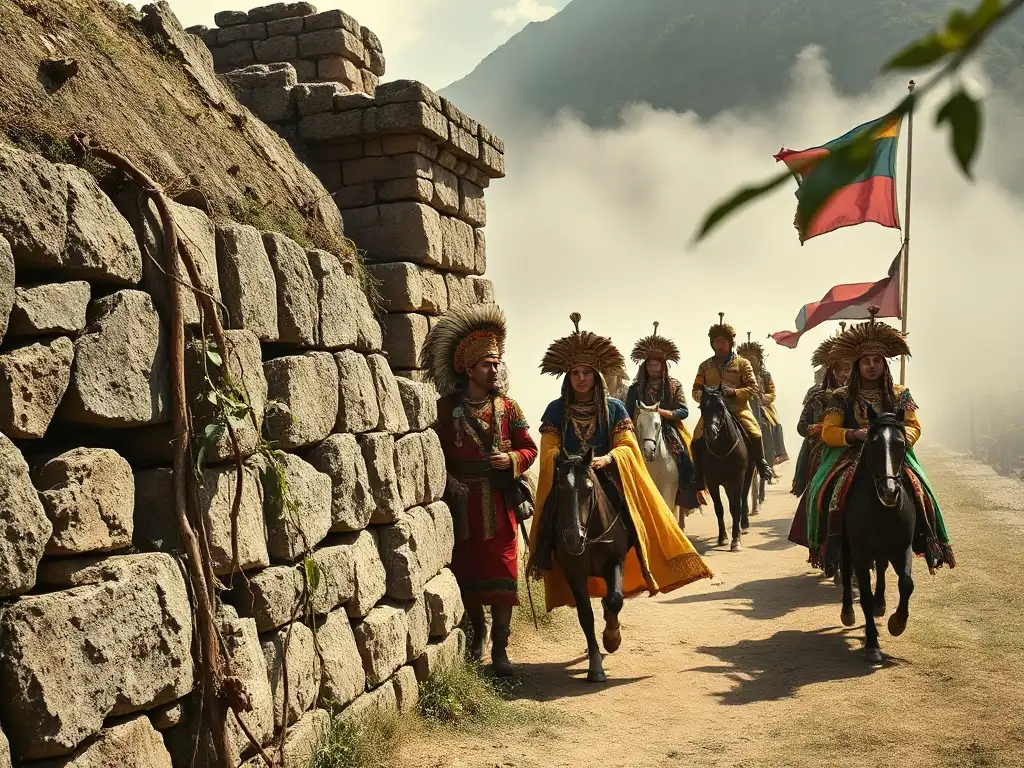
The Spanish conquest drastically altered the pre-existing social hierarchies of the Andean civilizations. Before the arrival of the Europeans, complex social structures, varying across different cultures like the Inca, Moche, and Nazca, were characterized by a stratified system based on kinship, religious authority, and military prowess. Elite classes, often linked to divine lineage or military achievement, controlled resources and wielded significant power.
Commoners, while subject to the authority of the elites, often enjoyed a degree of autonomy within their communities and possessed access to resources based on communal systems. This relatively stable, albeit stratified, system was fundamentally disrupted by the Spanish conquest. The introduction of European concepts of governance, land ownership, and social stratification fundamentally reshaped the social landscape.
The Inca Empire, for example, with its sophisticated bureaucracy and clearly defined social classes, was replaced by a new hierarchical structure that prioritized the Spanish colonizers. This shift led to the displacement of traditional Andean elites and the creation of new power structures based on Spanish colonial rule.
The Role of the Encomienda System
The encomienda system played a crucial role in transforming Andean social hierarchy. This system, implemented by the Spanish Crown, granted conquistadors control over indigenous populations and their labor. In theory, encomenderos were responsible for the spiritual and material well-being of their assigned indigenous communities; in practice, however, the system quickly became a tool for exploitation.
Indigenous people were forced to work in mines, on farms (haciendas), and in other labor-intensive activities under brutal conditions. This system effectively stripped indigenous communities of their autonomy and resources, while enriching the Spanish elite. The encomienda system not only destroyed existing power structures but also created a new class of wealthy landowners based on the exploitation of indigenous labor.
The system's inherent inequalities further exacerbated the existing social divisions, creating a vast chasm between the Spanish elite and the subjugated indigenous population. While officially abolished in the 18th century, its legacy continued to influence social relations and land ownership patterns in the Andean region for centuries.
The Emergence of Mestizo and Criollo Classes
The Spanish conquest also led to the emergence of new social groups, namely the mestizos and criollos. Mestizos were the offspring of Spanish men and indigenous women. Their social standing varied significantly depending on factors such as the wealth and status of their Spanish fathers and the degree of their indigenous ancestry.
Some mestizos managed to accumulate wealth and influence, while others remained marginalized. Criollos, individuals of pure Spanish descent born in the Americas, formed another distinct social group. Initially, their status was often subordinate to that of peninsulares (Spaniards born in Spain), but they gradually gained influence and power, often challenging the authority of the Spanish Crown.
The creation of these new social groups further complicated the already complex social landscape of the Andes, adding layers of social distinction and creating new dynamics of power and competition. The emergence of mestizos and criollos reflects the complex and often violent processes of cultural mixing and social transformation that accompanied the Spanish conquest.
Consequences for Indigenous Communities
The Spanish conquest had devastating consequences for indigenous communities across the Andes. The imposition of a new political and economic system led to widespread suffering, loss of life, and the erosion of traditional ways of life. The disruption of existing social structures and the exploitation of indigenous labor resulted in significant social and economic upheaval. The consequences were far-reaching and continue to impact Andean societies today.
Loss of Land and Resources
One of the most significant consequences of the conquest was the loss of land and resources by indigenous communities. The Spanish Crown and its representatives seized vast tracts of land, often forcibly removing indigenous populations from their ancestral territories. This dispossession had a devastating impact on indigenous livelihoods, leading to widespread poverty and displacement.
Traditional agricultural systems were disrupted, and access to vital resources, such as water and pastureland, was severely restricted. The systematic appropriation of land by the Spanish colonizers not only undermined indigenous economies but also destroyed the social fabric of their communities, which were often deeply connected to their land and resources. The long-term consequences of this land dispossession continue to manifest in issues of land tenure, poverty, and social inequality in contemporary Andean societies.
Erosion of Traditional Authority
The Spanish conquest led to a significant erosion of traditional indigenous authority structures. Pre-colonial Andean societies possessed complex systems of governance, with leaders and religious figures holding considerable power and influence within their communities. The Spanish systematically dismantled these systems, replacing them with a colonial administration that prioritized Spanish authority. Indigenous leaders were often sidelined, replaced by Spanish officials or by indigenous collaborators who were often viewed with distrust by their own communities.
This erosion of traditional authority structures weakened indigenous communities, making them more vulnerable to exploitation and oppression. The loss of traditional governance systems also contributed to the loss of cultural knowledge and practices, leading to a profound transformation of Andean societies. The lasting impact of this cultural disruption continues to shape the identity and social structures of Andean communities today.
The Spanish conquest of the Andes profoundly altered the existing social structures, leaving a lasting impact on Andean social stratification. Pre-Columbian Andean societies, while diverse, often featured complex hierarchical systems. The Inca Empire, for example, had a clearly defined hierarchy with the Sapa Inca at its apex, followed by nobles, priests, and commoners.
However, the Spanish conquest fundamentally reshaped this system, introducing a new, rigid social hierarchy based on race and ethnicity. The Repartimento system, a form of forced labor, further entrenched these inequalities, exploiting indigenous populations for the benefit of the Spanish crown and its colonial elite. This system, while officially abolished, left behind deeply ingrained social and economic disparities that persist to this day.
The indigenous populations, once holding positions of power and influence within their own communities, were relegated to the lowest rungs of the new colonial society. This dramatic shift not only impacted the immediate social order but also had long-term consequences for the cultural and economic development of the Andean region. The disruption of traditional social structures and the imposition of a new, exploitative system created a legacy of inequality that continues to shape Andean societies.
Lasting Impact of Colonial Social Divisions
The colonial social divisions created during the Spanish conquest had a profound and lasting impact on Andean societies. The rigid caste system, with Spaniards at the top, followed by Creoles (Spaniards born in the Americas), mestizos (mixed Spanish and indigenous ancestry), and indigenous people at the bottom, established a deeply unequal social structure. This system permeated all aspects of life, from access to land and resources to legal rights and social status.
Even after independence from Spain, these divisions continued to shape social relations and opportunities. The legacy of colonialism is evident in the persistent socioeconomic disparities between different ethnic groups in the Andes. For instance, indigenous communities often face significant disadvantages in terms of access to education, healthcare, and economic opportunities.
This enduring legacy highlights the long-term consequences of colonial policies and practices on the social fabric of Andean societies. The struggle for social justice and equality in the Andes is deeply intertwined with the ongoing efforts to overcome the legacy of colonial social divisions.
Persistent Socioeconomic Disparities
The socioeconomic disparities resulting from the Spanish conquest continue to affect Andean societies in significant ways. Indigenous populations, despite their significant contribution to the region's history and culture, often experience disproportionately high rates of poverty, limited access to quality education and healthcare, and marginalization in political processes. This disparity is not merely a historical relic; it is a present-day reality that requires sustained attention and action. The unequal distribution of land and resources, a direct consequence of colonial land tenure systems, remains a major factor contributing to these inequalities.
Moreover, systemic discrimination and racism continue to limit opportunities for indigenous communities, perpetuating a cycle of poverty and disadvantage. Addressing these persistent socioeconomic disparities requires comprehensive strategies that tackle both historical injustices and contemporary challenges. This includes promoting inclusive economic development, investing in education and healthcare in indigenous communities, and actively combating discrimination and racism.
Understanding the evolution of Andean social hierarchy requires acknowledging the profound impact of the Spanish conquest. While pre-Columbian societies possessed diverse and complex social structures, the colonial period brought about a fundamental shift, introducing a new social order based on race and ethnicity. This resulted in a system of profound inequality that continues to shape Andean societies today.
The Legacy of Conquest on Andean Societies
The legacy of the Spanish conquest on Andean societies is a complex and multifaceted one. While the conquest brought about significant changes in political and economic structures, its social consequences remain deeply ingrained. The imposition of a racialized hierarchy, with indigenous populations relegated to the lowest rungs of society, continues to impact access to resources, opportunities, and social justice.
The enduring effects of colonial policies, such as the encomienda and repartimiento systems, are still visible in the persistent socioeconomic disparities between different ethnic groups. This historical legacy underscores the need for ongoing efforts to address social inequalities and promote inclusive development in the Andean region. The struggle for social justice in the Andes is inextricably linked to the ongoing efforts to dismantle the legacy of colonial domination.
Ongoing Struggles for Social Justice and Equality
The fight for social justice and equality in Andean societies continues to this day. Indigenous communities and their allies are actively working to address the historical injustices and persistent inequalities stemming from the Spanish conquest and subsequent colonial rule. These efforts involve advocating for land rights, promoting cultural preservation, demanding equal access to education and healthcare, and striving for greater political representation.
The struggle is complex and multifaceted, requiring a multi-pronged approach that tackles both systemic issues and individual acts of discrimination. The pursuit of social justice in the Andes is a testament to the resilience and determination of indigenous peoples in their ongoing efforts to build a more equitable and inclusive future. Their struggle serves as a powerful reminder of the long-lasting consequences of conquest and the enduring importance of fighting for social justice and equality.
- Introduction: Andean Civilizations Before Conquest
- Pre-Columbian Andean Social Structures
- The Impact of Inca Expansion on Social Order
- The Spanish Conquest and its Social Upheaval
- Transformation of Andean Social Hierarchy
- Consequences for Indigenous Communities
- The Long-Term Effects on Andean Social Stratification
- Conclusion: Understanding the Evolution of Andean Social Hierarchy
- How did the Spanish conquest affect the Andean social hierarchy?
- What were the key characteristics of pre-Columbian Andean social hierarchies?
- Did the Inca Empire have a rigid social structure?
- How did Andean social hierarchies impact daily life?
- What were some of the consequences of the changes in Andean social hierarchies?
Frequently Asked Questions
The Spanish conquest drastically altered the Andean social structure. The existing elite classes were largely displaced or subjugated, while a new hierarchy emerged based on Spanish colonial power and racial classifications. This led to widespread social upheaval and exploitation.
Pre-Columbian Andean societies were characterized by complex and stratified hierarchies. These varied across different cultures, but typically featured a ruling elite, followed by priests, artisans, farmers, and laborers. Religious authority often played a significant role in legitimizing power.
Yes, the Inca Empire had a highly structured and rigid social hierarchy. This system was based on kinship ties, labor obligations, and religious beliefs. Social mobility was limited, with individuals largely confined to their assigned social position.
Andean social hierarchies profoundly influenced daily life. Access to resources, privileges, and opportunities were largely determined by one's social standing. This impacted everything from access to food and land to participation in religious ceremonies.
The disruption of traditional Andean hierarchies resulted in social unrest, economic instability, and the loss of cultural traditions. The introduction of new social structures based on race and colonial power created long-lasting inequalities that continue to affect Andean societies today.
Final Reflection: Echoes of Conquest in Andean Hierarchies
The legacy of conquest continues to shape the social fabric of Andean communities, a stark reminder of the enduring power of historical trauma and its ripple effects across generations. The intricate hierarchies that once defined Andean civilizations, meticulously documented through archaeological findings and colonial accounts, were brutally reshaped by Spanish colonization, leaving behind a complex tapestry of social inequalities that persist to this day. Understanding this historical context is crucial to addressing the ongoing challenges faced by Andean populations.
The dismantling of pre-Columbian power structures and the imposition of a new, exploitative system had profound and lasting consequences, fundamentally altering the social landscape and leaving an indelible mark on Andean identity. The disruption of traditional social hierarchies, the imposition of racial categories, and the enduring economic disparities all stem from this historical rupture. The past is never dead. It's not even past.
– William Faulkner. This quote perfectly encapsulates the enduring relevance of understanding the social consequences of conquest in the Andes, as the past continues to inform the present realities of the region.
Consider the ways in which historical power dynamics continue to manifest in contemporary Andean society. How can we, as individuals and as a global community, work towards a more equitable future, acknowledging and addressing the lingering effects of conquest? Let the echoes of the past inspire us to build a more just and inclusive present and future for the Andean people. Engage with the history, learn from the past, and actively participate in creating a world where the legacy of conquest is not one of oppression, but of resilience, healing, and lasting social justice.
Uncover the Impact: Take Action Today!
Thank you for exploring the complex social consequences of conquest within Andean civilizations. Your insightful examination of how these events reshaped social hierarchies is crucial to a deeper understanding of this rich history. Now, how can you build on this knowledge and make a difference?
Here are some ways to further engage with this fascinating subject:
- **Join a local or online history group** focused on ancient civilizations. Sharing your insights and discussing the lasting effects of conquest and its impact on social structures will benefit both you and the group.
- **Research specific Andean cultures** and create a project or presentation exploring their unique responses to conquest. This could even develop into a community event, sharing your knowledge with a wider audience.
- **Share your findings! ** Use social media, such as posting or commenting with the hashtag #AndeanCivilizations, to stimulate conversations about the evolving hierarchies and their relevance to contemporary Andean societies.
How do you believe these historical changes continue to shape social dynamics in the Andean region today? We welcome your perspectives!