
Tools of the Trade: Daily Implements Used by Ancient Andean Artisans

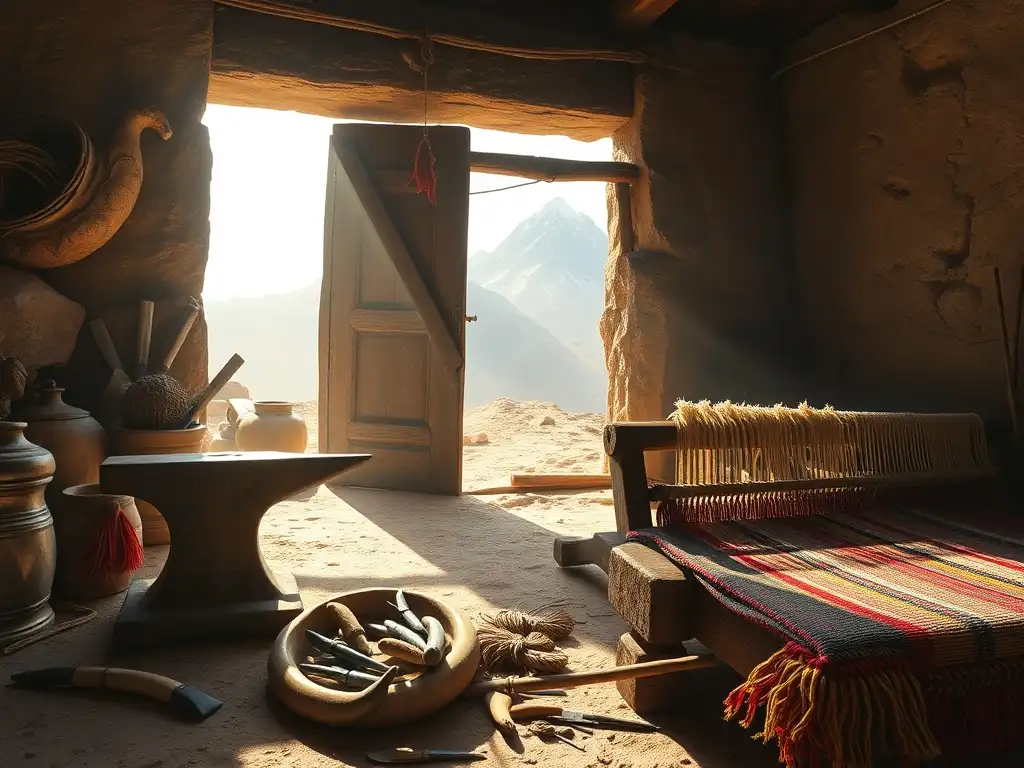
Step into a world lost to time, where the echoes of hammer against stone still resonate. Imagine the ingenuity of ancient Andean artisans, shaping their world with remarkable skill and surprisingly advanced techniques. This journey into the heart of Andean civilization unveils the secrets behind their mastery, beginning with an exploration of the Ancient Andean artisan tools that fueled their creativity and craftsmanship. Prepare to be amazed by the intricate details and profound impact of these remarkable implements – their stories are waiting to be uncovered.
- Ancient Andean Artisan Tools: A Glimpse into Daily Craftsmanship
- Essential Stone Tools of Ancient Andean Artisans
- Metalworking Tools in Ancient Andean Civilizations
- Textile Tools Used by Ancient Andean Weavers
- Ceramic Tools and Techniques of Ancient Andean Potters
- Working with Wood and Other Organic Materials
- The Legacy of Ancient Andean Artisan Tools
-
Frequently Asked Questions
- What types of materials did Andean artisans use to make their tools?
- How were ancient Andean artisan tools different from those used in other parts of the world?
- What were some of the most common tools used by Andean artisans for textile production?
- Where can I find examples of ancient Andean artisan tools today?
- What role did these tools play in the development of Andean civilizations?
- Final Reflection: Echoes of Andean Ingenuity
- Unearth Your Creative Potential!
Ancient Andean Artisan Tools: A Glimpse into Daily Craftsmanship
The skilled hands of ancient Andean artisans shaped not only breathtaking textiles, intricate ceramics, and magnificent metalwork but also the very tools that facilitated their remarkable creations. Understanding these tools offers a unique window into the ingenuity, resourcefulness, and daily lives of these remarkable societies. This exploration delves into the diverse implements used by artisans across various Andean cultures, from the Incas to the Moche, Nazca, and Tiahuanaco, revealing the sophisticated technologies and techniques that underpinned their artistic achievements.
We'll examine the materials used, the methods of crafting these tools, and the crucial role artisans played within the broader social fabric of their communities. By understanding their tools, we gain a deeper appreciation for the ingenuity and dedication that fueled the artistic flourishing of the Andes. This article will serve as a comprehensive guide to the "Ancient Andean artisan tools," exploring their diverse forms and functions.
Understanding the Role of Artisans in Ancient Andean Societies
Ancient Andean societies placed a high value on craftsmanship. Artisans weren't merely laborers; they held significant social standing, often working within specialized workshops or under the patronage of elites. Their skills were essential for producing everything from everyday pottery and textiles to elaborate ceremonial objects and royal regalia.
The social structure varied slightly between cultures—for example, Inca artisans might have been organized into state-sponsored workshops ( yanaconas ), while in other societies, artisans may have worked independently or within family units. However, the overall importance of their contributions remained consistent. The quality of their work reflected not only on the artisan themselves but also on the community or ruler they served.
This created a strong incentive for mastery and innovation, leading to the development of sophisticated techniques and the creation of stunning works of art. Archaeological evidence, such as the well-preserved workshops found at various sites, provides compelling insight into the organization and scale of artisan production in ancient Andean societies. The intricate detail found in surviving artifacts further highlights the level of skill and dedication possessed by these ancient craftspeople.
Materials and Sourcing for Andean Crafting Tools
The materials used for crafting Andean artisan tools were primarily sourced locally, reflecting the ingenuity of these societies in adapting to their diverse environments. Stone, particularly obsidian, basalt, and andesite, was extensively used for cutting, grinding, and shaping tools. Obsidian, prized for its sharpness and durability, was often traded over considerable distances, suggesting established trade networks connecting different Andean communities.
Other materials included bone, wood, shell, and various metals like copper and bronze (in later periods). The selection of materials was dictated by factors such as availability, durability, and suitability for the intended purpose. For example, hard stones like obsidian were ideal for knives and chisels, while softer materials like wood were better suited for handles and less demanding tools.
The sourcing of these materials involved significant effort, highlighting the resourcefulness and organizational capabilities of ancient Andean societies. Detailed studies of artifact composition and provenance provide valuable clues about the origins of materials and the extent of trade networks that supported the production of artisan tools. The careful selection and skillful manipulation of these diverse materials underscore the sophisticated technological knowledge possessed by ancient Andean artisans.
Essential Stone Tools of Ancient Andean Artisans
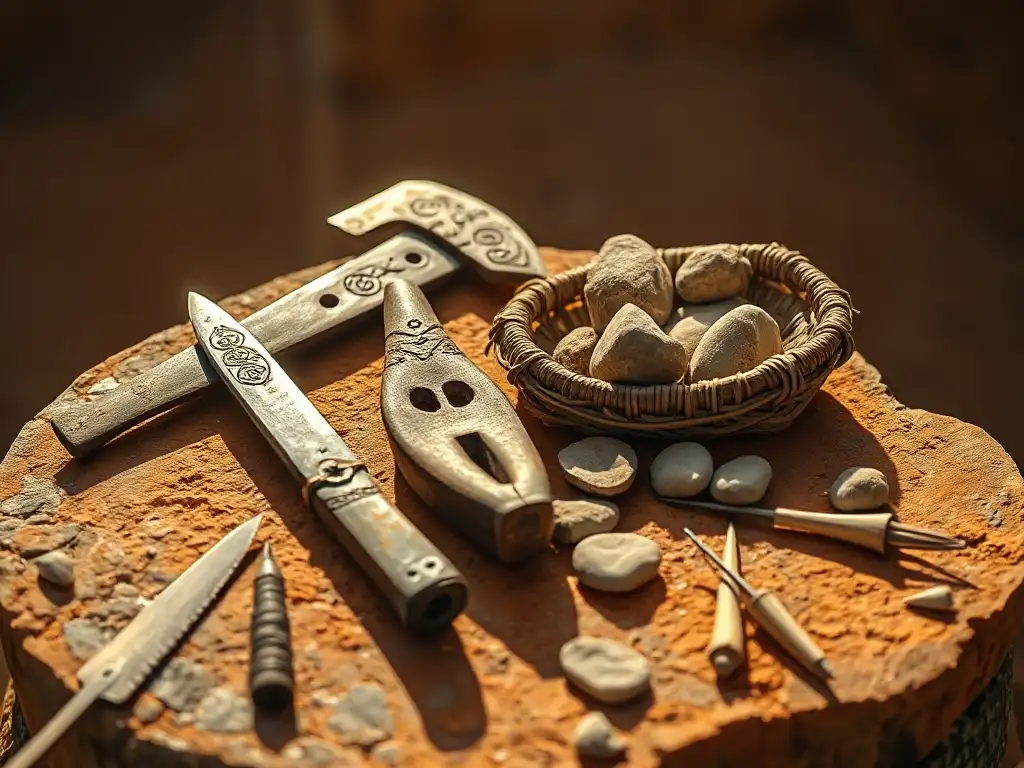
Ancient Andean artisans relied heavily on stone tools for a vast array of tasks, reflecting both their ingenuity and the readily available resources of the Andes Mountains. These tools, crafted with precision and skill, were crucial to their daily lives, from creating intricate textiles to constructing monumental architecture. Understanding these implements provides invaluable insight into the sophistication of Ancient Andean technology and the daily lives of its skilled artisans.
The abundance and variety of stone types available, such as obsidian, andesite, and quartzite, played a significant role in determining the type of tools created and the specific tasks they performed. Analyzing these tools offers a window into the resourcefulness and adaptability of these ancient cultures, showcasing their mastery of stone working techniques.
The careful selection of materials, based on their properties such as hardness, fracture, and availability, demonstrates a deep understanding of material science and its practical applications. The efficiency and effectiveness of these tools are a testament to the advanced technological capabilities of Ancient Andean civilizations.
Obsidian Blades and Scrapers for Precision Work
Obsidian, a volcanic glass known for its exceptional sharpness and fine-grained structure, was a prized material for Ancient Andean artisans. Its ability to create incredibly sharp edges made it ideal for a variety of delicate tasks requiring precision. Obsidian blades, meticulously flaked from carefully selected obsidian nodules, were used for intricate carving, surgery (evidence suggests its use in trepanation), and the creation of fine details in textiles and pottery. The sharpness and durability of obsidian blades allowed for clean cuts, minimizing damage to the materials being worked.
Archaeological evidence shows a wide range of obsidian tools, varying in size and shape depending on their intended use. Smaller blades, often less than an inch long, were likely used for intricate details in jewelry or textile work.
Larger blades, on the other hand, could have been used for carving larger pieces of wood or bone. The craftsmanship involved in creating these blades is remarkable; the careful control over the flaking process allowed artisans to create tools with incredibly thin and sharp edges, demonstrating a high level of skill and understanding of the material's properties.
The presence of obsidian tools across various Andean cultures highlights the material's widespread importance and its crucial role in shaping the artistic and technological achievements of these civilizations. Careful analysis of the wear patterns on these ancient tools can even provide clues about the specific tasks they were used for, enriching our understanding of Ancient Andean artisan practices.
Andesite Grinding Stones for Processing Materials
Andesite, a common volcanic rock in the Andes, provided the raw material for a variety of grinding stones crucial to Ancient Andean daily life. These robust stones, often shaped into hand-held mortars and pestles or larger metates (stationary grinding surfaces) and manos (handheld grinding stones), were used to process a wide range of materials. From grinding grains for food to pulverizing pigments for paints and dyes, these tools were essential for food preparation, textile production, and artistic endeavors.
The durability of andesite allowed these grinding stones to withstand considerable wear and tear over extended periods. Their surfaces, often showing significant signs of use, bear witness to countless hours of meticulous grinding and processing. The size and shape of the grinding stones varied depending on their intended use.
Smaller, hand-held mortars and pestles were ideal for grinding smaller quantities of materials, while larger metates and manos were used for processing larger batches of food or pigments. The efficiency of these tools is evident in the finely ground materials found at various archaeological sites, suggesting a high level of skill in their use and a deep understanding of their functionality.
The longevity of these tools, some of which have survived for millennia, is a testament to the quality of the materials and the skill of the artisans who created them. Furthermore, analyzing the residues left on these grinding stones can provide valuable insights into the diets and artistic practices of Ancient Andean societies.
Quartzite Hammerstones for Shaping and Carving
Quartzite, a hard, metamorphic rock, was a preferred material for creating hammerstones used in a variety of shaping and carving processes. These robust tools, often rounded or oval-shaped, were used to break, chip, and shape other stones, bones, and wood. Their strength and resilience made them ideal for heavy-duty tasks, such as the initial stages of stone tool production or the shaping of larger pieces of wood for construction or carving.
The size and weight of quartzite hammerstones varied depending on the intended use. Larger, heavier hammerstones were likely used for breaking larger stones or shaping heavy pieces of wood, while smaller, lighter hammerstones were probably used for more delicate tasks. The impact marks found on many quartzite hammerstones provide valuable information about the techniques used by Ancient Andean artisans.
These marks, often showing a consistent pattern, reveal the skill and precision with which these tools were employed. The distribution of quartzite hammerstones across different Andean regions suggests their widespread use and importance in various aspects of Ancient Andean life, from toolmaking to construction and carving.
The discovery of these tools in association with other artifacts provides further context, helping to reconstruct the activities and processes of ancient workshops and daily life. The durability of quartzite, combined with the skill of the artisans, resulted in tools that were both effective and long-lasting, contributing significantly to the technological advancements of Ancient Andean societies.
Metalworking Tools in Ancient Andean Civilizations
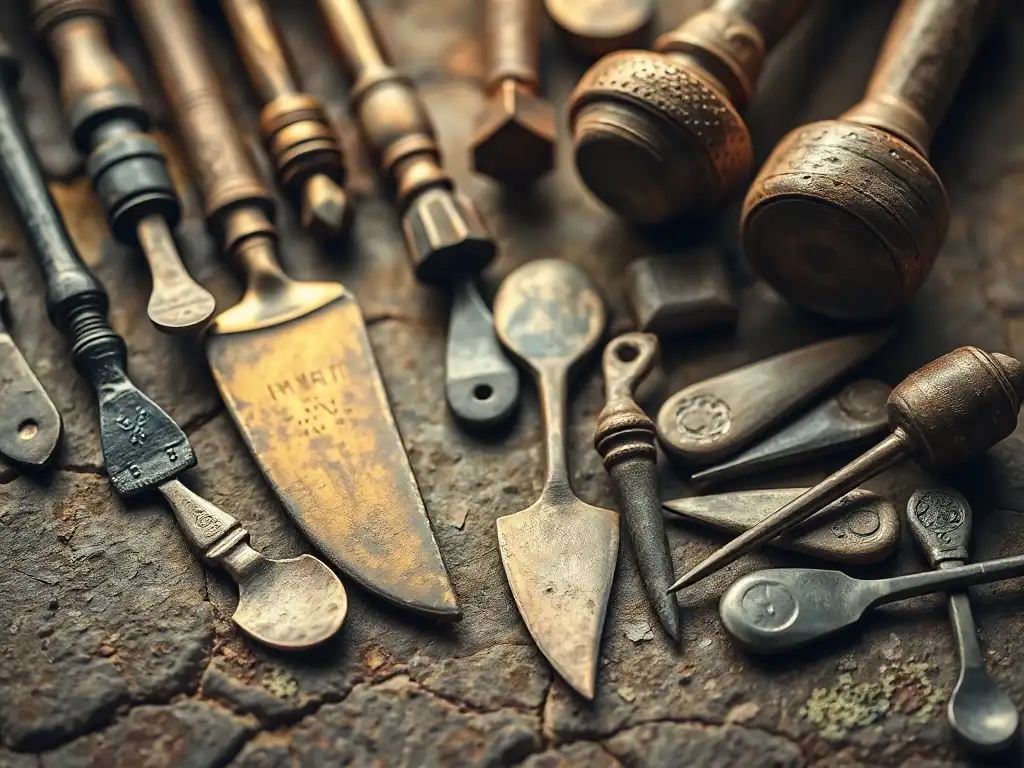
Ancient Andean artisan tools, particularly those used in metalworking, reveal a sophisticated understanding of metallurgy and craftsmanship. The development and refinement of these tools allowed for the creation of intricate jewelry, ceremonial objects, and practical implements, showcasing the ingenuity of Andean societies. The types of tools employed varied depending on the metal being worked and the desired outcome, reflecting a nuanced approach to the craft.
The availability of different materials, like copper, bronze, and gold, directly impacted the tools used and the techniques employed. Analyzing these tools provides invaluable insight into the technological prowess and the social organization of these remarkable civilizations. The study of these "Ancient Andean artisan tools" offers a fascinating glimpse into their daily lives and cultural values.
Copper Chisels and Awls for Detailed Metalwork
Early Andean metalworking relied heavily on copper, a relatively soft metal that could be easily shaped with simple tools. Copper chisels, often fashioned from hardened copper itself or other durable materials, were essential for carving and shaping metal sheets. These chisels varied in size and shape, allowing artisans to create both broad cuts and fine details. Archaeological finds often uncover sets of chisels, indicating a range of sizes for different tasks. The sharpness and durability of these chisels were crucial for producing intricate designs.
Alongside chisels, copper awls played a vital role in piercing and marking metal. These slender, pointed tools were used to create holes for riveting, to delineate patterns before carving, and for general shaping. The precision required for such tasks suggests a high level of skill and experience amongst Andean artisans.
Evidence suggests that awls might have also been used in conjunction with hammers to create raised details or textures on metal surfaces. The use of both chisels and awls demonstrates a combination of cutting and piercing techniques, allowing for remarkable control and precision in the metalworking process. The effectiveness of these simple yet effective copper tools speaks volumes about the skill of the artisan.
Bronze Tools for Casting and Shaping
The introduction of bronze—an alloy of copper and tin—marked a significant advancement in Andean metalworking. Bronze's increased hardness and durability allowed for the creation of more robust and efficient tools. Bronze tools, such as hammers, mallets, and anvils, were crucial for shaping and casting metal objects. Bronze hammers, for example, provided greater force and precision compared to their copper counterparts. The heavier weight allowed for more impactful blows, enabling the shaping of tougher metals and more intricate forms. Different hammer heads, with varying shapes and weights, likely existed for different purposes.
Bronze molds for casting also represent a significant technological leap. These molds, often made from clay or stone, allowed for the mass production of standardized objects, like ornaments or tools. The complexity of some bronze molds indicates a high level of planning and skill in their creation. The intricate details often found in cast bronze objects suggest a mastery of this technique, and the use of bronze tools facilitated achieving this level of detail. The transition from copper to bronze tools reflects a clear advancement in the technological capabilities of Andean metalworkers.
Gold Working Tools: Specialized Implements for Precious Metals
Gold, being a much softer metal than copper or bronze, required specialized tools for its delicate manipulation. While some tools, like hammers and punches, might have been adapted from those used for other metals, goldworking involved a greater degree of finesse and precision. Small, finely crafted hammers were likely employed to avoid damaging the thin gold sheets. Punches, used for creating patterns and textures, would have needed to be meticulously designed to avoid tearing or distorting the malleable gold.
The use of specialized tools for gold highlights the importance of gold in Andean societies. The meticulous care taken in shaping this precious metal reflects its cultural significance. While specific tools used for goldworking remain less well-documented compared to those used for copper and bronze, the intricacy of the surviving gold artifacts strongly suggests the existence of a sophisticated toolkit specifically designed for working with this valuable material.
Further research and archaeological discoveries are needed to fully understand the range and nature of these specialized implements. The surviving gold artifacts, however, stand as a testament to the skill and artistry of Andean goldsmiths and their mastery of specialized tools.
Textile Tools Used by Ancient Andean Weavers
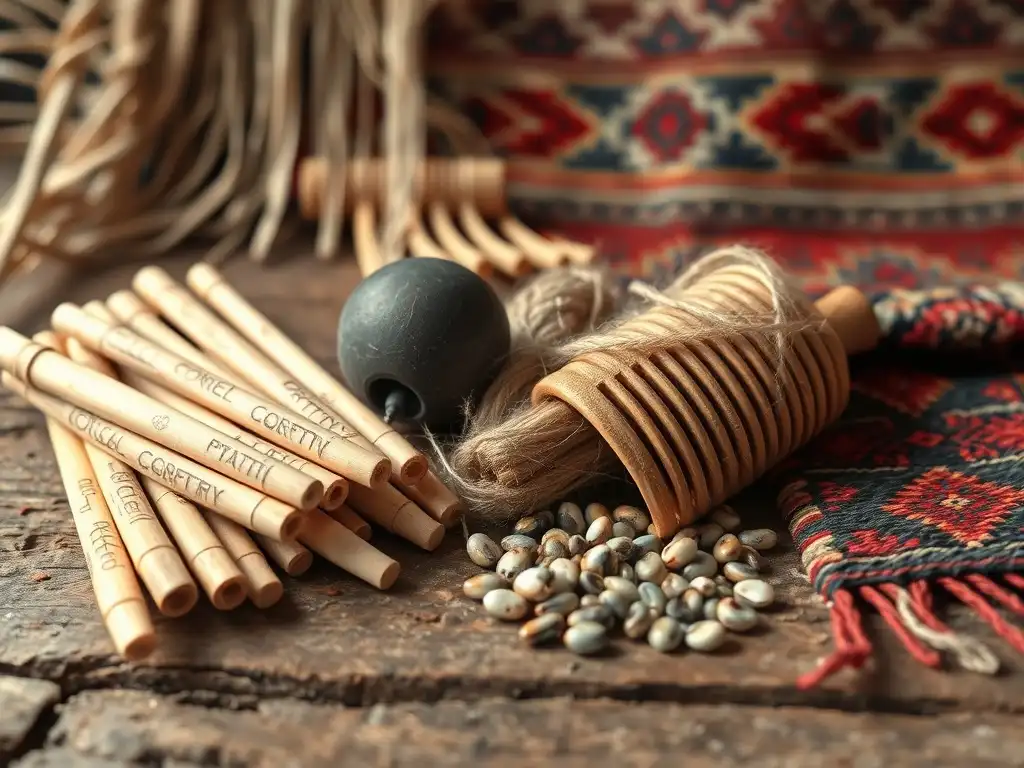
Ancient Andean artisans were incredibly skilled, particularly in textile production. Their mastery of weaving, spinning, and dyeing resulted in textiles of exceptional quality and beauty, reflecting both their technical prowess and artistic sensibilities. Understanding the tools they employed provides crucial insight into their techniques and the daily lives of these skilled craftspeople. The artistry seen in surviving textiles wouldn't have been possible without the sophisticated tools developed and refined over centuries.
This section will examine some of the key tools used by Andean weavers, focusing on the implements used for spinning, weaving, and finishing. We'll explore the ingenuity behind these tools, highlighting their effectiveness and the impact on the vibrant textile traditions of the region. The study of these "Ancient Andean artisan tools" reveals much about the sophistication of Andean societies.
Spindles and Whorls for Spinning Yarns
Spinning yarn was a fundamental step in textile production. Ancient Andean artisans used a simple yet effective tool: the spindle whorl and spindle. The spindle, a slender stick, was weighted at one end with a whorl – a disc-shaped weight, typically made of stone, clay, or ceramic. Different materials and designs of whorls existed, reflecting regional variations and stylistic preferences.
The whorl acted as a flywheel, providing momentum to the spindle as the artisan twisted the fibers into yarn. This process, while seemingly simple, required considerable skill and dexterity. Archaeological finds reveal a wide variety of spindle whorls, showcasing diverse shapes, sizes, and decorative elements. The weight and size of the whorl would have been carefully considered to optimize the spinning process, depending on the fiber being spun (e.g., alpaca, llama, cotton).
Furthermore, the design of the whorl itself, sometimes featuring intricate carvings or painted patterns, suggests that these weren't just functional tools but also objects of potential personal significance or even artistic expression. Analysis of surviving spindle whorls provides valuable clues regarding the types of fibers used and the scale of textile production in different Andean communities. The diversity of these "Ancient Andean artisan tools" underscores the ingenuity and adaptability of the Andean people.
Looms for Creating Intricate Textiles
The loom was the heart of Andean textile production, a complex machine capable of creating intricate designs and textures. While the exact forms varied, basic loom structures involved a warp (longitudinal threads) stretched between two beams, and a weft (transverse threads) woven through the warp using a shuttle. The Andean artisans employed a variety of weaving techniques, including tapestry, brocade, and sumptuary weaving, each requiring specific loom adaptations and skills. The looms themselves were often portable, allowing weavers to work in various locations.
Evidence suggests that different types of looms were used depending on the scale and complexity of the textile being produced. Some looms were simple backstrap looms, while others were more complex, featuring heddles and other mechanisms for controlling the warp threads. The construction of these looms, often from wood and other readily available materials, demonstrates the resourcefulness and adaptability of Andean artisans.
The sophistication of Andean weaving techniques, as seen in the surviving textiles, is a testament to their understanding of loom technology and their mastery of weaving processes. The study of these looms provides crucial insights into the organization of textile production and the social roles of Andean weavers. The design and construction of these "Ancient Andean artisan tools" highlight the advanced technological capabilities of Andean civilizations.
Bone Needles for Fine Sewing and Embroidery
Beyond weaving, Andean artisans utilized bone needles for sewing and embroidery, adding intricate details and embellishments to their textiles. These needles, often crafted from camelid bone, were remarkably fine and delicate, allowing for precise stitching. The precision required for the intricate designs found in many Andean textiles suggests a high level of skill and patience among these artisans.
The needles themselves varied in size and shape, reflecting their diverse applications. Some were used for basic seams, while others were suited for more delicate embroidery work. The discovery of these needles in archaeological contexts, often alongside fragments of intricately embroidered textiles, provides direct evidence of their use.
The durability of bone made it an ideal material for these tools, ensuring their longevity and allowing for the transmission of textile-making skills across generations. The quality and precision of the "Ancient Andean artisan tools" used for sewing and embroidery, alongside the surviving textiles, demonstrate a remarkable level of technical skill. These small but essential tools were crucial in creating the stunning and durable textiles that characterize Andean craftsmanship.
Ceramic Tools and Techniques of Ancient Andean Potters
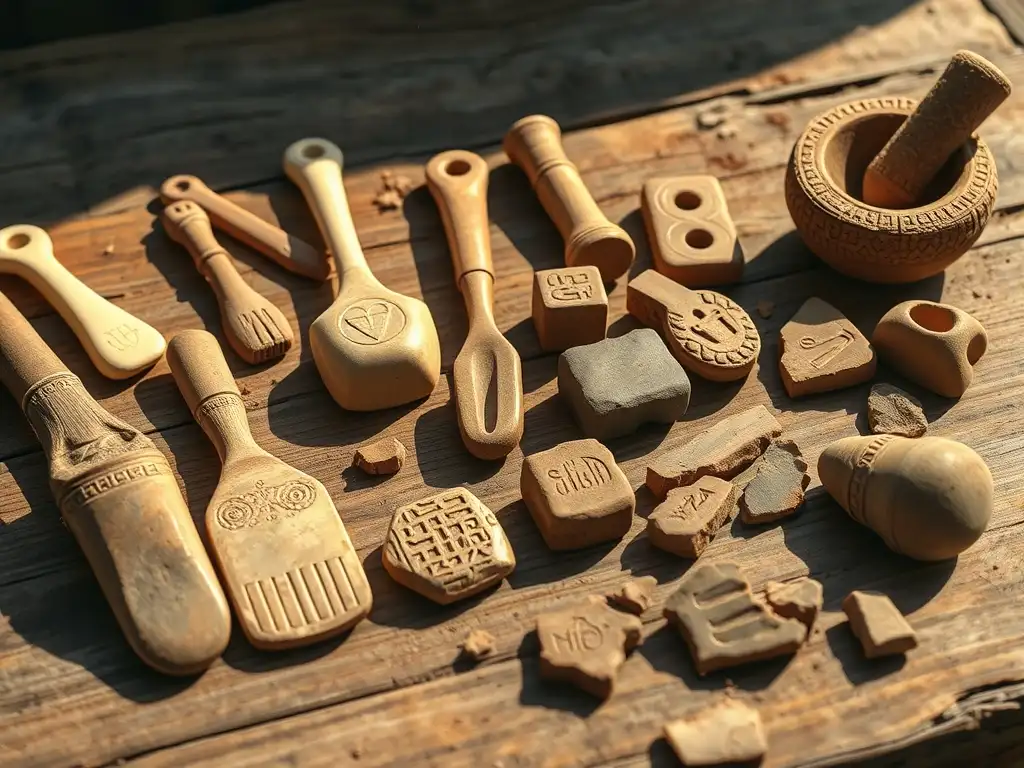
Ancient Andean artisan tools, particularly those used by potters, reveal a sophisticated understanding of materials and techniques. The creation of the exquisite ceramics found across Andean sites wasn't simply a matter of shaping clay; it was a carefully orchestrated process involving specialized tools and considerable skill. The artistry and functionality of these tools reflect the high value placed on pottery within Andean societies, where vessels served crucial roles in daily life, ritual practices, and social status.
Analyzing these tools allows us to better understand the daily lives and technological prowess of Ancient Andean artisans. The diversity of tools also highlights regional variations and stylistic differences in ceramic production across the Andes. Let's delve into some key examples.
Modeling Tools for Shaping Clay
The initial stages of pottery creation relied heavily on a variety of modeling tools. These weren't standardized; instead, artisans adapted readily available materials to their needs. Common examples include:
- Fingers and Hands: Surprisingly, the most fundamental tool was the potter's own hands. The dexterity and sensitivity required to shape clay into functional and aesthetically pleasing forms speaks volumes about the skill level of Andean potters.
- Wooden Modeling Tools: Simple wooden sticks, paddles, and spatulas were used to refine the form, add decorative elements, and smooth out imperfections. The shapes and sizes of these tools varied greatly depending on the desired effect and the size of the vessel being crafted. Evidence suggests that some tools were carved with specific patterns to create textured surfaces.
- Bone Tools: Animal bones, often sharpened or shaped, provided more precision for detailed work. These were used for incising patterns, creating fine lines, and adding intricate details to the pottery's surface. The use of bone suggests a careful selection of materials based on their properties and durability.
- Shell Tools: Similar to bone tools, shells offered additional options for sculpting and decorating. Their smooth, curved edges were ideal for smoothing clay and creating subtle textures. The type of shell used likely varied based on regional availability.
Burnishing Stones for Smoothing Surfaces
Once the clay vessel had taken its basic form, the next crucial step was smoothing the surface. This wasn't merely for aesthetic reasons; a smooth surface was essential for proper firing and watertightness. This stage relied heavily on burnishing stones.
Several types of stones were used for burnishing, chosen for their hardness and ability to create a polished finish. These included:
- Smooth, Hard Stones: Many potters favored smooth, hard stones such as granite or basalt, which were rubbed vigorously over the damp clay to compress the surface and create a glossy sheen. The pressure and technique used would have varied based on the type of clay and the desired finish.
- Hematite: This iron oxide mineral was sometimes used as a burnishing agent, not only smoothing the surface but also imparting a subtle reddish hue. This was a deliberate artistic choice to enhance the vessel’s appearance.
- Variations in Technique: The burnishing process wasn’t uniform across all Andean cultures. Some regions favored a high-gloss finish, while others preferred a more matte appearance. This variation reflects the diverse aesthetic preferences and technological approaches across the Andean region. Further research is needed to fully understand regional differences in burnishing techniques and the tools employed.
Ceramic Molds for Mass Production of Pottery
While many Andean vessels were individually hand-crafted, the use of molds allowed for the mass production of standardized forms, particularly for simpler utilitarian wares. This highlights a sophisticated understanding of manufacturing principles.
The molds themselves were often made from:
- Clay: Clay molds were readily available and could be easily shaped and reused. They were typically made from a coarser clay than the pottery itself. The use of a mold significantly reduced the time and skill required to create each vessel.
- Stone: Stone molds, while more durable, were more difficult to create and less adaptable. These were likely used for particularly important or intricate designs that needed to be replicated repeatedly. The use of stone molds implies a level of standardization and mass production.
The use of molds demonstrates the Andean artisans’ ability to balance artistry with efficiency. While individual craftsmanship was valued, the use of molds allowed for the creation of large quantities of pottery, meeting the demands of a growing population and facilitating trade. Further research is needed to pinpoint the exact materials and methodologies of mold creation across different Andean cultures. The variation in mold usage across different Andean regions needs further investigation. [Specific information pending on regional variations in mold usage and materials].
Working with Wood and Other Organic Materials
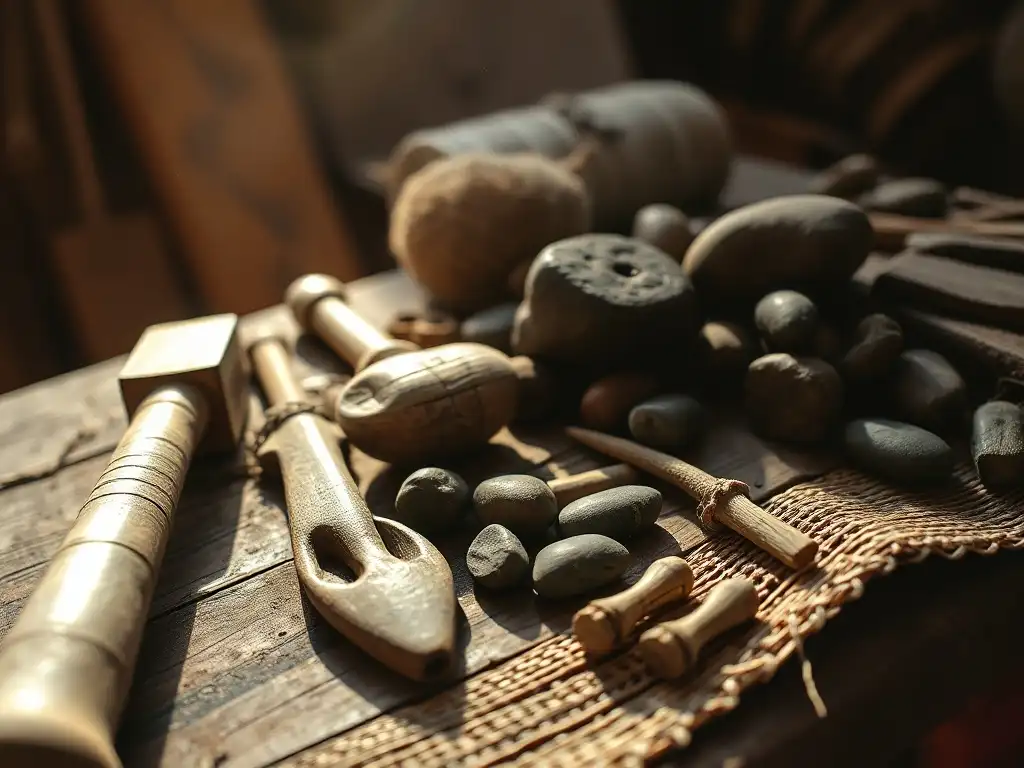
Ancient Andean artisans skillfully manipulated a variety of organic materials, transforming them into everyday objects and intricate works of art. Their mastery of woodworking, bone carving, and fiber weaving demonstrates a deep understanding of material properties and a remarkable ingenuity in tool design. Understanding the tools they employed provides a crucial window into their daily lives and artistic practices.
The development and use of these tools reflect the ingenuity and adaptability of Ancient Andean cultures in harnessing the resources available in their diverse environments. The keyword phrase "Ancient Andean artisan tools" is particularly relevant here, as we delve into the specifics of their craftsmanship.
Wooden Mallets and Wedges for Shaping Wood
Wooden mallets and wedges were fundamental tools in Andean woodworking. These simple yet effective implements allowed artisans to shape wood for a wide range of purposes, from building houses and creating agricultural implements to crafting intricate ceremonial objects. The mallets, often made from dense hardwoods like queuña or tara, varied in size depending on the task at hand. Smaller mallets were used for fine detail work, while larger ones were employed for rough shaping and splitting logs.
Wedges, similarly crafted from durable wood, were used in conjunction with mallets to split wood or to secure pieces during carving. Archaeological evidence suggests that the design of these tools evolved over time, with some examples exhibiting carefully carved handles for improved grip and control. The effectiveness of these tools stemmed from their simplicity and the readily available materials.
Their widespread use across different Andean cultures underscores their importance in daily life. Variations in the size and shape of these tools likely reflected regional differences in woodworking techniques and the types of wood available. Further research into the specific woods used and their regional distribution would provide a more complete picture of Andean woodworking practices.
Bone and Antler Tools for Carving and Engraving
Beyond wood, bone and antler provided valuable materials for crafting tools used in carving and engraving. The density and sharpness of these materials made them ideal for creating intricate designs on wood, stone, and even textiles. Examples include awls, used for piercing holes in leather or textiles, and chisels, used for carving fine details in wood or bone.
Antler, with its naturally branching structure, was sometimes fashioned into specialized tools, perhaps for creating textured surfaces or for working with delicate materials. The creation of these tools likely involved careful selection of bone and antler pieces, followed by shaping and sharpening using abrasive stones or other tools. Microscopic analysis of these tools could reveal insights into the methods used in their creation and maintenance, and potentially reveal details about the types of materials being worked.
The use of bone and antler tools highlights the resourcefulness of Ancient Andean artisans, who utilized readily available materials to create a diverse range of tools for their craft. The preservation of these delicate tools in archaeological contexts provides invaluable information about the skills and techniques of these ancient craftspeople.
Fiber Tools for Basketry and Rope Making
The production of textiles, baskets, and ropes was another essential aspect of Ancient Andean life, and specialized tools facilitated these intricate processes. Spindles for spinning yarn, weaving tools such as heddles and shuttles, and various types of needles were crucial for textile production. Similarly, specialized tools were used for basketry, including awls for piercing holes and various types of weaving implements.
The materials used for these tools varied widely, ranging from wood and bone to shell and even metal in later periods. The complexity of the tools reflects the sophisticated techniques employed in fiber arts, showcasing the high level of skill and artistry among Ancient Andean artisans. Analyzing the different types of fibers used and the tools employed provides crucial insights into the production methods and the social organization of these crafts.
Further research on the specific types of tools used and their regional variations would enhance our understanding of the textile and basketry traditions of the Andes. The artistry and technical skill involved in these crafts demonstrate the significance of fiber arts in Ancient Andean societies. The diversity of tools used underscores the importance of these crafts in their daily lives and social structures.
The Legacy of Ancient Andean Artisan Tools
The ingenuity of Ancient Andean artisans is undeniable, evident in the sophisticated textiles, intricate ceramics, and monumental architecture that survive to this day. But behind these masterpieces lay a fascinating array of tools, often overlooked yet crucial to understanding the societies that created them. These tools, crafted from readily available materials like stone, bone, wood, and shell, represent not only technological prowess but also a deep connection to the Andean environment and a sophisticated understanding of material properties.
Studying these tools offers a unique window into the daily lives, beliefs, and artistic practices of these ancient cultures. Understanding the Ancient Andean artisan tools is key to understanding their achievements. The legacy of these tools extends far beyond their immediate practical use; they represent a powerful symbol of human innovation and adaptation.
How These Tools Shaped Andean Art and Culture
The tools used by Andean artisans weren't merely functional; they were integral to the artistic expression and cultural identity of their creators. The precision required to create intricate textiles, for example, depended on specialized tools like spindle whorls for spinning yarn and meticulously crafted needles for weaving. The quality and design of these tools directly impacted the final product. A finely crafted needle, for instance, allowed for denser weaves, creating textiles with superior durability and aesthetic appeal.
Consider the Nazca culture, renowned for their breathtaking geoglyphs. While the creation of these massive earthworks involved more than just tools, the implements used for surveying, excavating, and shaping the land were critical to their realization. Similarly, the Moche's mastery of ceramics involved sophisticated tools for shaping clay, applying pigments, and creating incredibly lifelike depictions of their world. These tools weren't just instruments; they were extensions of the artist's skill and vision, shaping the very essence of Andean art. The level of detail achievable with these tools reflects a profound understanding of both material science and artistic principles.
The artistry and precision visible in surviving artifacts are a testament to the effectiveness and sophistication of these tools. Their design often incorporated ergonomic principles, reflecting a deep understanding of human anatomy and the need for efficient and comfortable working conditions. Many tools were also decorated, suggesting a ritualistic or symbolic significance beyond their practical function. This intertwining of the practical and the symbolic is a hallmark of Andean craftsmanship.
The Impact of Andean Tool Technology on Later Civilizations
The technological advancements made by Andean artisans weren't confined to their own time period. Their innovations had a lasting impact on subsequent cultures, influencing the development of tools and techniques across the Andes. The Inca, for example, inherited and refined many of the toolmaking traditions of their predecessors, adapting and improving upon existing designs. The Inca road system, a remarkable feat of engineering, relied on sophisticated tools for quarrying stone, shaping it, and transporting it over vast distances. Their metalworking skills, while perhaps more advanced than those of earlier cultures, built upon a foundation laid by earlier Andean societies.
The legacy of Andean tool technology extends beyond the Andes themselves. The ingenuity and resourcefulness of Andean artisans influenced the development of tools and techniques in other parts of the world, albeit indirectly. The spread of ideas and technologies across vast distances was not uncommon, and it's plausible that certain Andean innovations eventually found their way into other cultures, contributing to the broader evolution of human technology. Further research into trade routes and cultural exchange could reveal more about this fascinating aspect of Andean technological influence. This highlights the global significance of understanding Ancient Andean artisan tools.
Archaeological Research on Ancient Andean Tools
Archaeological excavations across the Andes continue to unearth new insights into the tools used by ancient artisans. These discoveries provide invaluable information about the materials used, the techniques employed, and the evolution of toolmaking over time. Careful analysis of these tools, including residue analysis and wear patterns, reveals much about their function and the specific tasks they were used for. For example, the analysis of residue on grinding stones can reveal information about the types of plants and materials processed using these tools.
Moreover, the context of discovery—the location within a site and association with other artifacts—provides crucial clues about the social and economic organization of Andean societies. The distribution of certain tool types across different sites can indicate patterns of trade, specialization, and cultural exchange. Studies of tool production techniques, such as the methods used to create stone tools or the casting of metal objects, provide insights into the technological skills and knowledge of Andean artisans.
Ongoing research is continually expanding our understanding of the complexity and sophistication of these ancient technologies. New discoveries are constantly refining our understanding of Ancient Andean artisan tools and their role in Andean societies. This ongoing research promises to reveal even more about these remarkable tools and the people who created them.
Frequently Asked Questions
What types of materials did Andean artisans use to make their tools?
Andean artisans utilized readily available materials, including stone, particularly obsidian and andesite, as well as wood, bone, shell, and metals like copper and bronze, depending on the era and location. The choice of material often depended on the intended purpose of the tool.
How were ancient Andean artisan tools different from those used in other parts of the world?
While some tool types mirrored those elsewhere, Andean tools often featured unique designs adapted to local materials and techniques. The use of certain materials, like specific types of stone, and the development of particular techniques, like specialized textile tools, distinguished Andean craftsmanship.
What were some of the most common tools used by Andean artisans for textile production?
Textile production relied heavily on spindles for spinning yarn and weaving tools like looms and needles. Specialized tools for creating intricate patterns and finishing textiles were also crucial aspects of their craft.
Where can I find examples of ancient Andean artisan tools today?
Many examples are housed in museums across South America and internationally. You can also find them in archaeological sites and collections, though access may vary. Online resources and museum databases are great starting points for research.
What role did these tools play in the development of Andean civilizations?
Ancient Andean artisan tools were essential for the production of goods, driving economic activity and social organization. The innovation and sophistication of these tools contributed significantly to the cultural achievements of the various Andean civilizations.
Final Reflection: Echoes of Andean Ingenuity
The meticulous craftsmanship of Ancient Andean artisans, revealed through their everyday tools, continues to resonate today, a testament to human ingenuity and adaptation. Their resourcefulness in utilizing readily available materials to create sophisticated implements speaks volumes about their deep understanding of their environment and their unwavering dedication to their craft. This understanding, passed down through generations, shaped not only their material culture but also their spiritual and social lives.
The enduring legacy of these tools transcends mere functionality; they represent a profound connection between people and their environment, a connection we are only beginning to fully appreciate in our increasingly disconnected world. The hand that makes is the hand that knows.
This simple truth, applicable across cultures and time periods, underscores the intimate relationship between the artisan and their tools, a relationship that fostered creativity and innovation. The artistry and precision evident in surviving examples of Andean craftsmanship are a powerful reminder of the human capacity for both technical skill and artistic expression.
Consider the ingenuity of these ancient artisans. Imagine the patience, skill, and deep knowledge required to create such intricate objects. Now, reflect on your own tools, both physical and metaphorical. What skills are you cultivating? What legacy are you leaving behind? Let the echoes of Andean ingenuity inspire you to appreciate the power of craftsmanship, the importance of mindful creation, and the enduring legacy of human skill. Embrace your own creative potential, and strive to leave your own mark on the world, just as these ancient artisans did centuries ago.
Unearth Your Creative Potential!
Thank you for exploring the fascinating world of ancient Andean artisans! Discovering their daily tools and techniques reveals their incredible skill and ingenuity. Now, let's translate that inspiration into your own creative work!
Here are some **actionable steps** to get you started:
- Embark on a DIY Project: Create your own artisan tool or craft, drawing inspiration from Andean methods. This could range from weaving a simple tapestry to sculpting a small clay pot. Share your progress on social media using a relevant hashtag.
- Visit a Local Museum or Artisans' Fair: Connect with contemporary artisans who carry on ancient traditions. Observe their techniques firsthand and ask them about their tools and processes.
- Share Your Discoveries: Discuss what you've learned about Andean artisans with friends, family, or online. You might even spark someone else's interest in this rich culture!
What new techniques or crafts inspired by the heritage of ancient Andean artisans are you eager to explore?