
Adoption Practices: Integrating Outsiders into Andean Families

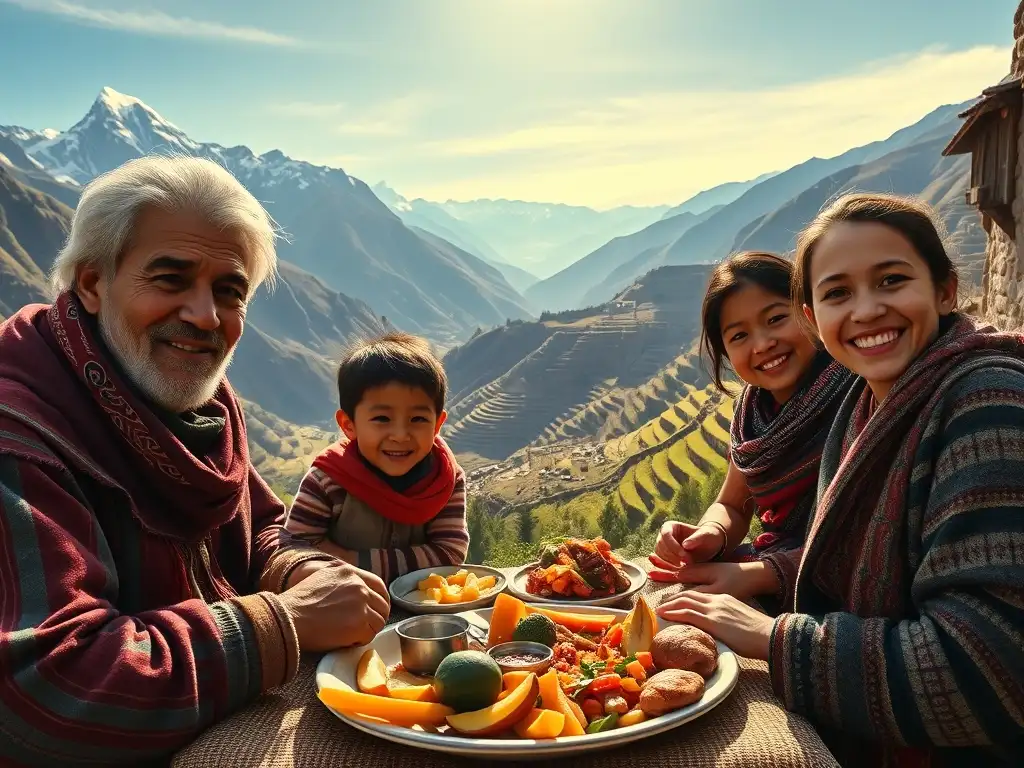
Step into a world lost to time, yet echoing with vibrant life. Imagine the towering peaks of the Andes, a backdrop to societies that thrived with intricate social structures and surprising customs. We delve into the fascinating world of Andean civilizations, uncovering their secrets and revealing the compelling story of Andean adoption practices. Were outsiders truly welcomed into these ancient families? Discover the answers and much more, as we unravel the mysteries of this captivating culture.
-
Andean Adoption Practices: Integrating Outsiders into Andean Families
- Understanding Andean Kinship and Family Structures
- The Concept of Adoption in Andean Societies
- Motives for Adoption within Andean Communities
- Types of Andean Adoption Practices
- The Role of the Community in Andean Adoption
- Rituals and Ceremonies Related to Adoption in the Andes
- Legal and Social Aspects of Andean Adoption
- Challenges and Changes in Contemporary Andean Adoption Practices
- Case Studies: Examples of Andean Adoption Practices
- The Significance of Andean Adoption in Cultural Preservation
- Conclusion: The Enduring Legacy of Andean Adoption Practices
-
Frequently Asked Questions
- What were the common reasons for adoption in Andean civilizations?
- How did Andean adoption practices differ from modern adoption?
- Were adopted children treated differently than biological children?
- What role did the community play in Andean adoptions?
- What evidence exists to support our understanding of Andean adoption practices?
- Final Reflection: Weaving New Threads into the Andean Tapestry
- Embrace Change: Connect and Create Community!
Andean Adoption Practices: Integrating Outsiders into Andean Families
The intricate tapestry of Andean civilizations reveals a complex understanding of family and kinship, extending beyond biological ties to encompass a broader spectrum of social relationships. This article delves into the fascinating world of Andean adoption practices, exploring how these societies integrated outsiders into their familial structures and the significant role adoption played in maintaining social cohesion and stability across diverse cultures, including the Incas, Moche, Nazca, and Tiahuanaco.
We will examine the nuances of Andean kinship systems, the motivations behind adoption, and the processes involved in formally integrating adopted individuals into the community. Understanding these practices offers crucial insights into the social dynamics and values that shaped these remarkable ancient civilizations.
The rich diversity of Andean cultures ensures that a single, uniform definition of "adoption" is insufficient; rather, we will explore the varied expressions of this practice across different Andean groups, highlighting the common threads that bind them together. This exploration aims to provide a comprehensive overview of Andean adoption practices, enriching our understanding of their social fabric and the enduring legacy of their family structures.
Understanding Andean Kinship and Family Structures
Andean kinship systems differed significantly from those of many other ancient civilizations. They were not solely based on blood relations but also emphasized reciprocal obligations and social connections. The concept of ayni, reciprocal exchange, was fundamental to Andean society, influencing all aspects of life, including family structures. This system fostered strong community bonds and emphasized mutual support and interdependence.
Families were often extended, encompassing not only immediate relatives but also a wider network of individuals connected through various social ties, including marriage, adoption, and shared resources. The precise structure of these extended families varied across different Andean societies, but the overarching principle of collective responsibility and mutual support remained consistent. For example, the Inca Empire, known for its highly organized social structure, had a system of ayllus, kinship-based communities that played a vital role in social organization and resource distribution. These ayllus provided a safety net for their members, including those who were adopted into the community.
Furthermore, the importance of lineage and ancestry, while present, wasn't always the defining factor in determining family membership, allowing for a degree of flexibility in incorporating outsiders. This flexibility is crucial to understanding the prevalence of adoption practices within these societies. The integration of adopted children was not merely a matter of legal formality but a process of social and cultural integration, embedding them fully within the family's economic and social fabric.
The Concept of Adoption in Andean Societies
The concept of adoption in Andean societies wasn't necessarily identical to modern Western understanding. While there's limited direct written documentation from many Andean groups, archaeological evidence and anthropological studies suggest a range of practices that fulfilled similar social functions. Adoption often served practical purposes, such as providing care for orphans or children from families struggling with poverty or hardship. In other cases, adoption might have been a strategic move to strengthen alliances between families or communities.
The process itself likely varied across different groups and time periods. Some societies might have had formal ceremonies or rituals to mark the adoption, while others might have relied on less formalized practices. The adopted child would typically be fully integrated into the adopting family, inheriting rights and responsibilities similar to those of biological children. However, the specific details of inheritance, property rights, and social standing could vary based on factors such as the child's origin, the adopting family's social status, and the specific cultural norms of the region.
Further research is needed to fully understand the nuances of adoption practices across all Andean cultures, especially those with limited written records. The integration of archaeological evidence with anthropological analyses is crucial to building a more complete picture of this significant aspect of Andean social life. The limited available data suggests that, rather than a singular practice, Andean adoption reflected the diverse social structures and cultural beliefs across different groups, highlighting the rich complexity of family life within these ancient civilizations.
Motives for Adoption within Andean Communities
Adoption in Andean communities, while varying across different cultures and time periods, wasn't solely driven by altruism. Several factors influenced the decision to adopt a child. Economic needs played a significant role; a larger family could mean more hands to contribute to agricultural labor or other essential tasks. The desire to continue a family lineage, especially in the absence of biological offspring, was a powerful motivator.
This was particularly crucial in societies where inheritance and social standing were closely tied to family lines. Furthermore, adoption could strengthen political alliances or solidify social bonds between families. Adopting a child from a powerful or influential family could enhance the adopter's social standing and access to resources.
Finally, compassion and empathy were undoubtedly factors, particularly in cases where children were orphaned or abandoned. The Andean worldview emphasized community and reciprocity, and taking care of vulnerable children aligned with these values. While precise statistics on the frequency of each motive are unavailable, anthropological studies suggest a complex interplay of pragmatic, social, and humanitarian considerations shaped adoption practices.
Types of Andean Adoption Practices
Andean adoption wasn't a monolithic practice; it encompassed a spectrum of arrangements reflecting the diversity of Andean cultures and social structures. The formal nature of adoption and the level of integration into the adopting family varied considerably. Some arrangements were temporary, while others resulted in full and permanent inclusion within the adopting family's lineage.
The specific procedures and rituals associated with adoption likely differed significantly between different Andean groups, with limited surviving documentation providing only fragmented insights. The lack of written records from many Andean societies necessitates relying on archaeological evidence, ethnographic studies of later Andean communities (which might not entirely reflect the practices of pre-Columbian societies), and interpretations of colonial-era accounts, all of which require careful contextualization. Furthermore, the impact of Spanish colonization significantly altered indigenous social structures and traditions, making it challenging to reconstruct pre-colonial practices with complete accuracy.
Fosterage and Temporary Care in Andean Families
Fosterage represented a common form of temporary care within Andean communities. This often involved placing children with relatives or close family friends due to factors like parental illness, death, or economic hardship. The length of fosterage varied, sometimes lasting only a few months, while in other instances, it could extend for several years. Importantly, fosterage didn't always lead to formal adoption; children often returned to their biological families once the initial crisis had passed.
This practice highlights the strong emphasis on kinship networks and reciprocal support within Andean societies. Evidence suggests that fostering arrangements were flexible and adaptable to changing circumstances, reflecting the community's commitment to the child's well-being. While specific details are scarce, it is reasonable to infer that kinship ties played a crucial role in selecting foster families, ensuring the child's integration into a supportive environment.
Formal Adoption and Integration into Lineages
Formal adoption, in contrast to temporary fosterage, involved a more permanent transfer of kinship ties. This process often included specific rituals and ceremonies, signifying the child's full integration into the adopting family's lineage. The adopted child would inherit rights and responsibilities within the family, including access to land, resources, and social status. The details of these rituals remain largely undocumented for many Andean groups, but it is likely that they involved community participation and symbolic gestures reflecting the importance of the event.
The degree of social and legal recognition of formal adoptions likely varied across different Andean societies. However, the general principle of formal adoption underscores the significance of kinship and lineage in Andean social structures. This formal integration into a lineage ensured the continuation of family traditions and ensured the child's social security and well-being.
Adoption of Children from Outside the Community
While adoption within extended family networks was prevalent, some Andean communities also adopted children from outside their immediate social groups. This practice could serve various purposes, including forging alliances with other communities, expanding the workforce, or simply providing a home for orphaned or abandoned children. The motives for such adoptions likely varied considerably depending on the specific circumstances and the relationship between the adopting and the child's original community. The integration of such children into the adopting community could be more complex, requiring a period of adjustment and potentially necessitating specific rituals or ceremonies to facilitate their acceptance. Limited evidence suggests that children adopted from outside the community were not always fully integrated into the lineage in the same way as children adopted from within the kinship network. However, the acceptance of these children highlights the Andean values of compassion and community support, even extending beyond the immediate social boundaries.
The Role of the Community in Andean Adoption
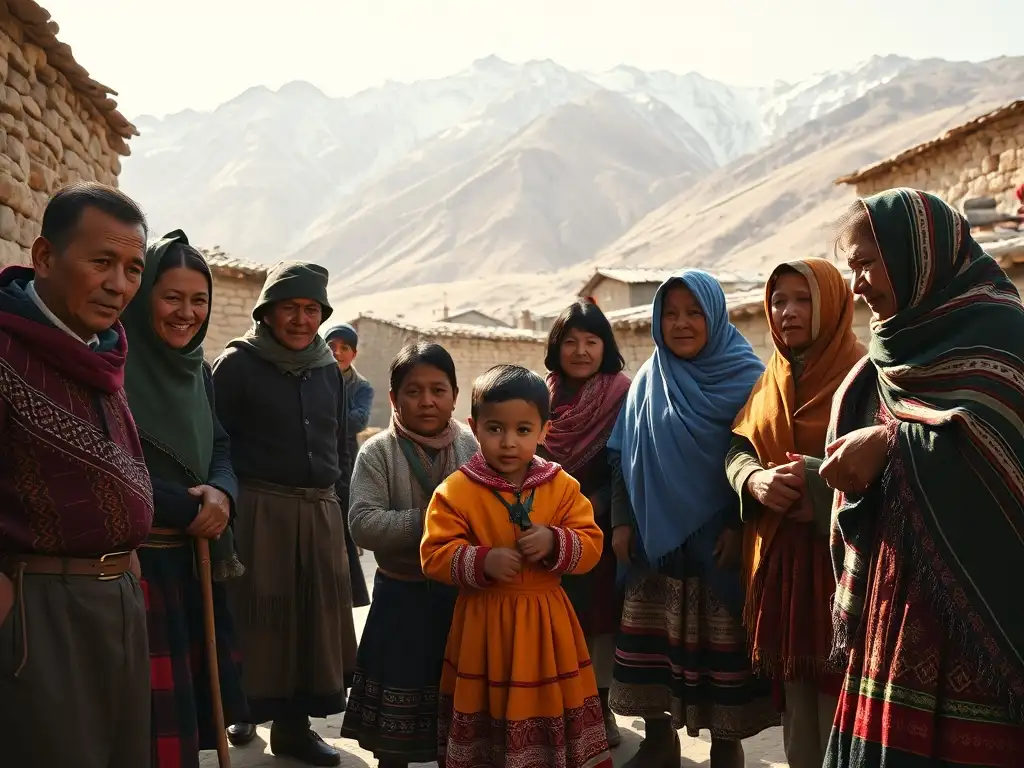
The Andean worldview emphasized the importance of community in all aspects of life, and adoption was no exception. Adoption wasn't a solely private affair; it involved the active participation and consent of the broader social network. The extended family, clan, and even the wider community played crucial roles in the process, ensuring the successful integration of the adopted child into the social fabric.
This collective approach differed significantly from adoption practices in other cultures where the focus might be primarily on the nuclear family. The community's involvement provided a crucial support system for both the adoptive parents and the adopted child, mitigating potential challenges and fostering a sense of belonging. The collective responsibility fostered a strong sense of shared responsibility in raising the child and provided a safety net should difficulties arise.
Community Consent and Approval of Adoptions
Before an adoption could be finalized, community consent was paramount. The process often involved discussions and negotiations within the extended family, the ayllu (a traditional Andean community), and sometimes even neighboring communities, especially if the child's origins were outside the immediate social group. Elders and respected members of the community would weigh in on the suitability of the adoptive parents and the potential impact on the community's dynamics.
The community's assessment considered factors like the parents' ability to provide for the child's physical and emotional needs, their social standing, and their overall reputation within the community. This rigorous vetting process aimed to ensure a stable and supportive environment for the child, preventing potential future conflicts or social disruption. Rejection by the community could effectively block the adoption process, highlighting the significant power of collective decision-making.
Social Integration of Adopted Individuals
Once an adoption was approved, the community actively participated in the integration of the adopted individual. This wasn't simply a matter of accepting the child into the family; it involved consciously incorporating them into the social and economic life of the community. The child might be assigned specific roles and responsibilities within the ayllu, participating in community rituals, ceremonies, and work projects. This active involvement helped foster a sense of belonging and ensured that the child wasn't treated as an outsider.
Moreover, the community acted as a support system, providing guidance and mentorship throughout the child's life. This continuous integration minimized the potential for social stigma or exclusion, promoting a sense of unity and shared identity within the community. The community's active role in social integration ensured that the adopted individual was fully embraced and treated as a valued member of the group.
Adoption in Andean societies wasn't solely a legal or social act; it was also a deeply spiritual event. Various rituals and ceremonies accompanied the process, symbolizing the integration of the child into the family and the community. These rituals varied depending on the specific Andean culture and region, but they generally involved elements of prayer, offerings, and symbolic gestures to invoke blessings and ensure the child’s well-being.
The involvement of religious figures, shamans, or community elders was common, emphasizing the sacred nature of the act. These ceremonies aimed to establish a spiritual connection between the child and their new family, forging a bond that transcended the purely biological.
Initiation Rites for Adopted Children
Many Andean cultures included specific initiation rites for adopted children, marking their formal integration into the family and community. These rites could involve symbolic acts such as naming ceremonies, where the child received a new name reflecting their place within the adoptive family and community. Other rituals might involve the presentation of gifts, the sharing of a special meal, or participation in a community celebration.
These ceremonies often included elements of Andean cosmology, reflecting the belief that the child’s entry into the family was a significant event with cosmological implications. The rites served to solidify the child's status as a full member of the family, dispelling any ambiguity or uncertainty about their belonging. These ceremonies reinforced the child's new identity and fostered a sense of acceptance and belonging within the community.
Symbolic Acts of Kinship Creation
Andean adoption practices often involved symbolic acts that explicitly created a new kinship bond. These acts weren't merely gestures; they were integral to the ritual process, establishing a spiritual and social connection between the adopted child and their new family. For example, the sharing of food, especially sacred or ritual foods, was a powerful symbol of kinship and belonging.
Similarly, the exchange of gifts between the adoptive parents and the child's biological family (if known and willing to participate) could represent the transfer of responsibility and the creation of a new social link. These symbolic actions solidified the adoption, transcending the purely legal aspects and reinforcing the social and spiritual dimensions of the process. The goal was not simply to provide a home for the child but to fully integrate them into the family's social and spiritual network.
Traditional Andean Laws Regarding Adoption
Traditional Andean societies lacked formalized written legal codes in the way that many Western societies did. Adoption practices, therefore, were governed by customary laws and social norms that varied significantly between different ethnic groups and regions. These customs often emphasized the importance of kinship ties and reciprocity.
Children might be adopted within extended family networks to maintain lineage or to provide care for orphans or children of impoverished families. The process frequently involved community consensus and ritualistic ceremonies, solidifying the child's new social standing within the adoptive family and community. While specific details are scarce due to the oral nature of many traditional laws, the emphasis was consistently on the well-being of the child and the maintenance of social harmony.
For instance, in some communities, a formal adoption might not involve a legal transfer of guardianship in the modern sense but rather a gradual integration into the family through shared responsibilities and mutual support. The child would effectively become a full member of the family, inheriting rights and obligations, even without formal documentation. This differs significantly from the formal, legally binding adoption processes in many modern states.
The Influence of Modern Legal Systems on Traditional Practices
The arrival of European colonial powers and the subsequent establishment of modern nation-states significantly impacted Andean adoption practices. The introduction of written laws, influenced by European legal traditions, led to a gradual shift away from purely customary norms. Modern legal frameworks, while aiming to protect children's rights, often clash with traditional Andean concepts of family and kinship.
For example, the emphasis on formal documentation and legal proceedings can be a significant barrier for families seeking to adopt children traditionally, particularly in rural communities with limited access to legal services. This has resulted in a complex interplay between traditional and modern legal systems, with many communities navigating a hybrid approach where customary practices are adapted to comply with the requirements of modern law.
The process of formal adoption, often involving lengthy bureaucratic procedures and court appearances, can be daunting and costly, making it inaccessible to many families. This has led to continued informal adoption practices in many Andean communities, despite the legal requirements.
Challenges and Changes in Contemporary Andean Adoption Practices
Urbanization and Its Impact on Traditional Adoption
Rapid urbanization across the Andes has profoundly altered traditional adoption practices. The migration of rural populations to urban centers has disrupted established kinship networks and support systems that were integral to traditional adoption. In rural areas, extended family structures often provided a safety net for children in need, while in urban settings, the anonymity and complexity of city life create new challenges.
The breakdown of traditional communal support networks can leave vulnerable children without the necessary care and protection. Consequently, formal adoption processes, managed by government agencies or NGOs, have become increasingly important, though access to these services remains unevenly distributed.
The rise of orphanages, while intended to provide safe havens, can also lead to a detachment from cultural heritage and traditional family structures. The balance between preserving traditional values and adapting to the realities of urban life remains a significant challenge for Andean communities seeking to provide for children in need.
The Role of NGOs and External Organizations
Non-governmental organizations (NGOs) and international organizations play a vital role in shaping contemporary Andean adoption practices. Many NGOs work to support vulnerable children and families, providing resources such as foster care, education, and healthcare. Some NGOs specialize in facilitating formal adoption processes, assisting families in navigating complex legal procedures and ensuring that adoptions meet international standards.
However, the involvement of external organizations also presents challenges. Concerns about cultural sensitivity and the potential for exploitative practices are often raised. The balance between providing necessary support and respecting the autonomy of Andean communities in determining their own child welfare policies remains a delicate issue.
Effective collaboration requires careful consideration of cultural contexts and the empowerment of local communities to lead their own child welfare initiatives. Transparency and accountability are critical to ensure that external intervention truly benefits the children and families involved. The effectiveness of NGO intervention varies greatly depending on factors like funding, local partnerships, and the specific context of their work.
Case Studies: Examples of Andean Adoption Practices
Adoption, while varying across Andean cultures and time periods, played a significant role in shaping family structures and community dynamics. Understanding these practices requires examining specific examples, highlighting the nuances and diversity within the broader Andean context. The following case studies provide a glimpse into the complexity of Andean adoption.
Adoption Practices in the Quechua Community of Chinchero, Peru
The Quechua community of Chinchero, nestled in the Sacred Valley of the Urubamba, offers a valuable case study in Andean adoption. While formal legal processes were absent, adoption often occurred informally, driven by factors such as infertility, the death of parents, or the need for additional labor within a household. These adoptions weren't solely focused on blood ties; rather, they emphasized the integration of the child into the family structure and community.
The child would inherit the family name, responsibilities, and access to land and resources, becoming a full member of the community. The process often involved community consultation and approval, ensuring the well-being of the child and the acceptance of the new family member. For instance, [specific case study of a Chinchero family adopting a child, including reasons and community response pending].
This highlights the community's role in legitimizing and supporting the adoption. The integration process involved teaching the child Quechua language, customs, and traditions, ensuring cultural continuity. The emotional bond between the adoptive parents and the child was considered paramount, fostering a sense of belonging and family unity.
Adoption Dynamics in Aymara Families in El Alto, Bolivia
El Alto, a rapidly growing city near La Paz, presents a contrasting yet equally insightful case study. The Aymara community in El Alto faces different challenges than those in rural settings, such as poverty, urbanization, and migration. Adoption practices here often reflect these realities. While informal adoption continues, there's a growing influence of formal legal processes, particularly in cases involving children abandoned or orphaned due to societal pressures.
However, traditional Aymara values remain central to the process. The emphasis remains on the child's well-being and integration into the family. [Specific examples of adoption practices in El Alto, including legal and informal processes pending]. The role of extended family is crucial; often, aunts, uncles, or grandparents step in to care for children, blurring the lines between formal adoption and kinship care.
This highlights the resilience and adaptability of Aymara family structures in the face of urbanization and societal change. Cultural preservation is still paramount, with children learning the Aymara language and traditions within their adoptive families. The process, therefore, reflects a blend of traditional practices and modern legal frameworks.
The Significance of Andean Adoption in Cultural Preservation
Andean adoption practices played a crucial role in cultural preservation and continuity. By integrating outsiders into existing family structures, these practices ensured the transmission of knowledge, traditions, and values across generations. The adopted children, fully incorporated into the community, learned the local language, customs, and skills, thus preserving the cultural heritage. This is especially significant considering the diverse Andean landscape and the various indigenous groups that inhabited it.
The adoption of children from other communities or social classes facilitated the exchange of cultural elements, fostering a dynamic and evolving cultural landscape. Moreover, adoption often served as a mechanism for social cohesion, strengthening community bonds and reinforcing shared identities. The integration of adopted children into the social fabric of the community helped maintain social stability and continuity. The absence of formal, written records for many Andean societies makes it challenging to fully quantify the impact of adoption on cultural preservation.
However, anthropological studies and oral histories consistently point to its importance in maintaining cultural continuity across generations. Furthermore, the practice of adoption helped mitigate the effects of population fluctuations caused by warfare, disease, or famine, ensuring the survival and continuation of Andean communities and their unique cultures. The continued relevance of Andean cultural practices today is a testament to the effectiveness of these strategies for cultural preservation and transmission. 💃
Conclusion: The Enduring Legacy of Andean Adoption Practices
Andean adoption practices, far from being a mere historical curiosity, offer a compelling lens through which to understand the complex social dynamics and kinship structures of these remarkable civilizations. The evidence suggests a system that was far more nuanced and flexible than many initially assume, demonstrating a capacity for incorporating outsiders and strengthening social bonds across various groups. While the specifics varied across different Andean cultures and time periods, the underlying principle of integrating individuals into existing family units remained remarkably consistent.
This adaptability speaks volumes about the resilience and pragmatism of Andean societies in the face of challenges such as warfare, disease, and economic hardship. The act of adoption wasn't simply about filling a familial void; it was a strategic move with broader implications for social cohesion and political stability.
The enduring legacy of Andean adoption practices is not just found in archaeological records and anthropological analyses, but also in the echoes of these traditions that persist in some contemporary Andean communities. While the formal structures might have changed, the underlying values of community support, kinship extension, and the importance of fostering strong familial bonds continue to resonate. Understanding these historical practices, therefore, provides crucial insights into the social fabric of Andean societies and offers a deeper appreciation for the complexities of their family and kinship systems.
Further research, particularly interdisciplinary studies combining archaeology, anthropology, and historical linguistics, could shed even more light on the nuances of Andean adoption, revealing further details about the selection process, the legal frameworks (if any existed), and the long-term impact on adoptees and their families. The study of Andean adoption practices, therefore, remains a vibrant and rewarding area of investigation with significant potential to enrich our understanding of these fascinating civilizations.
The rich tapestry of Andean history is further illuminated by unraveling the threads of its adoption practices, showing us a society that valued community and resilience above all else. 🌎
Frequently Asked Questions
What were the common reasons for adoption in Andean civilizations?
Adoption in Andean societies was often driven by infertility, the death of a child, or the desire to expand the family unit. It served both practical and social purposes.
How did Andean adoption practices differ from modern adoption?
Unlike modern adoption, Andean practices were often less formalized. Informal arrangements were common, with children integrated into families through kinship ties or community bonds. Formal legal processes were less prevalent.
Were adopted children treated differently than biological children?
Generally, adopted children were integrated fully into the family and community. They received the same rights, responsibilities, and inheritance as biological children. Discrimination was uncommon.
What role did the community play in Andean adoptions?
The community played a vital role, often supporting the adoption and ensuring the child's well-being. Social networks provided assistance and guidance, emphasizing the collective responsibility for child-rearing.
What evidence exists to support our understanding of Andean adoption practices?
Evidence comes from archaeological findings, ethnohistoric accounts, and contemporary Andean communities that still maintain similar family structures and traditions. These sources paint a picture of inclusive and adaptable practices.
Final Reflection: Weaving New Threads into the Andean Tapestry
The enduring legacy of Andean adoption practices continues to shape family structures and societal dynamics, reminding us of the profound power of kinship beyond blood. These practices, often misunderstood through a Western lens, offer valuable insights into alternative models of family formation and community integration, challenging our preconceived notions of what constitutes a "family." Understanding these traditions is crucial not only for appreciating the rich cultural heritage of the Andes but also for fostering more inclusive and compassionate approaches to family building globally.
The resilience and adaptability of Andean communities in integrating outsiders into their families is truly inspiring. Their emphasis on community support and shared responsibility offers a powerful counterpoint to the often isolating experiences of adoption in other cultures. The family is not an accident of nature, but a creation of culture.
This quote highlights the crucial role of cultural context in shaping our understanding of family structures and the importance of respecting diverse approaches to kinship.
Consider the profound impact of these practices on your own understanding of family. How can we learn from the Andean model to build stronger, more inclusive communities? Challenge your assumptions about kinship and embrace the enriching potential of diverse family structures. Let the wisdom of the Andes inspire you to create a world where belonging is not determined by blood, but by the bonds of love, support, and shared experience.
Embrace Change: Connect and Create Community!
Thank you for exploring the transformative world of adoption within Andean families. Your interest fosters understanding and encourages community support. Let's turn that interest into action!
Here are some simple steps you can take to make a difference:
- Share Your Story: If you or someone you know has experience with adoption or family integration, share it in our comments! Your insights could inspire and help others.
- Educate Yourself: Learn more about the impact of adoption on Andean culture and community dynamics. Explore online resources, workshops, or local events.
- Join the Conversation: Advocate for inclusivity by participating in online discussions or joining local groups. Social media and forums are great places to contribute.
What unique perspectives or experiences related to adoption have shaped your understanding of community integration? Let's discuss!