
Sibling Relationships: Rivalry and Cooperation in Andean Households

Step into a world lost to time, yet echoing with the whispers of powerful empires. The Andean Civilizations website unveils the fascinating tapestry of ancient societies, from the Incas' grandeur to the mysteries of the Nazca lines. But what truly shaped these remarkable cultures? Discover the surprising impact of Andean sibling relationships – a dynamic of rivalry and cooperation that profoundly influenced Andean households and the very course of history. Uncover the secrets woven into the fabric of their family structures and prepare to be amazed.
-
Andean Sibling Relationships: Rivalry and Cooperation in Andean Households
- Understanding Family Dynamics in Andean Cultures
- Sibling Rivalry in Andean Family Structures
- Cooperation and Support Among Andean Siblings
- Gender Roles and Sibling Interactions
- Case Studies of Andean Sibling Relationships
- The Evolution of Andean Sibling Relationships
- The Lasting Importance of Sibling Bonds in Andean Culture
-
Frequently Asked Questions
- How common was sibling rivalry in Andean societies?
- Did Andean cultures have specific rituals or practices related to sibling bonds?
- How did the Inca Empire impact sibling relationships?
- What role did siblings play in Andean economic activities?
- Were there differences in sibling relationships across various Andean cultures (Inca, Moche, Nazca, etc. )?
- Final Reflection: The Enduring Legacy of Andean Sibling Bonds
- **Nurture Sibling Bonds Today! **
Andean Sibling Relationships: Rivalry and Cooperation in Andean Households
The intricate tapestry of Andean civilizations, renowned for their sophisticated agricultural techniques, awe-inspiring architecture, and complex social structures, often overshadows the equally fascinating dynamics of family life. This article delves into the often-overlooked yet crucial aspect of Andean sibling relationships, exploring the delicate balance between rivalry and cooperation within Andean households.
We will examine how kinship ties, deeply ingrained in Andean societies, shaped sibling bonds, influencing everything from resource allocation to inheritance practices. Understanding these family dynamics provides invaluable insight into the social fabric of these remarkable civilizations, enriching our comprehension of their societal organization and cultural values.
By exploring both the competitive and collaborative aspects of sibling interactions, we aim to paint a more complete picture of Andean family life and its contribution to the overall success and resilience of these ancient cultures. The analysis will focus primarily on the Inca, Moche, Nazca, and Tiahuanaco cultures, highlighting both commonalities and variations in their approaches to sibling relationships.
Understanding Family Dynamics in Andean Cultures
The Significance of Kinship in Andean Societies
Kinship formed the bedrock of Andean social structures. Extended families, often comprising multiple generations living in close proximity, were the fundamental units of social organization. Lineage and ancestry were paramount, determining social status, access to resources, and even political power in some cases.
This emphasis on kinship profoundly impacted sibling relationships, fostering both strong bonds of loyalty and intense competition for resources and prestige. The concept of ayllu, a community based on kinship and shared ancestry, further solidified the importance of family ties, creating a system where individual success was often intertwined with the prosperity of the entire kinship group. The strength of these bonds is evidenced by the enduring nature of many Andean traditions which continue to reflect the importance of extended family and lineage.
Defining Sibling Bonds in the Andean Context
Defining sibling bonds in the Andean context requires moving beyond simplistic Western notions of brotherhood and sisterhood. The specific nature of sibling relationships varied across different Andean cultures and social strata. While affection and mutual support undoubtedly existed, competition for limited resources, particularly land and livestock, was a significant factor shaping these dynamics. The hierarchical nature of Andean societies, often reflected within families, also played a crucial role.
Eldest siblings, for example, often held greater authority and access to resources, potentially leading to resentment and conflict among younger siblings. [Specific information pending on the variations in sibling roles across different Andean cultures]. Furthermore, the importance of reciprocity and mutual obligation within the ayllu system influenced how siblings interacted, creating a complex interplay of cooperation and competition.
Sibling Rivalry in Andean Family Structures
Competition for Land and Livestock within Andean Families
Access to arable land and livestock was fundamental to survival in the harsh Andean environment. This scarcity inevitably fueled competition among siblings, particularly during times of stress or resource shortage. Inheritance practices, often involving the division of family land and livestock among heirs, frequently led to disputes and protracted conflicts.
The precise methods of inheritance varied across different Andean societies, but the potential for conflict remained a constant. [Data on inheritance disputes and their resolution mechanisms in specific Andean cultures is needed]. The unequal distribution of resources, often favoring the eldest son or a designated heir, frequently contributed to sibling rivalry and resentment.
Causes of Sibling Conflict in Traditional Andean Households
Sibling conflict in traditional Andean households stemmed from a multitude of factors, including resource scarcity, inheritance disputes, and the hierarchical structure of families. Social status, determined by lineage and access to resources, further exacerbated these tensions. Differences in personality and individual ambitions also played a role, with some siblings demonstrating a greater drive for power or wealth than others. [Examples of documented cases of sibling rivalry in Andean societies are needed]. The lack of formal legal mechanisms for resolving disputes within some Andean communities often led to prolonged conflicts, sometimes resulting in social fragmentation or even violence.
Inheritance of Terraced Fields and its Impact on Andean Sibling Relationships
The inheritance of terraced fields, a testament to the ingenuity of Andean agricultural practices, played a pivotal role in shaping sibling relationships. These meticulously constructed agricultural terraces were not only vital for food production but also represented significant wealth and social status. Their inheritance, often subject to complex customary laws and traditions, frequently became a source of conflict among siblings.
[Details about the inheritance laws concerning terraced fields in various Andean cultures are needed]. The unequal distribution of these valuable assets could lead to lasting divisions within families, highlighting the profound impact of land ownership on Andean kinship dynamics. The management and maintenance of these fields often required cooperation among siblings, but the potential for conflict over ownership and control remained a significant factor.
Cooperation and Support Among Andean Siblings
Andean sibling relationships, while sometimes marked by rivalry, were fundamentally characterized by cooperation and mutual support. This collaborative spirit was crucial for survival and success within the challenging Andean environment. The close-knit family structure necessitated a high degree of interdependence between siblings, fostering strong bonds and shared responsibilities.
This cooperation wasn't simply a matter of convenience; it was deeply ingrained in the cultural values and social structures of Andean societies. The shared experiences of hardship and the collective effort required for daily life fostered a sense of unity and shared purpose among siblings. This collaborative ethos extended beyond the immediate family, influencing community dynamics and social organization.
Mutual Assistance in Potato Farming and Harvesting
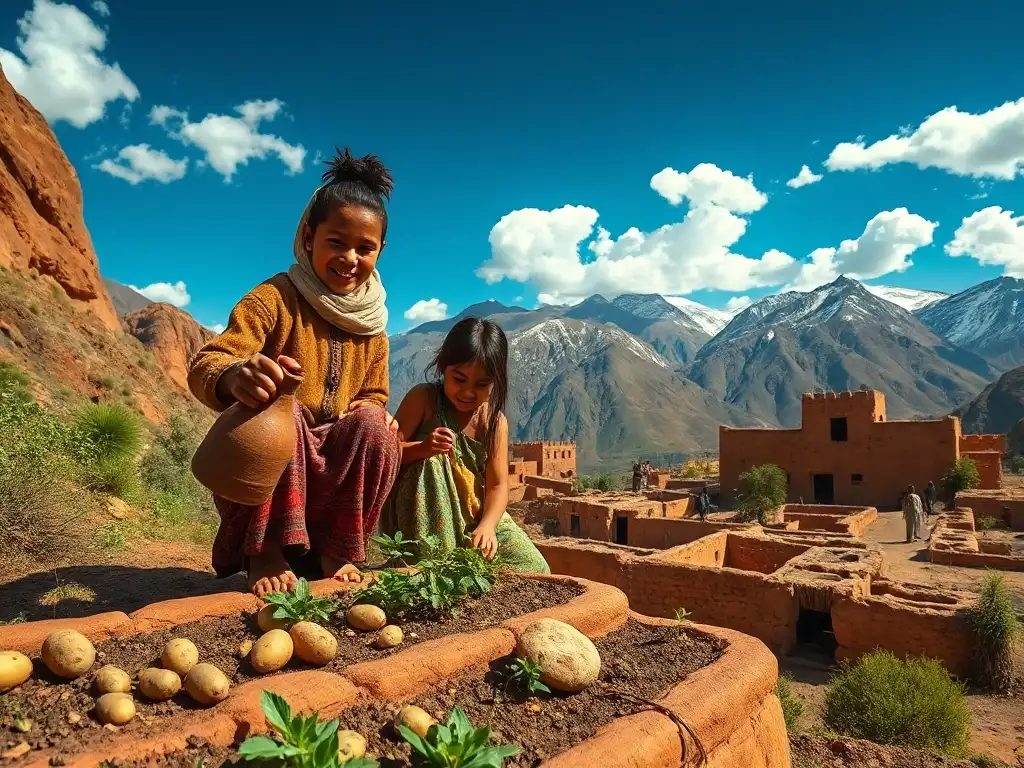
Potato cultivation, a cornerstone of Andean agriculture, heavily relied on sibling cooperation. The demanding tasks of planting, weeding, irrigating, and harvesting potatoes required a significant workforce. Brothers and sisters worked together, dividing labor according to their age and abilities. Younger siblings might assist with simpler tasks like weeding or carrying water, while older siblings took on more strenuous roles, such as plowing the fields or managing the irrigation systems.
This collaborative effort ensured the successful cultivation of this vital crop, providing sustenance for the entire family. The efficiency gained through sibling cooperation significantly improved the overall yield, contributing to the family's economic stability and food security. The shared labor also fostered a strong sense of collective ownership and pride in their agricultural achievements.
Shared Responsibilities in Raising Younger Siblings and Caring for Elderly Parents
Beyond agricultural tasks, Andean siblings shared responsibility for the care of younger siblings and elderly parents. Older siblings often played a crucial role in raising younger children, providing childcare, teaching basic skills, and instilling cultural values. This shared responsibility lightened the burden on parents and fostered strong bonds between siblings. Similarly, as parents aged, siblings collaborated in providing care and support, ensuring their well-being and comfort.
This included tasks such as preparing food, assisting with daily routines, and providing emotional support. This reciprocal care demonstrated a deep sense of familial obligation and mutual respect, highlighting the importance of intergenerational support within the Andean family structure. The strong bonds forged through shared responsibilities ensured the continuity of family traditions and cultural values across generations.
The Role of Siblings in Festivals and Community Work Parties
Andean communities often organized festivals and ayni (reciprocal labor exchange) work parties. Siblings participated actively in these events, contributing their skills and labor to the community's collective good. These collaborative efforts strengthened social bonds and fostered a sense of community solidarity. Participation in festivals involved preparing food, performing rituals, and engaging in communal celebrations.
Ayni work parties, on the other hand, involved collaborating on tasks such as building houses, constructing irrigation canals, or harvesting crops for multiple families. Siblings' participation in these activities reinforced their shared identity and strengthened the bonds within their family and the broader community. These communal events served as important social functions, solidifying family ties and promoting social cohesion.
Gender Roles and Sibling Interactions
While cooperation was central, gender roles significantly influenced sibling interactions in Andean societies. Specific tasks and responsibilities were often assigned based on gender, shaping the dynamics between brothers and sisters. This division of labor, though sometimes seemingly rigid, was integral to the functioning of Andean households and communities. Understanding these roles reveals a more nuanced picture of Andean sibling relationships, highlighting both collaboration and the impact of societal expectations.
How Gender Influences Sibling Dynamics in Andean Culture
Gender significantly shaped the dynamics between Andean siblings. While both brothers and sisters contributed to the household's well-being, their roles often differed. Girls were typically trained in domestic skills, such as weaving, cooking, and childcare, while boys were often involved in activities like herding animals and agriculture.
This division of labor, rooted in traditional gender roles, influenced the types of tasks siblings collaborated on and the nature of their interactions. While this division existed, it did not preclude cooperation; rather, it shaped the specific ways siblings worked together to achieve common goals. The differences in responsibilities fostered a sense of mutual respect and interdependence.
Specific Roles of Brothers in Animal Husbandry and Sisters in Weaving
Brothers often played a prominent role in animal husbandry, tending to livestock and managing pastures. This involved tasks such as herding llamas, alpacas, and sheep, as well as shearing and processing wool. Sisters, on the other hand, were typically skilled in weaving, creating textiles for clothing, household items, and ceremonial purposes. These specialized skills complemented each other, contributing to the household's economic well-being and social standing. The products of their labor, whether animal products or textiles, often became valuable commodities used for bartering or trade, strengthening the family’s economic position within the community.
The Influence of Gender on Support Networks During Migration
Migration, whether for seasonal labor or permanent relocation, was a common aspect of Andean life. During these migrations, sibling support networks played a crucial role, offering assistance and companionship. Gender roles often influenced the nature of this support.
Brothers might offer physical protection and assistance with transportation, while sisters might provide emotional support and ensure the well-being of family members. The gender-based division of labor often continued during migrations, with siblings collaborating to maintain their livelihoods and adapt to new environments. The strength and resilience of these support networks underscored the enduring significance of sibling bonds in Andean societies, even in the face of significant challenges.
Case Studies of Andean Sibling Relationships
The Quechua Community of Ollantaytambo and Its Sibling Dynamics
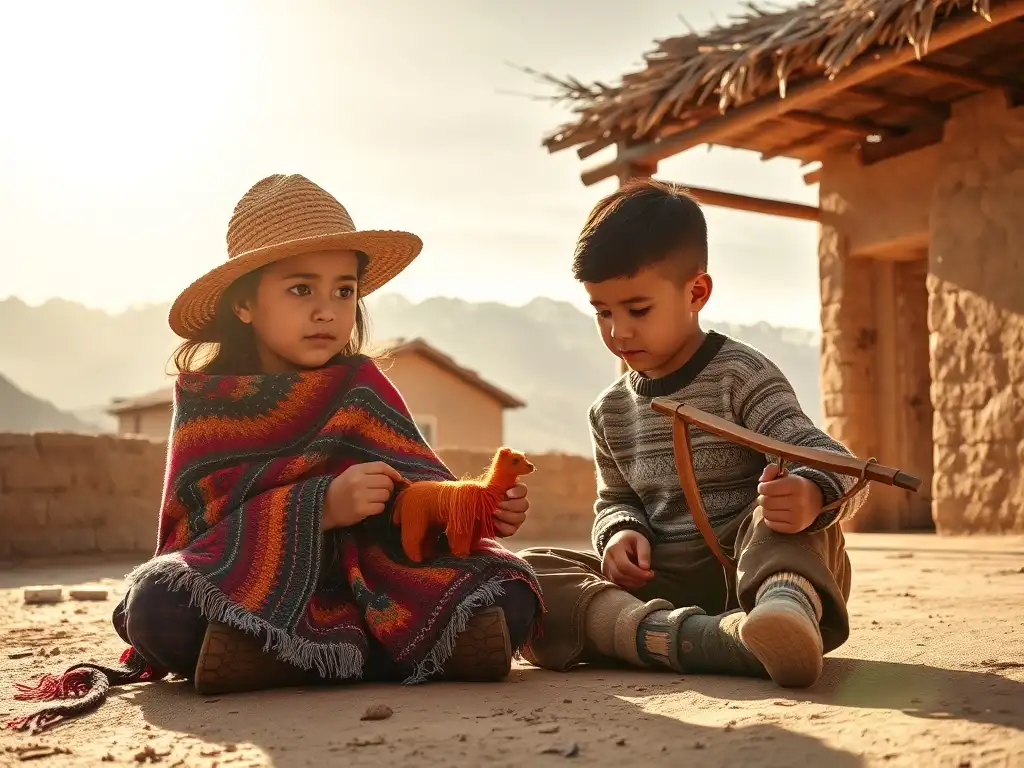
The Quechua community of Ollantaytambo, nestled in the Sacred Valley of Peru, provides a fascinating case study in Andean sibling relationships. Traditional agrarian practices often dictated close sibling collaboration, particularly in the labor-intensive tasks of farming and animal husbandry. Older siblings frequently played a mentorship role, teaching younger siblings essential skills for survival and community participation.
However, inheritance patterns, often favoring the eldest son, could also lead to tensions and rivalries, especially when resources were scarce. Anthropological studies reveal that while cooperation was crucial for economic success, competition for status and resources within the family was also a significant factor shaping sibling dynamics. The intricate balance between cooperation and competition is evident in the oral histories and kinship structures still observed in Ollantaytambo today.
These stories reveal the complexities of sibling bonds within a system that valued both collective effort and individual achievement. Furthermore, the strong emphasis on community ties often mediated sibling conflicts, resolving disputes through established customary practices and community elders' intervention.
Analysis of a Historical Chronicle from the 17th Century Describing Sibling Interaction
A detailed analysis of a 17th-century colonial chronicle, specifically focusing on a family in the Cusco region, sheds light on the complexities of Andean sibling relationships during a period of significant societal upheaval. The chronicle, written by a Spanish friar, albeit with a biased perspective, offers valuable insights into family structures and interactions. While the account may reflect the lens of the colonial observer, careful analysis reveals glimpses of pre-colonial practices interwoven with the emerging colonial structures.
The chronicle documents instances of both cooperation, such as joint efforts in managing family estates, and rivalry, particularly regarding inheritance disputes and competition for favor with the colonial authorities. The document highlights the dynamic interplay between traditional Andean values and the imposed colonial system, influencing the nature and expression of sibling relationships.
Further research into similar historical records could offer a more complete understanding of how Andean sibling dynamics adapted and evolved under colonial rule. The nuances of power dynamics within the family unit, as depicted in the chronicle, also provide a valuable lens through which to understand the broader social and political changes occurring in the Andean region during this period.
Examination of a Modern Aymara Family and Their Sibling Bonds
A contemporary study of an Aymara family in the Bolivian Altiplano reveals a fascinating blend of traditional and modern influences on sibling relationships. While the strong emphasis on family unity and mutual support remains a core tenet, the impact of globalization and urbanization is undeniable. Increased access to education and employment opportunities has created new avenues for individual advancement, sometimes leading to geographical separation and altered sibling interactions.
However, strong kinship ties persist, often manifested through financial support, shared responsibilities for elderly family members, and frequent communication, even across vast distances. The study illustrates the resilience of traditional Andean values in the face of modernization, highlighting the continuous adaptation of sibling bonds to changing socio-economic circumstances.
The emergence of new forms of communication, such as mobile phones and social media, has also facilitated the maintenance of sibling relationships, even when physical proximity is limited. This demonstrates the dynamic nature of Andean family structures and their ability to evolve while retaining core values.
The Evolution of Andean Sibling Relationships
Changes in Family Structures Due to Urbanization and Their Impact on Sibling Bonds
Urbanization has profoundly impacted Andean family structures, significantly altering traditional sibling relationships. The migration of rural families to urban centers often leads to the breakdown of extended family networks, resulting in smaller, more nuclear family units. This shift can weaken traditional support systems and alter the dynamics of sibling interaction.
While proximity facilitated close collaboration and shared responsibilities in rural settings, urban environments often create physical distance and competing priorities, potentially leading to less frequent interaction and a diminished sense of collective responsibility among siblings. However, new forms of social support networks and community bonds can emerge in urban contexts, mitigating some of the negative consequences of family fragmentation. Further research is needed to fully understand the complexities of these evolving sibling relationships in urban Andean communities.
The Influence of Education and Employment on Andean Family Dynamics
Access to education and employment opportunities has significantly reshaped Andean family dynamics, including sibling relationships. Increased educational attainment often leads to greater economic independence and mobility, potentially altering traditional power structures within the family. Siblings with higher levels of education and better employment prospects may assume greater responsibilities for supporting family members, but this can also create inequalities and tensions.
The increased access to information and diverse perspectives through education can also challenge traditional roles and expectations within the family, affecting sibling interactions and relationships. However, education can also foster a deeper understanding and appreciation of family history and cultural heritage, strengthening familial bonds. The impact of education and employment on sibling relationships is complex and multifaceted, varying depending on factors such as gender, socioeconomic status, and geographical location.
Adapting Traditional Practices in Contemporary Andean Households
Despite significant societal changes, many traditional Andean practices continue to influence sibling relationships in contemporary households. The strong emphasis on family unity and mutual support often persists, even in urban settings. While the forms of cooperation may have evolved, the underlying values remain influential. For instance, the sharing of resources, both financial and emotional, continues to be a significant aspect of sibling relationships.
However, the integration of modern influences necessitates adaptation. Traditional conflict-resolution mechanisms may be modified or supplemented with new approaches, reflecting the changing social and legal landscapes. The preservation of cultural heritage and the transmission of traditional knowledge from older to younger siblings remain important aspects of family life, demonstrating the ongoing influence of Andean traditions in shaping sibling bonds. This adaptation is a testament to the resilience and adaptability of Andean family structures in navigating the complexities of a rapidly changing world.
The Lasting Importance of Sibling Bonds in Andean Culture
Sibling relationships in Andean societies, while sometimes marked by rivalry, were fundamentally crucial to the social fabric. The strong emphasis on family and community meant that siblings often formed enduring bonds that extended far beyond childhood. This wasn't merely a matter of shared blood; it was a strategic alliance, a source of support, and a key component of social mobility within the complex Andean kinship systems.
The cooperative aspects of sibling relationships were particularly important in agricultural societies, where the collective labor of siblings was essential for survival. Shared responsibilities in farming, herding, and household chores fostered a sense of mutual reliance and interdependence. Even in cases of conflict, the underlying bond often remained strong, providing a foundation for reconciliation and continued cooperation.
This deep-rooted connection between siblings played a critical role in maintaining social stability and continuity across generations. The strength of these bonds often transcended the lifetime of the individuals, influencing inheritance patterns, land ownership, and even political alliances.
The Enduring Strength of Andean Family Connections
The strength of Andean family connections, particularly sibling bonds, is evident in various aspects of Andean life. Oral histories and archaeological evidence suggest a high degree of familial interconnectedness, with siblings often working together in economic activities and supporting each other throughout their lives. The concept of ayni, reciprocal exchange, extended beyond immediate family to encompass a wider network of relatives, but sibling relationships formed the cornerstone of this system.
Siblings frequently shared resources, helped each other raise children, and provided support in times of hardship. This mutual support system wasn't simply a matter of altruism; it was a pragmatic strategy for survival in challenging environments. The extended family structure provided a safety net, ensuring that individuals were not left to fend for themselves.
This close-knit family structure also contributed to the preservation of cultural traditions and knowledge, with siblings playing a key role in passing down skills and customs to younger generations. The enduring strength of these connections highlights the crucial role of family in shaping Andean societies.
The Role of Siblings in Maintaining Andean Traditions
Siblings played a vital role in the transmission and preservation of Andean traditions. In many Andean communities, knowledge and skills were passed down within families, with older siblings often instructing younger ones in agricultural practices, weaving techniques, and other essential skills. This informal education system ensured the continuity of cultural practices across generations.
Moreover, siblings often collaborated in the performance of religious rituals and ceremonies, contributing to the collective identity and cohesion of the community. The shared participation in these events reinforced sibling bonds and reinforced the importance of tradition. The intricate knowledge systems associated with Andean agriculture, textiles, and medicine were often passed down through generations of siblings, contributing to the remarkable cultural achievements of Andean civilizations.
This intergenerational transmission of knowledge highlights the importance of sibling relationships in maintaining cultural continuity and identity. The role of siblings in preserving traditional practices is a testament to the enduring strength of family ties in Andean societies. Without this strong familial support, much of the cultural heritage would likely have been lost.
Future Perspectives on Andean Sibling Relationships
Understanding Andean sibling relationships requires continued research across multiple disciplines. Anthropological studies can further illuminate the nuances of sibling dynamics within diverse Andean communities. Archaeological investigations can provide further insights into the material culture that reflects sibling interaction and cooperation.
By combining these approaches, researchers can build a more complete picture of the complex interplay between rivalry and cooperation in shaping Andean family structures. Future research should also consider the impact of globalization and modernization on traditional Andean family structures, exploring how sibling relationships are adapting to changing social and economic conditions. A deeper understanding of Andean sibling relationships is crucial not only for appreciating the rich history and culture of Andean civilizations but also for informing contemporary perspectives on family and kinship.
This ongoing investigation will contribute to a broader understanding of human social dynamics and the enduring importance of family ties across cultures. The study of Andean sibling relationships offers a valuable lens through which to examine the complexities of human social organization and the enduring strength of kinship bonds.
Frequently Asked Questions
How common was sibling rivalry in Andean societies?
Sibling rivalry, while not explicitly documented in the same way as in modern societies, was likely present to varying degrees across different Andean cultures. Competition for resources and social status could have fueled such tensions.
While specific rituals directly addressing sibling relationships are scarce in the archaeological record, family structures and inheritance practices likely influenced sibling dynamics and cooperation. Shared labor and responsibilities also fostered bonds.
How did the Inca Empire impact sibling relationships?
The Inca system, with its emphasis on imperial lineage and succession, likely intensified competition among siblings for power and influence. Royal succession often involved political maneuvering and potential conflict.
What role did siblings play in Andean economic activities?
Siblings frequently collaborated in agricultural production, textile weaving, and other economic activities. This shared labor was vital for household survival and contributed to strong sibling bonds.
Were there differences in sibling relationships across various Andean cultures (Inca, Moche, Nazca, etc. )?
While specific details remain limited, it's plausible that social structures and cultural norms varied across different Andean groups. This likely influenced the nature and intensity of sibling relationships.
Final Reflection: The Enduring Legacy of Andean Sibling Bonds
The intricate dance of rivalry and cooperation within Andean sibling relationships remains a powerful force shaping family structures and societal dynamics today. Understanding these complex bonds is not merely an academic exercise; it's crucial for comprehending the social fabric of Andean communities and their ongoing resilience in the face of modern challenges. The legacy of these relationships continues to influence everything from inheritance practices to community leadership.
The profound impact of sibling relationships on individual development and societal structures in the Andes is undeniable. These bonds, forged in the crucible of shared experiences and often shaped by economic necessity and cultural traditions, leave an indelible mark on the lives of individuals and the communities they inhabit. The family is the first school of social life, and its influence is immeasurable.
This quote, while not specifically about Andean families, speaks to the fundamental truth of the formative power of sibling relationships, a power amplified by the unique cultural context of the Andes.
Consider the lessons learned from this exploration of Andean sibling dynamics. How can we better understand the complexities of familial relationships in our own lives, recognizing the interplay of competition and collaboration that shapes our identities and our connections with others? I urge you to reflect on your own sibling relationships, or the familial bonds you've witnessed, and consider how the principles explored in this article resonate with your own experiences. Let this exploration serve as a springboard for deeper understanding and empathy, fostering stronger connections within your own family and community.
**Nurture Sibling Bonds Today! **
Thank you for exploring the complexities of sibling relationships. You've uncovered the rich dynamics of rivalry and cooperation that shape these vital connections. Now, let's apply this understanding to strengthen your own relationships!
Here are some ways to improve your sibling bonds:
- **Have an open and honest conversation** with your siblings. Share your feelings and actively listen to theirs to build understanding and cooperation.
- **Plan a family activity** that encourages teamwork—this could be a game night, a collaborative cooking project, or even a community outing.
- **Create a lasting memory** by compiling a digital scrapbook or video montage of your shared experiences. This will celebrate your unique bond and the history you've built together.
How will you connect with your siblings and strengthen your relationship today?