
Craftsmen and Artisans: The Specialized Labor Force of Andean Societies

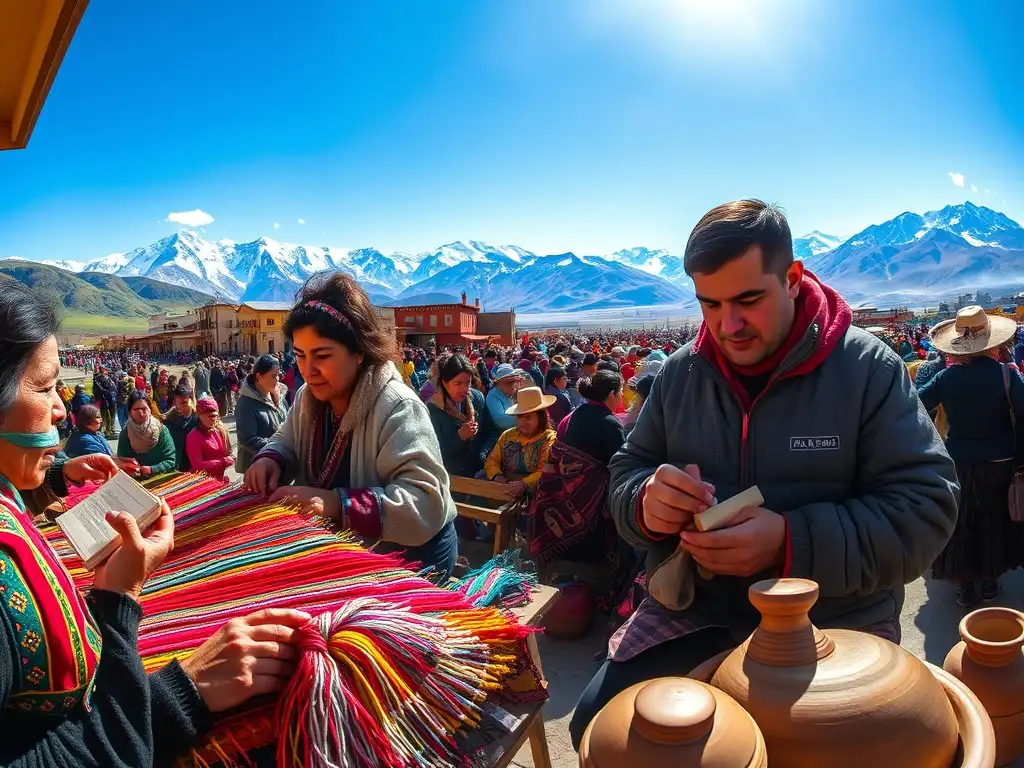
Welcome, explorer! Prepare to delve into the mesmerizing world of Andean Civilizations. Forget everything you think you know about ancient societies. The intricate artistry and astonishing technological advancements of the Incas, Moche, Nazca, and Tiahuanaco were not the product of a homogenous workforce. Discover the secrets behind Andean civilization crafts specialization, a system of specialized labor that fueled their remarkable achievements. Unravel the mysteries of their ingenuity – your journey into the heart of their social structures begins now.
The intricate textiles, stunning goldwork, and monumental architecture of the Andean civilizations weren't the product of a homogenous workforce. Instead, these achievements were the result of a highly specialized labor force, a complex system of craftsmen and artisans whose skills were crucial to the social and political fabric of these societies.
Understanding the degree of specialization in Andean crafts is key to unlocking a deeper understanding of their social hierarchy, economic systems, and cultural achievements. This article delves into the fascinating world of Andean crafts specialization, exploring the roles, skills, and social standing of these skilled individuals, and how their expertise contributed to the remarkable cultural achievements of the Incas, Moche, Nazca, and Tiahuanaco, among others.
We will examine how this specialization reflects a sophisticated level of societal organization and demonstrates the ingenuity and innovation of Andean civilization. The evidence suggests a far more nuanced and stratified society than is often initially assumed, where specialized knowledge and skill played a pivotal role in maintaining social order and power.
The Importance of Specialized Labor in Ancient Andean Civilizations
The development of specialized labor in the Andes wasn't a sudden phenomenon; it evolved gradually over millennia. Early evidence suggests a shift from simple, self-sufficient communities to more complex societies with distinct occupational roles. This transition was driven by several factors, including:
- Increased population density: Larger populations necessitated greater food production and the development of more efficient agricultural techniques. This led to the specialization of labor in agriculture, with some individuals focusing on irrigation, others on cultivation, and still others on storage and distribution.
- Technological advancements: Innovations in tools and techniques, such as the development of advanced irrigation systems, metallurgy, and textile production, required specialized knowledge and skills. This led to the emergence of skilled artisans who dedicated their lives to mastering these crafts.
- Rise of complex social structures: As Andean societies became more stratified, the need for specialized labor became even more pronounced. Elites required skilled artisans to produce luxury goods, religious artifacts, and monumental architecture, further solidifying the importance of specialized crafts.
The impact of this specialization was profound. It led to increased productivity, economic growth, and the creation of remarkable works of art and architecture that continue to amaze us today. The intricate weaving techniques of the Nazca, the sophisticated metalworking of the Moche, and the monumental stonework of the Inca are all testaments to the incredible skills of their specialized artisans.
Furthermore, the existence of specialized labor provides concrete evidence of a complex social structure, one where social standing was often directly tied to the level of skill and expertise possessed. This is clearly reflected in the archaeological record, with the burial goods of elite individuals often including exquisite examples of specialized crafts.
Defining Andean Crafts Specialization: Beyond Basic Production
Defining "specialization" in the context of Andean civilizations requires moving beyond a simple dichotomy of "specialized" versus "unspecialized" labor. The level of specialization varied significantly across different societies and time periods. Some crafts, like pottery, might have involved a wide spectrum of skill levels, from basic household production to highly specialized, artistic creations.
Others, like goldsmithing or featherwork, demanded a much higher degree of skill and training, accessible only to a select few. Archaeological evidence reveals the existence of workshops and specialized centers of production, suggesting a degree of organization and apprenticeship systems. For example, the discovery of large quantities of unfinished artifacts alongside finished goods indicates a division of labor within workshops, with different individuals responsible for different stages of production.
The evidence suggests a complex interplay between specialized and non-specialized labor. While certain individuals dedicated their lives to mastering a specific craft, others likely engaged in multiple tasks, depending on their community's needs and their own skillsets. This fluidity should not be overlooked; it highlights the dynamic nature of Andean economies and social structures.
The degree of specialization also varied depending on the specific craft. The production of textiles, for example, often involved a complex chain of tasks, from shearing the alpaca to spinning the yarn to weaving the cloth, each requiring specific skills. This highlights the intricate network of skills and knowledge that underpinned the production of even seemingly simple items.
Further research is needed to fully understand the nuances of this system, especially concerning the social mobility and economic standing within these specialized crafts. Understanding the full extent of this intricate system is crucial for a complete picture of Andean civilization's sophistication and complexity.
Types of Andean Artisans and Their Skills
Andean civilization crafts specialization was incredibly diverse, reflecting the complex social structures and resource availability across different regions. Artisans weren't simply generalists; they possessed highly specialized skills honed through years of apprenticeship and practice. This expertise was crucial to the functioning of Andean societies, contributing significantly to both the material culture and the ideological framework of these civilizations. The level of skill and artistry evident in surviving artifacts underscores the dedication and talent of these individuals. We can categorize them into several key groups, each with distinctive expertise.
Master Weavers and Textile Production in the Andes
Textile production was a cornerstone of Andean craftsmanship. Master weavers, often women, were highly skilled in a variety of techniques, including spinning fine threads from alpaca, llama, and vicuña fibers. They employed intricate weaving patterns, creating textiles not only for clothing and blankets but also for ceremonial purposes. The use of vibrant natural dyes, derived from plants and minerals, further enhanced the beauty and symbolic significance of their work.
The intricate designs, often incorporating zoomorphic and anthropomorphic motifs, tell complex stories and reflect the rich cosmology of Andean cultures. The precision and complexity of these textiles demonstrate a remarkable level of technical proficiency and artistic vision. Certain techniques, such as the creation of incredibly fine and delicate fabrics, were likely passed down through generations within families, becoming closely guarded secrets.
Metalworking Artisans and the Andean Metallurgy
Andean metallurgy reached remarkable heights, particularly in the production of gold, silver, and copper objects. Metalworking artisans possessed sophisticated techniques for smelting, casting, hammering, and alloying metals. They created intricate jewelry, ceremonial objects, and tools, often showcasing a mastery of lost-wax casting and repoussé techniques.
The artistry evident in these objects, with their detailed designs and high level of finish, demonstrates a profound understanding of metallurgy and a keen aesthetic sensibility. The use of precious metals in religious contexts highlights the high value placed on the skills of these artisans. The development of alloys, such as tumbaga (a gold-copper alloy), demonstrates an advanced understanding of material science.
Potters and Ceramic Production Techniques in Andean Cultures
Pottery was another crucial craft in Andean societies. Potters, skilled in shaping and firing clay, produced a vast array of vessels for various purposes, from everyday use to elaborate ceremonial rituals. Their techniques ranged from simple hand-building to the use of sophisticated molds and kilns.
The diversity of styles and forms across different Andean cultures reflects regional variations and stylistic preferences. The decoration of pottery, often involving intricate painting, carving, and modeling, serves as a valuable source of information about Andean beliefs, practices, and artistic sensibilities. The precise control over firing temperatures and the skillful use of pigments demonstrate a high level of technical expertise.
Stone Carvers and the Construction of Andean Monuments
Stone carving was essential in the construction of monumental architecture and the creation of sculptural works. Stone carvers, using a variety of tools and techniques, shaped massive stones for temples, palaces, and other structures. Their precision and skill are evident in the intricate details and perfect fit of stones in structures like Sacsayhuamán.
The creation of monumental sculptures, often depicting deities or rulers, required not only technical proficiency but also a deep understanding of Andean cosmology and iconography. The ability to quarry, transport, and precisely place massive stones demonstrates remarkable organizational abilities and advanced engineering knowledge. The meticulous craftsmanship involved in these projects is a testament to the skill and dedication of these artisans.
Irrigation Engineers and Water Management Systems
While not strictly "craftsmen" in the traditional sense, the engineers who designed and built Andean irrigation systems deserve recognition for their crucial role in Andean societal development. Their sophisticated understanding of hydraulics enabled them to create complex networks of canals and terraces that supported intensive agriculture in challenging terrains. These systems were essential for the sustenance of large populations and the production of surplus food.
The planning and execution of these projects required a high level of technical expertise, organizational skills, and community cooperation. The ingenuity and practical knowledge displayed in these systems represent a significant achievement in Andean engineering. The long-term sustainability of many of these systems is a testament to their effectiveness and the skill of those who designed and built them.
Social Stratification and the Place of Artisans in Andean Society
Andean societies were characterized by a complex system of social stratification. While not always at the top of the hierarchy, artisans held a significant position within their communities. Their specialized skills were essential to the production of goods and the maintenance of social order.
The status of an artisan likely varied depending on the specific craft, the demand for their products, and their relationship with the elite. Evidence suggests that some artisans, particularly those producing luxury goods for the elite, enjoyed a relatively high status and perhaps even considerable wealth. However, many others likely held a more modest position within the social hierarchy.
The Relationship Between Artisans and the Andean Elite
The relationship between artisans and the Andean elite was often complex and mutually beneficial. The elite relied on artisans to produce the goods that symbolized their power and status, such as elaborate gold jewelry, fine textiles, and intricately carved stone sculptures. In return, artisans received patronage, access to resources, and potentially a degree of social prestige.
The relationship was not always equal, however, with the elite often exercising considerable control over the production process and the distribution of goods. The patronage system likely ensured a steady supply of high-quality goods for the elite, while also providing artisans with a degree of economic security. This symbiotic relationship played a crucial role in shaping the material culture and social dynamics of Andean societies.
Craft Specialization and Community Organization in the Andes
Craft specialization was not only an economic factor but also a crucial element in the organization of Andean communities. Specialized workshops and production centers often emerged, where artisans collaborated and shared their knowledge and skills. This organization facilitated the efficient production of goods and the maintenance of craft traditions.
The close-knit nature of these artisan communities likely fostered a sense of shared identity and mutual support. The transmission of skills and knowledge across generations was crucial to the continuity of craft traditions and the maintenance of social order. This specialization contributed significantly to the overall complexity and sophistication of Andean societies.
The Economic Impact of Andean Craft Production
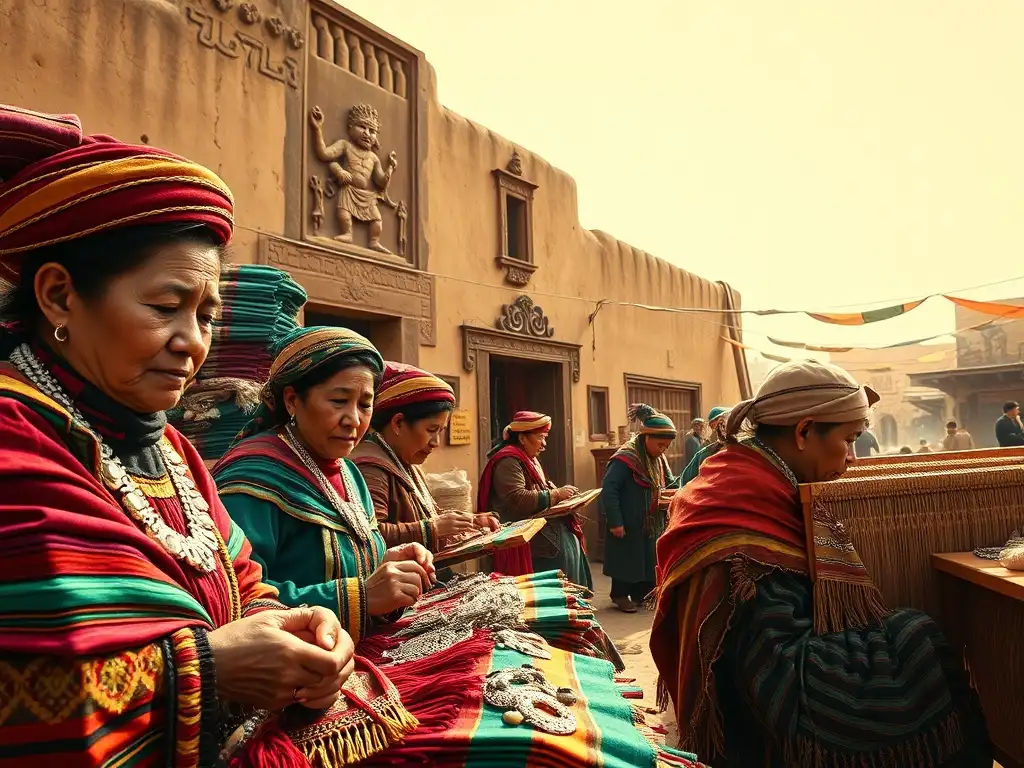
The economic impact of Andean craft production was substantial, shaping the social, political, and economic landscapes of these complex societies. The production of specialized goods fueled trade networks, generated wealth, and supported large populations. The level of craftsmanship and the sheer volume of goods produced demonstrate a sophisticated understanding of resource management and labor organization.
Furthermore, the demand for certain craft items, particularly those used in religious ceremonies or as markers of elite status, further propelled the growth and specialization of craft production. The scale of production, encompassing everything from textiles to metallurgy, indicates a well-organized system where artisans played a crucial role in the overall prosperity of their communities. The economic prosperity enabled by craft specialization allowed for the construction of monumental architecture, the development of complex irrigation systems, and the maintenance of large, centralized administrations.
Trade and Exchange Networks of Andean Crafts
Andean craft production was inextricably linked to extensive trade networks that spanned vast geographical distances. High-quality textiles from the highlands were exchanged for coastal resources like fish and shellfish. Precious metals, particularly gold and silver, traveled along these routes, serving as both currency and prestigious goods. The intricate organization of these networks suggests a degree of centralized control or at least coordinated effort between different communities.
Evidence suggests that certain regions specialized in the production of specific goods, fostering inter-regional exchange and economic interdependence. The sheer volume of traded goods and the distances covered underscores the importance of craft production in shaping the Andean economic landscape. The logistics and organization required for such extensive trade were significant achievements in their own right, showing a sophisticated understanding of logistics and trade routes.
The Value of Specialized Goods in Andean Economies
Specialized goods played a crucial role in the Andean economies, functioning as both currency and status symbols. Fine textiles, intricate metalwork, and elaborate ceramics were highly valued, reflecting the skill and time invested in their creation. The value of these goods extended beyond their utilitarian function; they were often used in religious ceremonies, exchanged as gifts between elites, and buried with important individuals as grave goods.
This illustrates the significance of craft production in reinforcing social hierarchies and expressing power. The presence of specialized goods in burials suggests that craft production was not simply an economic activity but also an integral part of the Andean worldview. The elaborate nature of these goods also demonstrates the economic capacity and social complexity of these societies.
Craft Production and the Rise of Andean Complex Societies
The development of specialized craft production was intrinsically linked to the rise of complex societies in the Andes. As populations grew and social hierarchies solidified, the demand for specialized goods increased. This increased demand, in turn, led to the development of more sophisticated production techniques and the emergence of specialized artisan groups.
The ability to organize and manage large-scale craft production was a key factor in the consolidation of power and the creation of centralized states. This specialization of labor allowed for greater efficiency and productivity, leading to an increase in surplus goods that could be used to support a larger non-producing population, including rulers, priests, and administrators. Therefore, craft production was not merely a byproduct of complex societies but rather a crucial engine driving their growth and development.
Examples of Notable Andean Craftsmanship
The remarkable artistry and technical skill of Andean artisans are evident in a wide variety of artifacts that have survived to this day. From the intricate textiles of the Inca to the stunning goldwork of the Moche, the craftsmanship demonstrates a deep understanding of materials and techniques. The sheer diversity of craft production across different Andean cultures highlights the rich tapestry of artistic expression and technological innovation that characterized these societies. The enduring legacy of these crafts continues to inspire awe and admiration, offering valuable insights into the lives, beliefs, and social structures of these ancient civilizations.
The Intricacy of Inca Textile Art
Inca textile art is renowned for its intricate designs, vibrant colors, and exceptional quality. The use of various weaving techniques, including tapestry, brocade, and sumptuary fabrics, produced textiles of unparalleled complexity. The Inca utilized a wide range of fibers, including alpaca, llama, and cotton, demonstrating mastery of both material selection and weaving techniques.
Textiles served not only as clothing but also as important ceremonial objects, status symbols, and even forms of currency. The high level of standardization in certain textile designs suggests a degree of centralized control over production, potentially indicating state involvement in the craft. The precision and artistry of Inca textiles reflect the high social status and specialized training of Inca weavers.
The Goldworking Mastery of the Moche Civilization
The Moche civilization, renowned for its sophisticated metallurgy, produced exquisite gold objects characterized by their intricate detail and masterful craftsmanship. Moche goldsmiths employed a variety of techniques, including hammering, repoussé, and casting, to create intricate figures, ornaments, and ceremonial objects. The use of alloys and the understanding of metal properties demonstrate a sophisticated understanding of metallurgy.
Gold objects often depicted scenes from Moche mythology and daily life, providing valuable insights into their beliefs and culture. The skill and artistry displayed in Moche goldwork highlight the high status and specialized training of their goldsmiths, who were likely part of a skilled artisan class. The survival of many Moche gold objects is a testament to their durability and the skill of the artisans.
The Polychrome Ceramics of the Nazca Culture
The Nazca culture is famous for its polychrome ceramics, characterized by their vibrant colors, intricate designs, and exceptional craftsmanship. Nazca potters developed sophisticated techniques for creating and firing ceramics with multiple colors, achieving remarkable precision and detail. The designs often depict mythological creatures, stylized plants, and scenes from daily life, providing valuable insights into Nazca culture and belief systems.
The vibrant colors and detailed depictions demonstrate a high level of skill and artistic talent. The widespread distribution of Nazca pottery suggests a significant trade network, connecting different communities across the Nazca region. The quality and consistency of Nazca pottery demonstrate the mastery of their craft and the importance of ceramics in Nazca society.
The Monumental Stone Work of Tiahuanaco
The monumental stonework of Tiahuanaco stands as a testament to the engineering prowess and organizational capabilities of this Andean civilization. The precision and scale of the stone structures, such as the Kalasasaya and Akapana, are remarkable achievements of ancient engineering. Tiahuanaco artisans demonstrated mastery of stone cutting, shaping, and fitting, using sophisticated techniques to create massive structures with incredibly tight tolerances.
The transport and placement of massive stone blocks required significant logistical planning and coordination, suggesting a highly organized society with a skilled workforce. The monumental scale of the stonework underscores the importance of religious and political power in Tiahuanaco society. The precision and artistry of the stonework highlight the sophisticated skills of Tiahuanaco artisans.
The Featherwork Techniques of the Chimú
The Chimú civilization, known for its sophisticated metalwork and textiles, also excelled in featherwork. Chimú artisans created intricate garments and ceremonial objects using a variety of feathers, demonstrating meticulous attention to detail and a mastery of feather-weaving techniques. The use of vibrant colors and complex designs demonstrates a high level of skill and artistry.
Featherwork objects likely served as important status symbols, and their elaborate designs and high quality reflect the high social standing of Chimú featherworkers. The intricate and labor-intensive process of creating Chimú featherwork highlights the value placed on this craft and the skill of the artisans involved. The preservation of some Chimú featherwork is a testament to their techniques and the durability of their creations.
The Legacy of Andean Craftsmanship: Influence on Modern Artisans
The intricate textiles, finely crafted pottery, and meticulously carved stonework of the Andean civilizations continue to inspire and influence artisans today. The techniques and aesthetic sensibilities developed over millennia are still evident in contemporary Andean art. For example, the vibrant colors and complex patterns found in traditional textiles, such as those from the Cusco region, are direct descendants of Inca and pre-Inca weaving traditions.
Modern artisans often utilize the same natural dyes—derived from plants and minerals—as their ancestors, ensuring the continuation of these ancient practices. The knowledge passed down through generations, often within families, ensures that these traditional skills remain alive and relevant in the 21st century.
Moreover, the enduring appeal of Andean craftsmanship is reflected in the global demand for these unique pieces. Contemporary artisans often cater to both local and international markets, creating a vibrant and dynamic artistic landscape. This global interest not only provides economic opportunities for Andean communities but also contributes to the preservation and dissemination of these invaluable cultural traditions. The intricate metalwork, often incorporating gold and silver, continues to be a significant aspect of Andean artistry, mirroring the sophisticated techniques employed by pre-Columbian goldsmiths.
These skills, honed over centuries, represent a remarkable testament to the ingenuity and artistic prowess of Andean societies. The enduring legacy of these artisans is not merely aesthetic; it represents a vital link to a rich and complex past. The continued practice and appreciation of these crafts serve as a powerful reminder of the enduring cultural heritage of the Andes.
Conclusion: The Enduring Significance of Andean Civilization Crafts Specialization
The specialization of crafts within Andean civilizations reveals a sophisticated social structure and a deep appreciation for artistry and skill. The high level of craftsmanship displayed in textiles, pottery, metalwork, and stone carving points to a structured system of labor division and apprenticeship, allowing for the development of exceptional techniques and artistic styles. This specialization was not merely an economic strategy; it also played a crucial role in the social and religious life of these societies, with crafts often serving symbolic and ritualistic purposes.
The legacy of this specialization continues to resonate today, influencing contemporary Andean art and inspiring a global appreciation for the rich cultural heritage of the region. Understanding the intricate relationship between craft specialization and social organization is essential to appreciating the complexity and sophistication of these ancient Andean cultures. The study of Andean civilization crafts specialization offers a unique window into the social dynamics, economic systems, and artistic achievements of these remarkable societies.
Their enduring impact on the world is undeniable, a testament to the creativity and skill of their artisans. The intricate details, the innovative techniques, and the enduring aesthetic appeal of their work continue to inspire and fascinate, highlighting the enduring significance of Andean civilization crafts specialization.
- The Importance of Specialized Labor in Ancient Andean Civilizations
- Defining Andean Crafts Specialization: Beyond Basic Production
- Types of Andean Artisans and Their Skills
- The Social Role and Status of Andean Craftsmen
- The Economic Impact of Andean Craft Production
- Examples of Notable Andean Craftsmanship
- The Legacy of Andean Craftsmanship: Influence on Modern Artisans
- Conclusion: The Enduring Significance of Andean Civilization Crafts Specialization
Frequently Asked Questions
What role did specialization play in Andean civilizations?
Andean societies exhibited a high degree of craft specialization. This meant individuals focused on specific skills like pottery, weaving, or metalworking, leading to high-quality goods and efficient production. This specialization was crucial to their complex societies.
How did Andean artisans acquire their skills?
Skills were often passed down through family lineages, with apprenticeships playing a significant role. Generational knowledge and expertise ensured the continuation of specific crafts and techniques. Communities also played a role in training and knowledge sharing.
What types of crafts were common in Andean civilizations?
Andean civilizations were renowned for a diverse range of crafts, including textiles, pottery, metalwork (gold, silver, copper), and stone carving. The quality and artistry of these crafts were exceptional, reflecting advanced techniques and aesthetic sensibilities.
Were Andean crafts only for elite members of society?
While elite members often commissioned elaborate and prestigious items, crafts served all levels of society. Everyday utilitarian objects like pottery and textiles were produced for widespread use, demonstrating the importance of craft production across social strata.
How did Andean craft specialization impact trade and exchange networks?
Specialized craft production fueled extensive trade networks throughout the Andes. High-quality goods were exchanged between different regions and communities, leading to the circulation of valuable materials and cultural exchange. This interconnectedness was vital to Andean societies.
Final Reflection: Weaving a Legacy: The Enduring Impact of Andean Craftsmanship
The intricate artistry of Andean civilizations continues to resonate today, a testament to the ingenuity and specialized labor that shaped their societies. From the vibrant textiles to the meticulously crafted ceramics, the legacy of these skilled craftspeople remains a powerful symbol of cultural resilience and innovation, influencing artistic expression and economic practices worldwide. Their mastery serves as a potent reminder of the value of specialized knowledge and the enduring power of human creativity.
The profound impact of Andean craftsmanship extends far beyond the realm of aesthetics; it speaks to the very fabric of their social structures and economic systems. The level of specialization achieved, particularly in metalworking and textile production, reveals a complex social organization and a sophisticated understanding of trade and exchange. The beauty of these objects is not merely decorative; it reflects a deep understanding of the cosmos and the human place within it.
This quote highlights the spiritual and symbolic significance imbued within these crafts, underscoring their importance beyond mere material value.
Consider the intricate details, the painstaking effort, the generations of knowledge passed down – these are not merely objects; they are stories woven into thread, sculpted into clay, hammered into metal. You, too, possess unique skills and talents. Reflect on your own contributions, your own specialized knowledge, and how you can use them to create something beautiful, something lasting, something that will resonate with future generations. Let the legacy of Andean craftsmanship inspire you to cultivate your own unique potential and leave your own indelible mark on the world.
**Unveil Your Creative Potential as an Artisan! **
Thank you for exploring the fascinating world of Andean artisans! Your interest in this rich cultural heritage expands your knowledge and connects you to a centuries-old tradition of creativity.
**Now it’s time to get started! ** Here are a few ways to unleash your inner artisan:
- **Begin your own craft project today! ** Choose a craft that inspires you—pottery, weaving, woodworking, jewelry making—and let your creativity flow. The possibilities are endless!
- **Share your creations! ** Showcase your work on social media or join an online artisan community to connect with fellow crafters and gain valuable feedback.
- **Expand your knowledge! ** Learn more about traditional Andean techniques by watching online tutorials, reading books, or even taking a class. Immerse yourself in the rich history and artistry.
What unique piece of art will you create, inspired by the legacy of Andean artisans? Share your ideas in the comments below!