
The Legacy of Andean Family Values in Modern Communities

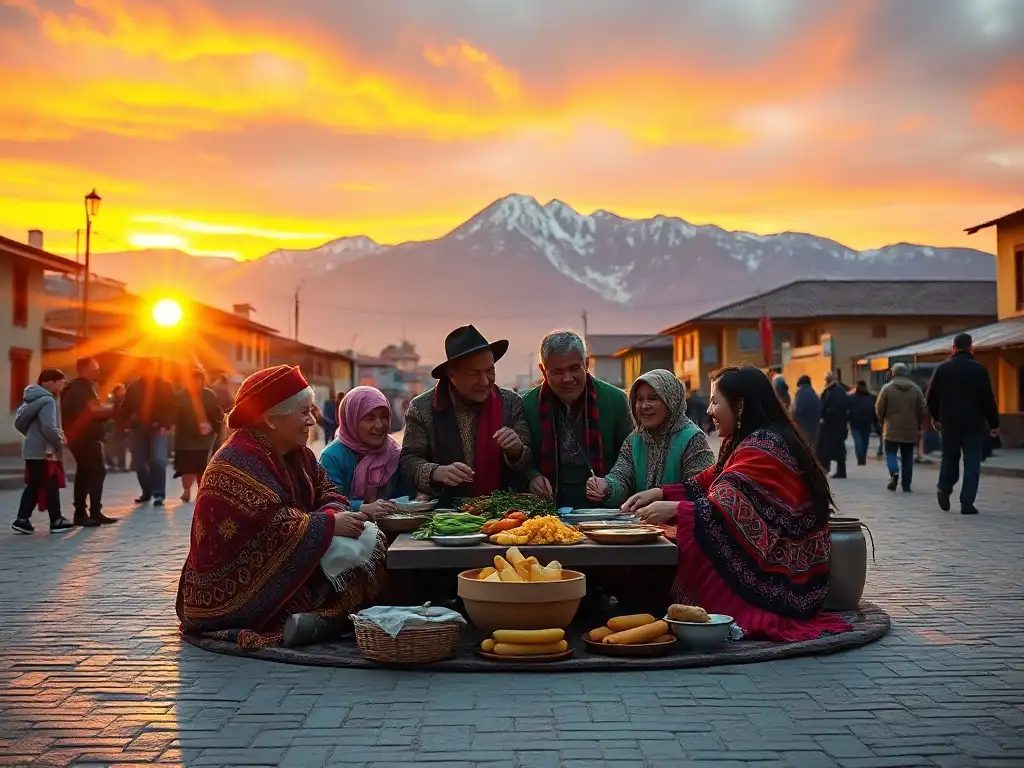
Step into a world lost to time, yet echoing in the present. Discover the enduring legacy of the Andean civilizations, where intricate artistry met ingenious engineering and profound social structures shaped a unique way of life. But what secrets lie hidden within the threads of their family values? Explore the surprising impact of Andean family values on modern communities – a story woven into the very fabric of their survival and resilience. Unravel the mysteries of their past to understand the present. Begin your journey now.
-
The Enduring Legacy of Andean Family Values in Modern Communities
- Understanding the Foundations of Andean Family Structures
- The Core Principles of Andean Family Values
- How Andean Family Values Impact Modern Life
- Andean Family Values and Social Cohesion
- Challenges to Maintaining Andean Family Traditions
- Adapting Andean Family Values for Future Generations
- Conclusion: The Continued Significance of Andean Family Values
-
Frequently Asked Questions
- How did Andean family structures differ from those in other parts of the world?
- What role did elders play in traditional Andean families?
- How did Andean family values impact their social organization?
- How have traditional Andean family values adapted to modern society?
- What is the lasting impact of Andean family values on modern communities?
- Final Reflection: Echoes of the Andes: Family, Resilience, and the Future
- **Embrace and Celebrate Your Andean Heritage! **
The Enduring Legacy of Andean Family Values in Modern Communities
The Andes Mountains, a spine of towering peaks running down the western coast of South America, have been home to a vibrant tapestry of civilizations for millennia. From the sophisticated irrigation systems of the Nazca to the monumental architecture of the Incas, these cultures left behind a rich legacy that continues to shape the lives of Andean communities today.
This article delves into the enduring impact of Andean family values, exploring how these deeply rooted principles of kinship, reciprocity, and respect for elders influence modern social structures and daily life. We will examine how the concept of "Andean family values impact" manifests in contemporary society, highlighting the profound influence of ancient traditions on contemporary family dynamics and community cohesion.
Understanding this legacy provides crucial insight into the resilience and adaptability of Andean cultures throughout history and into the present day. The strength of Andean communities often stems from their strong family units and the enduring principles that govern them.
Understanding the Foundations of Andean Family Structures
Andean family structures, historically, were – and in many cases, still are – significantly different from those found in Western societies. The concept of the nuclear family, while present, often existed within a larger framework of extended kinship networks. These networks played, and continue to play, a vital role in providing social support, economic stability, and cultural continuity. Unlike the emphasis on individual autonomy often seen in Western cultures, Andean family values prioritize collective well-being and interdependence.
This emphasis on community over individual needs is a cornerstone of Andean social life and a key factor in understanding the lasting influence of traditional family structures. The importance of land ownership and its connection to family lineage also significantly shaped social hierarchy and power dynamics within these communities. [Specific data on land ownership patterns in different Andean communities pending].
The Core Principles of Andean Family Values
The core principles underpinning Andean family values are multifaceted and deeply intertwined. These principles, often passed down through generations, are not merely abstract ideals but rather practical guides for daily life, shaping social interactions, economic activities, and spiritual beliefs. They provide a framework for understanding the complex dynamics within Andean families and communities. Key among these principles are the concepts of ayni, the importance of community and extended kinship, and profound respect for elders and ancestral wisdom.
Ayni: The Principle of Reciprocity and Cooperation
Ayni, a Quechua word meaning "reciprocity," is a fundamental principle governing Andean social relations. It emphasizes the importance of mutual support and cooperation within the community. This principle extends beyond simple acts of kindness; it forms the basis of economic exchange, labor sharing, and social responsibility. Families participate in ayni through various activities, such as helping neighbors with agricultural tasks, sharing resources during times of need, and participating in community projects.
The spirit of ayni fosters a strong sense of collective responsibility and social solidarity, ensuring the well-being of all community members. The continued practice of ayni in modern Andean communities demonstrates the enduring relevance of this ancient principle in navigating the challenges of contemporary life. The impact of ayni on social cohesion is undeniable, promoting a sense of belonging and shared purpose.
Importance of Community and Extended Kinship
The importance of extended kinship networks within Andean communities cannot be overstated. Families are rarely isolated units; rather, they are deeply embedded within a wider network of relatives, friends, and neighbors. This extended family structure provides crucial support in times of hardship, offering assistance with childcare, elder care, and economic challenges.
The strength of these bonds is reflected in the close-knit nature of Andean communities, where collective decision-making and shared responsibilities are commonplace. The extended family functions as a safety net, providing both emotional and practical support, contributing significantly to the stability and resilience of Andean communities. [Further research is needed to quantify the impact of extended kinship networks on economic stability in modern Andean communities].
Respect for Elders and Ancestral Wisdom
Respect for elders and ancestral wisdom is another cornerstone of Andean family values. Elders are considered repositories of knowledge, experience, and tradition, and their guidance is highly valued within the family and the community. Their role extends beyond providing advice; they often play a crucial role in transmitting cultural heritage, traditional practices, and spiritual beliefs to younger generations. This deep respect for elders fosters intergenerational harmony and ensures the continuity of Andean culture.
The wisdom passed down through generations provides a sense of continuity and grounding in a rapidly changing world. This respect is not merely a matter of politeness; it reflects a deep understanding of the importance of preserving cultural heritage and the knowledge that comes with age and experience. The influence of elders on decision-making processes within the family and the community is significant, ensuring that traditional values remain relevant in modern contexts.
How Andean Family Values Impact Modern Life
The enduring legacy of Andean family values continues to shape social structures and individual lives in modern Andean communities. These values, deeply rooted in traditions spanning millennia, influence everything from daily interactions to broader societal dynamics. The emphasis on collective well-being, reciprocal exchange (ayni), and respect for elders permeates various aspects of contemporary life, impacting everything from economic cooperation to conflict resolution.
Understanding this influence is crucial to comprehending the unique character of Andean societies and their resilience in the face of modernization. The strength of family ties often translates into strong community support systems, offering a safety net in times of hardship and fostering a sense of belonging rarely found in more individualistic societies.
This inherent social cohesion, built upon centuries of shared values, remains a powerful force in the Andean world. The legacy of these values is not merely historical; it's a living reality affecting how communities organize, interact, and overcome challenges.
The Persistence of Ayni in Contemporary Practices
Ayni, the principle of reciprocity and mutual support, remains a cornerstone of Andean social life. While its manifestation might have evolved, the core concept persists in various forms. In rural communities, ayni continues to function as a vital system of labor exchange, with neighbors assisting each other with agricultural tasks or construction projects.
This practice not only ensures efficient resource allocation but also strengthens social bonds and reinforces community solidarity. Even in urban settings, variations of ayni can be observed in the form of informal support networks, where families and friends assist each other with childcare, errands, or financial needs. This informal system of mutual aid serves as a vital supplement to formal social welfare programs, providing a crucial safety net for vulnerable members of the community.
The spirit of ayni contributes significantly to the strong sense of community and collective responsibility prevalent in many modern Andean communities. It’s a testament to the adaptability and resilience of these ancient values.
Strengthening Community Bonds Through Andean Kinship
Andean kinship systems, characterized by extensive family networks and strong intergenerational ties, play a pivotal role in strengthening community bonds. The concept of extended family goes beyond immediate relatives, encompassing a wide circle of godparents, close friends, and even individuals connected through shared ancestry or community affiliation. This expansive kinship network provides a robust support system, offering assistance during difficult times and promoting a sense of shared identity and belonging.
The close-knit nature of these extended families often translates into strong community cohesion, as individuals readily rely on their kinship network for social, economic, and emotional support. This interconnectedness fosters a sense of collective responsibility and mutual interdependence, shaping social interactions and community dynamics in profound ways. The strength of these kinship ties is a key factor contributing to the resilience and stability of Andean communities.
The Role of Elders in Modern Andean Families
Respect for elders remains a central tenet of Andean family values. In many communities, older generations are highly valued for their wisdom, experience, and knowledge of traditional practices. Elders often play a crucial role in decision-making processes within the family and the community, offering guidance and mediating conflicts. They are seen as repositories of cultural heritage, transmitting traditional knowledge, customs, and values to younger generations.
This intergenerational transmission of values ensures the continuity of Andean cultural traditions and contributes to the stability of family and community structures. While modernization has brought changes, the respect accorded to elders remains a vital element of Andean family life, contributing to social harmony and intergenerational understanding. Their role transcends mere familial relationships; they serve as important community leaders and mentors.
Andean family values are inextricably linked to the social cohesion and stability of Andean communities. The emphasis on collective well-being, mutual support, and respect for elders creates a strong sense of community and shared identity. This, in turn, fosters social harmony, reduces conflict, and promotes cooperation.
The deeply ingrained values of reciprocity and solidarity contribute to the development of robust social networks that provide support during times of hardship and celebrate shared achievements. This strong sense of community is not merely a social construct; it's a vital element of Andean identity and a key factor contributing to the resilience and adaptability of Andean societies in the face of external pressures.
Fostering Stronger Family Units
The emphasis on strong family ties fosters the creation of resilient family units. The extended family structure provides a safety net, offering emotional, social, and economic support to its members. This collective approach to family life reduces the burden on individual family members and promotes stability within the family unit. The strong intergenerational bonds reinforce family cohesion and ensure the transmission of cultural values and traditions across generations. The emphasis on cooperation and shared responsibility within the family contributes to a strong sense of belonging and mutual respect among family members.
Promoting Community Solidarity and Support Networks
Andean family values directly contribute to the development of robust community solidarity and support networks. The principle of ayni, along with the strong emphasis on extended family ties, fosters a sense of collective responsibility and interdependence. Individuals readily assist each other in times of need, creating a safety net that supports vulnerable members of the community. This strong sense of community fosters social cohesion and strengthens the bonds between families and individuals within the community. This system of mutual support is vital, particularly in rural communities where formal social welfare programs may be limited or inaccessible.
Andean Family Values as a Model for Social Harmony
The emphasis on collective well-being, reciprocity, and respect for elders found in Andean family values provides a compelling model for social harmony. The focus on cooperation and mutual support offers a powerful counterpoint to the individualism that characterizes many modern societies. These values promote a sense of shared responsibility and community, contributing to social stability and reducing conflict.
The strength and resilience of Andean communities stand as a testament to the effectiveness of these values in fostering social harmony and promoting the well-being of all members of society. They represent a valuable lesson for societies grappling with increasing social fragmentation and inequality.
Challenges to Maintaining Andean Family Traditions
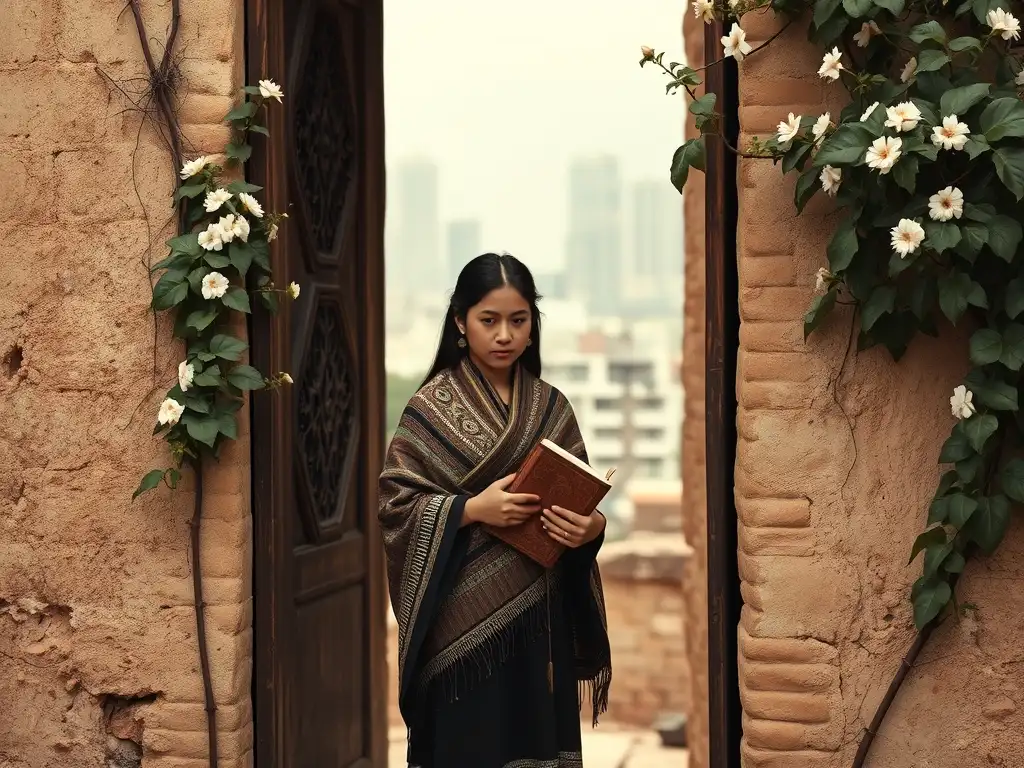
The enduring legacy of Andean family values faces significant challenges in the modern era. Rapid societal shifts, driven by globalization and technological advancements, are testing the resilience of traditional family structures and their core principles. The strong emphasis on community, reciprocity ( ayni ), and respect for elders, which characterized Andean societies for centuries, is being challenged by the pressures of a rapidly changing world.
Maintaining these values requires a conscious and concerted effort to adapt and preserve them while acknowledging the realities of contemporary life. The erosion of traditional practices is a complex issue, with multiple interwoven factors contributing to its evolution. Understanding these factors is crucial to developing effective strategies for preserving and promoting Andean family values for future generations.
Urbanization and its Impact on Family Structures
Urbanization has profoundly impacted Andean family structures. The migration of rural families to urban centers often leads to the breakdown of extended family networks, a cornerstone of traditional Andean society. In rural communities, families typically live in close proximity, sharing resources and responsibilities. This close-knit structure provides crucial support for raising children, caring for the elderly, and maintaining cultural traditions.
However, the anonymity and competitiveness of urban life often weaken these ties. Families become more nuclear, relying less on extended family support, and traditional roles and responsibilities may become blurred or redefined. This shift can lead to feelings of isolation and a diminished sense of community, threatening the transmission of cultural values across generations. The challenge lies in finding ways to foster a sense of community and mutual support within urban environments, adapting traditional practices to fit the realities of city life.
Globalization and Changing Social Norms
Globalization's influence on Andean family values is multifaceted. The influx of foreign ideas and lifestyles through media and migration introduces new social norms that can conflict with traditional beliefs and practices. For example, the emphasis on individualism in many Western cultures can clash with the collectivist values inherent in Andean family structures. The increased exposure to diverse perspectives can be enriching, but it also presents the risk of losing cherished traditions.
The challenge is to navigate this cultural exchange in a way that strengthens rather than undermines Andean family values. This necessitates a thoughtful examination of which aspects of tradition are most vital to preserve and how to integrate them seamlessly into a globalized world. The successful integration requires a balance between embracing modernity and maintaining the essence of Andean cultural identity.
The Influence of Modern Technology on Andean Values
Modern technology, while offering many benefits, also presents challenges to the preservation of Andean family values. The pervasive use of smartphones and social media can lead to decreased face-to-face interaction within families, potentially weakening interpersonal bonds and hindering the transmission of cultural knowledge. The constant connectivity can also distract from family time and shared activities, which are essential for strengthening family ties and fostering a sense of belonging. Furthermore, the exposure to different lifestyles and values through the internet can sometimes lead to a questioning or rejection of traditional practices.
However, technology also presents opportunities. It can be leveraged to connect family members across geographical distances, facilitate the sharing of cultural knowledge, and promote the preservation of Andean traditions. The key is to use technology mindfully, prioritizing meaningful interactions and leveraging its potential to strengthen rather than undermine family values.
Adapting Andean Family Values for Future Generations
The preservation of Andean family values requires a proactive approach focused on adaptation and integration. Simply clinging to outdated practices is unsustainable; a flexible and evolving approach is essential for ensuring their continued relevance in a rapidly changing world. This necessitates a careful examination of which values are most crucial to preserve and how they can be integrated into contemporary life.
The emphasis should be on the core principles underlying these traditions—respect, reciprocity, and community—rather than rigidly adhering to specific practices. By understanding the underlying principles, future generations can adapt and apply them to their own lives, ensuring the enduring influence of Andean family values.
Preserving Traditional Practices in a Changing World
Preserving traditional practices in a changing world requires a multifaceted strategy. This includes documenting and celebrating traditional ceremonies, rituals, and storytelling practices. These methods not only safeguard cultural heritage but also provide a powerful means of transmitting values and beliefs across generations. Community-based initiatives, involving elders and younger generations, can play a crucial role in keeping these traditions alive.
The creation of spaces and opportunities for intergenerational dialogue and interaction is essential for fostering a sense of continuity and shared identity. Furthermore, supporting local artisans and promoting traditional crafts can contribute to the preservation of cultural heritage and the transmission of traditional knowledge. These collective efforts ensure that Andean family values remain vibrant and relevant in the modern world.
Integrating Andean Wisdom into Contemporary Education
Integrating Andean wisdom into contemporary education is crucial for nurturing future generations’ understanding and appreciation of their cultural heritage. This can involve incorporating traditional stories, songs, and practices into school curricula. It also means promoting intercultural dialogue and fostering a deeper understanding of the values and beliefs that underpin Andean family structures.
By integrating Andean perspectives into education, young people can develop a stronger sense of identity and a deeper connection to their cultural roots. This approach not only preserves cultural heritage but also equips young people with a rich set of values and principles that can guide them throughout their lives. The integration of indigenous knowledge into formal education systems is a critical step towards ensuring the long-term preservation of Andean family values.
Empowering Younger Generations to Uphold Family Values
Empowering younger generations to uphold family values requires creating opportunities for them to engage actively in the preservation of their cultural heritage. This involves providing them with the knowledge, skills, and resources to participate meaningfully in community-based initiatives and cultural events. Mentorship programs connecting young people with elders can facilitate the transmission of traditional knowledge and practices.
Creating spaces for young people to express their creativity and explore their cultural identity through art, music, and other forms of self-expression can foster a sense of pride and ownership of their heritage. By empowering younger generations to become active custodians of their cultural heritage, we ensure that Andean family values will continue to flourish for generations to come. This proactive approach involves providing support and encouragement, recognizing the importance of their role in preserving their cultural heritage.
Conclusion: The Continued Significance of Andean Family Values
The enduring strength of Andean family values in modern communities is a testament to their deep-rooted cultural significance. Despite the pressures of globalization and modernization, the emphasis on collective well-being, reciprocal obligations, and strong kinship ties remains a cornerstone of Andean identity. The intricate web of familial relationships, extending beyond the nuclear family to encompass extended kin and community members, provides a crucial support system, particularly in rural areas where traditional ways of life are more prevalent.
This strong sense of community fosters cooperation, mutual assistance, and a shared responsibility for the well-being of all members. The impact of these values on social cohesion, economic stability, and cultural preservation is undeniable, making their continued study and understanding vital for comprehending Andean societies today.
Furthermore, understanding these values provides insights into the resilience of indigenous cultures in the face of external pressures. The preservation of these traditions offers a valuable model for fostering strong, supportive communities in other parts of the world grappling with similar challenges.
The Lasting Influence of Andean Kinship
Andean kinship systems, characterized by complex networks of reciprocal obligations and extended family structures, have profoundly shaped social organization and individual identities for centuries. The concept of ayllu, a community-based kinship group prevalent among many Andean cultures, exemplifies the deep-rooted importance of collective identity and shared responsibility. Members of an ayllu are bound by intricate ties of blood and land, sharing resources, responsibilities, and a strong sense of mutual support.
This system fostered social stability and resilience, providing a framework for cooperation in agriculture, construction, and other vital activities. Even in contemporary Andean societies, where urbanization and migration have led to changes in family structures, the influence of ayllu principles remains visible in the continued importance of extended family networks and community solidarity.
The enduring strength of these kinship ties highlights the fundamental role of family in Andean societies, both historically and in the present day. The legacy of ayllu continues to shape social interactions, economic practices, and cultural expressions in many Andean communities.
The relevance of Andean Values in the Modern World
The relevance of Andean family values in the modern world extends beyond their historical significance. In an increasingly individualistic global society, the emphasis on community, interdependence, and collective responsibility inherent in Andean family structures offers a valuable counterpoint. The focus on reciprocal obligations and shared resources provides a model for building stronger, more resilient communities that prioritize social justice and environmental sustainability. The emphasis on respect for elders and the transmission of traditional knowledge and practices across generations contributes to the preservation of cultural heritage. Moreover, the strong social networks fostered by Andean family values provide a crucial buffer against the negative impacts of poverty, marginalization, and social inequality. These values can serve as a guide for building more equitable and sustainable societies, both within Andean communities and globally. The principles of mutual support and collective action embedded within Andean family structures offer valuable lessons for addressing contemporary social challenges.
The Importance of Preserving Andean Heritage
Preserving Andean heritage, including its rich tapestry of family values, is crucial for maintaining cultural identity, promoting social cohesion, and ensuring the sustainable development of Andean communities. The transmission of traditional knowledge, practices, and values from one generation to the next is essential for the continuity of Andean cultures. This includes preserving traditional family structures, promoting indigenous languages, supporting local artisans, and protecting sacred sites and cultural landscapes.
The loss of these traditions would represent not only a cultural tragedy but also a significant loss of valuable knowledge and practices that could contribute to the well-being of present and future generations. Efforts to preserve Andean heritage must involve active participation from community members, ensuring that the preservation of traditions is a collaborative process that empowers local populations and respects their cultural autonomy.
Supporting initiatives that promote cultural preservation, education, and economic development within Andean communities is vital for ensuring the long-term sustainability of this rich cultural legacy. The safeguarding of Andean family values is integral to the broader preservation of Andean heritage and identity.
Frequently Asked Questions
How did Andean family structures differ from those in other parts of the world?
Andean family structures often emphasized extended family units, with multiple generations living together and sharing resources. This differed significantly from the more nuclear family model prevalent in many other cultures. Strong kinship ties were central to their social organization.
What role did elders play in traditional Andean families?
Elders held positions of great respect and authority within Andean families. Their knowledge, experience, and wisdom were highly valued, influencing decision-making and guiding younger generations. They were often seen as spiritual leaders within the family.
Strong family ties formed the bedrock of Andean societies. Reciprocity and community support were essential, with families cooperating extensively in agriculture, construction, and other activities. This collective approach shaped their social structures and political systems.
How have traditional Andean family values adapted to modern society?
While many traditional values persist, modernization and globalization have influenced Andean family structures. Increased migration and urbanization have sometimes led to smaller family units, yet the importance of family and community support remains significant in most communities.
What is the lasting impact of Andean family values on modern communities?
The emphasis on collective well-being, mutual support, and respect for elders continues to influence modern Andean communities. These values contribute to strong social cohesion and resilience, even in the face of rapid societal changes. They are a vital part of their cultural identity.
Final Reflection: Echoes of the Andes: Family, Resilience, and the Future
The enduring strength of Andean family values continues to resonate in modern communities, shaping identities and fostering resilience in the face of unprecedented global challenges. These values, passed down through generations, are not mere relics of the past; they are dynamic forces that offer valuable lessons for navigating the complexities of the 21st century. Their impact is undeniable, influencing everything from community structures to individual approaches to life's hurdles.
The profound influence of Andean family values on the social fabric of both Andean communities and their diaspora is undeniable. The emphasis on collective well-being, mutual support, and respect for elders creates a powerful sense of belonging and shared responsibility. The family is not an accident, but a creation, a work of art, a masterpiece.
This sentiment, though not originating in Andean culture, perfectly encapsulates the dedication and artistry involved in building and maintaining strong family units, a cornerstone of Andean tradition. The ongoing struggle for social justice and economic equality in many Andean regions highlights the critical role that strong family bonds play in providing support and fostering hope amidst adversity.
Consider the lessons woven into the rich tapestry of Andean family life. How can you cultivate a stronger sense of community and mutual support in your own life? How can you honor the wisdom of your elders and contribute to the well-being of your family and community? Embrace the enduring power of connection, resilience, and shared responsibility – the very essence of Andean family values – and build a future where these principles flourish. Let the echoes of the Andes inspire you to create a more compassionate and interconnected world.
**Embrace and Celebrate Your Andean Heritage! **
Thank you for exploring the rich tapestry of Andean family values with us! Your interest not only honors these traditions but also empowers you to integrate them into your life. Let's work together to keep this vibrant legacy alive and thriving in our modern world.
Here are a few ways you can make a difference:
- **Engage with your community:** Participate in local cultural events and workshops that celebrate Andean traditions, or even organize your own to share your passion and knowledge with others!
- **Incorporate Andean values at home:** Establish family rituals that reflect these cherished principles. Sharing stories during dinner, engaging in community service together, or learning traditional crafts are all wonderful ways to make your home a place where these values flourish.
- **Share your journey:** Share your experiences and insights on social media using #AndeanValues—inspire others and let the world see how these traditions enrich your life!
How will you incorporate Andean family values into your daily life, and what positive impact do you hope to create? Share your thoughts and join the conversation below!