
The Impact of Conquest on Daily Life in the Andes: Change and Transformation

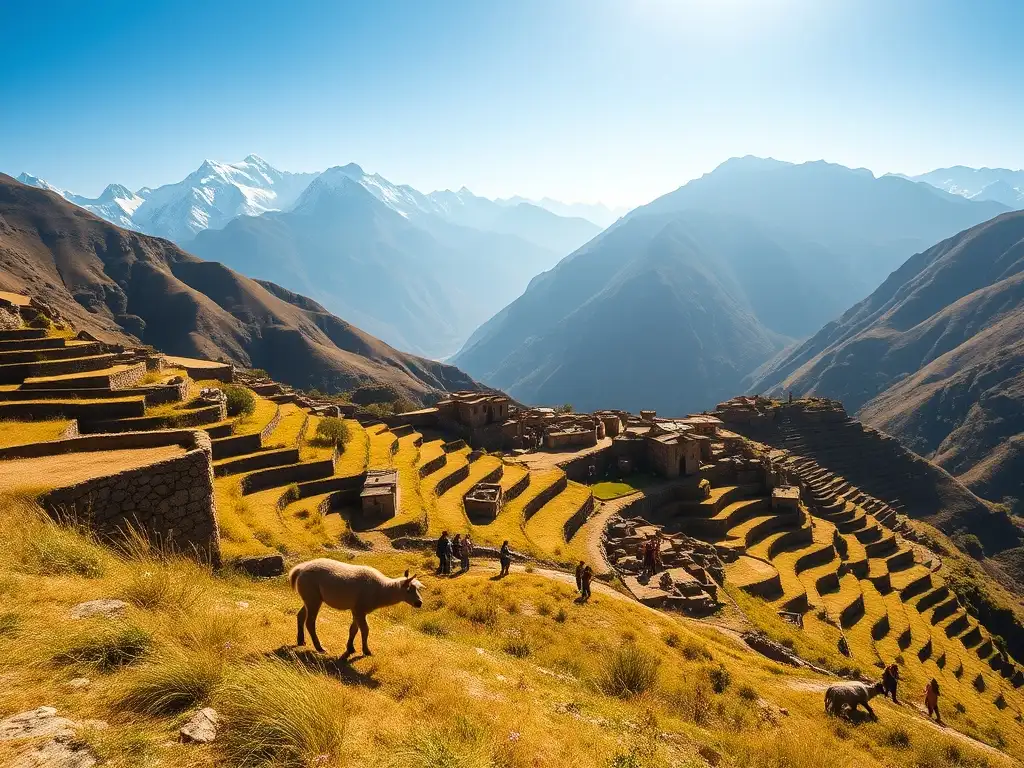
Step into a world lost to time, yet echoing in the vibrant tapestry of modern South America. Imagine the breathtaking heights of the Andes, once home to powerful empires like the Incas, Moche, and Nazca. But what happened when these magnificent civilizations collided with European conquest? Discover the profound and often devastating impact of conquest on daily life in the Andes, a story of dramatic change and enduring transformation. Uncover the mysteries and explore the legacies left behind in our exploration of Andean civilizations conquest impact. Dare to delve deeper…
The Spanish conquest of the Andes in the 16th century irrevocably altered the daily lives of Andean peoples. This wasn't simply a political upheaval; it represented a profound societal shift impacting every aspect of existence, from agricultural practices and religious beliefs to social structures and economic systems. This article explores the multifaceted consequences of this conquest, examining how it reshaped the daily routines and cultural landscapes of the various Andean civilizations, including the Inca, Moche, Nazca, and Tiahuanaco, leaving an enduring legacy that continues to shape the region today.
Understanding this impact is crucial to appreciating the complexities of Andean history and the resilience of its people in the face of immense change. We will delve into the specific ways in which conquest disrupted established patterns and introduced new elements, ultimately transforming the fabric of Andean daily life.
Agricultural Practices and Land Ownership
The Spanish conquest dramatically altered traditional Andean agricultural practices. Prior to the arrival of the Europeans, Andean societies had developed sophisticated irrigation systems and agricultural techniques adapted to the diverse Andean geography. Terracing, for example, allowed for efficient cultivation on steep slopes. However, the encomienda system, which granted Spanish conquistadors control over indigenous labor and land, disrupted these established practices.
Indigenous farmers were forced to work on haciendas (large estates) producing crops for the Spanish market, often neglecting their own subsistence agriculture. This shift resulted in decreased food production for local communities and increased vulnerability to famine. The introduction of new crops, like wheat and livestock, also altered traditional farming methods and diets, leading to both positive and negative consequences for the Andean population. The long-term effects of this disruption are still visible in the Andean landscape and agricultural practices.
Religious Beliefs and Practices
The Spanish conquest led to a systematic suppression of indigenous religions and the forceful imposition of Catholicism. Temples were destroyed, religious rituals were banned, and indigenous priests were persecuted. While some syncretism occurred—a blending of indigenous and Catholic beliefs and practices—the overall impact was a significant disruption of traditional spiritual life.
The destruction of sacred sites and the suppression of religious practices had a profound effect on Andean communities, eroding their cultural identity and social cohesion. This religious upheaval was intertwined with the broader political and economic changes imposed by the Spanish, leading to a lasting transformation of Andean worldview and spiritual practices. The scars of this religious suppression remain visible in the ongoing struggle to preserve and revive traditional Andean spiritualities.
The pre-Columbian Andean societies were characterized by complex social hierarchies and political structures. The Inca Empire, for example, had a highly centralized system of governance. The Spanish conquest shattered these existing power structures, replacing them with a colonial hierarchy dominated by the Spanish. The indigenous elite were often marginalized or replaced, while the vast majority of the population was subjected to forced labor and exploitation.
This radical shift in power dynamics had far-reaching consequences, creating new forms of social stratification and inequality that persisted for centuries. The indigenous population faced not only economic exploitation but also the erosion of their traditional social structures and leadership. The legacy of this social upheaval continues to impact Andean societies today.
Economic Systems and Trade
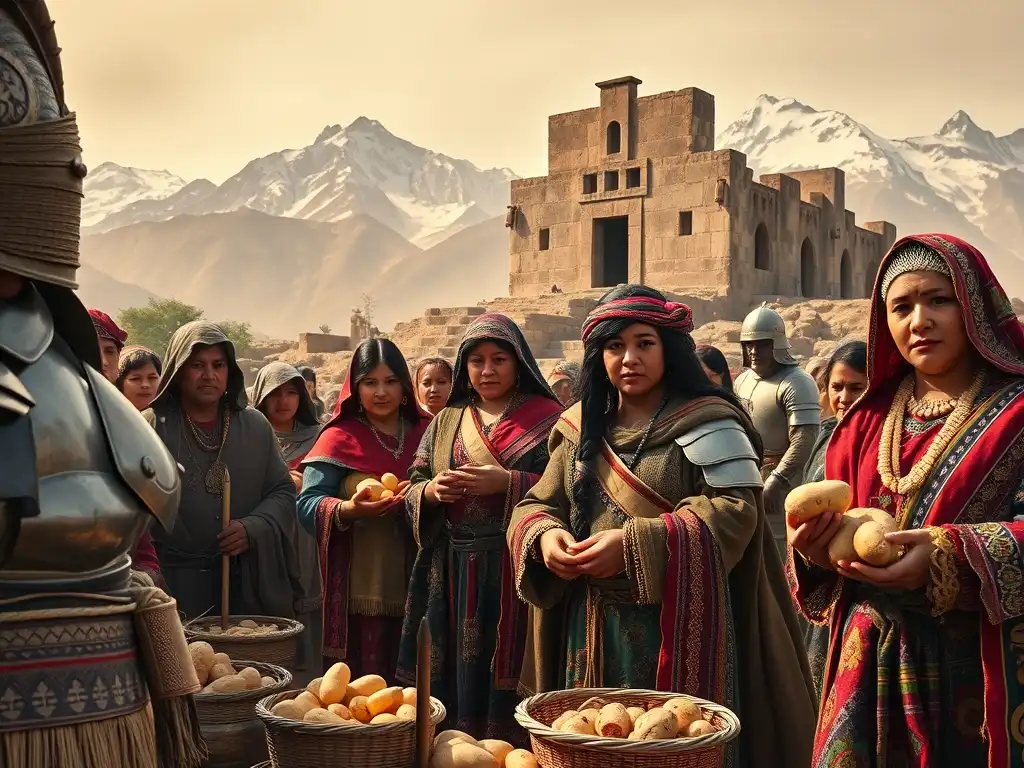
The Andean economies before the conquest were based on a complex system of reciprocity and redistribution. This system, however, was completely overturned by the introduction of the Spanish mercantilistic system. The focus shifted from local exchange and community needs to the extraction of resources for the benefit of the Spanish crown. The introduction of silver mining, for instance, led to massive labor exploitation and the devastation of the environment.
The traditional Andean trade networks were disrupted, and new economic structures were imposed, benefiting the Spanish colonizers at the expense of the indigenous population. The long-term consequences included economic dependence and the persistent underdevelopment of the region. This economic transformation deeply shaped the trajectory of Andean development for centuries to come.
Everyday Life and Material Culture
The Spanish conquest profoundly impacted even the most mundane aspects of daily life in the Andes. Clothing styles, food preparation, housing, and tools all underwent significant changes. The introduction of new technologies and materials, alongside the suppression of traditional crafts, led to a transformation of material culture.
The imposition of new languages and administrative systems further contributed to the disruption of everyday life. Even seemingly insignificant details, like changes in dietary habits or building techniques, reflect the far-reaching impact of the conquest on the daily experiences of Andean peoples. The enduring legacy of this transformation is evident in the blend of indigenous and European influences that characterize contemporary Andean culture.
- Agricultural Practices and Land Ownership
- Religious Beliefs and Practices
- Social Structures and Power Dynamics
- Economic Systems and Trade
- Everyday Life and Material Culture
- How did the Spanish conquest impact the Andean social structure?
- What was the effect of the conquest on Andean agriculture?
- How did the conquest affect Andean religious practices?
- What impact did the conquest have on Andean artistic expression?
- What was the long-term impact of the conquest on Andean technology?
Andean Civilizations Conquest Impact: An Overview

This section examines the profound and lasting impact of the Spanish conquest on the daily lives of Andean peoples. We'll explore how the arrival of the conquistadors drastically altered pre-existing social structures, economic systems, and spiritual beliefs, leaving an indelible mark on the region's cultural landscape. Understanding this transformation requires analyzing both the immediate disruptions caused by the conquest and the long-term consequences that continue to resonate even today. The keyword phrase "Andean civilizations conquest impact" highlights the central theme of this analysis, focusing on the specific effects on various aspects of daily life within these complex societies.
Pre-Conquest Andean Society: A Brief Look
Before the Spanish arrived, the Andes were home to a diverse array of sophisticated civilizations. Each possessed unique characteristics, but common threads included intricate agricultural systems, complex social hierarchies, and vibrant religious practices. For example, the Inca Empire, at its zenith, boasted a highly organized state with a vast network of roads, sophisticated irrigation systems, and a centralized administrative structure. Their daily lives revolved around agriculture, with terraced farming techniques allowing them to cultivate crops even on steep slopes.
This agricultural prowess fueled a complex social structure, with a clear hierarchy ranging from the emperor to commoners. Religious beliefs were deeply ingrained in their daily routines, with elaborate ceremonies and rituals dedicated to various deities. The Moche civilization, known for its exquisite metalwork and pottery, demonstrated a different social organization, likely characterized by a more decentralized power structure. Their daily lives were also heavily influenced by their environment, with fishing and agriculture playing vital roles.
Analyzing these pre-conquest societies provides a crucial baseline against which to measure the transformative impact of the Spanish conquest. The contrast reveals the magnitude of the changes that occurred, impacting everything from food production to religious practices and social organization. Understanding this pre-conquest context is paramount to comprehending the lasting legacy of the Spanish conquest on Andean civilizations. The diversity of these societies underscores the complexity of the conquest's impact, with varying degrees of change depending on the specific cultural group and region.
The Arrival of the Conquistadors: Initial Disruptions
The arrival of the Spanish conquistadors in the 16th century marked a catastrophic turning point for Andean civilizations. The initial impact was devastating, characterized by widespread violence, disease, and the disruption of established social orders. The introduction of European diseases, such as smallpox, measles, and influenza, decimated the indigenous population, weakening their ability to resist the Spanish advance. Historians estimate that the population of the Andes plummeted by as much as 90% in the century following the conquest.
😥 This demographic collapse had far-reaching consequences, fundamentally altering the social fabric of Andean societies. The existing power structures crumbled, replaced by a Spanish colonial regime that imposed its own system of governance and social hierarchy. The Inca Empire, once a powerful and organized state, was dismantled, and its vast resources were plundered by the Spanish. The immediate effects were not just limited to population decline; the conquest disrupted traditional agricultural practices, leading to food shortages and famine.
The forced labor system, known as the encomienda, exploited the indigenous population, demanding their work in mines and on farms. This system, combined with the devastation caused by disease, led to widespread suffering and the destruction of traditional ways of life. The initial phase of the conquest was a period of immense upheaval and violence, leaving an enduring legacy of trauma and profound social change for Andean civilizations. The sheer scale of the disruption, encompassing disease, forced labor, and the destruction of existing societal structures, irrevocably altered the course of Andean history.
Transformations in Andean Daily Life After Conquest
The Spanish conquest of the Andes dramatically reshaped daily life for the indigenous populations, leaving an indelible mark on their agricultural practices, diets, and social structures. Understanding the impact of this conquest requires examining the specific ways in which these changes manifested across various Andean societies, recognizing the diverse pre-existing conditions and the uneven nature of colonial imposition. The keyword "Andean civilizations conquest impact" encapsulates the profound and lasting effects of this historical event.
Changes in Agricultural Practices and Land Use
Prior to the conquest, Andean agriculture was characterized by sophisticated terracing techniques, intricate irrigation systems, and a deep understanding of diverse microclimates. This allowed for the cultivation of a wide array of crops adapted to varying altitudes and conditions. The waru waru system, for example, a raised-bed agricultural technique, demonstrated remarkable ingenuity in water management and soil fertility. The Spanish conquest, however, led to significant alterations in these established practices.
The encomienda system, which granted Spanish conquistadors control over indigenous labor and resources, fundamentally disrupted traditional land tenure. Indigenous communities were often forced to abandon their established agricultural practices and instead cultivate crops demanded by the Spanish, such as wheat and sugarcane. This shift often resulted in the neglect of traditional crops and the depletion of soil fertility due to monoculture farming.
The introduction of the plow, while seemingly a technological advancement, was often poorly suited to the Andean terrain and further contributed to soil erosion. Detailed studies of colonial-era agricultural records are needed to fully quantify the extent of these shifts in various Andean regions, but it is clear that the transition had a substantial negative impact on agricultural productivity in many areas.
The Introduction of New Crops and Livestock
The arrival of the Spanish also brought with it a suite of new crops and livestock that profoundly impacted Andean agriculture and diet. Wheat, barley, and oats became increasingly important, while livestock such as cattle, sheep, and pigs were introduced, altering the landscape and agricultural practices. However, the integration of these new elements was not without its challenges.
The introduction of Old World livestock had a particularly significant impact. Pastoralism, while becoming a significant part of the colonial economy, often clashed with existing Andean land use patterns. Overgrazing led to land degradation and the displacement of traditional agricultural practices in some areas. Furthermore, diseases carried by the introduced livestock decimated indigenous populations, further destabilizing existing agricultural systems. The integration of these new crops and livestock was a complex process, varying considerably across different Andean regions and communities, resulting in a complex interplay of adaptation and disruption.
Impact on Traditional Andean Diets
The changes in agricultural practices and the introduction of new crops and livestock had a direct and consequential impact on traditional Andean diets. Prior to the conquest, Andean diets were diverse and nutritionally rich, based on a variety of native crops like potatoes, maize, quinoa, and beans. These crops provided a balanced source of carbohydrates, proteins, and essential nutrients.
The colonial period saw a shift toward a diet that, while incorporating some new elements, often lacked the nutritional diversity of the pre-colonial era. The emphasis on wheat and other European grains, coupled with the decline in the cultivation of some traditional crops, led to nutritional deficiencies in many indigenous populations. The introduction of new foods also brought with it new culinary practices and traditions, resulting in a fusion of Andean and European culinary styles, a process that continues to this day.
Further research focusing on nutritional analysis of both pre- and post-conquest diets in specific Andean communities is necessary to fully understand the long-term consequences of these dietary shifts on population health. The consequences of these dietary changes are complex and require more detailed study to fully understand their impact on the health and well-being of Andean populations.
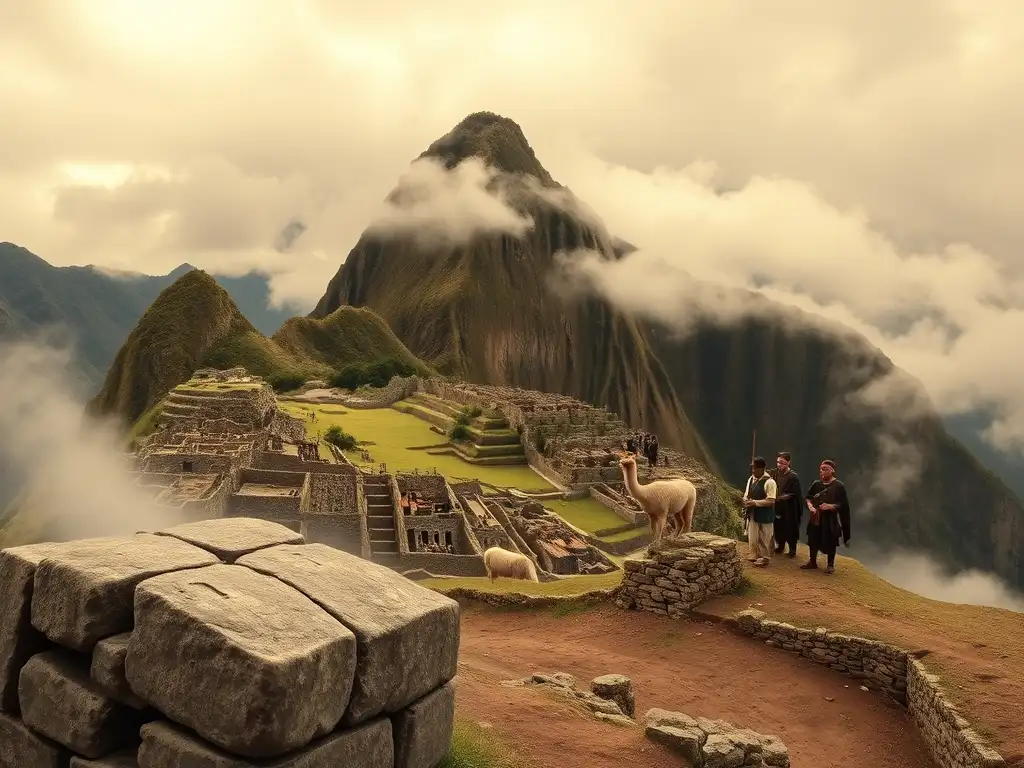
The Spanish conquest irrevocably altered the social fabric of Andean civilizations, leaving an enduring legacy on the daily lives of its inhabitants. The intricate social structures, carefully built over centuries, were dismantled and replaced with a new, imposed hierarchy. This upheaval impacted every facet of Andean life, from the organization of labor and governance to family dynamics and religious practices. Understanding this transformation requires examining the subtle and profound ways in which the conquest reshaped Andean society. The keyword "Andean civilizations conquest impact" is central to understanding this profound shift.
Pre-Columbian Andean societies were characterized by complex, stratified social hierarchies. The Inca Empire, for example, had a clearly defined system with the Sapa Inca at the apex, followed by nobles, priests, and commoners. The Spanish conquest fundamentally disrupted this order.
The Sapa Inca was deposed, and the indigenous elite lost much of their authority. The Spanish crown established a new hierarchy, placing peninsulares (Spanish-born Spaniards) at the top, followed by creoles (Spaniards born in the Americas), mestizos (mixed-race individuals), and finally, the indigenous population at the bottom. This new system was based on racial and ethnic distinctions, creating a rigid social stratification that limited indigenous social mobility.
The implementation of the encomienda system further solidified this power imbalance. This system granted Spanish conquistadors control over indigenous labor and resources, effectively enslaving many Andean people and stripping them of their traditional land rights and autonomy. The introduction of the repartimiento system, while ostensibly more regulated, still subjected indigenous populations to forced labor in mines and on plantations, severely impacting their lives and livelihoods. These policies systematically dismantled the existing power structures and replaced them with a system designed to benefit the Spanish crown and its representatives, exacerbating the impact of the Andean civilizations conquest.
The Role of the Indigenous Elite Post-Conquest
The impact of the conquest on the indigenous elite was multifaceted and complex. While some members collaborated with the Spanish, hoping to maintain a degree of influence or power, many others resisted, leading to rebellions and uprisings. The collaboration of some indigenous elites often came at the cost of their communities, as they were forced to enforce Spanish rule and extract tribute from their former equals. This created deep divisions within Andean society, fracturing existing social bonds and creating lasting distrust.
The Spanish actively sought to co-opt and control the indigenous elite, appointing some to positions of authority within the colonial administration. This strategy, however, was not always successful. Indigenous leaders often found themselves navigating a precarious balance between preserving their cultural identity and complying with Spanish demands.
The degree of collaboration or resistance varied significantly depending on individual circumstances, regional factors, and the specific policies implemented by Spanish authorities. Further research is needed to fully understand the diverse experiences of the Andean indigenous elite in the aftermath of the conquest. [Specific information pending: Detailed case studies of individual indigenous elites and their responses to Spanish rule].
Changes in Family Structures and Gender Roles
The conquest profoundly altered family structures and gender roles within Andean society. Pre-conquest Andean families often followed a kinship-based system, with extended families living together and sharing resources. The Spanish introduced the nuclear family structure, emphasizing the patriarchal authority of the husband and father. This shift had significant implications for women, who experienced a decrease in their social standing and autonomy.
The introduction of Christianity also impacted family life. The imposition of monogamy challenged traditional Andean marriage practices, and the suppression of indigenous religious beliefs and practices further undermined existing social structures. The Spanish also implemented policies aimed at controlling indigenous populations, including forced resettlement in villages ( reducciones) which disrupted traditional family and community ties.
These changes, coupled with the high mortality rates among indigenous populations due to disease and warfare, contributed to a significant reshaping of Andean family life. The Andean civilizations conquest impact on family structures remains a subject of ongoing scholarly debate, with a need for more research to fully appreciate the nuances of these transformations. [Specific information pending: A comparative analysis of pre- and post-conquest family structures across different Andean regions].
Religious and Cultural Shifts Following the Conquest
The Spanish conquest of the Andes dramatically altered the religious and cultural landscape of the region, leaving an enduring legacy that continues to shape Andean societies today. The imposition of Christianity, the suppression of indigenous rituals, and the subsequent syncretism between the two belief systems represent key aspects of this profound transformation. Understanding this complex interplay is crucial to grasping the full impact of the conquest on Andean civilizations.
The keyword phrase "Andean civilizations conquest impact" is directly addressed through the detailed analysis of these changes in daily life. The destruction and subsequent re-shaping of religious and cultural practices fundamentally altered the social fabric of Andean communities.
The Imposition of Christianity and Its Effects
The arrival of the Spanish conquistadors marked the beginning of a forceful conversion campaign aimed at replacing the complex Andean religious systems with Catholicism. This wasn't a gradual process of assimilation; rather, it involved the systematic destruction of temples, the suppression of indigenous deities, and the active persecution of those who resisted conversion. The Inca religion, with its intricate pantheon of gods and elaborate rituals, was particularly targeted.
Temples like the Coricancha in Cusco, once centers of immense religious and political power, were transformed into Christian churches, often built atop the existing structures, a physical manifestation of the ideological conquest. The effects were far-reaching: traditional Andean worldview, deeply connected to the land and its cycles, was challenged, leading to a significant disruption of social order and practices.
The Spanish introduced new religious practices, including the celebration of Christian holidays and the construction of new churches and cathedrals, which gradually replaced indigenous sites as centers of community life. The imposition of Christianity was not merely a religious shift; it was a tool of political control, designed to undermine the existing power structures and integrate the conquered population into the Spanish colonial system.
Syncretism and the Adaptation of Andean Beliefs
Despite the efforts of the Spanish crown to eradicate indigenous religions, Andean beliefs proved remarkably resilient. Instead of complete replacement, a process of syncretism emerged, blending elements of Andean spirituality with Catholic doctrines. This wasn't a passive acceptance; it was an active process of adaptation and negotiation, where indigenous communities creatively reinterpreted Christian symbols and practices to incorporate their own beliefs and traditions.
For example, the veneration of the Virgin Mary often overlapped with the worship of pre-existing Andean female deities, reflecting a subtle but significant continuation of indigenous religious practices. The blending of Catholic saints with Andean apus (mountain spirits) is another example of this syncretism. This process of cultural fusion was not uniform across all Andean regions; the specific forms of syncretism varied depending on local traditions and the intensity of Spanish control.
The persistence of indigenous beliefs within a Christian framework demonstrates the enduring power of Andean cultural heritage and its ability to adapt and survive in the face of overwhelming external pressures. This syncretism is a key aspect of the ongoing cultural identity of many Andean communities today.
The Suppression of Andean Rituals and Ceremonies
The Spanish conquest led to the systematic suppression of many Andean rituals and ceremonies, considered pagan and idolatrous by the Catholic Church. These rituals, deeply intertwined with the agricultural cycle, social organization, and cosmological beliefs of Andean societies, were crucial aspects of daily life. The destruction of sacred sites, the prohibition of traditional ceremonies, and the persecution of religious leaders aimed to break the continuity of Andean spiritual practices.
The Inca mummification practices, for example, were actively disrupted, symbolizing the dismantling of a key element of Inca social and religious life. The suppression of these rituals didn't lead to their complete disappearance. Many were practiced in secret, evolving and adapting to the new circumstances.
The continued significance of rituals related to the harvest, the ancestors, and the land, often performed discreetly, speaks to the enduring importance of these traditions. While the overt expression of these practices was curtailed, their underlying beliefs and values persisted, highlighting the resilience of Andean culture in the face of colonial oppression. The impact on daily life was significant, leading to a profound shift in the social and spiritual fabric of Andean communities.
Economic Repercussions of the Andean Conquest
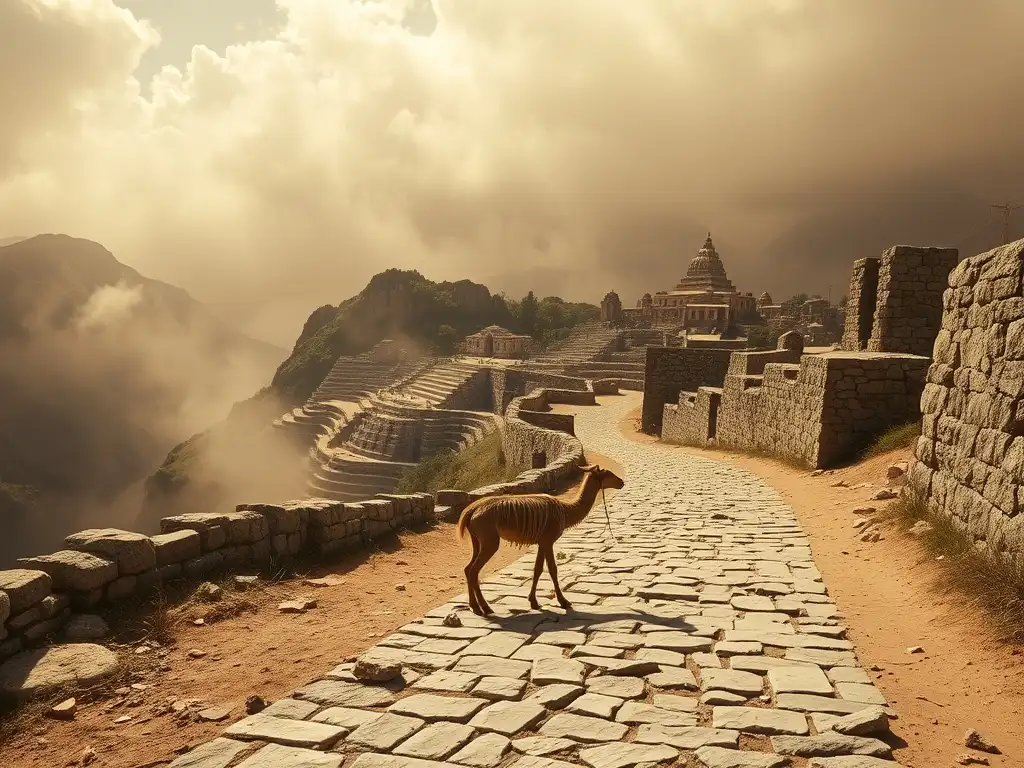
The Spanish conquest of the Andes drastically altered the economic landscape of the region, irrevocably changing the daily lives of its inhabitants. Pre-Columbian Andean economies, diverse and complex, were based on a sophisticated system of reciprocal exchange, tribute systems, and specialized production within a largely agrarian society.
The arrival of the Spanish resulted in the dismantling of these systems and the imposition of a new, exploitative economic order centered around the extraction of resources for the benefit of the Spanish crown. This section will explore some of the key economic changes that resulted from the conquest, focusing on the implementation of the encomienda system, the intensification of mining and forced labor, and the introduction of a monetary economy.
The impact of these changes reverberated through Andean communities for centuries, shaping their social structures and leaving a lasting legacy on the region's economic development. The term "Andean civilizations conquest impact" aptly summarizes the profound and lasting effects on the region's economic fabric.
The Implementation of the Encomienda System
The encomienda system, a cornerstone of Spanish colonial rule, fundamentally restructured Andean economies. Instead of the existing tribute systems, which often involved the delivery of agricultural goods or labor services to elites within the existing Andean power structures, the encomienda granted Spanish conquistadors control over indigenous populations and their labor. In theory, encomenderos were obligated to protect and Christianize their assigned indigenous communities.
In practice, however, the system quickly became a tool for exploitation, forcing indigenous people into brutal regimes of forced labor on encomienda lands, often under conditions that resulted in widespread death and suffering. The encomienda system, therefore, didn't just change the who of economic production; it fundamentally altered the what and how. Agricultural production shifted towards crops favored by the Spanish, like wheat and sugarcane, often at the expense of traditional Andean crops essential for their sustenance.
This shift dramatically impacted food security and nutrition within Andean communities, contributing to widespread malnutrition and famine. The system's inherent inequalities also fueled social unrest and resistance movements throughout the colonial period.
Mining and Forced Labor in Andean Communities
The Spanish conquest unleashed an unprecedented wave of mining activity in the Andes, driven by the insatiable European demand for silver and other precious metals. Pre-Columbian Andean societies had mined metals, but on a far smaller scale and with different technologies. The Spanish, however, employed advanced techniques and mobilized vast numbers of indigenous laborers to extract these resources.
The mita, a pre-existing system of labor service in the Inca empire, was brutally adapted and intensified to meet the demands of the Spanish mines. Indigenous men were forcibly conscripted to work in the mines under appalling conditions, often facing starvation, disease, and death. The Potosi silver mine in modern-day Bolivia became a notorious symbol of this exploitation, attracting workers from across the Andes and becoming one of the largest and richest silver mines in the world.
The devastating impact of this forced labor on Andean populations is immeasurable, significantly reducing the population and severely disrupting traditional social and economic structures. This forced migration and labor also had a significant impact on the distribution of people across Andean regions.
The Introduction of a Monetary Economy
Prior to the conquest, Andean economies relied primarily on systems of reciprocal exchange and tribute in kind. The introduction of a monetary economy based on Spanish currency fundamentally altered these systems. The Spanish peso became the dominant medium of exchange, creating new economic hierarchies and dependencies.
While some Andean communities adapted to this new system, many struggled to integrate into the cash economy, particularly those who lacked access to land or were forced into wage labor. This transition led to significant social stratification, as those who controlled access to land and resources prospered while others found themselves increasingly marginalized and impoverished.
The shift to a monetary economy also facilitated the integration of Andean economies into the broader global capitalist system, creating new trade routes and dependencies that shaped the economic trajectory of the region for centuries to come. This process, while introducing new economic opportunities for some, also exacerbated existing inequalities and contributed to the economic marginalization of many Andean communities.
Lasting Legacies of Conquest on Andean Daily Life
The Spanish conquest of the Andes irrevocably altered the daily lives of Andean peoples. While the imposition of colonial rule brought devastation and disruption, it also spurred remarkable resilience, adaptation, and ongoing struggles that continue to shape the region today. The impact reverberates through cultural practices, linguistic landscapes, and the persistent fight for indigenous rights, leaving an enduring legacy on Andean civilizations.
Analyzing this impact requires understanding the multifaceted nature of change and the complex interplay between imposed systems and indigenous agency. The "Andean civilizations conquest impact" is a multifaceted issue that demands careful consideration of both destruction and adaptation.
Cultural Resilience and Adaptation Strategies
Despite the immense pressures of colonization, Andean cultures demonstrated remarkable resilience. Indigenous communities employed various strategies to preserve their traditions and beliefs while navigating the new realities imposed by the Spanish. One crucial strategy was the process of syncretism, the blending of indigenous and European cultural elements.
Religious practices, for example, often integrated Catholic saints and rituals with pre-existing Andean deities and ceremonies. The veneration of the Virgen de Copacabana, for instance, exemplifies this syncretism, combining indigenous beliefs with Catholic iconography. This wasn't simply passive acceptance; it was an active process of negotiation and adaptation, allowing for the preservation of cultural identity within a new framework.
Furthermore, the continuation of traditional agricultural practices, despite the introduction of new crops and livestock, played a significant role in maintaining cultural continuity. Andean agricultural techniques, honed over millennia, remained essential to survival and community cohesion. The sophisticated systems of terracing, irrigation, and crop diversification, characteristic of pre-Columbian societies, continued to be used, albeit often integrated with new agricultural demands imposed by the colonial system. This demonstrates the adaptability and ingenuity of Andean communities in preserving their lifeways. The resilience of these agricultural practices is a testament to the enduring strength of Andean cultural knowledge.
The persistence of traditional textile production also serves as a powerful example of cultural resilience. While new materials and techniques were introduced, the intricate weaving styles and symbolic meanings embedded in Andean textiles continued to be produced and passed down through generations. These textiles not only served practical purposes but also acted as vital carriers of cultural memory and identity, resisting the attempts at cultural homogenization. The vibrant colors and complex designs continue to tell the story of Andean resilience in the face of conquest.
Enduring Impacts on Language and Identity
The Spanish conquest had a profound and lasting impact on the linguistic landscape of the Andes. Quechua, Aymara, and other indigenous languages faced suppression under colonial rule, as Spanish was imposed as the official language of administration, commerce, and education. This linguistic dominance led to a decline in the use of indigenous languages, threatening their survival and contributing to a loss of cultural heritage. The imposition of Spanish significantly altered communication patterns and access to education, power, and resources.
However, indigenous languages have not disappeared. Despite centuries of suppression, Quechua and Aymara, for example, remain vital components of Andean identity and continue to be spoken by millions. The persistence of these languages speaks volumes about the enduring strength of indigenous cultures and their resistance to assimilation.
The revitalization efforts underway in many communities highlight the importance of linguistic diversity and the active role of indigenous communities in reclaiming their linguistic heritage. This ongoing struggle for linguistic survival is a crucial aspect of the Andean civilizations conquest impact. The continued use of indigenous languages is a powerful symbol of cultural resistance.
The struggle to maintain linguistic diversity is intertwined with the fight for cultural identity. Language is not just a means of communication; it is a fundamental aspect of cultural identity, shaping worldview, social relations, and historical memory. The preservation of indigenous languages is therefore crucial for maintaining cultural integrity and resisting the homogenizing forces of globalization. The fight for linguistic rights is intrinsically linked to the broader struggle for indigenous rights and self-determination.
The Ongoing Struggle for Indigenous Rights
The legacy of the Spanish conquest continues to shape the lives of Andean peoples today. The enduring impacts of colonization are evident in persistent inequalities in access to land, resources, education, and healthcare. Indigenous communities often face marginalization, discrimination, and land dispossession, reflecting the historical injustices inflicted during and after the conquest. This ongoing struggle for indigenous rights is a direct consequence of the legacy of colonialism.
The fight for indigenous rights encompasses a broad range of issues, including land rights, self-determination, cultural preservation, and environmental protection. Indigenous communities are actively engaged in advocating for their rights and working to reclaim their ancestral lands and cultural heritage. This struggle represents a powerful assertion of indigenous agency and a challenge to the enduring legacies of colonial rule. The "Andean civilizations conquest impact" continues to manifest in the ongoing fight for social justice and equality.
The challenges faced by Andean communities today are complex and multifaceted, but they are inextricably linked to the historical context of the Spanish conquest. Understanding this historical context is crucial for addressing the present-day inequalities and promoting social justice. The ongoing struggle for indigenous rights is a testament to the resilience and determination of Andean peoples, and their fight for a future where their cultures and identities are respected and valued. Their perseverance underscores the enduring significance of the Andean civilizations conquest impact.
Frequently Asked Questions
The Spanish conquest drastically altered the Andean social structure. The existing hierarchical system was dismantled, replaced by a rigid caste system based on Spanish racial categories, leading to significant social upheaval. Indigenous elites lost their power and influence.
What was the effect of the conquest on Andean agriculture?
The Spanish conquest led to significant changes in Andean agriculture. The introduction of new crops like wheat and cattle, alongside the imposition of the encomienda system, fundamentally reshaped agricultural practices and land ownership, often to the detriment of indigenous populations.
How did the conquest affect Andean religious practices?
The Spanish conquest resulted in the suppression of indigenous religions. Catholicism was forcefully imposed, leading to the destruction of temples and the persecution of religious leaders and practitioners. Syncretism, a blending of indigenous and Catholic beliefs, emerged as a response.
What impact did the conquest have on Andean artistic expression?
While some indigenous artistic traditions persisted, the conquest significantly impacted Andean artistic expression. European styles and techniques were introduced, leading to a fusion of styles. However, indigenous artistic elements were often subtly incorporated into new forms of expression.
What was the long-term impact of the conquest on Andean technology?
The Spanish conquest brought about a decline in some traditional Andean technologies, particularly in areas like metalworking and sophisticated irrigation systems. However, the introduction of new technologies from Europe also had a lasting impact, shaping the development of Andean technology in the colonial and post-colonial periods.
Final Reflection: Echoes of Conquest in the Andean Heart
The echoes of the Spanish conquest still resonate in the daily lives of Andean communities today, a stark reminder of the enduring power of historical trauma and the persistent struggle for cultural preservation. The seemingly distant events of the 16th century continue to shape economic disparities, social structures, and even the very landscapes of the Andes, demonstrating the profound and long-lasting impact of colonialism.
The forced assimilation, the destruction of indigenous knowledge systems, and the imposition of a foreign worldview have left an indelible mark on Andean identity. The legacy of conquest is not merely a historical footnote; it's a living reality woven into the fabric of modern Andean society. The past is never dead. It's not even past.
– William Faulkner. This quote perfectly encapsulates the persistent influence of the conquest, reminding us that understanding this history is crucial to comprehending the present. The ongoing struggle for land rights, the preservation of indigenous languages, and the fight against systemic inequalities all bear witness to this enduring legacy.
Consider the ways in which the conquest continues to shape your own understanding of the world. How can we, as individuals, contribute to a more just and equitable future for Andean communities? By actively engaging with this history, supporting indigenous-led initiatives, and challenging narratives that perpetuate colonial biases, we can work towards a future where the richness and resilience of Andean culture thrive, not just survive. Let the echoes of the past inspire us to build a more just and compassionate present.
Transform Your Understanding of Andean History Today!
Thank you for exploring the fascinating impact of conquest on daily life in the Andes! We hope this exploration has deepened your understanding of the intricate relationship between history, culture, and community. Now, let's put that knowledge to work!
- Reflect on the Past: Consider a specific event or individual from Andean conquest history that captivated you and explore its relevance to contemporary challenges. For example, researching the impact of Spanish mining techniques on Andean communities could provide insights into modern environmental issues.
- Share Your Insights: Discuss your newfound knowledge with friends, family, or in online communities dedicated to Andean history. Your perspectives could ignite engaging and insightful conversations.
- Explore Further: Visit a local museum or exhibit showcasing Andean artifacts to forge a deeper connection with the rich Andean culture. Experiencing these artifacts firsthand can significantly enhance your understanding.
What aspect of Andean history most inspires you to explore its continuing influence on your life and community?