
The Enduring Strength of Andean Kinship Systems

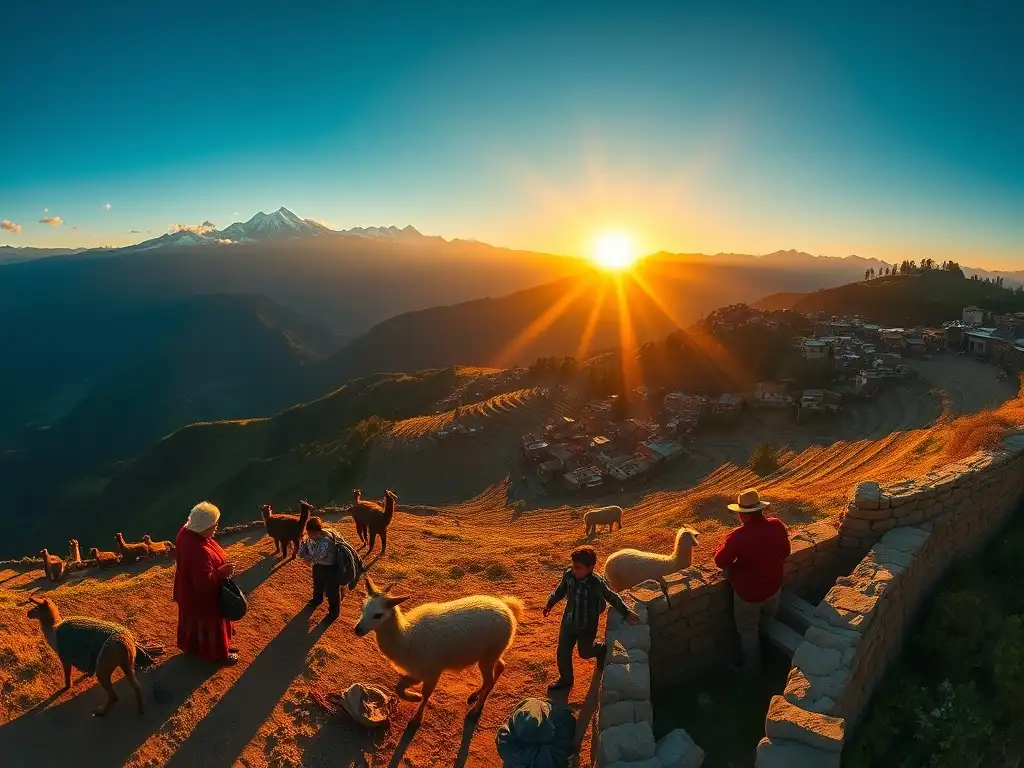
Dive into the captivating world of Andean Civilizations, where towering mountains cradled empires of breathtaking ingenuity. From the intricate artistry of the Nazca lines to the sophisticated engineering of Machu Picchu, their legacy resonates even today. But what truly bound these societies together, generation after generation? Uncover the secrets of the Andean kinship system history – a complex web of family and community that shaped their power and resilience. Prepare to be amazed by the enduring strength of these ancient bonds.
- The Enduring Strength of Andean Kinship Systems: A Historical Overview
- The Historical Roots of Andean Kinship
- Key Features of Andean Kinship Systems
- The Impact of Colonialism on Andean Kinship
- Modern Andean Kinship: Continuity and Change
- The Enduring Legacy of Andean Kinship Systems
-
Frequently Asked Questions
- How did Andean kinship systems differ from European systems?
- What role did kinship play in Andean social organization?
- How did Andean kinship systems impact the Inca Empire's success?
- Were Andean kinship systems static or did they change over time?
- What evidence exists to support our understanding of Andean kinship systems?
- Final Reflection: The Echoing Bonds of Andean Kinship
- Embrace the Power of Andean Kinship Today!
The Enduring Strength of Andean Kinship Systems: A Historical Overview
The Andes Mountains, a spine of towering peaks running down the western coast of South America, nurtured a vibrant tapestry of ancient civilizations. While empires rose and fell, leaving behind breathtaking architectural marvels and intricate artistic expressions, a common thread binds them: a deeply rooted and remarkably resilient kinship system. This system, far from being a mere familial structure, served as the bedrock of Andean social organization, profoundly influencing their political structures, economic practices, and even their spiritual beliefs.
Understanding the Andean kinship system history is crucial to comprehending the complexities and enduring legacy of these remarkable cultures. This article delves into the multifaceted nature of these kinship networks, exploring their foundations, variations across different Andean societies, and their lasting impact on the region's cultural landscape.
We will examine how these systems fostered stability, facilitated cooperation, and ultimately contributed to the survival and prosperity of Andean communities for centuries. We will analyze the key characteristics, exploring their evolution and adaptation across diverse geographical and temporal contexts, providing a comprehensive overview of this vital aspect of Andean civilization.
The foundation of Andean social organization rested upon a complex web of kinship ties, extending far beyond the nuclear family. Unlike many Western kinship systems that emphasize the nuclear family unit, Andean societies prioritized extended family networks and clan affiliations. These networks provided crucial support systems, ensuring mutual assistance in times of need. This was particularly important in challenging Andean environments, where agricultural success often depended on communal labor and resource sharing.
The ayllu, a crucial social and economic unit found in many Andean societies, epitomizes this extended kinship structure. The ayllu was not simply a collection of related families; it represented a complex network of reciprocal obligations and responsibilities, binding members together through shared land ownership, collective labor, and mutual support. The strength of these bonds ensured the survival and prosperity of the entire community, fostering a sense of collective identity and shared purpose. This system, while varying in details across different Andean cultures, consistently emphasized the importance of lineage, ancestry, and communal solidarity.
The deeply ingrained concept of reciprocity – ayni – further cemented the significance of kinship ties, emphasizing the mutual exchange of goods, services, and labor within the community. This system fostered cooperation and prevented the accumulation of wealth in the hands of a few, contributing to a more equitable distribution of resources. The importance of lineage and ancestry often extended beyond the immediate family, connecting individuals to broader kinship groups and shaping their social roles and responsibilities within the community. The strength of these bonds is evidenced by the intricate social structures and enduring traditions that persisted through centuries of change and upheaval.
Variations in Kinship Structures Across Andean Cultures
While the emphasis on extended kinship and reciprocal obligations was a common thread across various Andean societies, the specific structure and organization of kinship systems varied considerably depending on geographical location, environmental factors, and the particular cultural practices of each group. For example, the Inca Empire, known for its sophisticated political organization, implemented a highly structured system that integrated kinship ties into its administrative framework. The Inca system utilized kinship relationships to allocate land, organize labor, and maintain social order.
In contrast, smaller, less centralized groups may have relied on less formalized kinship structures, adapted to their specific needs and environments. The Moche, for example, while possessing a strong hierarchical structure, exhibited kinship practices that were significantly different from the Inca's centralized approach. Similarly, the Nazca and Tiahuanaco cultures, each with their unique societal organization, presented variations in their kinship systems, reflecting the diverse adaptations to their specific environments and social contexts.
[Specific examples of variations in kinship structures across different Andean cultures pending]. Further research is needed to fully understand the nuances of kinship practices in these different societies. This diversity, however, highlights the adaptability and resilience of Andean kinship systems, demonstrating their capacity to evolve and adapt to varying social and environmental pressures.
The Enduring Legacy of Andean Kinship Systems
The legacy of Andean kinship systems continues to resonate in contemporary Andean societies. Many aspects of traditional kinship structures persist, influencing social relations, land ownership, and community organization. The deep-rooted emphasis on reciprocity and mutual support remains a fundamental aspect of Andean culture, shaping social interactions and community cohesion.
While globalization and modernization have inevitably impacted traditional kinship structures, the underlying values of community, cooperation, and mutual obligation continue to play a significant role in the lives of many Andean communities. [Specific examples of the enduring legacy of Andean kinship systems in contemporary Andean societies pending]. Understanding the historical significance of these systems provides valuable insights into the enduring strength and adaptability of Andean cultures.
The study of Andean kinship systems not only illuminates the past but also offers valuable lessons for understanding the importance of community and social cohesion in contemporary society. The enduring strength of these systems serves as a testament to the resilience and adaptability of Andean cultures, highlighting the profound connection between kinship, community, and survival.
The Historical Roots of Andean Kinship
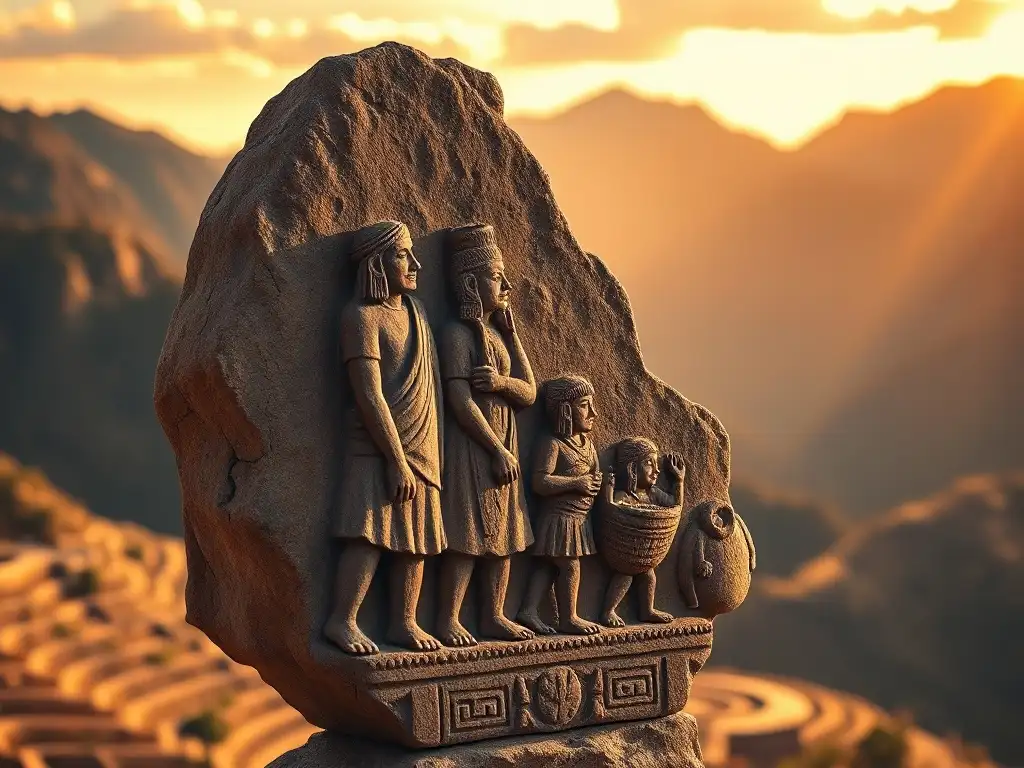
This section delves into the historical evolution of Andean kinship systems, tracing their development from pre-Inca societies to the Inca empire and beyond. Understanding the historical roots of these systems is crucial to appreciating their enduring strength and influence on Andean societies even today. We will explore the diversity of pre-Inca kinship structures, the Inca's impact on family organization, and the pivotal role of the ayllu in shaping Andean social life. The term "Andean kinship system history" encapsulates the rich tapestry of family structures that have characterized the region for millennia.
Pre-Inca Andean societies, while geographically diverse, shared a common thread: the importance of kinship in structuring social relations. However, the specific forms of kinship varied significantly depending on the cultural group. Evidence from archaeological findings and anthropological studies suggests a wide range of kinship systems, not easily categorized under a single model.
For example, some groups may have emphasized patrilineal descent, tracing lineage through the father's line, while others prioritized matrilineal descent through the mother's line. Still others might have utilized bilateral descent, acknowledging both paternal and maternal lineages equally. This diversity reflects the complex interplay of ecological factors, economic activities, and cultural beliefs that shaped family structures across the Andes. The absence of a unified pre-Inca kinship system highlights the region's rich heterogeneity.
The complexity is further illustrated by the varying importance placed on different kinship terms. While some societies might have prioritized close family relationships, others might have incorporated a broader range of individuals into their kinship networks, including distant relatives and even individuals without biological ties. This created intricate webs of social obligations and reciprocal relationships that underpinned community life.
Further research is needed to fully understand the nuances of these diverse pre-Inca kinship structures and their impact on social organization. The lack of extensive written records presents a significant challenge in this area of study; however, archaeological evidence continues to shed light on these fascinating aspects of Andean kinship system history.
Inca Kinship System: Expansion and Centralization of Family Structures
The Inca expansion dramatically impacted the existing Andean kinship systems. While the Inca did not impose a uniform kinship model across their vast empire, their centralized administration led to significant changes in family structures, particularly within the ruling elite and in newly incorporated regions. The Inca state actively utilized kinship ties for political and administrative purposes.
The Inca system, while incorporating elements of existing Andean kinship practices, emphasized the authority of the Sapa Inca, the emperor, and his lineage. Royal kinship became a powerful tool for consolidating power and legitimizing rule. The Inca's meticulous record-keeping, particularly through quipus, allowed them to track lineage and manage land distribution based on kinship connections. This centralized approach to kinship contrasts sharply with the more localized and diverse systems of pre-Inca societies.
The Inca also implemented a system of mit'a, a form of labor tribute, often organized along kinship lines. This meant that groups of related individuals were assigned specific tasks, strengthening community bonds while simultaneously serving the state's needs. Furthermore, the Inca promoted intermarriage among the elite to consolidate power and maintain social hierarchy. This created a complex network of kinship ties within the ruling class, further solidifying their control over the empire. The impact of the Inca's centralized approach on Andean kinship systems is a significant area of study within Andean kinship system history.
The Ayllu: The Cornerstone of Andean Kinship and Community
The ayllu, a complex kinship-based community organization, remains a central element in understanding Andean social structures. While its precise form varied across different regions and time periods, the ayllu consistently served as a fundamental unit of social organization, encompassing a network of individuals who traced their ancestry to a common ancestor. This shared ancestry underpinned a system of reciprocal obligations and responsibilities.
The ayllu was not simply a kinship group; it also functioned as an economic and political entity. Members collectively managed resources, including land and water, and participated in communal labor projects. This cooperative structure ensured the survival and prosperity of the community. The ayllu’s importance extended beyond economic cooperation; it also played a vital role in social control and conflict resolution. Disputes were often resolved within the community, relying on kinship ties and established customs to maintain social harmony.
The enduring legacy of the ayllu is evident in many contemporary Andean communities. While the modern-day ayllu may differ in its structure and function from its pre-Columbian counterpart, the underlying principles of kinship-based cooperation and communal responsibility persist. Understanding the ayllu is essential for comprehending the deep-rooted social fabric of Andean societies and its continuing influence on Andean kinship system history. Its significance in shaping Andean social life, from pre-Inca times to the present day, underscores its enduring strength and relevance. The resilience of the ayllu as a social institution reflects the enduring importance of kinship in Andean cultures.
Lineage and Descent: Tracing Kinship in Andean Societies
Andean kinship systems weren't simply a matter of recognizing immediate family; they were complex webs woven through generations, emphasizing lineage and descent as fundamental pillars of social organization. Understanding these systems requires acknowledging the diverse approaches employed across different Andean cultures. While the Inca Empire, with its vast bureaucracy, implemented a somewhat standardized system, pre-Inca societies displayed a greater diversity in their kinship practices. This diversity reflects the varied ecological and social landscapes across the Andes.
For instance, the concept of ayllu, a crucial element in Inca and many pre-Inca societies, signifies a lineage-based community. Members of an ayllu traced their ancestry back to a common ancestor, real or mythical, solidifying their social and economic bonds. This shared ancestry dictated land rights, labor obligations, and even marriage patterns. Membership wasn't solely based on blood relations; adoption and other forms of social incorporation played significant roles in expanding the ayllu and maintaining its strength. The ayllu wasn't simply a kinship group; it was a vital economic and political unit, a cornerstone of Andean social structure.
Different Andean groups prioritized either patrilineal or matrilineal descent, or sometimes a combination of both, depending on their specific cultural norms and environmental adaptations. In some societies, lineage was traced through the father's line, establishing a clear patriarchal structure. In others, the mother's lineage held greater importance, leading to a more matriarchal social organization. The importance of this distinction lies in the implications for inheritance, leadership roles, and the overall power dynamics within the community. Understanding the prevailing descent system within a particular Andean group is crucial for interpreting their social structures and kinship practices.
The complexities of Andean lineage and descent are further highlighted by the presence of parallel and cross-cousin marriage patterns. These practices, while seemingly intricate, served specific social functions, strengthening alliances between ayllus or maintaining control over resources. The precise rules governing these marriages varied greatly from one Andean group to another, reflecting the rich tapestry of social and cultural diversity across the region.
Further research into specific Andean societies, like the Moche or Nazca, would reveal the nuanced variations in their lineage and kinship systems. Detailed archaeological and ethnographic studies are essential to fully grasp the subtleties of these historical practices. The enduring influence of these systems continues to shape Andean communities today, highlighting the remarkable resilience of these ancient traditions.
Key Features of Andean Kinship Systems
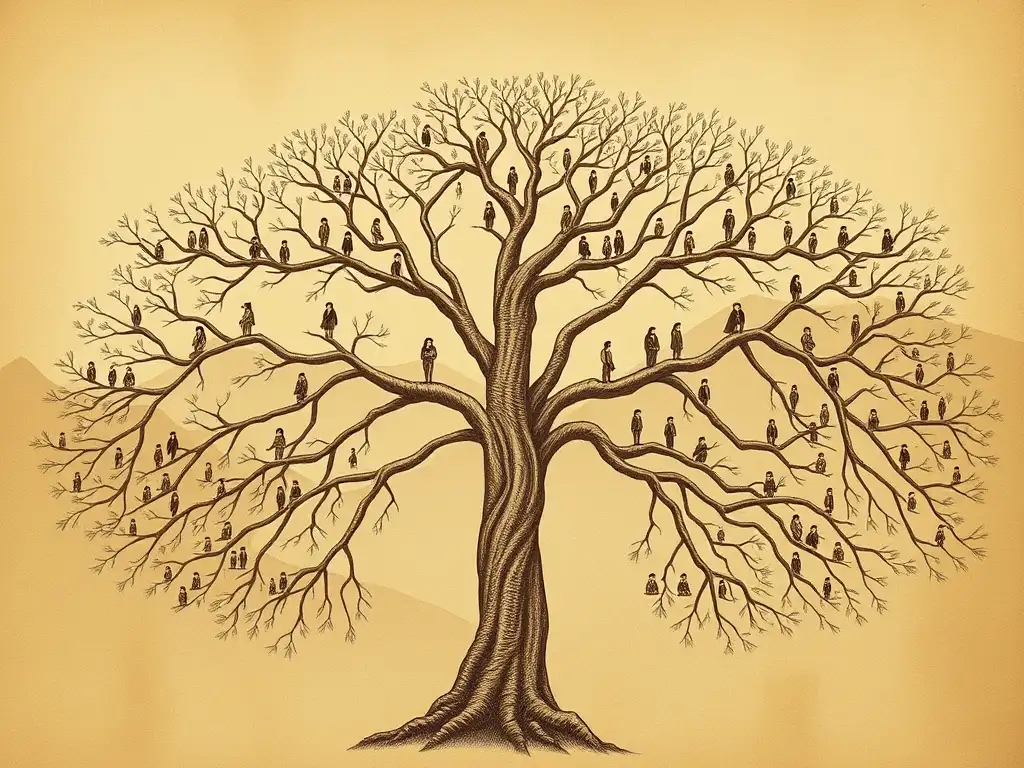
This section delves into the core characteristics of Andean kinship systems, exploring how these intricate networks shaped social structures and daily life across various Andean civilizations. Understanding the Andean kinship system history requires appreciating its unique features, which differed significantly from European models prevalent during the colonial era and beyond. The emphasis wasn't solely on nuclear family units but on broader, complex networks extending across generations and geographical locations. This extended kinship system provided crucial support networks and facilitated resource management in challenging Andean environments. We will examine key aspects that highlight the strength and resilience of these systems.
Reciprocity and Obligation: The Heart of Andean Family Relationships
Reciprocity and obligation formed the bedrock of Andean family relationships. This wasn't simply a matter of mutual assistance; it was a deeply ingrained social and moral principle, woven into the fabric of daily life. The concept of ayni, a Quechua term signifying reciprocal exchange, encompassed a wide range of interactions, from everyday tasks to major life events. For instance, helping a family member cultivate their fields during harvest season was expected, and failure to reciprocate could lead to social sanctions. This system fostered strong social cohesion and ensured the well-being of all community members.
The obligations weren't limited to immediate family. Extended kinship networks, encompassing numerous relatives, played a vital role in providing support and resources. This extended family system offered a crucial safety net, particularly in times of hardship such as drought or illness.
The strength of these bonds is evident in archaeological evidence showcasing communal living arrangements and shared resources. Furthermore, the concept of mita, a system of labor obligations to the state, was also rooted in the broader kinship system, highlighting the integration of family structures within the wider Andean society. The mita system, while demanding, also demonstrated the power of collective responsibility and kinship-based organization.
Elders held positions of significant authority and respect within Andean kinship networks. Their accumulated wisdom and experience were invaluable in navigating complex social and environmental challenges. Decisions regarding land use, resource allocation, and conflict resolution often rested with the elders, whose opinions carried considerable weight. This gerontocracy wasn’t simply a matter of age; it was a recognition of the accumulated knowledge and social standing that came with years of participation in the community.
The respect afforded to elders was not merely a cultural norm; it was a functional component of the kinship system. Elders acted as custodians of traditional knowledge, passing down valuable information about agriculture, medicine, and social customs to younger generations. This transmission of knowledge ensured the continuity of cultural practices and the adaptation of the kinship system to changing circumstances.
Archaeological evidence suggests the existence of specific roles and responsibilities for elders in various Andean communities, further emphasizing their importance within the social structure. The stories and oral traditions passed down through generations underscore the profound influence elders exerted on the Andean kinship system history.
Marriage Practices and Kinship Alliances in the Andes
Marriage practices in the Andes were far from simple unions between two individuals; they were strategic alliances that strengthened kinship networks and often had significant political and economic implications. Marriage wasn't solely about personal preference; it served to consolidate existing ties and forge new connections between families and communities. Endogamy, marriage within the same social group, was common in many Andean societies, reinforcing social cohesion and maintaining the integrity of kinship networks.
Different Andean cultures exhibited variations in their marriage customs. While some practiced bridewealth (payment to the bride's family), others involved reciprocal exchanges between families. These practices, however diverse, all contributed to the strengthening of kinship ties and the establishment of lasting alliances.
The intricate web of kinship relationships created through marriage played a crucial role in maintaining social order and facilitating cooperation within and between communities. The complexity of these marriage practices provides further insight into the intricacies of the Andean kinship system history and its importance in shaping Andean societies. Further research is needed to fully understand the nuances of specific marriage customs across different Andean groups [specific information pending].
The Andean kinship system wasn't merely a social structure; it was deeply intertwined with the control and distribution of resources, primarily land. Land wasn't viewed as individual property in the same way as in many Western societies. Instead, access to and control over land were fundamentally linked to kinship ties and the overall well-being of the extended family unit. This system ensured the continuity of family lineages and promoted collective responsibility for resource management.
The Inca Empire, for instance, implemented a complex system of land allocation known as the ayllu, which distributed land based on kinship and community needs. This wasn't a static system; land redistribution occurred periodically to address population changes and ensure equitable access. The ayllu wasn't just about farming; it also encompassed shared responsibilities for community projects like irrigation systems and infrastructure development, further strengthening the bonds of kinship and collective action. This communal approach ensured that even during times of scarcity, the extended family could rely on shared resources to survive and thrive.
The concept of individual ownership was largely absent; instead, the focus was on collective prosperity and mutual support within the kinship network. This system fostered a strong sense of community and identity, contributing significantly to the resilience of Andean societies. The success of this system, however, was dependent on a strong, centralized authority capable of managing land distribution and resolving conflicts. The breakdown of this authority, as seen during the Spanish conquest, had devastating consequences on the traditional kinship-based land tenure systems.
The practical implications of this system were far-reaching. For example, inheritance wasn't simply a matter of bequeathing property to a single heir. Instead, land and other resources were often distributed amongst multiple family members, maintaining the integrity and strength of the extended family unit.
This ensured a more equitable distribution of wealth and prevented the concentration of power within a single lineage. This also facilitated social mobility, as individuals could gain access to resources through their kinship ties, even if they didn't inherit a large share of land directly. This system, therefore, played a crucial role in maintaining social equilibrium and preventing the emergence of significant economic disparities within the community.
Furthermore, the close relationship between kinship and land tenure fostered a deep connection between people and their environment. This connection was essential for sustainable resource management and contributed to the remarkable achievements of Andean agriculture. The intricate irrigation systems and terracing techniques developed by Andean civilizations are a testament to this close relationship between kinship, land, and environmental stewardship.
The Impact of Colonialism on Andean Kinship
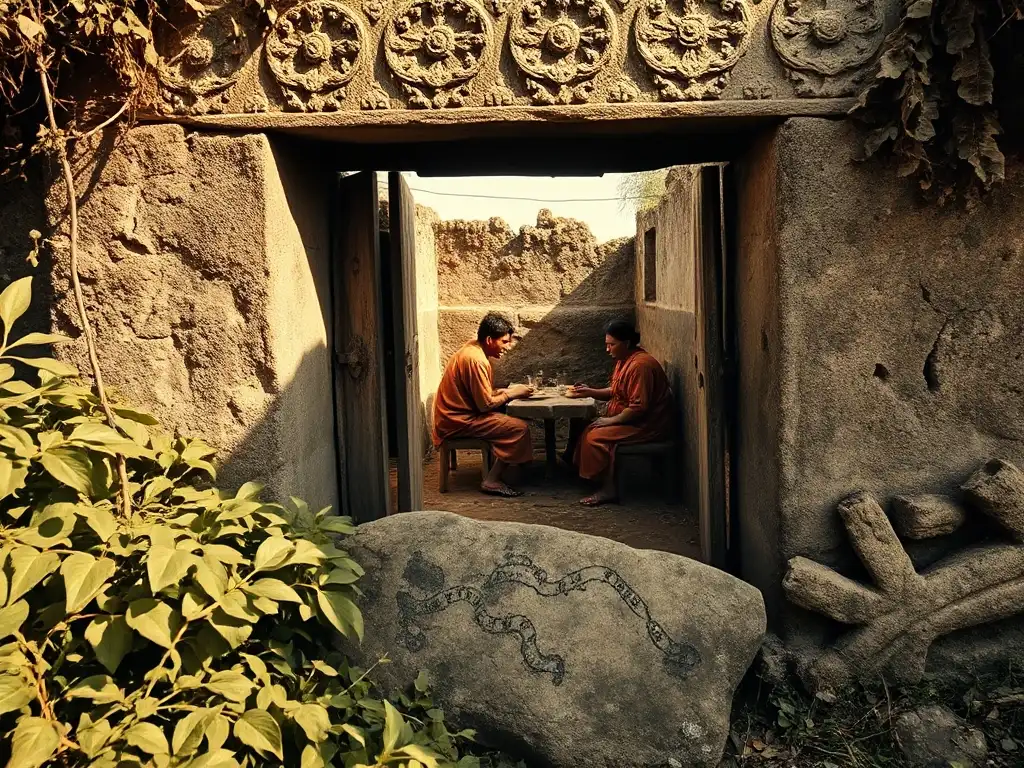
The arrival of the Spanish in the 16th century profoundly impacted Andean kinship systems, initiating a period of significant disruption and adaptation. Pre-colonial Andean societies, characterized by complex kinship networks and social structures, faced unprecedented challenges to their traditional ways of life. Understanding the enduring strength of Andean kinship requires acknowledging the transformative effects of colonialism and the strategies employed to maintain cultural continuity.
This section will delve into the specific ways in which the colonial era reshaped Andean family structures and the resilient responses of Andean communities. The study of "Andean kinship system history" is incomplete without a thorough examination of this critical period.
Disruption of Traditional Kinship Structures
The Spanish conquest led to the dismantling of existing power structures, including those based on kinship. The ayllu, the traditional Andean community based on kinship and reciprocity, was weakened through several mechanisms. Forced labor systems like the mita separated families, disrupting traditional agricultural practices and kinship-based economic cooperation.
The imposition of the encomienda system, granting Spanish conquistadors control over indigenous labor and resources, further fractured existing social bonds and undermined the authority of traditional kinship leaders. The introduction of new religious beliefs and practices also challenged indigenous worldviews and the role of kinship in spiritual life. This upheaval led to a significant decline in the influence of traditional kinship networks and the emergence of new, often hierarchical, social structures reflecting the colonial power dynamic.
The disruption wasn't solely economic; the imposition of Spanish law and social norms directly conflicted with pre-existing Andean customs related to marriage, inheritance, and land ownership. For example, the Spanish legal system, emphasizing individual property rights, clashed with the communal land tenure system inherent in the ayllu structure.
Adaptation and Resistance: Maintaining Kinship Ties
Despite the immense pressures of colonialism, Andean communities demonstrated remarkable resilience in preserving elements of their kinship systems. Adaptation took various forms. While the ayllu structure was weakened, kinship ties remained crucial for survival. Communities strategically navigated the colonial system, using kinship networks to access resources, support each other, and resist colonial exploitation.
The continued importance of compadrazgo, a system of godparenthood, highlights this adaptive capacity. While initially adopted by the Spanish, compadrazgo was integrated into existing kinship structures, expanding social networks and providing mutual support. This system helped maintain social cohesion and provided a framework for navigating the complexities of colonial society.
Furthermore, many Andean communities maintained clandestine practices related to traditional rituals and ceremonies, reinforcing kinship bonds through shared cultural experiences. This resistance, often subtle and concealed, was vital in ensuring the survival of Andean cultural identity and kinship traditions. Evidence suggests that even under duress, the fundamental principles of reciprocity and mutual support, central to Andean kinship, persisted.
The Persistence of Ayllu Principles in Modern Andean Communities
Even today, vestiges of the ayllu system and its underlying principles can be observed in many Andean communities. While the formal structure may have been altered, the emphasis on collective action, mutual support, and shared responsibility remains significant. In many rural communities, land tenure systems still reflect elements of communal ownership, albeit often modified by legal frameworks introduced during the colonial and post-colonial periods.
The importance of kinship networks in accessing resources, resolving conflicts, and providing social support persists. Modern Andean communities continue to utilize kinship ties for economic cooperation, particularly in agriculture and other traditional livelihoods. The enduring strength of Andean kinship demonstrates its adaptive capacity and its profound influence on Andean societies across centuries.
Understanding this continuity offers valuable insights into the resilience of indigenous cultures in the face of profound social and political change. Further research focusing on specific Andean communities and their diverse experiences could provide a richer understanding of the nuanced ways in which ayllu principles continue to shape contemporary Andean life and contribute to the ongoing story of "Andean kinship system history".
Modern Andean Kinship: Continuity and Change
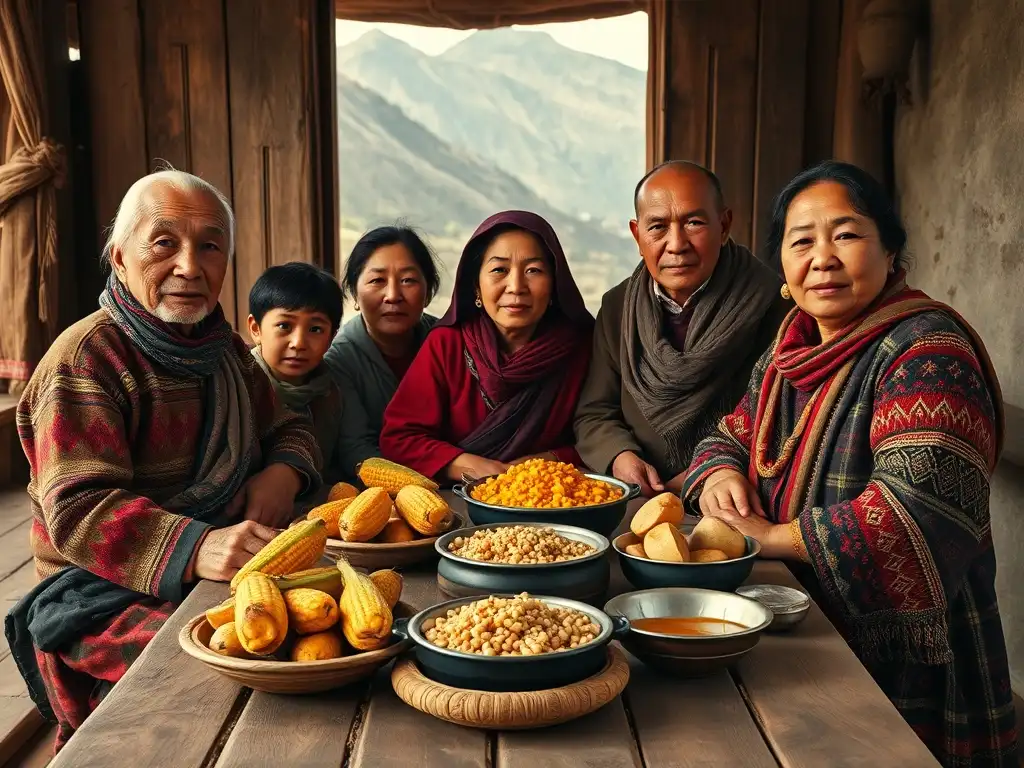
The Andean kinship system, a complex tapestry woven over millennia, continues to exert a powerful influence on contemporary Andean societies, despite the profound transformations brought about by globalization, urbanization, and economic shifts. Understanding its enduring strength requires examining how traditional structures have adapted and evolved in response to these pressures. While the rigid hierarchical structures of the Inca Empire are largely a historical artifact, the fundamental principles of reciprocal obligations, collective responsibility, and strong familial bonds remain deeply ingrained in Andean culture.
This enduring legacy shapes social interactions, economic activities, and even political participation in ways that are often subtle yet profoundly impactful. The study of Andean kinship system history reveals a remarkable resilience, a testament to the deep-rooted values and practices that continue to define Andean identity.
Kinship in Rural Andean Communities Today
In many rural Andean communities, traditional kinship structures remain relatively intact. Extended families, often including several generations living together or in close proximity, are the norm. This arrangement provides crucial support networks, particularly in agricultural societies where labor is often shared among family members.
The ayllu, a traditional community organization based on kinship and reciprocity, continues to play a significant role in many areas, albeit with variations depending on specific geographic location and ethnic group. For example, in some communities, the ayllu still manages communal lands and resources, fostering a strong sense of collective identity and shared responsibility. These communities demonstrate a remarkable continuity of Andean kinship system history, with traditional practices adapted to meet the challenges of the modern world.
The strong emphasis on mutual support and collective action remains a defining characteristic, ensuring the survival and well-being of family members and the community as a whole. Data from anthropological studies consistently show high levels of cooperation and interdependence within these kinship networks. For instance, [specific data on cooperative labor practices in a particular Andean community pending].
Urbanization and its Effects on Family Structures
The rapid pace of urbanization across the Andes has profoundly impacted traditional family structures. The migration of individuals and families from rural areas to urban centers has led to the dispersal of extended families and a shift towards smaller, nuclear family units. However, the importance of kinship ties does not diminish; rather, it adapts to the new context.
While physical proximity may be reduced, the bonds of kinship remain crucial for social and economic support. Urban-based Andean communities often maintain strong connections with their rural roots, continuing to rely on kinship networks for financial assistance, childcare, and emotional support. This demonstrates a remarkable adaptability within the Andean kinship system, showing its persistence even under conditions of significant social and geographical change.
The maintenance of these ties often involves regular visits, financial remittances, and the continued participation in traditional ceremonies and rituals. Further research is needed to fully quantify the extent to which these adaptations impact social cohesion and economic mobility within urban Andean populations. [Data on the prevalence of remittances and their socio-economic impact pending].
The Role of Kinship in Contemporary Andean Society
Despite the challenges posed by modernization, kinship continues to be a cornerstone of contemporary Andean society. It plays a vital role in shaping social relations, access to resources, and political participation. The concept of reciprocity, a fundamental principle of Andean kinship, remains central to social interactions. This means that favors, assistance, and support are exchanged within kinship networks, creating a system of mutual obligation that strengthens social bonds.
The significance of kinship is also evident in political processes. Patron-client relationships, often rooted in kinship ties, continue to influence political decision-making at various levels. Furthermore, kinship plays a crucial role in access to resources, particularly in contexts where formal institutions are weak or ineffective.
Kinship networks often provide crucial support in navigating bureaucratic processes, accessing healthcare, and securing employment opportunities. This multifaceted role of kinship underscores its enduring importance in Andean society, highlighting its adaptability and resilience in the face of ongoing social and economic change. The continuing relevance of the Andean kinship system history is undeniable, shaping the social fabric of the region in profound and enduring ways.
Kinship and Economic Activities: Labor Sharing and Resource Management
The Andean kinship system, even in its modern iterations, remains deeply intertwined with economic activities. Traditional practices of labor sharing and resource management, rooted in centuries-old customs, continue to shape the livelihoods of many Andean communities. This isn't merely a historical curiosity; it's a vital component of their contemporary economic strategies, demonstrating the enduring strength of kinship ties in the face of modernization.
One key aspect is the ayni system, a form of reciprocal labor exchange. While the scale and formal structure might have shifted, the fundamental principle persists: mutual assistance within the kinship network. Families cooperate in activities like farming, construction, and livestock herding, pooling resources and labor to achieve tasks that would be difficult or impossible for individuals to accomplish alone.
This isn't solely driven by altruism; it's a pragmatic economic strategy that optimizes resource utilization and mitigates risk. A poor harvest for one family might be offset by the abundance of another, thanks to the shared burdens and benefits inherent in the ayni system. The strong kinship bonds ensure the reliability and sustainability of this system.
Resource management also reflects kinship structures. Land ownership, access to water rights, and the distribution of livestock often follow kinship lines. Inheritance patterns, though subject to legal frameworks, frequently prioritize family members, ensuring the continuation of traditional land use and economic practices within the extended family unit.
This system, while seemingly inflexible, provides a degree of security and predictability, especially in regions with limited economic opportunities outside the agricultural sector. The intricate web of kinship relationships acts as a safety net, mitigating the impact of economic shocks and ensuring the survival of family units across generations. The strength of these ties is evident in the enduring practice of collective decision-making regarding resource allocation, reflecting a deep-seated trust and cooperation within the kinship group.
The influence of globalization and market integration has undoubtedly impacted these traditional systems. Migration to urban centers, for example, has altered labor patterns and resource access. However, even in the face of these changes, kinship networks often serve as a crucial support system, providing financial assistance, housing, and social networks for those who have left their rural communities.
The enduring power of these kinship bonds highlights their adaptability and resilience, showcasing the remarkable ability of Andean kinship systems to navigate the complexities of a changing world while preserving their fundamental principles. The economic benefits derived from these systems are undeniable, contributing significantly to the overall resilience and social well-being of Andean communities.
The Enduring Legacy of Andean Kinship Systems
The Andean region boasts a rich tapestry of interconnected kinship systems, evolving over millennia yet retaining remarkable resilience. Understanding these systems is crucial to grasping the social fabric of civilizations like the Inca, Moche, Nazca, and Tiahuanaco. These weren't simply family structures; they were the bedrock of political organization, economic activity, and religious practice.
The enduring legacy of Andean kinship lies not just in its historical significance, but in its continuing relevance to understanding social cohesion and community building in the region today. Analyzing the historical data reveals a complexity that challenges simplistic notions of kinship, revealing a dynamic interplay between lineage, reciprocity, and social hierarchy. The study of Andean kinship system history offers invaluable insights into the ingenuity and adaptability of these ancient societies.
Andean kinship systems, characterized by complex networks of reciprocal obligations and shared responsibilities, offer valuable lessons for fostering social cohesion in modern societies. The emphasis on ayni (reciprocity) and mita (labor service) fostered a sense of community and interdependence. Individuals weren't isolated entities; their well-being was inextricably linked to the prosperity of their extended family and community. This strong sense of collective responsibility minimized social stratification and promoted a sense of shared purpose.
For example, the Inca ayllu, a crucial social and economic unit, functioned based on reciprocal obligations between its members. This system ensured resource distribution, collective labor for public works (like terracing and irrigation), and mutual support during times of hardship. The success of the Inca Empire, in part, stemmed from this intricate web of kinship-based relationships that fostered stability and cooperation.
Contrast this with modern societies often plagued by individualism and social fragmentation, and the lessons from Andean kinship become strikingly relevant. The emphasis on community-building and mutual support within Andean kinship structures offers a powerful counter-narrative to contemporary societal challenges. It suggests that prioritizing collective well-being over individual gain can lead to stronger, more resilient communities.
The Importance of Studying Andean Family History
Studying Andean family history is not merely an academic exercise; it's essential for understanding the broader historical context of the Andean region and its diverse cultures. The intricate details of family structures, inheritance practices, marriage customs, and social hierarchies illuminate the complexities of power dynamics, economic systems, and religious beliefs. Detailed genealogical records, where available, allow researchers to trace family lineages across generations, revealing patterns of migration, social mobility, and cultural transmission. This granular level of analysis provides a deeper understanding of the social and political landscape than broader historical narratives often allow.
Furthermore, the study of Andean family history helps to counter dominant narratives that often overlook or misrepresent the complexities of Andean societies. By focusing on the lived experiences of individuals and families, we gain a more nuanced perspective on the impact of colonialism, globalization, and other historical processes on Andean communities.
The preservation and analysis of oral histories, alongside archaeological findings and written records (where available), are crucial for reconstructing a more accurate and complete picture of Andean family life across different time periods and regions. This meticulous approach ensures that the voices and experiences of Andean peoples are central to the historical narrative, preventing the marginalization or erasure of their rich cultural heritage.
Preserving and Promoting Andean Kinship Values
Preserving and promoting the enduring values embedded within Andean kinship systems is vital for strengthening communities and fostering cultural continuity. While many traditional practices have been impacted by modernization and globalization, the core principles of reciprocity, mutual support, and collective responsibility remain highly relevant. Efforts to revitalize traditional Andean kinship values can contribute to improved social cohesion, greater economic equity, and enhanced environmental stewardship. These values offer a powerful counterbalance to the often-individualistic tendencies of modern societies.
Initiatives focused on community-based development, promoting traditional agricultural practices, and supporting local artisans can help to reinforce the importance of collective action and shared responsibility. Educational programs that incorporate the study of Andean kinship systems into school curricula can help to instill these values in future generations. Moreover, supporting community-led initiatives that preserve and celebrate traditional Andean cultural practices – such as festivals, ceremonies, and storytelling – plays a critical role in maintaining cultural identity and strengthening social bonds.
This active preservation of cultural heritage is not only crucial for respecting Andean traditions but also for learning valuable lessons about social organization and community building that are relevant far beyond the Andean region itself. The continued study and application of these principles promises a more sustainable and equitable future.
The Future of Andean Kinship Studies: New Perspectives and Challenges
The study of Andean kinship systems, while boasting a rich history, faces exciting new challenges and opportunities. Traditional anthropological approaches, often reliant on limited ethnographic data and interpretations filtered through colonial lenses, are being re-evaluated. Scholars are increasingly incorporating interdisciplinary perspectives, drawing on insights from archaeology, genetics, linguistics, and history to paint a more nuanced and comprehensive picture.
This interdisciplinary approach is crucial for addressing the complexities of Andean societies, which varied greatly across time and space. For instance, analyzing ancient DNA alongside archaeological evidence of burial practices can shed light on kinship structures and migration patterns in ways previously unimaginable.
One significant challenge lies in the fragmented nature of the historical record. Many indigenous Andean languages lack extensive written documentation from pre-Columbian times, making the reconstruction of kinship terminology and practices a complex puzzle. Moreover, the impact of colonialism profoundly altered traditional social structures, including kinship systems. Researchers must carefully navigate the biases inherent in colonial accounts and strive to recover indigenous perspectives, often relying on oral histories and careful interpretation of material culture. This necessitates a critical engagement with power dynamics and the limitations of existing sources.
The incorporation of new technologies also offers promising avenues for research. The application of Geographic Information Systems (GIS) allows for the spatial analysis of settlement patterns and kinship networks. Digital humanities tools facilitate the collaborative analysis of vast datasets, including archaeological finds and linguistic data, offering potential for identifying previously unrecognized patterns and connections. Furthermore, the growing availability of high-resolution satellite imagery and LiDAR scanning provides unprecedented opportunities for mapping ancient settlements and understanding their spatial organization, which is often linked to kinship structures.
However, the future of Andean kinship studies is not without its hurdles. Access to primary sources, particularly in remote Andean communities, can be challenging. Ethical considerations regarding the preservation of cultural heritage and the respect for indigenous communities must remain paramount. Researchers must engage in collaborative and respectful partnerships with indigenous communities, ensuring that their voices and perspectives are central to the research process.
This collaborative approach is essential for ensuring the ethical and responsible study of Andean kinship systems and their enduring legacy. The future of this field depends on this commitment to inclusivity and responsible scholarship. Only through this approach can we fully appreciate the dynamism and complexity of Andean kinship and its ongoing influence on contemporary Andean societies.
Frequently Asked Questions
How did Andean kinship systems differ from European systems?
Andean kinship systems were fundamentally different, emphasizing reciprocity and community over the nuclear family model prevalent in Europe. They often included complex systems of ayllu and mit'a obligations.
Kinship was the backbone of Andean society, shaping social structures, economic activities, and political power. Lineage and clan affiliations determined access to resources and social standing.
How did Andean kinship systems impact the Inca Empire's success?
The Inca Empire effectively leveraged pre-existing kinship structures, integrating them into their administrative and economic systems. This facilitated control and mobilization of labor and resources across vast territories.
Were Andean kinship systems static or did they change over time?
Andean kinship systems were dynamic and adapted to changing circumstances. While core principles remained, specific practices and structures evolved across different cultures and time periods.
What evidence exists to support our understanding of Andean kinship systems?
Archaeological evidence, such as grave goods and settlement patterns, along with ethnohistorical accounts and colonial documents, provide invaluable insights into ancient Andean kinship practices. These sources reveal the complexity and significance of these systems.
Final Reflection: The Echoing Bonds of Andean Kinship
The intricate web of Andean kinship systems, far from being a relic of the past, continues to shape social structures and individual identities in the region today. These systems, with their emphasis on reciprocity, community, and a deep connection to ancestral lands, offer a powerful counterpoint to the individualistic tendencies of modern globalized society. Their enduring strength speaks volumes about the resilience of cultural traditions and the importance of community in navigating the complexities of the modern world.
The profound influence of Andean kinship systems on the cultural landscape is undeniable, extending far beyond familial ties to impact economic practices, political organization, and even spiritual beliefs. These systems, with their emphasis on collective responsibility and mutual support, offer a valuable lesson in social cohesion and sustainable living. As the anthropologist, Oscar Lewis, observed, The family is not merely a unit of social organization; it is a way of life.
This statement rings particularly true when considering the enduring power of Andean kinship, which transcends mere blood relations to encompass a complex network of obligations and affections that bind communities together across generations.
Consider the lessons woven into the fabric of these ancient systems. How can we, in our increasingly fragmented world, rediscover the importance of community and reciprocal relationships? How can we learn from the Andean emphasis on collective well-being and apply these principles to build stronger, more resilient communities of our own? I urge you to reflect on the enduring strength of these kinship systems, not just as a historical curiosity, but as a source of inspiration for building a more just and equitable future, one rooted in the fundamental human need for connection and belonging.
Embrace the Power of Andean Kinship Today!
Thank you for exploring the fascinating world of Andean kinship systems. Your interest speaks volumes about your appreciation for diverse cultures and your desire to enrich your life with new perspectives. Let's now explore how you can actively connect with this rich heritage.
Here are some ways to integrate the enduring strength of Andean kinship into your daily life:
- Engage with the Community: Participate in local Andean cultural events or workshops. This will foster a deeper sense of belonging and connection to the traditions.
- Share Your Knowledge: Discuss what you've learned about Andean culture and its kinship principles with friends and family. Inspire them to explore this fascinating subject, creating a wider appreciation for Andean heritage.
- Continue Your Learning: Expand your knowledge by reading books or watching documentaries about Andean civilizations. This will provide a deeper understanding of their societal structures and values.
How will you apply the wisdom of Andean kinship to strengthen your relationships and contribute to your community?