
The Enduring Influence of Andean Social Structures on Modern Societies

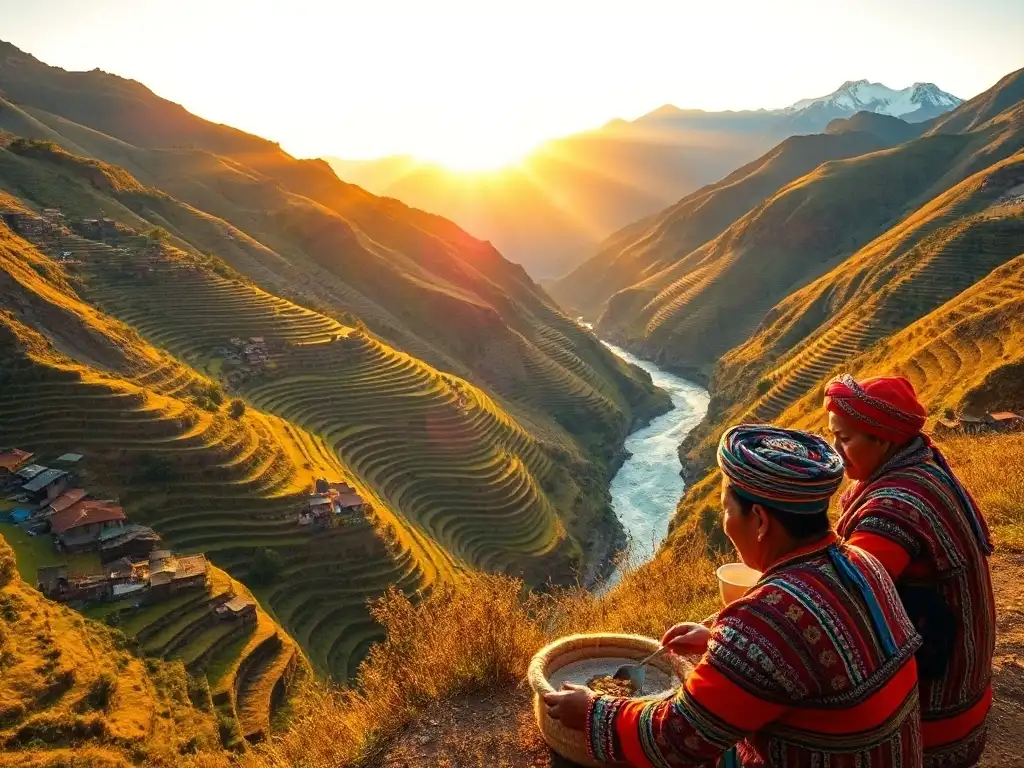
Step into a world lost to time, yet echoing in our present. Discover the intricate tapestry of Andean civilizations, where the Incas, Moche, Nazca, and Tiahuanaco left behind a legacy far beyond shimmering gold and towering ruins. How did the complex social structures of these ancient societies shape the very fabric of modern life? Unravel the mysteries and enduring influence of Andean social structures' impact – your journey into this fascinating history begins now.
The Andes Mountains, a majestic spine running down the western edge of South America, cradled some of the most sophisticated and fascinating pre-Columbian civilizations. From the Incas' vast empire to the intricate artistry of the Nazca and the advanced engineering of the Tiahuanaco, these cultures left behind a legacy far beyond their impressive architectural achievements.
This article delves into the enduring impact of Andean social structures – their hierarchies, their systems of reciprocity, and their unique approaches to labor – on the societies that exist in the region today, and even beyond. We will explore how the principles of ancient Andean social organization continue to shape community dynamics, economic models, and social interactions, demonstrating the profound and lasting influence of these remarkable civilizations.
Understanding this historical context is crucial to comprehending the complexities of modern Andean societies and appreciating the resilience of their cultural heritage. The keyword "Andean social structures impact" will be explored throughout the article, examining the multifaceted ways in which these ancient systems continue to resonate in the present day.
Ancient Andean societies, while diverse, shared common threads in their social organization. These weren't rigid, static systems; rather, they were complex and fluid, adapting to environmental challenges and evolving over time. However, a hierarchical structure generally prevailed, with a clear distinction between elites (typically religious leaders, rulers, and nobles) and commoners. This hierarchy wasn't solely based on wealth, but also on lineage, religious authority, and access to resources.
The Inca Empire, for instance, implemented a highly centralized system with the Sapa Inca at its apex, followed by a complex bureaucracy and a stratified social order. Other cultures, like the Moche, exhibited a similar pattern, albeit with regional variations in power structures and social stratification. The nature of this hierarchy influenced everything from access to land and resources to the distribution of labor and the organization of religious ceremonies.
The extent of social mobility within these systems remains a topic of ongoing scholarly debate, with some evidence suggesting greater flexibility than initially assumed. Understanding this nuanced framework is key to analyzing the lasting influence of Andean social structures on contemporary societies. The impact of this social organization can still be seen in the distribution of power and resources in many modern Andean communities.
One of the most significant aspects of Andean social structures was the emphasis on reciprocity. This wasn't simply about bartering goods; it represented a complex system of social obligations and mutual support. Concepts like ayni and mita (which we'll explore in more detail below) were integral to maintaining social cohesion and ensuring the survival of communities. Reciprocity fostered cooperation, strengthened social bonds, and provided a safety net during times of hardship.
This system of mutual obligation continues to resonate in many modern Andean communities, shaping social interactions and economic practices. Even today, community-based support systems, often rooted in traditional practices, play a crucial role in navigating challenges like poverty, food insecurity, and access to healthcare. The enduring power of reciprocity highlights the adaptability and resilience of Andean social values. The impact of this system is clearly seen in the strong community bonds prevalent in many Andean communities today.
Ayni and Minka: The Enduring Relevance of Collaborative Labor in Modern Andean Communities
Ayni and minka represent two distinct yet interconnected forms of reciprocal labor in Andean societies. Ayni refers to the exchange of goods and services between individuals or families, often based on mutual need and obligation. It's a system of balanced reciprocity, where favors are returned in kind. Minka, on the other hand, involves communal labor for the benefit of the entire community.
This could include constructing irrigation systems, building houses, or harvesting crops. Both ayni and minka fostered social cohesion and ensured the successful completion of tasks that would be difficult or impossible for individuals to accomplish alone. The spirit of ayni and minka continues to influence modern Andean communities, manifesting in collaborative projects, community-based initiatives, and a strong emphasis on collective action.
While formal institutions have evolved, the underlying principles of mutual support and shared responsibility remain deeply embedded in the cultural fabric of many Andean communities. The impact of these collaborative labor systems can be seen in the continued success of community-based projects and the strong sense of collective identity in many Andean regions. The enduring relevance of ayni and minka serves as a powerful testament to the enduring influence of Andean social structures.
The intricate hierarchical systems of the ancient Andean civilizations, particularly the Inca Empire, continue to resonate in the social stratification of modern Andean societies. The Inca's rigid class structure, with its clear distinctions between the Sapa Inca (emperor) at the apex, followed by nobles, priests, artisans, and commoners, established a precedent for social inequality that persists in various forms today. While overt displays of imperial power are absent, the legacy of this hierarchical structure manifests in disparities in access to resources, education, and political power. Economic inequalities, often rooted in land ownership patterns established centuries ago, mirror the uneven distribution of wealth and privilege seen in the Inca Empire.
Furthermore, the concentration of power in the hands of a relatively small elite, a characteristic of Inca governance, finds parallels in contemporary political and economic structures in some Andean nations. This enduring influence is not simply a historical artifact; it shapes contemporary social dynamics, influencing social mobility and perpetuating cycles of poverty and inequality in many communities. The deeply ingrained societal expectations and norms associated with hierarchical structures continue to affect social interactions and opportunities within modern Andean society.
Understanding this historical context is crucial to addressing modern social and economic disparities. For example, the persistent challenges faced by indigenous communities in accessing quality education and healthcare can be partially attributed to the lingering effects of the deeply entrenched social hierarchies of the past. Efforts to promote social equity and inclusion must acknowledge and actively counteract this historical legacy.
The Role of Kurakas and Community Leaders: Parallels in Modern Andean Governance
The kurakas, regional leaders within the Inca Empire, held significant power and responsibility within their communities. They acted as intermediaries between the imperial administration and the populace, collecting taxes, organizing labor, and maintaining social order. Their influence extended beyond mere administration; they played a crucial role in shaping local customs and traditions. This model of localized leadership with significant community engagement finds echoes in modern Andean governance structures.
Many contemporary communities, particularly in rural areas, retain a strong sense of local autonomy and rely on community leaders—often informally appointed—to represent their interests and resolve disputes. These leaders, while not possessing the same formal power as the kurakas, fulfill similar functions, mediating between local populations and national or regional governments. Their roles often involve managing resources, resolving conflicts, and advocating for the needs of their communities.
The enduring importance of these community leaders underscores the resilience of traditional Andean governance models and their adaptability to contemporary circumstances. This continuity highlights the enduring relevance of participatory governance structures, where local leaders play a critical role in ensuring community well-being and participation in decision-making processes. The influence of the kuraka system is visible in the ongoing efforts to decentralize governance and empower local communities in many Andean nations.
Andean Kinship Systems and Their Impact on Modern Family Structures
The complex kinship systems of the ancient Andean civilizations, characterized by strong emphasis on lineage and reciprocity, significantly shaped family structures and social relations. These systems extended beyond the nuclear family, encompassing extended family networks, ayllus (kinship groups), and reciprocal obligations among kin. This emphasis on collective responsibility and interdependence had profound societal implications, influencing resource management, social support, and conflict resolution. While modern Andean societies have undergone significant transformations, the legacy of these kinship systems remains palpable.
Extended family networks continue to play a crucial role in many communities, providing essential social and economic support. The importance of reciprocity, a cornerstone of traditional Andean kinship, persists in many social interactions, shaping relationships and influencing patterns of cooperation and mutual aid. However, the impact of globalization and urbanization has led to changes in family structures, with a growing prevalence of nuclear families in urban areas.
Nevertheless, the values of collectivism and mutual support, deeply rooted in traditional kinship systems, continue to influence social norms and behavior, shaping how people interact and navigate social challenges within their families and communities. The enduring strength of extended family ties in many Andean communities, even amidst modernization, highlights the resilience of traditional social structures and their continued relevance in contemporary life. Understanding these deeply-rooted kinship patterns is critical for comprehending modern social dynamics and promoting effective social programs in the Andes.
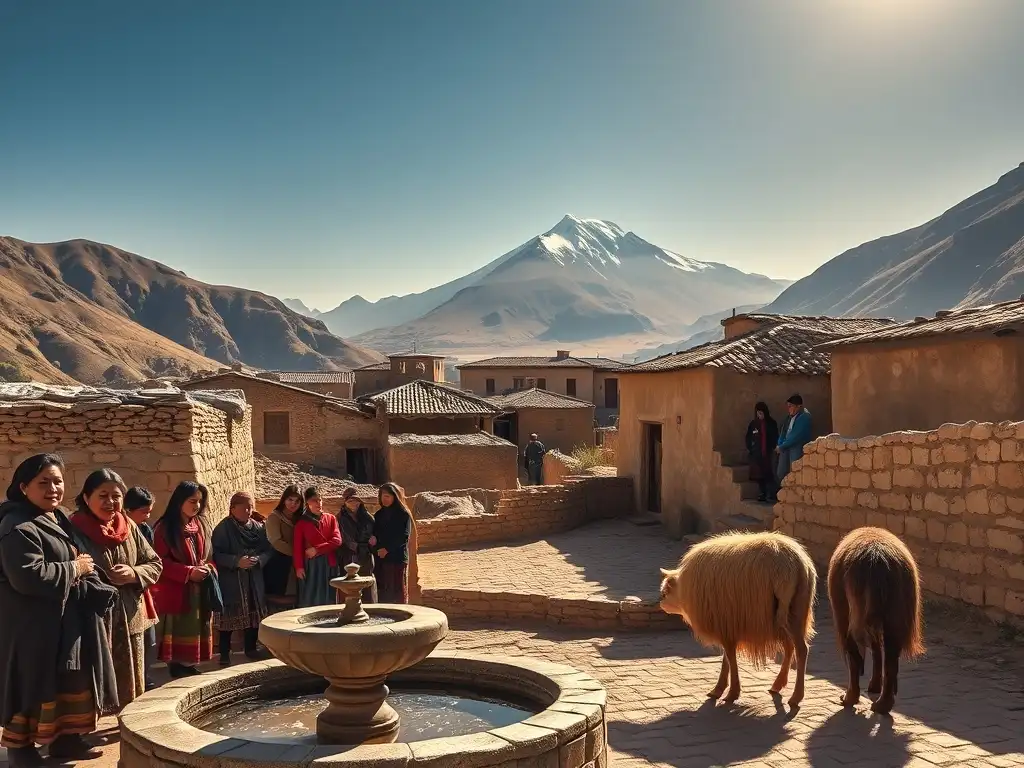
The ayllu, a fundamental social unit in many Andean societies, continues to exert a significant influence on modern communities. This kinship-based system, characterized by reciprocal obligations and shared resources, persists in various forms even today. While the formal structures of the ayllu may have weakened under the pressures of modernization, the underlying principles of collective responsibility and mutual support remain deeply ingrained in the cultural fabric of many Andean communities. This is evident in the continued importance of family networks in economic activities, social support systems, and even political organization.
For example, in many rural communities, cooperative labor practices, rooted in ayllu traditions, are still common for tasks like farming and construction. The extended family unit, a cornerstone of the ayllu, provides crucial social security and economic stability, particularly for vulnerable members of society. The strong emphasis on kinship ties fosters a sense of community and belonging, mitigating the effects of social isolation and inequality that often plague modern societies.
The resilience of the ayllu demonstrates the enduring power of traditional social structures in adapting to changing circumstances. Even in urban settings, where individuals may be geographically dispersed, the bonds of kinship and mutual support often remain strong, influencing everything from business partnerships to political alliances. The concept of collective responsibility, central to the ayllu, provides a valuable lesson for modern societies grappling with issues of social cohesion and inequality.
Andean social structures, particularly the hierarchical systems of the Inca Empire, have left a lasting impact on economic models in the region. The Inca's sophisticated system of resource management and redistribution, while centralized, fostered a degree of economic stability and social welfare. This emphasis on collective production and distribution, though implemented through a powerful state apparatus, contrasts sharply with purely market-based economies. The concept of mita, a form of labor tax, while exploitative in its implementation, highlights the Inca's emphasis on collective effort for the benefit of the empire.
This legacy has influenced subsequent economic policies in the Andes, with a lingering emphasis on state intervention and social programs aimed at addressing inequality. However, the rigid hierarchical structure of the Inca economy also presented challenges, limiting individual initiative and hindering the development of a robust private sector. The post-colonial economic landscape has been significantly shaped by the legacy of these ancient systems, with ongoing debates about the optimal balance between state intervention and free-market principles.
Modern Andean economies often grapple with the tension between traditional communal values and the demands of globalization, reflecting the complex interplay between ancient social structures and contemporary economic realities. The enduring influence of Inca-era economic practices can be observed in various contemporary cooperative models and state-led development initiatives. Understanding this legacy is crucial for formulating effective economic policies that are both equitable and sustainable.
Land Tenure and Resource Management: Lessons from Ancient Andean Practices
Ancient Andean civilizations developed sophisticated systems of land tenure and resource management that offer valuable lessons for contemporary societies facing challenges of sustainability and equitable resource distribution. The Inca Empire, for instance, implemented a highly centralized system of land allocation, ensuring the efficient utilization of resources and the provision of essential goods to the population. While this system involved significant state control, it also incorporated mechanisms for community participation and resource sharing, reflecting a deep understanding of ecological balance and social equity. The ayllu system played a crucial role in local land management, fostering a sense of collective responsibility for the preservation of natural resources.
This communal approach to resource management contrasts with modern models that often prioritize individual ownership and profit maximization, sometimes leading to environmental degradation and social inequality. The intricate terrace farming techniques developed by the Andean civilizations demonstrate a remarkable understanding of sustainable agriculture, adapting to diverse terrains and maximizing crop yields with minimal environmental impact. These ancient practices offer valuable insights for contemporary agriculture, particularly in the face of climate change and growing food security concerns.
The integration of traditional knowledge with modern technology holds significant potential for developing sustainable and equitable resource management practices in the Andes and beyond. Examining the Andean approach to resource management provides insights into how to balance social needs with environmental sustainability, a critical challenge for the 21st century. The principles of collective responsibility and long-term planning embedded in Andean practices offer valuable guidance for sustainable resource use.
The intricate social structures of Andean civilizations, particularly the Inca Empire, continue to resonate in contemporary cultural expressions. The hierarchical system, with its clearly defined roles and responsibilities, influenced the development of community-based organizations and social hierarchies in many Andean communities. Even today, many Andean communities maintain a strong sense of collective identity and cooperation, reflecting the emphasis on ayni (reciprocity) and mita (labor obligations) prevalent in the Inca system.
This communal spirit manifests in various forms, from cooperative farming practices to community-based projects aimed at improving infrastructure and social welfare. The concept of social responsibility, deeply ingrained in the Andean worldview, finds its echo in modern initiatives promoting social justice and equality. Furthermore, the enduring respect for elders and traditional leaders, a hallmark of Andean social structures, continues to shape decision-making processes and intergenerational relationships within Andean communities, influencing social stability and cultural continuity.
The emphasis on kinship ties and extended family structures, a cornerstone of Inca society, remains a significant factor in the social fabric of modern Andean communities, providing support networks and social cohesion. This influence is visible in the strong family bonds and the importance placed on community solidarity, which often serve as a buffer against societal challenges.
Andean festivals and rituals are vibrant expressions of the enduring influence of ancient social structures. Many traditional celebrations directly reflect the hierarchical nature of Inca society. For instance, religious festivals often feature processions and ceremonies where social status is visibly displayed through attire, participation in specific roles, and access to privileged spaces. These rituals not only entertain but also reinforce social hierarchies and community cohesion.
The Capac Raymi, a major Inca festival celebrating the sun, serves as a powerful example. Its elaborate ceremonies, involving representatives from different social strata, highlighted the emperor's power and the importance of maintaining social order. Modern versions of these festivals, while adapted to the present day, continue to reflect and perpetuate the underlying social dynamics.
The allocation of roles and responsibilities within these festivities often mirrors the traditional social structure, with specific groups or families taking on leadership positions or performing key ceremonial functions. The continued practice of these rituals, often handed down through generations, demonstrates the resilience of Andean social memory and its profound impact on contemporary cultural practices. Moreover, the use of traditional costumes, music, and dance in these celebrations reinforce community identity and maintain a connection to the past, reaffirming the significance of ancestral social structures.
Andean art and music serve as powerful repositories of social memory and values, reflecting and transmitting the legacy of ancient social structures. Textiles, for example, often depict scenes of daily life, religious ceremonies, and social hierarchies, providing valuable insights into the social organization of past Andean societies. The intricate designs and symbolic representations woven into these textiles often reflect specific social roles, status, and beliefs. Similarly, Andean music, with its diverse rhythms and melodies, conveys social messages and narratives.
Certain musical styles and instruments were traditionally associated with specific social groups, reflecting their social status and roles within the community. The use of music in religious ceremonies and communal celebrations further reinforced social cohesion and the transmission of cultural values. Even today, Andean art and music continue to reflect and reinterpret ancient social structures.
Modern artists and musicians often draw inspiration from traditional motifs and styles, incorporating elements that reflect the hierarchical and communal aspects of Andean societies. This continuous engagement with the past ensures that the values and social dynamics of ancient Andean civilizations remain relevant and influential in the present day, shaping cultural expression and reinforcing a sense of cultural continuity. The fusion of traditional and contemporary styles further highlights the adaptability and enduring relevance of Andean social structures in modern art forms.
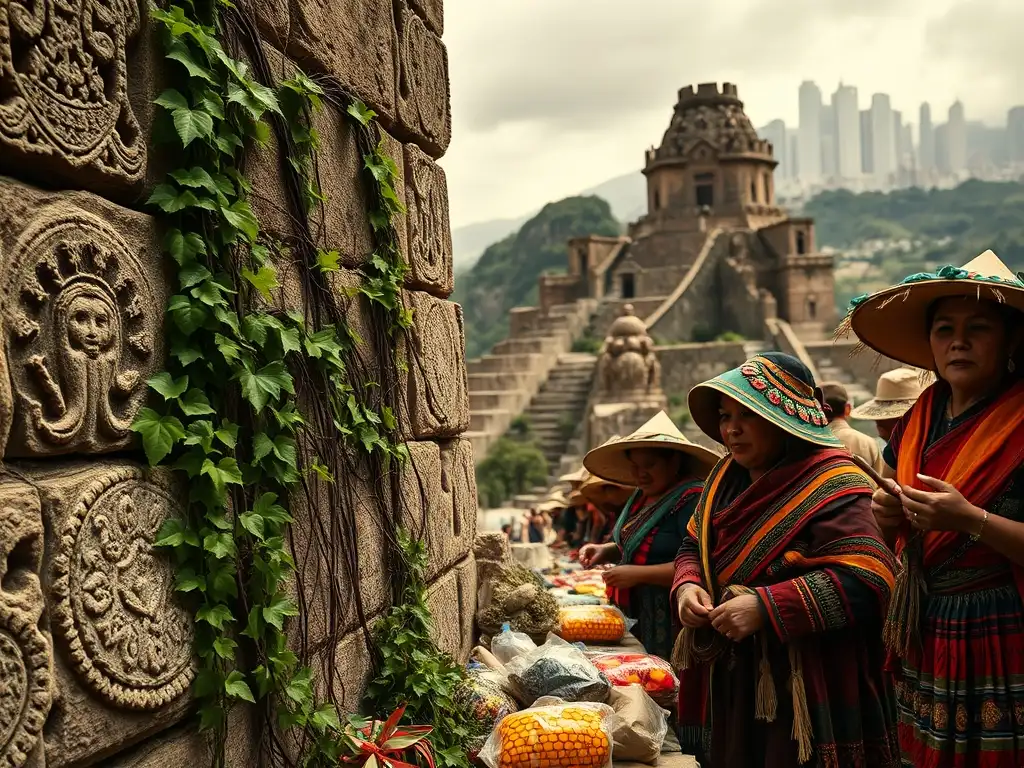
The integration of Andean communities into the globalized world presents significant challenges to their traditional social structures. The influx of Western ideas, technologies, and economic systems often clashes with deeply ingrained cultural norms and practices. For example, the traditional communal land ownership systems, ayllus, face pressure from privatization and individual land titles, disrupting established social hierarchies and resource management practices. This transition is not without its difficulties; many communities struggle to balance the benefits of economic advancement with the preservation of their cultural heritage and social cohesion.
The younger generations, often more exposed to external influences, may exhibit differing values and priorities compared to their elders, leading to intergenerational conflict and a gradual erosion of traditional customs. However, many Andean communities demonstrate remarkable adaptability. They actively seek ways to integrate modern elements while preserving their core values.
For instance, some ayllus are adopting modern technologies for agriculture and resource management, improving efficiency and productivity without abandoning their collective ownership models. This demonstrates a dynamic process of negotiation and adaptation, where traditional structures are not simply replaced but rather transformed to meet the demands of the modern world. The success of these adaptations hinges on the ability of communities to maintain a strong sense of collective identity and purpose, ensuring that the benefits of modernization are shared equitably among all members.
Despite the pressures of globalization, many indigenous Andean social practices demonstrate remarkable resilience. Traditional forms of community governance, dispute resolution, and social support networks persist, even in urban settings. The minga, a system of reciprocal labor, continues to play a vital role in community development projects, showcasing the enduring value of collective action and mutual assistance.
Similarly, traditional ceremonies and rituals, often linked to ancestral beliefs and agricultural cycles, retain their significance, fostering social cohesion and transmitting cultural knowledge across generations. These practices not only provide a sense of continuity and identity but also contribute to the well-being of Andean communities. For example, the preservation of traditional medicinal practices offers an alternative to expensive Western healthcare systems, especially in remote areas with limited access to medical facilities.
The resilience of these practices underscores the deep-rooted nature of Andean social structures and their capacity to adapt and persist in the face of external pressures. However, the continued survival of these traditions often depends on factors such as government support for indigenous languages and cultural preservation programs, as well as the active participation of younger generations in maintaining these practices. The challenge lies in finding a balance between preserving cultural heritage and adapting to the evolving needs of a changing world.
The rapid urbanization of Andean regions significantly impacts traditional social structures. The migration of rural populations to urban centers disrupts established social networks and weakens the ties that bind communities. The anonymity of urban life contrasts sharply with the close-knit social fabric of rural Andean villages, leading to feelings of isolation and a loss of community support. Traditional forms of social control and dispute resolution may become less effective in the complex urban environment.
However, Andean communities often demonstrate remarkable adaptability in urban settings. They establish new forms of social organization and support networks within urban spaces, often maintaining strong ties with their places of origin. For instance, many urban migrants form compadrazgo networks (godparent relationships) that extend beyond kinship ties, providing social and economic support. Furthermore, the growth of indigenous organizations in urban areas allows for the collective advocacy of their rights and the preservation of their cultural identity.
While urbanization undoubtedly presents challenges to traditional Andean social structures, it also creates opportunities for innovation and the adaptation of traditional practices to new contexts. The ongoing process of adaptation highlights the dynamism and resilience of Andean communities in navigating the complexities of modern urban life. Further research is needed to fully understand the long-term effects of urbanization on the social fabric of Andean societies and the strategies they employ to maintain their cultural heritage.
The Andean region, once home to sophisticated and complex social structures, now faces unprecedented challenges in the 21st century. Globalization, climate change, and rapid urbanization are profoundly impacting traditional social organizations. The intricate systems of reciprocity, ayni and mita, which once underpinned Andean societies, are being challenged by market-driven economies and individualistic values. However, the resilience of Andean communities should not be underestimated.
Indigenous communities continue to adapt and innovate, finding ways to integrate elements of their traditional social structures with modern realities. For example, many communities are using technology to strengthen communication and collaboration within their networks, maintaining a sense of collective identity and purpose. The resurgence of indigenous languages and cultural practices also demonstrates a conscious effort to preserve and revitalize traditional social bonds. Understanding how Andean communities navigate these challenges is crucial, not only for preserving their unique cultural heritage but also for learning valuable lessons about community resilience and sustainable development in a globalized world.
The future of Andean social organization hinges on the ability to balance the preservation of traditional values with the demands of a rapidly changing world. This necessitates a nuanced approach that recognizes the inherent strength and adaptability of Andean communities while addressing the unique challenges they face. Further research into the effectiveness of various adaptation strategies is needed to inform policy and support the sustainable development of these communities. The interplay between traditional practices and modern innovations will continue to shape the future of Andean social organization, offering valuable insights into social resilience and adaptability for societies worldwide.
The impact of Andean social structures resonates far beyond the historical context of their existence. Their enduring influence can be seen in the social fabric of modern Andean societies, shaping everything from community organization to political structures. The principles of reciprocity, community responsibility, and hierarchical organization, though adapted and modified, remain relevant in contemporary Andean life. Understanding these historical structures provides crucial insight into the complexities of modern Andean societies and their unique challenges.
The lessons learned from the successes and failures of past Andean social systems offer valuable perspectives for addressing contemporary social issues, such as inequality, environmental sustainability, and community development. The study of Andean social structures is not merely an academic exercise; it is a vital tool for understanding the present and building a more equitable and sustainable future for the Andean region. The continued relevance of these structures underscores the importance of preserving and learning from the rich history and cultural heritage of the Andes.
As societies worldwide grapple with similar challenges of inequality and sustainability, the insights gleaned from Andean social structures offer a unique and valuable perspective for shaping a better future. The study of ayni, mita, and other traditional practices provides a framework for understanding collaborative solutions and community-based approaches to development. Therefore, the ongoing exploration and analysis of Andean social structures remain critical for understanding both the past and the future of the region and its enduring impact on the world.
- Understanding the Foundations of Ancient Andean Social Organization
- The Legacy of Reciprocity: How Andean Social Structures Impact Community Today
- Ayni and Minka: The Enduring Relevance of Collaborative Labor in Modern Andean Communities
- Hierarchical Systems in Ancient Andes: Their Influence on Contemporary Social Stratification
- The Role of Kurakas and Community Leaders: Parallels in Modern Andean Governance
- Andean Kinship Systems and Their Impact on Modern Family Structures
- Ayllu and Extended Families: The Persistence of Traditional Social Units
- The Impact of Andean Social Structures on Economic Models
- Land Tenure and Resource Management: Lessons from Ancient Andean Practices
- The Influence of Andean Social Structures on Modern Cultural Expressions
- Traditional Festivals and Rituals: Reflecting Ancient Social Dynamics
- Andean Art and Music: Carriers of Social Memory and Values
- Challenges and Adaptations: How Andean Social Structures Navigate Modernity
- The Resilience of Indigenous Social Practices in the Face of Globalization
- Urbanization and Its Effects on Traditional Andean Social Structures
- The Future of Andean Social Organization in a Changing World
- Conclusion: The Continuing Relevance of Andean Social Structures
- How did Andean social structures impact their technological advancements?
- What role did religion play in shaping Andean social structures?
- How did Andean social structures affect their agricultural practices?
- In what ways did the fall of the Inca Empire impact Andean social structures?
- How do Andean social structures continue to influence modern societies in the Andes?
Frequently Asked Questions
Andean societies, particularly the Inca, saw significant technological progress fueled by their hierarchical structures. Organized labor and centralized planning, directed by the elite, allowed for large-scale projects like road systems and irrigation. This top-down approach was crucial for their engineering feats.
Religion played a pivotal role, with the elite often claiming divine legitimacy. Religious beliefs influenced social hierarchy, agricultural practices, and even warfare. The priesthood held significant power, shaping societal norms and beliefs.
The complex social hierarchy dictated agricultural production and distribution. Collective labor was common, with different groups assigned specific tasks. This system enabled the sustainable cultivation of diverse crops, adapting to challenging Andean environments.
The Spanish conquest drastically altered Andean social structures, causing the disruption of existing hierarchies. The introduction of European systems led to new forms of social organization, impacting land ownership, labor practices, and governance, creating lasting consequences.
Many aspects of traditional Andean social organization persist, influencing community structures, land tenure systems, and even political dynamics in modern Andean nations. Collective action and a strong sense of community, rooted in ancient practices, remain visible today.
Final Reflection: Echoes of the Andes in Our Modern World
The intricate social structures of the Andes, far from being relics of a distant past, continue to resonate powerfully in contemporary societies. Their impact is not merely historical; it's a living force shaping our understanding of community, governance, and resource management, influencing everything from indigenous rights movements to sustainable development initiatives. The echoes of their ingenuity and resilience are undeniable.
The enduring legacy of Andean social organization is profoundly moving. Their sophisticated systems of reciprocity, communal labor (ayni), and intricate social hierarchies, while often misunderstood or misrepresented, offer valuable lessons for navigating the complexities of our interconnected world. The mountains are our teachers; they teach us patience, resilience, and the importance of community.
This sentiment, though perhaps not directly from an ancient Andean source, perfectly captures the spirit of their enduring influence on our values and perspectives. Understanding their systems allows us to appreciate the diversity of human social organization and the potential for alternative models of societal function.
Consider the challenges we face today: climate change, inequality, and the need for sustainable practices. The ingenuity and adaptability demonstrated by Andean civilizations in managing their resources and fostering community cohesion offer invaluable insights. You, the reader, are now equipped with a deeper understanding of these ancient systems. I urge you to reflect on how these principles might inform your own interactions with your community, your environment, and the wider world. Let the echoes of the Andes inspire you to build a more just, equitable, and sustainable future.
Embrace the Legacy: Connect with Andean Culture Today!
Thank you for exploring the profound influence of Andean social structures on modern societies. Your interest highlights the rich history of these civilizations and the invaluable lessons they offer us today. Now, let's delve deeper!
Here are some ways to further your understanding and connection with this fascinating legacy:
- Dive Deeper: Explore the rich tapestry of Andean history through our comprehensive resources at Andean Civilizations . Discover untold stories and find inspiration for positive change in your community.
- Join the Discussion: Share your thoughts and insights on our forum. Connecting with others fosters enriching perspectives and lively discussions.
- Explore and Experience: Visit an Andean historical site or museum. Experiencing the culture firsthand offers unique insights and deepens your appreciation.
Reflecting on this article, consider how the principles of Andean social structures might positively influence and enhance our modern communities. Your ideas could spark meaningful conversations and inspire action!