
The Andean Nobility: Lineage, Land, and Social Status

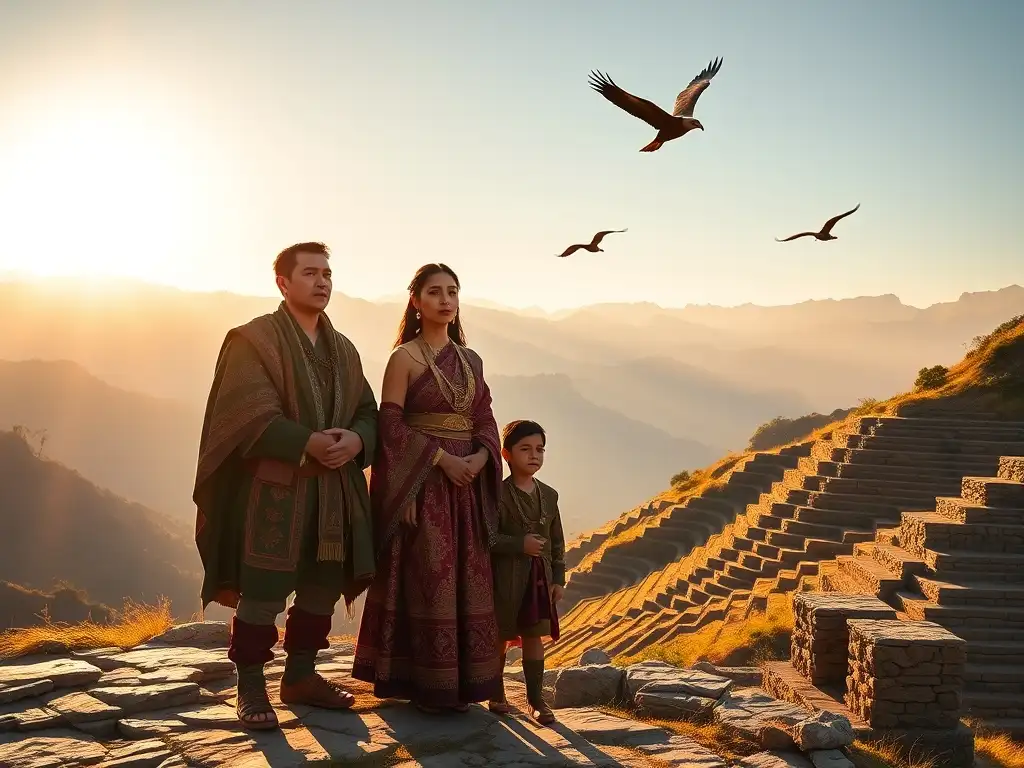
Step into a world lost to time, yet echoing with the whispers of empires. Imagine a society where the very mountains held sway over social standing, where lineage intertwined with land ownership to define power. This website delves into the fascinating intricacies of Andean Civilizations, revealing the secrets of their remarkable achievements. But perhaps the most intriguing puzzle remains: the complex Andean nobility social hierarchy. Uncover its mysteries and discover how this intricate system shaped the destiny of these remarkable cultures. Prepare to be captivated...
The intricate social structures of the Andean civilizations, encompassing diverse cultures like the Inca, Moche, Nazca, and Tiahuanaco, were characterized by a complex system of nobility. Understanding the Andean nobility's social hierarchy is crucial to grasping the power dynamics and societal organization of these remarkable societies.
This article delves into the multifaceted aspects of Andean elite status, exploring the interwoven roles of lineage, land ownership, and the resulting social influence that defined the lives of the nobility. We will examine how these factors shaped their power and privileges, ultimately contributing to the unique character of each Andean civilization.
From the intricate lineage systems determining noble status in the Inca Empire to the influence of land ownership in Tiwanaku and Chimor, we'll uncover the complexities of Andean nobility and its impact on the broader social landscape. This exploration will provide a deeper understanding of the "Andean nobility social hierarchy" and its importance in shaping Andean history.
Understanding the Concept of Andean Elite in Tiwanaku and Chimor Societies
The concept of nobility in Andean societies wasn't monolithic. While shared characteristics existed, variations existed across different cultures and time periods. In Tiwanaku society (c. 300-1100 CE), evidence suggests a powerful elite class, likely composed of religious leaders and powerful warriors, who controlled vast resources and exerted significant influence.
Their status was likely reinforced through elaborate religious ceremonies and monumental architecture, like the iconic Gate of the Sun. The precise mechanisms of inheritance and social mobility within this elite are still being researched, but archaeological evidence points to a system where lineage and control over key resources played crucial roles.
Similarly, in Chimor (c. 900-1470 CE), a sophisticated hierarchical structure existed. The Chimor nobility, often associated with the ruling dynasty, controlled extensive agricultural lands and specialized craft production. Their power was rooted in their control over these resources and their ability to mobilize labor for large-scale projects.
Unlike the Inca, the Chimor's social hierarchy seems to have been less rigidly defined, with some evidence suggesting a degree of social mobility based on merit or military achievement. However, the core of power remained firmly in the hands of the ruling elite and their families. Further research is needed to fully understand the nuances of social mobility and the precise mechanisms of inheritance within Chimor society.
The Role of Lineage in Determining Noble Status in the Inca Empire
The Inca Empire (c. 1438-1533 CE) boasted a highly stratified social system where lineage played a paramount role in determining noble status. The Inca aristocracy, descended from the Sapa Inca (the emperor) and his close relatives, occupied the highest rungs of society. Their privileged position granted them access to land, wealth, and political power.
This lineage-based system ensured the perpetuation of power within the ruling family and maintained social order. The ayllu, a kinship-based community, also played a critical role in reinforcing social structures. Individuals within a particular ayllu often shared a common ancestor and held similar social standing, further solidifying the importance of lineage.
The Inca nobility also held significant religious and administrative roles, further strengthening their social standing. They served as priests, governors, and military commanders, wielding considerable influence over the lives of their subjects. The meticulous record-keeping of the Inca, through the use of quipus (knotted cords), helped maintain the complex lineage system and ensure the accurate transmission of noble status across generations. This intricate system of lineage and hereditary privilege formed the bedrock of Inca society and contributed significantly to the empire's stability and longevity.
The Inca aristocracy's power extended far beyond their privileged social standing. They controlled vast tracts of land, which were cultivated by the mita labor system. This system obligated commoners to dedicate a portion of their time to working on state projects or the lands of the nobility. This control over resources translated into significant economic and political power. The Inca nobility also held key administrative positions, overseeing the organization and administration of the empire's vast territories. They were responsible for the collection of taxes, the distribution of resources, and the enforcement of laws.
Furthermore, the Inca aristocracy played a crucial role in religious ceremonies and rituals, further enhancing their prestige and influence. Their close ties to the Sapa Inca and their access to religious knowledge and symbols ensured their continued dominance within Inca society. The Inca's meticulous organization and control over all aspects of life, from agriculture to religion, solidified the aristocracy's position at the apex of the social hierarchy.
Their power was deeply intertwined with the economic, political, and religious structures of the empire, making them a cornerstone of Inca society. The extent of their influence is evidenced by the lasting impact of their traditions and social structures even after the Spanish conquest.
- Understanding the Concept of Andean Elite in Tiwanaku and Chimor Societies
- The Role of Lineage in Determining Noble Status in the Inca Empire
- Social Power and Influence of the Inca Aristocracy
- What determined social status in Andean societies?
- How did Andean nobility maintain their power?
- What were the key differences between the social classes in the Andes?
- What role did religion play in the Andean social hierarchy?
- How did the Inca Empire's social structure compare to other Andean civilizations?
The Origins and Evolution of the Andean Nobility
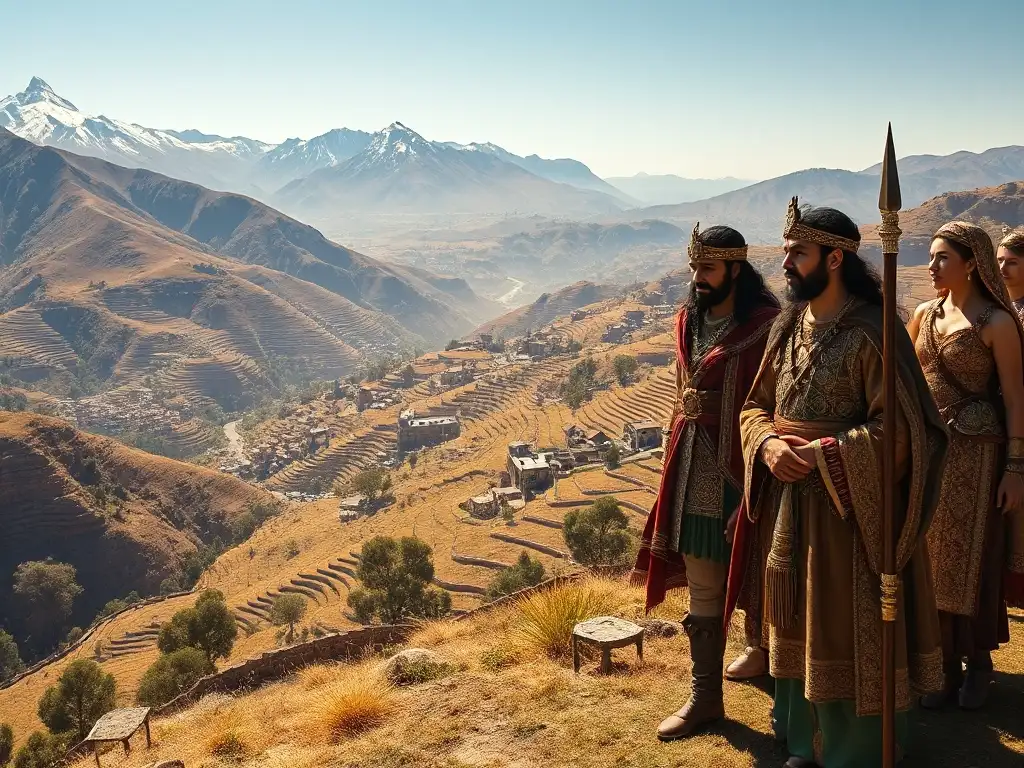
This section delves into the fascinating development of Andean nobility, tracing its origins and transformations across various pre-Columbian societies. Understanding the Andean nobility social hierarchy requires examining the distinct characteristics and power dynamics that shaped elite groups in different cultures, particularly the Moche, Inca, and the impact of the Spanish Conquest. The concept of nobility itself wasn't static; it evolved significantly over time, reflecting changes in political organization, economic systems, and religious beliefs.
Tracing the Roots of Andean Nobility in the Moche Civilization
The Moche civilization (c. 100-800 CE) offers a glimpse into the early development of Andean elite structures. While lacking the centralized imperial organization of the Inca, the Moche possessed a sophisticated social hierarchy. Evidence suggests a hereditary nobility, likely linked to priestly and military roles. Moche iconography frequently depicts individuals adorned in elaborate jewelry, fine textiles, and distinctive headdresses – clear markers of high social status.
These elites likely controlled access to resources, including fertile land and skilled artisans. Their power was arguably less formalized than the later Inca system, but equally impactful on Moche society. The construction of monumental architecture, such as the Huacas del Sol and de la Luna, required significant organization and labor, highlighting the elite's ability to mobilize resources and manpower.
Furthermore, the intricate burial practices of Moche nobles, often accompanied by lavish grave goods, further emphasizes their privileged position within society. Analysis of these burials reveals a clear distinction between the elite and commoners, reflecting a stratified social order. The Moche nobility's influence extended beyond material wealth; their control over religious rituals and ideology cemented their authority.
The Rise of Inca Nobility and its Consolidation of Power under Pachacuti
The Inca Empire (c. 1438-1533 CE) saw the development of a highly structured and centralized system of nobility. Under the reign of Pachacuti Inca Yupanqui, the Inca nobility underwent a significant transformation, solidifying its power and influence. Pachacuti's military conquests and administrative reforms created a complex system of governance, with the nobility playing a crucial role. The Inca nobility was largely hereditary, with lineage tracing back to the Sapa Inca, the emperor.
This system ensured the continuity of power and privilege within the elite. The nobility was divided into various ranks and titles, reflecting their proximity to the imperial family and their specific responsibilities. These responsibilities ranged from military command to overseeing crucial aspects of the empire's economy and infrastructure. The Curacas, local chiefs, played a vital role in managing the conquered territories, acting as intermediaries between the Inca rulers and the common people.
This system effectively consolidated Inca power, ensuring loyalty and efficient administration across a vast empire. The Inca nobility's influence extended beyond political administration. They controlled access to land, resources, and labor, ensuring their economic dominance. Furthermore, their control over religious ceremonies and sacred sites reinforced their spiritual authority.
The Spanish conquest of the Inca Empire in the 16th century drastically altered the Andean social hierarchy. The existing system of Andean nobility social hierarchy was dismantled, and a new colonial structure was imposed. The Spanish Crown implemented a system of encomiendas, granting Spanish conquistadors control over indigenous labor and resources. This resulted in the dispossession of land and power from the Inca nobility, leading to their decline and marginalization.
Many Inca nobles were killed, imprisoned, or forced to convert to Christianity. The traditional system of inheritance and succession was disrupted, weakening the structure of the Andean elite. The Spanish also introduced new social categories, such as mestizos (people of mixed Spanish and Indigenous descent), further complicating the existing social order. The introduction of European diseases also decimated the Indigenous population, further destabilizing the existing power structures.
While some Andean elites adapted and collaborated with the Spanish, many others resisted, leading to various uprisings and rebellions. The impact of the Spanish conquest was a profound and lasting transformation of the Andean social structure, effectively dismantling the traditional nobility and creating a new, colonial hierarchy. The effects of this upheaval are still felt in Andean societies today. Further research into the specific strategies of resistance and adaptation employed by different Andean groups would provide a more comprehensive picture of this complex period.
Land Ownership and Economic Power of the Andean Nobility
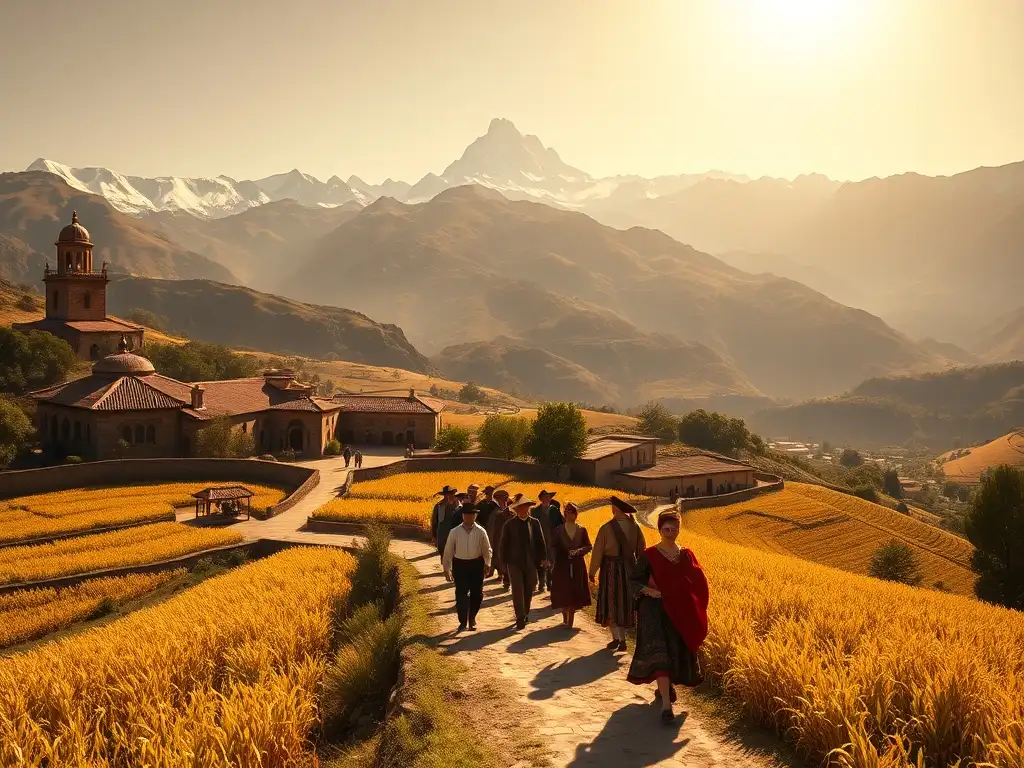
The Andean nobility's power wasn't solely based on lineage; it was deeply intertwined with their control over land and resources. This economic power solidified their social standing and ensured the continuation of their privileged lifestyle across generations. Understanding the Andean nobility social hierarchy requires a thorough examination of their relationship with the land, a relationship that dictated access to wealth, labor, and ultimately, political influence. The system varied somewhat across different Andean cultures, but the core principle remained consistent: land ownership equated to power. Analyzing the Inca, for instance, provides a clear example of this dynamic.
Control of Agricultural Resources by the Inca Elite and the System of Mit'a
The Inca elite, the curacas and other high-ranking officials, held extensive landholdings. These weren't simply private estates; they were crucial components of the Inca state's economic machine. The ayllu, the traditional communal landholding system, was adapted and controlled by the Inca nobility.
While the ayllu members continued to cultivate the land, they were obligated to contribute labor through the mit'a system. This wasn't simply forced labor; it was a complex system of reciprocal obligations, with the Inca providing protection and organization in exchange for labor contributions. However, the Inca nobility's control over the mit'a system ensured a significant portion of agricultural production flowed directly to them, enriching their coffers and strengthening their power.
The surplus agricultural goods, ranging from maize and potatoes to coca leaves, fueled the Inca's vast bureaucracy and military campaigns. This economic control was a cornerstone of the Inca nobility's social dominance. The efficient management and distribution of these resources were crucial to the Inca empire's stability and the nobility's continued prosperity.
Land tenure wasn't merely an economic factor; it was a fundamental element defining social status within the Inca social hierarchy. The amount and quality of land a person controlled directly correlated with their position in society. High-ranking nobles possessed vast estates, often encompassing fertile valleys and strategically important locations.
Their landholdings provided them with immense wealth, not only through agricultural production but also through control over access to crucial resources like water and minerals. This control extended to the labor force, as mentioned above with the mit'a system. Lower-ranking nobles might have smaller holdings, while commoners had access to land within the ayllu system, but their control and autonomy were significantly less than that of the nobility.
This system ensured a clear delineation of power and privilege, reinforcing the existing social stratification. The inheritance of land was also a key factor, ensuring the continuation of noble families and their privileged status across generations. The intricate system of land distribution and inheritance reinforced the Andean nobility social hierarchy.
Economic Privileges and Wealth Accumulation among the Inca Nobility
The Inca nobility enjoyed numerous economic privileges beyond land ownership. They were exempt from many labor obligations imposed on commoners, allowing them to dedicate their time to administrative duties or personal enrichment. They controlled access to valuable resources like precious metals, textiles, and crafted goods, often monopolizing their production or trade.
This created additional avenues for wealth accumulation. Further, the Inca nobility often received tribute payments from conquered territories, further increasing their wealth and solidifying their economic dominance. These privileges, combined with their landholdings and control over the mit'a, ensured a significant concentration of wealth within the nobility, contributing significantly to their elevated social status.
The accumulation of wealth wasn't just about material possessions; it was a symbol of power and a critical factor in maintaining their position within the Andean nobility social hierarchy. The extent of this economic disparity between the nobility and the commoners is still being researched, but available evidence points to a substantial gap.
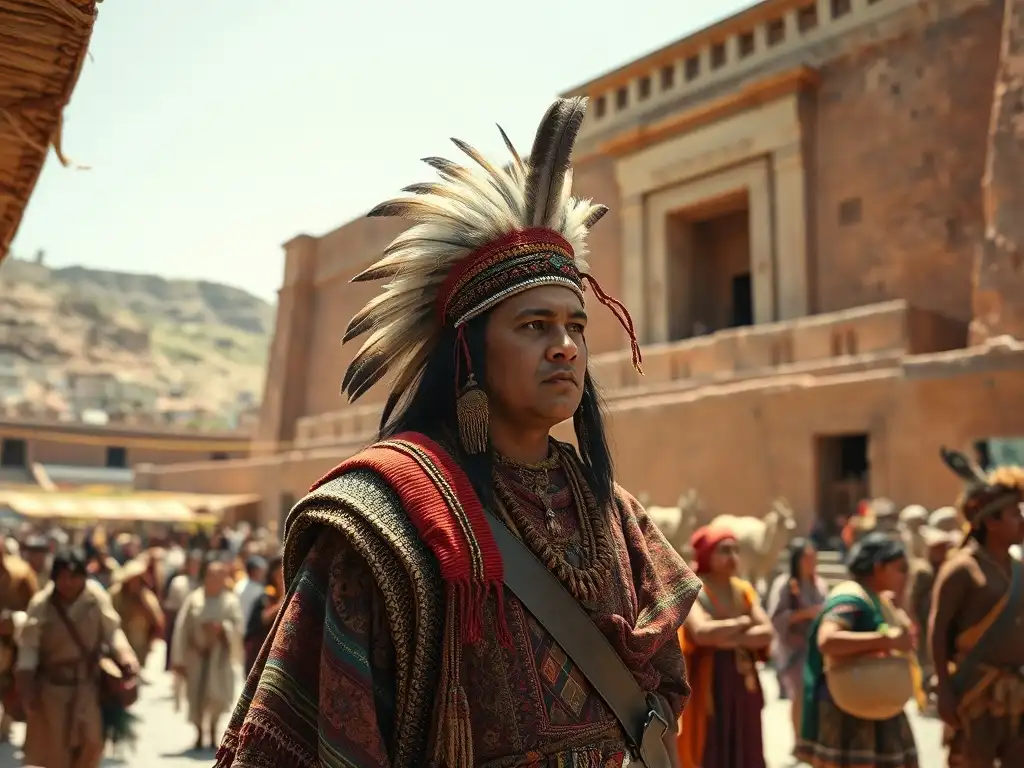
The Andean nobility, a complex and stratified group across various civilizations like the Inca, Moche, and Nazca, enjoyed significant privileges stemming from their inherited lineage and control over land. Their social standing wasn't merely a matter of prestige; it came with substantial responsibilities towards the broader community. Understanding the Andean nobility social hierarchy requires examining both the perks and the duties inherent in their elevated positions. Their influence permeated every aspect of Andean life, from religious ceremonies to economic production.
The extent of these privileges and responsibilities, however, varied depending on the specific civilization and the individual noble's proximity to the ruling elite. For example, a distant relative of the Sapa Inca held significantly less power and responsibility than a member of the royal family. This intricate web of power and obligation shaped the social fabric of Andean society.
Distinctive Clothing, Symbols, and Markers of Noble Status in Inca Society
In Inca society, outward displays of status were crucial. Noble attire served as a powerful visual indicator of rank and lineage. Fine textiles, often made from vicuña or alpaca wool, were reserved for the elite. Specific colors, patterns, and embellishments signified different levels within the hierarchy.
For instance, the toca, a type of headdress, varied in design and materials based on the wearer's social standing. Elaborate gold and silver jewelry, intricately woven textiles with unique motifs, and the use of specific dyes further distinguished the nobility. These weren't merely decorative items; they were powerful symbols of authority and connection to the Inca's divine lineage.
Specific types of sandals, and even the style of hair and facial adornments like ear spools, helped visually reinforce social distinctions. Archaeological evidence, such as the discovery of richly adorned mummies in royal tombs, corroborates these distinctions. The meticulous craftsmanship and use of precious materials highlight the importance placed on these visual markers of status within the Andean nobility social hierarchy.
Education, Training, and Roles within the Inca Administration
Andean nobles didn't simply inherit their positions; they also underwent rigorous education and training to prepare for their roles within the complex Inca administrative system. This training encompassed not only military skills but also knowledge of Inca law, religion, and governance. The yachahuac (teachers) played a pivotal role in educating the young nobility, imparting knowledge through oral traditions, practical exercises, and religious instruction. This education fostered a deep understanding of the Inca worldview and ensured the continuity of its intricate social and political structures.
The nobility held key positions in the administration, serving as governors, religious officials, and military commanders. Their expertise in managing resources, organizing labor, and administering justice was crucial to the empire's functioning. The kurakas, local leaders, while not always of noble birth, often collaborated closely with the nobility, demonstrating the interconnectedness of power structures within the Andean nobility social hierarchy.
Obligations and Duties of the Inca Nobility towards their Community
While enjoying significant privileges, the Inca nobility also bore substantial responsibilities towards their communities. Their role extended beyond mere governance; they were expected to act as patrons, protectors, and providers. This included overseeing the distribution of resources, ensuring the smooth functioning of the ayllu (community), and providing support during times of hardship. They were responsible for maintaining order, resolving disputes, and ensuring the proper performance of religious ceremonies.
The nobility also played a vital role in the organization of labor, overseeing the mita system, which involved the obligatory service of the commoners for public works projects. Failure to fulfill these obligations could lead to a loss of status and even punishment. This interplay between privilege and responsibility is key to understanding the dynamics of the Andean nobility social hierarchy.
The system was not merely about power; it was about a complex social contract, where the nobility's elevated position was inextricably linked to their duty to serve the broader community. Their actions directly impacted the welfare and stability of the entire empire. The balance between privilege and responsibility was carefully maintained, crucial to the functioning and stability of the Inca empire.
The Relationship Between the Andean Nobility and the Common People
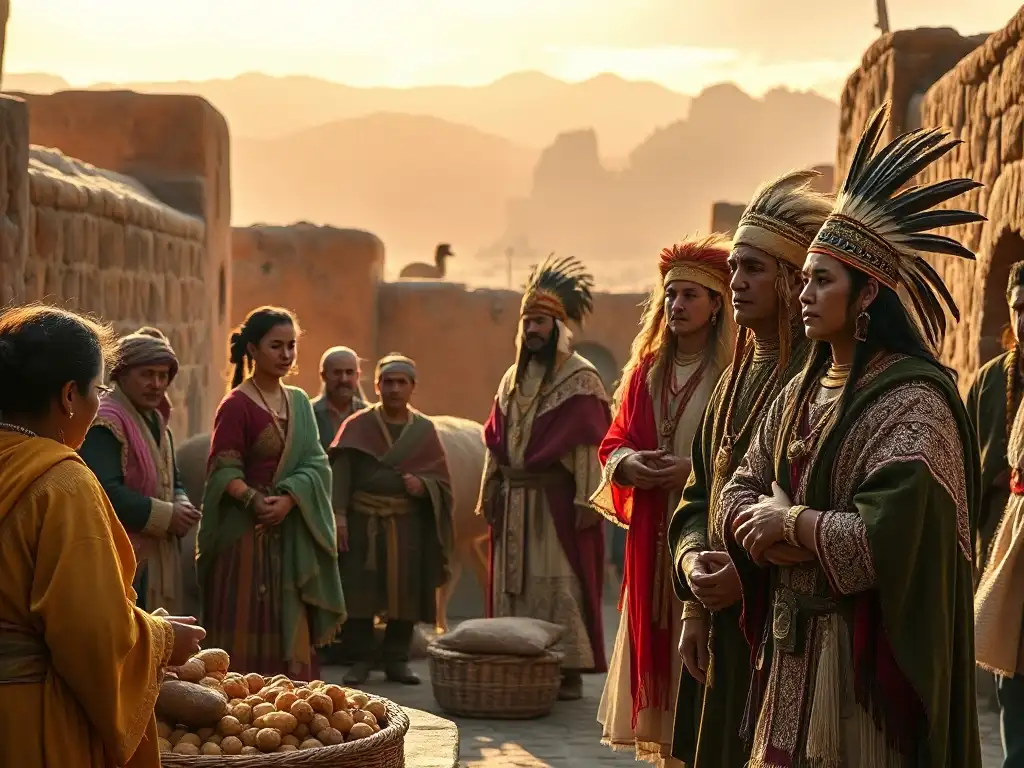
The Andean nobility, particularly within the Inca Empire, held a privileged position significantly different from the lives of commoners. Understanding their relationship requires analyzing the complex interplay of power, obligation, and reciprocal exchange that shaped Andean society. While the nobility enjoyed considerable advantages in terms of access to resources and social standing, their influence wasn't solely based on coercion.
Instead, a sophisticated system of patronage and reciprocity helped maintain social order and ensure the continued support of the common people. This system, while benefiting the elite, also provided certain benefits and protections to those lower in the social hierarchy. The Andean nobility social hierarchy wasn't static; the subtle nuances of this interaction are crucial to understanding the dynamics of power in the Andes.
Social mobility within the Inca Empire, while theoretically possible, was severely restricted. The ayllu, the kinship-based community, formed the fundamental social unit, and membership largely determined one's social standing. While exceptional individuals might gain favor with the Inca ruler and receive advancements, such instances were uncommon. Most people remained within their assigned social strata throughout their lives.
There's evidence suggesting that certain skilled artisans or warriors could achieve a degree of elevated status, but true upward mobility into the nobility was exceptionally rare. This rigid structure maintained the power of the elite and ensured the continuity of the Inca social order. The Inca nobility's position was largely hereditary, passed down through lineage and maintained through their control over land and resources. Furthermore, the Inca state actively managed population movements and resettlement, limiting opportunities for individuals to escape their predetermined social roles.
This control, while seemingly restrictive, ensured the stability and efficient functioning of the Inca empire's complex agricultural and administrative systems. Specific examples of individuals achieving upward mobility are scarce in historical records, highlighting the rarity of such occurrences. [Specific examples of upward mobility pending further research].
Patronage and the System of Reciprocity between Inca Nobles and Commoners
The relationship between Inca nobles and commoners wasn't purely exploitative. A system of patronage and reciprocity existed, where nobles provided protection, support, and access to resources in exchange for labor, loyalty, and tribute. This complex system played a crucial role in maintaining social cohesion and stability. Nobles acted as patrons, offering protection and assistance to their assigned communities (often their ayllu).
This might include providing access to irrigation systems, resolving disputes, or organizing communal work projects. In return, commoners provided labor for public works, agricultural production on noble lands ( mita), and offered tributes in the form of goods or services. This reciprocal relationship wasn't always equitable; the power imbalance favored the nobility. However, the system provided a degree of social security and stability for the commoners, mitigating the harshness of a purely hierarchical system.
The system of ayni (reciprocal labor) further strengthened these bonds, demonstrating a nuanced understanding of social obligation and mutual dependency. The effective functioning of this system depended on the trust and cooperation between the nobility and the common people, highlighting the complex dynamics of Andean social structures. This intricate web of obligations helped to solidify the Andean nobility's position within the society while simultaneously ensuring a degree of social harmony.
The Impact of Inca Noble Rule on the Lives of the Andean Population
The Inca nobility's rule had a profound impact on the lives of the Andean population. While the system provided a degree of order and stability, it also imposed significant constraints on individual freedom and autonomy. The mita system, while providing resources for large-scale infrastructure projects, demanded considerable labor from commoners, potentially disrupting their own agricultural activities. The control exerted by the nobility over land and resources limited the economic independence of the common people. However, it's important to note that pre-Inca Andean societies also possessed hierarchical structures.
The Inca system, while imposing its own form of control, built upon existing social patterns and adapted to local customs. The impact of Inca rule varied across different regions and groups, with some experiencing greater levels of integration and control than others. The nobility's influence extended to religious practices, social organization, and even aspects of daily life. The centralization of power under the Inca emperors, while beneficial in terms of infrastructure and administrative efficiency, also meant a loss of local autonomy and a greater dependence on the centralized Inca state.
Understanding the full impact requires careful consideration of both the benefits and drawbacks of Inca rule on the diverse Andean populations. Analyzing archaeological evidence and ethnographic accounts offers a more nuanced understanding of the lived experiences of the Andean population under the rule of the nobility. The long-term consequences of this system continue to shape Andean societies even today. The legacy of the Andean nobility social hierarchy is complex, requiring further investigation to fully appreciate its lasting impact.
The Legacy of the Andean Nobility in Modern Andean Society
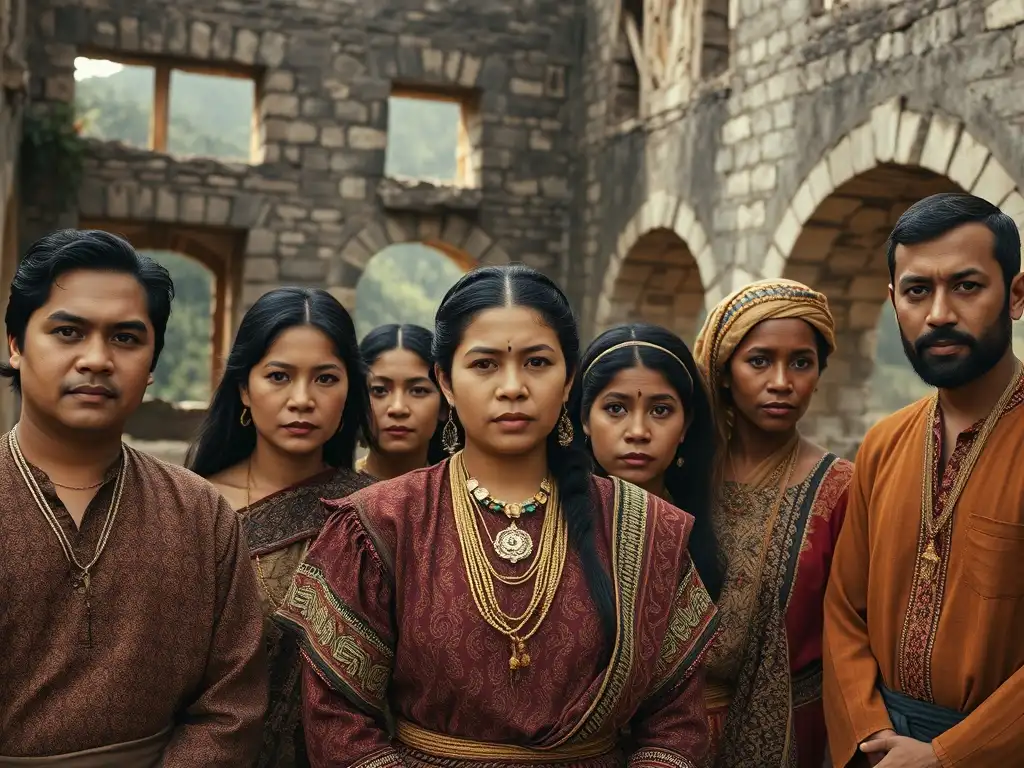
The echoes of the Andean nobility's intricate social hierarchy resonate even today in the cultural fabric and social structures of modern Andean communities. While the formal structures of Inca power crumbled centuries ago, the legacy of privilege and lineage continues to subtly influence social dynamics, particularly in Quechua and Aymara communities. Understanding this enduring legacy requires examining how traditional power structures have adapted and persisted within the context of modern nation-states. The Andean nobility social hierarchy, though officially dismantled, left an indelible mark on social perception and access to resources.
Even in contemporary Andean communities, subtle traces of the old social hierarchy remain visible. While the rigid caste system of the Inca Empire no longer exists in its formal structure, certain families still hold a degree of prestige and influence based on perceived descent from prominent Inca lineages or pre-Inca elites. This is often expressed through access to land, participation in community leadership roles, and the preservation of traditional knowledge and practices.
For example, certain families in the Sacred Valley of Peru might retain control over prime agricultural land, passed down through generations, reflecting a lingering influence of the Inca system of ayllu land distribution, albeit in a modified form. This isn't a formal system of nobility, but rather a nuanced social stratification based on historical and cultural capital. Detailed ethnographic studies are needed to fully document the extent and variations of this phenomenon across different Andean communities.
Further research could explore the correlation between perceived noble lineage and access to resources such as water rights or participation in decision-making processes within modern communities. The nuances of this legacy require careful consideration, as it's a complex interplay of historical power structures and the evolving dynamics of contemporary Andean societies.
The Influence of Inca Noble Lineages on Local Politics and Culture in Peru and Bolivia
The influence of Inca noble lineages extends beyond the subtle social stratification within communities. In Peru and Bolivia, these lineages have, in some instances, played a significant role in shaping local politics and cultural practices. Families claiming descent from Inca royalty have sometimes leveraged their perceived heritage to gain political influence, often through participation in local government or community leadership.
This influence manifests in various ways, from access to funding for cultural preservation projects to the ability to shape narratives about local history and identity. For example, the prominence of certain families in ceremonial events or the preservation of specific Inca-era traditions can be linked to their claimed lineage. However, it's crucial to note that not all claims of Inca descent are verifiable, and the degree of actual influence varies significantly across regions and communities.
Further investigation is required to accurately assess the extent to which these claims influence political outcomes and cultural practices. A comparative study of different regions in Peru and Bolivia could offer valuable insights into this complex relationship between claimed Inca lineage and socio-political power.
The History of the Panaca of Pachacuti and the Descendants of Huayna Capac
The panacas, kinship groups descended from Inca rulers, played a crucial role in the Inca Empire's political and social landscape. The panaca of Pachacuti, the Inca emperor who is credited with expanding the empire significantly, maintained considerable power and influence even after his death. Similarly, the descendants of Huayna Capac, the last Inca emperor before the Spanish conquest, also held significant social and political standing. These lineages controlled vast resources and held key positions within the imperial administration.
The study of their history provides valuable insights into the mechanisms of power and succession within the Inca Empire. Examining the evolution of these panacas after the Spanish conquest reveals how these powerful families adapted to the changing political landscape. While many of their privileges were eroded under colonial rule, their influence persisted in subtle ways, shaping local power dynamics and influencing the preservation of Inca traditions.
The [specific information pending] on the precise extent of their landholdings and political influence after the conquest would enrich our understanding of their enduring legacy. Further research into archival records and oral histories could shed more light on the fate of these powerful lineages and their impact on subsequent Andean societies. The story of these panacas is integral to understanding the long-lasting impact of the Andean nobility social hierarchy.
Conclusion: The Enduring Importance of the Andean Nobility in Andean History
The Andean nobility, a complex and multifaceted social stratum, played a pivotal role in shaping the trajectory of Andean civilizations. Their influence extended far beyond mere political power; it permeated every aspect of life, from religious practices and economic systems to artistic expression and technological advancements. Understanding their social structures, intricate kinship networks, and the mechanisms by which they maintained their privileged positions is crucial to comprehending the overall development and eventual decline of these remarkable societies.
The legacy of the Andean nobility continues to resonate today, influencing our understanding of power dynamics, social stratification, and the enduring human fascination with hierarchy. Analyzing their impact helps us appreciate the complexities of pre-Columbian societies and challenges simplistic narratives of ancient Andean life. The study of Andean nobility social hierarchy provides invaluable insights into the sophisticated political and social organization of these civilizations.
Synthesizing the Key Aspects of Inca Nobility
Inca nobility, while sharing characteristics with other Andean elites, possessed unique features reflecting the empire's expansive nature and centralized governance. Their status wasn't solely based on inherited lineage, although that was a significant factor. Meritocratic advancement, demonstrated through military prowess, administrative skill, or religious devotion, also played a role.
This blend of hereditary privilege and achieved status ensured the empire's stability and facilitated the integration of conquered populations. The Inca ayllu system, a complex network of kinship and reciprocal obligations, underpinned the nobility's power, solidifying their control over land and resources. This system, while seemingly egalitarian at its base, provided a framework for the allocation of privileges and responsibilities within the broader Inca social hierarchy.
The Inca nobility's access to exclusive resources, including fine textiles, gold ornaments, and coca leaves, further distinguished them from the commoners. Their elaborate burial practices, evidenced by numerous archaeological discoveries, underscore their elevated social standing and the beliefs surrounding their afterlife. Analyzing these aspects provides a nuanced understanding of Inca power dynamics and the mechanisms of social control.
The study of the Inca social hierarchy, and the Andean nobility in particular, offers a profound understanding of ancient Andean societies. It provides crucial insights into political organization, economic systems, religious beliefs, and artistic production. Understanding the complexities of the social stratification allows us to interpret archaeological findings with greater accuracy, linking material culture to specific social groups and their roles within society.
Furthermore, studying the Inca nobility challenges Eurocentric biases that often dominate historical narratives, presenting a more balanced and nuanced perspective on pre-Columbian Andean civilizations. The intricate system of social mobility, albeit limited, within the Inca hierarchy reveals a dynamic society that was not entirely rigid in its social structure. This understanding is critical for a more complete comprehension of the Inca Empire's success and longevity.
By examining the nuances of their social structure, we gain a richer understanding of the complexities of human societies and power dynamics throughout history. The Inca nobility's role in shaping the empire's identity and governance provides a compelling case study for social scientists and historians alike.
Future research on Inca elite social structures should focus on several key areas. Further investigation into the role of women within the nobility is crucial, as current scholarship often underrepresents their contributions and influence. Detailed analysis of provincial elites and their relationship to the imperial court would offer a more comprehensive understanding of the empire's administrative structure.
The application of advanced technologies, such as 3D modeling and isotopic analysis of human remains, could provide new insights into the nobility's diet, health, and social mobility. Comparative studies across different Andean regions, examining variations in elite social structures, are also necessary to broaden our understanding of the diversity within Andean civilizations. Finally, interdisciplinary approaches, incorporating anthropological, archaeological, and historical perspectives, are needed to build a more complete and nuanced picture of Andean nobility and their enduring impact on Andean history.
This interdisciplinary approach will allow for a more holistic understanding of the complexities of Andean social structures. More detailed studies on the economic basis of Andean nobility power, including their control over labor and resources, are also needed to fully comprehend the dynamics of their social dominance.
Frequently Asked Questions
Social status in Andean societies was primarily determined by lineage and access to land. Inherited nobility held significant power and influence, while commoners' status was largely tied to their agricultural production and community roles. This system varied somewhat between different Andean cultures.
How did Andean nobility maintain their power?
Andean nobility maintained power through a combination of control over land and resources, religious authority, and elaborate kinship networks. They often held key positions in religious ceremonies and government, reinforcing their legitimacy and authority.
The Andean social hierarchy was stratified, with the elite nobility at the top, followed by priests, officials, craftspeople, and farmers. At the bottom were those who performed labor tasks and were often subjected to tribute demands. The specific structure varied among different Andean cultures.
Religion played a crucial role, with the nobility often claiming divine ancestry or close ties to deities. Priests held significant power and influence, often acting as advisors to rulers and shaping public belief systems. This religious authority bolstered the social hierarchy.
While similar in its hierarchical nature, the Inca Empire's structure featured a highly centralized system with the Sapa Inca at its apex. While other Andean cultures had nobility, the Inca system was more formalized with a clearer definition of roles and responsibilities within the bureaucratic system.
Final Reflection: Echoes of the Andes: Legacy and the Shaping of Identity
The intricate social hierarchy of the Andean nobility remains a potent force, shaping not only our understanding of pre-Columbian societies but also echoing in the complexities of modern Andean identity. The legacy of lineage, land ownership, and the power structures established centuries ago continue to resonate in the political, economic, and social landscapes of the region. Understanding this past is crucial to comprehending the present.
The enduring influence of Andean nobility is not merely an academic exercise; it's a living tapestry woven into the very fabric of Andean culture. The systems of kinship, land tenure, and social stratification established by the Inca and preceding cultures continue to inform social relations and power dynamics. As the anthropologist, John Murra, eloquently stated, The Inca empire was not a monolithic entity but a complex system of interacting regional units, each with its own unique history and social structure.
This quote highlights the nuanced and multifaceted nature of Andean social organization, a complexity that deserves continued exploration and understanding.
Consider the ways in which your own identity is shaped by history and lineage. How do the social structures you inhabit influence your opportunities and perspectives? I urge you to reflect on the enduring power of social hierarchies, not just in the Andes, but in your own world. By understanding the past, we can better navigate the present and build a more equitable future, acknowledging the lasting impact of historical power structures on contemporary society.
Embrace Your Andean Heritage and Take Action!
Thank you for exploring the rich history of Andean nobility! Your investigation into their lineage, land ownership, and social structures has deepened your understanding of this fascinating period and connected you to the vibrant cultures that shaped the Andes. Now, let's build on that knowledge and actively engage with this heritage.
- Visit local museums or attend cultural festivals celebrating Andean history and art; immerse yourself in the stories they tell.
- Join an online community or forum dedicated to Andean civilizations; share your insights and learn from others.
- Learn about the modern descendants of Andean nobility and their contributions to contemporary society; discover how the past continues to influence the present.
What aspect of Andean history most captivates you, and how do you believe it shapes our understanding of cultural identity today?