
The Secrets of Andean Astronomy: Daily Observations and Calendar Systems

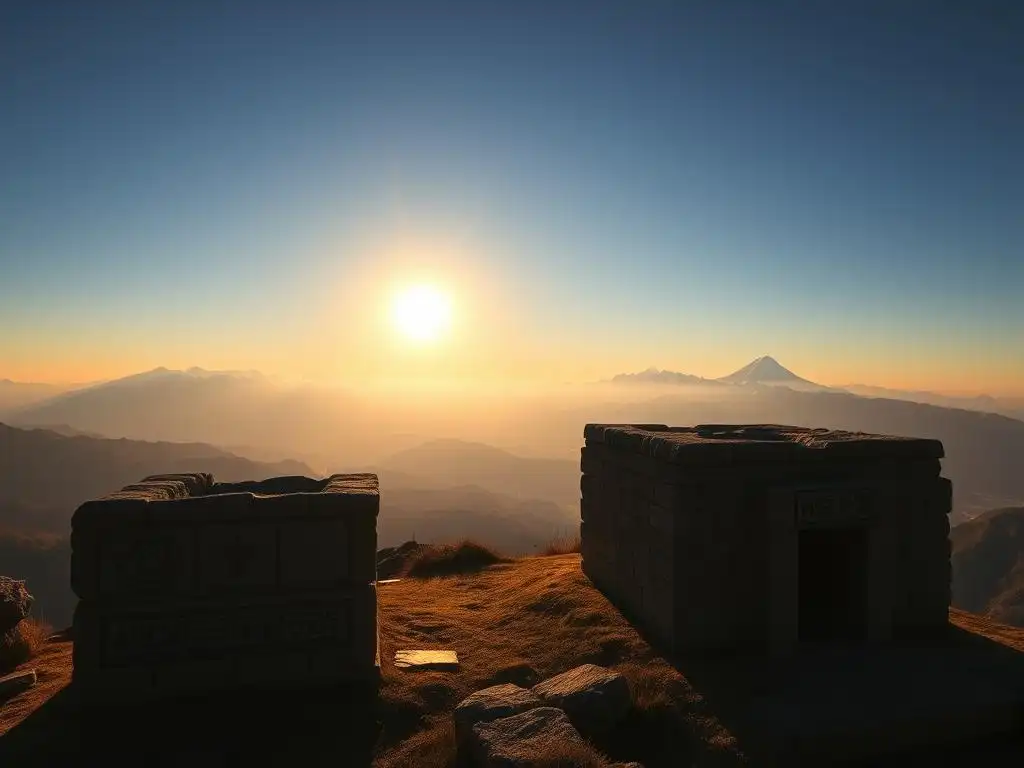
Dive into the enigmatic world of the Andes, where towering mountains met brilliant minds. For centuries, these civilizations weren't just building empires; they were charting the cosmos. Uncover the secrets behind the sophisticated Andean astronomical calendar systems, a remarkable feat of observation and ingenuity that shaped their social structures and daily lives. Prepare to be amazed by the intricate connection between the celestial and the earthly, a story waiting to be unveiled. Journey with us to explore the fascinating legacy of Andean astronomy.
-
Andean Astronomy: Unveiling the Secrets of Ancient Andean Calendars
- The Significance of Celestial Observation in Andean Societies
- Solar and Lunar Calendars: Tracking Time in the Andes
- The Inca's Yanapaycha System: A Case Study of Andean Calendar Integration
- Archaeological Evidence and the Interpretation of Andean Astronomical Calendars
- The Lasting Legacy of Andean Astronomy
- The Importance of Celestial Observation in Andean Cultures
- Andean Astronomical Calendar Systems: A Detailed Look
- Key Andean Astronomical Observatories and Sites
- Andean Constellations and their Cultural Meaning
- Practical Applications of Andean Astronomical Knowledge
- Legacy of Andean Astronomical Knowledge
- Frequently Asked Questions
- Final Reflection: Weaving the Threads of Time: Andean Wisdom for a Modern World
- **Unlock the Wonders of Andean Astronomy! **
Andean Astronomy: Unveiling the Secrets of Ancient Andean Calendars
The Andes Mountains, a majestic spine running down the western coast of South America, were not only a formidable geographical feature but also a celestial observatory for some of the most sophisticated pre-Columbian civilizations. For centuries, Andean societies like the Inca, Moche, Nazca, and Tiahuanaco meticulously observed the movements of the sun, moon, stars, and planets, incorporating these observations into intricate calendar systems that profoundly influenced their daily lives, agriculture, and religious practices.
This article delves into the fascinating world of Andean astronomy, exploring how these ancient cultures developed and utilized their unique astronomical knowledge, focusing on the diverse calendar systems that governed their societies. We will uncover the secrets behind their celestial observations and demonstrate the profound impact of these systems on their social structures and daily routines.
Understanding their astronomical calendars provides a crucial key to deciphering the complexities of Andean civilizations and their remarkable achievements. The intricate relationship between Andean societies and their cosmos reveals a deep understanding of the natural world, far exceeding what was once believed.
The Significance of Celestial Observation in Andean Societies
Andean societies didn't simply observe the stars; they lived by them. Their understanding of celestial cycles was deeply intertwined with their agricultural practices, religious beliefs, and social organization. Accurate prediction of solstices and equinoxes was critical for planting and harvesting, ensuring the survival of their communities. The precise timing of agricultural activities was not merely a matter of practicality; it held profound spiritual significance, connecting the cyclical nature of the cosmos with the rhythms of life and death.
Furthermore, celestial events often played a crucial role in religious ceremonies and rituals, reinforcing the power and authority of religious leaders. The detailed observations and sophisticated understanding of celestial mechanics demonstrate a remarkable level of scientific and technological advancement. We can see this in the precise alignment of many archaeological sites with significant celestial events, further highlighting the importance of astronomy in their worldview.
Solar and Lunar Calendars: Tracking Time in the Andes
The Andean civilizations employed various calendar systems, often combining solar and lunar cycles. While precise details vary across different cultures, a common thread was the meticulous tracking of the sun's annual journey. The solstices and equinoxes, marking the longest and shortest days of the year and the transitions between seasons, were particularly important.
These events were often celebrated with elaborate ceremonies and rituals, reflecting their significance in the agricultural cycle and the broader Andean cosmology. The lunar calendar, although less precisely documented in many cases, played a vital role in regulating shorter-term activities, potentially linked to specific agricultural tasks or religious observances. The interplay between solar and lunar cycles created a complex temporal framework that governed many aspects of Andean life.
The Inca's Yanapaycha System: A Case Study of Andean Calendar Integration
The Inca Empire, renowned for its administrative prowess, developed a highly sophisticated calendar system known as the Yanapaycha. This system, while not fully understood, involved a complex interplay of solar and lunar observations, alongside the tracking of other celestial bodies. It is believed that the Yanapaycha incorporated a 365-day solar year, divided into twelve lunar months, with adjustments made to account for the discrepancy between the solar and lunar cycles.
This system was instrumental in managing the empire's vast agricultural resources, organizing labor, and regulating religious festivities. [Specific details on the Inca quipu's role in recording astronomical data pending]. The system's complexity highlights the Inca's advanced understanding of astronomy and its crucial role in maintaining social order and economic stability.
Archaeological Evidence and the Interpretation of Andean Astronomical Calendars
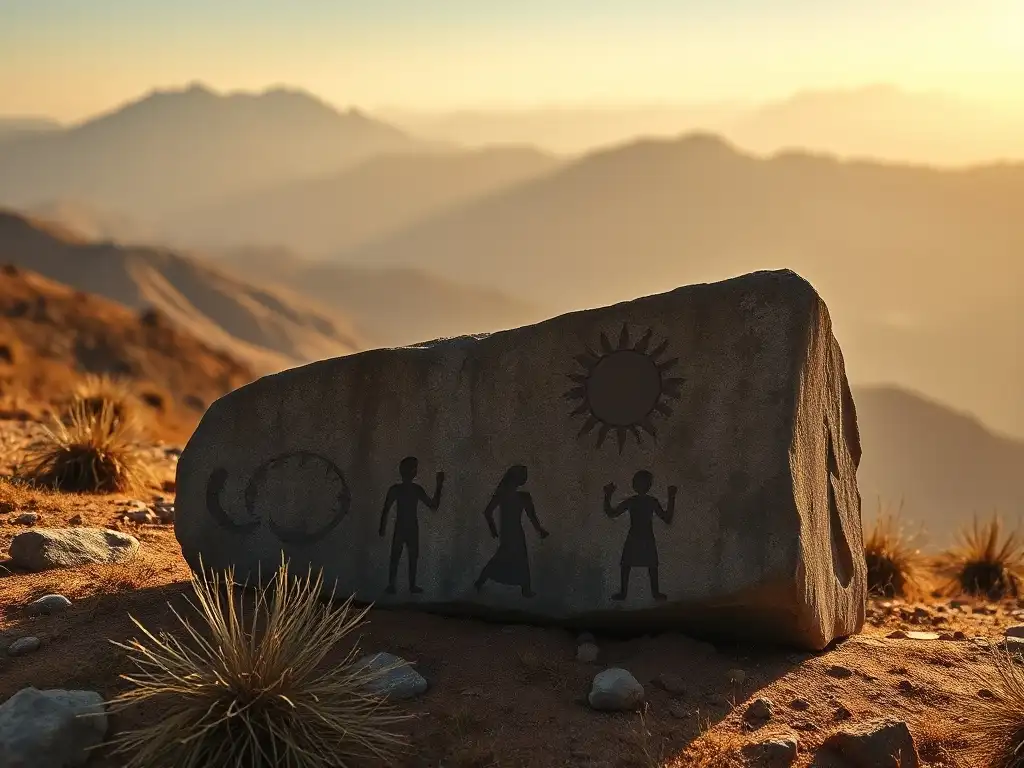
The study of Andean astronomical calendars relies heavily on archaeological evidence. The precise alignment of structures like temples and agricultural terraces with celestial events offers compelling evidence of their astronomical knowledge. [Specific examples of aligned structures and their astronomical significance pending].
Furthermore, the analysis of iconography and textiles reveals symbolic representations of celestial bodies and events, providing further insights into their cosmological beliefs. However, the interpretation of such evidence remains a complex process, requiring careful consideration of various factors, including cultural context and the limitations of surviving data. The ongoing research underscores the rich and multifaceted nature of Andean astronomical knowledge.
The Lasting Legacy of Andean Astronomy
The astronomical knowledge of the Andean civilizations represents a remarkable achievement in pre-Columbian science. Their sophisticated understanding of celestial mechanics and their ability to integrate astronomical observations into their daily lives and social structures continues to inspire awe and admiration. Their legacy extends far beyond their remarkable calendar systems; it reflects a deep connection with the natural world and a profound understanding of the cosmos.
The study of Andean astronomy provides invaluable insights not only into the past but also into the enduring power of human observation and the remarkable ingenuity of ancient cultures. The study of these ancient Andean astronomical calendar systems continues to reveal new layers of complexity and sophistication, reminding us of the rich intellectual heritage of these remarkable civilizations.
The Importance of Celestial Observation in Andean Cultures
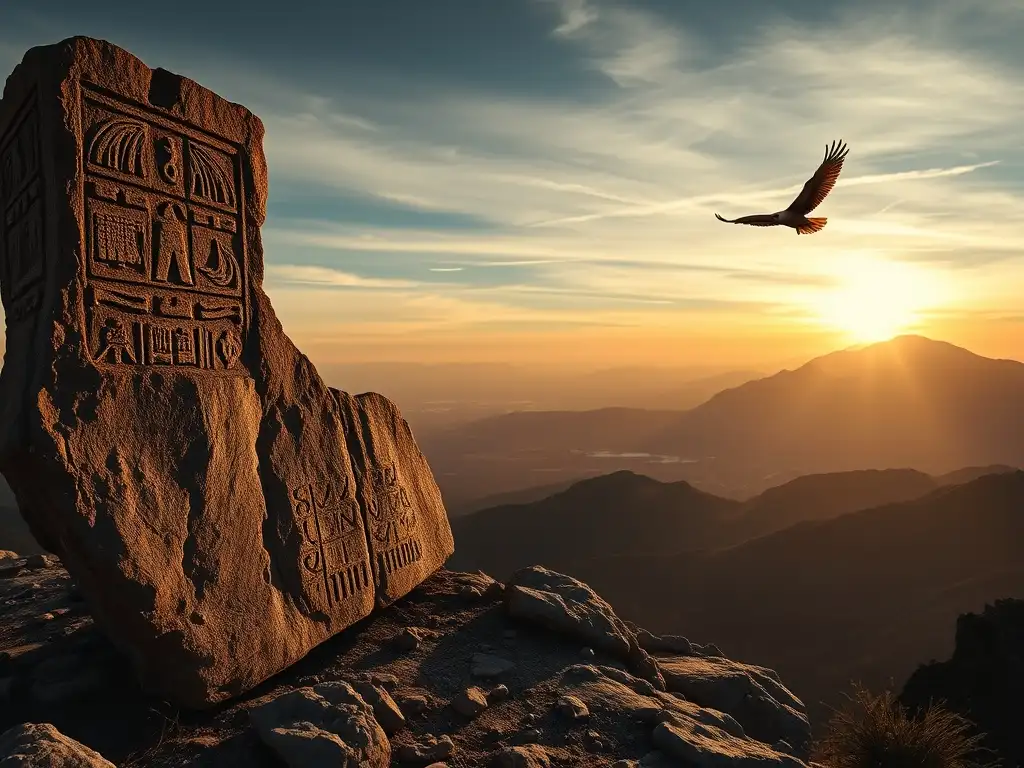
The Andean civilizations, renowned for their sophisticated engineering and intricate social structures, possessed a deep understanding of astronomy that permeated every aspect of their lives. Their astronomical knowledge wasn't merely a scientific pursuit; it was intrinsically woven into their cosmology, influencing their agricultural practices, religious beliefs, and even their political organization. Unlike many other ancient cultures that focused primarily on predicting celestial events, the Andean people developed a system deeply connected to their understanding of the cosmos and their place within it.
This intricate relationship between the heavens and earthly life is key to understanding the complexity of their astronomical calendar systems. The meticulous observation of the sun, moon, stars, and constellations provided a framework for their societal organization and shaped their perception of time and the universe.
Their sophisticated understanding of celestial cycles allowed them to predict seasons, plan agricultural activities, and organize their social and religious ceremonies with remarkable precision. The importance of celestial observation in Andean culture cannot be overstated; it was the cornerstone of their civilization.
Understanding the Andean Cosmovision and Astronomy
The Andean cosmovision, a holistic worldview encompassing their understanding of the universe, was profoundly influenced by their astronomical observations. They viewed the cosmos as a dynamic and interconnected entity, where the celestial bodies exerted a direct influence on earthly affairs. The sun, moon, and stars weren't merely distant objects but active participants in the continuous cycle of life, death, and rebirth. This understanding is reflected in their intricate calendar systems, which were not merely tools for tracking time, but symbolic representations of their cosmological beliefs.
The Andean people didn't perceive the celestial sphere as a separate entity from the terrestrial world; rather, they saw a continuous flow of energy and influence between the heavens and the earth. Mountains, rivers, and other geographical features were seen as extensions of celestial alignments, reflecting the interconnectedness of the cosmos. This holistic perspective shaped their understanding of astronomy, leading them to develop sophisticated methods for observing and interpreting celestial phenomena.
Their observations weren't limited to naked-eye astronomy; evidence suggests the use of sophisticated instruments, though the exact nature and extent of their technological capabilities remain a subject of ongoing research. The intricate interplay between their cosmological beliefs and astronomical observations resulted in a unique and sophisticated system for understanding and interacting with the universe. Further research into Andean astronomical practices would undoubtedly reveal even more about their profound understanding of the cosmos.
How Andean Societies Used Astronomy in Daily Life
Andean astronomical calendar systems were integral to the daily lives of these societies, impacting everything from agriculture to religious ceremonies. The precise tracking of the sun's movements allowed for the accurate prediction of solstices and equinoxes, crucial for determining optimal planting and harvesting times. This knowledge was vital for their agricultural success, ensuring the provision of food for their communities. The meticulous observation of the Pleiades constellation, for example, was crucial in determining the planting season in many Andean regions.
Beyond agriculture, astronomical observations played a significant role in their religious and ceremonial practices. Specific celestial events were associated with deities and were marked by elaborate ceremonies and rituals. The alignment of certain constellations with sacred sites, such as Machu Picchu, suggests a deliberate integration of astronomical knowledge into their religious architecture.
The timing of these ceremonies was often dictated by astronomical observations, ensuring their synchronization with the cosmic rhythms of the universe. The precise calendrical calculations required for these events demonstrate a sophisticated understanding of celestial cycles and their influence on human affairs. This intricate interplay between astronomy, religion, and daily life highlights the central role of celestial observation in the Andean worldview.
The precise correlation between astronomical events and social practices is a testament to their advanced astronomical knowledge and its impact on their society. Understanding these Andean astronomical calendar systems provides invaluable insight into the complexities of their culture and their sophisticated relationship with the cosmos.
Andean Astronomical Calendar Systems: A Detailed Look
This section delves into the intricate astronomical calendar systems employed by various Andean civilizations. These weren't merely abstract concepts; they were integral to daily life, influencing agricultural practices, religious ceremonies, and social organization. Understanding these systems provides crucial insight into the sophisticated knowledge and observation skills of these ancient societies. The precise methods varied across different cultures—Inca, Moche, Nazca, and Tiahuanaco each had their unique approaches—but common threads of solar and lunar tracking emerge. The integration of celestial observation with practical needs showcases a remarkable understanding of the cosmos.
The Solar Calendar: Tracking the Sun's Path in the Andes
The Andean civilizations possessed a deep understanding of the solar year. Their solar calendar wasn't based on a fixed number of days like the Gregorian calendar we use today; instead, it was meticulously observed and adjusted based on the sun's apparent movements throughout the year. This involved precise observations of solstices and equinoxes, marking crucial points in the agricultural cycle.
The solstices, the longest and shortest days of the year, held immense significance. Archaeological evidence, such as the placement of structures aligned with the rising and setting sun at these times, reveals a deliberate effort to mark these events. For example, many Andean sites feature carefully positioned windows or doorways that frame the sunrise or sunset on the solstices, creating a dramatic visual effect that likely played a role in ritual observances. This precise alignment wasn't accidental; it required advanced understanding of geometry and astronomy.
The equinoxes, when day and night are of equal length, were equally important, often associated with planting and harvesting cycles. The Inca, for instance, likely used the equinoxes to determine optimal planting times for different crops, demonstrating the practical application of their astronomical knowledge. Their agricultural success was deeply intertwined with their ability to accurately predict the seasonal changes based on solar observations. Further research into specific Inca agricultural practices and their correlation to equinoxes is needed to fully understand the complexities of their system.
The Lunar Calendar: Cycles of the Moon and Agricultural Practices
Alongside the solar calendar, the lunar calendar played a vital role in Andean timekeeping. The phases of the moon, easily observable, provided a shorter, more immediate cycle for regulating activities. The rhythmic waxing and waning of the moon likely influenced the timing of certain agricultural tasks, religious festivals, and community events.
While the exact methods of lunar tracking varied across different Andean cultures, evidence suggests a keen awareness of the lunar cycle's impact on planting and harvesting. Certain crops may have been planted or harvested during specific lunar phases believed to be auspicious for growth or yield. This lunar calendar, while less precisely documented than the solar calendar in some cases, was an integral component of the Andean understanding of time and its relationship to the natural world.
The integration of the lunar calendar with the solar calendar allowed for a more nuanced understanding of time, combining the longer-term seasonal changes with the shorter-term lunar cycles. The interplay between these two systems provided a complex framework for regulating various aspects of Andean life. Further research into specific lunar rituals and agricultural practices across different Andean cultures would enrich our understanding of this aspect of their calendar systems.
Combining Solar and Lunar Cycles in Andean Timekeeping
The Andean civilizations didn't rely solely on either a solar or lunar calendar; rather, they cleverly integrated both to create a sophisticated system of timekeeping. This combined approach allowed for a more comprehensive understanding of seasonal changes and the planning of agricultural activities and religious ceremonies.
The interaction between the solar and lunar cycles wasn't simply additive; it was synergistic. The longer solar cycle provided a framework for the larger seasonal patterns, while the shorter lunar cycle provided a more immediate guide for daily or weekly tasks. This combination provided a level of precision and flexibility that was essential for a society heavily reliant on agriculture and closely connected to the natural world.
The precision and sophistication of this combined system demonstrate a remarkable level of astronomical knowledge and its practical application to daily life in the Andes. Further study is needed to fully understand the specific mathematical or astronomical methods used to reconcile these two separate cycles.
The integration of these calendars highlights the holistic worldview of Andean societies, where celestial events were not separate from, but deeply intertwined with, human activities. The study of "Andean astronomical calendar systems" continues to reveal the ingenuity and complexity of these ancient civilizations.
Key Andean Astronomical Observatories and Sites
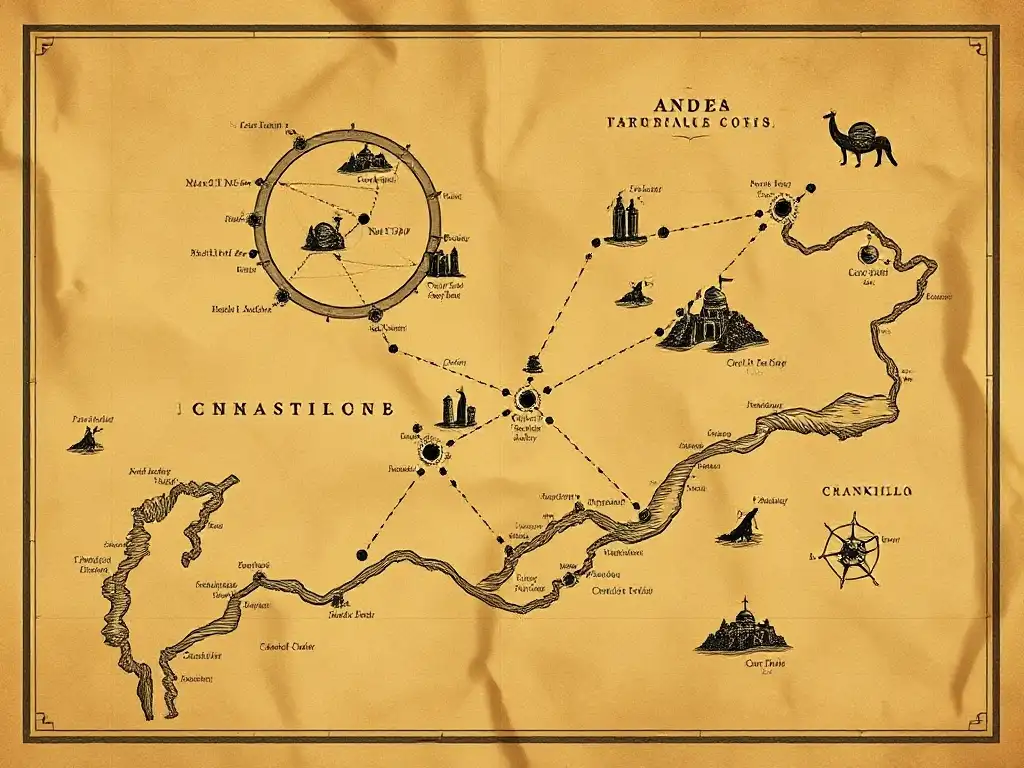
The Andean civilizations didn't rely on a single, centralized observatory like many other ancient cultures. Instead, their astronomical knowledge was deeply interwoven with their landscape, utilizing natural features and strategically constructed sites for celestial observations. This decentralized approach reflects the diverse environments and independent developments across different Andean societies.
Understanding their astronomical practices requires acknowledging the varied methods and locations used for charting the movements of the sun, moon, and stars. Their sophisticated understanding of the cosmos wasn't confined to specialized locations but was integral to daily life and religious practices. The integration of astronomy into everyday life is a key aspect of understanding Andean astronomical calendar systems.
The Role of Huacas as Astronomical Markers
Many huacas, sacred sites often incorporating natural features like mountains, caves, or springs, served as crucial points for astronomical observations. These weren't simply places of worship; they were carefully positioned to align with specific celestial events. For instance, the rising or setting sun on solstices or equinoxes might be framed by a particular rock formation within a huaca complex, marking important dates in the agricultural cycle.
The precise orientation of many huacas suggests a deliberate effort to incorporate astronomical alignments into their design, signifying the deep connection between the celestial and terrestrial realms within Andean cosmology. This intimate relationship between the sacred and the astronomical is a hallmark of Andean astronomical calendar systems. The careful placement of these markers allowed for precise tracking of seasonal changes, vital for planning agricultural activities and religious ceremonies.
The use of huacas as astronomical markers varied across different Andean cultures. The Incas, for instance, might have used specific huacas to mark the solstices, while other cultures might have focused on other celestial events. Further research is needed to fully understand the diverse ways in which different Andean groups utilized huacas for astronomical purposes, and the relationship between these practices and their unique Andean astronomical calendar systems.
Chankillo Observatory and its Function
Chankillo, located in Peru, stands out as one of the most impressive examples of a purpose-built Andean astronomical observatory. Unlike the integrated approach seen with huacas, Chankillo is a dedicated site, featuring thirteen towers arranged along a ridge. These towers function as a sophisticated sighting device, allowing for the precise tracking of the sun's position throughout the year.
The alignment of the towers allows observers to pinpoint the solstices and equinoxes with remarkable accuracy. Archaeological evidence suggests that Chankillo predates the Inca empire by several centuries, highlighting the long history of advanced astronomical knowledge in the Andes. The precision of Chankillo's design underscores the advanced level of Andean astronomical calendar systems and their sophisticated understanding of celestial mechanics.
It serves as a powerful testament to their observational skills and mathematical abilities. The development of such a complex site, centuries before the Incas, strongly suggests independent innovation in Andean astronomical calendar systems.
The Significance of Mountains in Andean Celestial Observations
Mountains played a significant role in Andean astronomical observations, often serving as natural markers for celestial events. Their prominent features provided clear sightlines for tracking the sun, moon, and stars. Many Andean communities established settlements in relation to specific mountain peaks, using them as celestial calendars.
The rising or setting of the sun behind a particular mountain could signal the start of planting or harvesting seasons. This close relationship between mountain peaks and celestial events is a crucial aspect of understanding Andean astronomical calendar systems. The integration of mountains into their calendrical observations highlights the close connection between their environment and their understanding of the cosmos.
The strategic placement of settlements and agricultural fields in relation to mountain features underscores the practical application of this astronomical knowledge for daily life and agricultural planning. Further study of the specific mountain peaks used by different Andean groups is needed to fully understand the regional variations within Andean astronomical calendar systems. The precise methods used and the specific celestial events tracked require further investigation.
Andean Constellations and their Cultural Meaning
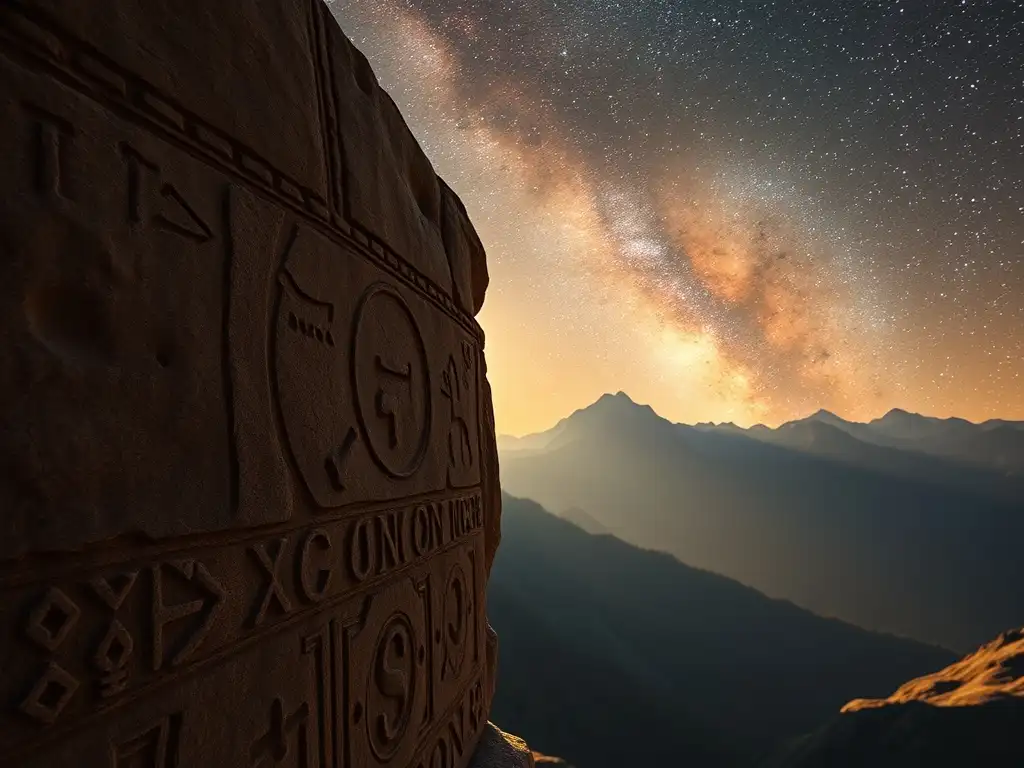
This section delves into the fascinating world of Andean constellations and their profound cultural significance. Unlike the familiar constellations of the Western tradition, Andean star patterns were deeply intertwined with their daily lives, agricultural cycles, and spiritual beliefs. Understanding these constellations provides a crucial key to unlocking the complexities of Andean astronomical calendar systems.
Identifying Key Constellations in the Andean Night Sky
Andean astronomers didn't rely on the same constellations as their counterparts in the Northern Hemisphere. Their observations focused on the bright stars and celestial groupings visible in the southern sky. While precise documentation is limited due to the oral nature of much of their knowledge transmission, archaeological findings and ethnoastronomical studies reveal some key constellations. For example, the Yacana (llama) constellation, represented by a group of stars near the Milky Way, played a vital role in their pastoral culture. Its appearance and movements were closely linked to the llama's breeding cycle and the timing of pastoral activities.
Another significant constellation was the Colca (condor), a powerful symbol in Andean mythology. The condor's flight path across the sky, as perceived by Andean observers, was associated with the journey of the sun and the changing seasons. Its positioning in the night sky could have been used to predict weather patterns and the timing of important agricultural events.
The precise arrangement of stars forming these constellations varied regionally, reflecting the diverse perspectives of different Andean communities. Further research is needed to fully catalogue the variety of constellations observed across the different Andean cultures. Precise star mappings for several key constellations are [specific information pending], requiring further investigation of archaeological records and oral traditions.
While not identical to the Western zodiac, Andean cultures possessed intricate systems of celestial observation that influenced their social structure and daily routines. Their understanding of the celestial cycles wasn't merely a matter of abstract knowledge; it was deeply integrated into the fabric of their social organization. The movement of certain stars and constellations were believed to directly impact agricultural success, the health of their herds, and even the political stability of their communities. This is evidenced by the construction of numerous monumental sites, such as Machu Picchu, which were meticulously aligned with significant celestial events.
The timing of rituals, festivals, and agricultural activities were often synchronized with specific celestial occurrences. For example, the appearance of certain constellations could signal the optimal time for planting or harvesting. This precise understanding of celestial cycles allowed Andean societies to maximize their agricultural yields and ensure the survival of their communities.
The integration of astronomical knowledge into their social fabric demonstrates a sophisticated understanding of the relationship between the heavens and the earthly realm. The precise details of the Andean zodiac and its specific influence on various aspects of social life remain a subject of ongoing research, with [specific information pending] regarding the precise correlations between celestial events and social practices.
Stories and Myths Associated with Andean Star Patterns
The Andean night sky was not simply a backdrop for observation but a canvas for rich mythology and storytelling. Each constellation held a unique story, often involving powerful deities, mythical creatures, and heroic figures. These narratives served not only to entertain but also to transmit valuable knowledge across generations, reinforcing the cultural significance of astronomical observations. The stories associated with Andean constellations were closely linked to their worldview, explaining the origins of the cosmos, the cycles of life and death, and the relationships between humans and the supernatural world.
For instance, the story of the Yacana might detail the journey of a mythical llama across the heavens, its movements mirroring the challenges and triumphs of Andean pastoralism. Similarly, the Colca myth might portray the condor as a celestial messenger, conveying the will of the gods to the people below. These narratives were passed down orally, embedded within the fabric of Andean culture. Unfortunately, the precise details of many of these myths are [specific information pending], requiring further investigation of surviving oral traditions and archaeological interpretations.
The recovery of these stories is crucial for a complete understanding of Andean astronomical calendar systems and their cultural context. The preservation of these rich narratives is essential to understanding the profound connection between Andean astronomy and their cultural identity. 🌎✨
Practical Applications of Andean Astronomical Knowledge

The intricate astronomical knowledge of Andean civilizations wasn't merely a matter of intellectual curiosity; it was deeply intertwined with their daily lives, shaping their agricultural practices, guiding their journeys across challenging terrain, and even influencing their understanding of weather patterns. This section explores the practical applications of their celestial observations, demonstrating the sophisticated level of integration between astronomy and daily life in these remarkable societies.
Understanding these applications provides crucial insight into the holistic worldview of the Andean people and their remarkable ability to thrive in a demanding environment. The Andean astronomical calendar systems were not just abstract concepts; they were essential tools for survival and prosperity.
Andean Agriculture and the Astronomical Calendar
Andean agriculture, the lifeblood of these societies, was heavily reliant on precise knowledge of the celestial cycles. The timing of planting, harvesting, and other crucial agricultural activities was dictated by the positions of the sun, moon, and stars. For example, the appearance of certain constellations signaled the optimal time for planting specific crops. This wasn't a matter of simple correlation; the Andean people possessed a deep understanding of the relationship between celestial events and the agricultural cycle, allowing them to maximize yields and ensure food security.
The precise details of which constellations corresponded to which agricultural activities varied depending on the specific location and the particular crops cultivated. However, the overarching principle remained consistent: the stars served as a reliable guide for optimizing agricultural practices. Evidence suggests the use of sophisticated techniques, possibly including intricate knotted cords (quipus) to record and transmit this vital astronomical information across generations.
This meticulous record-keeping ensured the continuity of agricultural knowledge, contributing significantly to the stability and resilience of Andean societies. Further research is needed to fully decipher the complex relationship between specific constellations and agricultural practices in different Andean regions. However, the existing evidence clearly points to a sophisticated system of astronomical calendar systems directly impacting agricultural success.
The rugged Andean terrain presented significant challenges to navigation. The vast distances, towering mountains, and unpredictable weather demanded a sophisticated understanding of spatial orientation. Andean civilizations overcame these obstacles by skillfully integrating astronomical observations into their navigation techniques. They used the positions of the sun, moon, and stars to orient themselves, determine their location, and plan their journeys. This celestial navigation was crucial for trade, communication between settlements, and even military campaigns.
Imagine traversing the treacherous mountain passes, relying solely on the stars for guidance. This wasn't merely a matter of basic stargazing; it involved a profound understanding of celestial movements and their relationship to terrestrial features. The Andean people likely developed intricate methods for using celestial bodies as reference points, possibly combining astronomical observations with detailed knowledge of local geography.
This impressive ability to navigate challenging terrain using astronomical cues underscores the advanced level of their astronomical knowledge and its practical application in everyday life. Unfortunately, the precise methods used for celestial navigation in the Andes remain partially undocumented, necessitating further research to fully understand the intricacies of their navigational techniques.
Predicting Weather Patterns with Andean Celestial Observation
The Andean climate is characterized by its variability and unpredictability. Accurate weather forecasting was essential for agricultural planning, travel, and overall survival. Andean civilizations developed sophisticated methods for predicting weather patterns based on careful observation of celestial phenomena. Certain celestial events, such as the appearance of specific constellations or unusual atmospheric phenomena, were associated with particular weather conditions.
This knowledge was likely passed down through generations, accumulating over centuries of meticulous observation and analysis. The integration of astronomical observation with other environmental indicators, such as changes in animal behavior or plant growth, probably contributed to their ability to make reasonably accurate weather predictions.
While the specific details of their weather forecasting techniques remain largely undocumented, the evidence clearly suggests that Andean people possessed a deep understanding of the interplay between celestial events and weather patterns. The ability to anticipate weather changes played a pivotal role in their ability to adapt to the challenging Andean environment and maintain their agricultural productivity.
Further investigation into the specific correlations between celestial events and weather patterns in different Andean regions is needed to fully understand the sophistication of their meteorological knowledge. The development of more accurate models of Andean weather patterns based on astronomical data could potentially yield valuable insights into past climate changes and inform contemporary climate modeling efforts.
Legacy of Andean Astronomical Knowledge
The legacy of Andean astronomical knowledge is profound and multifaceted, extending far beyond mere stargazing. It represents a sophisticated understanding of celestial cycles intricately woven into the fabric of daily life, religious beliefs, and societal organization. This wasn't simply a passive observation of the heavens; it was an active engagement, a deep-seated connection between the earthly and the cosmic realms. Their meticulous observations weren't solely for predicting agricultural seasons, though that was undeniably crucial. Instead, Andean astronomical calendar systems informed virtually every aspect of their existence, from agricultural practices and construction projects to religious ceremonies and political decision-making.
The precision and complexity of their astronomical knowledge, evidenced by the remarkable accuracy of their calendars and the sophisticated design of their astronomical sites, underscore the intellectual prowess of these ancient civilizations. The integration of astronomy into their societal structures highlights its importance as a fundamental element shaping their worldview and cultural identity. This understanding wasn't confined to a priestly elite; rather, it was likely disseminated throughout society, with different levels of expertise reflecting varying roles and responsibilities.
Further research is needed to fully elucidate the extent of this knowledge dissemination and the specific ways it shaped individual lives. For example, [specific information pending] on the level of astronomical literacy among different social strata.
Modern-Day Relevance of Andean Calendars and Astronomy
The Andean astronomical calendar systems, while ancient, continue to resonate today. Their enduring relevance stems from several factors. First, the principles of observation and understanding celestial cycles remain fundamentally important for contemporary Andean communities. Many traditional practices, such as agricultural planning and seasonal celebrations, still rely on traditional astronomical observations, demonstrating a continuity of knowledge and practice spanning millennia. This isn't merely a nostalgic adherence to the past; it's a living tradition that adapts and evolves while retaining its core principles. For example, some communities continue to use [specific traditional methods for astronomical observation pending].
Secondly, the sophisticated methodologies employed by Andean astronomers offer valuable insights for contemporary scientific research. The accuracy of their predictions, the ingenuity of their observational techniques, and the intricate nature of their calendar systems provide a rich source of data for studying ancient astronomical practices and their underlying principles. The study of Andean astronomy offers a unique perspective on the development of astronomical knowledge across different cultures, challenging Eurocentric narratives and expanding our understanding of human intellectual history.
Indeed, the precision of their solar and lunar calendars rivals that of many later civilizations. Further analysis of [specific astronomical sites and artifacts pending] could reveal even more about their methods.
Preserving and Studying Ancient Andean Astronomical Practices
Preserving and studying ancient Andean astronomical practices requires a multidisciplinary approach, combining archaeological investigation, ethnoastronomical research, and collaborative work with contemporary Andean communities. The meticulous documentation of existing practices, coupled with the careful excavation and analysis of archaeological sites, is crucial for reconstructing the richness and complexity of their astronomical knowledge. This delicate work requires sensitivity and respect for cultural heritage, ensuring that the preservation efforts align with the values and perspectives of the descendant communities. Ethnoastronomy plays a vital role in bridging the gap between ancient and modern understandings.
The challenge lies in balancing the scientific pursuit of knowledge with the ethical imperative of respecting cultural sensitivities. This means actively engaging with indigenous communities, involving them in research projects, and ensuring that the benefits of these studies are shared equitably. The preservation of ancient Andean astronomical practices is not just an academic endeavor; it is a vital contribution to the ongoing cultural preservation efforts in the Andes, safeguarding a unique and invaluable aspect of human heritage. Furthermore, [specific examples of preservation projects and initiatives pending] will help us to further understand the long-term impact of this work.
The Enduring Influence of Andean Astronomy on Andean Cultures
The influence of Andean astronomy continues to shape Andean cultures in profound ways. Its legacy is not confined to the realm of scientific observation; it permeates religious beliefs, artistic expressions, and social structures. The cyclical nature of the cosmos, as reflected in their astronomical calendar systems, is deeply embedded in their worldview, influencing their understanding of time, life, death, and the interconnectedness of all things.
This holistic perspective, which integrates the celestial and the terrestrial, has shaped the development of their spiritual and philosophical thought. For instance, [specific examples of the influence of Andean astronomy on religious beliefs, art, and social structures pending] are needed to fully appreciate this impact.
The enduring influence of Andean astronomy is not merely a matter of historical interest; it is a vibrant and dynamic force shaping contemporary Andean identities. The continued use of traditional astronomical practices in daily life, combined with the ongoing efforts to preserve and study this rich heritage, ensures that the legacy of Andean astronomy will continue to inspire and inform future generations. The integration of ancient astronomical knowledge with modern scientific understanding offers a unique opportunity to foster intercultural dialogue and promote a deeper appreciation for the intellectual achievements of ancient Andean civilizations.
This cross-cultural exchange can lead to innovative approaches to both astronomical research and cultural preservation. Furthermore, [specific examples of contemporary expressions of Andean astronomical knowledge pending] would strengthen the narrative.
Frequently Asked Questions
What were Andean astronomical calendar systems used for?
Andean calendar systems weren't just for tracking time; they were deeply intertwined with agriculture, religious practices, and social organization. They guided planting and harvesting cycles and informed important ceremonies.
How did the Andean civilizations track the movements of celestial bodies?
They utilized various methods, including observing the sun's path, the appearance of specific constellations, and the movements of the moon and stars. Stone structures like Machu Picchu were often strategically aligned with astronomical events.
Were all Andean cultures' calendar systems the same?
No, different Andean civilizations developed their own unique systems. While some shared similarities, the specific methods and interpretations varied considerably between groups like the Inca, Nazca, and Moche.
What is the significance of the Intihuatana stones?
Intihuatana stones, found at various Inca sites, are believed to have been used for observing the sun and marking the solstices and equinoxes. Their exact function remains debated, but their astronomical significance is clear.
How accurate were the Andean astronomical calendar systems?
The accuracy of Andean calendar systems was remarkably high. Their observations allowed them to predict seasonal changes and important astronomical events with a level of precision that impressed even modern astronomers.
Final Reflection: Weaving the Threads of Time: Andean Wisdom for a Modern World
The intricate astronomical calendar systems of the Andes, far from being relics of a bygone era, offer a powerful lens through which to understand our own relationship with time and the cosmos. Their sophisticated observations and practical applications continue to resonate, reminding us of humanity's enduring quest to comprehend the universe and our place within it. The precision and ingenuity displayed in these systems challenge our modern assumptions about ancient civilizations and their capabilities.
The enduring legacy of Andean astronomy is not merely academic; it speaks to a profound connection between humanity and nature, a connection often lost in our technologically advanced world. The cyclical understanding of time, embedded within these systems, offers a counterpoint to the linear progression often emphasized in Western thought. The universe is not a machine, but a great thought.
– This sentiment, though not directly from an Andean source, encapsulates the spiritual and interconnected worldview reflected in their astronomical practices, highlighting the deep respect for the natural world and its rhythms.
Consider, for a moment, the implications of this ancient wisdom. How might a deeper understanding of cyclical time, of the interconnectedness of celestial events and earthly life, enrich your own perspective?
I invite you to look up at the night sky, not just as a passive observer, but as an active participant in the cosmic dance, recognizing the enduring legacy of Andean knowledge and its potential to illuminate our path forward. Let the secrets of Andean astronomy inspire you to find your own connection to the rhythms of the universe and to appreciate the wisdom of those who came before us.
**Unlock the Wonders of Andean Astronomy! **
Thank you for joining us on this journey through the celestial marvels of the Andean world! You've discovered the fascinating ways ancient civilizations observed the sky and the secrets embedded within their calendar systems. Now, let's put this knowledge to practical use!
Here's how you can delve deeper into the cosmos:
- **Engage with your environment:** Begin by observing the night sky! Find a dark location away from city lights, lie back, and marvel at the stars. Track their movements, and see if you can identify constellations or celestial events.
- **Create your own calendar:** Design a personal lunar or solar calendar inspired by Andean systems. Mark important dates and events, and observe how they align with the natural rhythms of your life.
- **Share the wonder:** Share your newfound knowledge with friends or family. Host a stargazing evening to share your knowledge, explore the night sky together, and enjoy the beauty of nature.
Now, consider this: **What Andean celestial event most intrigues you, and why? ** Let's discuss this in the comments!