
The Importance of Agriculture: Sustaining Life in the Andean Highlands

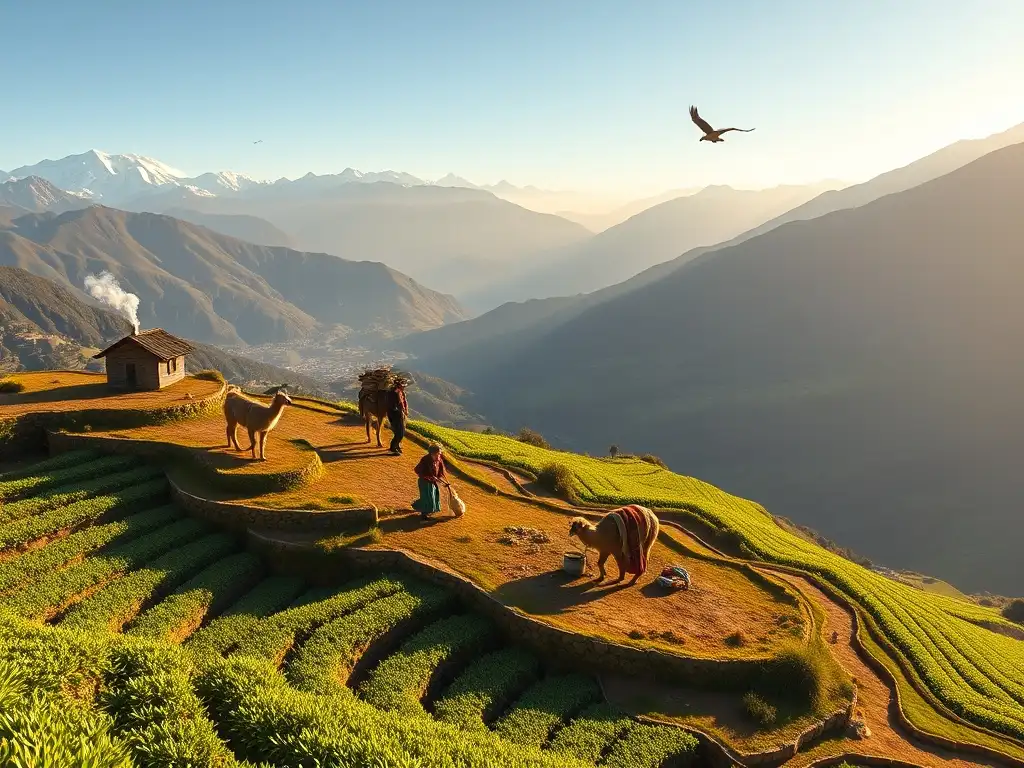
Unravel the mysteries of the Andes! For centuries, towering mountains and unforgiving landscapes shaped the ingenuity of remarkable civilizations. But how did the Incas, Moche, and other Andean cultures thrive in such challenging environments? Discover the secrets behind their astonishing success, beginning with a deep dive into their revolutionary Andean agriculture techniques – a testament to human resilience and a cornerstone of their intricate social structures. Prepare to be amazed by the ingenuity that allowed life to flourish in the heart of the Andes.
The towering Andes Mountains, a seemingly unforgiving landscape of steep slopes and high altitudes, presented an immense challenge to the ancient civilizations that called them home. Yet, from the ingenuity of the Incas, Moche, Nazca, and Tiahuanaco, among others, arose sophisticated agricultural techniques that not only sustained life but also fueled the growth and prosperity of these remarkable societies.
This article delves into the vital role of agriculture in the Andean highlands, exploring the innovative methods employed to cultivate the land and the profound impact these practices had on the social, political, and economic structures of these ancient cultures. We will examine how Andean agriculture techniques, a testament to human adaptability and resourcefulness, shaped the very fabric of Andean life, leaving a lasting legacy that continues to fascinate and inspire us today.
Understanding these techniques is key to comprehending the remarkable achievements of these civilizations in the face of adversity. This exploration will highlight the ingenuity and resilience of the Andean peoples, showcasing their profound understanding of their environment and their ability to harness its resources for survival and advancement.
Introduction to Andean Agriculture and its Significance
Andean agriculture wasn't simply a means of subsistence; it was the cornerstone of their entire societal structure. The harsh environment, characterized by thin, rocky soil, unpredictable weather patterns, and significant variations in altitude, demanded innovative solutions. The success of Andean agriculture hinged on a deep understanding of the local ecology, including microclimates, water availability, and soil types. This knowledge, passed down through generations, led to the development of a diverse range of techniques perfectly adapted to the challenges of the Andes. These techniques, often involving meticulous terracing, irrigation systems, and the cultivation of diverse crops, allowed the Andean peoples to achieve remarkable levels of agricultural productivity, supporting dense populations in seemingly inhospitable environments. The surplus generated by these methods enabled the development of complex social hierarchies, specialized labor, and impressive urban centers. Without these advancements in Andean agriculture techniques, the rise of the powerful Andean empires would have been impossible.
The significance of agriculture extended beyond mere sustenance. Agricultural surpluses allowed for the development of specialized crafts, trade networks, and the accumulation of wealth, all of which contributed to the political and social complexity of Andean societies. Furthermore, agricultural practices were deeply intertwined with religious beliefs and rituals, further emphasizing the central role of agriculture in the lives of the Andean people.
The intricate relationship between the people and the land is evident in their sophisticated agricultural systems, reflecting a deep understanding and respect for the natural world. This interconnectedness is a key element in understanding the remarkable achievements of these civilizations.
Terracing: Engineering the Mountains for Agriculture
The iconic terraced fields clinging to the steep slopes of the Andes are a testament to the engineering prowess of the Andean people. These terraces, often painstakingly carved into the mountainsides, served several crucial purposes. They increased the amount of arable land available, reduced soil erosion, and improved water retention.
The construction of terraces involved significant labor, often requiring coordinated efforts from entire communities. The precise methods varied depending on the specific location and the type of terrain, but the underlying principle remained consistent: to transform steep, unusable slopes into productive agricultural land. The terraces were not simply flat platforms; they were carefully designed to maximize sunlight exposure and water management, reflecting a sophisticated understanding of agricultural principles.
The scale of these projects is truly impressive, showcasing the organizational capacity and dedication of the Andean civilizations. Evidence suggests that some terraced fields have remained in use for centuries, a testament to their enduring effectiveness.
Irrigation Systems: Harnessing Water in Arid Lands
Water scarcity was a constant challenge in the Andean highlands. To overcome this, the Andean people developed ingenious irrigation systems, channeling water from rivers, streams, and snowmelt to their fields. These systems involved complex networks of canals, ditches, and aqueducts, often extending for miles.
The construction of these systems required advanced planning, engineering skills, and a deep understanding of hydrology. Many systems incorporated sophisticated techniques for water storage and distribution, ensuring that crops received adequate water even during dry periods. The effectiveness of these irrigation systems was crucial to the success of Andean agriculture, allowing for the cultivation of crops that would otherwise have been impossible in the arid conditions.
The design and implementation of these systems highlight the remarkable ingenuity and organizational abilities of the ancient Andean societies. The remnants of these systems can still be seen in many parts of the Andes today, standing as a tribute to their remarkable engineering achievements.
Crop Diversification: Ensuring Food Security
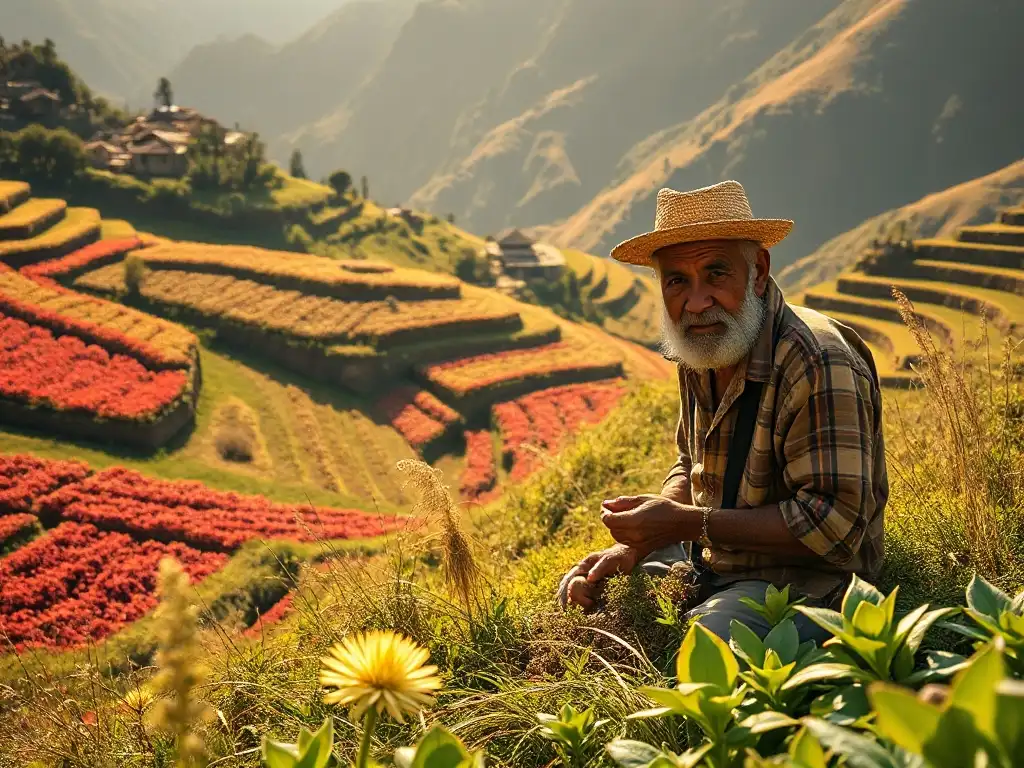
The Andean people did not rely on a single crop for their sustenance. Instead, they cultivated a remarkable diversity of plants, including potatoes, maize, quinoa, beans, and various fruits and vegetables. This diversification was a crucial strategy for ensuring food security in the face of unpredictable weather patterns and potential crop failures. Different crops had varying requirements for water, soil, and altitude, allowing the Andean people to utilize a wide range of ecological niches.
The cultivation of multiple crops also provided a more balanced diet, contributing to the overall health and well-being of the population. This strategy of crop diversification highlights the deep understanding of agricultural ecology possessed by the Andean people and their ability to adapt to the challenges of their environment. The legacy of this diversification is evident in the incredible variety of crops that are still cultivated in the Andes today.
The Legacy of Andean Agriculture Techniques
The innovative agricultural techniques developed by the ancient Andean civilizations left a lasting impact on the region and continue to inspire modern agricultural practices. Their mastery of terracing, irrigation, and crop diversification demonstrates a profound understanding of their environment and a remarkable capacity for adaptation and innovation.
The principles underlying these techniques are still relevant today, offering valuable lessons for sustainable agriculture in challenging environments. The legacy of Andean agriculture is not only a testament to the ingenuity of these ancient societies but also a source of inspiration for contemporary efforts to address the challenges of food security and environmental sustainability.
Understanding and appreciating this legacy is crucial for understanding the remarkable achievements of the Andean civilizations and for informing sustainable agricultural practices in the future. The preservation and study of these ancient techniques are vital for ensuring the continued prosperity of the Andean region and for inspiring innovative solutions to global challenges.
- Introduction to Andean Agriculture and its Significance
- Terracing: Engineering the Mountains for Agriculture
- Irrigation Systems: Harnessing Water in Arid Lands
- Crop Diversification: Ensuring Food Security
- The Legacy of Andean Agriculture Techniques
Andean Agricultural Practices: Foundations of Ancient Societies
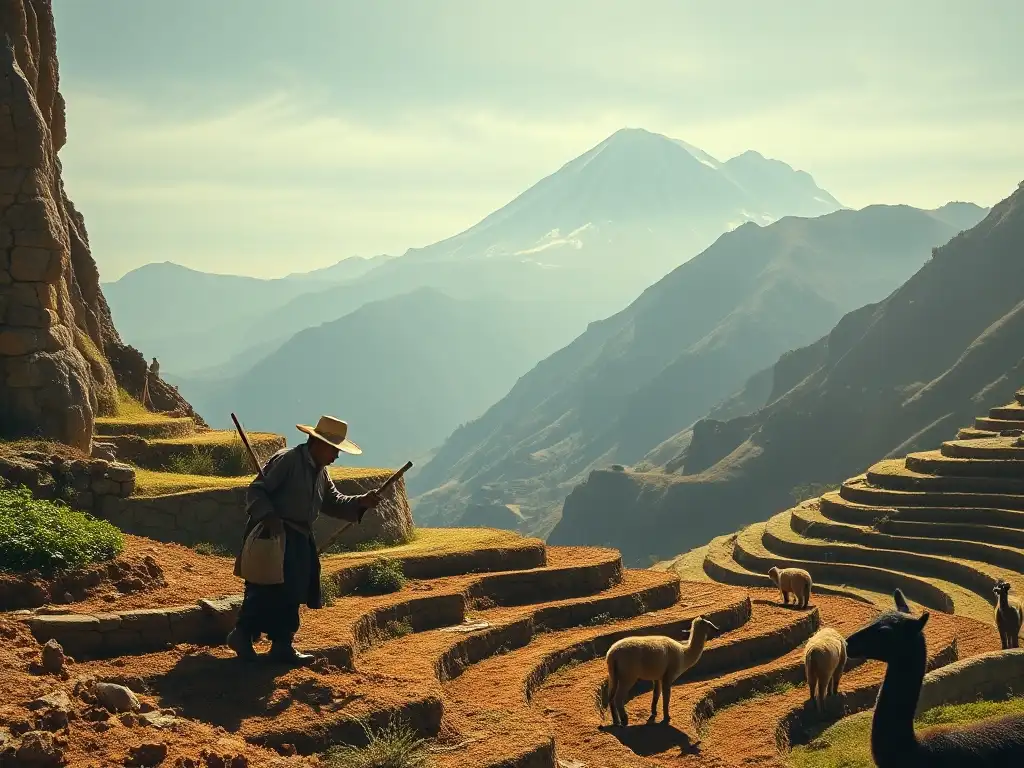
The success and longevity of Andean civilizations were intrinsically linked to their mastery of agriculture. Harsh environmental conditions, including steep slopes, arid climates, and unpredictable weather patterns, demanded innovative and sophisticated farming techniques. Understanding these Andean agriculture techniques is crucial to comprehending the rise and development of these remarkable societies.
Their ingenuity in adapting to the challenging Andean landscape stands as a testament to human resilience and agricultural expertise. The development of advanced agricultural practices allowed for surplus food production, supporting larger populations and complex social structures. This section delves into some key aspects of their agricultural prowess, highlighting the ingenuity and adaptability of Andean farmers.
Terracing Techniques: Maximizing Land Use in the Andes
Andean farmers expertly utilized terracing to transform steep, mountainous slopes into cultivatable land. Terraces, essentially flat platforms carved into hillsides, dramatically increased the amount of arable land available. This was achieved through meticulous planning and labor-intensive construction. The terraces were typically supported by retaining walls made of stone, carefully fitted together without mortar, showcasing sophisticated engineering skills. The walls not only prevented soil erosion but also helped to control water flow, maximizing irrigation efficiency.
The size and scale of these terracing projects varied depending on the specific geographic location and the power of the ruling group. Some terraces were relatively small, designed for individual family plots, while others were part of large-scale agricultural projects undertaken by communities or even states. The impact of terracing on the Andean landscape is still visible today, a testament to the enduring legacy of these ancient farming practices.
The effectiveness of this method is evident in the sustained agricultural productivity observed across numerous Andean valleys for centuries. Analysis of surviving terrace systems reveals a remarkable understanding of both soil mechanics and hydrology, optimizing land use in a challenging environment.
For example, the terraces of Moray, near Cusco, are particularly well-preserved and display a complex system of concentric rings, each at a slightly different altitude, creating microclimates suitable for various crops. This demonstrates a sophisticated understanding of agroecology and the ability to manipulate environmental factors to maximize yields. The construction and maintenance of these terraces required a significant investment of time and labor, reflecting the high value placed on agriculture within Andean societies.
Irrigation Systems: Managing Water Resources Efficiently
Water scarcity was a constant challenge in the Andes. To overcome this, Andean civilizations developed sophisticated irrigation systems to channel water from rivers and streams to their fields. These systems were not simply canals; they involved complex networks of aqueducts, channels, and reservoirs, often incorporating ingenious techniques to manage water flow and distribution. The systems were carefully designed to account for variations in terrain and water availability throughout the year.
The construction of these irrigation systems required extensive planning and cooperation, often involving entire communities. The precise engineering involved in diverting water across uneven landscapes demonstrates a deep understanding of hydraulics and surveying. Many systems included intricate features, such as weirs, spillways, and storage reservoirs, to control water levels and prevent flooding or water shortages. The effective management of water resources played a critical role in ensuring crop success and food security, enabling the growth and prosperity of Andean civilizations.
Archaeological evidence reveals the scale and complexity of these irrigation systems, highlighting their importance in the daily lives of Andean people. The efficient distribution of water allowed for a wider variety of crops to be cultivated and increased overall agricultural productivity. The success of these systems was a key factor in supporting dense populations and complex social structures. The ingenuity demonstrated in these water management systems continues to inspire modern-day irrigation practices.
Crop Rotation: Maintaining Soil Fertility in the Highlands
Maintaining soil fertility was crucial for sustained agricultural production in the harsh Andean environment. Andean farmers employed sophisticated crop rotation techniques to prevent soil depletion and maintain productivity. This involved planting different crops in a sequence, taking into account the nutrient requirements of each plant. This practice helped to prevent the depletion of specific nutrients in the soil, ensuring long-term fertility.
The specific crop rotation patterns varied depending on local conditions and available crops, but the underlying principle of balancing nutrient uptake and replenishment remained consistent. Legumes, for example, were often incorporated into rotation systems because of their ability to fix nitrogen in the soil, enriching it for subsequent crops. This practice demonstrates an understanding of soil biology and the importance of maintaining soil health. The application of these techniques allowed Andean farmers to sustain agricultural production for generations, supporting the growth and stability of their societies.
The careful management of soil fertility, alongside terracing and irrigation, contributed significantly to the remarkable success of Andean agriculture. These sustainable practices highlight the deep understanding of ecological principles held by Andean farmers and their commitment to long-term agricultural sustainability. Their methods provide valuable lessons for modern agriculture, especially in challenging environments. Further research into the specific crop rotations employed in different Andean regions could reveal even more nuanced insights into their agricultural practices.
Domestication of Andean Crops: The Basis of Andean Diets
The domestication of crops was paramount to the survival and flourishing of Andean civilizations. Unlike many other regions where agriculture relied heavily on a few staple crops, the Andes boasted an astonishing diversity of domesticated plants, reflecting the ingenuity and adaptability of its inhabitants. This biodiversity wasn't merely a matter of chance; it was a deliberate and carefully managed process honed over millennia. The challenging Andean terrain, with its varying altitudes and microclimates, demanded a nuanced approach to agriculture, leading to the cultivation of a wide range of crops adapted to specific ecological niches.
The high altitude regions saw the cultivation of hardy crops like potatoes ( Solanum tuberosum), quinoa ( Chenopodium quinoa), and various types of beans. These crops provided essential carbohydrates, proteins, and micronutrients, forming the cornerstone of the Andean diet. The potato, in particular, deserves special mention.
Its remarkable adaptability allowed for the cultivation of hundreds of varieties, each suited to different altitudes, soil conditions, and climatic variations. This diversity ensured food security even in the face of unpredictable weather patterns. The resilience of quinoa, a complete protein source, was equally crucial, especially in areas where other crops struggled to thrive.
Lower altitudes offered opportunities for cultivating other crops such as maize ( Zea mays), squash ( Cucurbita spp. ), and tomatoes ( Solanum lycopersicum). These crops complemented the high-altitude staples, adding further nutritional value and variety to the Andean diet.
The intricate knowledge of crop rotation, terracing, and irrigation techniques allowed for the efficient utilization of available land and water resources, maximizing yields and minimizing environmental impact. The careful selection and breeding of seeds, passed down through generations, ensured the continued improvement of crop yields and resistance to diseases and pests. This deep understanding of plant biology and ecological principles was essential to the sustained success of Andean agriculture.
The careful selection and breeding of seeds, passed down through generations, ensured the continued improvement of crop yields and resistance to diseases and pests. This deep understanding of plant biology and ecological principles was essential to the sustained success of Andean agriculture. It was a testament to the remarkable ingenuity and observation skills of the Andean peoples.
The domestication of these crops was not just a technological achievement; it was also a cultural one. The cultivation of specific crops was often interwoven with religious beliefs and social practices. Certain crops held symbolic significance, and agricultural rituals played a crucial role in ensuring a bountiful harvest.
This close relationship between agriculture and culture reinforced the importance of food production in Andean society. The diversity of Andean crops and the sophisticated agricultural techniques employed to cultivate them laid the foundation for the remarkable achievements of Andean civilizations. Their legacy continues to inspire and inform modern agricultural practices, highlighting the enduring value of traditional knowledge and sustainable resource management.
Key Andean Crops: Nourishing Ancient Civilizations
The success of Andean civilizations hinged on their mastery of agriculture, a remarkable feat considering the challenging environmental conditions of the Andes Mountains. Their ingenuity in developing and adapting Andean agriculture techniques allowed them to cultivate a diverse range of crops, forming the cornerstone of their diets and societal structures. These crops weren't just sustenance; they were integral to religious practices, economic systems, and social hierarchies. Let's delve into some of the most crucial plants that sustained these remarkable societies.
Potatoes: The Staple Crop of the Andes
The potato ( Solanum tuberosum) is arguably the most iconic Andean crop, its importance extending far beyond simple sustenance. Wild potato species were domesticated in the Andes thousands of years ago, and through careful selection and cultivation, the ancient Andean people developed an astonishing array of varieties, each adapted to specific altitudes, climates, and soil conditions. Estimates suggest that thousands of potato varieties existed, showcasing a deep understanding of genetic diversity and agricultural adaptation.
This incredible biodiversity provided resilience against crop failures, ensuring food security even in the face of harsh weather. Potatoes weren't just boiled or roasted; they were also fermented, dried (producing chuño), and incorporated into a vast range of dishes, demonstrating their versatility and centrality to Andean cuisine. The potato's significance permeated Andean culture, appearing in myths, rituals, and even artwork.
Its cultivation required sophisticated terracing techniques, irrigation systems, and a deep knowledge of soil management, showcasing the advanced agricultural practices of these civilizations. The potato's legacy continues to this day, with its global cultivation a testament to the ingenuity of Andean farmers.
Quinoa: A High-Protein Grain from the Mountains
Quinoa ( Chenopodium quinoa), another Andean superfood, is a pseudo-cereal boasting a high protein content and a complete amino acid profile – a rarity in plant-based foods. Its resilience to harsh conditions, including drought and frost, made it a vital crop for high-altitude farming. Unlike many grains, quinoa can thrive in poor soils, further enhancing its value in the challenging Andean environment.
The cultivation of quinoa involved intricate techniques, including careful seed selection, soil preparation, and weed control. Archaeological evidence suggests that quinoa was a staple crop for centuries, providing a crucial source of protein and essential nutrients to support the growth and development of Andean populations. Moreover, quinoa played a significant role in Andean religious ceremonies and social customs.
Its nutritional value and adaptability made it a cornerstone of the Andean diet, contributing significantly to the health and well-being of these societies. The resurgence of quinoa's popularity globally underscores its enduring value as a nutritious and sustainable food source, a legacy directly inherited from the ancient Andes.
Maize: A Versatile Crop in Andean Agriculture
Maize ( Zea mays), though not native to the Andes, was readily adopted and adapted by Andean civilizations. Its versatility allowed for its use in a wide array of applications, extending far beyond simple food. Maize was ground into flour for breads and porridges, fermented to produce beverages (like chicha), and used as a component in various other dishes.
Its stalks were used for construction, weaving, and even fuel. The cultivation of maize in the Andes required careful planning, including the implementation of sophisticated irrigation systems and the development of diverse planting techniques tailored to varying altitudes and microclimates. Evidence suggests that maize cultivation was integrated into complex agricultural systems, often intercropped with other plants to maximize yields and promote soil health.
The importance of maize in Andean culture is reflected in its presence in religious iconography and its role in various ceremonies and rituals. Its adaptability and versatility made maize an essential component of the Andean agricultural system, contributing to the economic and social stability of these remarkable civilizations. The enduring legacy of Andean maize cultivation highlights the remarkable ability of these societies to adapt and innovate within their challenging environment.
Other Important Andean Crops: Olluco, Oca, Mashua
Beyond the major staples of potatoes and maize, Andean agriculture thrived on a remarkable diversity of crops, each uniquely adapted to the challenging high-altitude environments. Olluco, oca, and mashua, often overlooked in broader discussions of Andean agriculture, played crucial roles in sustaining these ancient societies. Their cultivation demonstrates the ingenuity and deep understanding of their environment possessed by Andean farmers.
These crops provided vital nutritional diversity and resilience against crop failures, contributing significantly to the food security of Andean communities. The careful selection and preservation of these crops over millennia showcase the sophisticated agricultural practices that underpinned the success of Andean civilizations.
The cultivation of these three crops, often grown together in polyculture systems, maximized land use and minimized the risk of widespread crop failure. This diversification strategy was critical in mitigating the unpredictable weather patterns common in the Andean highlands. For instance, a poor potato harvest might be offset by a bountiful oca yield, ensuring a consistent food supply throughout the year.
The integration of these crops within the broader agricultural system highlights the sophisticated understanding of ecological principles inherent in Andean farming practices. This wasn't simply subsistence farming; it was a carefully managed ecosystem designed for maximum yield and resilience.
Olluco ( Ullucus tuberosus), also known as the Andean potato, is a root vegetable with tubers that range in color from creamy white to deep purple. Its starchy tubers provided a significant source of carbohydrates, essential for energy and sustenance in the high-altitude environment. Olluco's adaptability to various soil types and altitudes further enhanced its importance in Andean agriculture. Unlike the potato, Olluco is frost-tolerant, making it a reliable crop even in the harshest Andean conditions. Its nutritional profile also includes vitamins and minerals, making it a valuable dietary component.
Oca ( Oxalis tuberosa) boasts a similar versatility to Olluco. This tuberous plant produces small, colorful tubers in shades of red, yellow, orange, and even pink. These tubers are slightly acidic, adding a unique flavor to the Andean diet. Like Olluco, oca is highly frost-tolerant and can thrive in marginal lands unsuitable for other crops. Its ability to grow at high altitudes and in poor soils made it a key component of the Andean agricultural system, contributing to the food security of communities across diverse environments. Its cultivation showcases the adaptability of Andean agriculture to the challenging terrain.
Mashua ( Tropaeolum tuberosum) stands apart from Olluco and Oca due to its unique properties. Its tubers are smaller and generally less starchy than the others, but they are rich in nutrients. However, Mashua's most significant contribution lies in its ability to grow at exceptionally high altitudes and in extremely cold temperatures. It also possesses a unique characteristic: its tubers contain a natural insecticide, contributing to pest control in the fields.
This natural pest resistance reduced the need for chemical treatments, highlighting the sustainable practices employed by Andean farmers. The cultivation of Mashua further demonstrates the ingenuity and environmental awareness embedded within Andean agricultural techniques. The strategic use of these three crops, alongside others, formed a robust and resilient agricultural system that sustained Andean societies for centuries.
Andean agriculture techniques were not merely methods of food production; they were fundamental to the very fabric of Andean social structures. The intricate systems of cultivation, irrigation, and storage profoundly shaped labor organization, religious beliefs, and economic development across diverse Andean societies, from the Inca Empire to the smaller, regional cultures. The ingenuity and scale of these agricultural achievements are a testament to the sophisticated social organization required to sustain them. Understanding the impact of agriculture provides crucial insight into the complexities of Andean civilization.
Labor Organization in Agricultural Production
The demanding nature of Andean agriculture, characterized by challenging terrain and variable climates, necessitated a highly organized workforce. The Inca, for example, implemented a system of mita, a form of rotational labor service. This system ensured that agricultural tasks, such as terracing, irrigation maintenance, and harvesting, were carried out efficiently across vast stretches of land.
The mita wasn't solely focused on agriculture; it encompassed other crucial aspects of Inca society, such as mining and construction. However, agricultural production undeniably formed a significant component of this labor system. Smaller, pre-Inca societies likely employed similar, albeit less centralized, systems of communal labor, often tied to kinship groups or ayllus – extended family units that shared land and resources.
The effectiveness of these labor organizations is evident in the impressive agricultural landscapes that still exist today, a testament to the dedication and coordinated efforts of Andean communities. Archaeological evidence consistently reveals the scale of these projects, highlighting the sophisticated management of human resources necessary for their completion. Further research into specific regional variations in labor organization in relation to Andean agriculture techniques could reveal even more nuanced insights.
The Role of Agriculture in Andean Religious Beliefs
Andean agriculture techniques were deeply intertwined with religious beliefs and practices. The success of harvests was seen as dependent on appeasing various deities and spirits associated with fertility, water, and the land itself. Elaborate rituals, including sacrifices and offerings, were performed to ensure bountiful crops and protect against natural disasters.
Many Andean cultures revered mountain deities (apus) as sources of water and life, and their favor was sought through ceremonies and the construction of sacred sites, often located near vital agricultural areas. The importance of agriculture is reflected in the iconography found on textiles, pottery, and other artifacts, frequently depicting agricultural scenes and deities associated with fertility and abundance.
The close connection between the spiritual and the practical aspects of life highlights the holistic worldview of Andean societies, where agriculture was not simply an economic activity, but a central element of their cosmology. This religious dimension provided a powerful social glue, uniting communities in shared rituals and beliefs that reinforced the importance of agricultural practices.
Agriculture and Economic Development in Andean Societies
Andean agriculture techniques were crucial for economic development. The surplus generated through efficient farming practices allowed for the development of specialized crafts, trade networks, and complex social hierarchies. The ability to produce a surplus beyond immediate needs fostered economic diversification and specialization, leading to the growth of urban centers and the development of sophisticated trade systems.
The Inca Empire, in particular, benefited greatly from its highly productive agricultural system, which facilitated the expansion of its power and influence. The storage of surplus food in qollqas (granaries) was essential for managing food security and providing resources for the workforce involved in large-scale construction projects and military campaigns. The economic strength derived from successful agriculture allowed for the development of a complex administrative system, the construction of impressive infrastructure, and the support of a diverse population.
Analyzing the economic impact of specific Andean agricultural techniques, such as terracing or irrigation, could reveal a more precise understanding of their contribution to the overall economic prosperity of these societies. Further research into the financial implications of agricultural surpluses and their impact on economic growth within various Andean communities would enrich our knowledge of the economic dynamics of these civilizations.
Surplus Production and Trade in Ancient Andes
Surplus production was a cornerstone of Andean societal structure, directly impacting its complexity and social stratification. Unlike many other ancient civilizations reliant on hunting and gathering, or even basic subsistence farming, the ingenious agricultural techniques employed by Andean societies – including terracing, irrigation, and the cultivation of diverse crops adapted to high altitudes – frequently resulted in significant food surpluses. This wasn't merely a matter of having enough to eat; it fueled a complex system of trade and redistribution.
The ability to produce more than was needed for immediate consumption allowed for the development of specialized labor, with some individuals focusing on crafts, religious duties, or governance while others continued to farm. This surplus also facilitated the growth of urban centers, providing the resources necessary to sustain larger populations concentrated in cities like Cusco and Chan Chan. The scale of this surplus is evidenced by archaeological findings of large storage facilities and the remains of extensive irrigation systems capable of supporting substantial yields.
The surplus wasn't just about quantity; it also involved variety. The Andes boasted an incredible biodiversity, and Andean farmers cultivated a wide range of crops, from potatoes and maize to quinoa and beans, creating a resilient and nutritious food supply that could withstand variations in climate and soil conditions. This diversification further enhanced their capacity for surplus production and trade.
The existence of surplus agricultural production directly fueled inter-regional trade networks across the Andes. Communities specialized in particular crops or crafts, leading to an exchange of goods and resources. For example, coastal communities might trade fish and cotton for highland potatoes and llama wool.
This exchange wasn't simply bartering; it involved complex systems of reciprocity and tribute, solidifying social bonds and reinforcing hierarchical structures. The control and redistribution of surplus goods, often managed by elites or religious leaders, became a powerful mechanism for consolidating power and maintaining social order. Evidence of this extensive trade network includes the discovery of artifacts and goods from distant regions found in archaeological sites across the Andes, demonstrating the reach and importance of these trade routes.
The sophisticated organization required to manage these networks further highlights the impact of agricultural surplus on the development of complex social structures within Andean civilizations. The very existence of these trade networks, in turn, spurred innovation in transportation, storage, and record-keeping, further contributing to the overall advancement of Andean societies. This intricate interplay between agricultural production, trade, and social organization is a key element in understanding the remarkable achievements of the Andean civilizations.
Challenges Faced by Andean Farmers
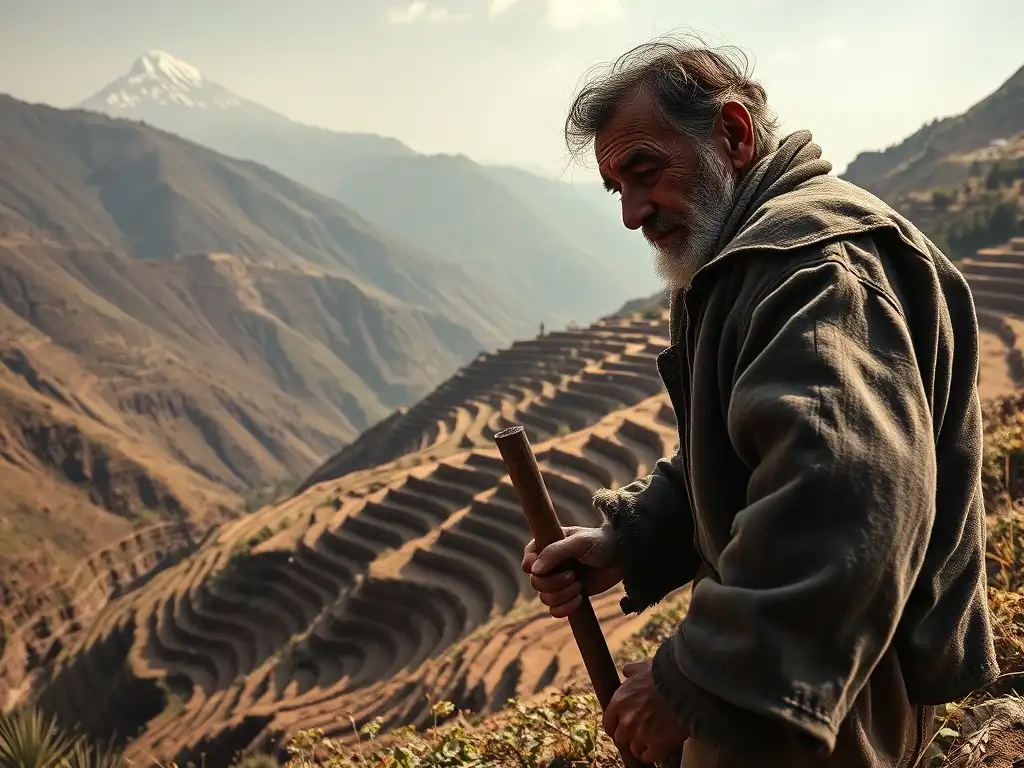
The success of Andean civilizations hinged on their ability to master agriculture in a geographically challenging environment. The high altitude, steep slopes, and unpredictable weather patterns of the Andes presented significant obstacles to food production. Understanding the challenges faced by Andean farmers is crucial to appreciating the ingenuity and resilience of their agricultural practices, which are often referred to as "Andean agriculture techniques."
These techniques weren't simply about growing crops; they were about surviving and thriving in one of the world's most demanding landscapes. The very survival of these empires rested on the shoulders of their farmers, who developed sophisticated methods to overcome these hurdles.
Adapting to the Harsh Andean Environment
The Andes are characterized by dramatic variations in altitude, resulting in diverse microclimates. Farmers had to adapt their techniques to these varying conditions, cultivating different crops at different elevations. For example, potatoes, a staple crop, were grown at various altitudes, with different varieties thriving in specific temperature and rainfall ranges.
This required intimate knowledge of the land and its subtleties. Furthermore, the steep slopes and rocky terrain limited arable land, necessitating the development of terracing techniques to create level planting surfaces. This wasn't a simple task; it involved immense labor and careful planning to prevent erosion and maximize yield.
The construction of these terraces, often painstakingly carved into the mountainside, is a testament to the commitment and skill of Andean farmers. Their understanding of soil types and drainage patterns was crucial in selecting suitable locations for their crops. This intricate relationship between the farmer and the land is a core component of understanding Andean agriculture techniques.
Overcoming Climatic Challenges
The Andean climate is notoriously unpredictable. Frost, drought, and hailstorms were recurring threats to crops. Andean farmers developed strategies to mitigate these risks. They employed a variety of techniques, including crop diversification, to reduce the impact of crop failures.
By planting a range of crops with different growing seasons and sensitivities to climate variations, they ensured a more reliable food supply, even if one crop failed. Furthermore, they developed sophisticated irrigation systems to manage water resources effectively. These systems, often involving intricate canals and channels, allowed them to direct water to their fields, even in arid regions. The ingenuity of these systems is remarkable, considering the limited tools and technologies available.
Careful observation of weather patterns and the development of early warning systems were also crucial for minimizing losses. For example, the timing of planting and harvesting was often synchronized with seasonal changes and celestial events, reflecting a deep understanding of the natural world. This holistic approach to agriculture is a key feature of Andean agriculture techniques.
The Importance of Traditional Knowledge
The success of Andean agriculture was not merely a matter of technology; it was deeply rooted in traditional knowledge passed down through generations. This knowledge encompassed a vast array of practices, including seed selection, soil management, pest control, and crop rotation. This was not simply a body of information; it was a living tradition, constantly evolving and adapting to changing conditions.
The elders of the community played a crucial role in transmitting this knowledge, ensuring the continuity of agricultural practices. This oral tradition, combined with practical experience, created a robust and resilient agricultural system. Furthermore, religious beliefs and rituals were often integrated into agricultural practices, reflecting a deep spiritual connection between the farmers and the land.
This holistic approach, integrating practical knowledge with spiritual beliefs, fostered a sustainable relationship with the environment. Understanding the importance of traditional knowledge is essential to fully appreciating the sophistication and complexity of Andean agriculture techniques. The preservation and study of this knowledge remain crucial for understanding the sustainable practices of these ancient societies, and for informing modern agricultural approaches.
Modern Relevance of Andean Agriculture
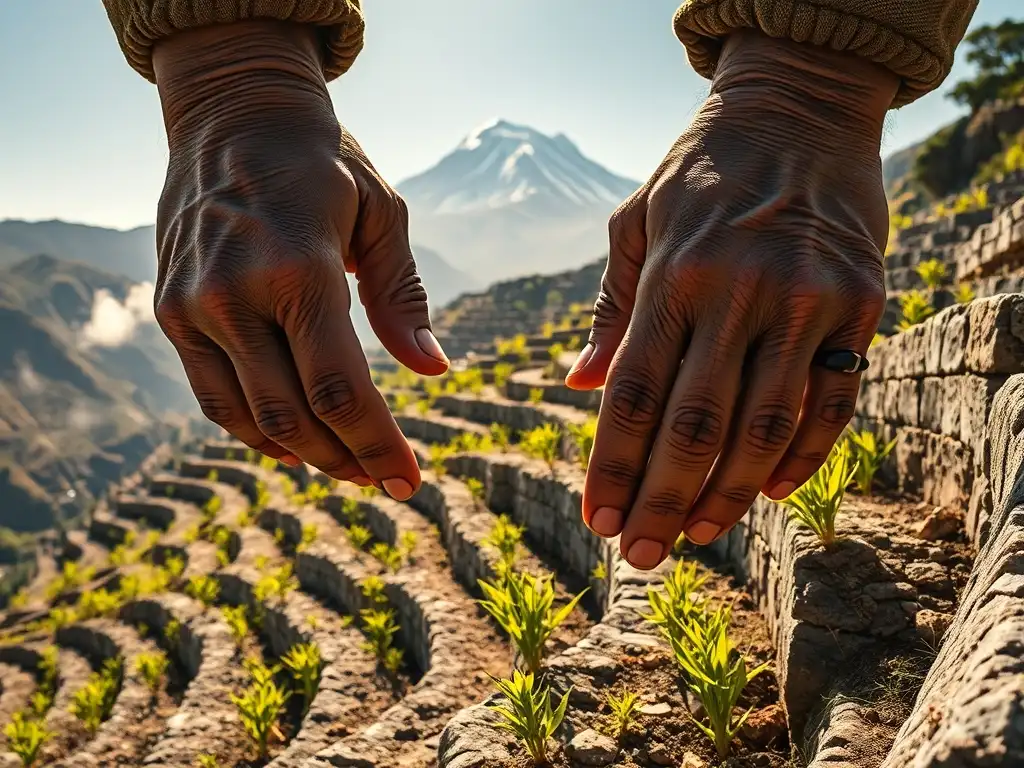
The ingenuity of Andean agriculture techniques continues to resonate profoundly in the 21st century, offering invaluable lessons for sustainable farming practices and food security in the face of climate change and growing global populations. Understanding the challenges faced by ancient Andean societies and their innovative solutions provides a rich source of inspiration for modern agricultural strategies. Their achievements, often accomplished with limited technology, highlight the importance of adapting to environmental conditions and optimizing resource use, aspects critically relevant to contemporary agriculture.
The resilience and adaptability demonstrated by these ancient civilizations serve as a powerful testament to the enduring value of traditional knowledge and its potential to address modern-world problems. This section will delve into specific examples of how these ancient practices hold relevance today.
Lessons from Ancient Andean Techniques for Sustainable Farming
Ancient Andean farmers mastered techniques like terracing, irrigation systems, and crop diversification to maximize agricultural yields in challenging mountainous terrain. These techniques, developed over millennia, offer crucial insights for contemporary sustainable agriculture.
- Terracing: The construction of terraces dramatically increased arable land in the steep slopes of the Andes. This prevented soil erosion, conserved water, and created microclimates suitable for diverse crops. Modern applications of terracing are being explored to combat soil degradation and improve water management in hilly regions globally. The efficiency of terraced farming, as evidenced by the sustained agricultural productivity of Andean societies for centuries, highlights its potential as a key element of sustainable agricultural practices.
- Irrigation Systems: Sophisticated canal and aqueduct systems were built to channel water from rivers and meltwater to agricultural fields, ensuring consistent water supply even during dry seasons. These systems, often integrated with terracing, demonstrate the importance of water management in sustainable farming. Modern irrigation systems can learn from the efficiency and resourcefulness of these ancient networks, particularly in arid and semi-arid regions facing water scarcity. For example, the careful planning and construction of the Nazca irrigation systems, which remain remarkably effective even today, stand as a testament to the effectiveness of ancient engineering principles.
- Crop Diversification: Andean farmers cultivated a wide variety of crops, including potatoes, maize, quinoa, and beans, minimizing the risk of crop failure and ensuring food security. This practice of intercropping and crop rotation, crucial for maintaining soil fertility and reducing pest and disease outbreaks, is a cornerstone of modern sustainable agriculture. The ancient Andean approach emphasizes the benefits of biodiversity in agriculture, a lesson often overlooked in modern, monoculture-based systems.
The integration of these ancient Andean techniques into modern farming practices offers a powerful path towards more sustainable and resilient agricultural systems.
Andean Agriculture and Food Security Today
The challenges of food security in the modern world are closely linked to the issues faced by ancient Andean societies – namely, environmental constraints and the need for resilient agricultural practices. The Andean region, despite its challenging environment, historically supported large and thriving populations through its advanced agricultural techniques. This success is a compelling argument for the adoption of similar strategies in other regions facing food insecurity.
The resilience of Andean crops, many of which are uniquely adapted to high-altitude conditions and harsh climates, is particularly relevant today. Quinoa, for instance, is now recognized globally as a highly nutritious and climate-resilient crop, demonstrating the potential of Andean crops to address global food security concerns. The continued study and cultivation of these ancient crops are crucial for diversifying global food systems and enhancing their resilience to climate change.
Furthermore, the knowledge of traditional seed-saving practices, a cornerstone of Andean agriculture, is essential for maintaining biodiversity and preserving genetic resources for future generations. This ancient wisdom offers invaluable lessons for modern seed banks and conservation efforts.
The Preservation of Traditional Agricultural Knowledge
The preservation of traditional Andean agricultural knowledge is paramount for both cultural and practical reasons. This knowledge, passed down through generations, represents a wealth of experience and innovation that is too valuable to be lost. The ongoing efforts to document and share this knowledge with both local communities and the wider world are essential for ensuring the continued relevance of these practices.
The importance of community-based approaches to preserving this knowledge cannot be overstated. Many Andean communities still actively utilize traditional farming techniques, and their participation in the preservation and dissemination of this knowledge is vital. Supporting these communities and their traditional practices is not only crucial for preserving cultural heritage but also for ensuring the availability of sustainable agricultural solutions for future generations.
The documentation and study of these techniques, alongside the ongoing support of Andean communities, will ensure that the legacy of Andean agriculture continues to inspire and inform sustainable farming practices for generations to come. The preservation of this knowledge is, in essence, the preservation of a vital part of human history and a key to ensuring global food security.
Conclusion: The Enduring Legacy of Andean Agriculture
The ingenuity and adaptability of Andean agriculture techniques are undeniable. These methods, honed over millennia in response to the challenging Andean environment, weren't merely survival strategies; they were the bedrock of complex societies, supporting population growth, social stratification, and the development of impressive urban centers. The sophisticated understanding of water management, terracing, and crop diversification allowed these civilizations to thrive in a landscape that many would consider inhospitable. The legacy of this agricultural prowess continues to resonate today.
The Continued Importance of Andean Farming Methods
The techniques developed by ancient Andean civilizations, like the Incas, continue to inform modern agricultural practices, particularly in high-altitude regions. Many traditional methods remain relevant and even superior to modern industrial techniques in certain contexts. For example, the intricate system of waru waru raised fields, employed by the Tiwanaku, reduces water loss through evaporation and improves drainage, making it highly efficient in arid and semi-arid environments.
This is particularly pertinent in the face of climate change and increasing water scarcity. The knowledge embedded in these ancient practices represents a valuable resource for sustainable agriculture today. Understanding and adapting these techniques could contribute significantly to food security in challenging environments worldwide.
Furthermore, the emphasis on crop diversification, characteristic of Andean agriculture, offers a crucial lesson for modern farming. Reliance on monoculture farming renders agricultural systems vulnerable to pests and diseases. Ancient Andean farmers expertly cultivated a diverse range of crops, ensuring resilience against environmental fluctuations and providing a varied diet rich in nutrients. This principle is now being re-evaluated in light of the growing awareness of the importance of biodiversity in sustainable agriculture. The integration of traditional Andean knowledge with contemporary agricultural science holds immense potential for creating more resilient and sustainable food systems.
Modern Applications and Challenges in Andean Agriculture
While the enduring legacy of Andean agriculture is clear, modern challenges persist. The encroachment of urbanization, deforestation, and climate change pose significant threats to the continued application of these traditional methods. Soil erosion, exacerbated by unsustainable practices, is a major concern.
Preserving the knowledge and skills associated with traditional Andean agriculture requires active intervention, including educational initiatives and support for indigenous communities who are the custodians of this invaluable heritage. The integration of traditional knowledge with scientific research is essential to address modern challenges and ensure that these sustainable practices continue to support the livelihoods of Andean communities. The future of Andean agriculture depends on a holistic approach that values both ancient wisdom and modern scientific advancements.
Protecting the Heritage: Preservation and Research
The preservation of Andean agricultural techniques is not merely a historical endeavor; it's a vital step towards building more resilient and sustainable food systems for the future. This requires a multi-pronged approach: investment in research to better understand the ecological principles behind these techniques, support for indigenous communities to continue practicing and sharing their knowledge, and the development of policies that protect the land and resources necessary for the continuation of these practices. The documentation and dissemination of this knowledge are also crucial. By understanding and applying these ancient methods, we can enhance food security, promote biodiversity, and contribute to a more sustainable future, particularly in regions facing environmental challenges.
The rich tapestry of Andean agricultural techniques deserves not only preservation but also celebration as a testament to human ingenuity and adaptability. The study of Andean agriculture techniques offers valuable lessons for global food security and sustainable agriculture. 🌎
Frequently Asked Questions
What were the main challenges faced by Andean farmers?
The harsh environment of the Andes presented significant challenges. Farmers had to contend with high altitudes, steep slopes, thin soils, and variable climates, including droughts and frosts. Innovative techniques were crucial for survival.
What innovative agricultural techniques did Andean civilizations develop?
Andean civilizations developed ingenious techniques like terracing, irrigation systems, and crop diversification. They also used fertilizers derived from animal manure and guano, and practiced crop rotation to maintain soil fertility.
How did terracing help Andean agriculture?
Terracing created level platforms on steep slopes, reducing erosion and maximizing arable land. This allowed for efficient water management and increased crop yields even in mountainous areas.
What role did irrigation play in Andean farming?
Irrigation systems were vital for supplying water to crops, especially in arid and semi-arid regions. Canals and aqueducts transported water from rivers and streams to fields, ensuring consistent water supply.
What crops were most important to Andean civilizations?
Potatoes, maize (corn), quinoa, and beans were staple crops for Andean civilizations. These crops provided essential nutrients and were adapted to the diverse Andean environments.
Final Reflection: Cultivating Resilience in the Andes and Beyond
The ingenious agricultural techniques of the Andean highlands, honed over millennia, remain a vital lesson in sustainable living, a beacon of hope in a world grappling with climate change and food insecurity. These methods, far from being relics of the past, offer crucial insights for modern agriculture, demonstrating the power of adaptation and resourcefulness in the face of environmental challenges. Their continued relevance is undeniable, a testament to the wisdom embedded within traditional practices.
The enduring legacy of Andean agriculture is not merely about sustenance; it's a profound cultural narrative woven into the very fabric of Andean life. It speaks to a deep connection between people and their environment, a respect for the land that transcends mere practicality. The earth is what we all have in common.
– Wendell Berry. This quote resonates deeply, highlighting the shared responsibility we all bear in ensuring the sustainability of our agricultural practices, regardless of geographical location. The resilience demonstrated by Andean farmers serves as a powerful reminder of the interconnectedness of our global food systems and the need for collaborative solutions.
Consider the ingenuity of the waru waru system, the terraced fields, the diverse crop rotations – these are not just farming techniques; they are expressions of a deep understanding of ecological balance. You, the reader, can take inspiration from this rich history. Embrace sustainable practices in your own life, however small they may seem.
From reducing food waste to supporting local farmers, every conscious choice contributes to a more resilient and equitable food future. Let the legacy of Andean agriculture inspire you to cultivate a more sustainable relationship with the earth, ensuring that future generations can thrive as the Andean people have for centuries.
Embrace the Power of Agriculture Today!
Thank you for exploring the vital role of agriculture in the Andean Highlands. We hope this article has deepened your appreciation for how these practices sustain life and culture in this unique region. Now, let's talk about how you can make a difference.
Here are some ways to get involved:
- Support local farmers: Join a local agricultural initiative or cooperative to promote sustainable farming practices in your community. Your participation directly benefits local producers and helps preserve valuable agricultural traditions.
- Share your knowledge: Spread the word about the importance of sustainable agriculture, particularly the innovative and resilient methods used in the Andean Highlands, with your friends, family, and on social media. Raising awareness is crucial for creating lasting change.
- Connect with your food: Visit a local farm or farmer's market. This is a fantastic way to connect with producers, learn about where your food comes from, and understand the vital role agriculture plays in your own life.
What will you do today to support sustainable agriculture and celebrate its impact on your community? Share your thoughts below!